
 VI
VI



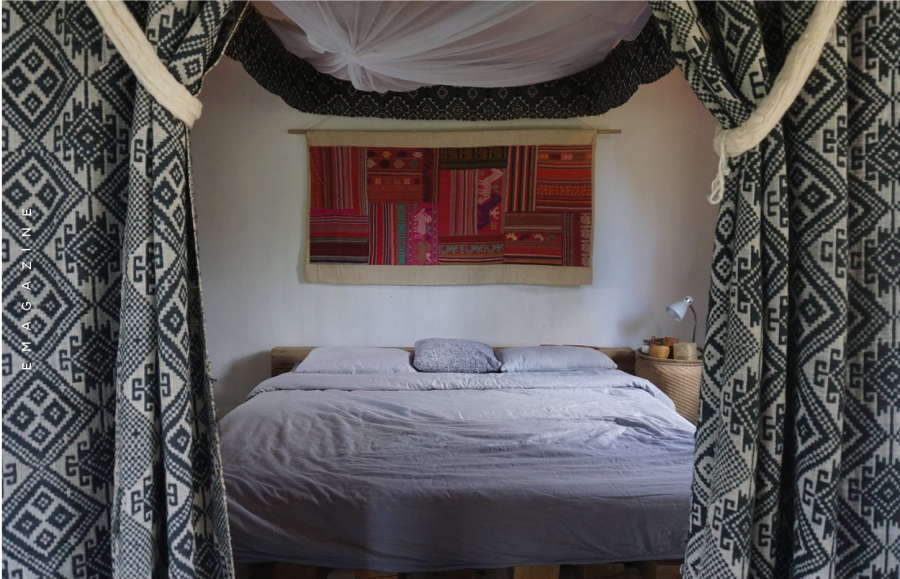
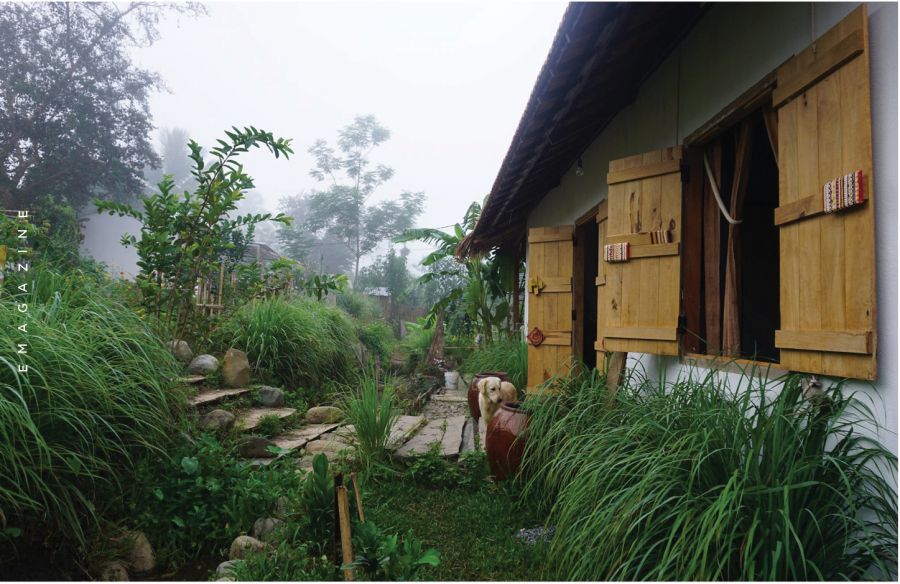
At the age of 28, Kieu Duc Thang left the city to live on a 1,700 square meter plot of land.2Nestled amidst pristine mountains and forests, Thang and his associates created a garden overflowing with flowers, leaves, vegetables, and fruits; a small house measuring just 36 square meters where they spent their days making pottery, dyeing fabric, baking cakes, and countless other unnamed tasks.
As a dream for many city dwellers, Thang has shared glimpses of his life in magazines and on social media, but these stories only seem to fuel curiosity: What led this young man, at the prime of his life, to choose to retreat to the countryside? Is maintaining such a dreamy or "dull" life difficult?... We would like to share with readers the interview Travellive conducted with Kieu Duc Thang – or rather, how this young man completely convinced us that anyone who returns to nature is also returning to themselves.
Hi Thang. Could you please introduce yourself briefly and tell us what you'd like Travellive readers to know about you?
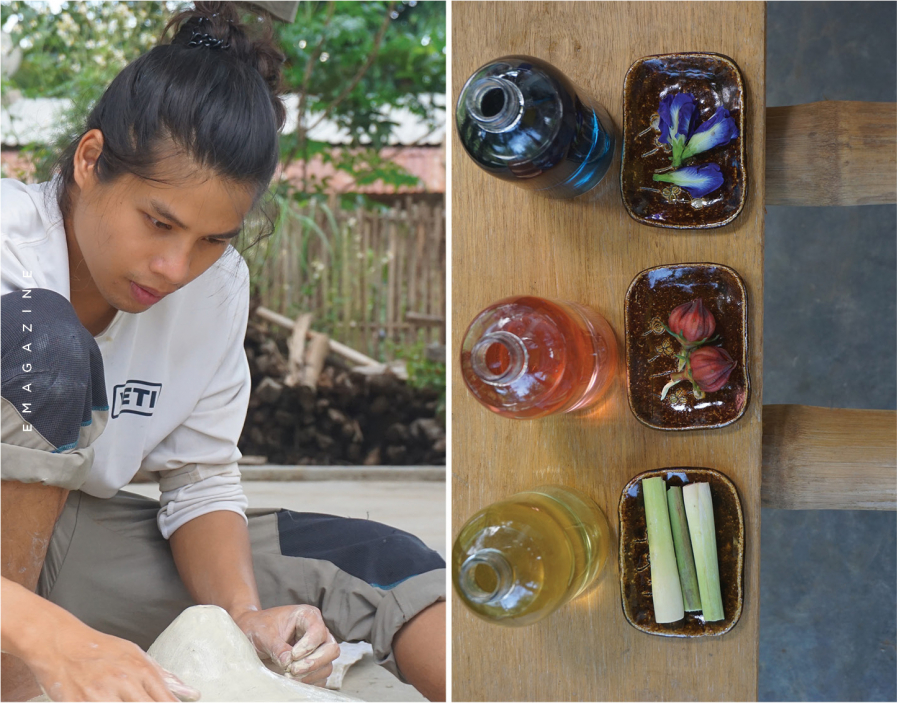
People still call me Thang Kieu. After graduating with a degree in Interior Design from Hanoi University of Architecture, I continued working in design and creative fields in Hanoi and Saigon. My job required a lot of travel, but currently I've chosen to live in a new place, the mountainous district of Khanh Son (Khanh Hoa province), to focus on my work and lifestyle.
Having lived and worked in two of Vietnam's most bustling cities, Thang has now created a life completely separate from the hustle and bustle and modern people, surrounded only by nature. Why?
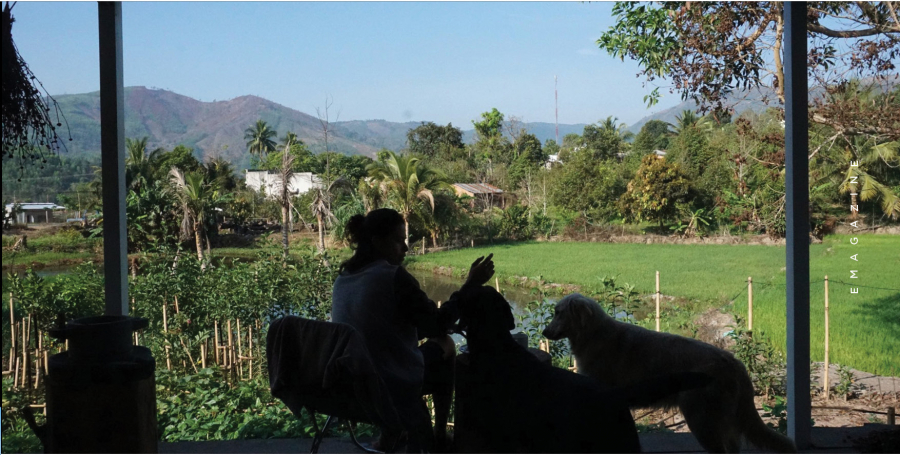
That has always been my dream; or perhaps it's because I was born in Mai Chau (Hoa Binh), surrounded by mountains, trees, and streams, in a vast valley, which has shaped my lifestyle to be close to nature. I'm familiar with the air, the scents, the colors of nature, and the harshness that nature brings. Returning to live amidst nature is, for me, a normal story, nothing special.
Many people think that living a self-sufficient lifestyle is something strange and different in this day and age, but aren't modern humans also something strange and different from the laws of nature?
But Thang currently still works a job like many "modern people," so does this simple life bring difficulties or advantages to his work?
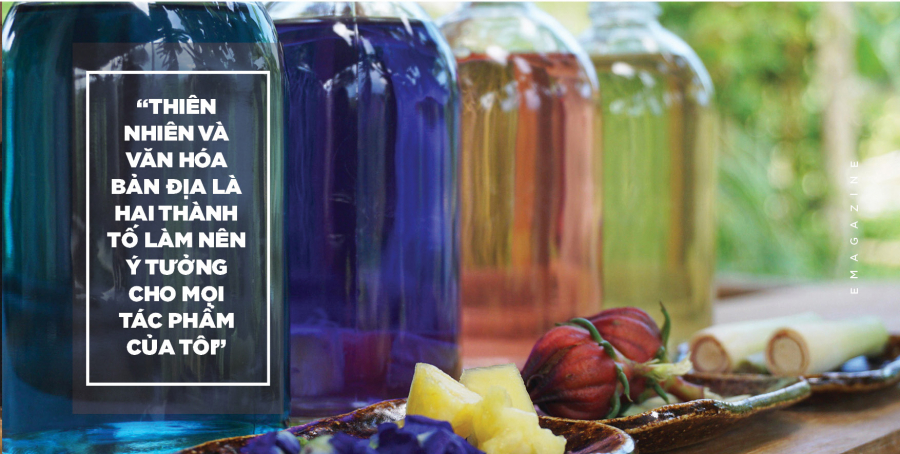
Nature and local culture are the two elements that inspire all my designs, and my mission is to bring those ideas to life. I am still researching how to create sustainable furniture by incorporating local craftsmanship techniques. Here, I find the right materials for my work – materials that would be difficult to find in the city.
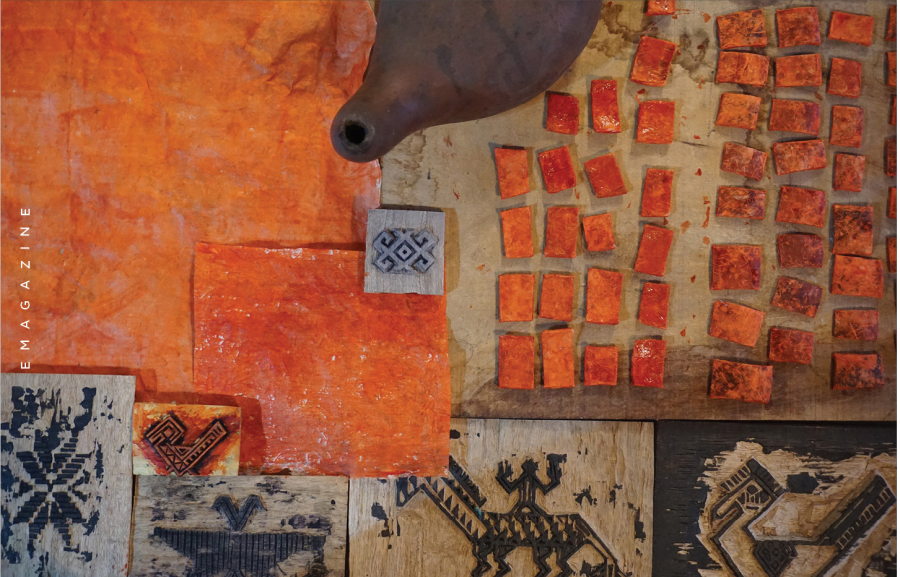
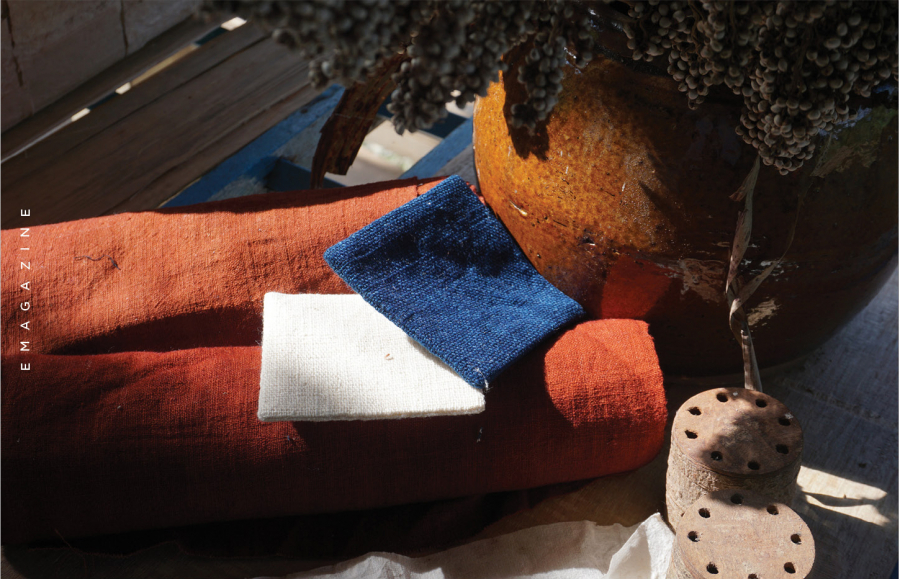
Another project I'm working on is reviving the traditional Thai weaving and dyeing craft – a long-held passion and aspiration for my people's traditional cotton weaving and natural dyeing. Living close to nature allows me to explore new materials from plants and flowers.
Changing to a new environment and a new life will certainly present many challenges. However, what I'm doing is something I've wanted for a long time; I've had time to research, prepare, and now it's time to make it happen.
This is probably what everyone is curious about: Can Thang "draw" for people a picture of what a typical day for him is like?
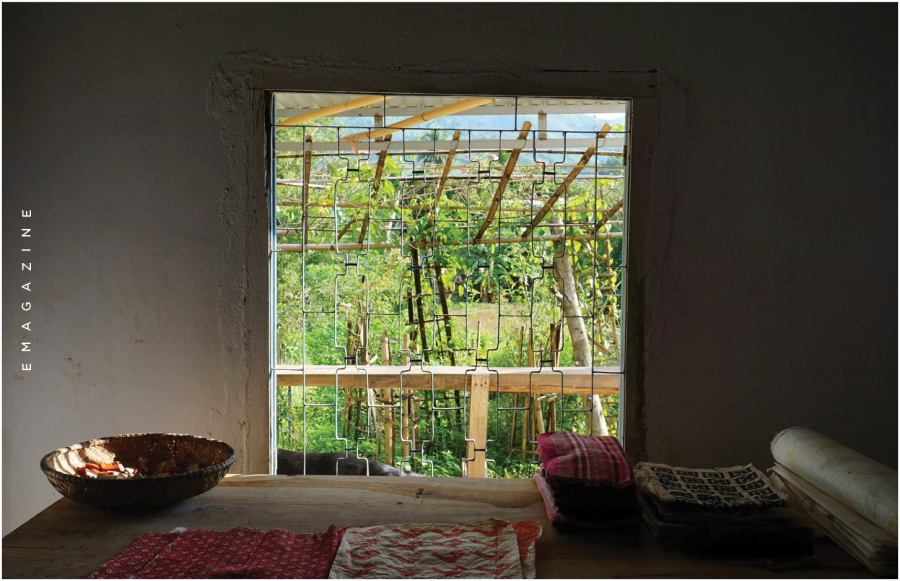
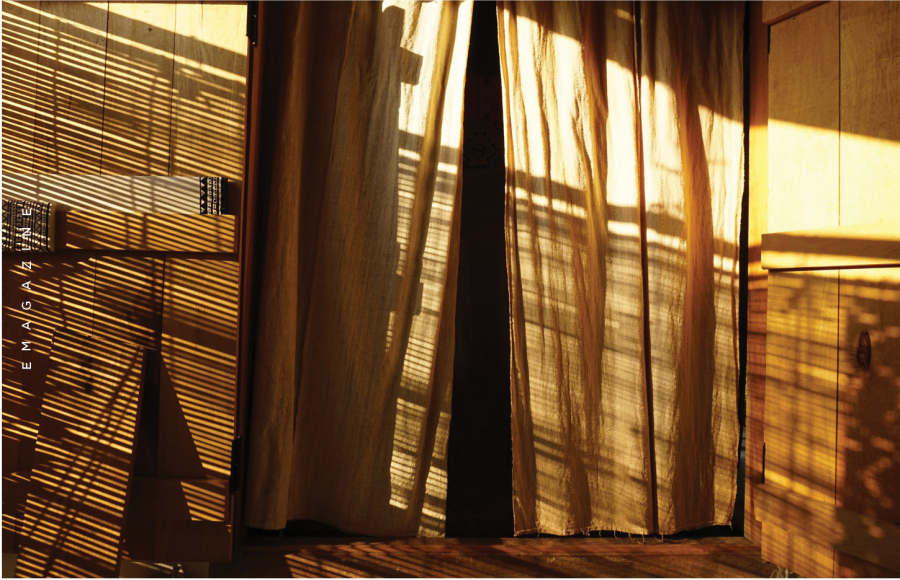
Living in harmony with nature, I can fully observe its wondrous workings day by day, month by month, year by year, and conversely, nature has also shaped a reasonable schedule for me. My sleep is awakened at the same time as the sun and other animals. When I wake up in the morning, I can tell it's around 5:15 or 5:30, even if it's drizzling or foggy. Outdoor work ends when the sun shines its rays on the rows of plants; at that time, I know it's around 9 or 10 a.m. When I see the sunlight shining through the bamboo blinds, creating warm yellow stripes on the wall, I know it's around 5 p.m., the time when I need to clean up all the day's work to prepare for dinner. Dinner takes place from dawn until it darkens, turning into a deep black, around 7 p.m., and the meal is over, sometimes even earlier.
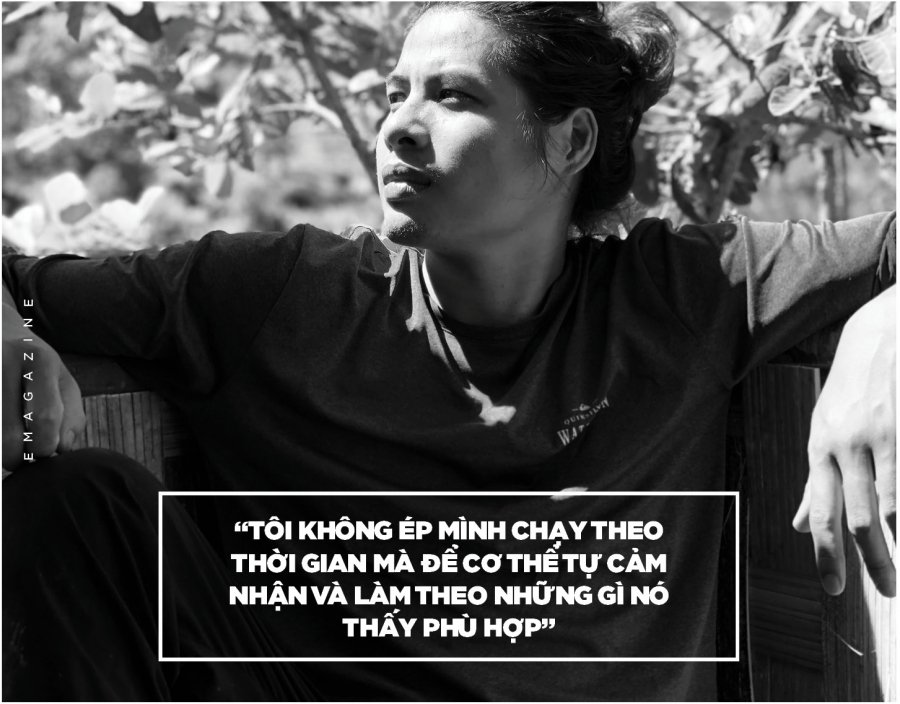
That's how I "convert" time, but I usually base my daily life and work on natural conditions rather than having a precise and specific schedule. Each day is different and varied for me. I don't force myself to chase a fixed time, but let my body sense and follow what it finds appropriate.
Isn't that a bit too idealistic compared to everyone else's "time zone"?
I didn't create that time myself; it was the rhythm of nature that shaped my schedule, and that of the other people living in the "village," those in the countryside who live the same way. In that freedom, I find myself being molded by nature into better habits, discipline, and a more planned way of working.
Thang often shares photos of his "green" meals on social media. But did Thang actively choose this diet, or was it a necessary choice given his life in the mountains?
Growing my own food from a garden is something I've always dreamed of. Luckily, the climate here is quite favorable for plant growth. All the plants and tubers in my garden grow naturally; healthy plants produce good produce, while weak ones die off and become compost for the remaining plants. Currently, I don't use 100% of the produce from my own garden, but I have many other safe options from the local market and from the gardens of local people.
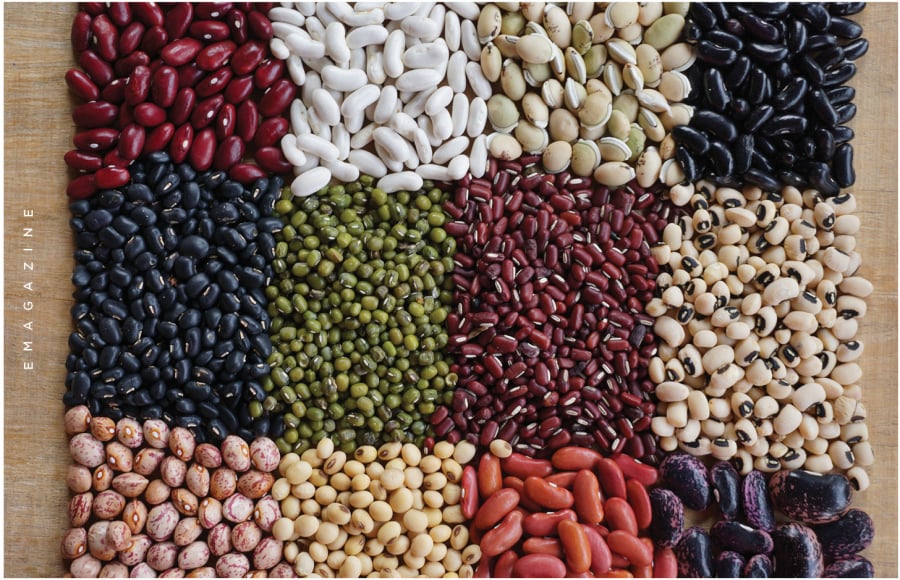
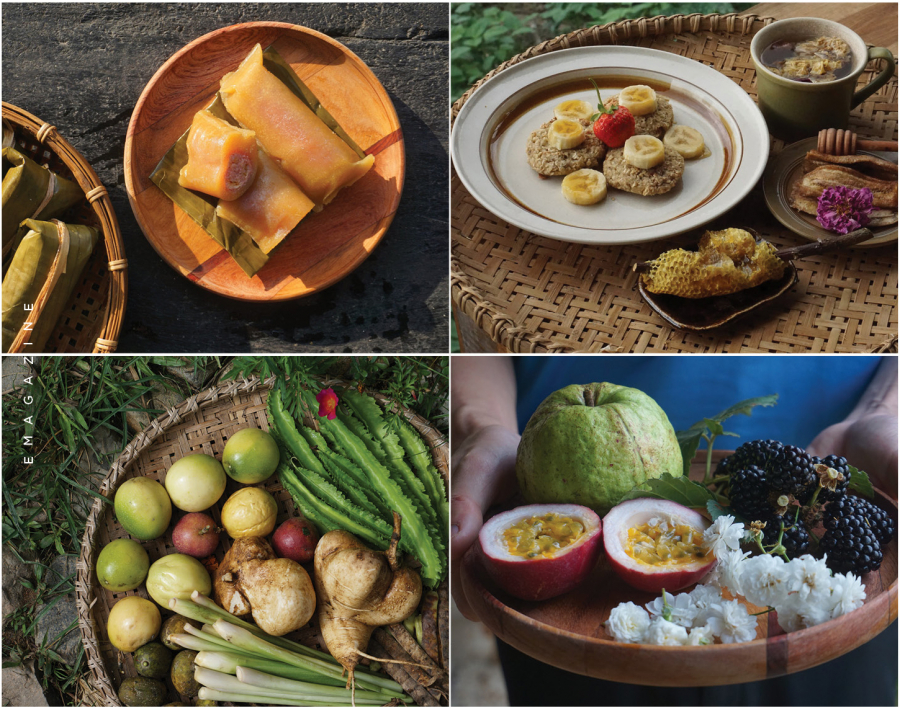
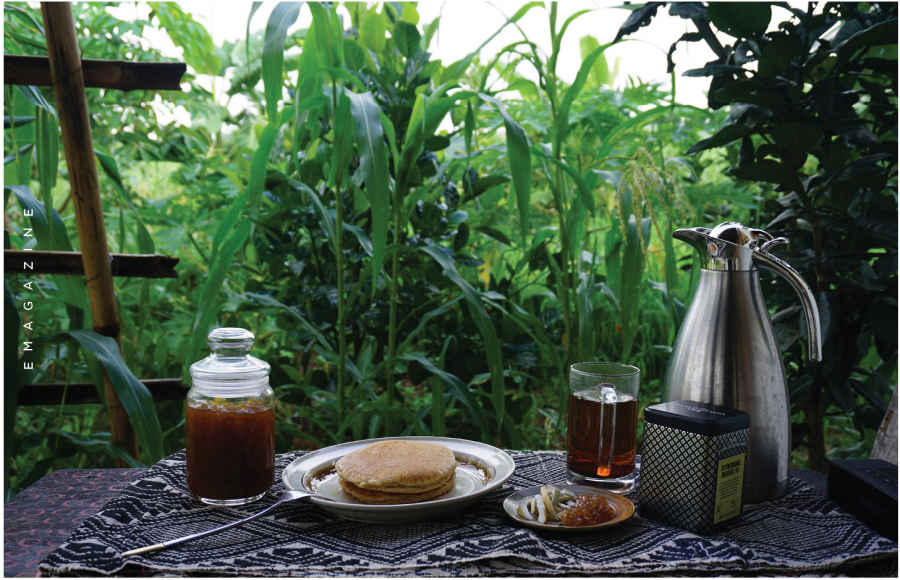
Preparing the food doesn't take much time because the vegetables are harvested directly and used immediately, retaining their original sweetness and freshness. If I want to add more flavor, I use tropical spices like pepper, cinnamon, star anise, lemongrass, nutmeg, ginger, and garlic; but for a richer taste, I only use a little salt or homemade fish sauce, not any other spices.
This tropical land also bestows upon us an abundance of fruits: mangoes, jackfruit, pineapples, durians, rambutan, pomelos, papayas… But each fruit is in season, and the harvest season only lasts for one or two months, so I usually process them into products to use gradually, such as making mango, pineapple, lemon, and orange jams… or pickling various vegetables and fruits to eat with each meal.
Every aspect of life is connected to nature; does Thang feel confident that he understands it?
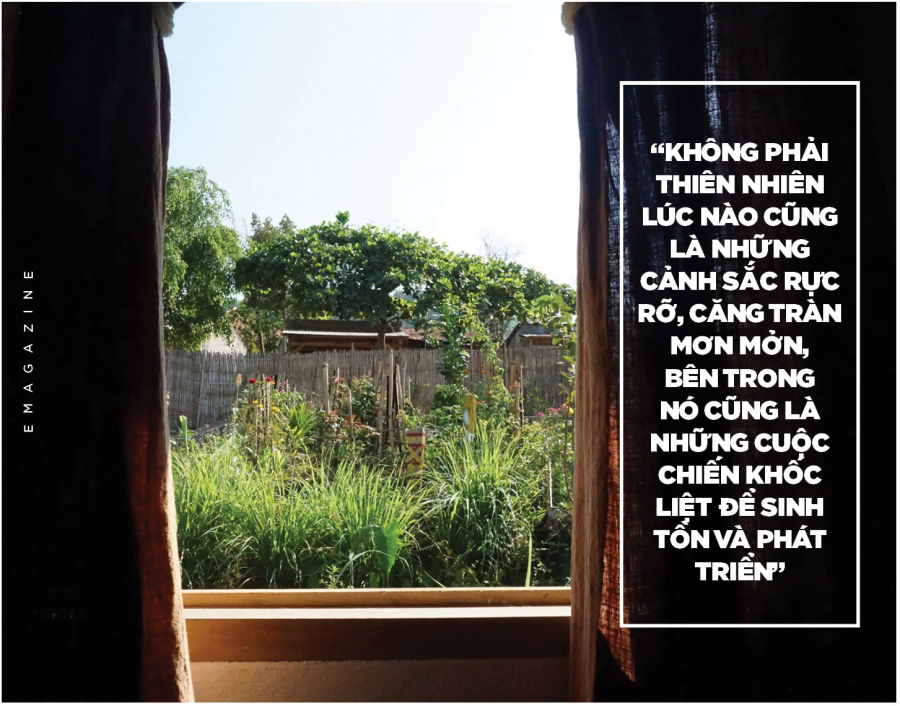
I have been, am, and will continue to learn from what nature has to offer. At least, I have understood that nature is not always about breathtaking scenery, abundant fruit, and vibrant flower gardens; within it lies a fierce battle between plants and their predators. Plants must also struggle against terrain and weather to survive and thrive. They will die if they do not send their roots deep enough to withstand the drought, and they will die if they are not strong enough to fight off diseases.
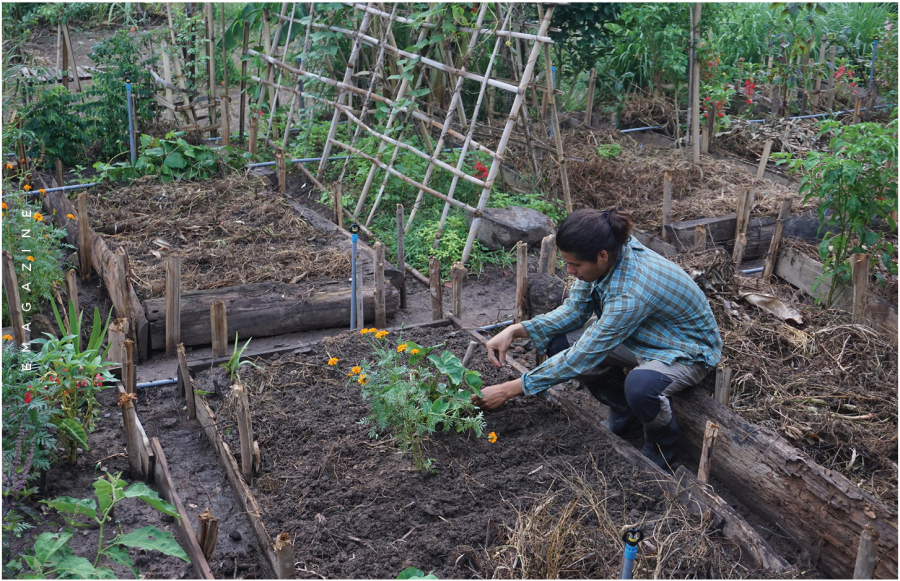
I still strive to create a natural ecological environment where all kinds of pesticides and biological preparations are superfluous. My garden doesn't use any chemicals; plants grow naturally according to the seasons, and insects and bugs live freely without needing to be eradicated, as the balanced biodiversity will naturally eliminate them.
So, does Thang plan to maintain this lifestyle in the long term?
I consider health to be the most important and essential thing for the human body to survive. To have good health, one must know how to care for, maintain, and select things that directly affect the body. These include land, water, air, food, etc. Therefore, nature will always be my choice for sustaining life.
This is just the beginning of a new life. I hope that in the future, my garden will provide enough food for my relatives living in the city, and enough materials to create environmentally friendly products.
And one final message for everyone?
Modern society and urbanization are developing so rapidly that people may not have had time to redefine what constitutes the best life, forgetting that there are still other choices available. But humans and nature are two inseparable elements; I will always choose to live in harmony with and be a part of the natural world, and perhaps you will too?
Yendu Farm
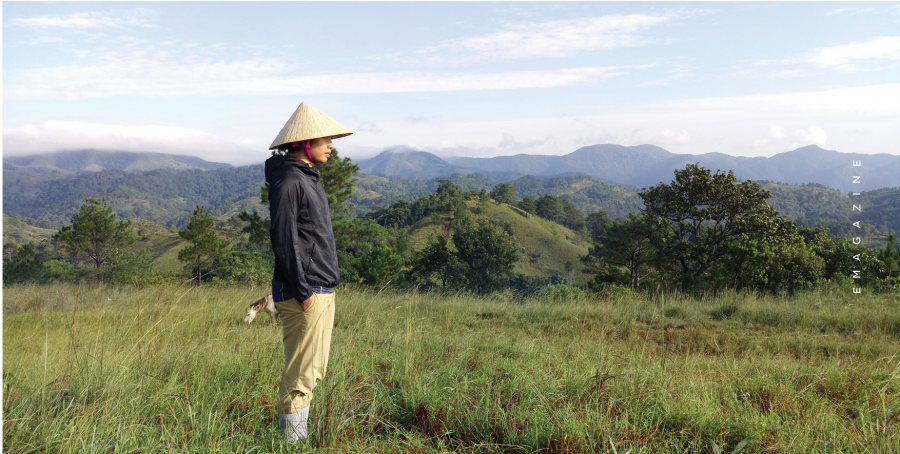
Yendu FarmYendu Farm is the new name for Thang's garden-farm, where he and his colleagues create products such as essential oils, distilled water, tea, and food. All are processed using 100% handcrafted methods, without preservatives or additives. Some of Yendu Farm's most popular products currently include distilled ginger/betel leaf water, insect repellent oil, and natural essential oils from lemongrass/cinnamon/star anise/camphor.



