VI
VI


Cinema is not just about artistic films; it's also a cultural bridge, allowing audiences to explore new lands, traditional values, and authentic everyday stories. Vietnamese horror films are increasingly captivating audiences with their eerie storytelling combined with folklore elements from fresh perspectives. Join Travellive in meeting Hoang Quan – one of the producers of popular horror films that have been making waves recently – and discover how this filmmaker uses cinema to bring to life the mysterious stories hidden within Vietnamese folklore.
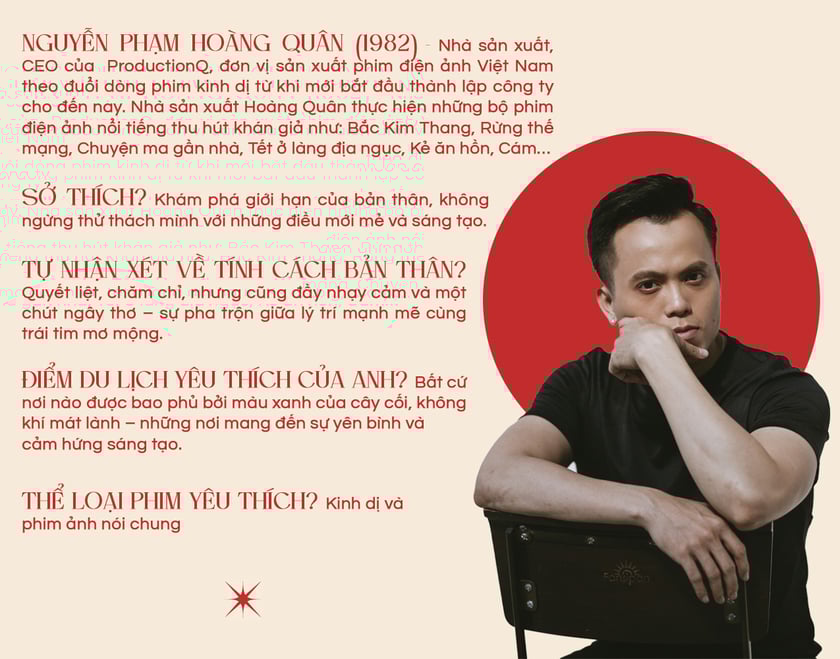
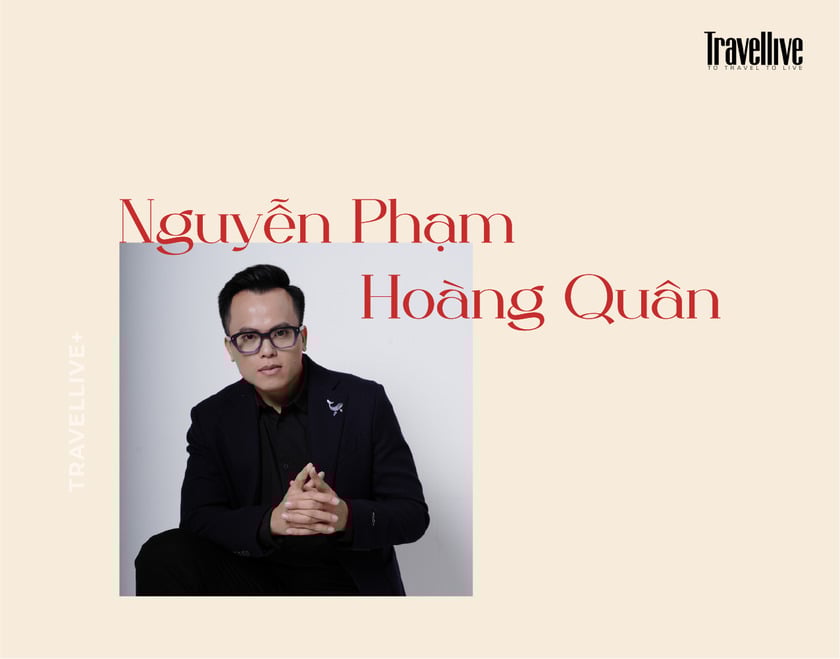
Hello Mr. Hoang Quan, known as the producer of many popular horror films in Vietnam in collaboration with director Tran Huu Tan, could you share a little about your journey into this genre? What led you to decide to focus on connecting Vietnamese culture through cinema?
Director Tran Huu Tan and I are both avid moviegoers. Previously, I was a writer specializing in culture and art, having collaborated with newspapers and magazines for many years. In 2018, after more than 10 years working in advertising, we both felt it was time to tell our own story, and horror is a genre we're both passionate about because it's incredibly unique and captivating. The characters and stories in this genre all have their own destinies and are quite "intense." That's why Tan and I chose this genre.

Furthermore, having worked for multinational companies for a long time and traveled extensively around the world, I've come to appreciate and feel proud of Vietnamese culture. Connecting the uniqueness, richness, and identity of Vietnamese religious and spiritual culture with the genre of horror films will create a distinctive differentiating factor for ProductionQ in particular.
We have always loved and cherished Vietnamese culture. Despite the challenging and arduous path of making horror films, we remain determined to pursue this passion to the end. Our hope is that Vietnamese audiences can see familiar elements from their cultural and spiritual lives brought to the screen, and even more so that these works are screened in many countries, reaching international audiences. We are delighted that our first film, "Bac Kim Thang," from ProductionQ, has been officially selected for the Busan International Film Festival 2019.
The trend of making horror films based on Vietnamese folklore is becoming increasingly popular. Throughout the filmmaking process, what challenges did you encounter when combining traditional culture with modern elements? How do you balance preserving identity while maintaining appeal to an international audience?
Combining traditional culture with modern elements always requires in-depth research and careful consideration in exploiting cultural materials. The biggest challenge is preserving the authenticity and spirit of the material while making it appealing, fresh, and accessible to young Vietnamese and international audiences.
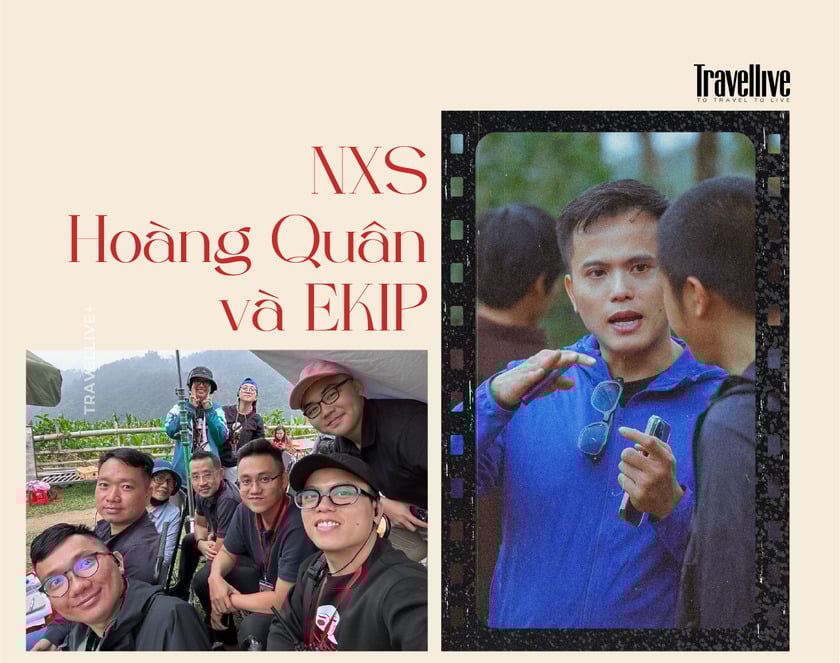
To achieve balance, the team always focuses on telling a sincere story, then uses modern technical elements such as visuals, sound, and special effects to enhance the audience's experience. In particular, the director's horror techniques must be innovative, the technical aspects and production quality must strive to be on par with leading film nations in the region, but the film's atmosphere must be distinctly Vietnamese. Vietnamese audiences should feel a sense of familiarity without finding it boring.
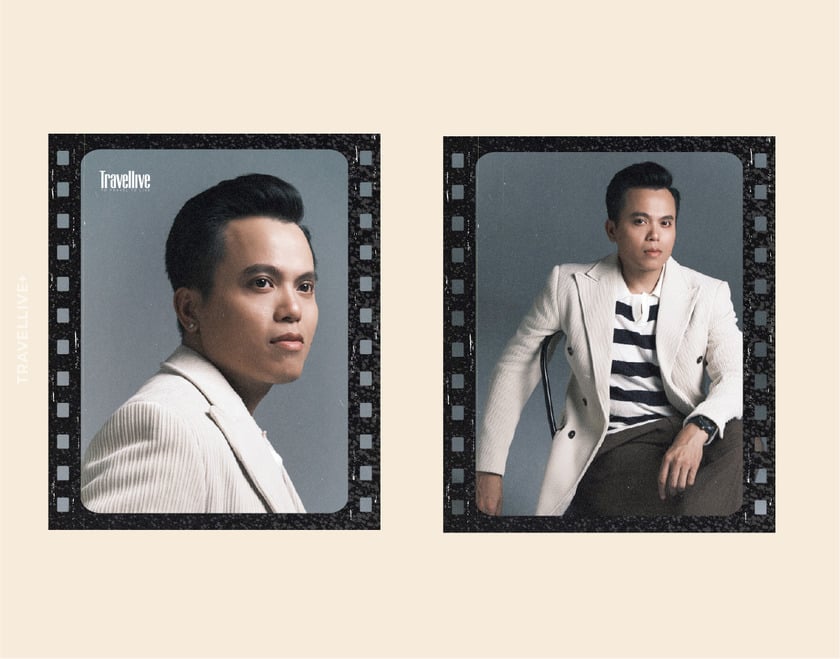
Vietnamese cinema currently has a strong influence on tourism and culture, especially through showcasing destinations, customs, and traditional values. In your opinion, what role does cinema play in promoting tourism and preserving national cultural identity? What effects do you hope to create on tourism and rural culture through your works?
Cinema is a powerful tool for promoting culture and tourism. When a film is well-received, it not only brings the story to the audience but also sparks curiosity about the places, customs, and values reflected in the film.
With "The Forest of Life," the film helped promote the Ta Nang - Phan Dung area, attracting thousands of tourists to trek and explore this stunning route. Similarly, films like "Tet in the Village of Hell" and "The Soul Eater" also contributed to boosting tourism in Ha Giang and the ancient village of Sao Ha featured in the films, now known as the village of hell. Through these works, Tan and I hope to create positive effects, not only attracting audiences to explore Vietnamese countryside but also making them appreciate traditional cultural values more.
Music is a crucial element in creating the haunting atmosphere of horror films. Could you share more about the process of selecting and composing music for your films?
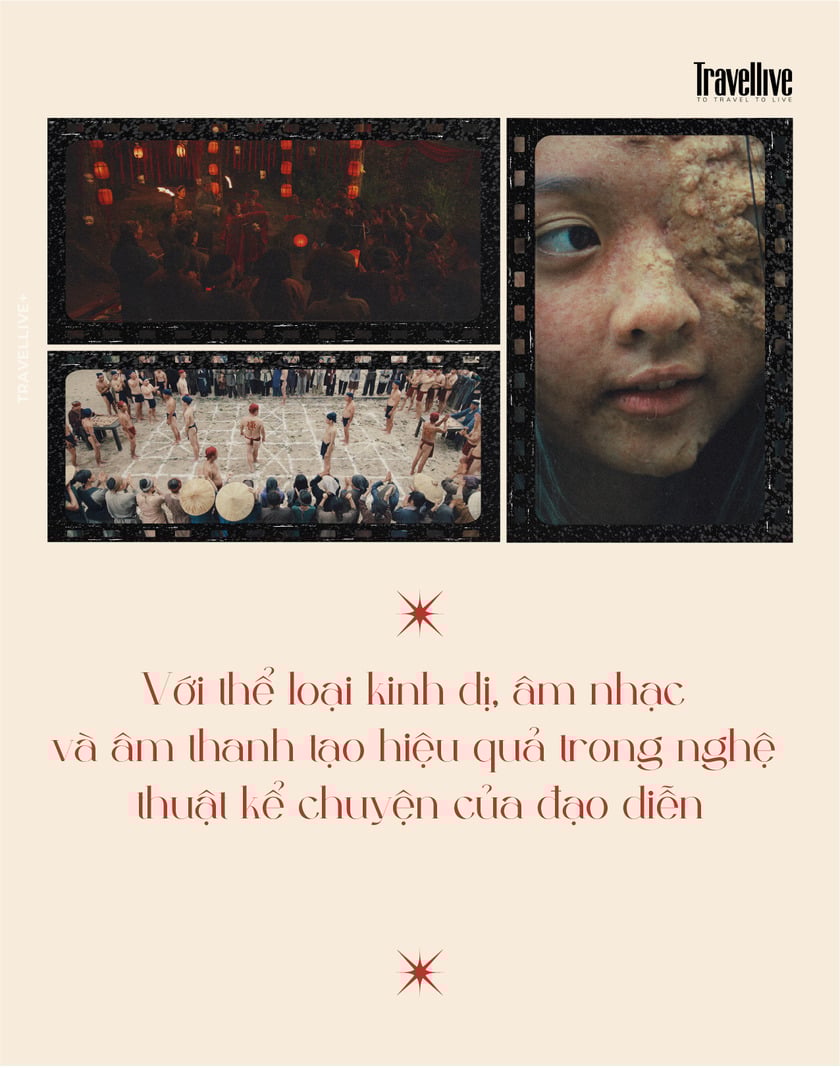
More precisely, it's music and sound. For the horror genre, these two elements play a crucial role in the director's storytelling effectiveness. From my first work, I've paid close attention to this element and always worked closely with the composer and sound engineer. The goal is to create melodies and sounds that not only highlight the characters' "auditory presence" but also create a distinctive atmosphere, one that is both deeply rooted in folk traditions and evokes a sense of dread and haunting for the film. Traditional instruments like the bầu lute, tranh zither, flute, and tiêu bamboo are subtly combined with electronic sounds, creating a musical space that is both unique and memorable.
How does the filming setting impact the psychological development and sense of dread for the audience in horror films? What are the challenges in recreating a historical setting compared to a modern one?
Recreating a truly authentic historical setting requires significant investment, from research to costume and prop design. The authenticity of the setting not only enhances persuasiveness but also creates a powerful emotional foundation for both actors and audiences. The setting is crucial in building audience trust. With the limited budgets of Vietnamese films, simply simulating a historical setting cannot compensate for the genuine, time-worn feel of a real setting. It's very difficult to fake those things.
For actors, the real setting is not just something they can see or touch, but also something they can sense by smelling the space. During the pre-production phase, actors work on the script while imagining the surrounding space of their character. These imaginings can only become unified and synchronized when they are all reflected in the actual setting.
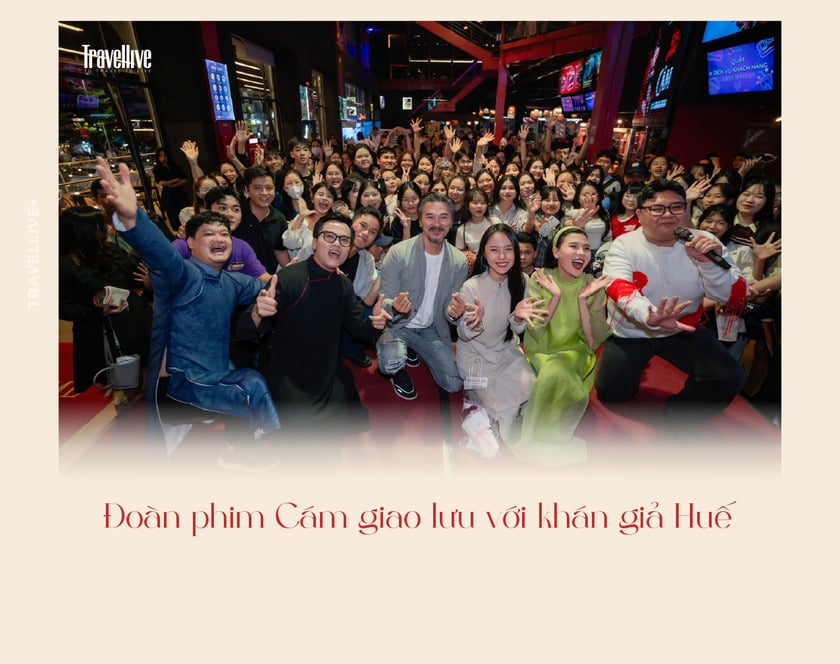
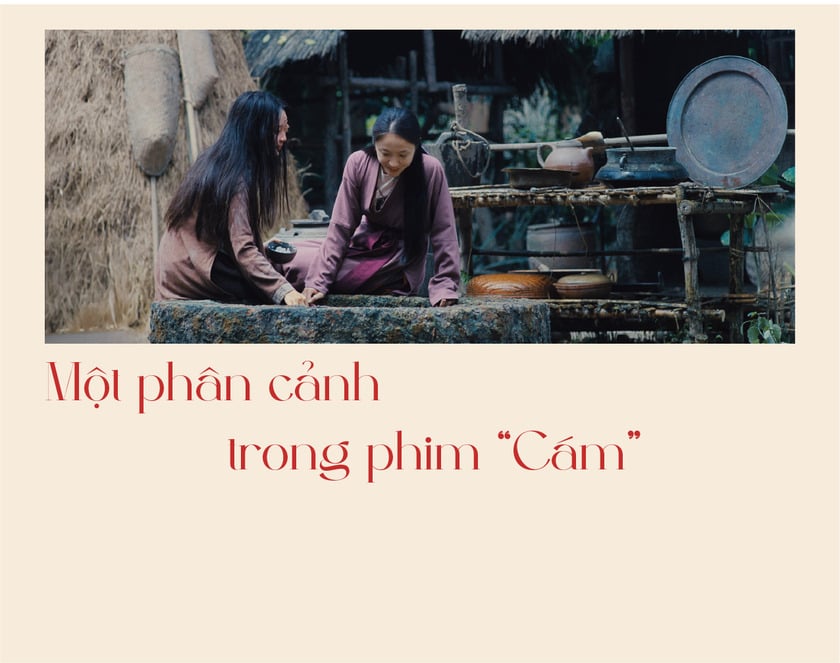
In his most recent film, "Cam," he chose to reinterpret a famous Vietnamese folk tale while simultaneously incorporating fresh elements. Could you share your reasons for choosing to tell this story in a different way, completely altering it from the traditional version?
Both Tan and I are big fans of the fairy tale Tam Cam. Like with our previous films, we always pay more attention to characters with special fates or those who are often overlooked. Cam is a prime example. We wanted to tell this story from Cam's perspective, not just as a villain, but as a person with a unique destiny.
The inclusion of bizarre and grotesque elements, along with a shift in character perspective, not only provides a different experience but also allows the audience to rediscover the story, delving deeper into the hidden aspects and complex psychological developments within it. This makes the work both familiar and surprising, offering a fresh perspective.
In recent years, have you noticed any changes in how audiences receive Vietnamese cultural works through cinema? Have you observed any shifts in cultural consumption trends?
Vietnamese audiences are increasingly demanding and discerning about the quality of both the content and form of Vietnamese films. They are not only seeking pure entertainment but also want to enjoy works that are humane and reflect national cultural values. The current trend in cultural reception is towards authentic, emotionally rich, and profound stories. Young audiences are also increasingly demonstrating national pride through their choices in watching and supporting Vietnamese cultural products.
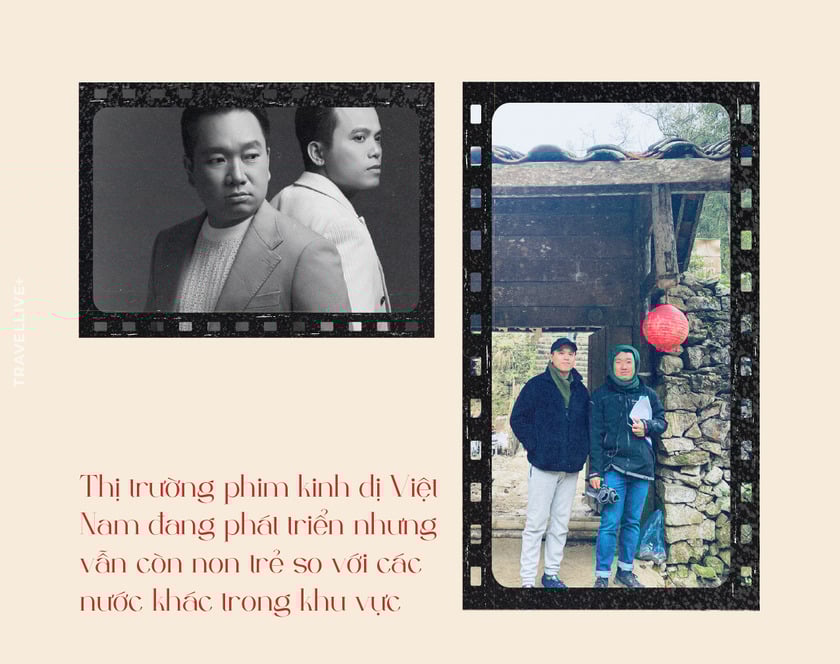
Compared to other countries, how would you assess the current state of the Vietnamese horror film market? Is this a great opportunity for producers to capitalize on? In your opinion, what is the most important factor for a successful Vietnamese horror film?
The Vietnamese horror film market is developing but still nascent compared to other countries in the region such as Japan, Thailand, South Korea, and Indonesia, and still lags far behind European and American films globally. The market for this genre remains large, presenting a great opportunity for producers willing to innovate and invest seriously and for the long term. The most important factors for a successful horror film are a compelling story with local flavor and serious, meticulous investment in visuals, sound, and acting.
For young producers or film enthusiasts who want to make films about Vietnamese culture in the current context of globalization, what advice would you give them?
I believe that, whether you're a filmmaker or anyone else working with Vietnamese cultural materials, you must show respect and conduct thorough research, being cautious in your approach. A story with its own unique identity always holds value and appeal, especially in the context of globalization, which demands integration without losing its original character. Simultaneously, patience, a willingness to learn, and building a like-minded team are crucial elements in overcoming any challenges.
Vietnamese audiences always love and support Vietnamese films, as long as we try not to disappoint them with superficiality. Not everyone has the opportunity to make feature films, so Tan and I always cherish every opportunity to create a work, every ticket, every word of encouragement and feedback from our audience.
What special plans or projects do you have for the near future?
My team and I are currently working on a new project called "Under the Lake," inspired by the very popular urban legend of Stone Lake among students. Following that will be a work with a strong folk culture flavor, adapted from a famous horror novel. We hope to continue showing progress with each project, living up to the trust and support of our audience over the years.