VI
VI


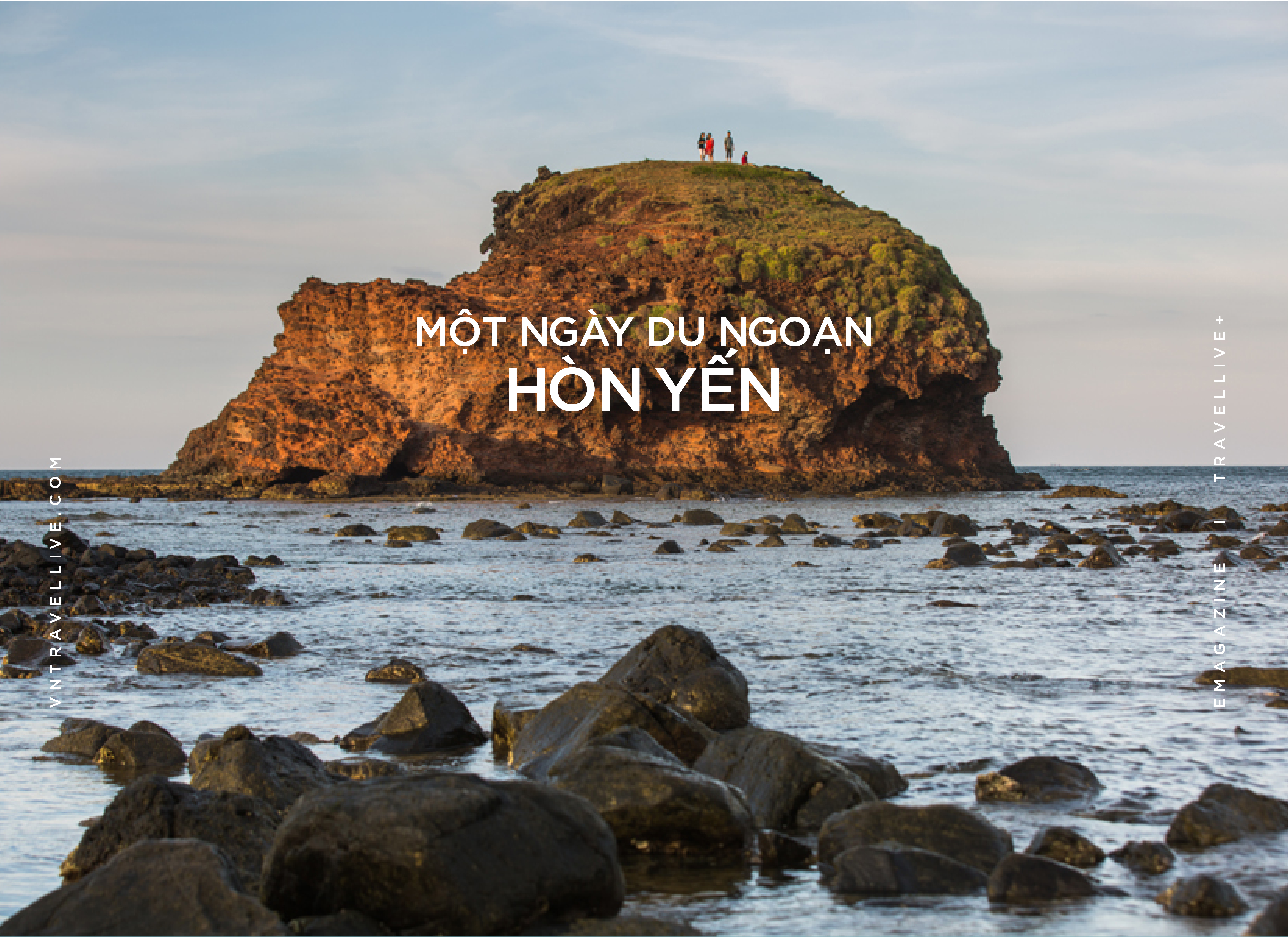

Located more than 30 km from Tuy Hoa city, Hon Yen Island, despite being recognized as a National Scenic Site since 2018, remains a pristine, sparsely populated island with no tourism development. Join Travellive as we explore Hon Yen through the experiences of photojournalist Luu Trong Dat, to understand why its beauty is often described as a "surreal painting".

I have a habit of waking up early when I arrive in a new place to drive along unfamiliar roads and bask in the glorious sunrise. The same goes for Tuy Hoa; I always go to Hon Yen first – even before sunrise – to fully admire the island, photograph the anchovy fishing, experience lobster farming, and then wait until the tide recedes in the afternoon to see the coral reefs...
Early in the morning, as the sun begins to cast its golden rays across the still misty night sky, the coastal roads of Tuy Hoa city are already bustling with people exercising. To reach Hon Yen, or any other pristine beach in Phu Yen, one must travel along many sandy concrete roads and coastal fishing villages. Riding my motorbike along winding roads, past rows of casuarina trees, and walking through cacti along the way, crossing a small sand dune with a few roadside stalls…, I always arrive at Hon Yen and climb Ganh Yen just as the sun begins to rise.
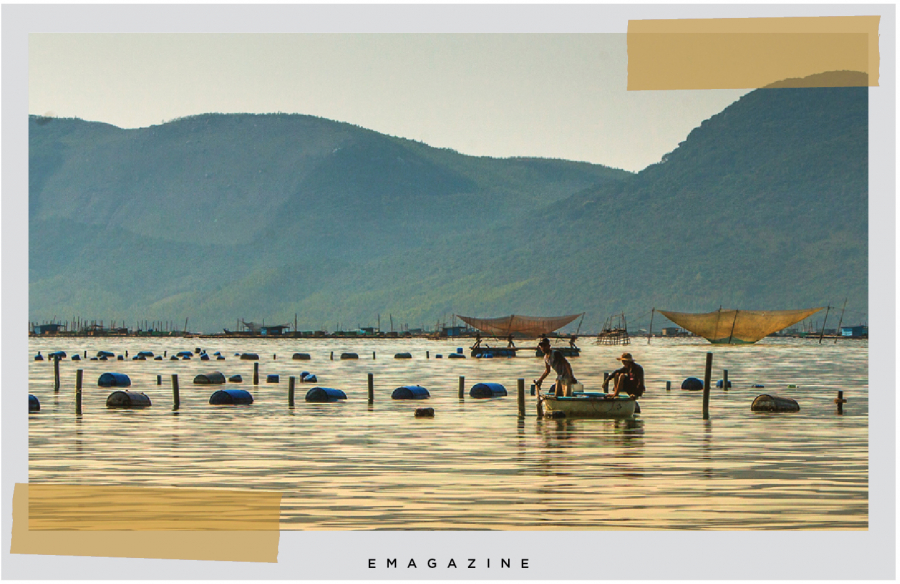
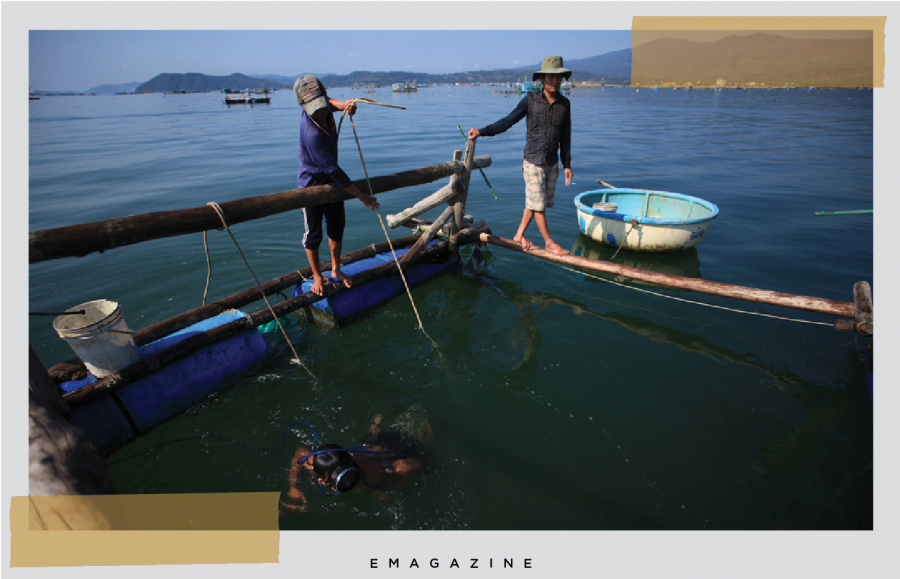
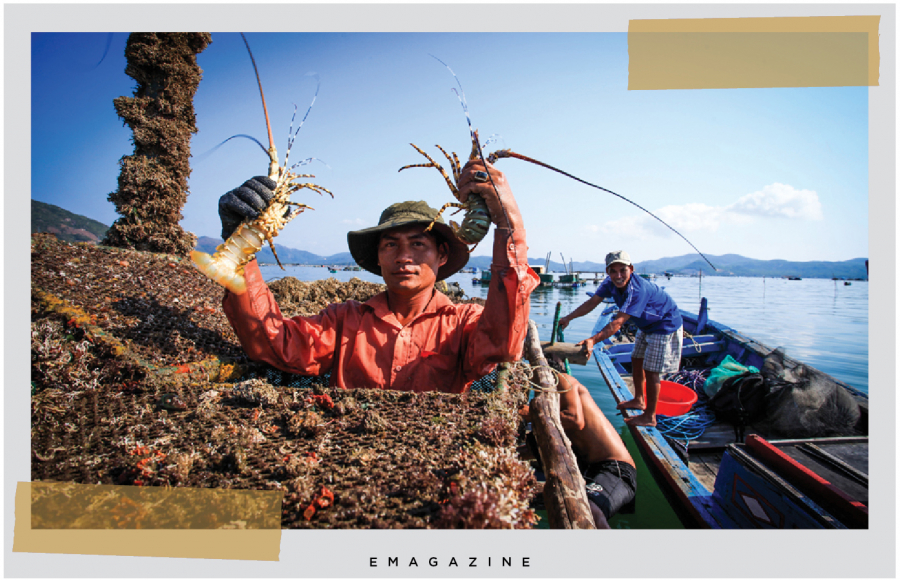
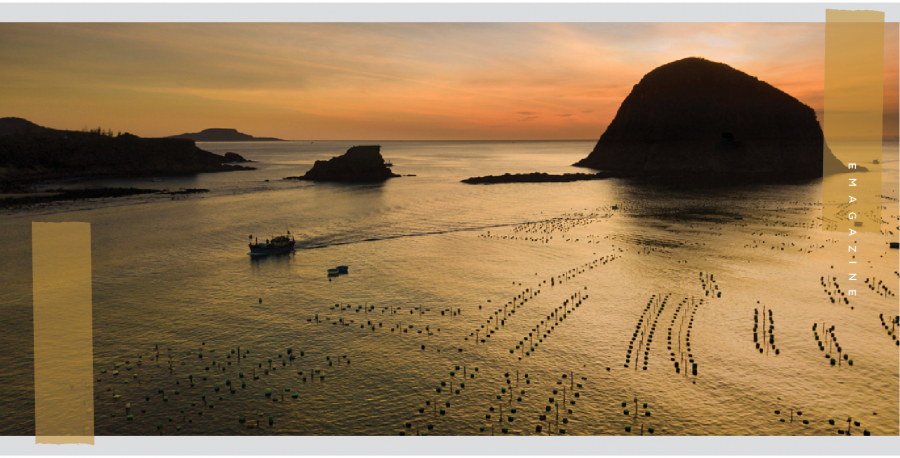
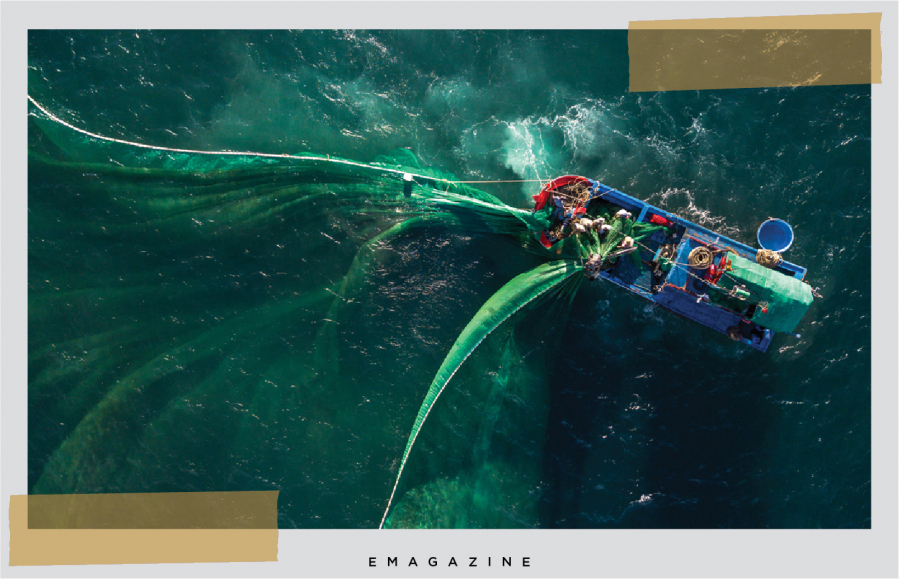
The sky was cloudless, vast and boundless, bathed in golden, pink, and red hues. In the distance, boats glided swiftly across the waves, searching for schools of fish. Fishermen cast their nets for anchovies with the graceful movements of butterflies on the sea, while lobster farmers skillfully maneuvered their small boats through the cages shimmering with golden light… These scenes, along with the colors of the dawn, always captivated me.

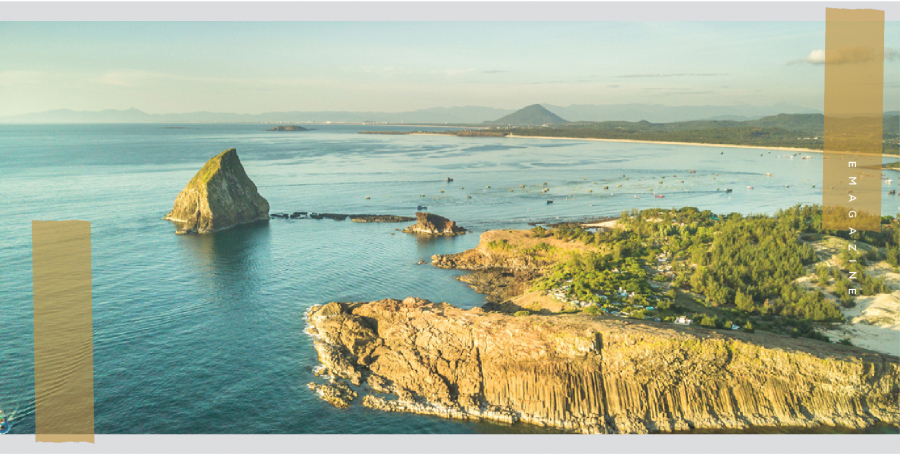
According to local accounts, in the past, Hon Yen was a rather isolated island, far from the shore. Every season, flocks of swallows would come here to build their nests, so the locals named the place Hon Yen (Swallow Island). Over time, the ebb and flow of the tides and sand encroachment gradually brought Hon Yen closer to the shore as it is today.
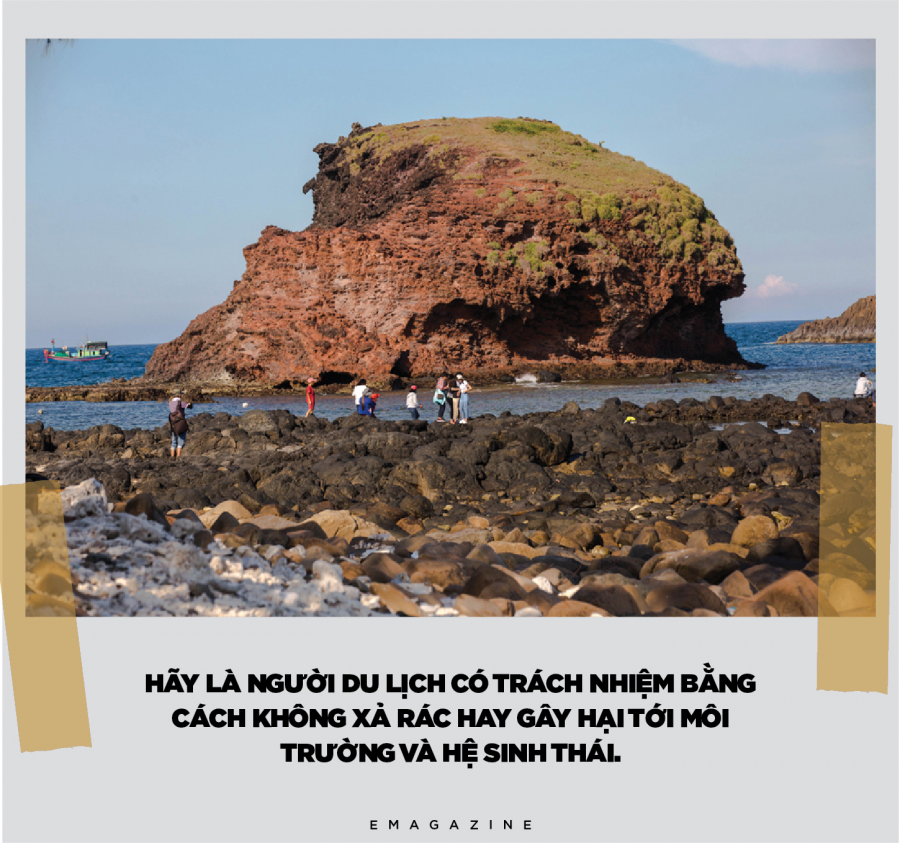
Hon Yen consists of two islands, the larger Yen Island and the smaller Sun Island, situated side by side; along the coast is a range of rocky mountains extending offshore closest to Hon Yen, known as Ganh Yen. All of this remains intact, preserving its natural values with the formation of a marine coral reef ecosystem over many years.
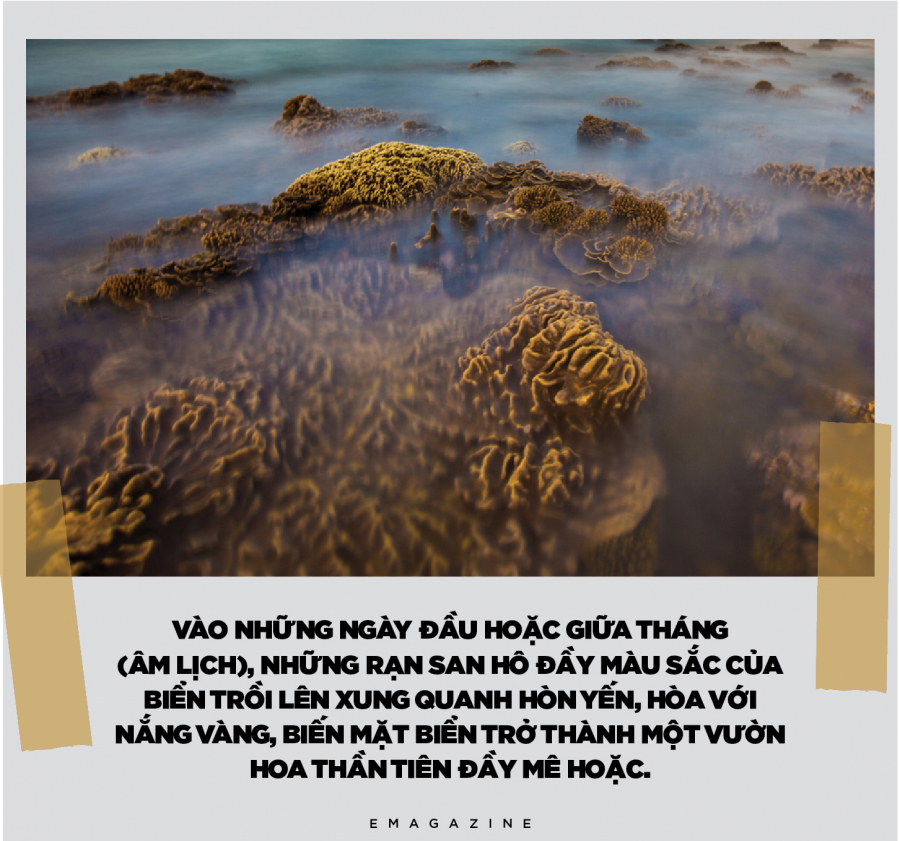
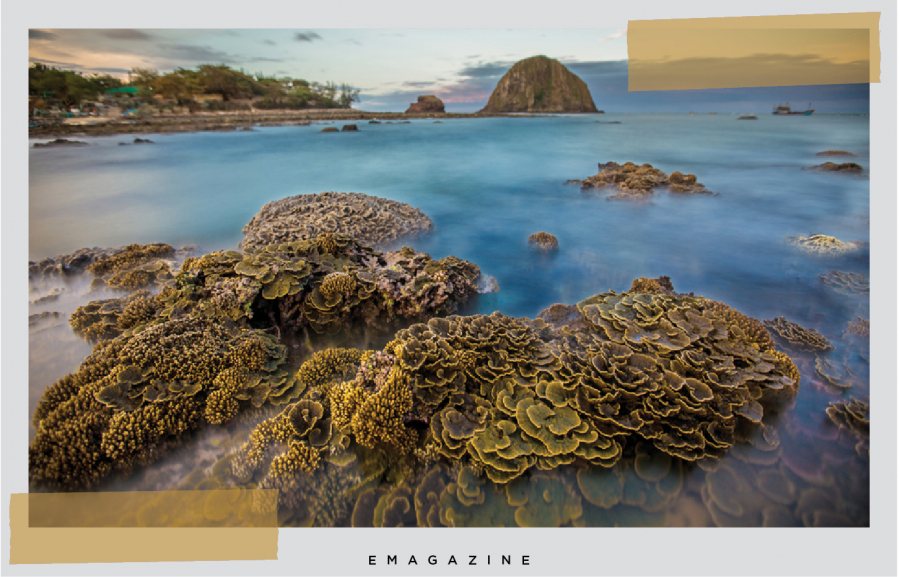
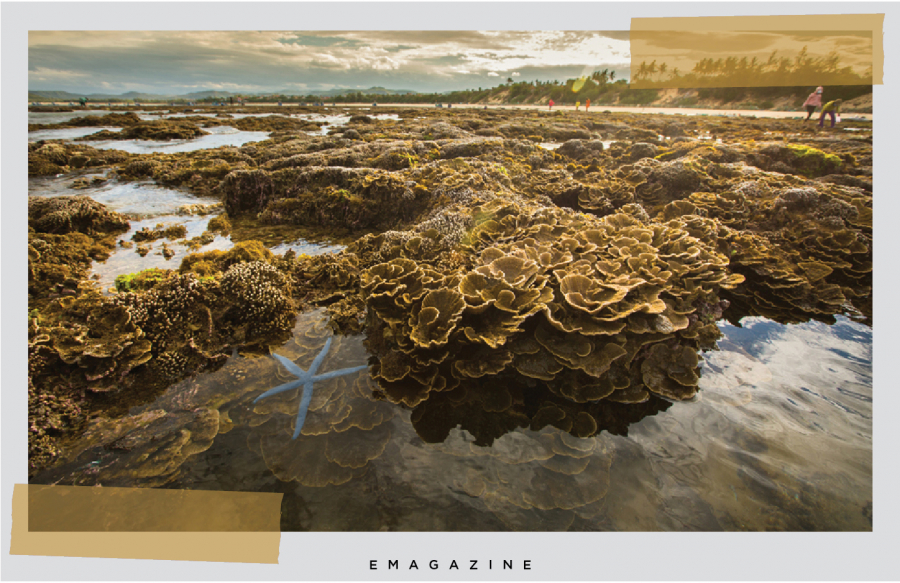
In the early or middle days of the lunar month, when the tide is at its lowest, visitors can walk to the sea, climb onto Hon Sun island, bask in the cool afternoon sun and breeze, and admire the surrounding scenery. Even better, during this time, visitors don't need to take a boat out to sea; they can simply wait until the afternoon tide recedes to see the coral reefs and starfish. These colorful "flowers" of the sea emerge around Hon Yen island, blending with the golden sunlight, transforming the sea surface into a magical and enchanting garden.
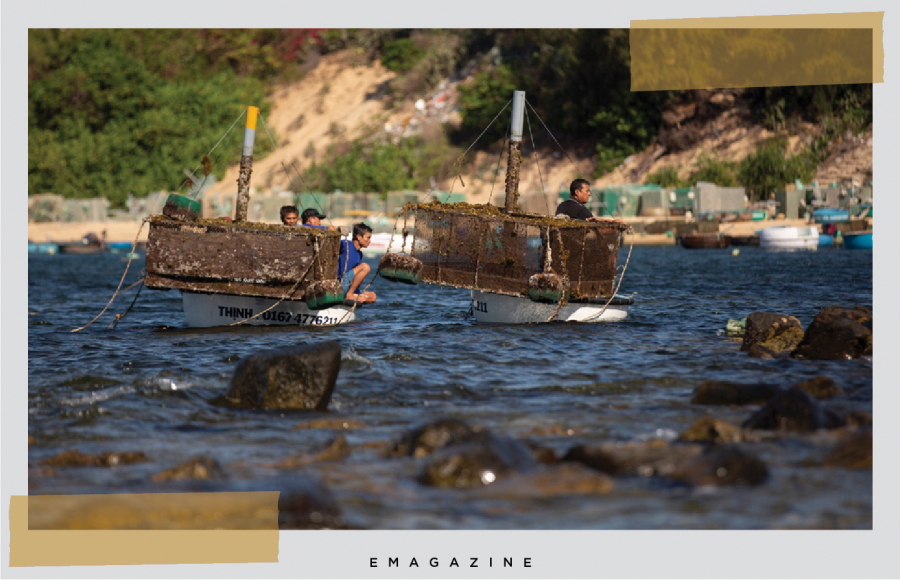

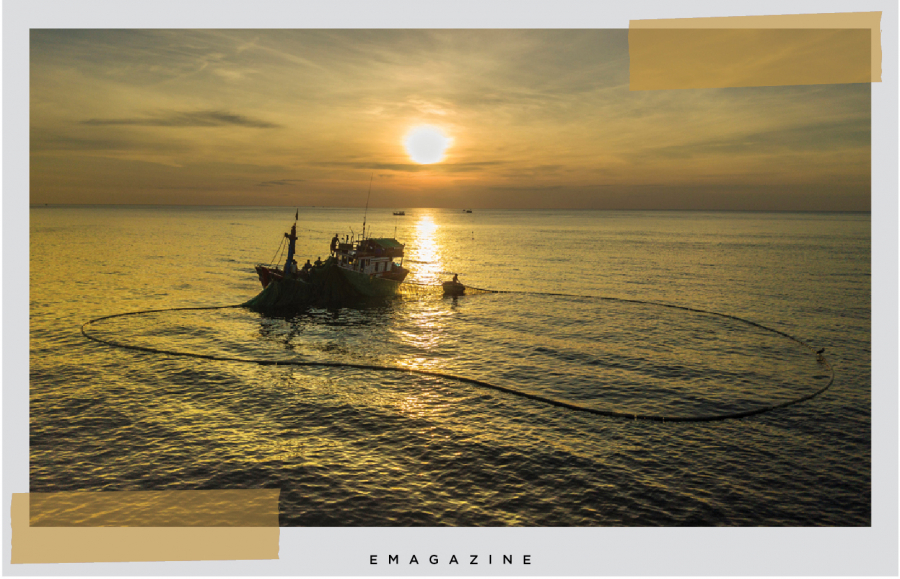
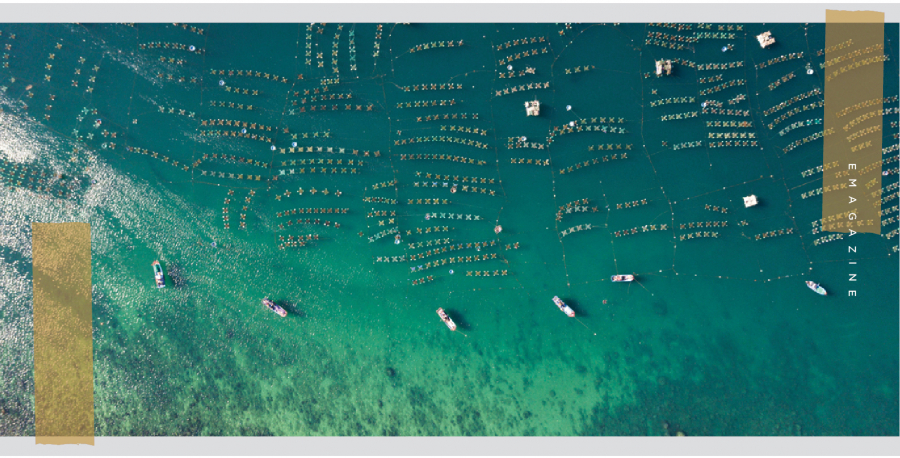
Around May and June each year, the life of the fishermen on Hon Yen Island becomes more bustling and vibrant as they enter the season for purse seine fishing. The purse seine nets are cast from specialized anchovy fishing boats, which travel in schools. Observed from above, the scene becomes an impressive sight, attracting many tourists and photographers to Hon Yen in recent years. Everyone hopes to witness firsthand and capture the "dance" of casting nets and the graceful movements of the fishermen on the sea during the anchovy fishing season.
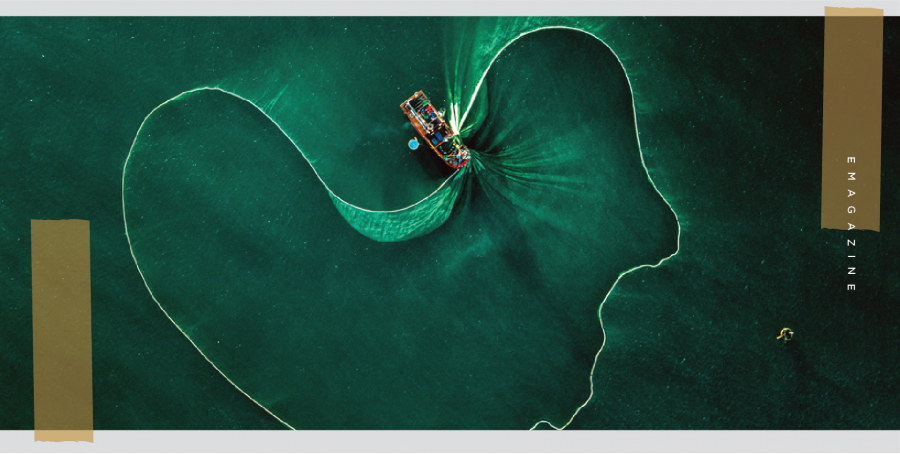
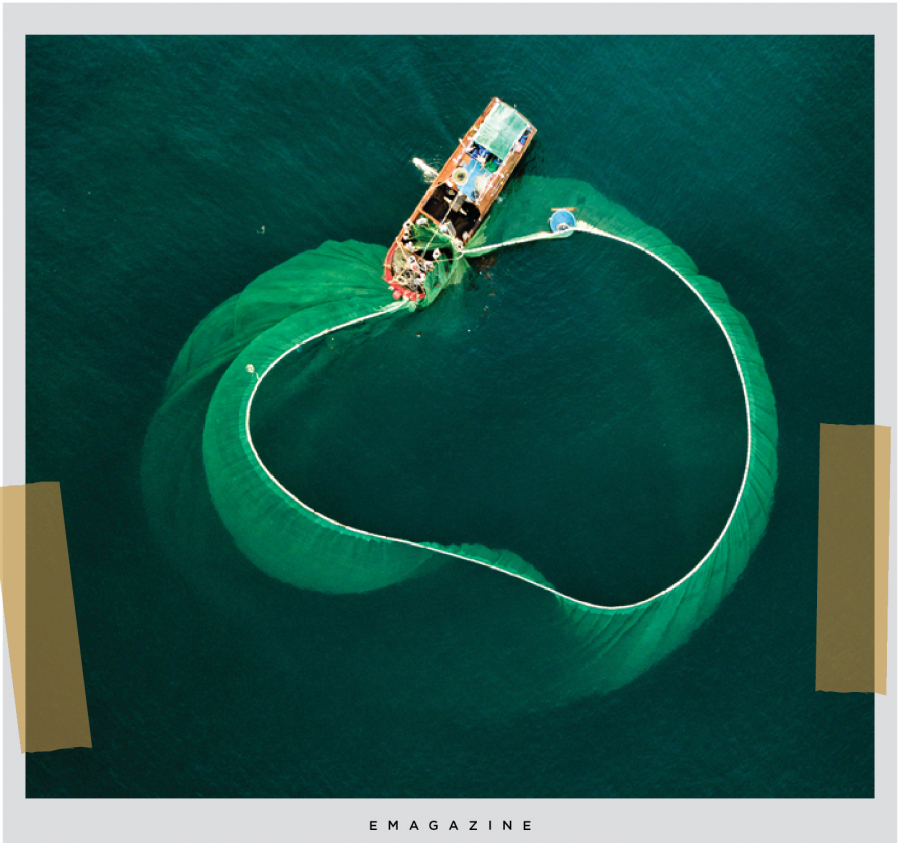
Although I only visited and left Hon Yen Island within a single day, I was fortunate enough to fully experience the transformations of time and space throughout that day. Whenever I unexpectedly think of it, Hon Yen Island appears both ethereal and poetic, with the peacefulness of the sun and wind intertwined with the simple, kindhearted nature of its people…