VI
VI


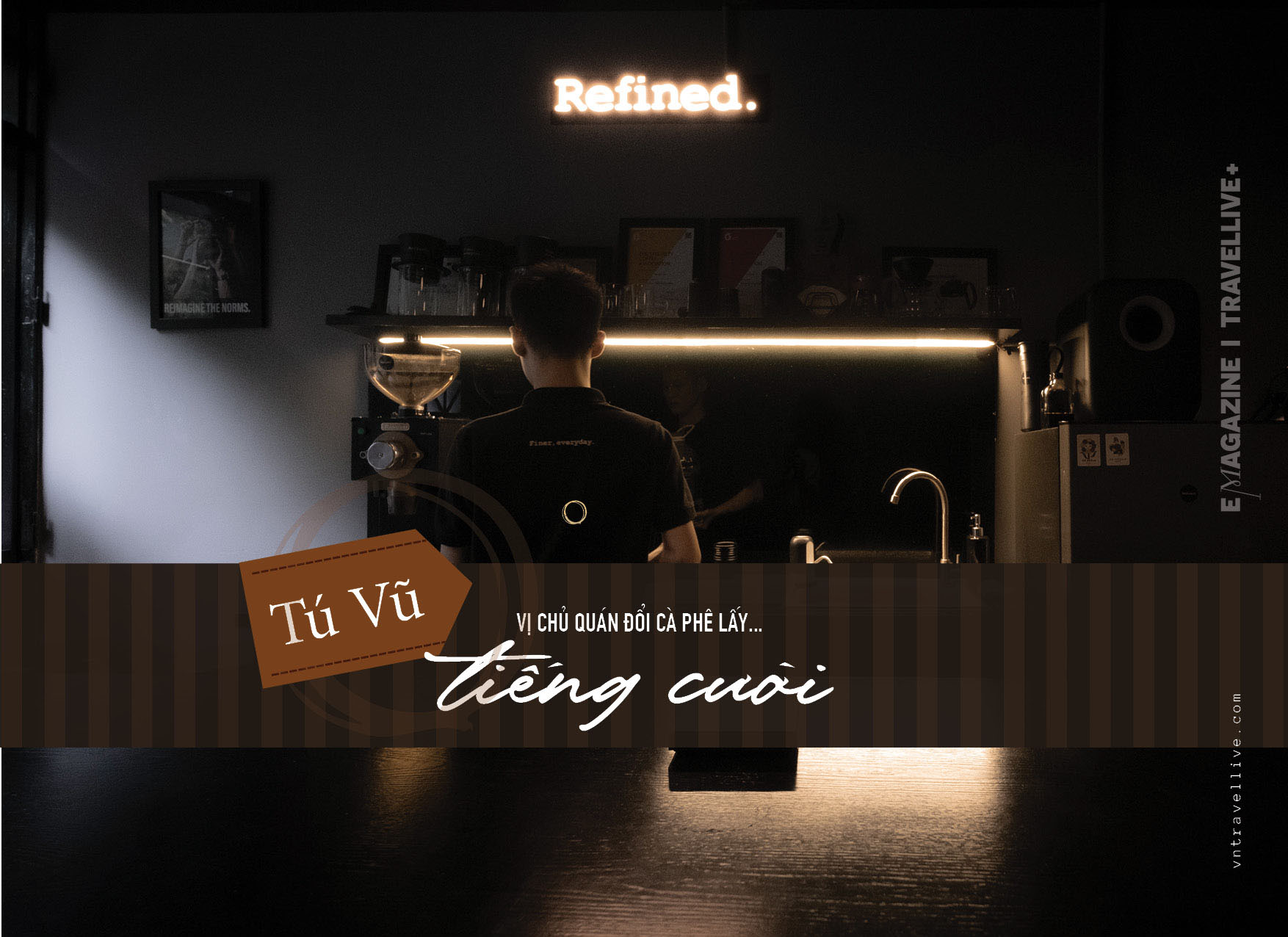

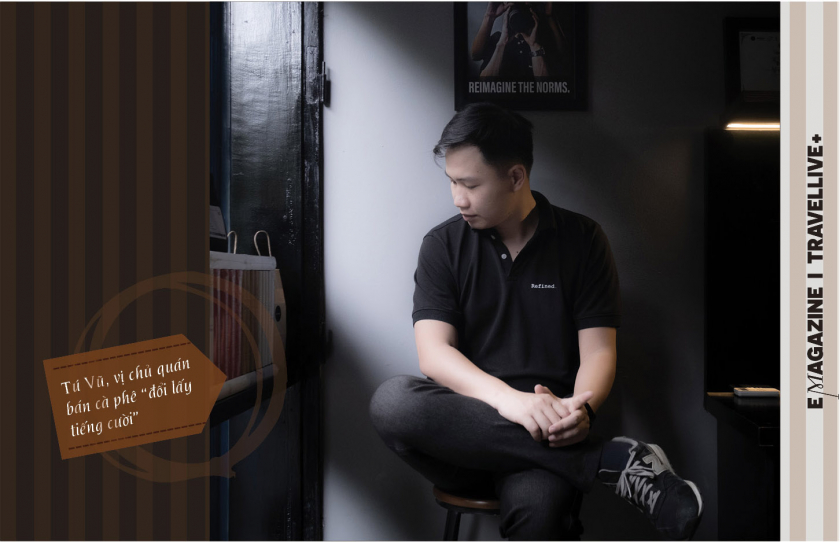
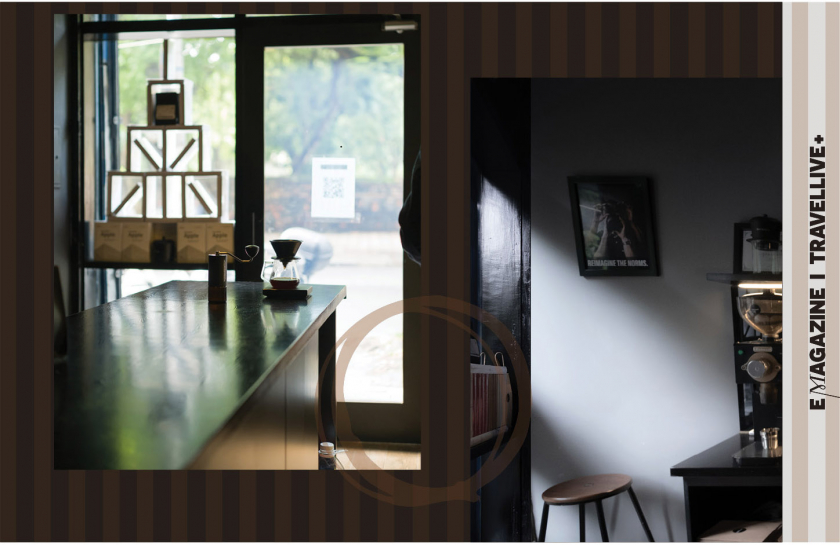
To "paint" a portrait of Tú, the quickest way is to picture his coffee shop. It's a small shop on Văn Miếu street, always shrouded in mystery by its four black walls and the mellow, mellow sounds of jazz music. The shop only serves coffee, and the staff absolutely never... collect money. Because whatever the customer chooses to pay with, the owner will happily accept it.
Tu Vu is the third-place winner of the Vietnam Open Roastmasters Championship 2021. His journey with Robusta coffee began during the social distancing period in early 2020, when a French Press coffee maker couldn't satisfy the coffee cravings of a Starbucks addict. He began seriously researching coffee roasting and brewing techniques. Coincidentally, he realized that a traditional industry like coffee had already undergone two powerful revolutions. And now, the third wave is having a significant impact on Southeast Asia. His curiosity and the anxieties of a coffee addict drew him into this wave, prompting him to create a unique coffee experience space in Hanoi.Phin Bar by Refined.

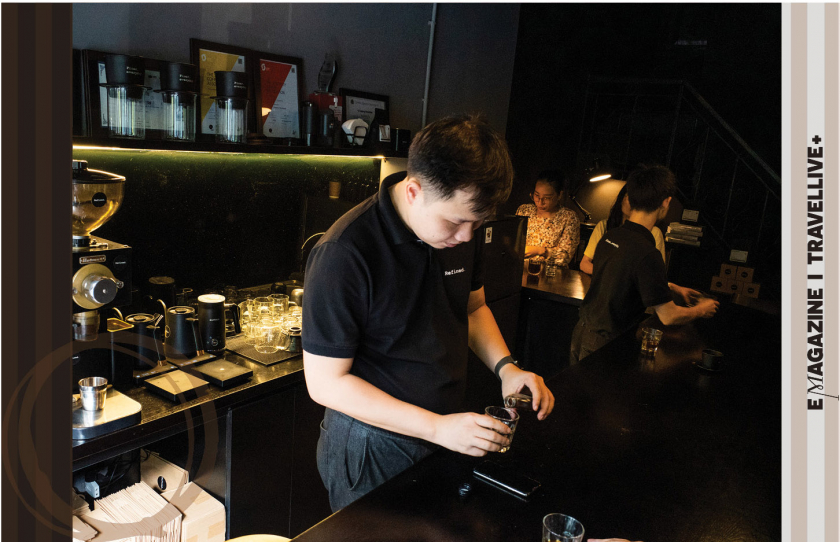
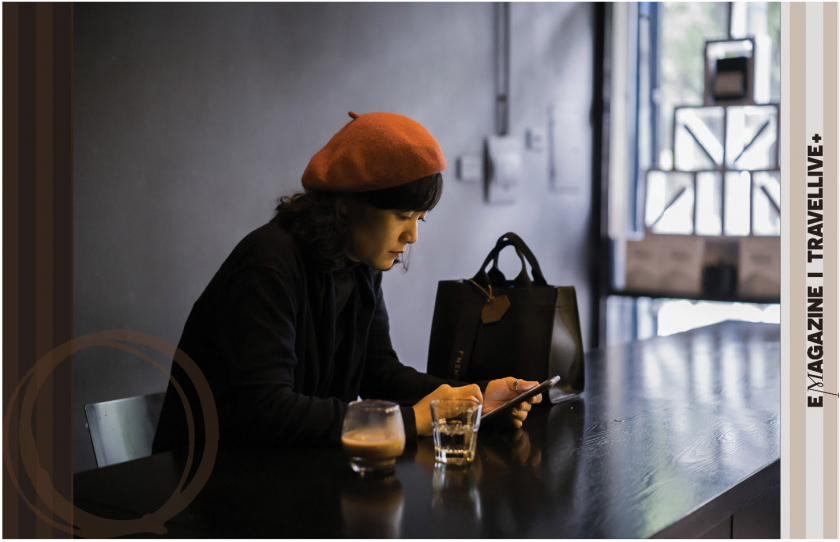
We visited Refined. on a quiet day in Hanoi. In contrast to the soft light outside, stepping through the thick glass door revealed four black walls illuminated only by the bar – which occupied one-third of the total space. The owner later explained this unusual design: "I just like it. I like minimalism."
The café doesn't have a menu. Usually, the bartender will start by asking, "Can you drink milk?" to help customers choose. The menu consists of only six drinks, four of which were created, inspired by the preferences of the first customers. Tu Vu says he wanted fewer but higher-quality options. That's also why the entire café only has eight seats, with the bar occupying almost the entire space.spotlight.
"The goal is for every guest who comes here to have the opportunity to meet and fully enjoy the 'main character,' which is coffee."

We weren't the first to wonder why Tu Vu chose Robusta coffee beans for his brand. It's a long story, and he couldn't hide his excitement when he told it.
“In the eyes of the world, Robusta is seen as cheap and low-quality beans. However, we need to reconsider: are Robusta beans inherently bad, or have we not fully exploited its potential? I think that in the future, Robusta will have a huge advantage in Vietnam. In particular, it's very suitable for brewing with a filter. The image of a filter or Robusta beans is familiar to Vietnamese people; if we choose the best Robusta beans and process them meticulously, I believe Robusta can go even further, becoming a new symbol influencing coffee connoisseurs in the region and around the world.”
When asked about the cafe's decor, the only book on display, or the names of the drinks, Tú Vũ answered concisely:Oh, it's just because I like it.But anyone who's known him long enough knows that it wasn't just a fleeting hobby. Tu Vu visited most of the renowned Robusta coffee farms in the Central Highlands: from Pleiku, Dak Nong, Buon Ma Thuot, to Bao Loc. At each place, he sampled beans, roasted them, and adjusted his techniques based on what he learned from Arabica beans. After sending nearly 200 friends to try them, he seriously discovered the Robusta beans that best suited the taste of Hanoi residents (in his opinion). The name Refined. was born for that reason. Partly,exquisiteIt signifies refinement and meticulousness; it also affirms the quality of Robusta coffee beans, which have been recognized with the stringent "Fine" standard of CQI.
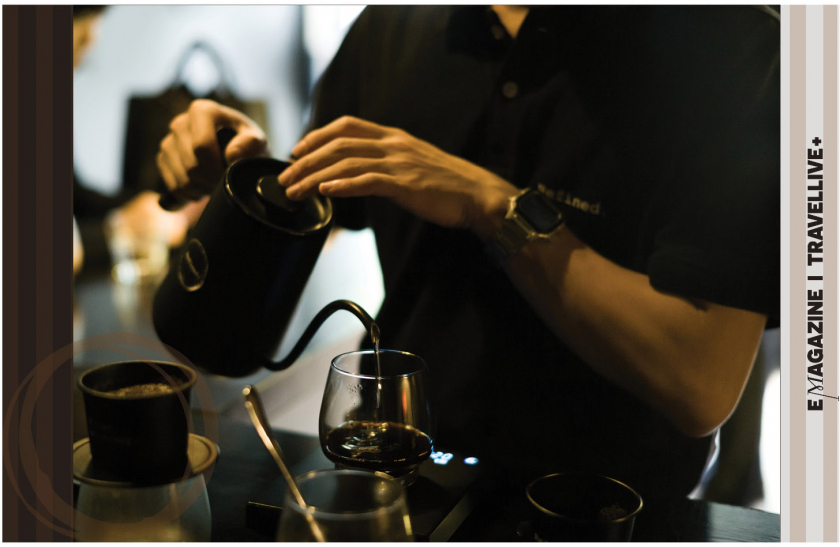
To date, Refined. is one of the pioneering cafes in Hanoi to experiment with the Pour Over model – a coffee brewing method using drip brewing through a paper filter. Pour Over has been around for quite some time worldwide, associated with the V60 cone, Kalita cone (from Japan), or Chemex pot (from the USA), but here, Tu Vu uses a Vietnamese filter, something deeply rooted in traditional Vietnamese culture.
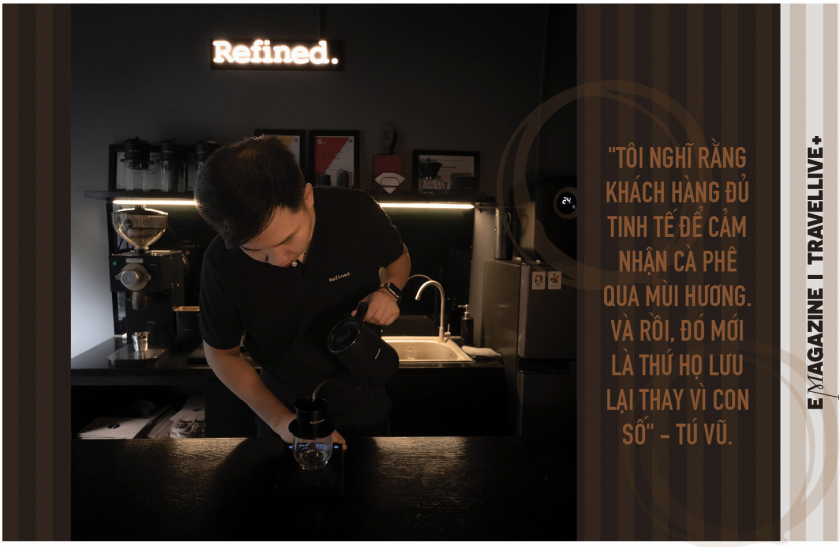
After choosing their drink, the barista will brew the coffee using a small filter. The customer's job is then to wait for each drop of coffee to slowly fall and… smell it, so as not to “waste a single moment.”
The owner took a sip of Van Mieu coffee, without looking at us, “Coffee is more about moments than just drinking it. From the moment it’s ground, it has one aroma; adding water brings another; the first sip when hot and the aroma when it cools down are yet another. Filtered coffee offers so many experiences, and I want everyone to enjoy it to the fullest. When following the standards of the SCA Association, they have a specific scoring system to evaluate each moment of the coffee: dry aroma, wet aroma, sweetness, body, aftertaste… I don’t think customers need those numbers. At Refined., customers will experience each of those moments for themselves, and I believe they are discerning enough to appreciate them. That experience is what they will remember, instead of the dry numbers from coffee experts.”
That's probably also why customers frequent his cafe. Even though they know every ingredient number on the scale by heart, they're still excited each time they sip their coffee, because just a slight change in grind size, temperature, pouring method, or the barista's mood can give the coffee a completely different flavor, like an exciting and creative experience.
"When I first came to Phin, I thought it was a 'disguised' coffee shop, meaning it sold coffee in the morning and... 'transformed' into a bar in the evening," shared Hoang Anh, a Phin customer. "Perhaps Phin was the first place that introduced me to Robusta coffee – which is often viewed negatively by the community."specialty coffeeIt's somewhat 'disdainful'. For me, a cup of coffee made from Robusta or Arabica beans is fine. As long as each bean contains an unexpected and interesting value hidden within it."
The third wave of the coffee revolution emerged about 20 years ago, originating in the US and Europe, and has spread to Vietnam in the last 4-5 years. This movement has elevated coffee to a high-quality, handcrafted art form, rather than simply a commodity. Roasters need to truly understand the geographical parameters associated with the coffee beans they purchase, such as soil, climate, and specific altitude, becoming a direct link between customers and farmers, creating a sustainable supply chain. As a result, carefully selected coffee beans do not need to be flavored, have additives added, or be roasted to a burnt state, yet still retain their natural aroma and flavor.
Wanting to contribute to making the third wave of the coffee revolution a sustainable development model in Vietnam, Tu Vu shared that he planned to organize coffee farm experience tours in the Central Highlands, allowing coffee lovers to get closer to the farms and experience the local coffee culture. These tours were scheduled for November and December – the time when people harvest coffee. However, due to the pandemic, this year's plan could not be implemented. Instead, he started organizing workshops at his cafe, chatting with and guiding people on how to brew a perfect cup of Vietnamese coffee at home. All with the aim of continuing to make Vietnamese coffee "carefully and meticulously."
As our conversation ended, we each sipped our coffee, our eyes wandering in different directions. People joked that this was a cultural hub: situated next to the Temple of Literature, it offered a blend of tranquil nostalgia and bustling main roads. Just like the coffee being "re-made" here, Phin Bar by Refined is expected to serve as a bridge between traditional and modern spaces.
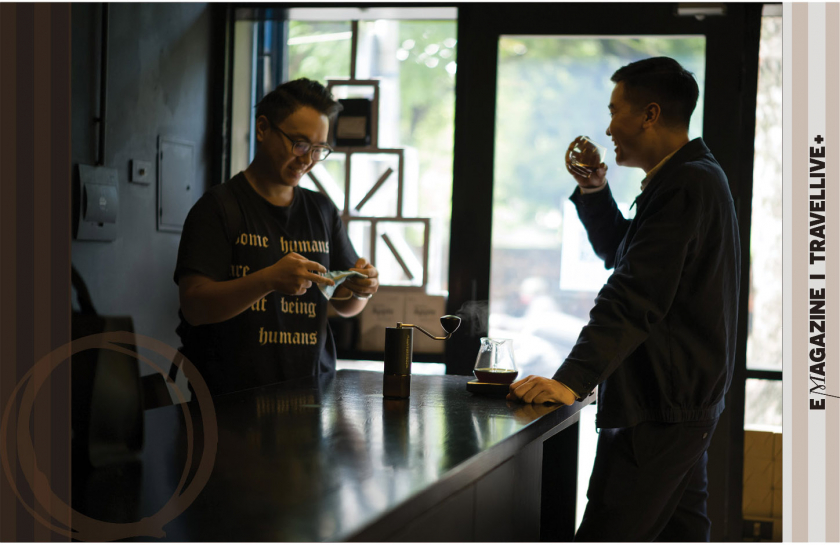
When we stood up to ask "how much to pay," the owner, with a mischievous glint in his eyes, pointed toward the corner of the glass door. There was a small black box there that he called the Tip Box, where customers decided what they wanted to leave behind before leaving.
"So what if the customer doesn't put any money in there?"
"They can put in whatever they want. People here don't like to think too much about money," Tu Vu replied, still in a casual tone, "Ultimately, whatever the customers put in, they'll all be happy when they take over the business."