VI
VI


For most Vietnamese tourists, northern Thailand remains a relatively unfamiliar destination. Few realize that this region has long been a haven for free spirits.
I decided to visit northern Thailand after seeing a few images of Mae Hong Son province on social media. The photos showed lush green vegetation bathed in bright, clear sunlight, a stark contrast to the crowded, modern Bangkok and my preconceived notions about Thailand. It captivated me and compelled me to visit this region.
Arriving near noon, Chiang Mai greeted me with the scorching heat of mid-November. As most people know, northern Thailand has Chiang Mai, one of the country's most famous tourist destinations, but for Vietnamese people, compared to Bangkok, Phuket, or other southern Thai tourist spots, northern Thailand is still quite unfamiliar.
However, information about destinations in northern Thailand isn't exactly scarce. In recent years, young Vietnamese people who love Thailand and are passionate about travel have discovered nearby destinations and found amazing places that I had missed for so long.

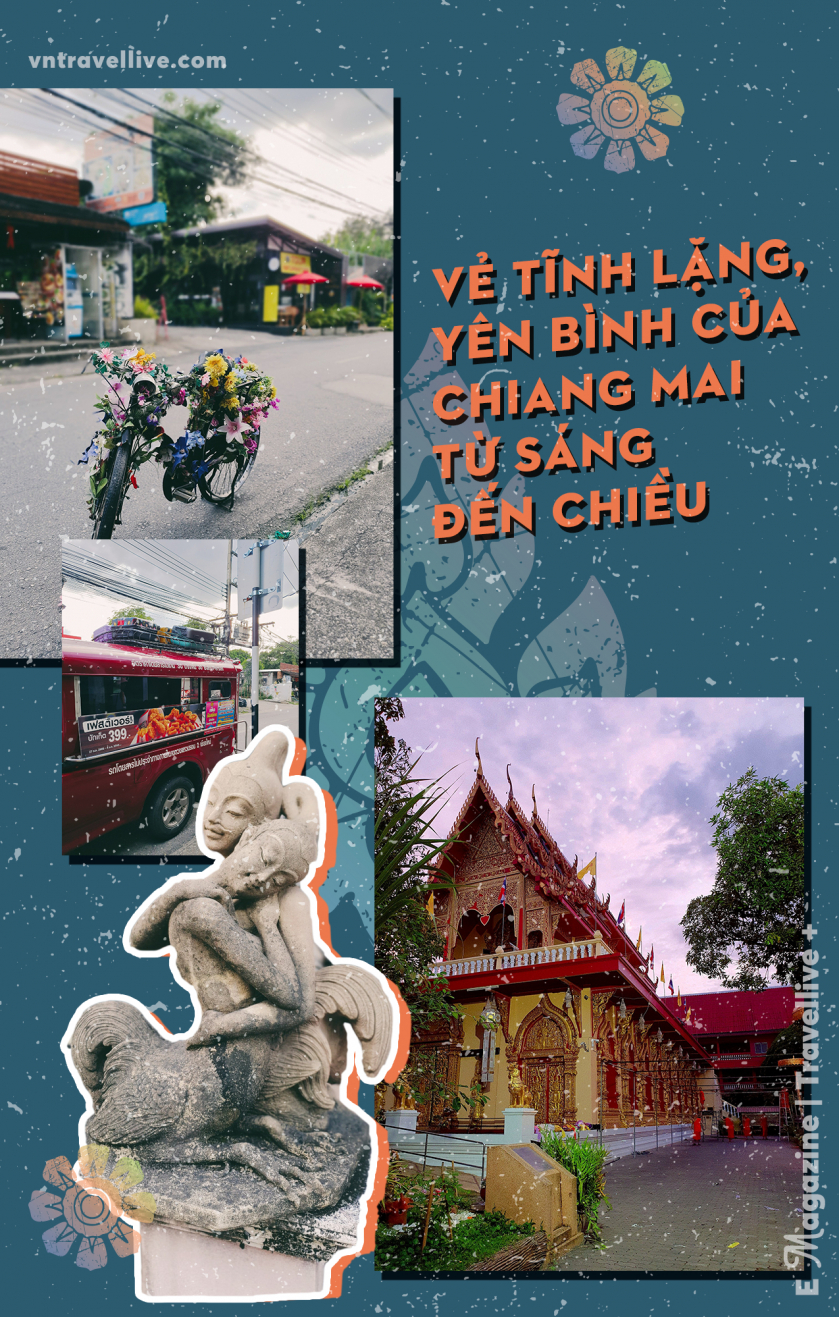
I had a day to get acquainted with Chiang Mai. Although it was early winter and located at a higher altitude than other regions, it was still as hot as summer. Chiang Mai is primarily a tourist city, so you haven't yet experienced the unspoiled, secluded atmosphere of the mountainous areas. However, the hustle and bustle of Chiang Mai is quite different from that of Bangkok.
At 8 PM, I took a tuk-tuk to Wua Lai Walking Street Night Market, having heard it was a famous night market only open on Saturdays. From the entrance, I could already feel the bustling, lively atmosphere of the crowds. The sizzling sounds of food being placed on the grills filled the air, giving off an irresistible aroma that would tempt even the most hungry stomachs. Along with the laughter, chatter, and lively bargaining, it created a vibrant and energetic scene.
There's one thing I think you won't find anywhere else except here: massage services right in the market. No relaxing essential oils, no welcome drinks, no professional treatment consultations; customers at this "market massage" are invited by staff to sit on plastic chairs and receive the service.
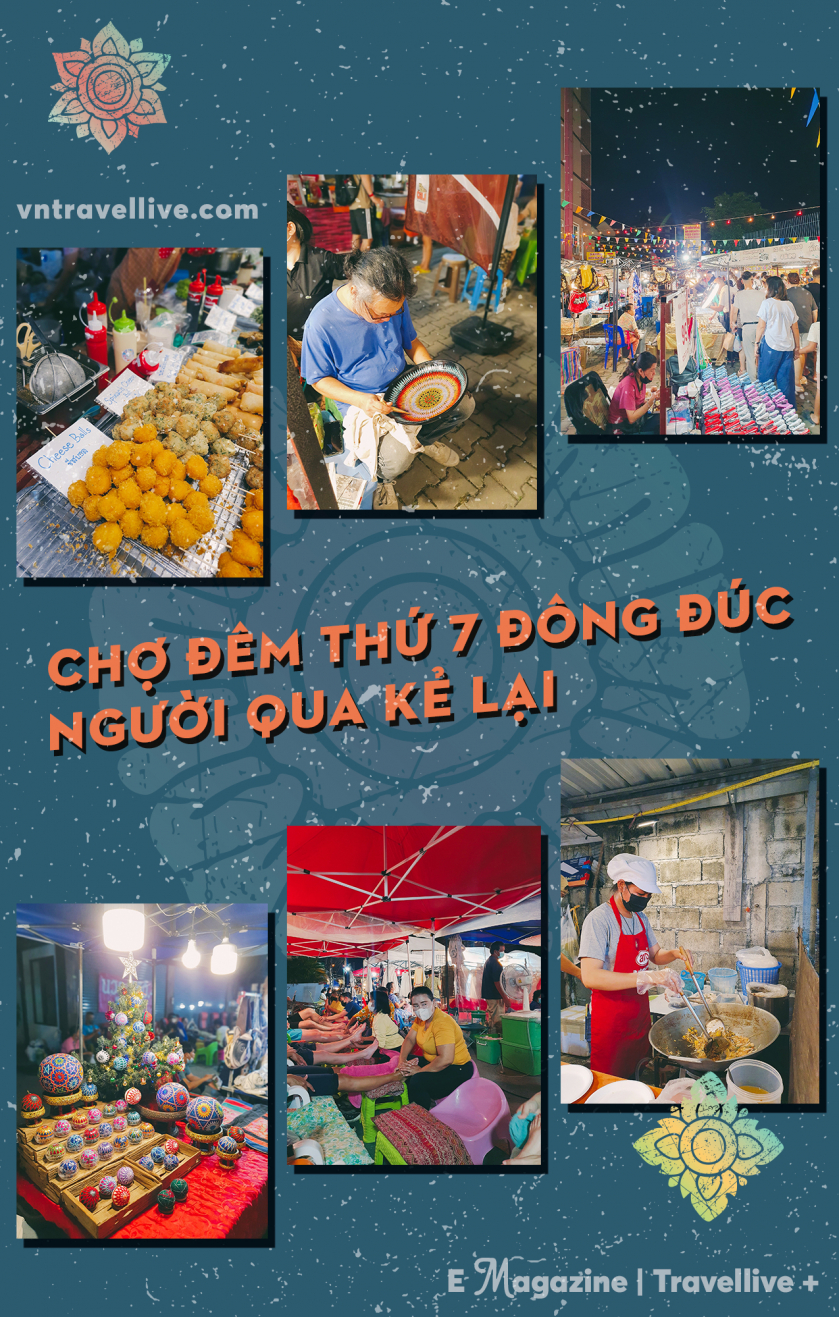
Customers can relax while watching the people go by and smelling the surrounding atmosphere. It might sound chaotic, but it's actually a fun experience that I think everyone should try at least once. The price for an hour of massage here is much cheaper than massage parlors in the city center, only 150 baht/hour.
At the end of my first day in Chiang Mai, I returned to the hotel and prepared for my "infiltration" into northern Thailand the following morning.
I made a risky decision to choose a motorbike as my mode of transportation for the entire trip. Although I knew it would be a big challenge, driving on the left side of the road and navigating winding mountain passes for the next five days, I felt that a trip to northern Thailand wouldn't be complete without experiencing this.
From Chiang Mai, I began my journey into Doi Inthanon National Park. In many movies, if you pay attention, the opening scene often shows a car speeding along a winding road, flanked by forests, in gentle sunlight. Now, I felt like the main character in that scene.
I can understand why I see so many groups of motorbike travelers and families with young children riding together in pickup trucks heading north. This is Thailand's tourist season. A sense of peace envelops the atmosphere right from the first bends in the road and embraces the entire route to the very end.

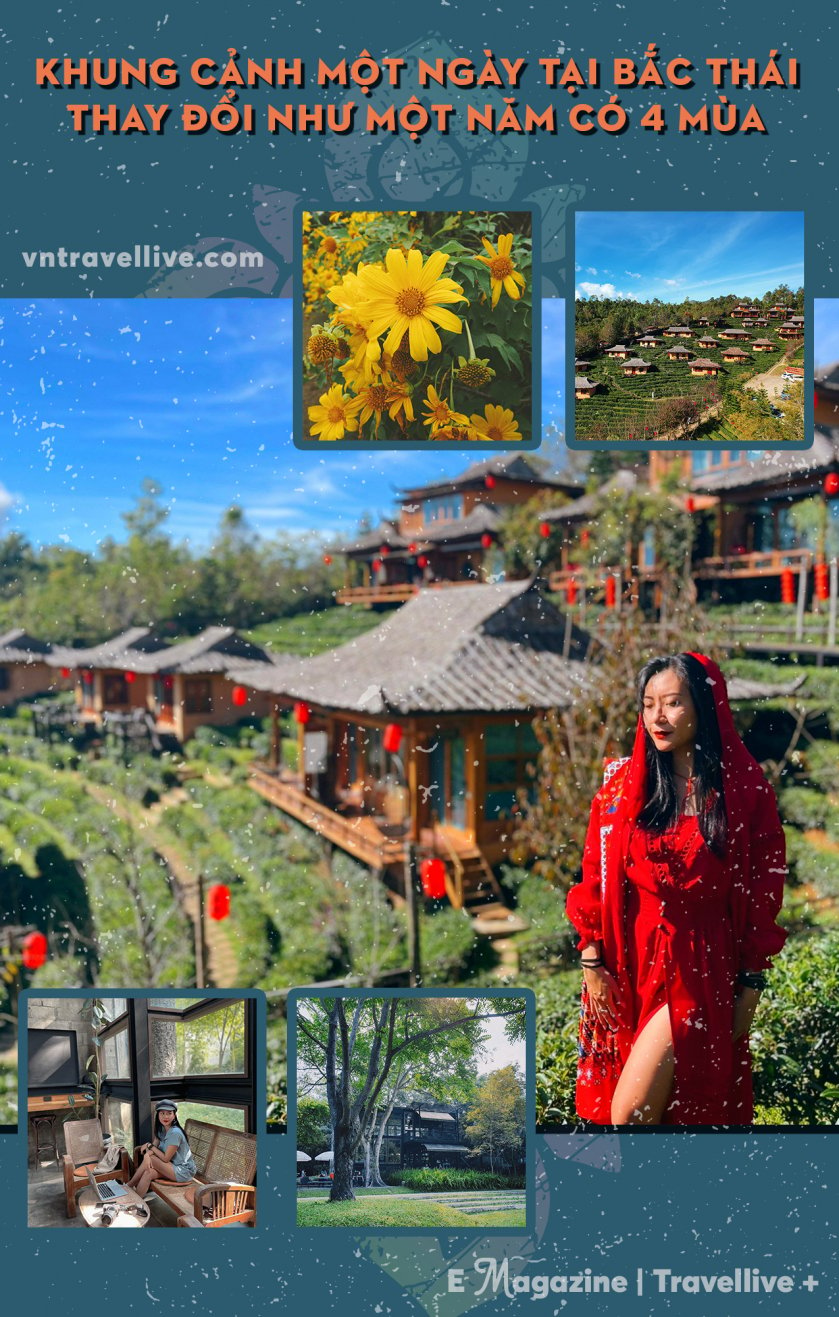
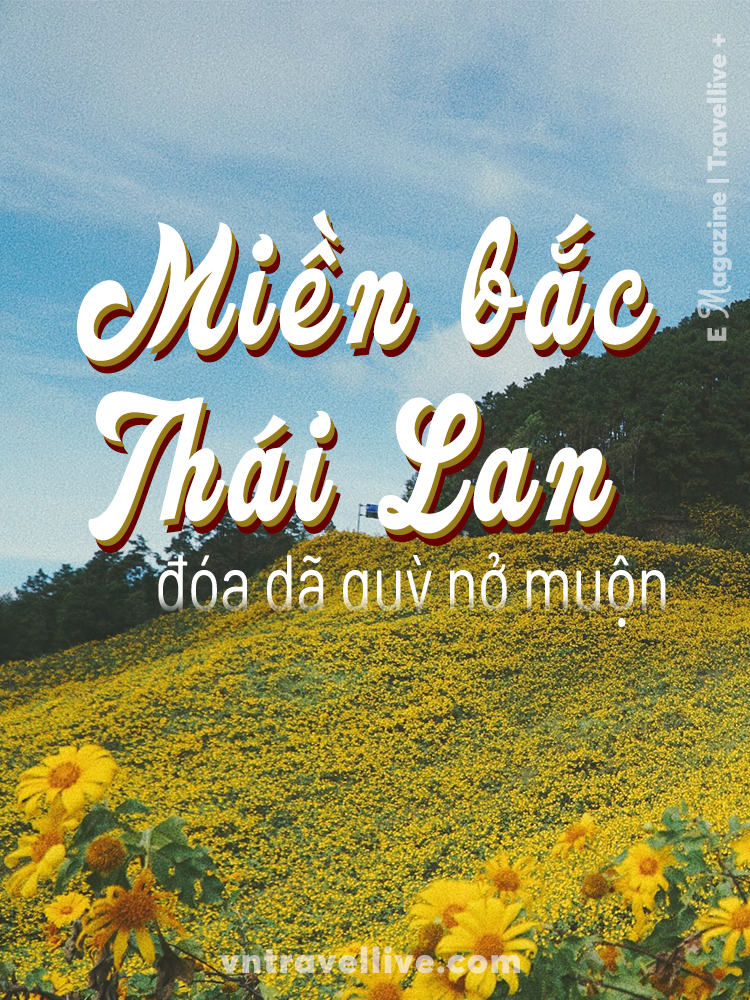
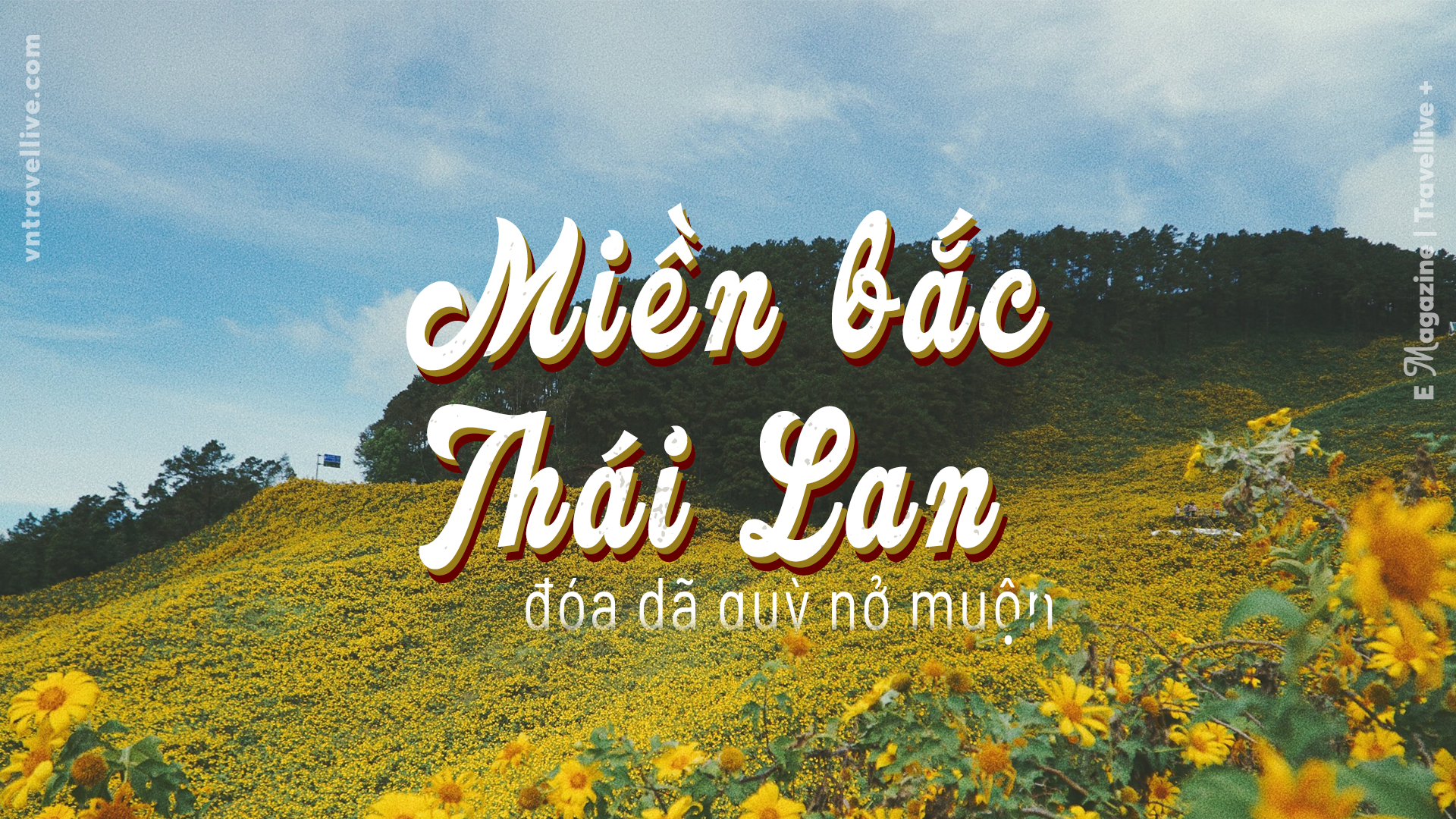
From Doi Inthanon, I headed towards Mae Hong Son province. The entire journey was a continuous landscape of mountains shrouded in clouds, with tall, straight trees casting shade, keeping the air fresh and cool even at midday. Against this seemingly endless expanse of green, I spotted scattered yellow dots, realizing it was also the season for wild sunflowers to bloom.
Following the wildflowers until a hillside bathed in yellow stretched before me, I realized I had arrived at Doi Mae U Kho, the largest wildflower hill in Thailand. Many tourists flock here to admire the beauty of the wildflowers. This is also the only time of year when the place is crowded, because after only two or three weeks, the hill will return to its desolate state as the last wildflowers wither.
The hills stretched on endlessly. What I liked most was being able to climb to the top, gaze out, and take in the entire hillside. From this vantage point, the cars parked on the winding road at the foot of the hill looked like a swarm of ants crawling across a bright yellow tablecloth.
Leaving Doi Mae U Kho, I continued my journey. The curves became more challenging, testing the driving skills of any adventurer. My next destination was the highest point in Mae Hong Son province, the village of Ban Rak Thai. By the time I arrived, it was late at night. The long, dark road stretched endlessly, devoid of any streetlights. Occasionally, I managed to catch a glimpse of the light from other vans traveling alongside me. At the end of the road, the village appeared, brightly lit by lanterns, and the sounds of laughter and conversation grew louder and louder.
Ban Rak Thai is as lively as a festival at night. I chose a riverside restaurant for dinner and watched the boats slowly drift by, taking tourists sightseeing. Because this area was originally inhabited by Chinese immigrants, the atmosphere here gives visitors a feeling reminiscent of an ancient Chinese town.
In the morning, Ban Rak Thai was fresh, having shaken off the night's mist. Now, I could clearly see the tea hills surrounding the village. Before tourism developed, tea cultivation and production was the main livelihood here. The lush green tea hills, meticulously cared for, were interspersed with houses in Chinese architecture that always attracted many visitors looking to take photos.
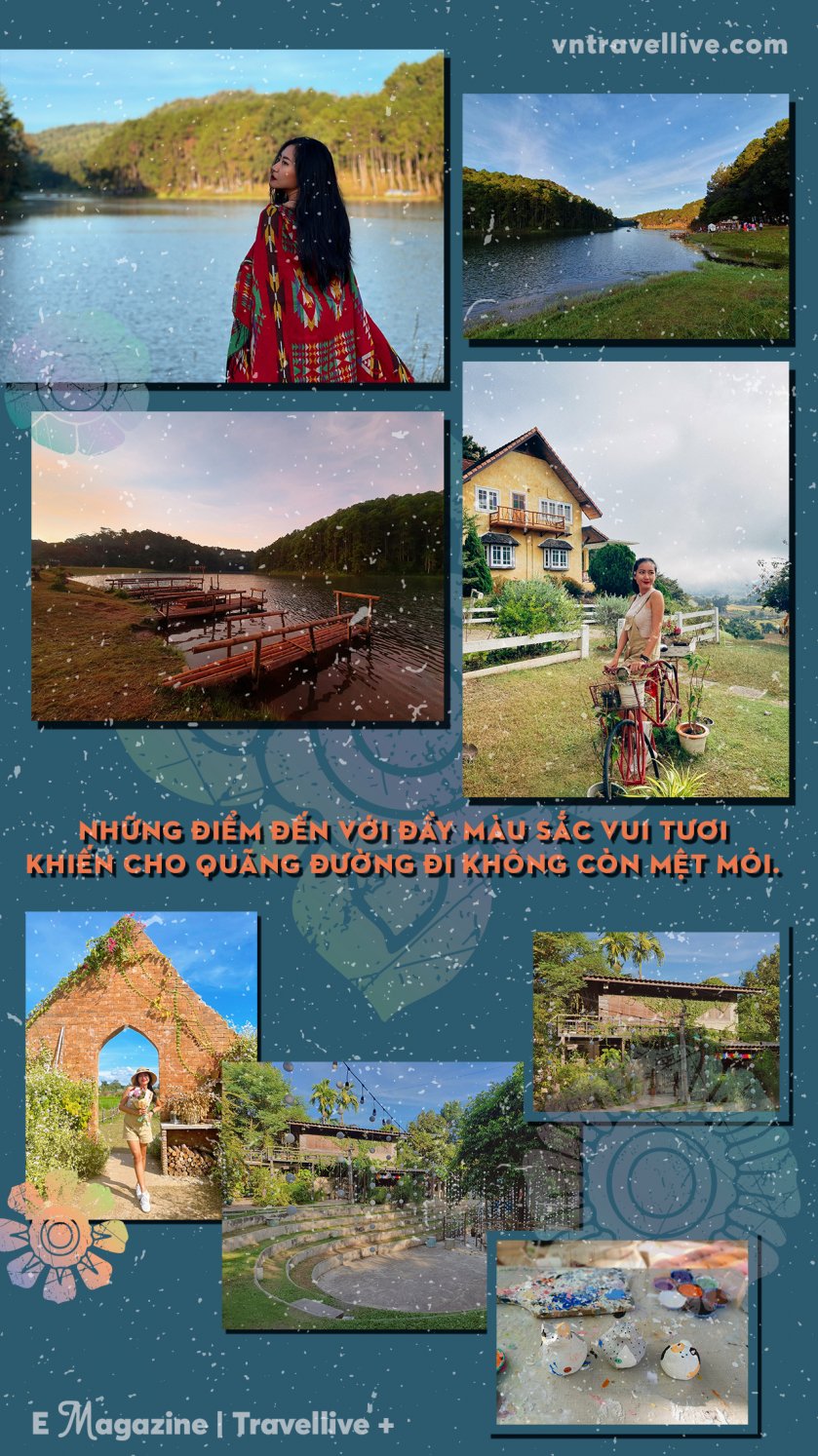
Not far from there is the misty lake of Pang Oung. If you're wondering where backpackers visiting northern Thailand stay, the shores of Pang Oung are a popular camping spot. It's called the misty lake because at dawn, you'll see the lake's surface covered in mist. In the stillness of the trees, the early morning scene at the lake is full of tranquility.
As the sun rises, the colorful tents of the campers appear. People flock to the lake's edge, admiring the mist swirling over the water like a lover's caress. Bamboo rafts carrying tourists explore the lake, creating countless perfect V-shaped paths. The pair of swans, gifted to the local people by King Rama IX and Queen Rama X, also awaken and swim on the lake, proudly posing for the curious gazes of visitors.
Leaving the peaceful atmosphere of Ban Rak Thai village, I continued my journey by car to the next destination. If Ban Rak Thai is a quiet, shy young woman who steadfastly preserves traditional beauty, then Pai is a dashing young man, fully embracing life but also very affectionate and warm-hearted.
The small town of Pai is nestled beneath the majestic hills of Mae Hong Son. In the morning, it's quiet and serene, evoking a melancholic feeling reminiscent of modern romantic films, a stark contrast to the vibrant and emotional atmosphere of the evening. Pai is a haven for many travelers who consider the land their home, and upon arriving, I felt a strange connection to that energy, falling in love with this place.
Pai was also my final destination, concluding my 5-day, over 700km journey exploring northern Thailand. What remains in my mind can be put into words: a mix of satisfaction and regret at discovering this region rather late. That feeling brings back images of the late-blooming wild sunflowers at Doi Mae U Kho. The flowers that bloom latest are the most vibrant. Just like northern Thailand, for me, though I discovered it late, it will be one of the destinations that leaves the deepest impression.