VI
VI


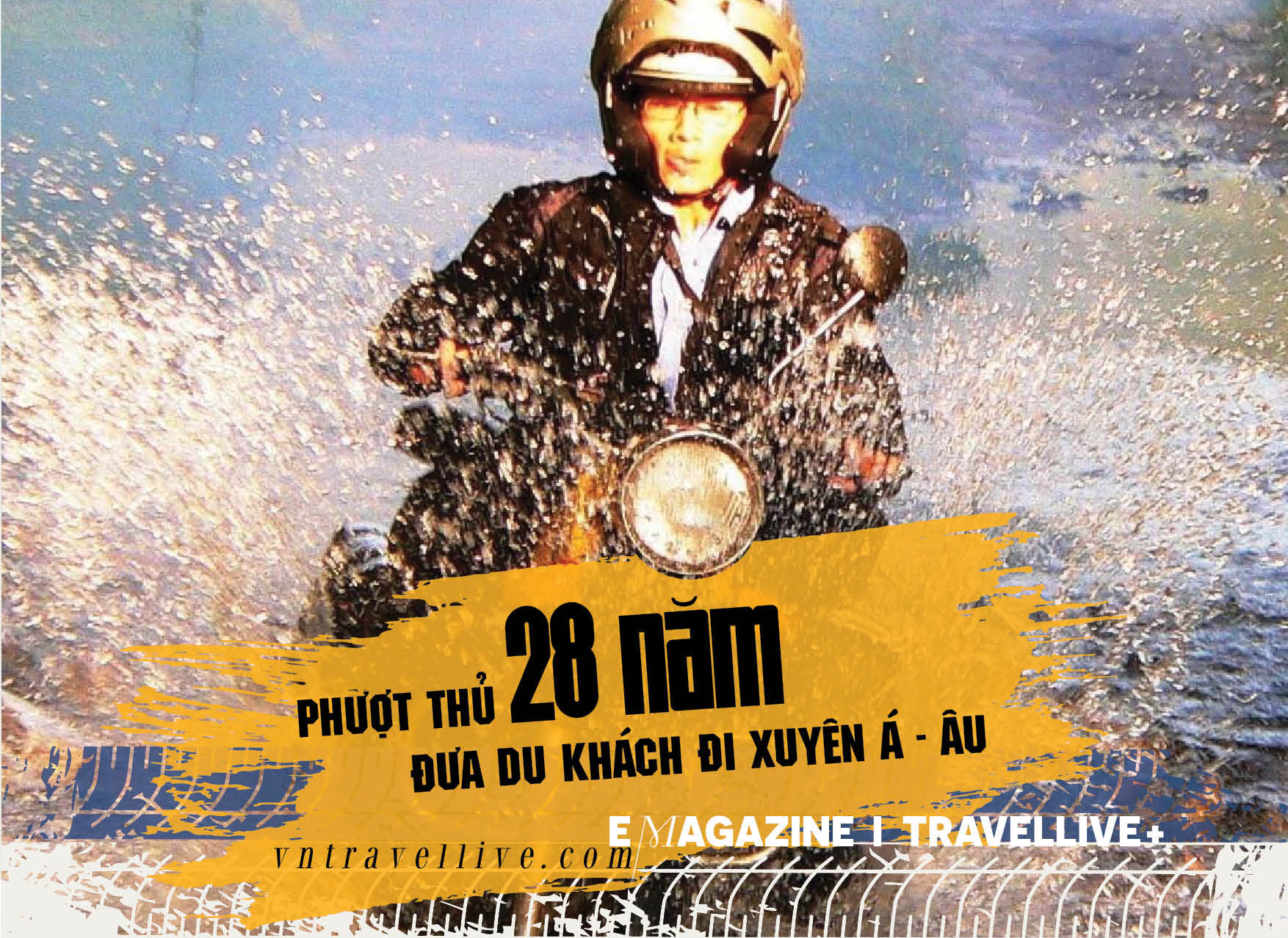
The term "adventure traveler" is no longer unfamiliar these days. Sometimes, this term is used to label people with bad behavior in tourism. But 28 years ago, in 1994, there was a man on a motorcycle who traveled across Asia and Europe, bringing positive values to community tourism.
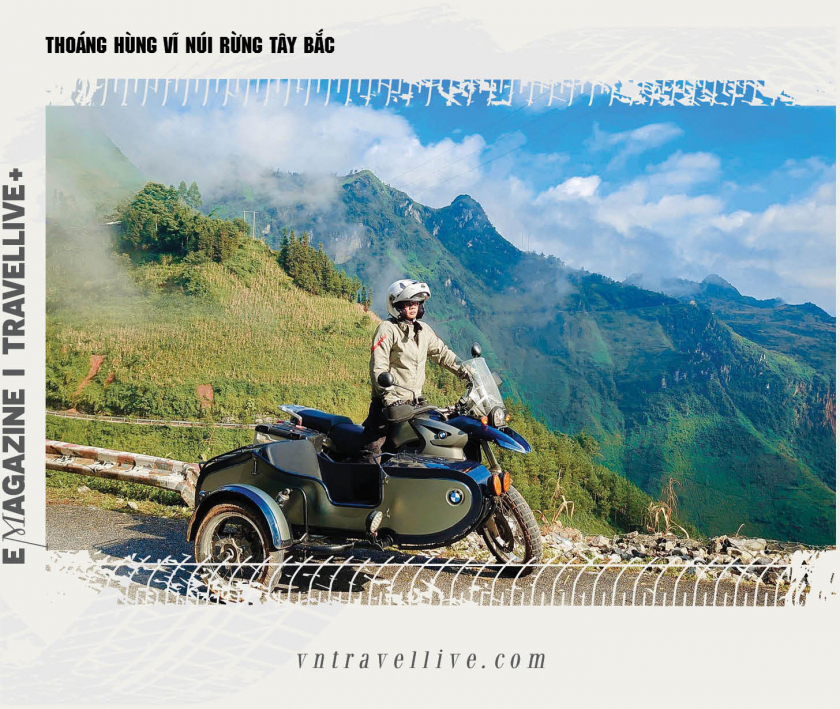
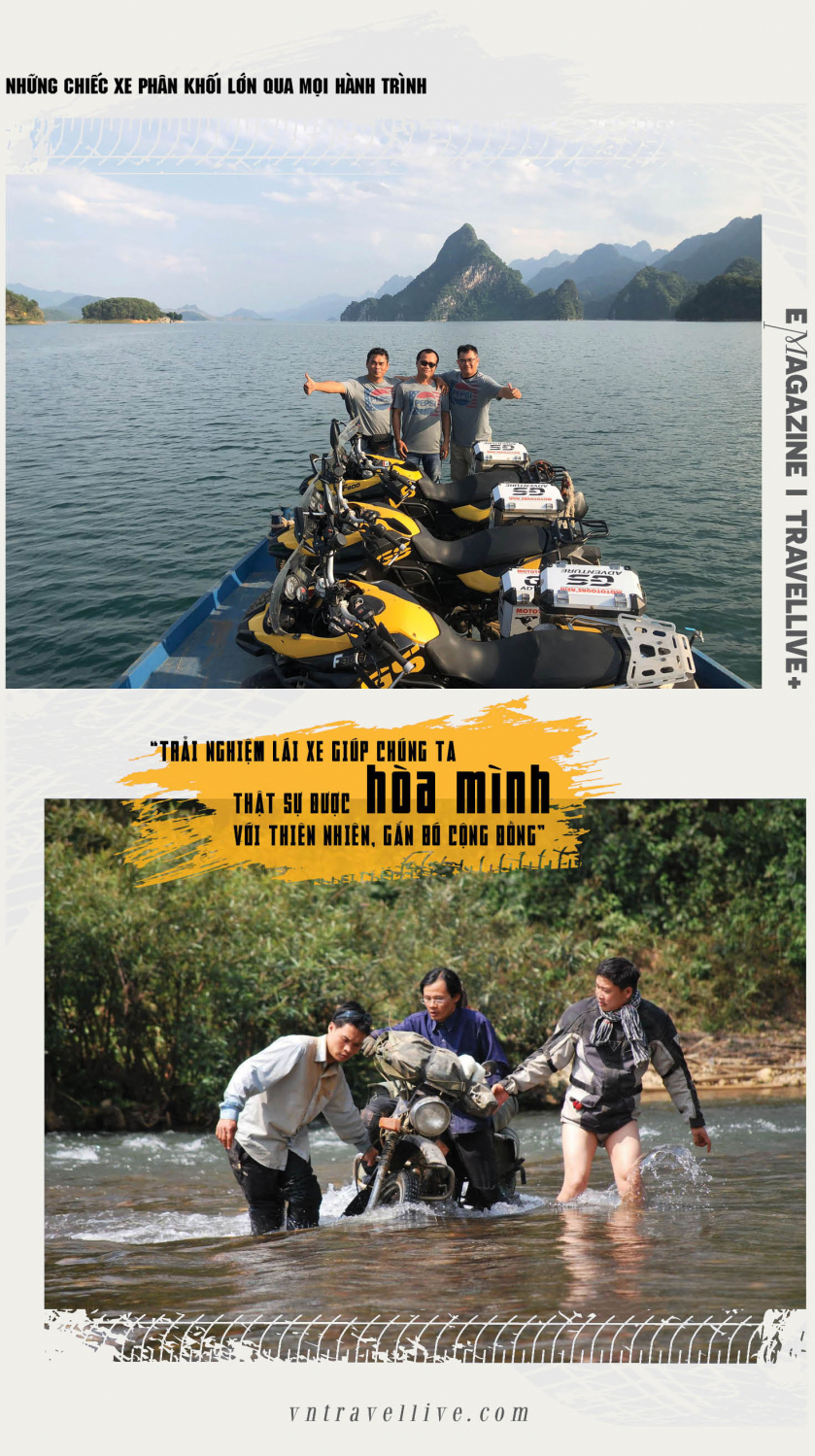
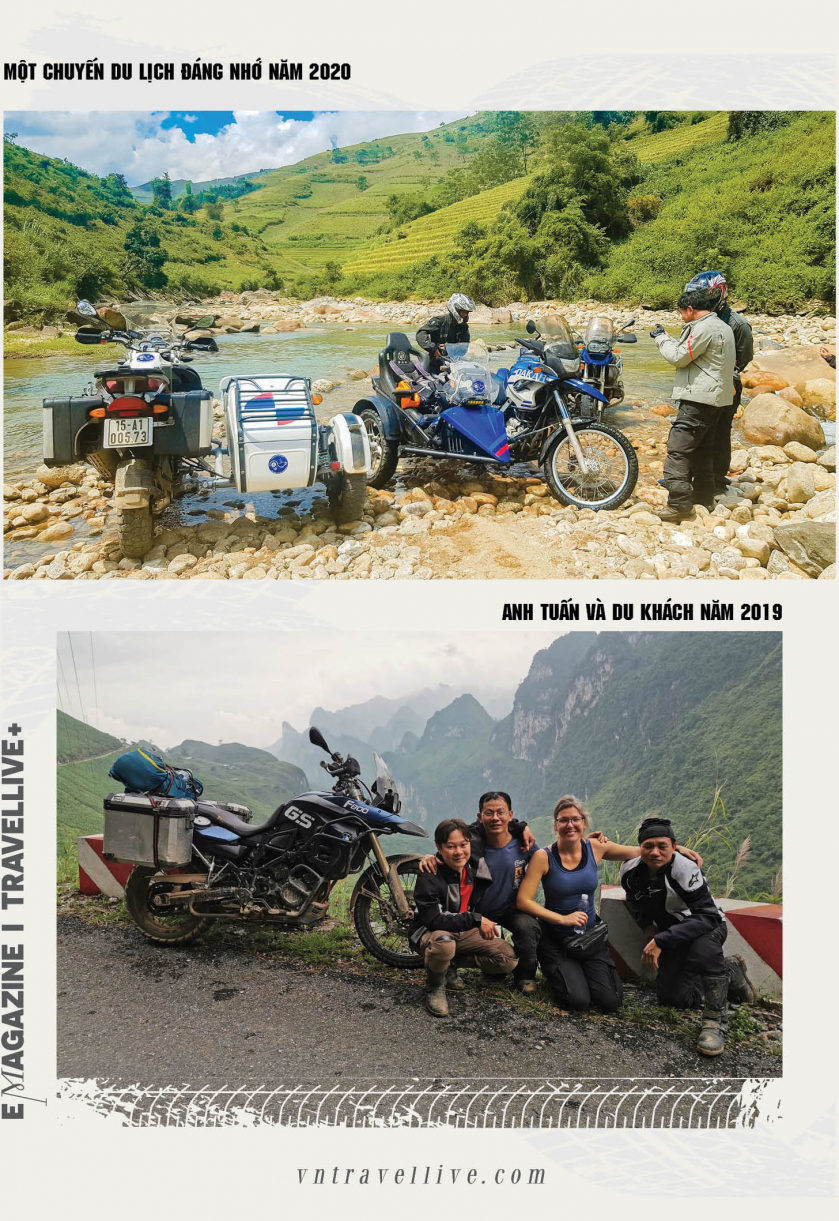
A man with a tanned face, tall and thin, wearing dirty shoes, stepped off his BMW F800 GS motorcycle. Nguyen Anh Tuan (50 years old, Hanoi) has been driving motorcycles across many Indochinese countries and organizing "adventure" tours for international tourists from Vietnam to Europe for the past 28 years. Now, he has decided to choose Dien Bien as his next destination for community-based tourism development.

He has spent over 28 years traveling to many countries and organizing tours for tourists to experience. What motivated him to start his journey in the tourism industry?
I officially started my career in the tourism industry in 1994. At that time, tourism was just beginning and international travel was still new. My first job was working as a receptionist at a small hotel on Dinh Liet Street. That's when I, along with six French tourists, rented Minsk motorcycles for our first motorbike trip to the Northwest region. In 1996, I opened my travel company, MotoTour Asia.
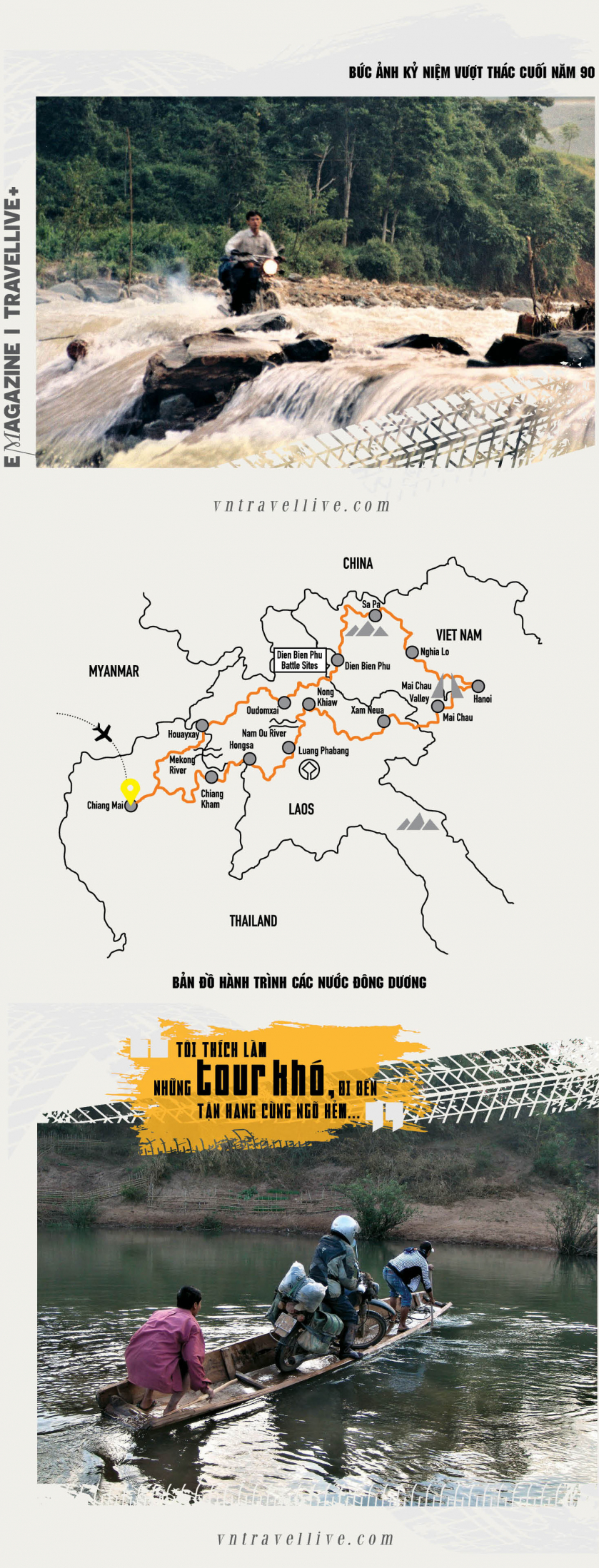
I enjoy challenging tours and was one of the first to lead cross-country tours in Vietnam. My first tour, in 1998, took 21 days, from Hanoi to Laos, Thailand, and Cambodia. Each trip aimed to reach even the most remote villages in Laos, Cambodia, Thailand, and Myanmar. Back then, we only had paper maps, constantly asking for directions and requesting shelter from locals. The ethnic people were incredibly kind; they offered food and lodging but absolutely refused to take any money. *laughs*
What cross-country programs have you organized? And how has the service changed?
In 2007, I switched from a Minsk to a Honda 150. In 2013, I started using Royal Enfield motorcycles. And in 2018, I switched to a larger displacement BMW. Businesses also need to constantly listen to customer needs and adapt accordingly.
In 2016, I organized my first tour, starting from Hanoi to Tibet, then Uzbekistan, Iran, Turkey, and then Eastern Europe via the Alps, through France and Spain, ending in Portugal. In early 2020, I also led tours along the Vietnam route through Thailand, Myanmar, Turkey, and Milan. The COVID-19 pandemic hit, arguably the most challenging period of my career. Currently, I've chosen Dien Bien as the location to develop community-based tourism to attract international visitors to Vietnam.
Video of the journey to Dien Bien:
In your opinion, how does touring by motorbike differ from other forms of travel? What preparations are needed to start a motorbike trip?
When traveling by car, I can't fully appreciate the natural atmosphere outside; I only see everything through the window. When traveling by motorbike, I have more control, I can truly immerse myself in nature, and connect with the community.
At the start of each trip, the convoy must have enough vehicles, technicians, chefs, and doctors to provide the best possible service to customers. I work in community tourism, training local people to provide services, cook, and guide tours, showcasing the beautiful scenery at each destination. Tourists are very satisfied when they receive attentive service. When they come to our country, they want to experience and learn about the local culture rather than just resort services.
Here are some tips from Tuan for young people who love to travel.

Where were the first places where he developed community-based tourism?
Mai Chau was the first place where I worked on community-based tourism. Tourists have now abandoned Lac and Pom Coong villages. These two villages used to be very developed, attracting a large number of international tourists. But now they've built multi-story houses, added guesthouses and luxury hotels, and are losing their original character.
During the two years of the pandemic, I dedicated all my time to researching Dien Bien Phu. People often think of Dien Bien Phu with the Campaign Command Headquarters, the Octagonal Tunnel… But they don't know how magnificent the natural scenery is.
What difficulties did you encounter while working with the community in Dien Bien?
First, we need to persuade individuals to work with us. They will join hands to renovate houses and rebuild toilets and bathrooms using local materials such as bamboo, wood, and stone. The facilities must also meet the standards to welcome tourists.
Secondly, we need to build a shared culture. We must encourage all citizens to adopt cultural standards of behavior, to avoid using herbicides and plastic bags, and to adhere to the waste collection and sorting system.
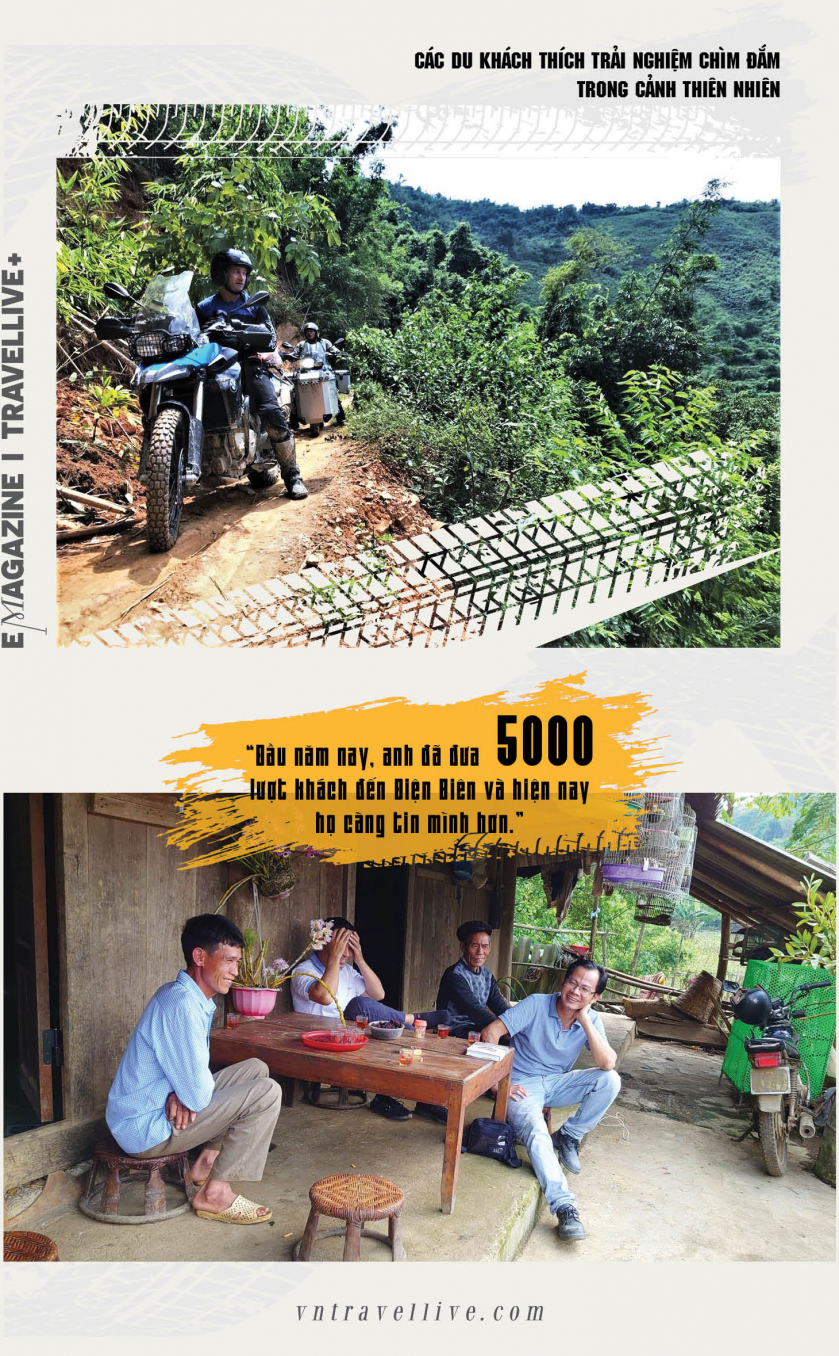
Thirdly, many locals have lost faith in tourism companies. People fear that after renovating their houses, tourists won't come because of many "empty promises" projects. We have to gradually convince them. Earlier this year, I brought 5,000 tourists to Dien Bien, and now they trust us more.
What are your thoughts on the current state of the tourism industry after the difficult period caused by the Covid-19 pandemic?
In today's era, the tourism industry is highly competitive due to the internet and the interconnected world. In the past, tourism wasn't as widespread, but now it's more commercialized, and anyone can work in it. However, after the pandemic, those who have remained in the tourism industry until now are driven by passion. A passion for exploring new routes and providing the best possible experiences for guests.
Here are some of his thoughts on the happiness of working in the tourism industry.
Thank you very much.