VI
VI


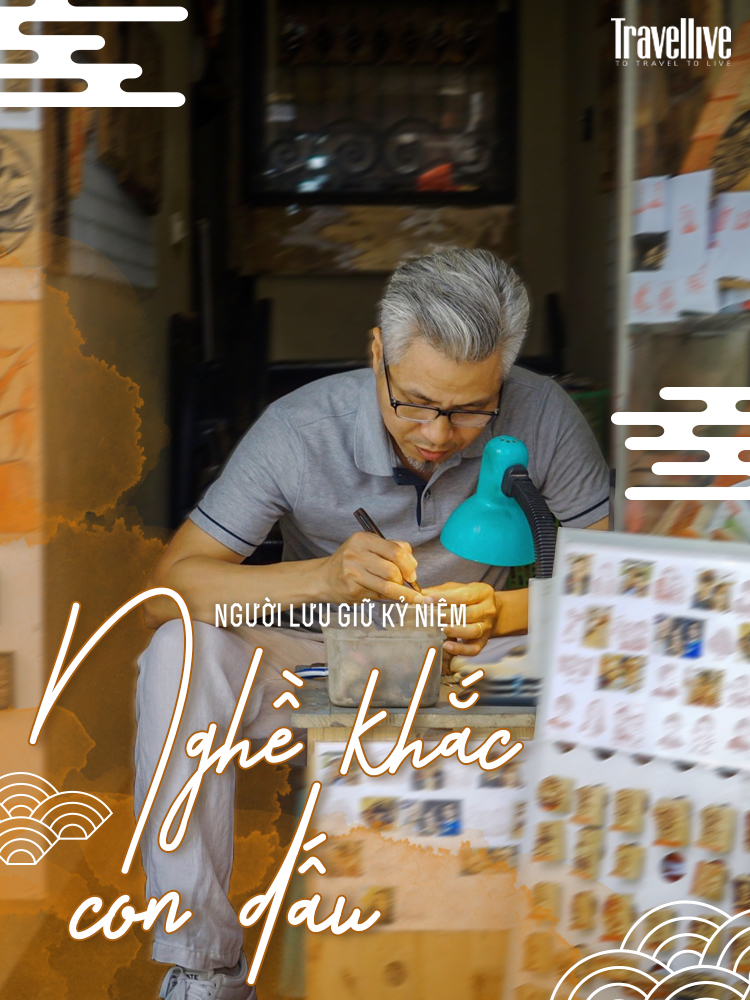
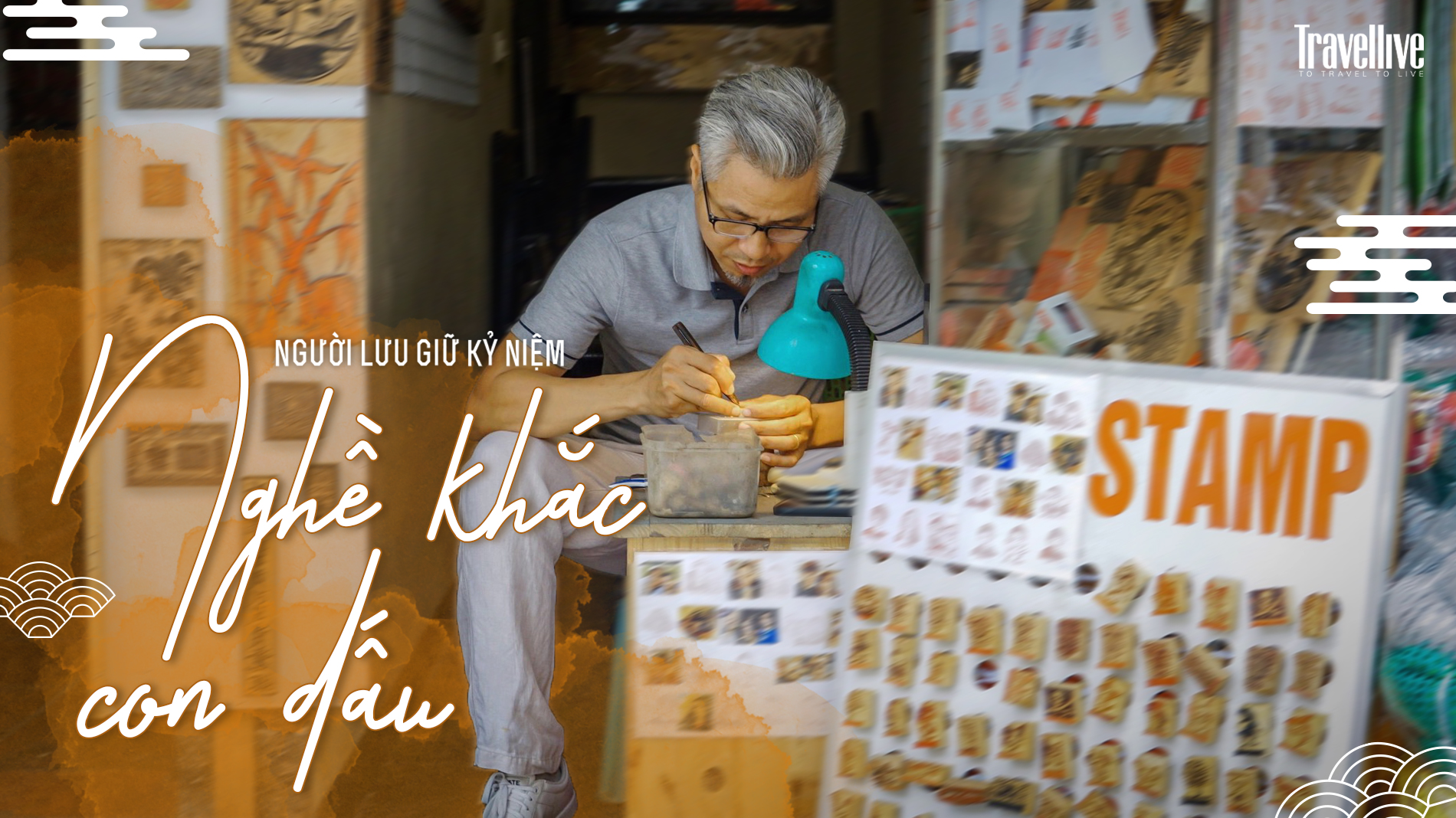
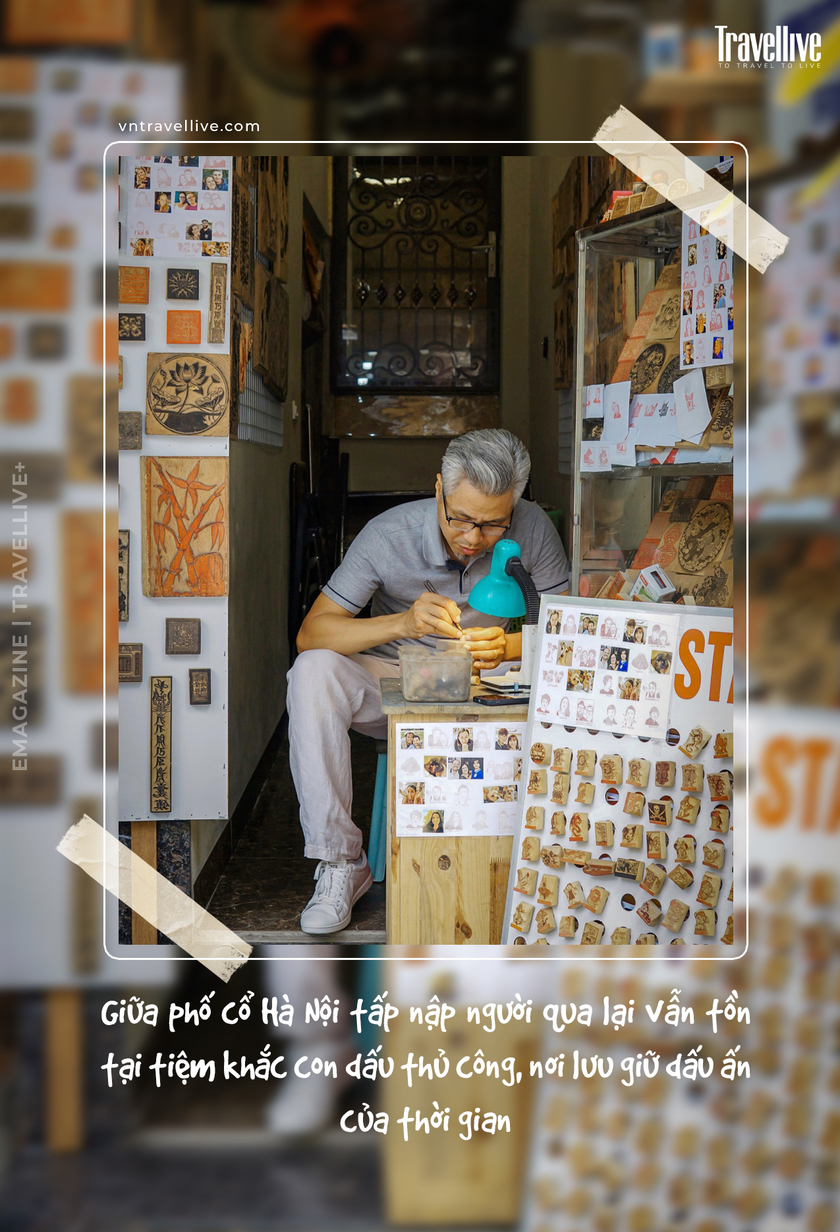
Wandering through Hanoi's Old Quarter, stopping at 62 Hang Quat Street, you'll encounter the image of the dashing and romantic Do Thanh Ha meticulously carving each wooden seal. Within his shop's space of just over 10 square meters, Do Thanh Ha has witnessed countless stories connected to the craft of wood seal carving over the past 27 years. Though seemingly fading with time, the craft of seal carving continues to innovate and has become a valuable traditional handcrafted gift for generations and international friends.
It's unclear exactly when the art of seal making originated, but its uses have been around for a very long time. Initially, seals were created to authenticate documents or seal important letters and correspondence. Today, to adapt to development, seals have changed in design and size to suit the preferences of many people who enjoy collecting handcrafted seals.
Tố Tịch Street was once very famous for its handcrafted seal-making, but as society became more modern and people's tastes changed, this street gradually gave way to other businesses. Nowadays, to find a shop that makes handcrafted seals in Hanoi, you can only go to the Old Quarter, especially Hang Quat Street.
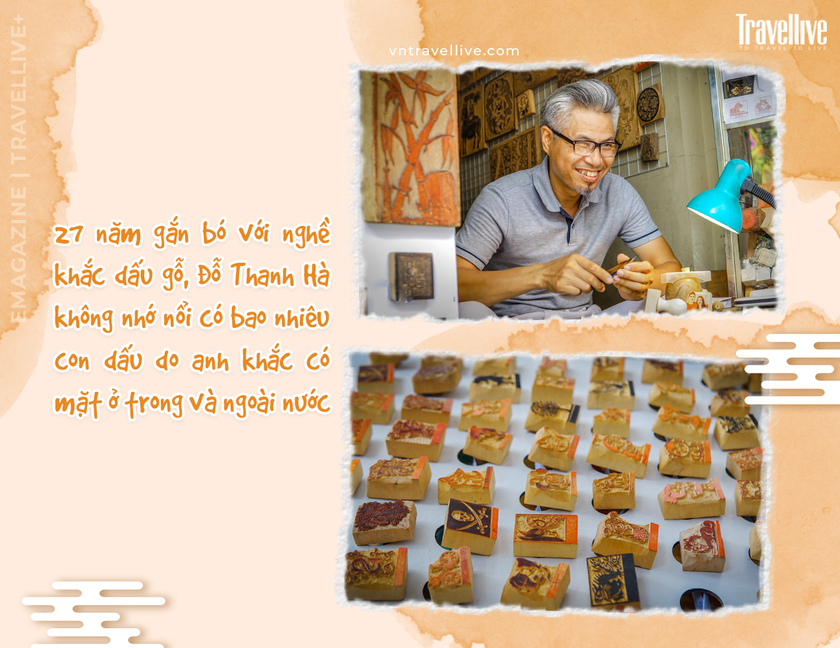
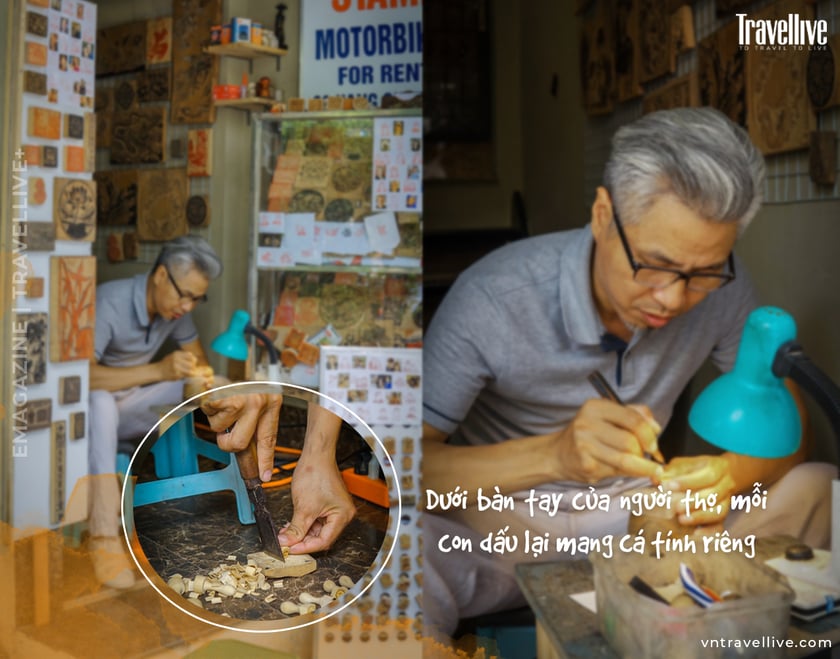
Stopping at shop number 62 Hang Quat, it's easy to spot a rugged-looking man meticulously carving each handcrafted seal, paying attention to even the smallest and most intricate details, at a table set up in front of the shop, surrounded by numerous wooden molds and seals of various shapes and sizes.
Mr. Do Thanh Ha (1974), the shop owner and resident of Hanoi, has been carving seals for over 27 years, a trade passed down from his family. He recounts: “Seal carving is a traditional craft passed down from my father, starting in 1996 and continuing to this day. Previously, I would come up with ideas for each design, but later, customer preferences diversified, with people ordering handcrafted wooden seals with different meanings and purposes, even portraits. Therefore, wooden seals have gradually had to be modernized. There are countless engravers, but the carving style and technique are never the same. Just by looking at the engraver's knife, you can tell how skilled they are.”
To create a seal, the craftsman must go through many different stages, especially sketching or carving. This craft requires patience, meticulousness, and refined creativity.
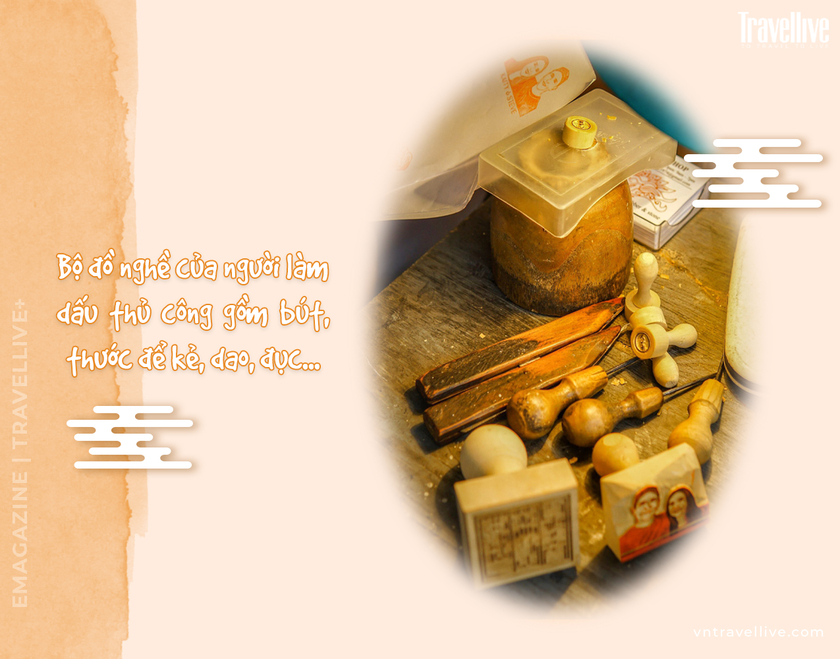
Carving is also the most difficult and meticulous step, requiring the use of knives, chisels, files, etc. To create a complete seal, the craftsman must have a seal made of a special type of wood used for inkwelling, which is lightweight, easy to carve, and absorbs ink well. Then, depending on the customer's requirements, the craftsman will sketch the image onto the seal and use a knife to carve each stroke, and chisel the more intricate details. Engraving a seal requires the craftsman to be extremely skillful. Because when carving a seal, the craftsman must carve the image in reverse of the original, so that when pressed onto paper, the desired shape will appear.
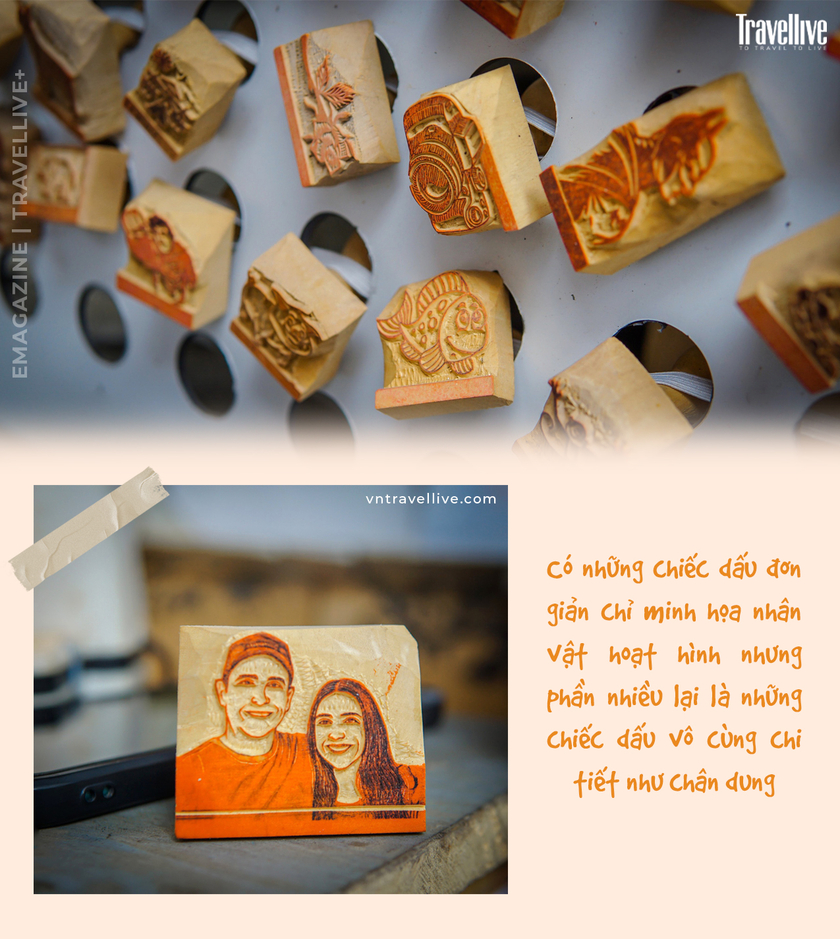
“I engrave countless simple designs every day; some stamps can be completed in just 20 minutes. Having been in this profession for many years, even the most demanding tasks are easy to complete, but in my opinion, the most difficult is engraving portraits. People just give me a photo and I use it as a basis for sketching. Smaller designs are difficult to engrave, while larger ones take more time,” said Mr. Do Thanh Ha.
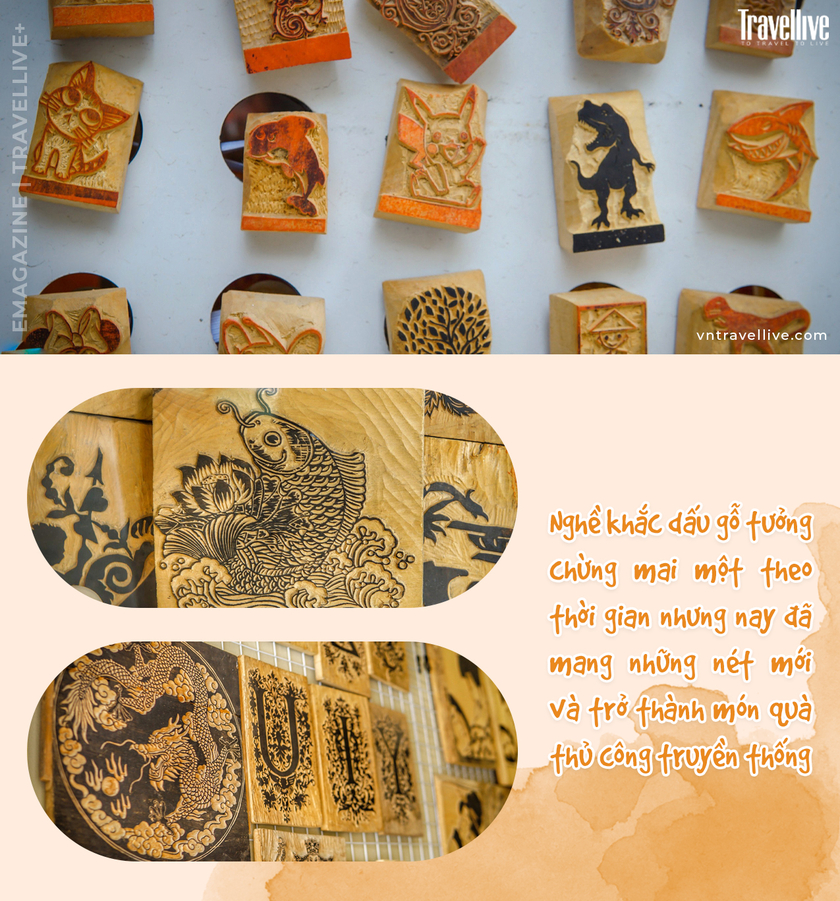
As time flows on, the craft of handcrafted seal carving, seemingly on the verge of fading away, continues to create new styles and become a traditional handcrafted gift. Amidst the changing pace of modern city life, there are still those who love and are dedicated to this ancient craft. They continue to preserve the traditional cultural values of Hanoi's craft streets every day.
To keep up with social trends and meet the diverse demands of customers, craftsmen must adapt to offer stamps in various sizes and designs. While stamps come in many varieties, those with discerning tastes can recognize them immediately. There may be many stamp shops, but the quality and engraving techniques will differ significantly. According to Mr. Ha, while the work can be done by machine, toys must definitely be hand-engraved.
“Previously, I had five shops specializing in seal engraving, but after the Covid pandemic hit, I had to close them all down and now I only operate this one shop. At that time, there were quite a lot of foreign customers getting portraits engraved, and also small seals, to the point that I had to hire extra workers from my hometown to keep up. Foreigners really like these handmade toys instead of machine-engraved ones, especially the Japanese. After Covid, the number of customers getting seals engraved decreased significantly, and the demand for handmade toys also dropped considerably,” Mr. Do Thanh Ha confided.
Besides the commonly seen designs, today's stamps also serve as souvenirs with diverse content to suit the preferences of both domestic and international tourists, especially those featuring portraits. Because they require high skill and a lot of time to complete, the price is higher. The price of the stamps engraved by Mr. Ha varies depending on the complexity of each customer's order, ranging from 100,000 to 400,000 VND. Larger and more intricate designs will also command higher prices.
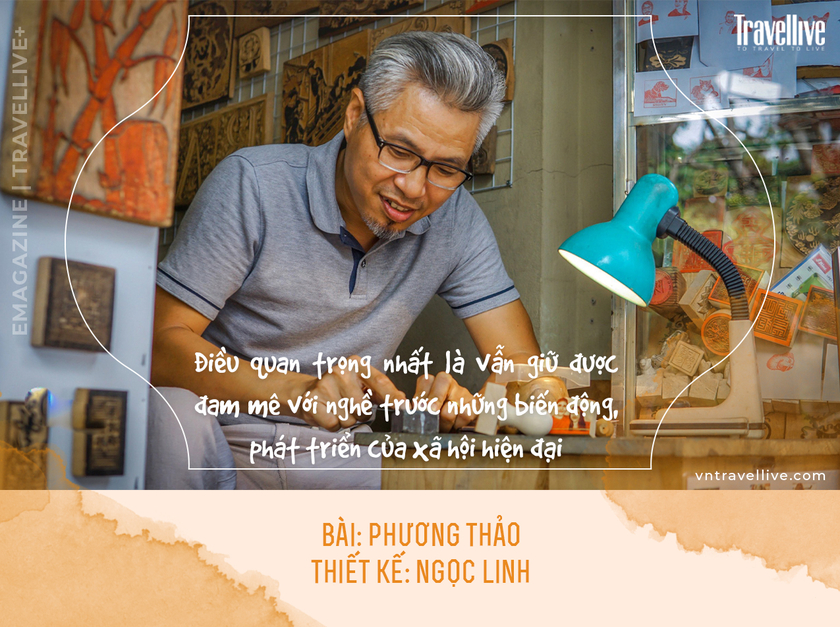
Mr. Do Thanh Ha further shared that the most important thing is to maintain passion for the craft amidst the changes and developments of modern society. Handcrafted wooden seal carving is a traditional craft with a national identity. Every international tourist who comes and buys one as a souvenir is also seen as promoting Vietnamese culture to international friends.