VI
VI


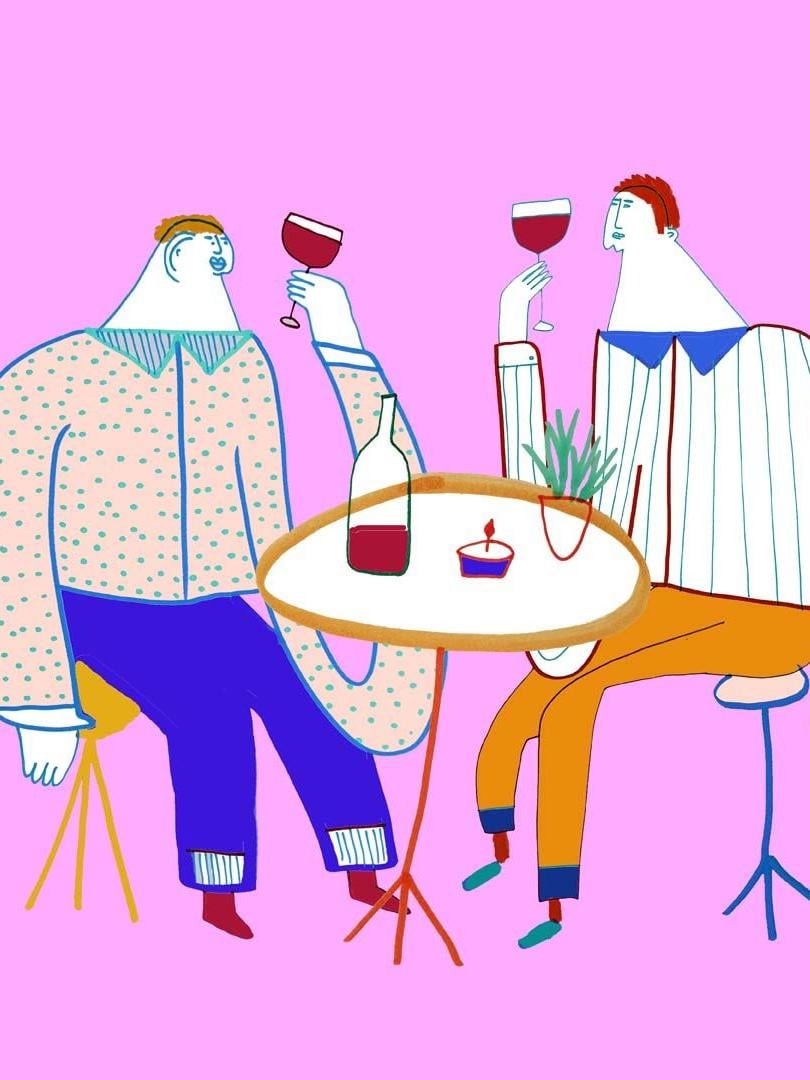
Most of us simply turn to wine for pleasure and relaxation, or to affirm our personal preference. I think a great way to appreciate wine is to drink it rather than just taste it, ideally during a meal with family or friends. This is the wine's natural environment, the times when it will express itself and fulfill its intended purpose – to make people feel relaxed, intoxicated, and joyful. In such comfortable and familiar circumstances, we can all learn to appreciate wine by asking simple but important questions, such as: "Do I like wine?", "Why?", "Why not?"... The answers to these questions can help anyone enjoy wine with more confidence.
The act of tasting wine can take place throughout the meal. Good wine is not static. From the moment you pour it into the glass until you drink the last drop, it is constantly changing: it comes into contact with the air, it warms up in the glass, it transforms as you savor the food and converse with those around you. Your perception of the wine will also quickly develop in many different directions, especially when you have the opportunity to savor it as it changes over time.
In lively discussions about wine, I've heard ideas that get to the heart of the matter, relating to how we think about wine in the 21st century—where so much that used to be familiar is no longer the same—and to the aspects consumers care about when buying wine.
Below are 10 of the most important lessons I've learned during my seven years writing about wine for The New York Times (NYT). The perspectives and viewpoints in these articles are particularly insightful and helpful, whether you consider yourself a novice or a connoisseur.
Don't hesitate to explore.
Over the past 30 years, the wine market has exploded with countless options. High-quality, delicious wines are now available in more places, made from more grape varieties, and blended in more ways than ever before. Too many choices can be overwhelming, but the opportunity to find something truly captivating and delightful is also immense. Establishing a relationship with a reputable wine shop is a great way to discover new wines.
I can give two particular examples: one is my experience with a Greek white wine – Assyrtiko from Santorini, and the other is an Austrian red wine – Blaufränkisch. Both were absolutely wonderful and outstanding.
Pay a price that reflects the quality.
How much to spend on wine and what value to receive are top concerns for wine drinkers. No one wants to spend too much on wine, or anything for that matter. However, like any other product, there are more expensive bottles of wine and cheaper ones. Each bottle of wine has fixed costs: for cultivation, production, transportation, and the transaction-related expenses between the producer, distributor, retailer, and consumer. Different purposes will result in different prices. Small producers focusing on quality, using labor-intensive cultivation and production methods, will have higher costs than large producers focusing on quantity. You need to understand the law of supply and demand and realize that the supply of most fine wines is limited, as they are products of private vineyards, harvested only once a year. Therefore, prices can rise rapidly.
From what I know about Malbec wine, one produced in the Mendoza region of Argentina, and another in Côte Chalonnaise in the Burgundy region of France, consumers can easily distinguish the relationship between price and value when they have the right information.
Learn from the mass market.
Issues of price and value become particularly elusive when consumers see the proliferation of cheap, mass-produced wines. Essentially, many of the most common wines, readily available in most American supermarkets, are produced in factories to meet mass demand. I call these "processed wines." Exploring the topic of these wines has generated an enormous response from our readers. Those who appreciate inexpensive wine feel validated, but many are outraged at the thought that we are even discussing such wines.
Another section where we approached this issue from a price perspective, specifically regarding wines under $10. These aren't necessarily refined wines. But, through dedicated producers, we've tried to find out what those bottles at the very bottom of the price scale offer.

I think both of the above points illustrate the financial losses associated with mass production and extremely low costs.
Enjoy with food.
One rather daunting aspect of learning about wine is figuring out how to pair it with food. Books often offer convoluted recipes that are almost impossible to follow, while wine experts and consultants focus on the most complex aspects of balancing or contrasting flavors, as they possess a deep understanding of the restaurant's wines and food.
I suggest a simpler approach: Just do it. Just pair wine with food, based on your own experience, perspective, and preferences.
I believe that wine and food always go together; each type of wine offers a new opportunity to pair with a particular food, and vice versa. Which dish pairs well with which wine is a matter of your choice.
Reconsider personal biases.
We all have deeply ingrained beliefs about certain wines, such as, "I hate Chardonnay" or "All rosé wines are equally terrible." Often, this isn't a belief learned from long-term exposure, but rather the result of a bad experience, perhaps from a long time ago. That's why I recommend reconsidering your biases and prejudices. I've personally re-examined my own views, for example, regarding how to appreciate Zinfandel and Grenache. By doing so, you'll quickly learn (or in my case, relearn) that fixed beliefs about wine are often built on outdated information.
Challenging conventional thinking
Another aspect closely related to bias and prejudice is the over-reliance on common opinions that most people agree on. This is especially true when it comes to wine, as education and experience often come with the time and expense of traveling and sampling many different wines. Reading books is always easier. The problem is, many of the books you read are also written based on common beliefs. Personal experience and self-confidence are essential tools when evaluating wine, and these are not easily acquired. That's why I always talk about the benefits of having an open mind.
Take Aligoté and Valpolicella Classico as examples. Aligoté has long been dismissed as "that white grape" when compared to Burgundy's Chardonnay. Surprisingly, however, skilled producers are creating many excellent wines from Aligoté, and they possess many admirable qualities. Similarly, Valpolicella Classico is a much more understated style compared to the more luxurious Valpolicella Ripasso. You might still prefer the Ripasso, but it's important to taste both and form your own opinion.
Pay attention to the origin.
There are few terms used as frequently yet understood as "terroir," a French word describing the influence and imprint of a particular region's climate, soil, or culture on the flavor of wine. Incidentally, it's not just wine that has "terroir"; many other products, such as cheese, chocolate, olive oil, and honey, also possess their own unique "terroir."
I believe in the power of "terroir," and I feel that almost all excellent wines possess outstanding "terroir" elements, regardless of whether they are expensive or famous. I have written many articles focusing on the "terroir" of specific wines. Two of them have been examined in detail on this issue: one is the wine of Morgon – one of the ten Beaujolais wine-producing regions that confidently uses its domain name for its wine – and the other is the wine of Valtellina – a region in the Alps in Lombardy, northern Italy.
Appreciate the simple things.
There's a common notion that wine has to be complex to be good. I've noticed this thinking persists in other areas as well. The craft beer trend has recently rediscovered Lager, after having spent so much time focusing on other highly creative and complex genres.
In the wine industry, as in fashion, everything has its value. Sometimes you want a meditative wine for moments of contemplation. Other times, you want something more refreshing and crisp. Calling a wine simple doesn't mean you're insulting it. You just need to choose the right wine for each occasion.
Understanding the value of the "nuance" in wine
The more we value the simplicity of wine, the more complex the answers to many questions about it become. I always consider the issues raised about color, aroma, and other factors from many different angles. For example, we've received questions about two Italian wines: one about Rosso di Montalcino, the less expensive cousin of Brunello di Montalcino, asking what "maturity" means when discussing wine; the other about the meaning of excellence, referring to Verdicchio di Matelica, a white wine from the Marche region.
Interestingly, these are questions about alcohol, but the way you answer them can apply to all areas of life.
Return to classic wines
I believe we are living in the most exciting times ever seen for wine lovers, with countless new wines waiting to be discovered. But to understand wine, you must explore its potential. That means, from time to time, returning to the classics, the wines that have captivated human imaginations for centuries. These "historical witnesses" offer us the opportunity to savor wine at a higher level. The more exquisite the wine, the more expensive and time-consuming it is to age, but we can still find less expensive wines that at least offer a similar taste experience.
The first wine I chose to test was Bordeaux. I also wrote an article from 2016 mentioning wines from the Marsannay region of Burgundy. Both are prime examples of the value of classic wines, and that we should look back to remind ourselves why these regions are so revered.
Join the discussion
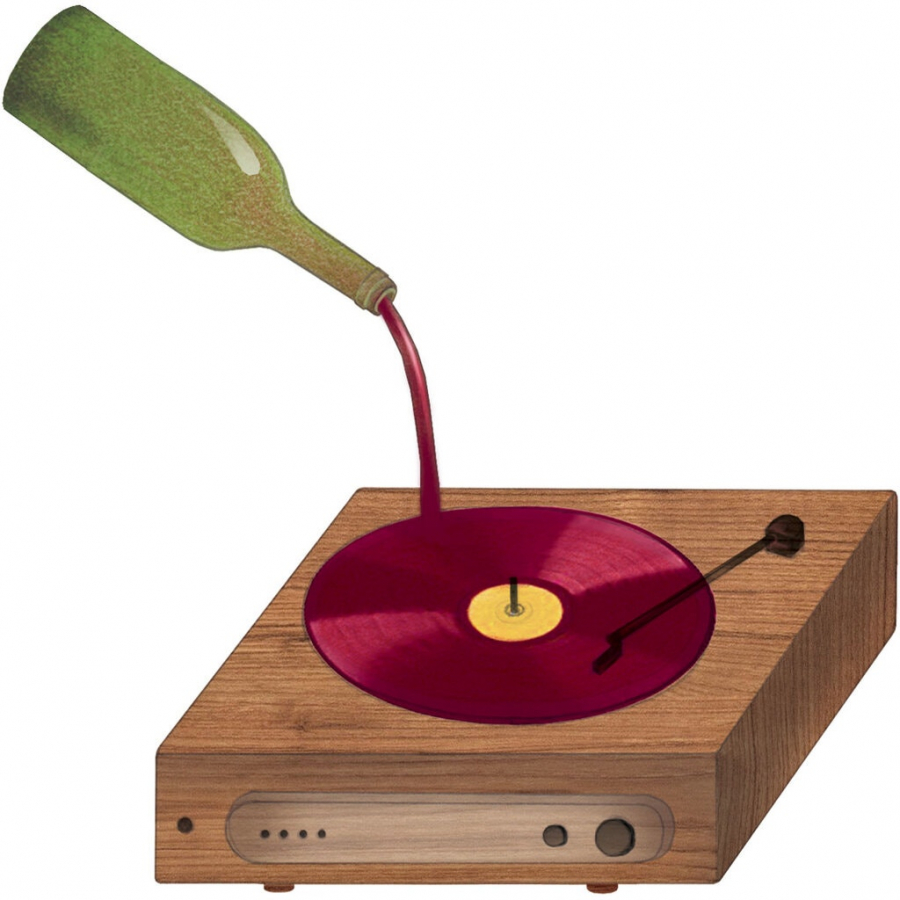
Talk about wine with other wine lovers. You can connect with anyone from around the world, or express your love of wine with family and friends, and get drunk in your own way. After all, that's the greatest purpose of wine – to bring people together in a captivating way.
– Translated from an article by Eric Asimov in The New York Times