VI
VI



1. Balut (fertilized duck egg)
Balut (fertilized duck egg) seems to have been ranked among the "strangest" dishes that foreigners consider unusual when visiting Vietnam. Unlike other egg dishes, this dish is made from duck eggs where the embryo has developed into a fully formed form. Balut is considered a high-protein food that Vietnamese people, especially children, often eat for breakfast. This dish is usually served with ginger, Vietnamese coriander, and lime and chili seasoning.
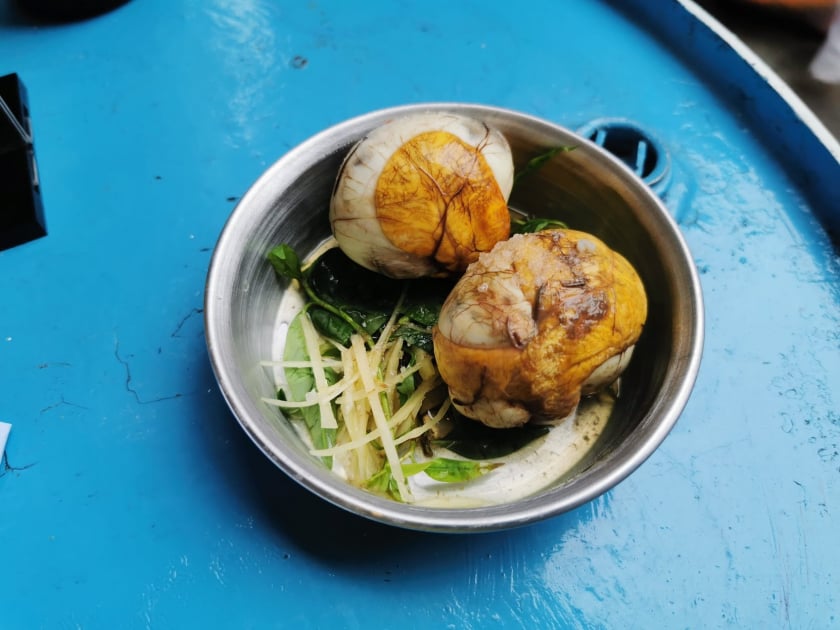
Photo: Fabienne Fong Yan
Lonely Planet also suggests that if international tourists haven't yet "adapted" to balut (fertilized duck egg), they can try a less unusual option: balut (fertilized quail egg). The small size of quail eggs, combined with the sweet aroma of tamarind and lemongrass, will make them easier for tourists to eat.
2. Stewed Chicken
This dish is quite popular in the Vietnamese diet and is highly valued for its medicinal properties. The broth is made from various Chinese medicinal herbs, often referred to as traditional Chinese medicine, along with the main ingredient: regular chicken or black chicken – a special breed of chicken native to Vietnam. This dish is especially recommended for women.
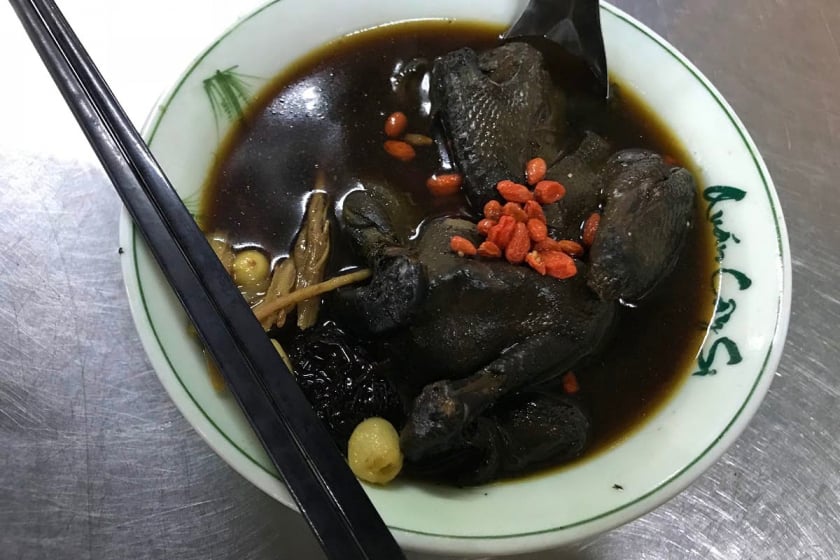
Photo: Fabienne Fong Yan
3. Chicken feet
Chicken feet are incredibly popular in Vietnam and can be found everywhere, from roadside stalls to upscale restaurants. Although inexpensive, this dish can be prepared in many appealing ways, such as frying with chili and honey sauce, or boiling and serving with spices, ginger, and lemongrass in traditional meals. This is why Vietnamese villages often raise a special breed of chicken with "giant" feet.
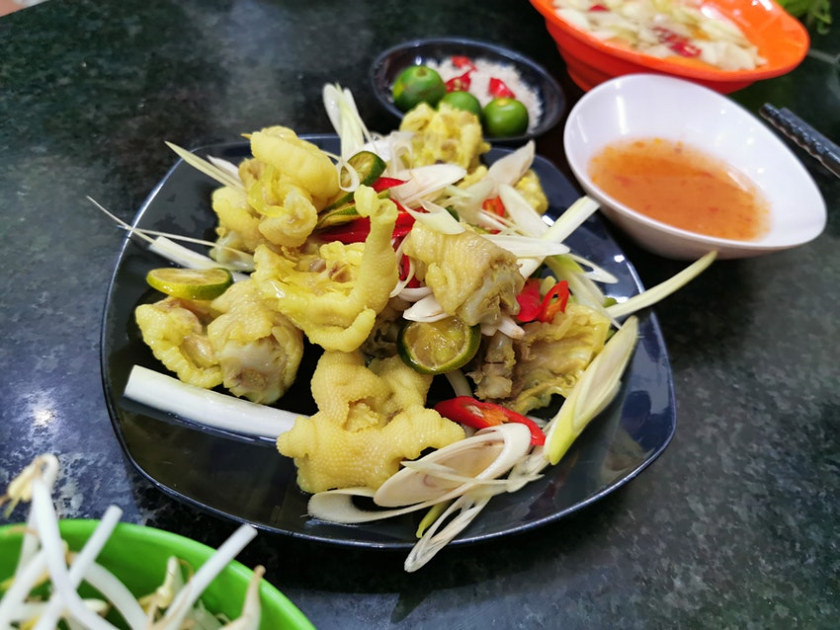
Photo: Fabienne Fong Yan
4. Blood pudding, offal porridge
Blood pudding is the dish least tourists want to try, as it's made from the fresh blood of certain animals and can easily cause infection if not prepared carefully. A similar dish, but more well-known to tourists, is offal porridge, made from the internal organs of pigs, cows, ducks, or chickens. If you stroll through the streets of Vietnam at night, it's not surprising to come across a stall selling offal porridge or any kind of offal such as duck liver, cow stomach, etc.

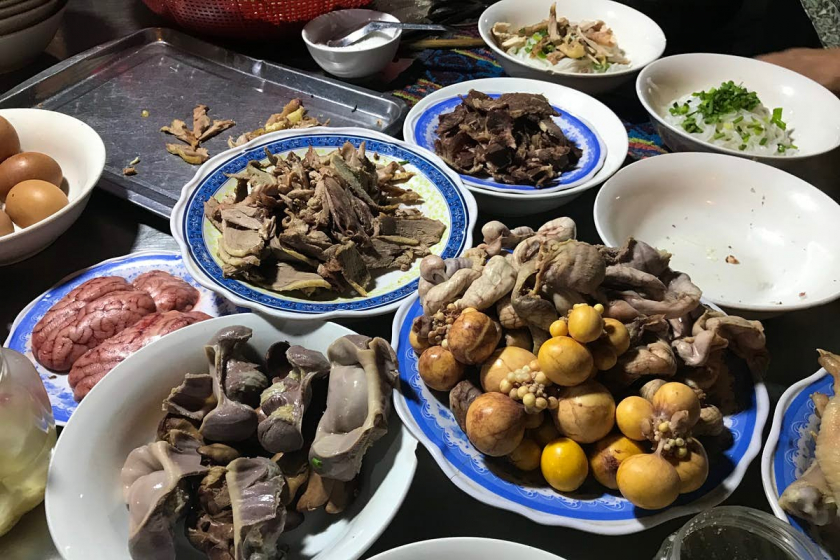
Photo: Fabienne Fong Yan
5. Snails
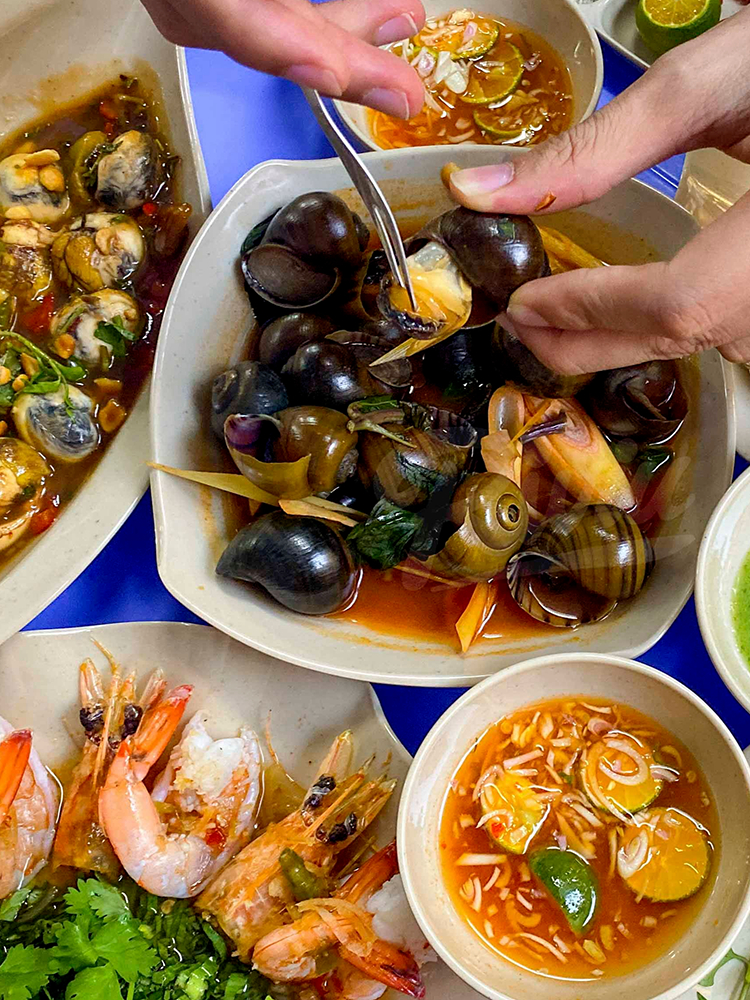
Vietnam boasts a diverse range of snails, prepared in numerous different dishes. Besides common dishes like snail noodle soup and snail porridge, visitors can also enjoy "snail-only" dishes at street food stalls.
While most other street foods are served both day and night, snail dishes are primarily sold in the evening. Common ingredients for preparing snail dishes include lemongrass, ginger, tamarind sauce, and scallions.
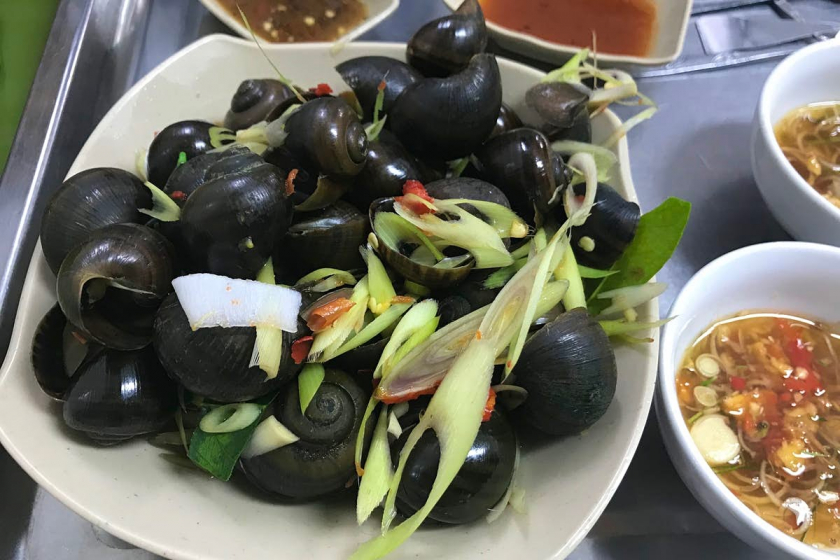
Photo: Fabienne Fong Yan
6. Red Jellyfish with Shrimp Paste
Jellyfish is a rare street food in many countries, but tourists might stumble upon it at a street vendor's stall in Hanoi one morning. Live jellyfish is prepared with aromatic herbs like mint and perilla, and finally dipped in shrimp paste – a unique dipping sauce found only in Vietnam.
Shrimp paste is considered a difficult dish to eat, even difficult to smell, due to its salty and extremely pungent taste. And of course, shrimp paste has also increased Vietnam's identity to the point that Vietnamese people often joke with foreigners: "If you can eat it, you're Vietnamese."
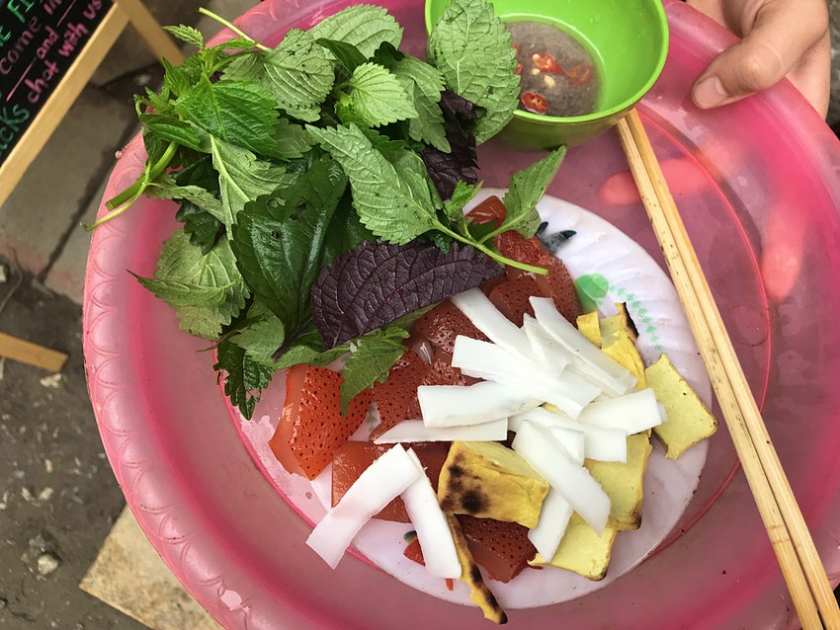
Photo: Fabienne Fong Yan
7. Caterpillars, coconut beetle larvae, and earthworms.
Grilled silkworm pupae are a popular street food often served at casual eateries in Vietnam. This dish is highly valued for its protein and mineral content. The pupae are silkworms raised on mulberry leaves in rural villages in northern Vietnam; before processing, they are dried and mixed with salt before being fried in fish sauce.
Another similar and quite popular dish is the sea worm, often prepared with omelets and pork, also known as "sea worm patties". This dish is said to be very nutritious and good for arthritis or body aches.
In the Mekong Delta region of southern Vietnam, a more popular dish is coconut beetle larvae, a more "culinary" term for the beetle larvae. Unlike pupae and worms, people in the South usually eat coconut beetle larvae raw with fish sauce.
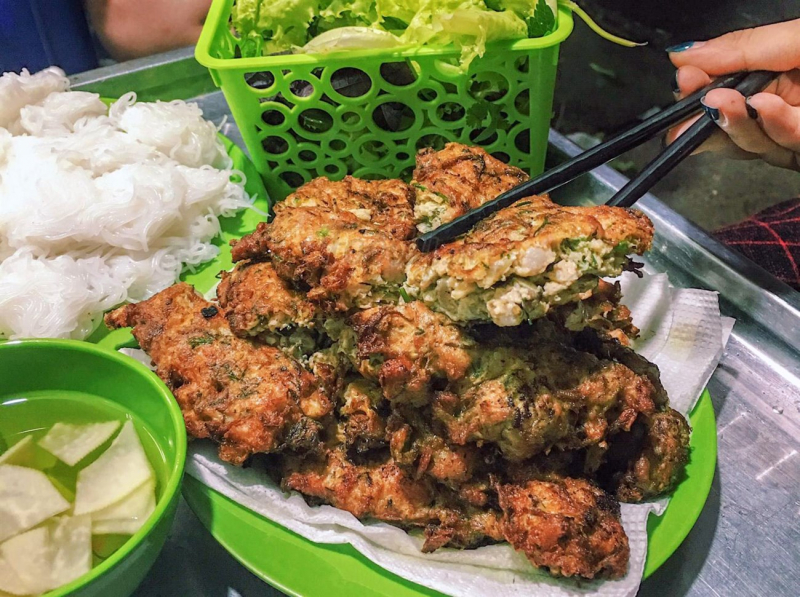
Mudworm patties. Photo: Internet
Depending on the culture, one person's favorite food might seem strange to another. Therefore, Fabienne Fong Yan, the author of this survey, concluded that you shouldn't judge people's eating habits when traveling to a particular place. "You might like these dishes, but if you don't, that's okay too, because there are plenty of other options available at street food stalls, markets, and restaurants in Vietnam."