VI
VI


Article by: Junie Nguyen
Every year, more than 40 films are made in Busan, earning it the reputation of being the Hollywood of Korea. But that's not all; Busan has much more to offer beyond just movies. Many visitors attending the annual film festival have discovered that Busan is a must-see destination for any travel enthusiast, with one visitor even saying, "Busan is the missing piece of San Francisco in Asia."
Located in southeastern South Korea, Busan is the country's second-largest city and its number one port, connecting South Korea with Asia, Europe, and North America. Situated along the Korea-Japan Strait, Busan holds significant commercial and tourism value, making it a prominent international metropolis. In 2002, Busan hosted the 14th Asian Games and important matches of the 2002 World Cup. Since 1995, it has been the venue for the annual Busan International Film Festival. Furthermore, the Bexco Convention and Exhibition Center in Busan regularly hosts and organizes major international conferences and exhibitions.
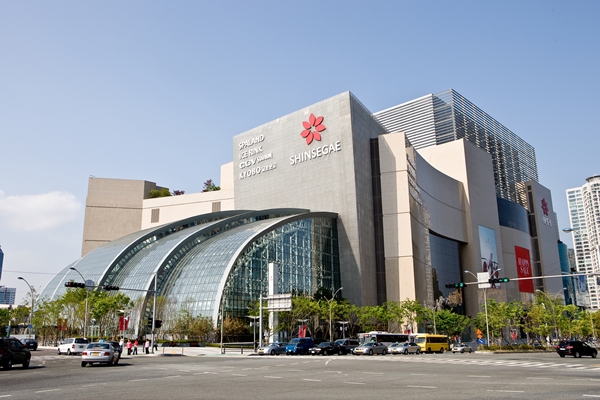
At first glance, Busan might look like most other major cities in South Korea, with its rows of concrete buildings, frosted glass towers, and neon lights shining 24/7. However, beyond the film festival season, and forgetting the cold, rigid walls of South Korea's second-largest metropolis, Busan is truly a vibrant port city with countless charming aspects.
Sightseeing in Busan offers two options: coastal areas or inland attractions. Coastal sightseeing can include trips to islands, beaches, and Hea Ahn Park. Inland sightseeing offers a wider variety of choices, including Busan city center, Dongnae Shrine, Busan World Cup Stadium, Gamcheon Culture Village, Huinnyeoul, Lotte Cinema Art Film Theater, Lotte Town - Gwangbok Branch, Haedong Yonggungsa Temple, Oryukdo Islands Skywalk, Bosu-dong Book Alley, and the Bexco Exhibition and Convention Center.
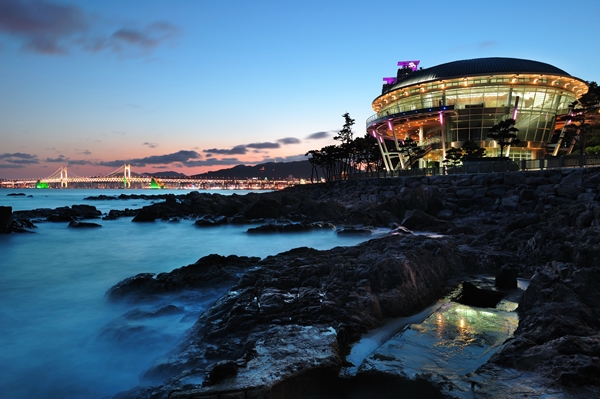
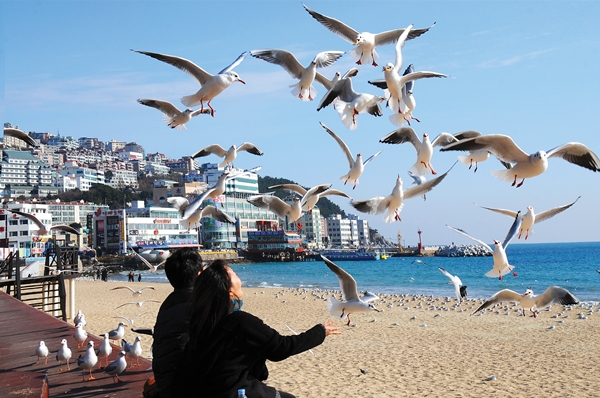
Undoubtedly, Busan's beaches offer the best scenery for visitors. The southeastern beaches boast breathtaking views of islands and rocky outcrops that are simply irresistible. Some of the most beautiful beaches include Haeundae, Gwangalli, and Songjeong. Kayaking, parasailing, and more are just a few of the many recreational activities visitors shouldn't miss. Visitors can also book boat tours to enjoy the scenery and capture stunning photos of the port city of Busan.

Considered the summer capital of South Korea, Busan boasts six beaches, ranging from the welcoming paradise of Haeundae to the more mature and sensual Gwangalli, and the tranquil Songjeong beach located further from the city center.
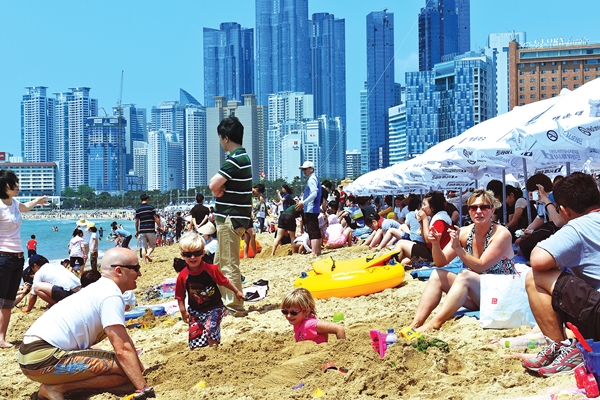
In summer, Haendae transforms into another "Mecca" of Asia. During peak season, every square meter of beachfront becomes incredibly valuable, with crowds flocking to immerse themselves in the cool seawater. Looking out at the ocean, one sees more glistening skin than the blue of the sea itself. To cater to tourists, beachfront restaurants always ensure delicious meals and accompanying services such as tents, beach towels, and sun umbrellas. At night, fireworks illuminate the sky, captivating visitors with their beauty. This spectacle doesn't happen often, but even a few minutes of witnessing it is an unforgettable experience for any traveler.
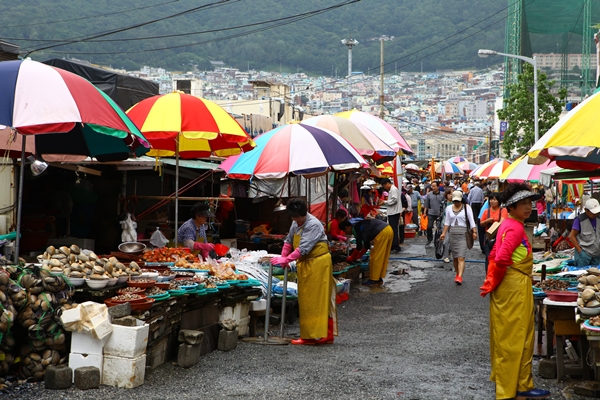
When visiting Busan, don't forget that the number one destination on your list of "must-see" places is Jagalchi Fish Market, the largest fish market in South Korea. This area has been used as a fish market since 1889 and is where you can find all kinds of seafood you want. Heading south from the market, you'll find a dock where fishing boats return after their voyages. If you visit early in the morning, you can watch the scene of fish being transferred from the boats into large and small containers and then onto trolleys to be taken to the market. You can also see auctions of fresh fish, much like the early morning pet markets in the West.
A few blocks from the harbor, you'll find the Gukje International Market. There, like soaring seagulls, you'll find burly Russian sailors from the frigid northern lands of Vladivostok or Kamchatsky, often sporting anchor tattoos, and blonde women searching for stylish leather jackets or electronics, all in the midst of enjoyable "relaxation." The market also attracts a diverse range of other people. From sun-tanned Southeast Asian sailors from Saigon or Manila, jostling with locals to haggle over ginseng or fashion items, to Japanese college students looking for phone charms, laptop cases, or decorations featuring Korean pop idols. Although perfectly safe, the Gukje Market still gives off a strange, mafia-like vibe, reminiscent of a scene from a mafia movie where distinct mafia families fight for territory. Sometimes, you'll feel like the moment a director shouts "Cut," the filming will stop completely, giving you enough time to explore the labyrinth of shops and stalls in the market, rather than being part of a typical mafia movie.

If seafood and shopping aren't your priorities when visiting Busan, then from Jalgachi or Gukje markets, take the nearest subway to Nampodong to visit the Busan Tower at Yongdusan Park. Standing nearly 120 meters tall on a mountaintop almost 700 meters high, it offers panoramic views of Busan from above. Near the lighthouse and observation deck is a seaside promenade and jungle with over 200 different species of plants and animals, formerly the royal palace of the 29th Silla king. Teajong – the name of the area – is one of the few places in Busan inaccessible by subway; instead, visitors must take a bus or stroll along the beautiful harbor.
Additional information
How to get to Busan?
Busan is the second largest city in South Korea, so finding public transportation to get there is never a problem. The high-speed rail has two stops in Busan: Gupo Station in the north and Busan Station in the south. Visitors can also find the Beetle and Kobe hydrofoil terminals, connecting Busan and Fukuoka, Japan. In addition, Busan is directly connected to other cities domestically and internationally by flights from Gimhae International Airport, located on the outskirts of the city.
Stay in Busan
Busan offers a wide variety of accommodation options, from ultra-luxury hotels to traditional Korean hanok houses, guesthouses, and campsites. Visitors can choose from different types of accommodation depending on their plans and budget.
Busan cuisine
The best thing about Busan for food lovers is the seafood. You can find all kinds of dishes with the distinctive flavor of fresh seafood; even dishes from around the world are adapted here to blend harmoniously and subtly with seafood. Importantly, the seafood is caught early in the day, so it's incredibly fresh and delicious.