VI
VI


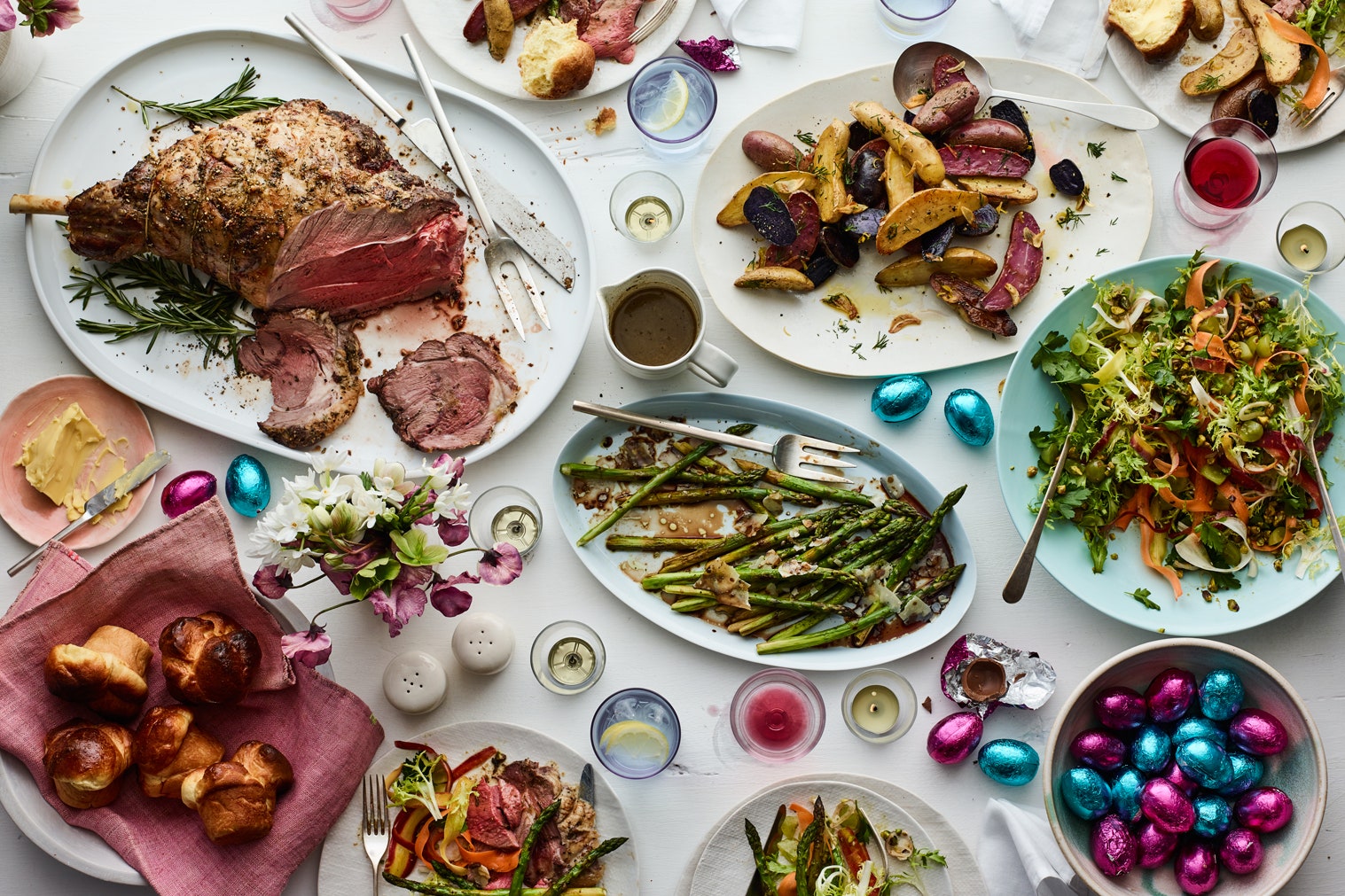
EasterOften considered one of the most important holidays of the year in Christianity, Easter typically takes place in March or April each year to commemorate the death and resurrection of Jesus Christ after his crucifixion. During this holiday, each country enjoys different traditional dishes, reflecting the historical, cultural, and social characteristics of their region. Below are some famous Easter dishes from various countries around the world.
English: Simnel bread - Hot cross bun
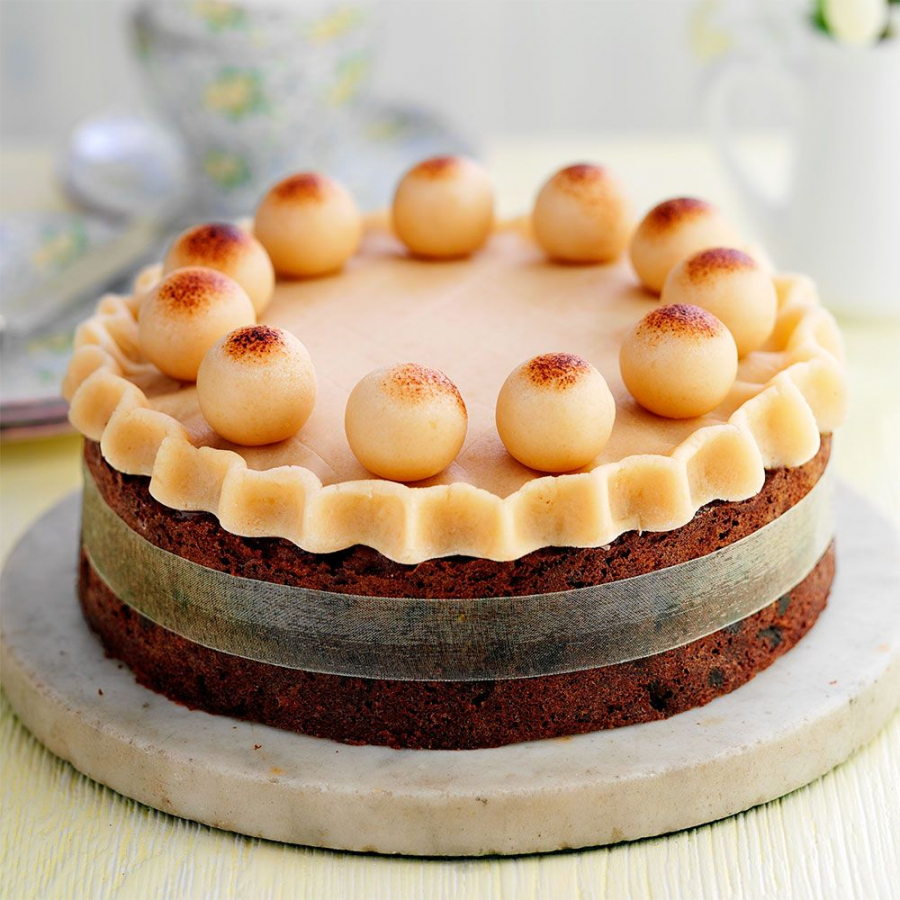
Simnel, a centuries-old fruit cake, is a traditional treat eaten on Sundays during Lent (40 days before Easter) throughout England. It's made from flour, sugar, butter, eggs, and dried fruit, with both the filling and topping being toasted almonds. Simnel is particularly notable for its decoration with 11 or 12 marzipan strips, representing either the 12 apostles of Jesus excluding Judas, or Jesus and the 12 apostles excluding Judas.
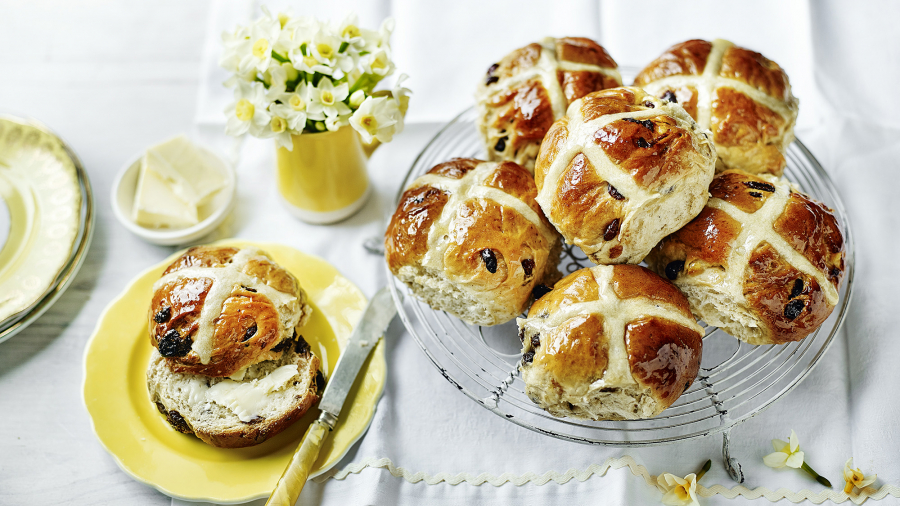
Additionally, the hot cross bun, with a cross on its surface symbolizing the crucifixion of Jesus, is also a traditional Easter food in England. This bun is eaten on Good Friday to signify the end of Lent.
USA: Grilled cold cuts
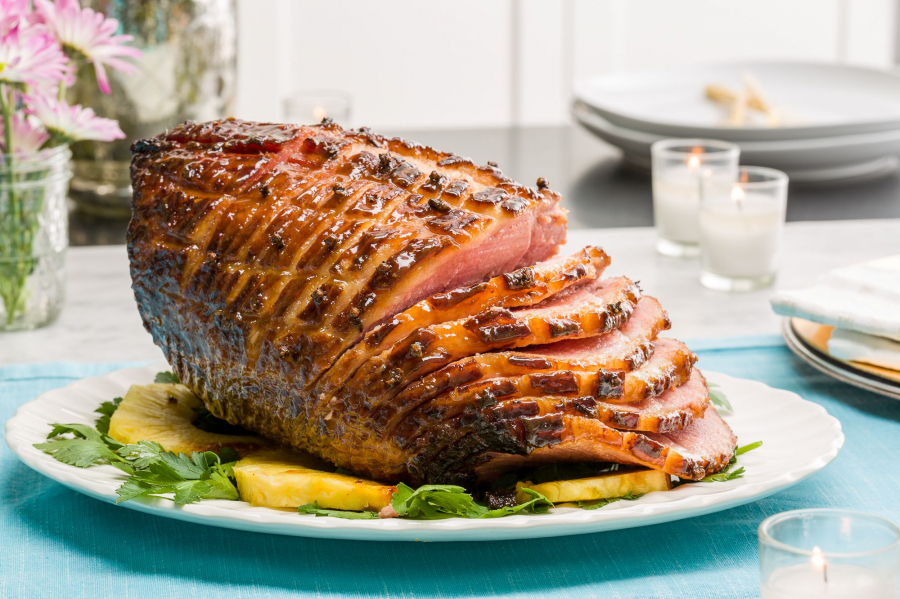
The American tradition of eating roasted ham at Easter dates back centuries, before the invention of the refrigerator. This is because animals were slaughtered in the fall, and to prevent spoilage, the meat was dried, smoked, and salted. This process was so time-consuming that the meat wasn't ready to eat until Easter. This Easter ham often had a sweet flavor from a glaze made of honey and brown sugar, or was coated in sliced pineapple.
Russia: Pashka
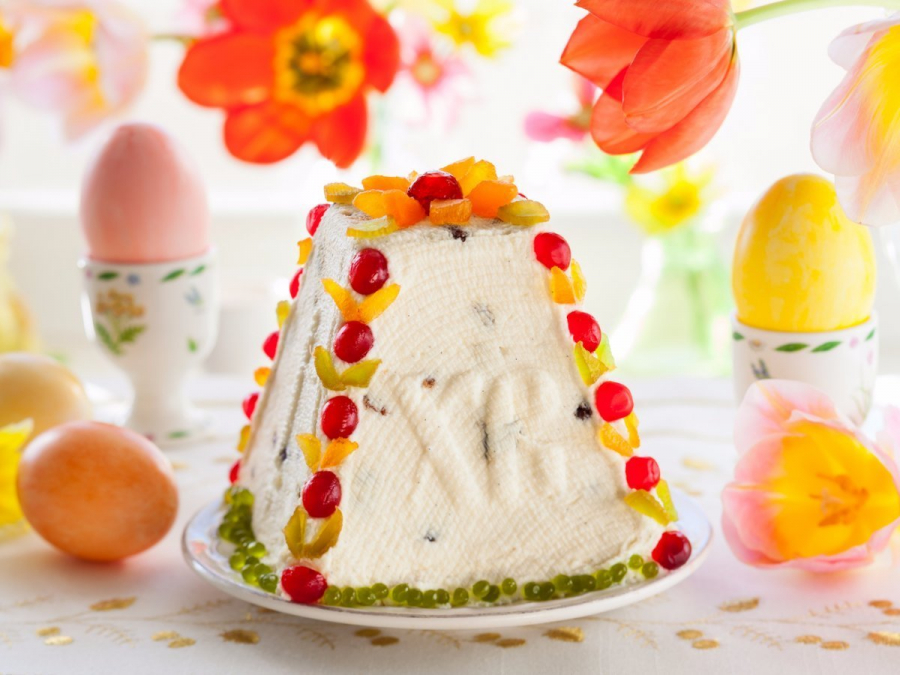
Pashka is a familiar Easter dessert in Russia, made from cream cheese, dried fruit, and nuts. Traditionally, pashka is shaped like a truncated pyramid, representing the tomb of Christ, and is often topped with the letters "XB," meaning "Christ has risen."

Argentina: Torta pascualina
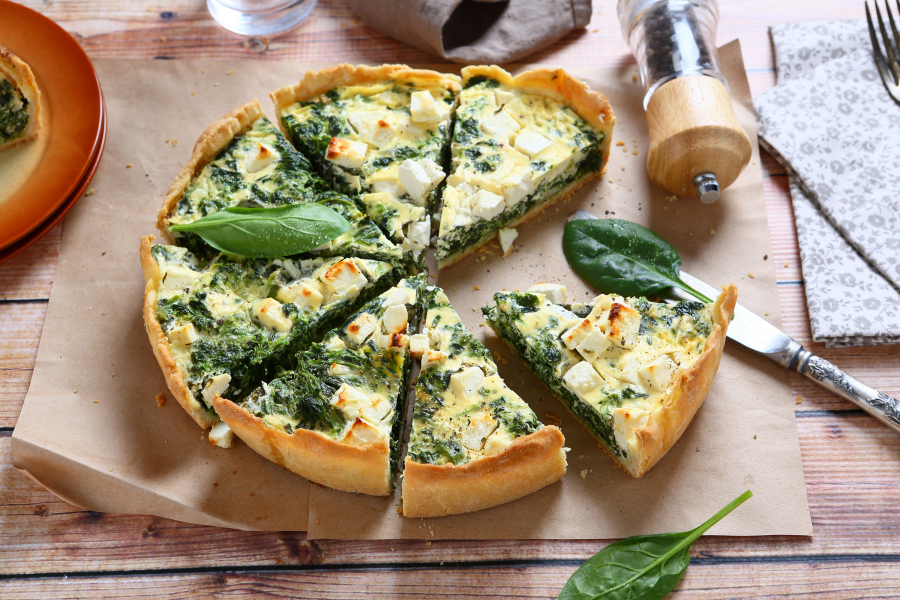
"Pascua" in Spanish means "Easter," so "torta pascualina" means "Easter tart." Torta pascualina is commonly eaten by Argentinians during Lent because it contains no meat. The tart is made from ricotta, spinach, artichokes, parsley, and, notably, many hard-boiled eggs to symbolize the resurrection of Christ.
France: Lamb leg meat
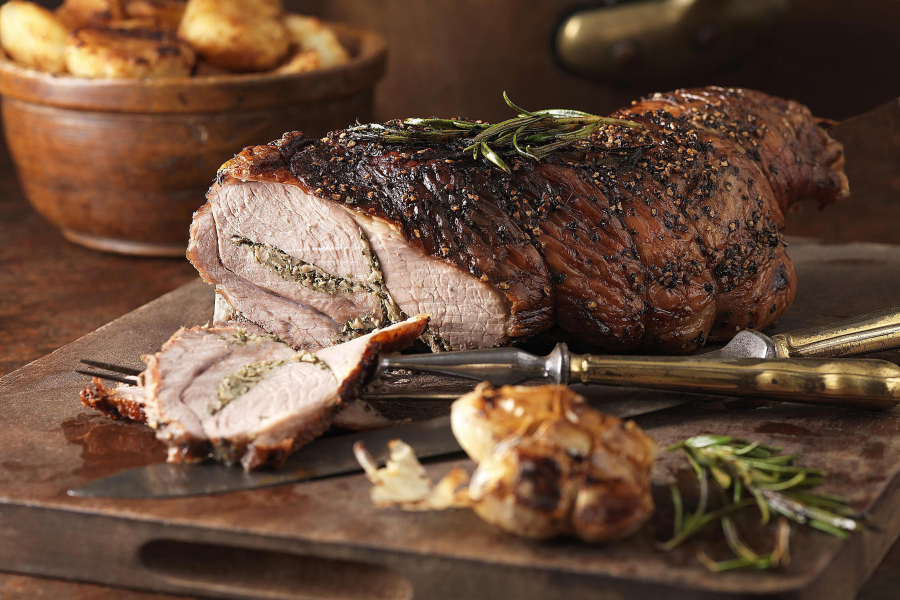
The French have a special recipe for lamb leg for Easter called "le gigot d'agneau Pascal". Despite the name sounding complicated, the recipe is actually quite simple. The lamb is marinated with garlic, olive oil, salt, pepper, and fresh herbs, then roasted.
Finland: Mämmi
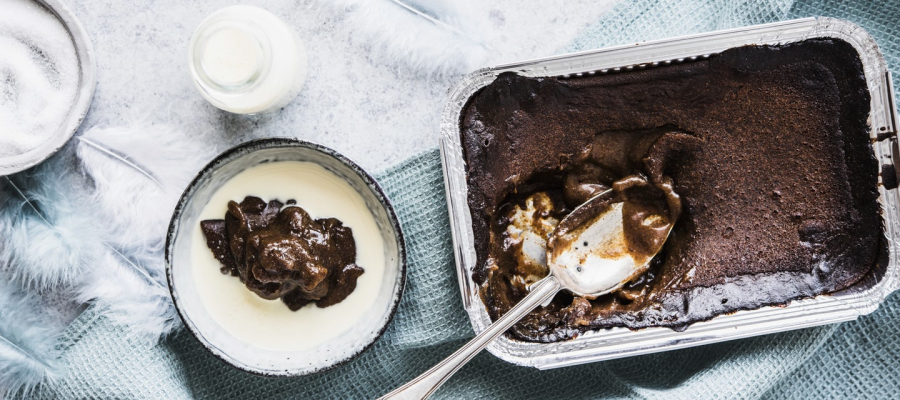
Mämmi is a traditional Finnish Easter dessert made from water, rye flour, and dried Seville orange peel. The mixture is naturally sweetened, baked, then chilled and typically served with milk or ice cream. Mämmi is made several days before Easter because the preparation is quite time-consuming, and it needs to be chilled for three to four days before eating.
Poland: White borscht soup
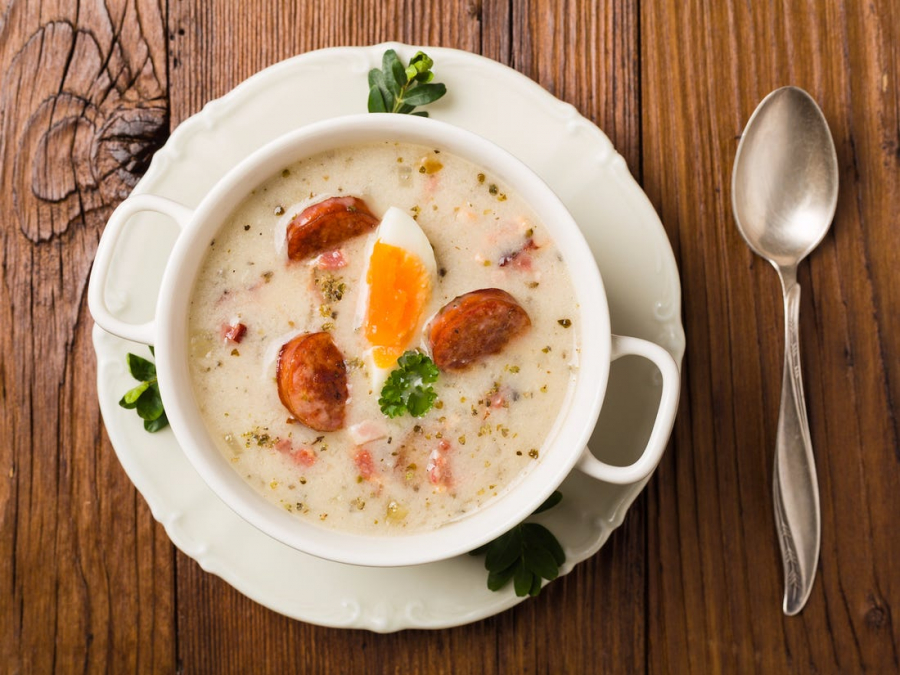
White borscht, also known as "zurek," is a traditional Polish dish enjoyed not only for Easter but also for many other holidays. This soup is made from sourdough rye flour, sausage, boiled eggs, potatoes, and various other ingredients, each with its own religious significance.
Italy: Colomba di pasqua
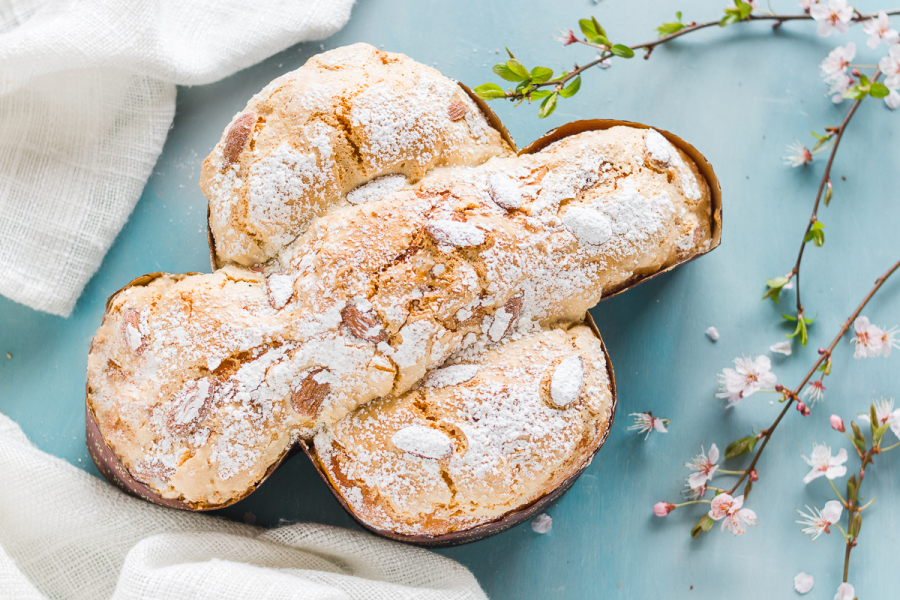
Sweet breads are a popular holiday food in Italy, such as panettone for Christmas and colomba di pasqua for Easter. Colomba di pasqua is shaped like a dove – a symbol of peace – hence its name "Easter Dove." The main ingredients are flour, eggs, sugar, fresh mushrooms, butter, and candy crumbs. The surface of the bread is often sprinkled with almonds, pearl sugar, or chocolate chips for added appeal.
Ecuador: Fanesca
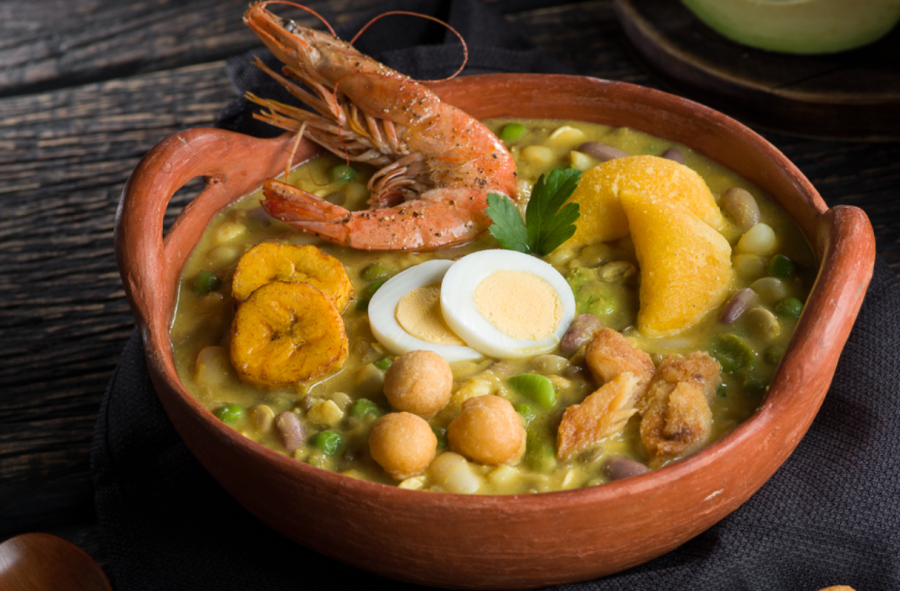
Fanesca is a soup made during Holy Week (the week before Easter) in Ecuador, consisting of squash, pumpkin, various grains, beans, along with bacalao (dried salted cod) and often garnished with boiled eggs, fried plantains, herbs, and parsley. Twelve beans are often placed around the bacalao (representing Jesus) to symbolize the twelve apostles.
Greece: Tsoureki
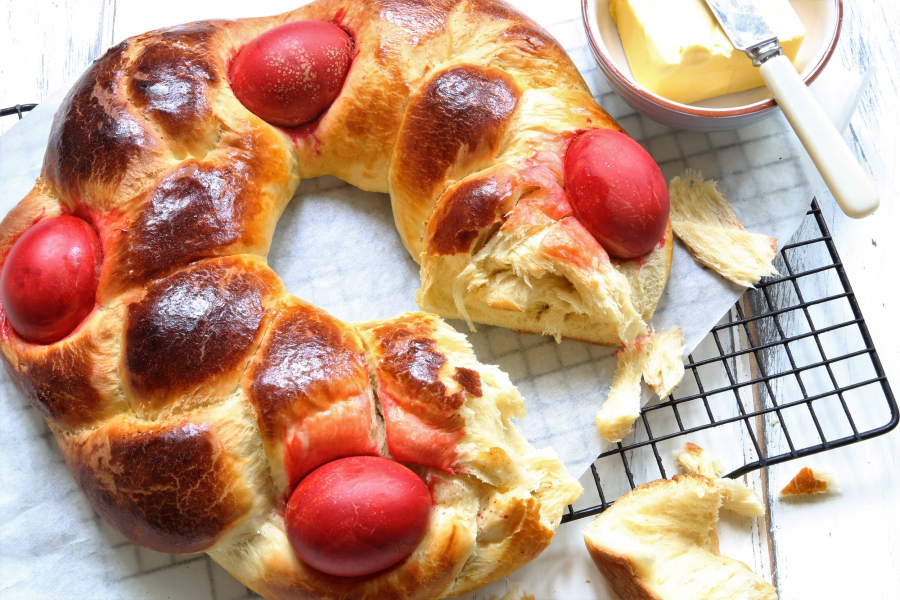
Tsoureki is a type of sweet bread made from flour, milk, butter, and sugar, originating from Greece. There are many different versions of this bread, eaten on various occasions such as Easter, Christmas, or New Year's. Easter tsoureki often features a red-dyed boiled egg stuffed inside, symbolizing the red blood of Christ.
Germany: Chervil soup
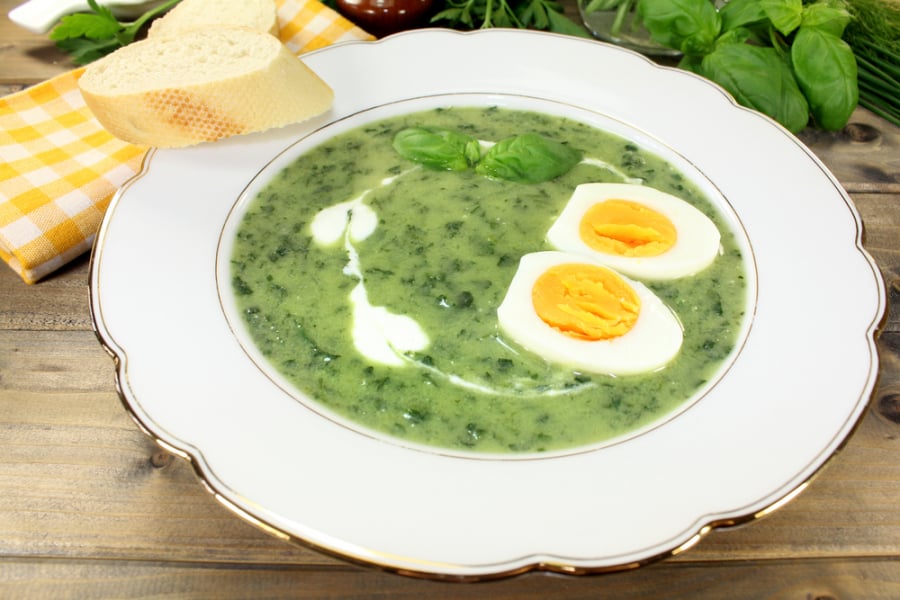
Chervil soup, called "kerbelsuppe" in German, is made from an herb similar to parsley called chervil. The soup is often eaten on the Thursday before Easter because in Germany this day is called "Green Thursday," so green foods like chervil soup are eaten on that day.
Spain: Rosquillas
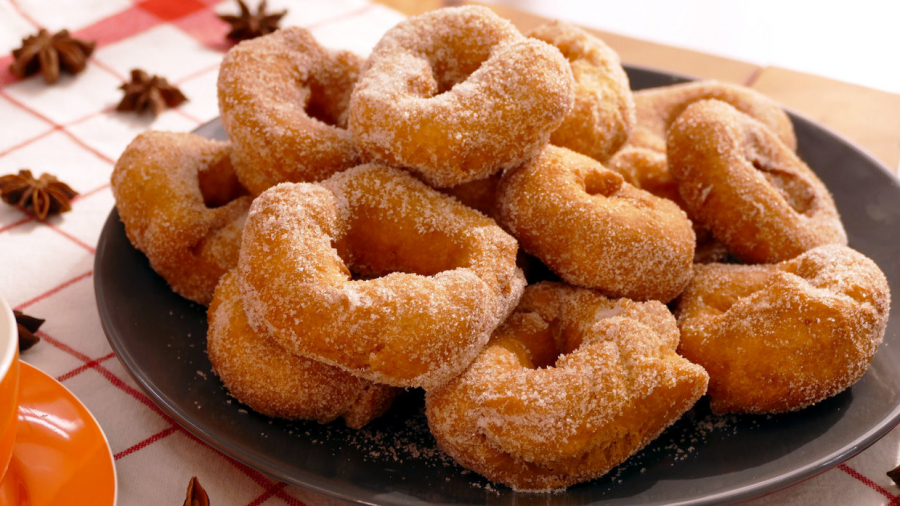
Rosquillas are traditional Spanish donuts, often prepared for Holy Week celebrations. While there are many different types of rosquillas, the most common is made from eggs, sugar, milk, oil, lemon zest, flour, and baking powder. After being deep-fried until crispy, rosquillas are usually topped with cinnamon sugar and served as a sweet snack. Another popular version is rosquillas de vino, made with sweet Muscat liqueur.