VI
VI


A prime example is when what reason always considers to be the past is actually not the past at all.
In fact, just like the souls of those who have passed away over countless generations, every moment of our lives, once it has died, is embodied in some object. Time is imprisoned by that object forever, at least until we accidentally encounter it again. Thanks to that object, we recognize the past, we name it, burst into it, and thus long-suppressed emotions are released, and we live again with the same intensity as before. However, there are objects—or feelings—because we perceive objects through sensation—that we will never encounter again in our lives. Therefore, there are periods in our lives that will never be revived, never return. Because that object may be too small to disappear into this world, so we have too little chance of encountering it again!
Just like the grumpy Anton in "Ratatouille." Surely everyone has special memories of childhood summers, memories of those summer days that we sometimes think about, but unfortunately, they aren't really them. Memories of childhood summers may have been lost forever. But they came back to life for Anton, through a coincidence, like any other resurrection. One evening, like any other, in a restaurant Anton once despised, a waiter dared to bring him a plate of stewed vegetables – a cheap, unremarkable country dish. But when he took the first bite, as the flavors of the stew began to dissolve in his mouth, Anton was suddenly bewildered; he recognized the scent of eggplant, zucchini, and tomatoes, a strange, luminous, and blissful feeling. Anton froze, dropping his prized pen, as if afraid that even the slightest movement would halt what was happening within him – the image of his mother comforting her skinny son whenever he was bullied, and consoling him with a bowl of ordinary vegetable stew. Suddenly, Anton, who had been a grumpy figure, became attached to those small, soft pieces of vegetable as if they possessed some magical power. At that very moment, the veil covering his memory suddenly lifted, and the summer days in the countryside flooded into Anton's mind, along with the twilight sunsets and a series of happy days. The taste of the vegetable stew had become a refuge for the past, for a time that had died – a time dead to Anton's iron will; surely the poor old man would never have been able to find it again if it weren't for Remy the mouse who had cooked him a stew capable of reviving the past through a miraculous agreement that even Anton himself was unaware of. That miracle saved Anton from the sadness that had been haunting him for so long, a sadness he himself was unaware of.
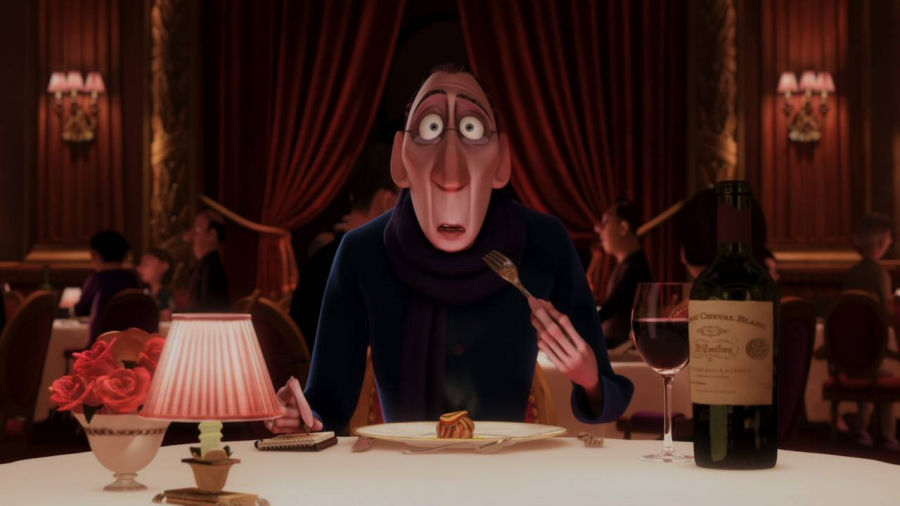
The story above is just one example showing that sometimes we don't need to force ourselves to think positively about life, or that when we're at our most desperate, we should always try to think more optimistically. That's the power of reason, and reason can control everything except emotions.

Time and time again, while walking with my family, I would suddenly stop, asking permission to walk alone for a moment, choosing a secluded path lined with trees or an open space before me. But it was all in vain; I would only futilely concentrate on remembering the scene, gathering all my strength to chase after the past, and then quickly open my eyes to try and see the surroundings again as I had seen them the first time. I recognized their shapes and positions; their outlines seemed to be redrawn from a mysterious painting I loved, stirring in my mind. But I couldn't remember anything more; their innocence and enthusiasm seemed to express their regret at not being able to reveal to me the secret they sensed I couldn't decipher myself. And at that moment, it was precisely because of this that I found the truths we grasp through reason (especially about our own emotions) to seem unreal. Therefore, sitting around blaming or overthinking when your emotions are still in turmoil will probably lead nowhere.
Therefore, we should seek out everything that can help us regain our strength, especially when our energy is depleted; perhaps that is why wise men, philosophers, and authors of books on psychological analysis rarely understand us as well as artists. It's quite possible that a quiet evening listening to music in a tea house evokes more memories, or makes us think and dream more than a superb performance at a grand theater or a large-scale live show. The name of a particular street – or streets we often imagine strolling down on an autumn afternoon, when the trees have shed their leaves and fill the air with their fragrant scent. Or perhaps a completely unfamiliar book, one we've never heard of, holds more value to us than anything we've ever read, simply because that book once existed somewhere within our barren souls, hidden in some optimistic memory from the past... all just waiting for us to unearth it.
---
Image source:
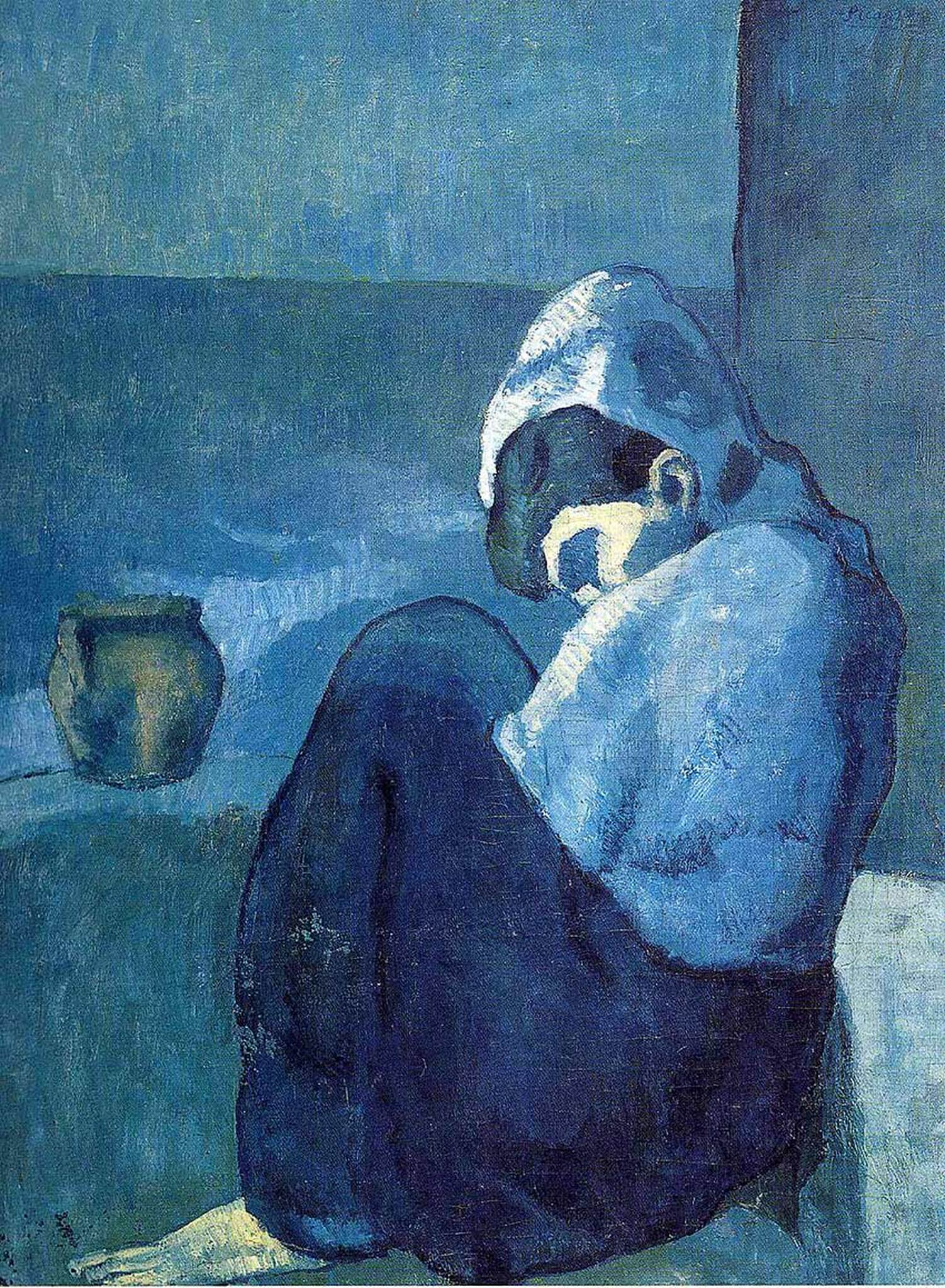
Crouching Woman - Picasso
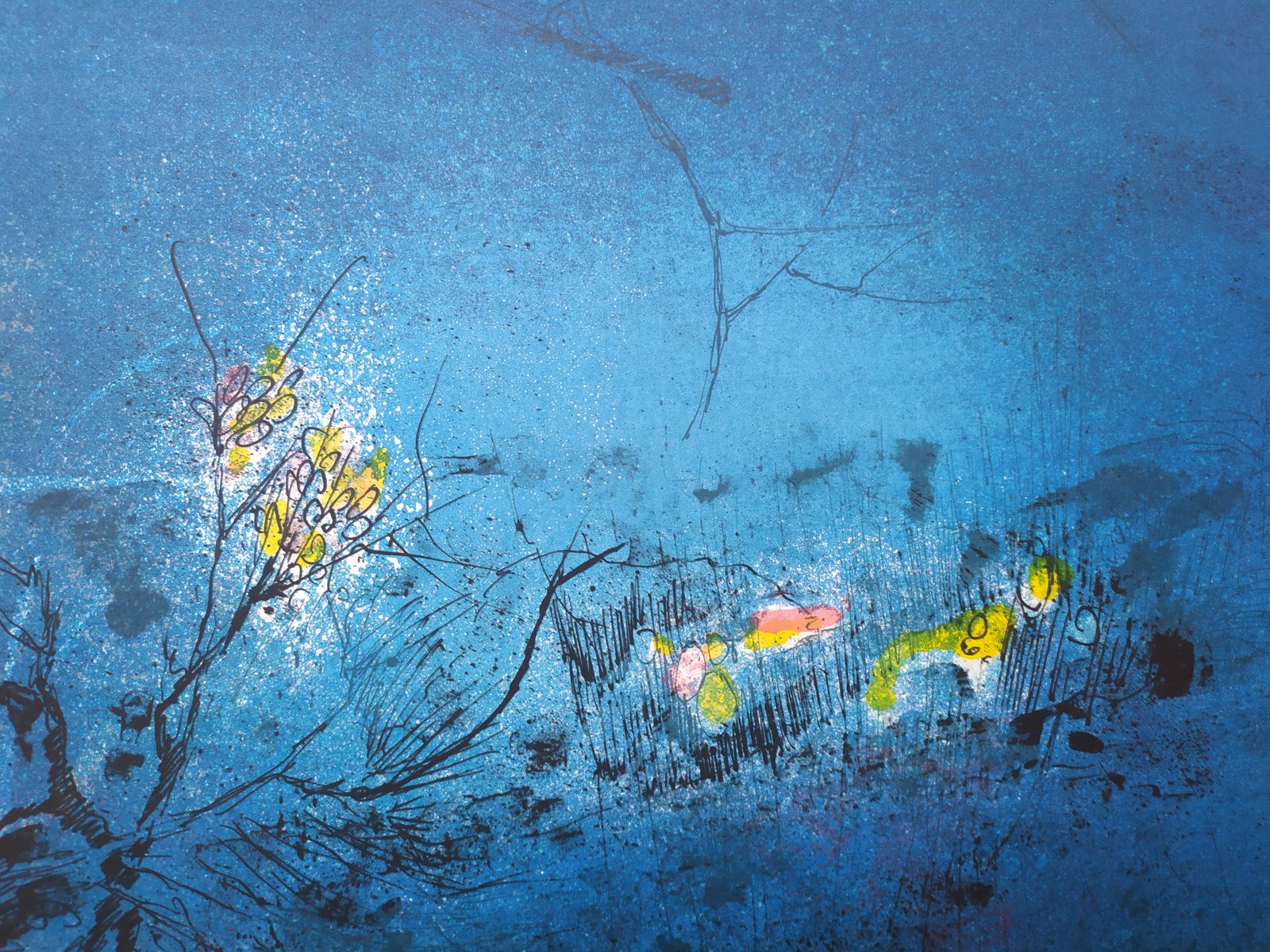
Pamono Flowering Tree - Lebadang
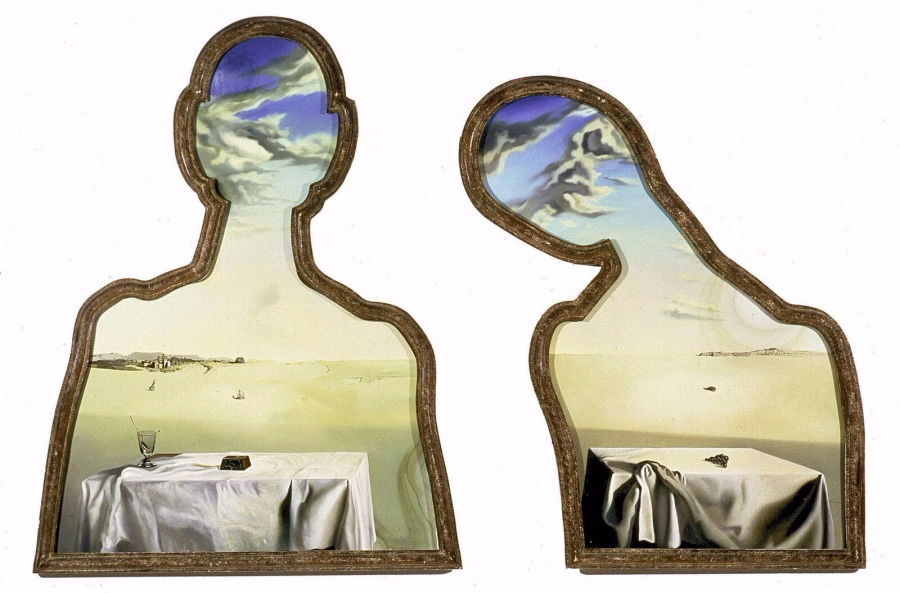
Couple with Their Heads Full of Clouds - Salvador Dalí