VI
VI


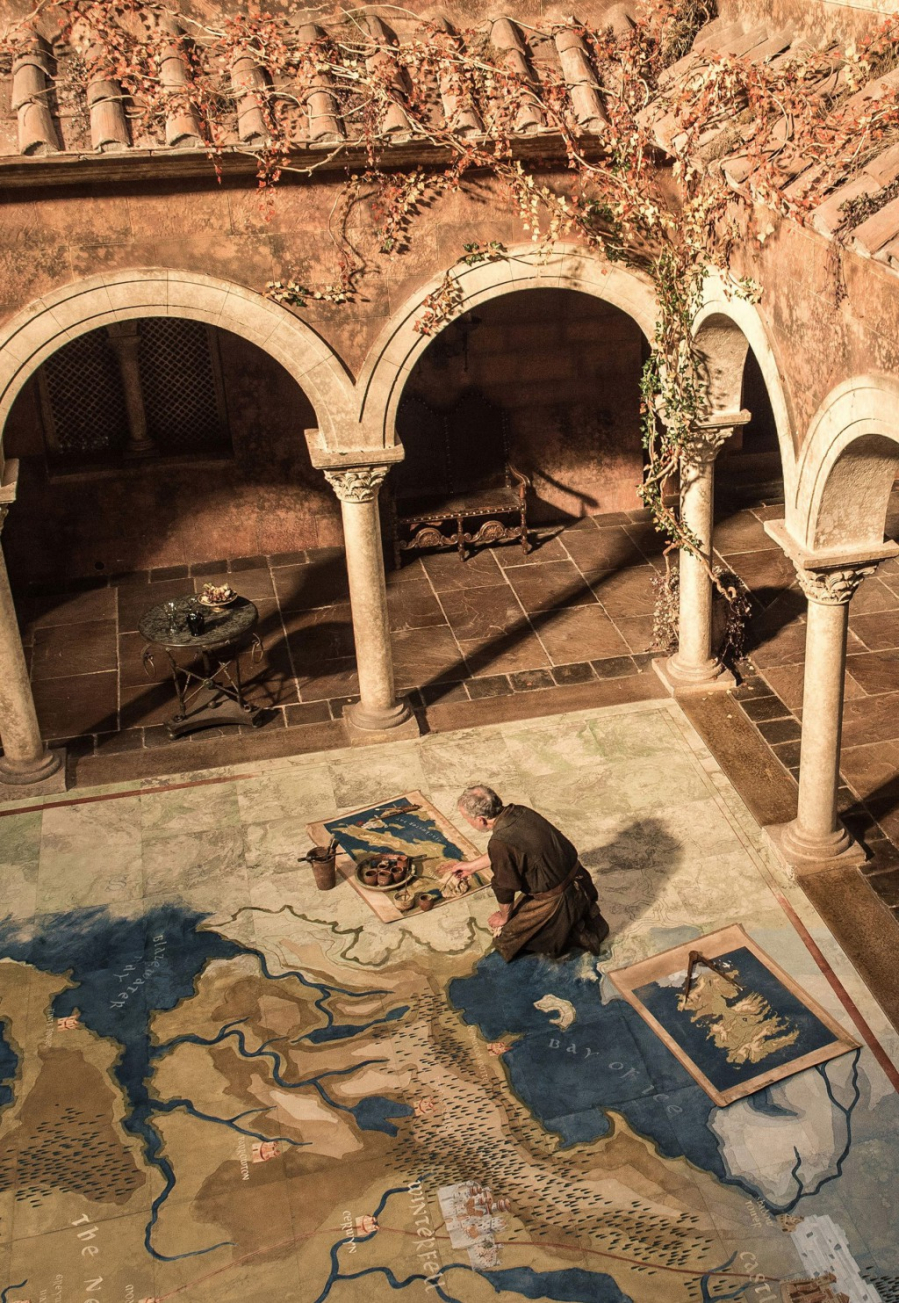
"Game of Thrones" map
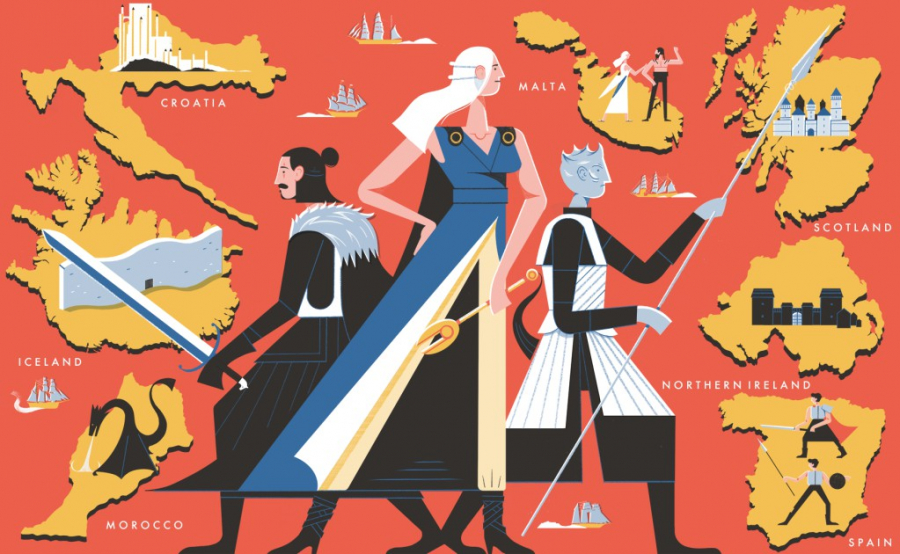
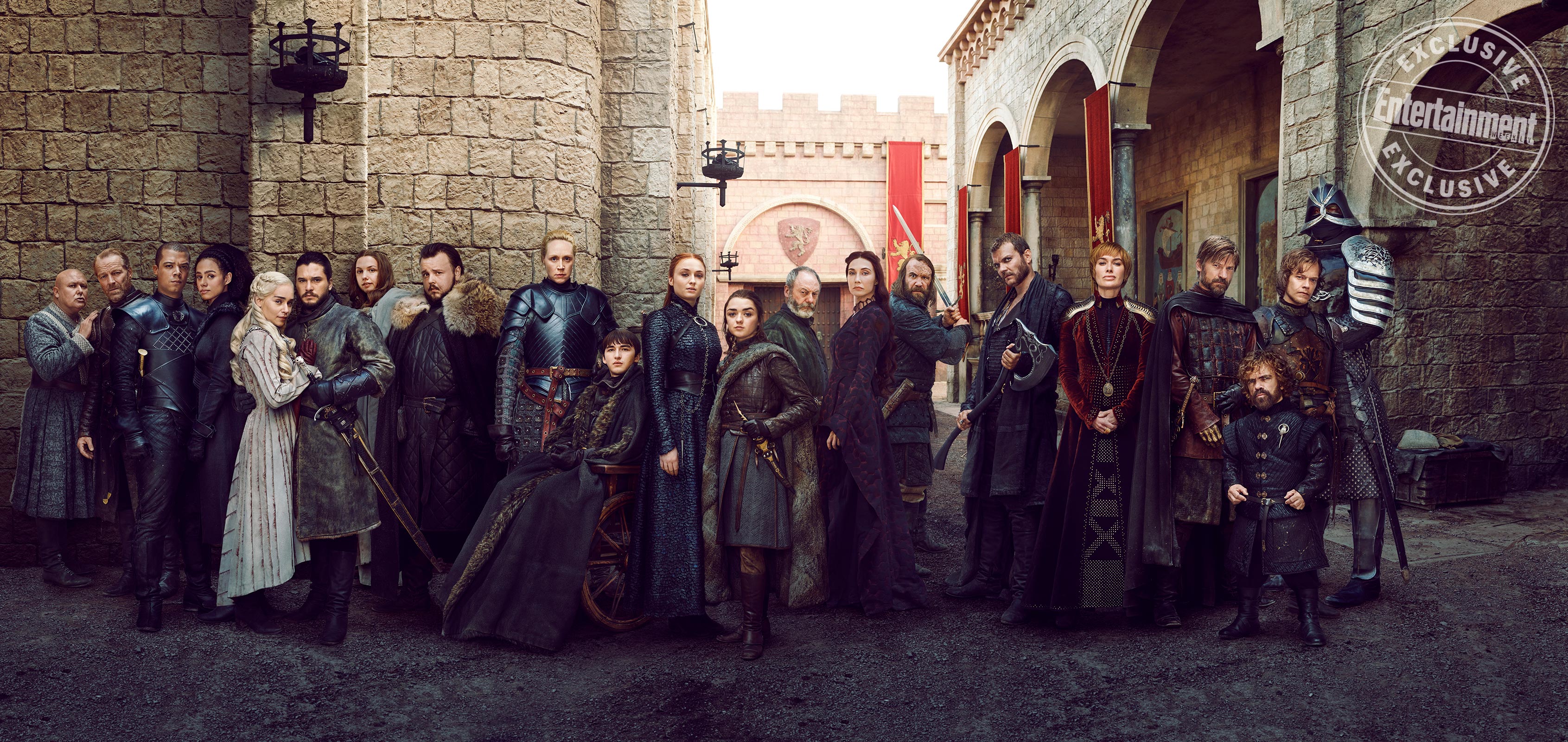
The world of Westeros—the land where much of the action in "Game of Thrones" (GoT) takes place—is inspired by the Middle Ages. To adapt it to the screen, the producers selected spectacular real-life locations that could inspire and provide a powerful catalyst for the atmosphere of the fantastical ancient world described in the original books, as well as the actual locations where the action takes place.
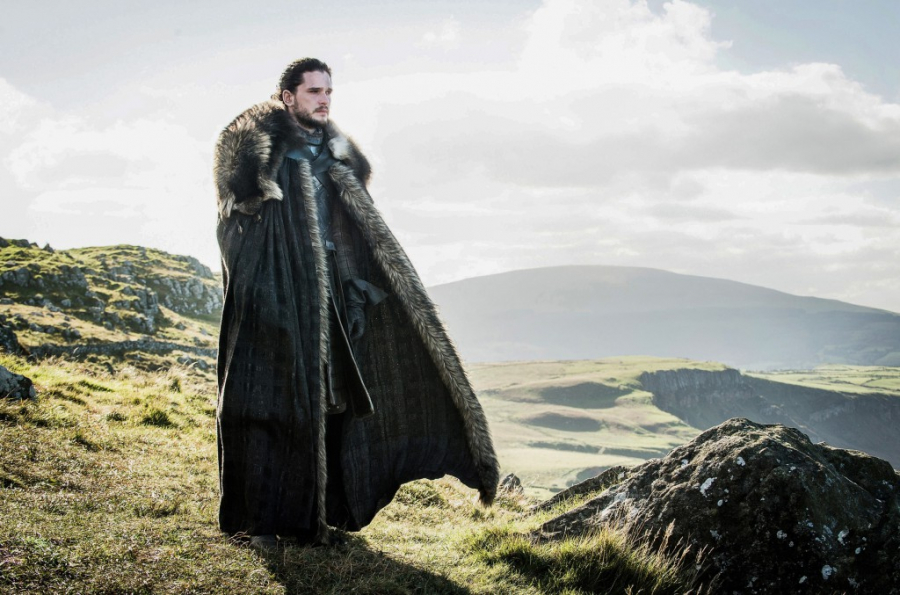
Kit Harington in "Game of Thrones" season seven (2017)
Iceland
Iceland, already one of the world's most popular tourist destinations, has seen a surge in visitors in recent years, largely thanks to the effect of The Great TV series. With its diverse landscapes, from the rugged black sands of the south – where the famous Wall was digitally erected – to the icy regions of the north, visitors feel like they're on a mini-tour of Westeros from the show whenever they step outside Iceland's capital, Reykjavík. A spectacular Thorufoss – where dragons swooped down – or the Grjótagjá cave – the setting for the intimate moment between Jon Snow (Kit Harrington) and Ygritte (Rose Leslie)… With filming locations scattered throughout the country, Iceland is a dream destination for avid GoT fans.
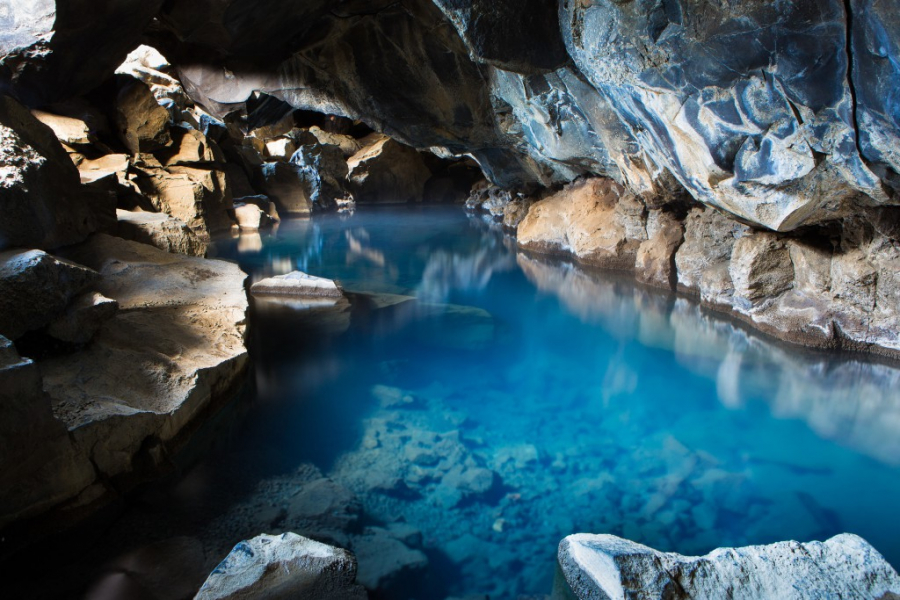
Grjótagjá Cave, near the capital Reykjahlio in Myvatn, Iceland
Northern Ireland
The major filming locations for GoT were primarily studios built in Belfast. While some of the interior scenes, such as Winterfell and Castle Black, were constructed within large city buildings, the exterior locations were scattered throughout the country. HBO, the network responsible for the series, announced plans to preserve these filming locations and turn them into tourist attractions by 2020.
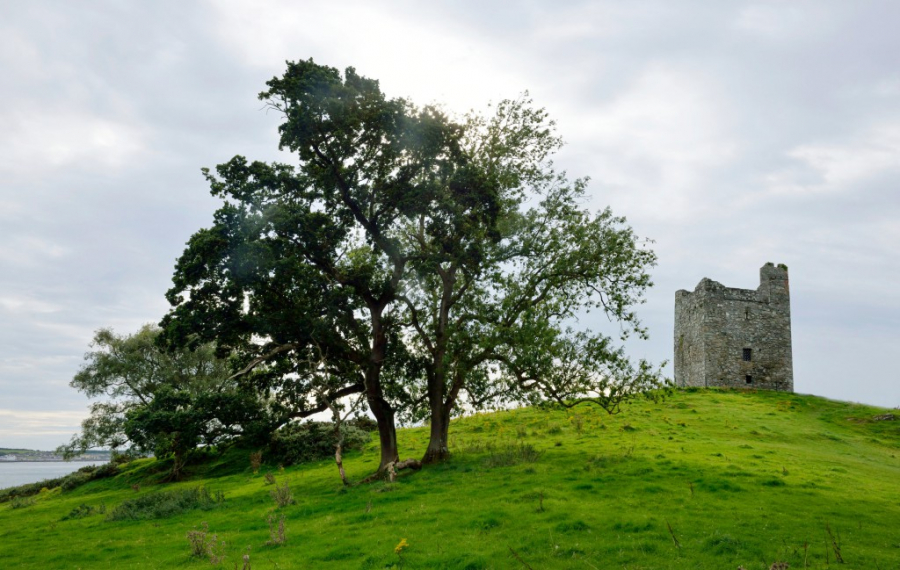
Audley Castle, in County Down, also appeared in the TV series GoT.
Scotland
Initially, Doune Castle in Scotland was chosen as the location for the Stark family's residence in GoT. Test filming for the first few episodes, featuring some of the cast, was conducted at this famous Scottish location. However, logistical issues and a lack of studio space later forced the production team to move to Northern Ireland for filming.

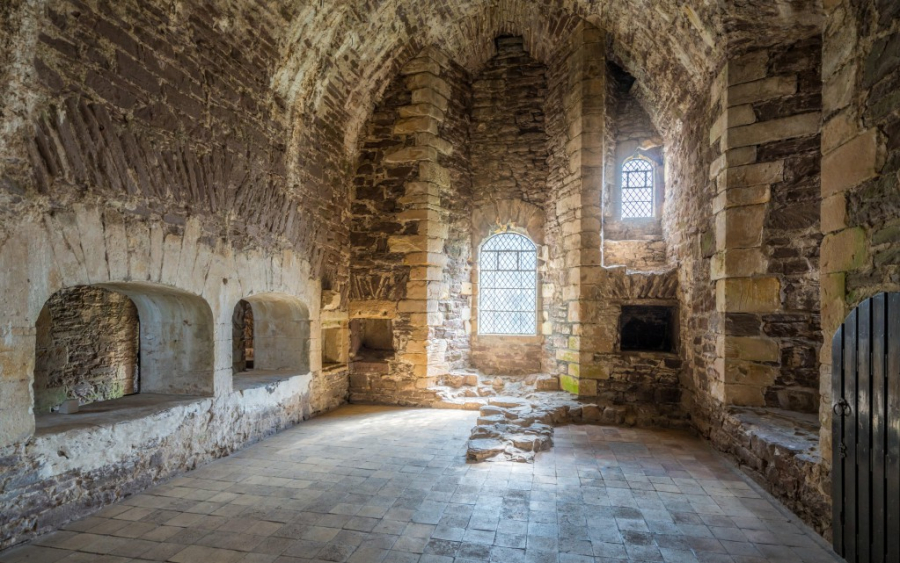
Doune Castle, in the Stirling county of central Scotland, was the original location of Winterfell in the film.
Spain
Game of Thrones is actually just the title of the first book in the A Song of Fire and Ice collection. The production team discussed locations with cold climates, but also needed to find lands covered in red sand and the stifling heat described in the books. And the southern part of Spain is where you'll find more than a dozen filming locations for GoT, especially in later seasons. A real-life bullring in Seville was used as the Meereen arena in the show. Other locations included Córdoba, Girona, and Cáceres.
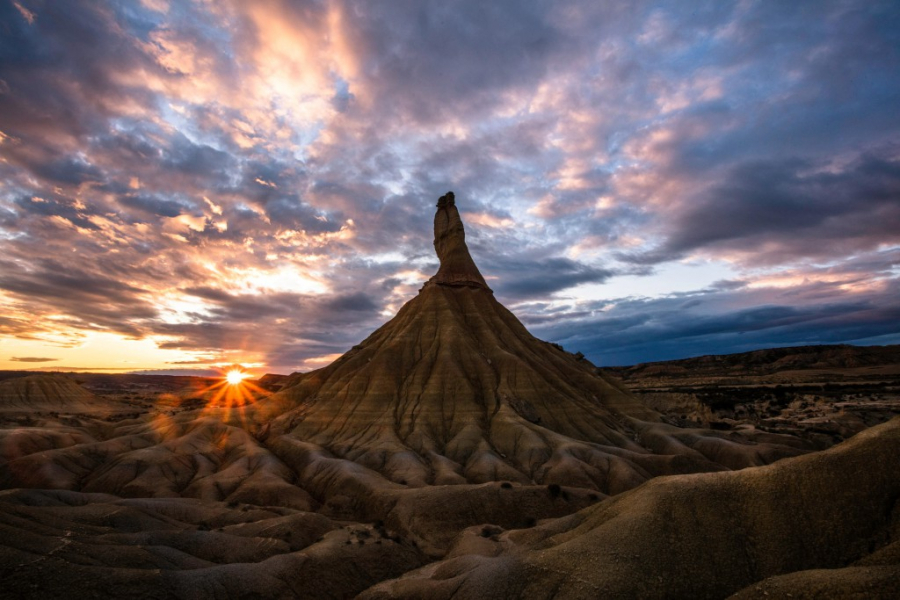
One scene from season 6 was filmed at Castildetierra, in the Bardenas Reales Natural Park in Spain.
Morocco
Films such as Lawrence of Arabia (1962), The Living Daylight (1987), The Mummy (1999), and Gladiator (2000) were filmed in Morocco before the Game of Thrones crew arrived. Scenes such as Daenerys (Emilia Clarke) unleashing the Unsullied or her dragons first unleashing their furious rage were all filmed there. The towns of Essaouira and Aït Benhaddou also appear in the series as part of Daenerys's journey to develop her army in southern Westeros.
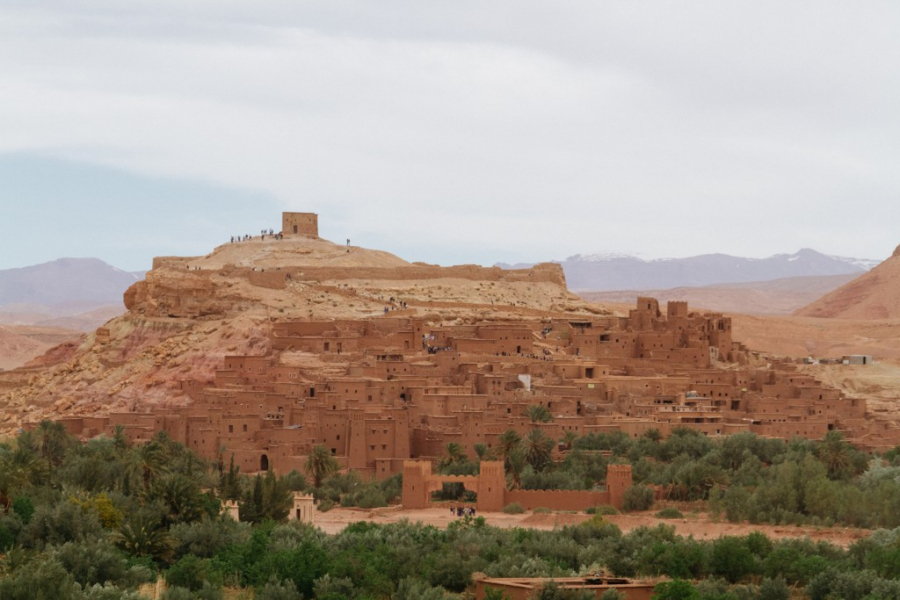
Aït Benhaddou, Morocco
Malta
Malta played a major role in the first season of Game of Thrones but has been underutilized since later seasons. Nevertheless, its stunning scenery has become ingrained in the minds of fans, and themed tours continue to take place on the main island and Gozo in the north. The city of Mdina was the location first used to depict the Lannister stronghold of King's Landing.
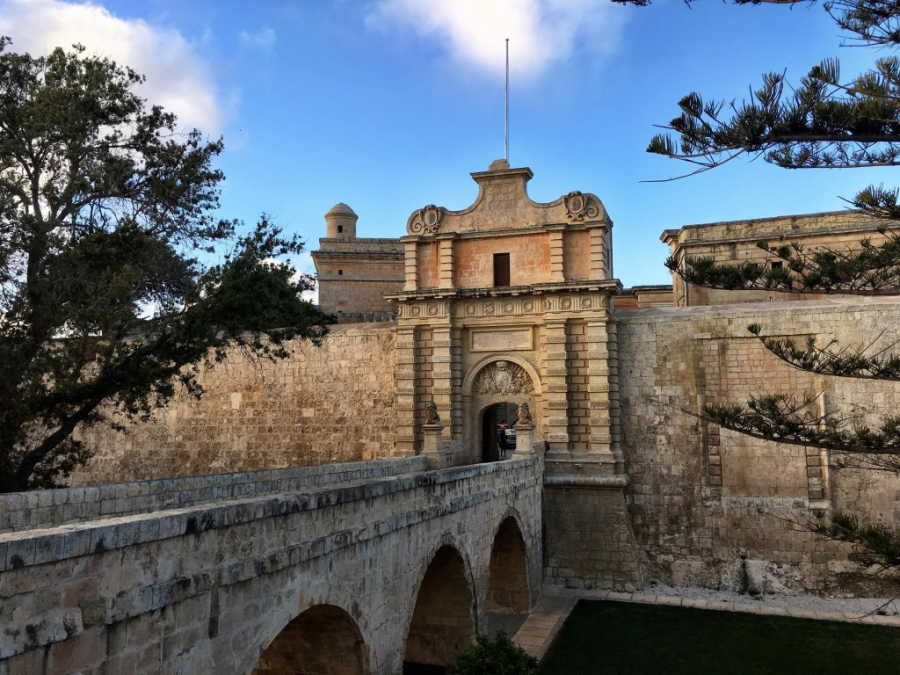
Gate of the ancient city of Mdina, Malta
Sadly, however, visitors will no longer be able to see the famous "Azure Window"—the setting for Daenerys and Drogo's (Jason Momoa) wedding—because the rock formations there collapsed into the sea in 2017.
Croatia
From season two onwards, King's Landing played a much larger role in Game of Thrones. The producers found a house in Dubrovnik, on the Adriatic coast. The city's medieval-looking walls appealed to the producers because they matched many descriptions in the original text. One of the most famous scenes in television history was filmed from the top of the Spanish Steps in the Old Town. The lush greenery of Lokrum – an island quite close to Dubrovnik's old harbor – was also used for filming.
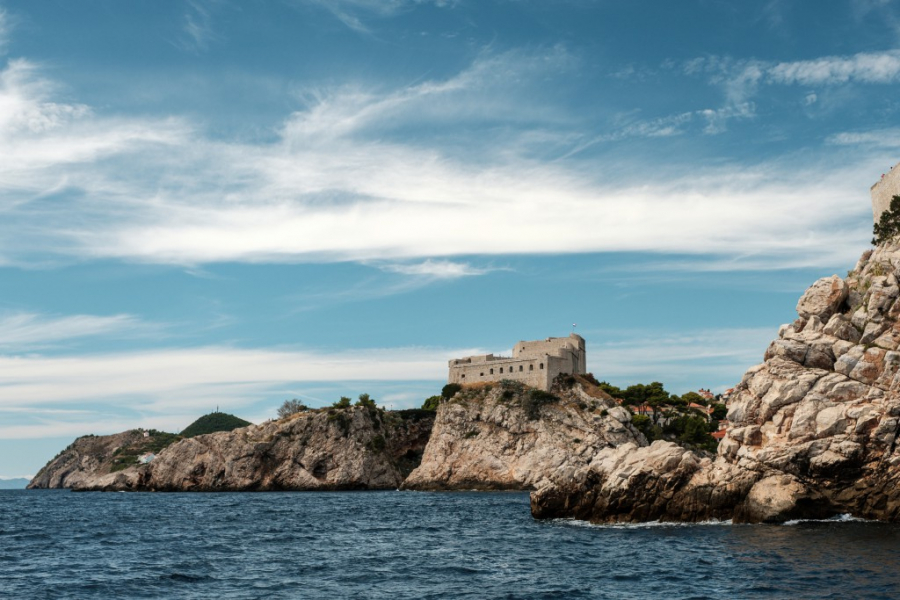
A view of the Lovrijenac fortress on the sea on a sunny summer day in Dubrovnik, Croatia.
A scene from GoT season 7 (2017)