VI
VI


While summer travel in Europe is being dominated by issues such as overcrowding at destinations and busy airports, destinations in Asia are becoming less busy, even though many countries have gradually reopened to tourists.
Particularly in Japan, the country reopened to tourists in June, right during the peak travel season. However, according to statistics, from June 10th to July 10th, Japan only received about 1,500 tourists, an estimated 95% decrease compared to the same period in 2019 - before the pandemic.
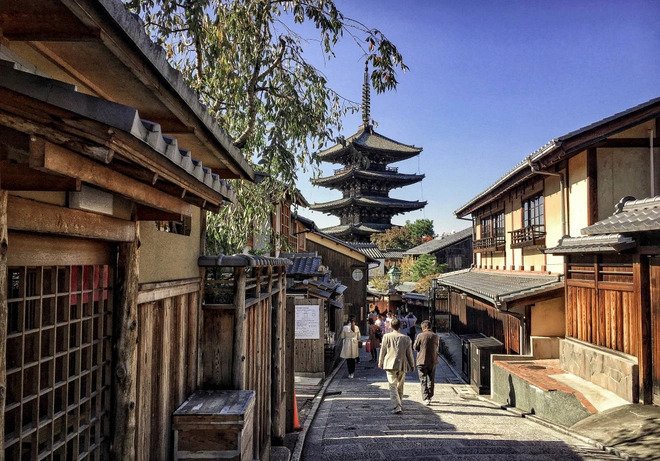
The number of tourists visiting Japan has decreased following the pandemic. Photo: thejapantimes
According to CNN, the country currently only allows tourists to travel in organized groups, not individually. This becomes a limitation for many Western tourists, who often prefer spontaneous travel experiences and do not want to follow strict itineraries.
Melissa Musiker, a public relations expert in New York who frequently travels to Japan, said: "We don't need to be controlled like children."

Musiker and her husband have been to Tokyo about six times. The couple had planned to return this year when they heard Japan had reopened for tourism, but were disappointed by the restrictions and abandoned the plan.
Japan's restrictive policies apply not only to visa applications but also to strict quarantine requirements upon arrival. Furthermore, tourists are required to wear masks at tourist sites.
Before the pandemic, tourists could visit Japan several times a year or make spontaneous weekend getaways. The two largest source markets for Japanese tourism are currently Thailand and South Korea, but the number of visitors from these two countries is now relatively low. Since June, Japan has received around 400 visitors from Thailand and South Korea, and only 150 from the United States.
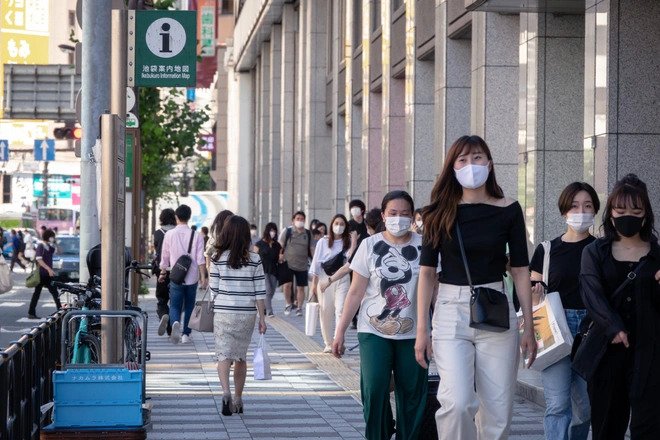
Japan has strict regulations regarding mask-wearing. Photo: armoasia
In 2019, an estimated 9.25 million Chinese tourists visited Japan. However, China is still implementing strict measures to control the Covid-19 pandemic.
Japan is not the only country significantly affected by the absence of Chinese tourists. Popular destinations for Chinese travelers such as Australia, Thailand, Singapore, and South Korea have all lost this major source of revenue.
"Before Covid, Japan used to attract the largest number of tourists from China, but I haven't seen them in a long time," said Hiroyuki Ami, head of public relations for the official Tokyo Skytree website, adding that most of their visitors over the past six weeks have been Japanese citizens.