VI
VI


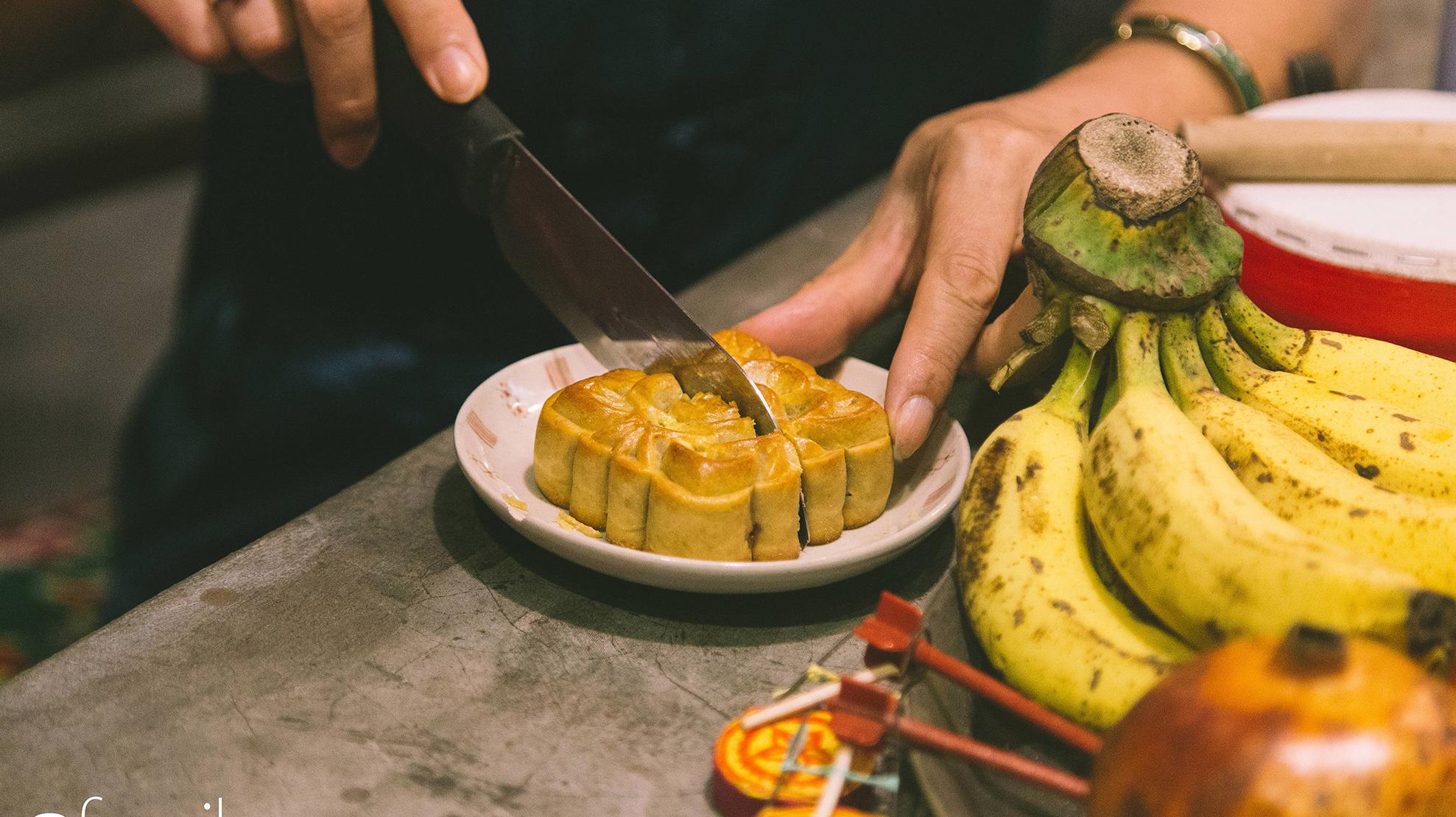
Memories of children
One year, I asked her why she showed us that way. She said that the full moon of the eighth lunar month was the brightest night of the year. Therefore, it was easier to see the constellations in the sky than in other months. By observing the moon, the weather, and astronomy, one could estimate the winter weather for that year. For farmers, the weather is the most important factor; knowing the weather helps determine how to plant the spring and autumn crops, and what crops to plant between those two seasons.
As I grew older, reflecting on my grandmother's words, I understood that moon gazing was not only a cultural and spiritual activity but also closely linked to the working and productive lives of our ancestors. Just as proverbs say, "If you want to eat rice in May, look at the full moon in August," or "A bright moon on the 14th brings silkworms, a cloudy moon on the 15th brings the first rice crop."
Over the past half-decade, amidst the many upheavals of life, the Mid-Autumn Festival, like the country itself, has changed considerably. Having endured the period of economic restrictions and trade closures during the subsidy era, followed by the boom in development after the opening up of the economy, and then the struggles of globalization where traditional cultural values faced fierce external influences… the Mid-Autumn Festival has changed significantly in both scale and form. Interestingly, this change is most clearly reflected in the nation's traditional food: mooncakes.
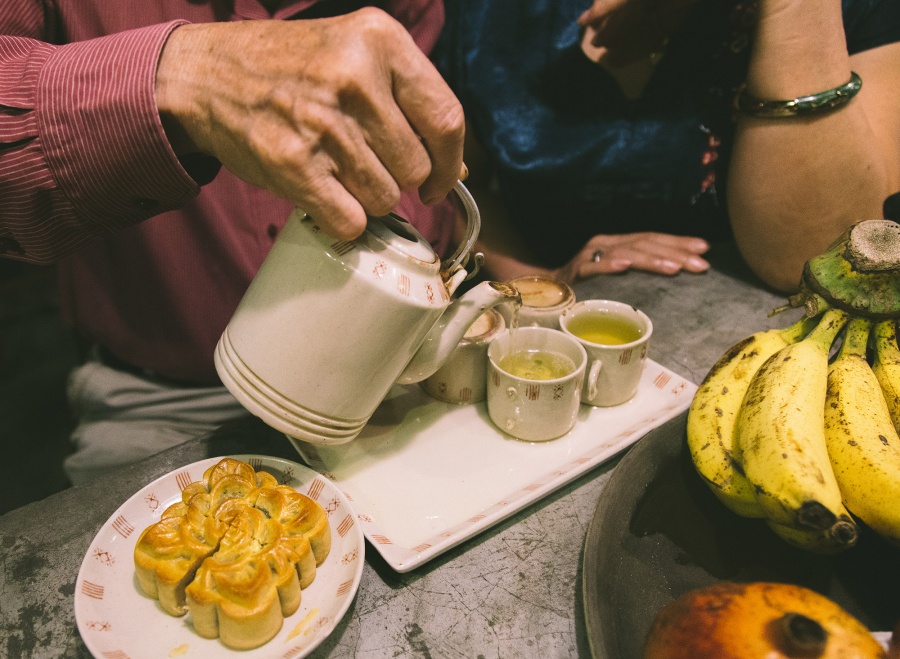
The transformation of society in a pie.
Although mooncakes themselves have a history of ups and downs spanning thousands of years, for a long time they were quite simple and unassuming. Traditional mooncakes, formerly called moon cakes, consisted of two types: baked and soft. Basically, these two traditional types only differed in their crust while using the same mixed filling, including: Chinese sausage, lotus seeds, candied winter melon, lard, cashews, pumpkin seeds, melon seeds, sesame seeds, etc.
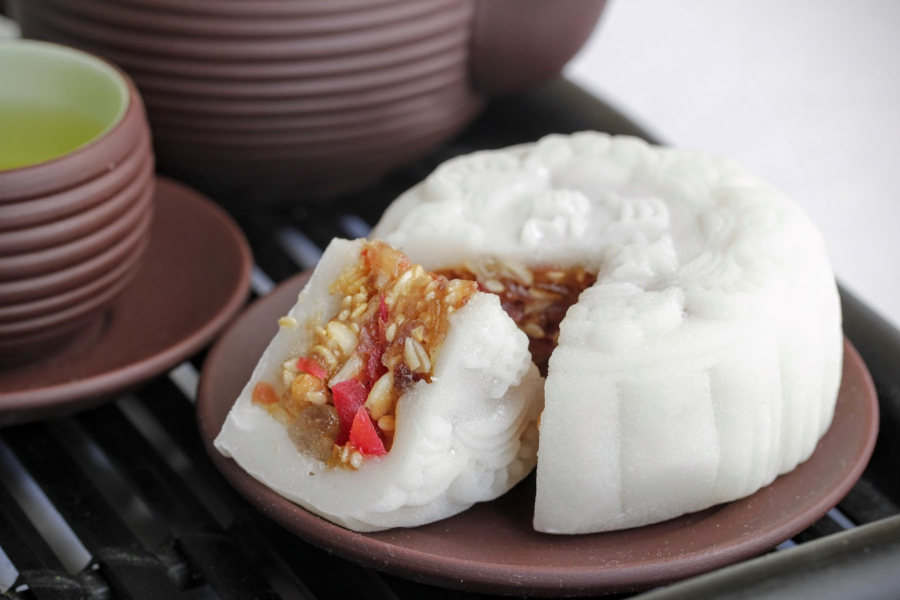
Nowadays, mixed fillings can no longer compete with the trend of smooth fillings imported from neighboring countries. Smooth fillings are simpler to make, less elaborate than mixed fillings, last longer, and have a light, delicate flavor, quickly winning the hearts of many consumers. Popular smooth fillings include lotus seed, mung bean, taro, green tea, etc. To make them more visually appealing and flavorful, some fillings are added, such as ham or salted egg yolk. Recently, cultural and culinary exchanges have even led to the addition of cheese, roast chicken, shark fin, abalone, and more to the fillings.

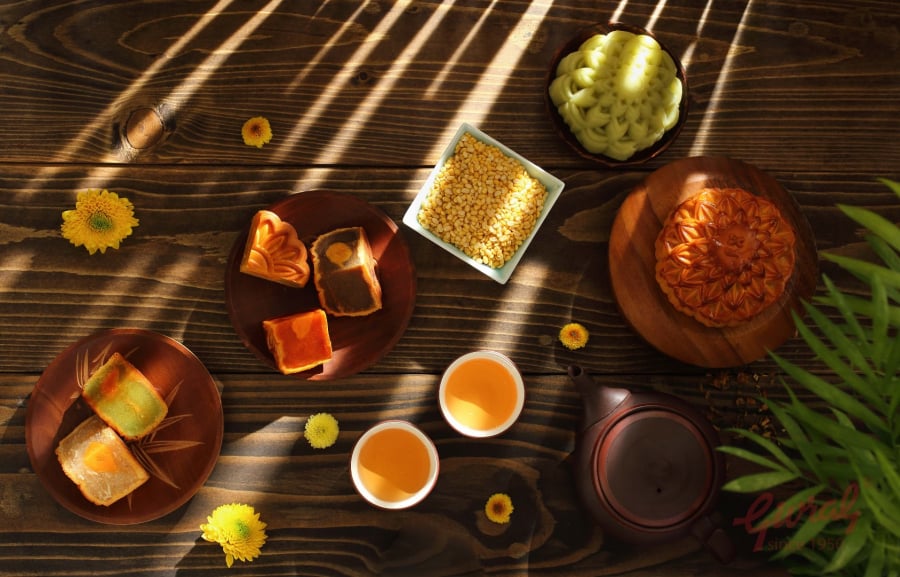
Celebrating the Mid-Autumn Festival today is no longer confined to family gatherings. Mooncakes have become an indispensable part of the tradition, given as gifts to grandparents, parents, friends, relatives, and other benefactors. The shape, quality, and price of the mooncakes have undergone significant changes to adapt to the times. While in the past, mooncakes only came in two shapes – round and square – symbolizing the continuation of the traditional Vietnamese rice cake (bánh chưng) and the square earth (bánh dày), today's mooncakes come in many innovative designs.
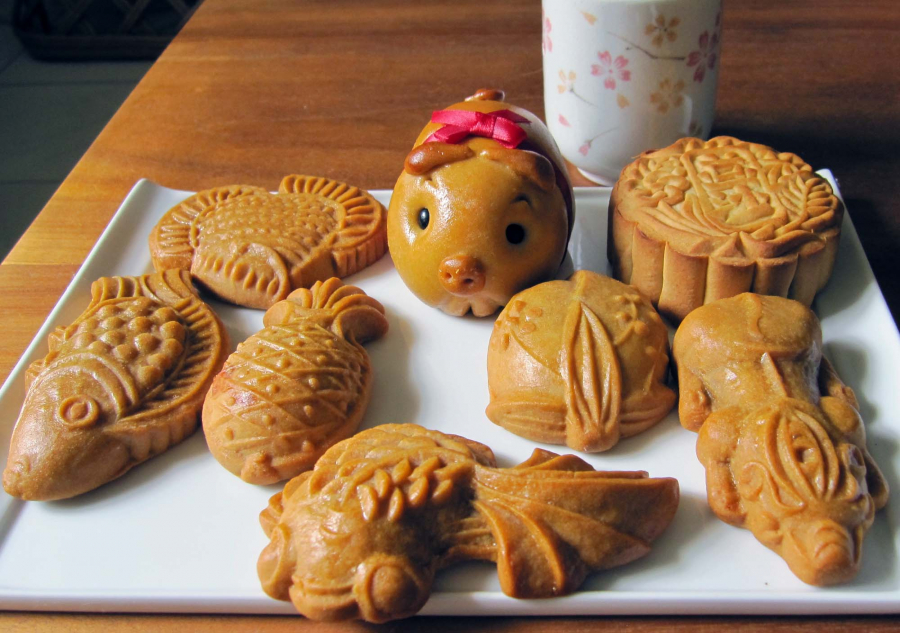
The cakes may feature animal shapes, with pigs symbolizing abundance and prosperity, or carp representing good fortune and luck. The decorations may include auspicious wishes such as "Double Happiness," "Abundant Wealth," or "Good Fortune" as a blessing to the recipient. The colors of the cakes have also changed over time to cater to consumer preferences. While traditional mooncakes were white and baked mooncakes were dark yellow, now, with food coloring and various additives like green tea powder, taro, and gac fruit, the cakes come in a wide variety of colors. Although this no longer adheres to the traditional cultural meaning of the cake, it makes mooncakes more visually appealing and youthful.
"Wealth breeds etiquette and morality."
When I was a child, my grandfather once took me to visit a traditional mooncake workshop. Back then, mooncake buyers only had the choice of traditional establishments that had been making them for generations. Watching the workers diligently hunched over the dough and molds, their sweat and white flour clinging to their aprons and head coverings, made me appreciate the value of these mooncakes. Then, times changed, and those family-run workshops gradually faded away.
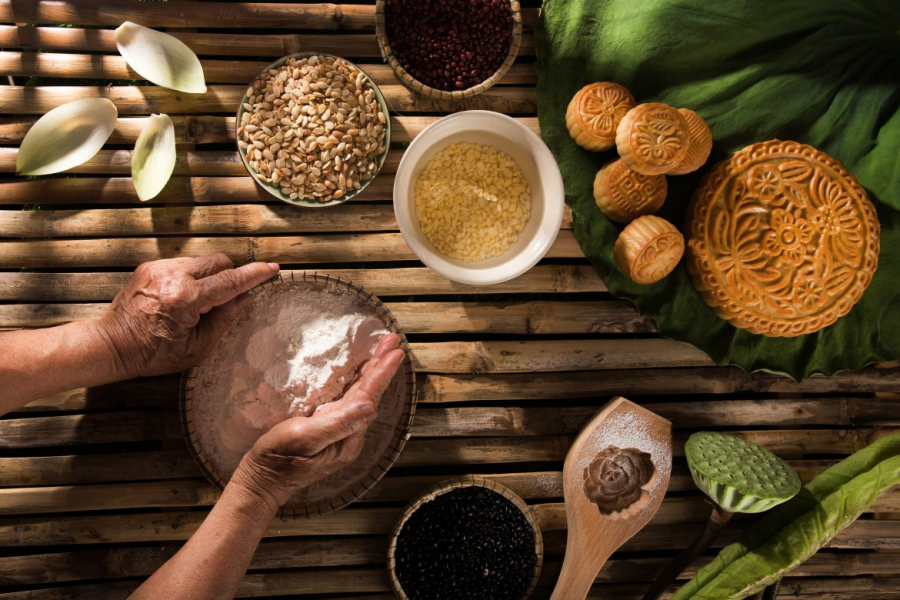
With the explosion of online information, making mooncakes is no longer a secret of traditional workshops or chefs. With just a computer connected to the internet, anyone can quickly access mooncake recipes, from traditional to modern styles. While these homemade workshops cater to customers who buy them for their delicious, nutritious, and affordable products, the game for renowned brands is different.
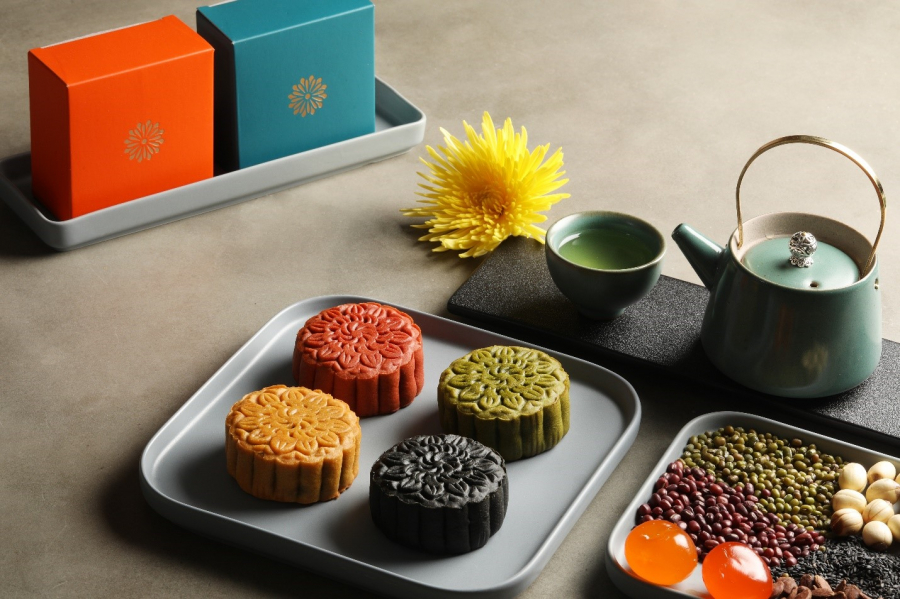
"Wealth breeds etiquette," and when mooncakes are no longer bought for personal enjoyment but for gifting and reciprocation, the story takes a complete turn. Buyers always choose well-known brands to entrust their faith and hopes to. Understanding this psychology, famous restaurants and hotels also enter the mooncake market, with their mooncakes sharing the common characteristics of being "unique, beautiful, and expensive." Besides the quality of the cakes themselves, they pay close attention to the colors and packaging of the mooncake boxes.
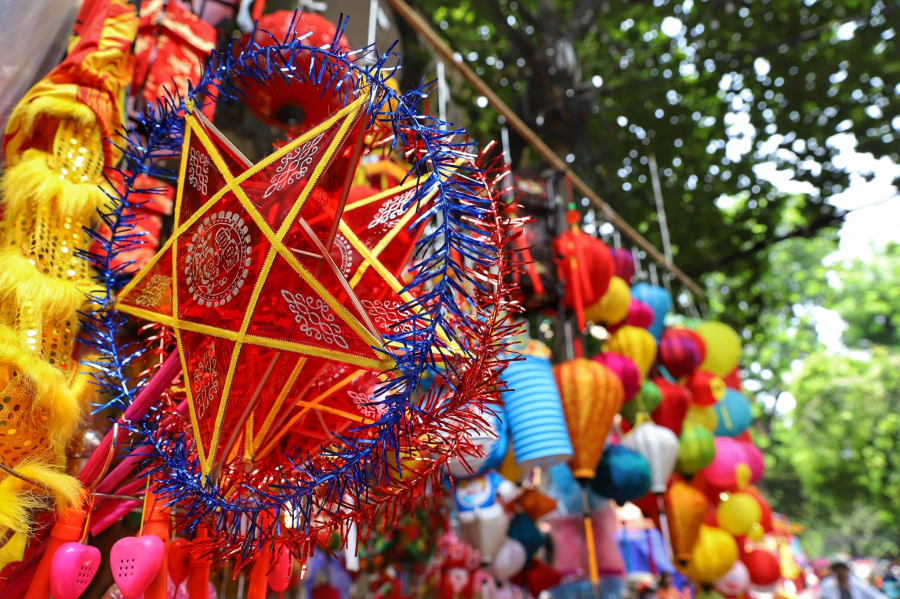
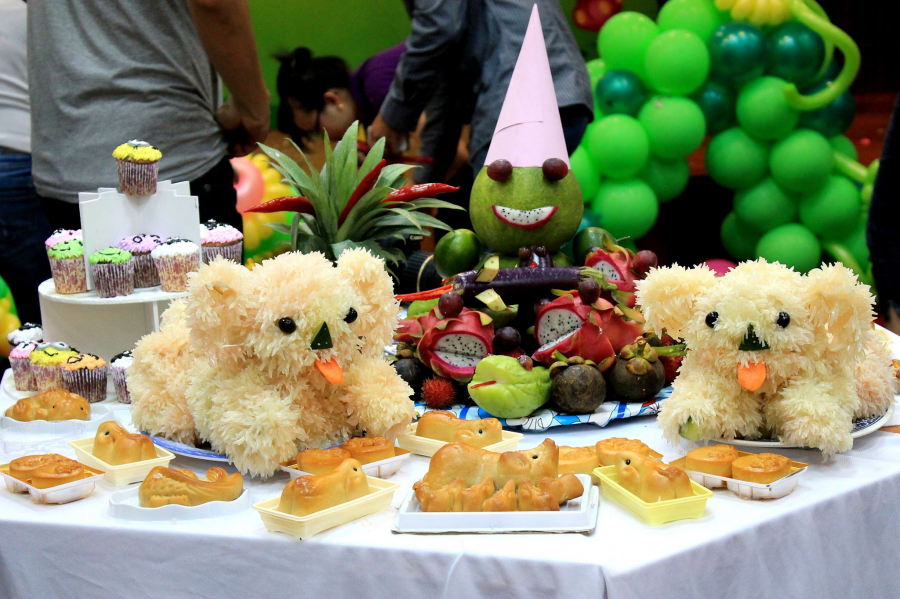
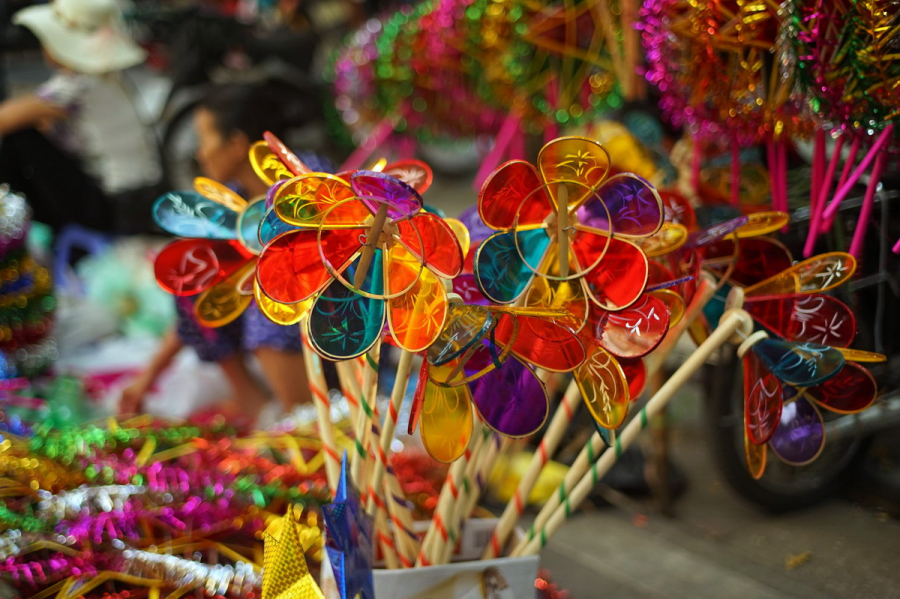
The act of celebrating Tet (Lunar New Year) may seem simple, but it has undergone many changes. In the past, families would gather in a spacious courtyard, cutting and sharing mooncakes under the moonlight, the simple cakes more flavorful than ever. Nowadays, people no longer wait until the full moon to enjoy the feast. Improved living standards have made buying mooncakes easier and faster. Some workshops even sell them year-round, catering not only to culinary needs but also to ceremonial offerings. Gone are the days of fruit platters in the courtyard, tea in the cool breeze, and children playing mischievously with elaborate homemade toys that took months to create. Instead, there are lavish banquets with bottles of imported wine, and the bustling, colorful Hang Ma street filled with new toys each year…
Conclude
The tiny mooncake, though small, embodies profound changes. Looking at a single mooncake, observing a family celebrating the Mid-Autumn Festival, one can sense the development of an entire culture, economy, and society. Because people will always strive for a higher quality of life, the Mid-Autumn Festival will undoubtedly continue to evolve. But no matter how many generations pass, the baked and glutinous mooncakes will remain a rich treat for families to share, and the colorful star-shaped lantern will remain a novel toy in the memories of a child experiencing their first Mid-Autumn Festival.