VI
VI


Considered one of the most beautiful trekking routes in Vietnam, the Ta Nang - Phan Dung route starts from the highlands of Ta Nang commune (Duc Trong district, Lam Dong province) and extends to the coastal area of Phan Dung commune (Tuy Phong district, Binh Thuan province), spanning over 35 km. Due to the distinct seasons in this area, trekkers have their own names, reflecting the characteristics of the grassy hills in Ta Nang: the green grass season (rainy season) and the dry grass season (dry season); while Phan Dung is simply an accompanying place name. It seems that Ta Nang has encompassed all the beauty of this route.
But is that really the case? Try exploring the Phan Dung route with our group during the "dry grass season," and you might be surprised by the beauty of the forest in the dry season - especially on the branch of the road that passes by Yavly waterfall.
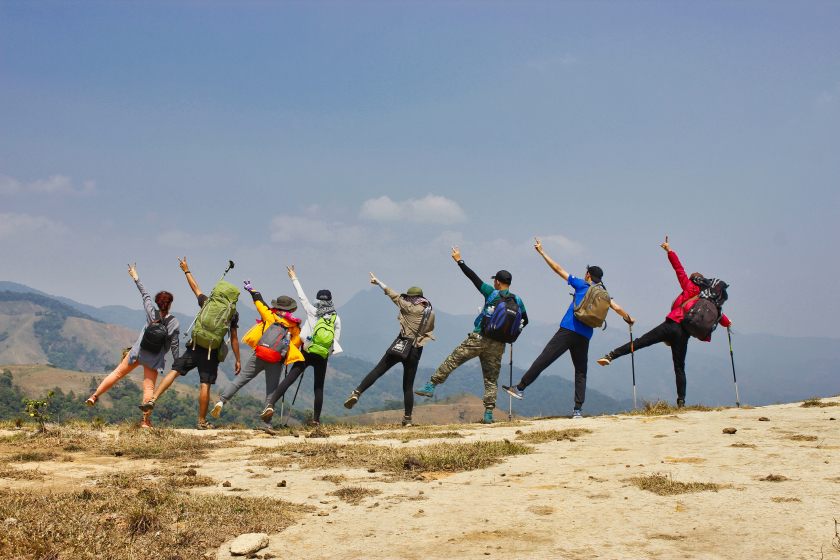
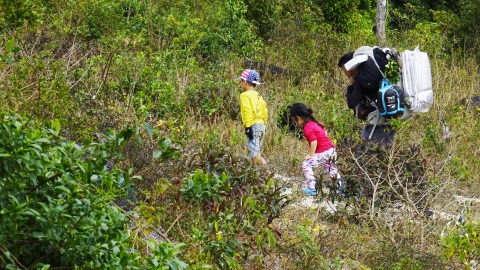
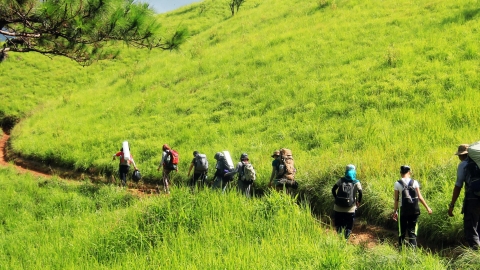
Our Phan Dung trekking group, with a duration of 3 days and 2 nights.
The dry grass season in Ta Nang
The rainy season in this area usually begins in late April and ends in late November. After the rains stop, the grassy hills of Ta Nang remain lush green for a while before beginning to turn yellow. The "grass-burning season" truly begins around January of the following year, when the grass gradually dries up and dies after a long period of water scarcity under the scorching sun of the dry season.
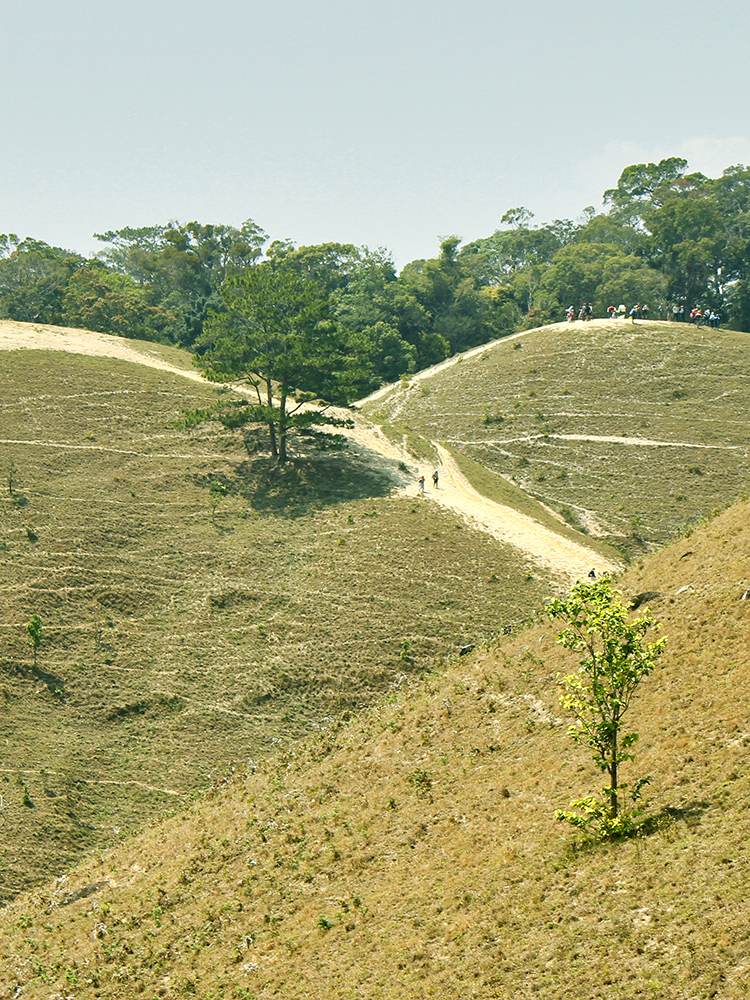
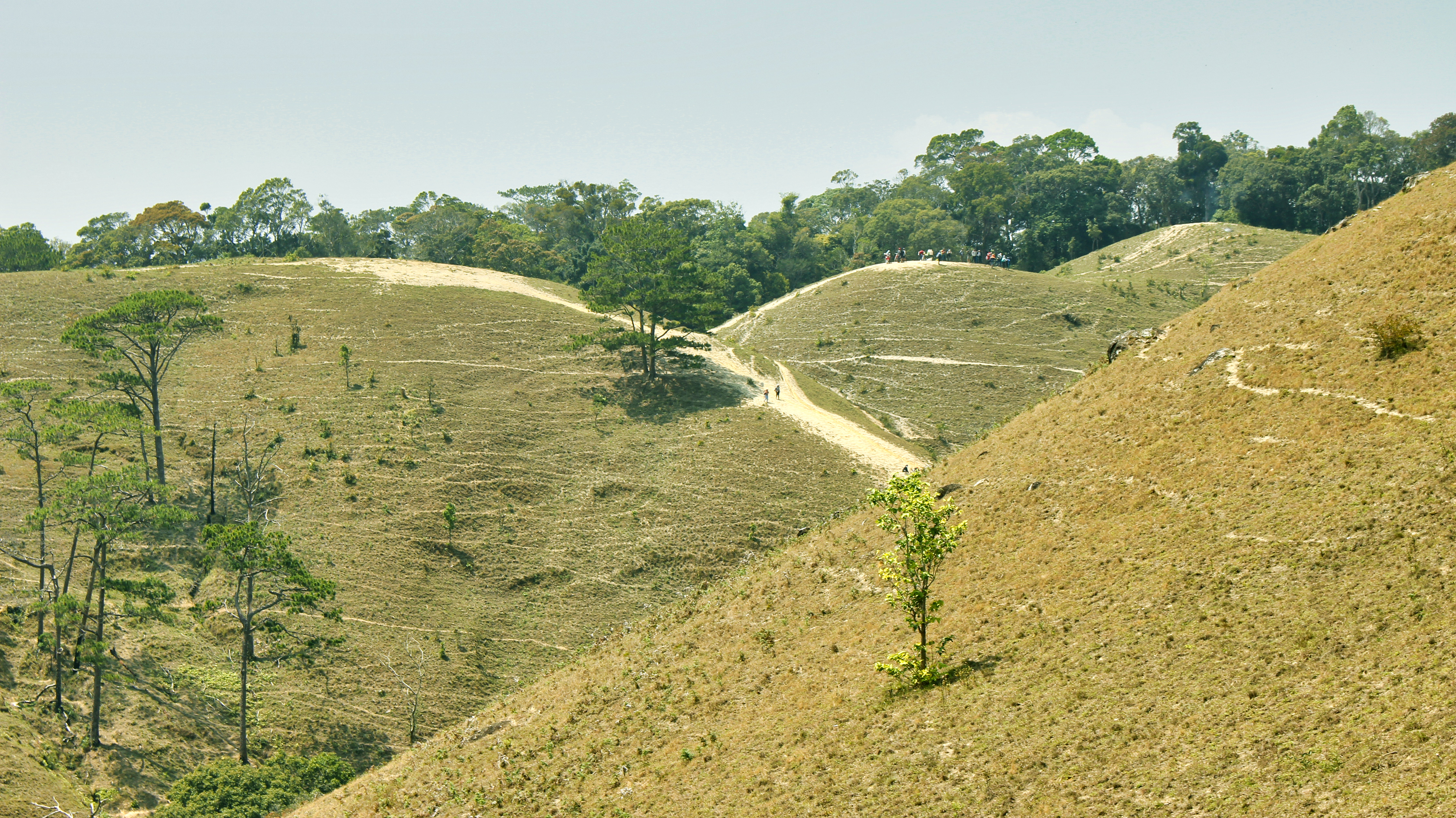
From the hilltop where the stainless steel marker of the Ta Nang - Phan Dung area is located, there are many paths down to Phan Dung, of which the two main routes that trekking groups often take are: towards "Yavly Waterfall" and towards "Soldier's Hill".
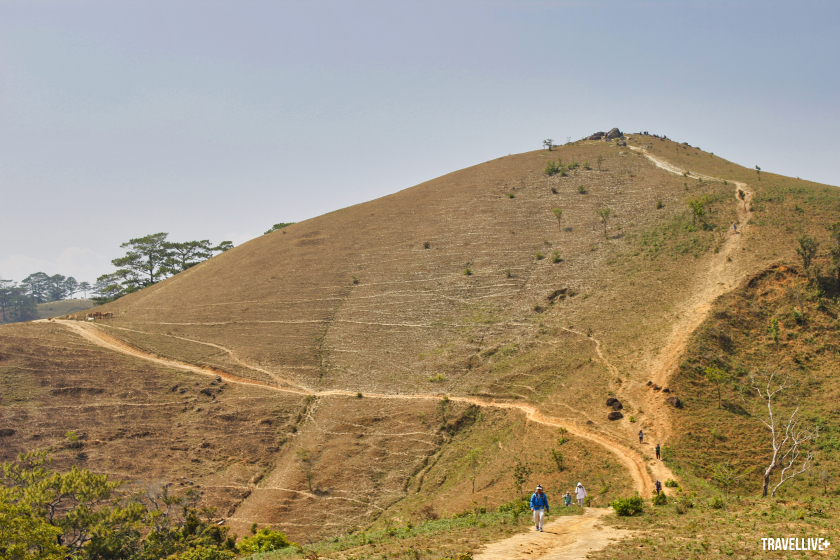
The trails around the hill are marked with stainless steel markers on the Ta Nang - Phan Dung trail.
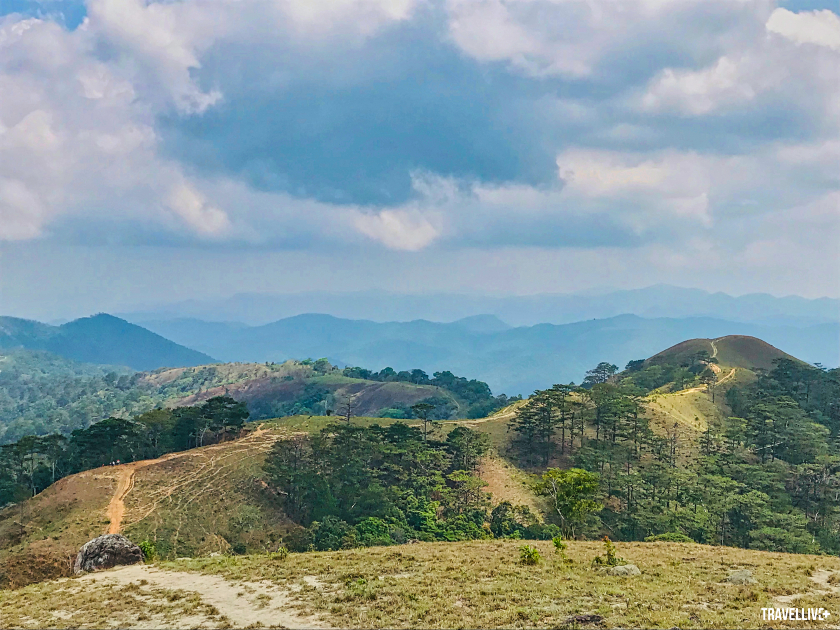
Towards the "soldiers' hill" on the right side of the photo, turn left towards the "Yavly waterfall" at the corner of the green bushes on the left side of the photo.
The "soldier's hill" route is chosen by many groups because it only takes 2 days and 1 night, which is quite convenient for office workers who have two days off on the weekend. This route crosses only a small stream that only has water during the rainy season; during the dry season, it's not even suitable for swimming.

The route via Yavly Waterfall takes more time, as it's about 15 km longer than the route via the soldier's hill. This route involves crossing streams multiple times, and is particularly dangerous during the rainy season when water levels rise or flash floods occur due to heavy rain. However, in the latter half of the dry season, this route offers breathtaking views of the Phan Dung forest – a sight that is difficult to match if you take the route via the soldier's hill.
Yavly Waterfall during the dry season
Our 3-day, 2-night Ta Nang - Phan Dung trek, heading towards Yavly Waterfall, involved crossing streams twice on the second day to reach the waterfall around noon. Despite being in the dry season, the streams and waterfall still had water, just less than during the dry season. Because of the low water levels, crossing the streams was easy and safe.
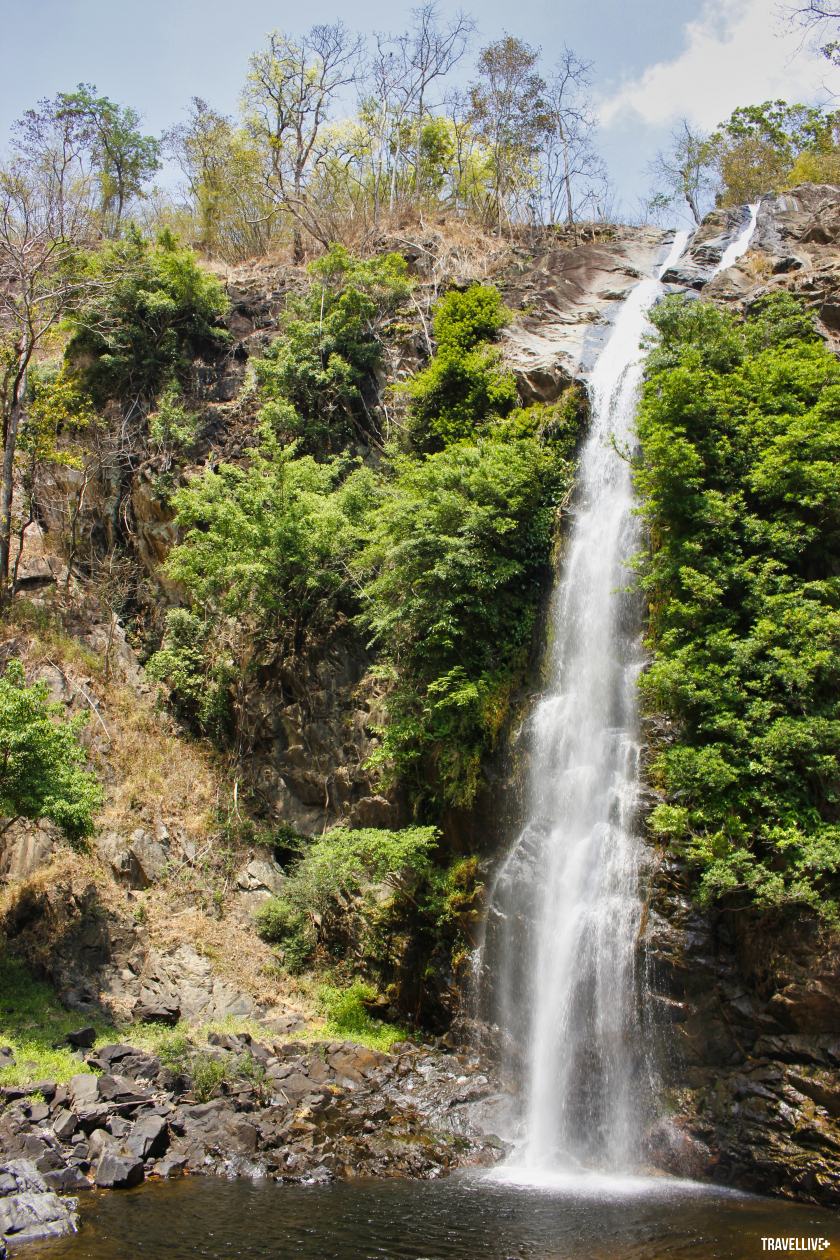
Yavly Waterfall has less water during the dry season.
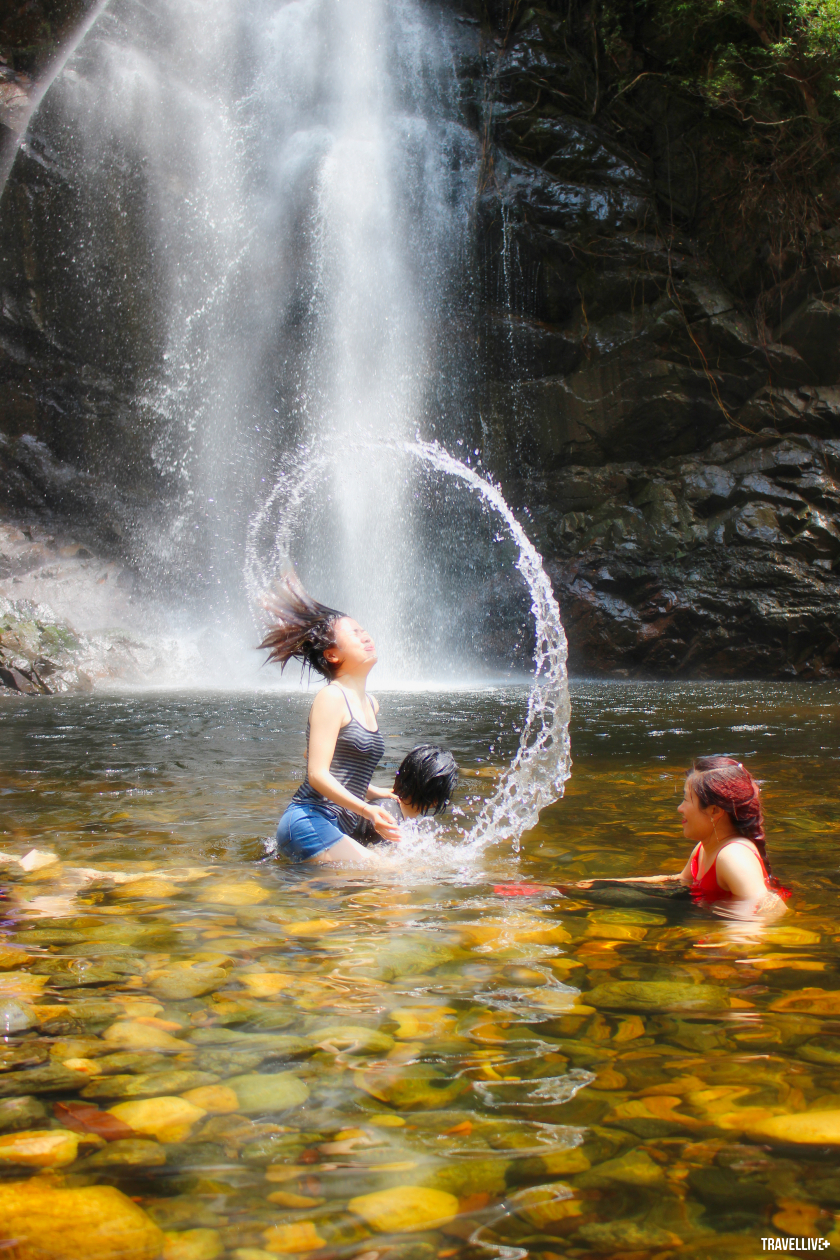
...but still enough to cool off after a tiring journey.
After enjoying a relaxing swim in the waterfall and having lunch near it, we walked a few more kilometers along the stream, crossing it back and forth several times, and set up camp for the second night on the stream bank, right next to the house of old man Le – an elderly Raglei man. This place was originally the stream bed during the rainy season, but in the middle of the dry season, it was a fairly flat area of sand and gravel, enough space to pitch a few tents.
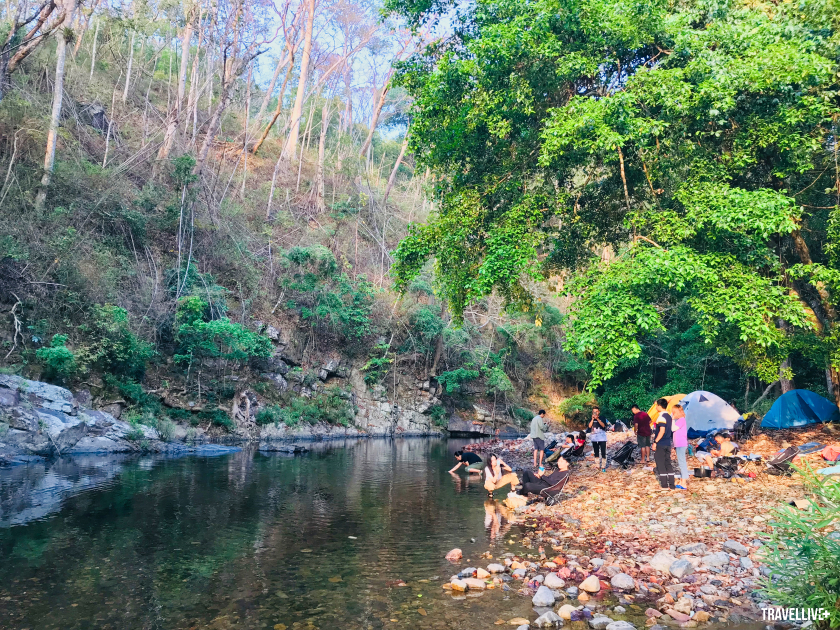
Our second night's campsite was right by the stream.
The beauty of Phan Dung forest during the dry season.
Those who have traveled this route during the rainy season, when the forest is lush green, will probably find the last day of the journey the most boring, because the road is long, flat, and the scenery is monotonous with ordinary trees like any other sparse forest. But at the end of the dry season - it's completely different.
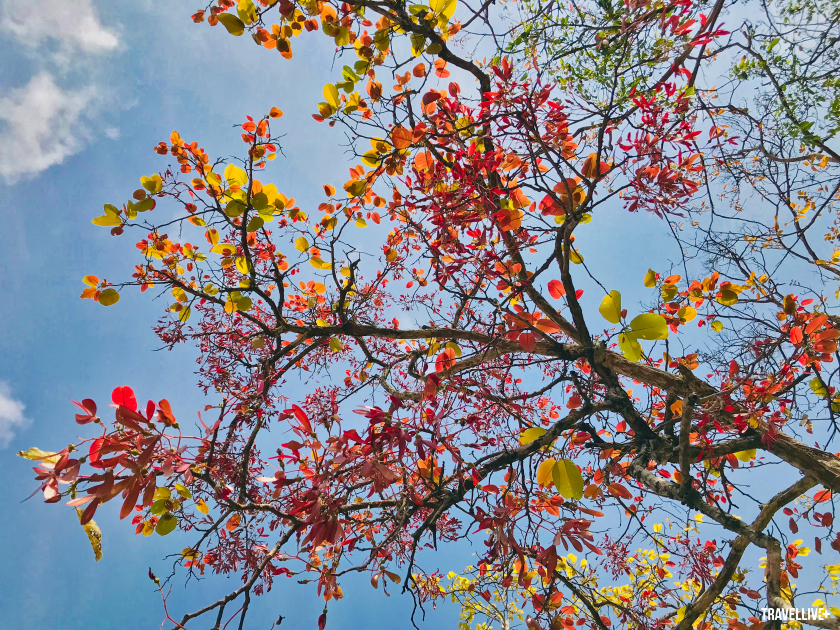
During the dry season, Phan Dung Forest takes on a completely different appearance compared to its green foliage during the rainy season. A thick carpet of yellow leaves blankets the entire forest, resembling autumn in temperate forests.
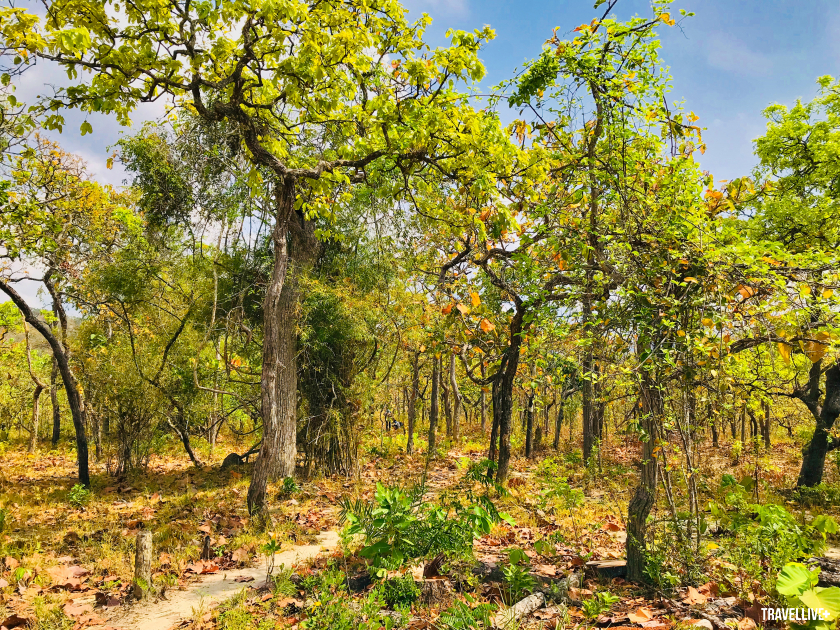
Scenery of Phan Dung forest during the dry season.
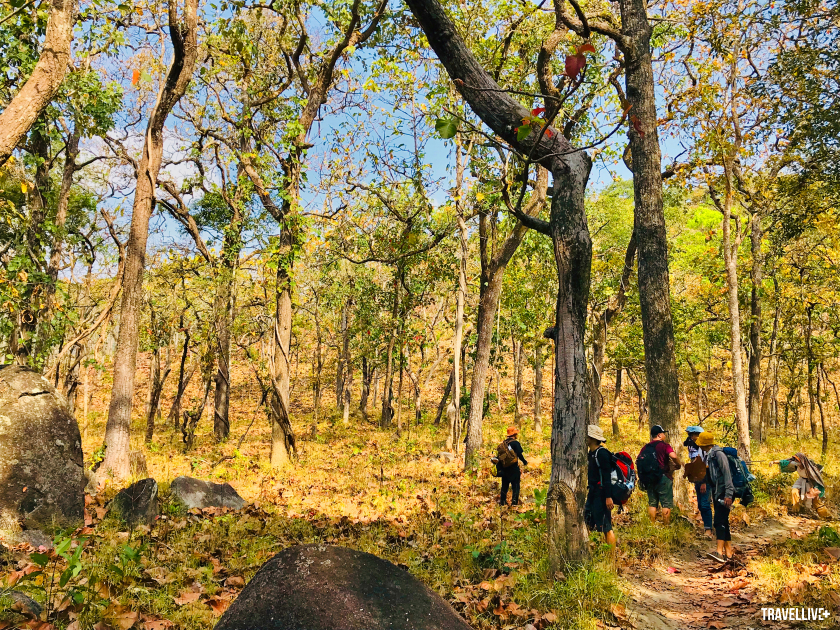
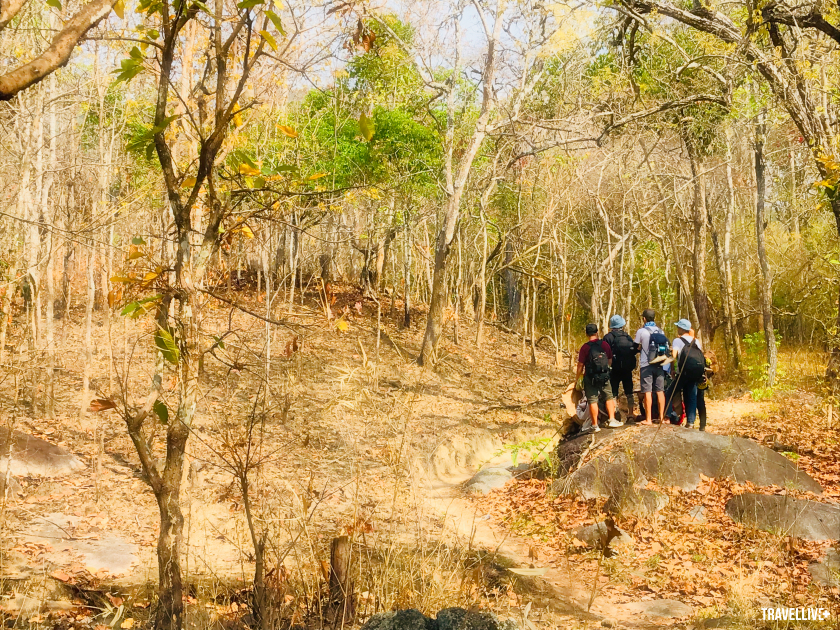
The diverse types of trees in the forest shed their leaves and begin to sprout new ones at different times, so the ground is a carpet of dry yellow leaves, while the surface above is covered with incredibly beautiful patches of color.
Some trees still retain the green of their old leaves. Some are adorned with a golden cloak, or a vibrant red in the sunlight. Some are left with only bare, spindly branches, while others have already sprouted new green shoots.
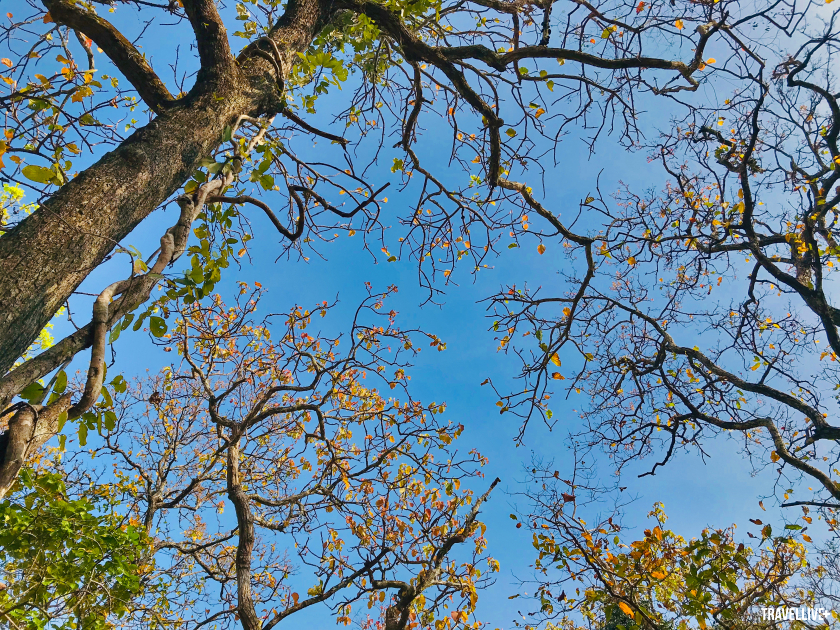
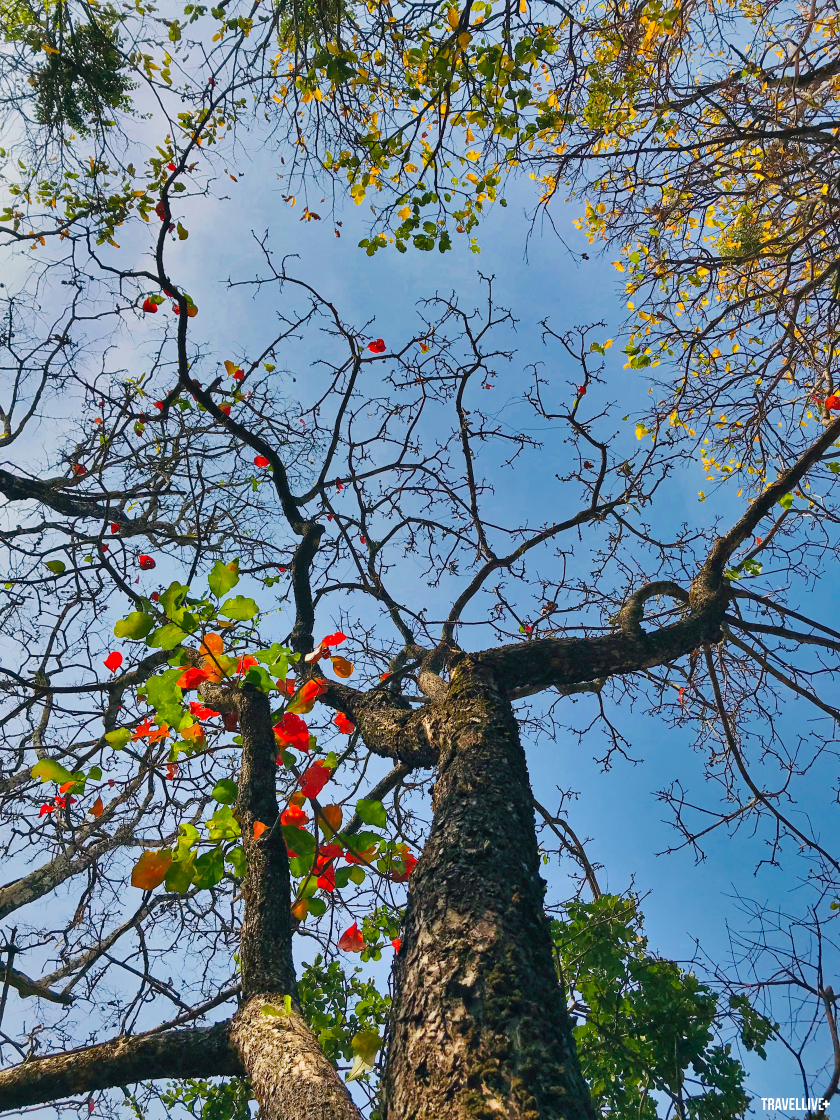
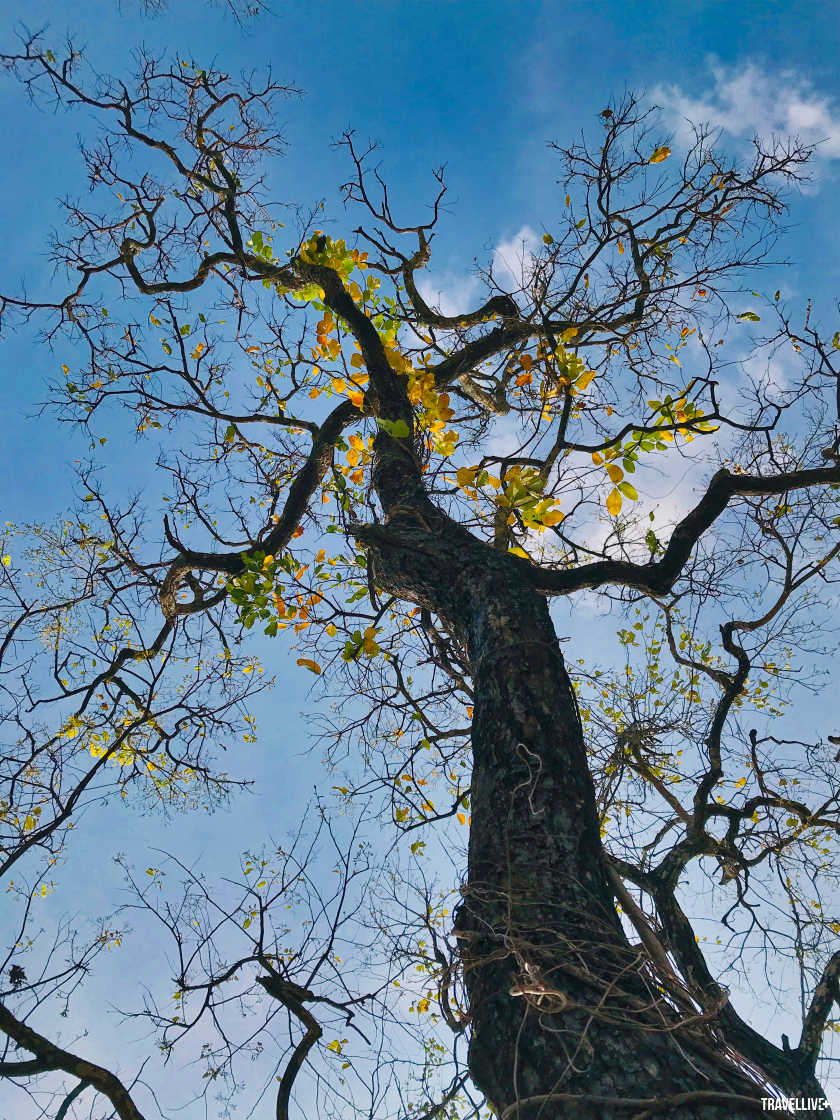
And so, the final day of the journey, with all the fatigue and hardship from the previous two days of climbing mountains and crossing streams, suddenly flew by without anyone noticing. Everyone was captivated by the breathtaking scenery of the Phan Dung forest in the dry season, forgetting about time and fatigue.