VI
VI


Despite its provocative nature, the question "Am I a superwoman?" doesn't require a literal answer, but rather serves as an opening to the complex and mysterious world of female roles.
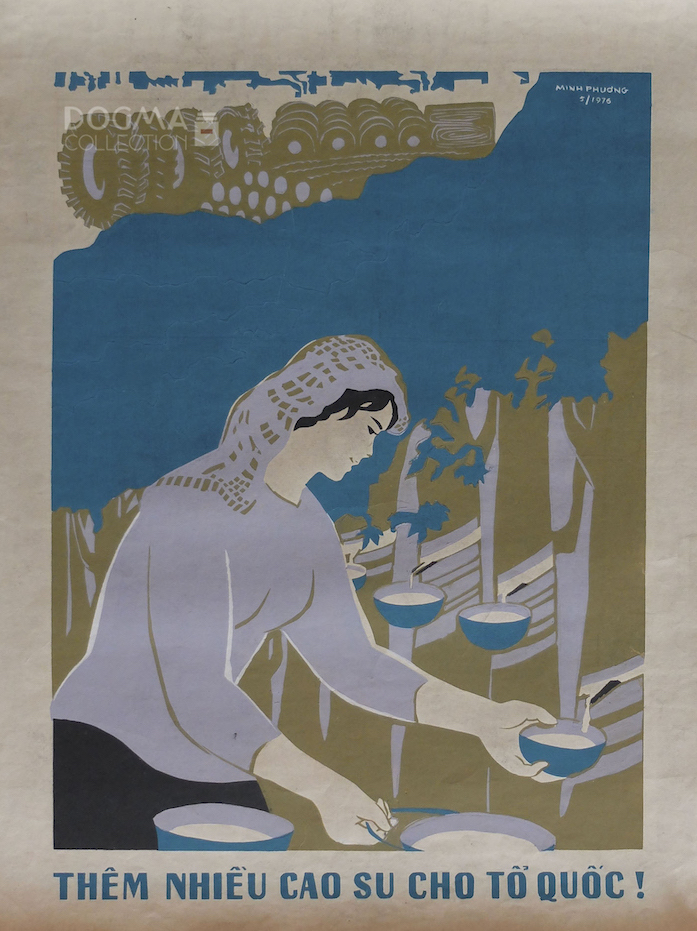
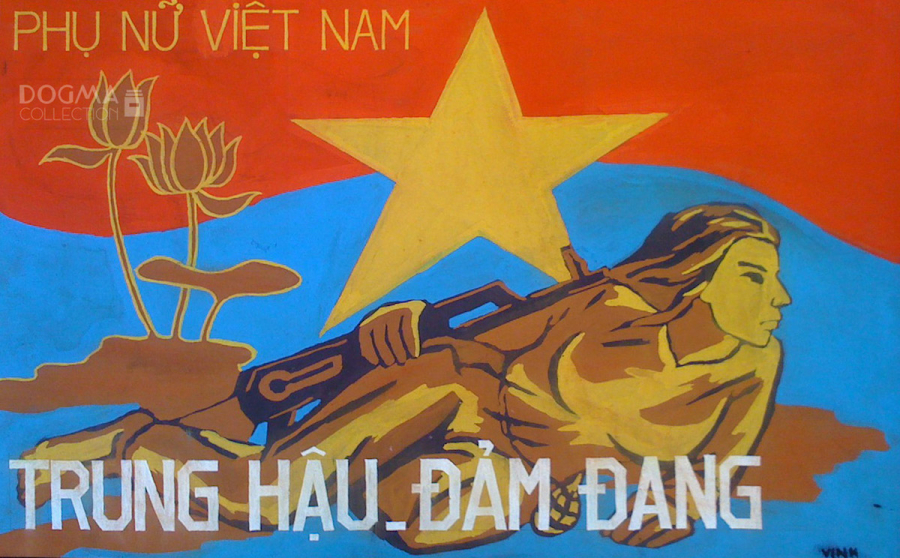
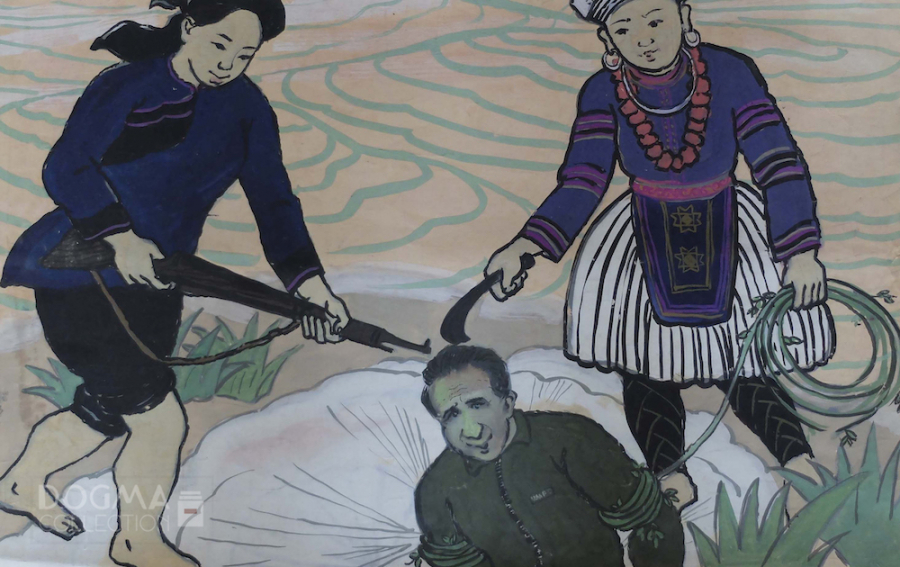
On one hand, this exhibition goes back in time to analyze the image of women as represented by the "Three Responsibilities" standard in the ideal of Socialism in Vietnam; on the other hand, it reflects on private women's stories through the narratives of contemporary female artists. Their multi-material works will contemplate sacrifice, how others perceive women's bodies, and efforts to redefine feminine values in their own unique ways. These two aspects, when placed side-by-side, will open up interwoven reflections between myth and reality, between universal norms and individuality concerning the role of women.
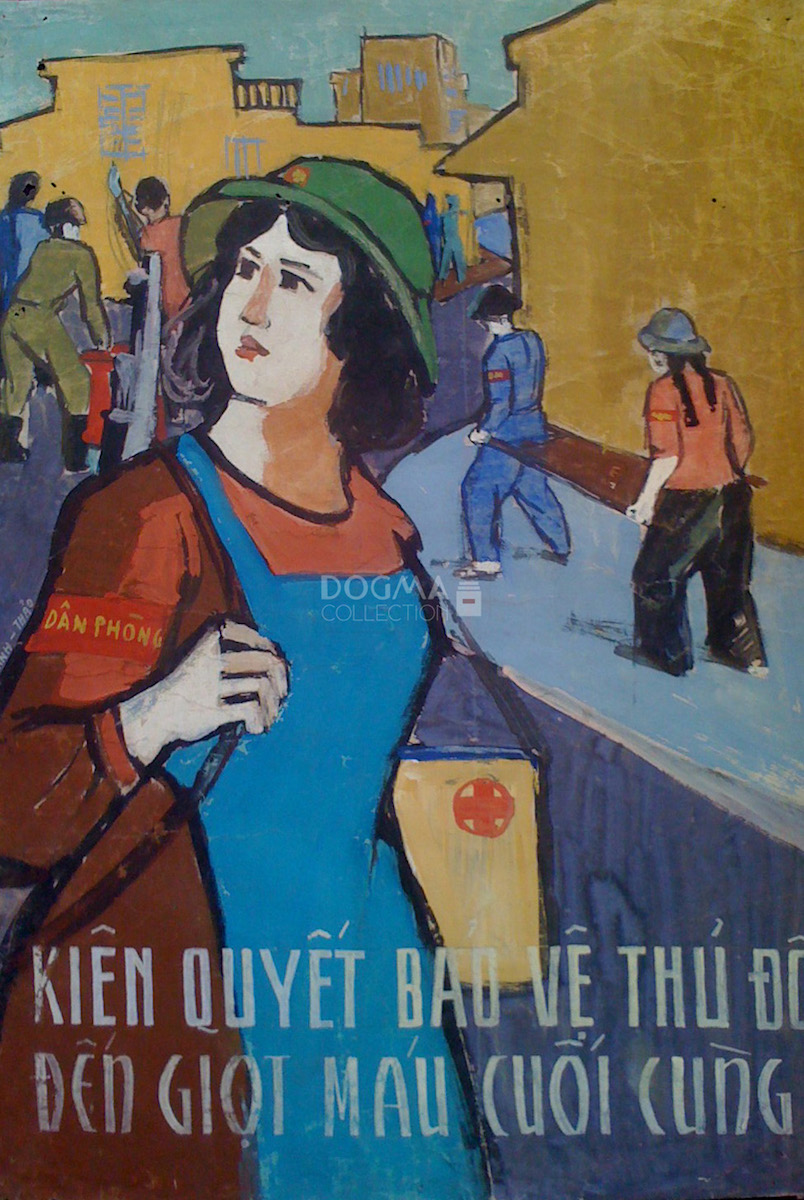
A significant part of the exhibition consists of propaganda paintings from the past, a means the Vietnamese state has used and continues to use to promote a "good way of life." Over time, this propaganda has helped to form a normative ideology, reinforced by the long-standing social contexts it has served. The murals on display depict the image of the "Three Responsibilities" woman in her daily life. It is noteworthy that they are always portrayed with a remarkably youthful, energetic, and vibrant appearance, no matter how difficult their circumstances.

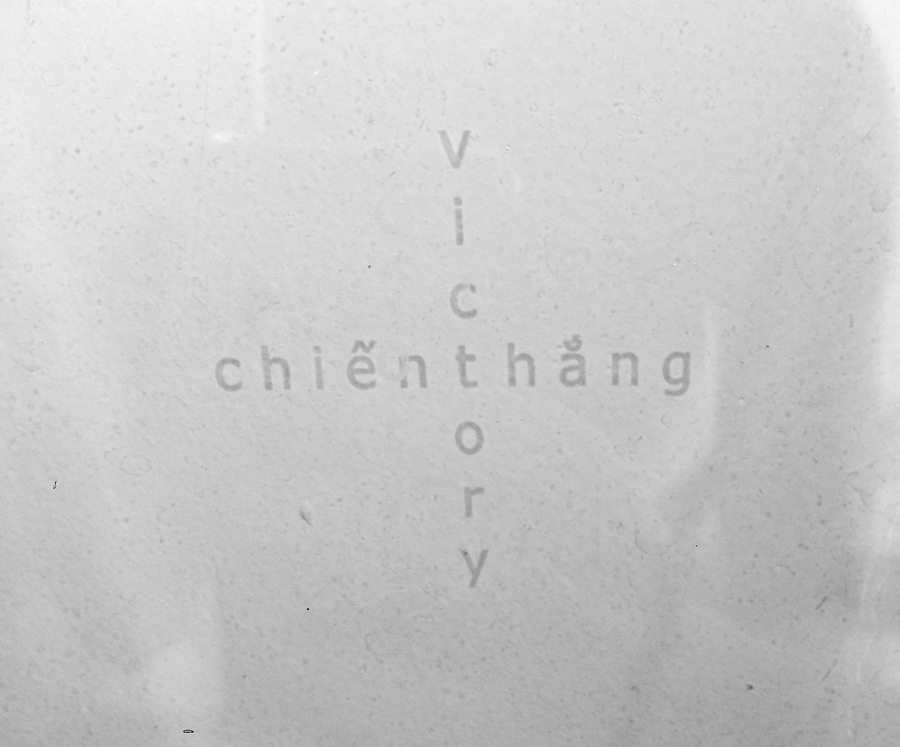
Untitled (Ngo Dinh Bao Chau)
Through them, we can see the manifestation of what is called a "structured myth"—an idea, thanks to its seamless integration with the Confucian concept of "Three Obediences and Four Virtues" for "virtuous women," deeply ingrained in Vietnamese tradition, becoming a force that permeates even the deepest corners of the psyche and transforms into reality. Modern life has liberated women in many aspects, but does the ghost of the "Three Responsibilities" still haunt them?
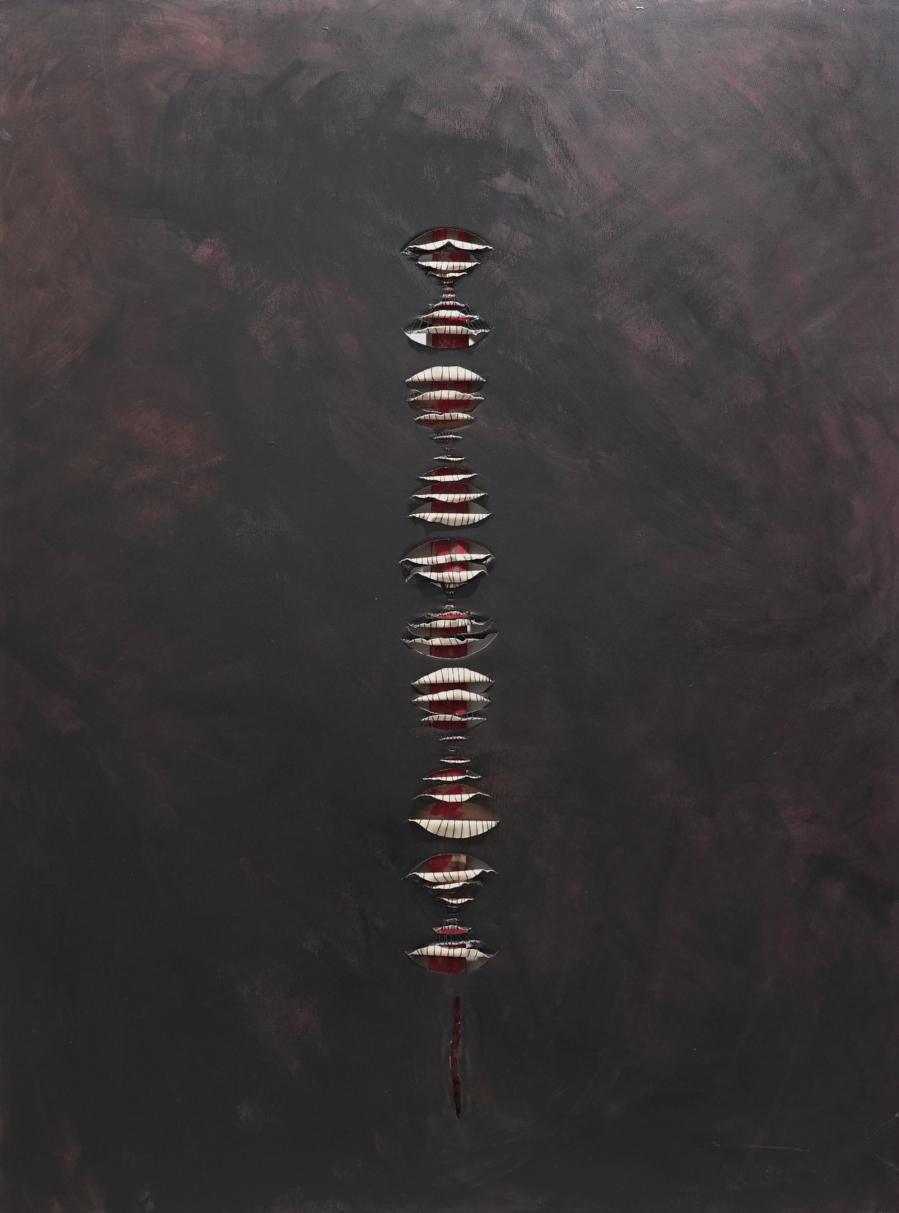
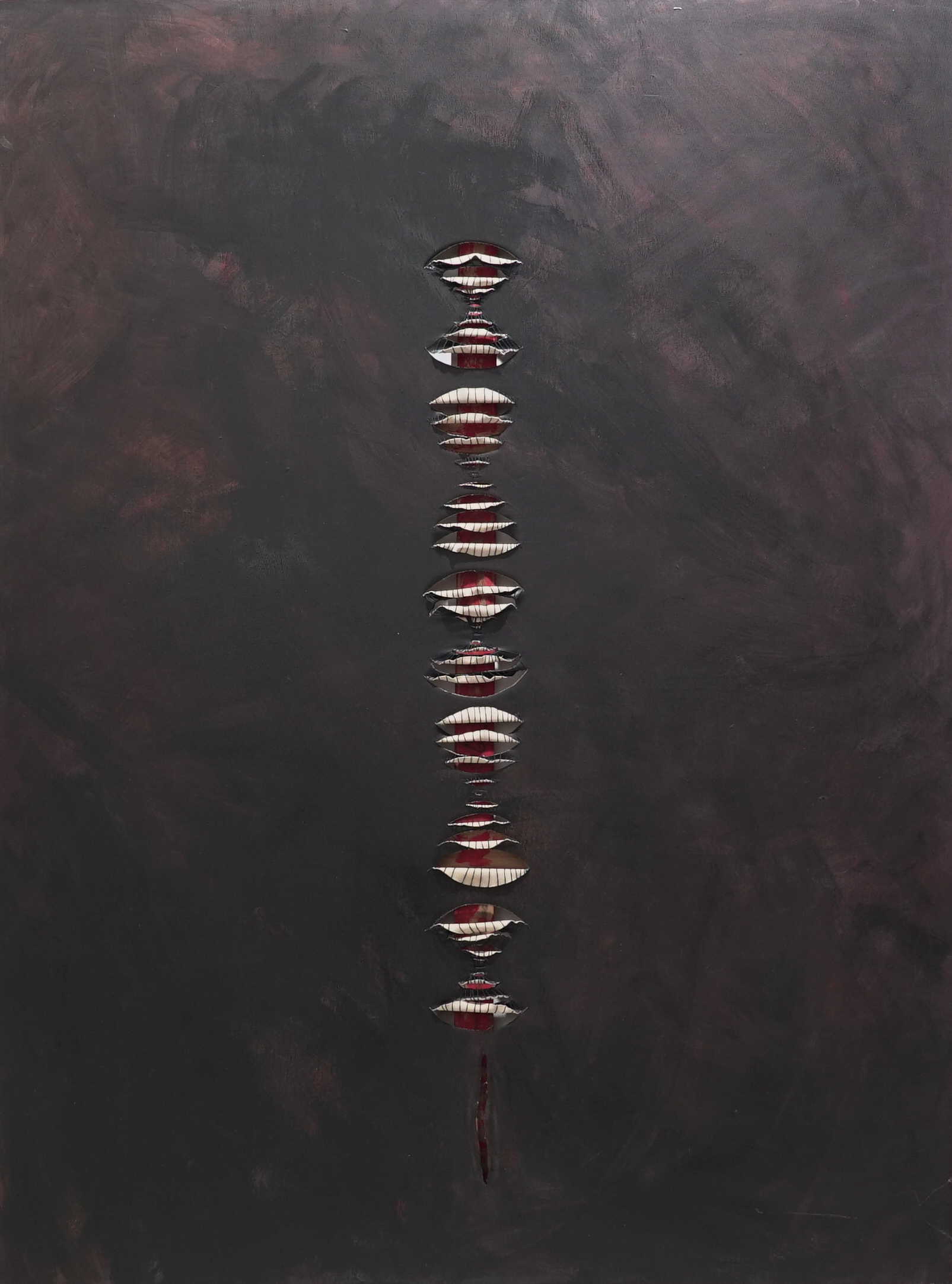
Red (Lena Bui)
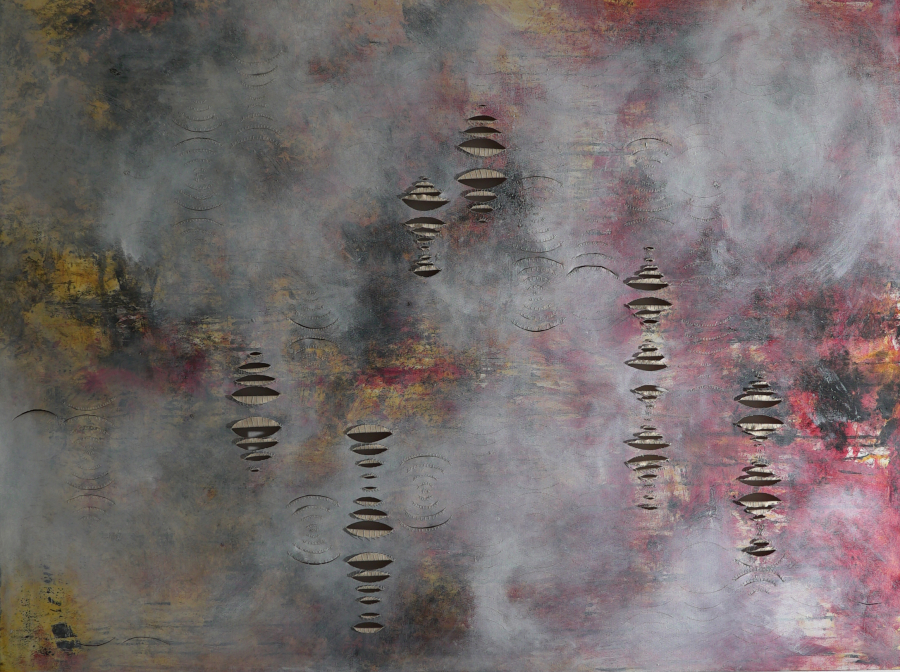
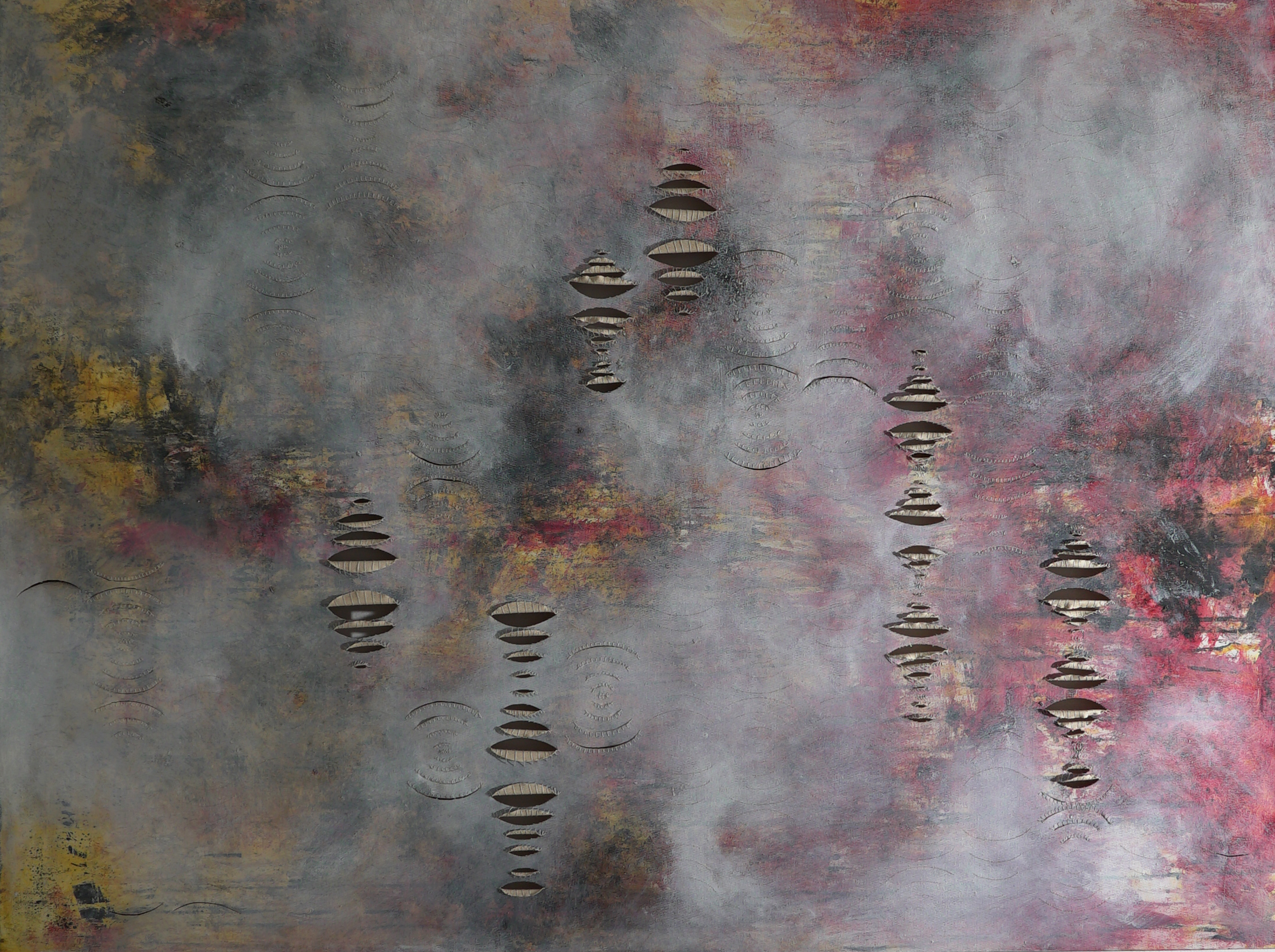
White (Lena Bui)
In response to the above questions, contemporary works by female artists offer their own realities and beliefs. More importantly, their works do not aim to deny the sacrifices and emotions inherent in women for their families and humanity, but rather to encourage personal reflection on love that stems from unconditional choice, not from obligation.
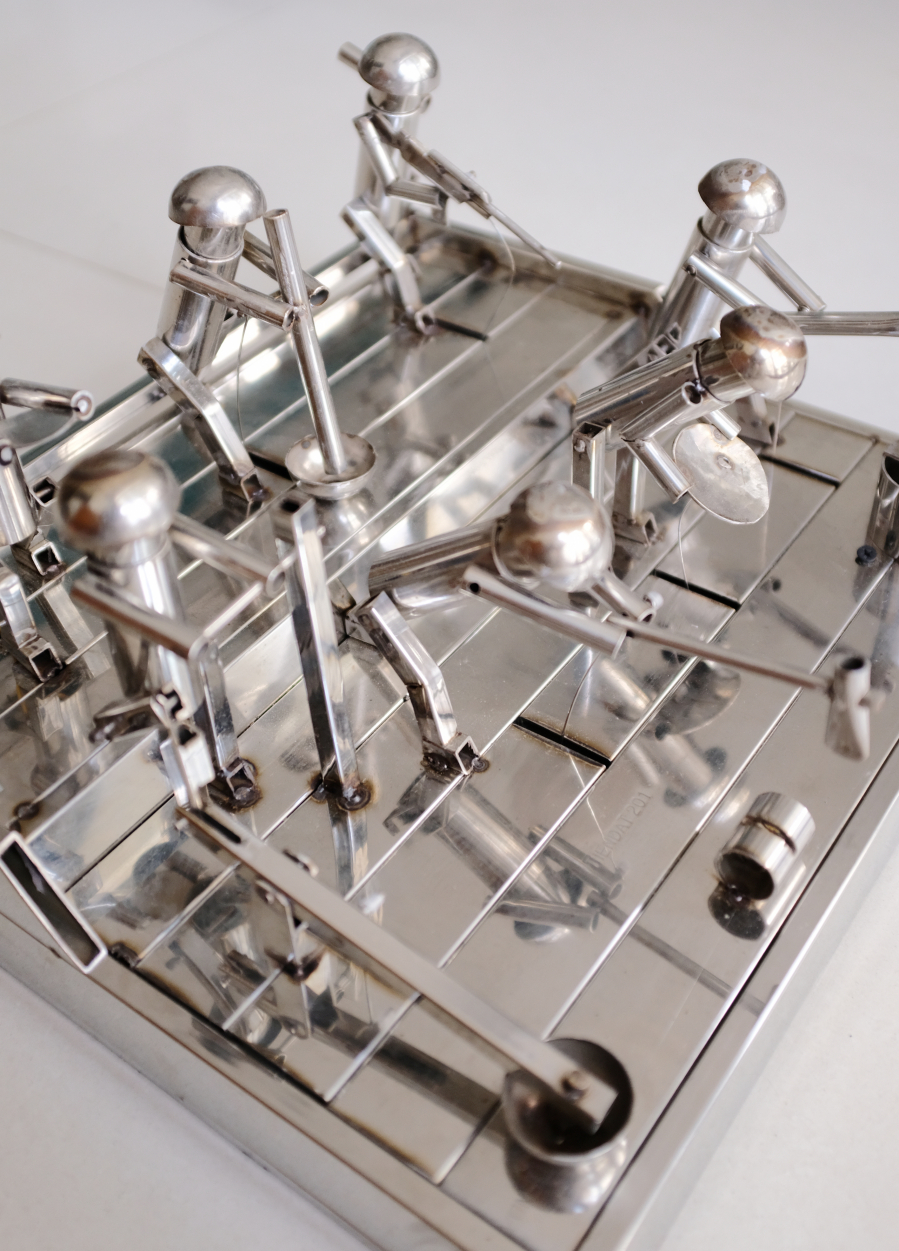
“Am I a Superwoman?” also calls on viewers to join in the ongoing story of women in a contemporary context: Has time changed it, or is it still a long journey as we need to negotiate with the past to move towards the future?