VI
VI


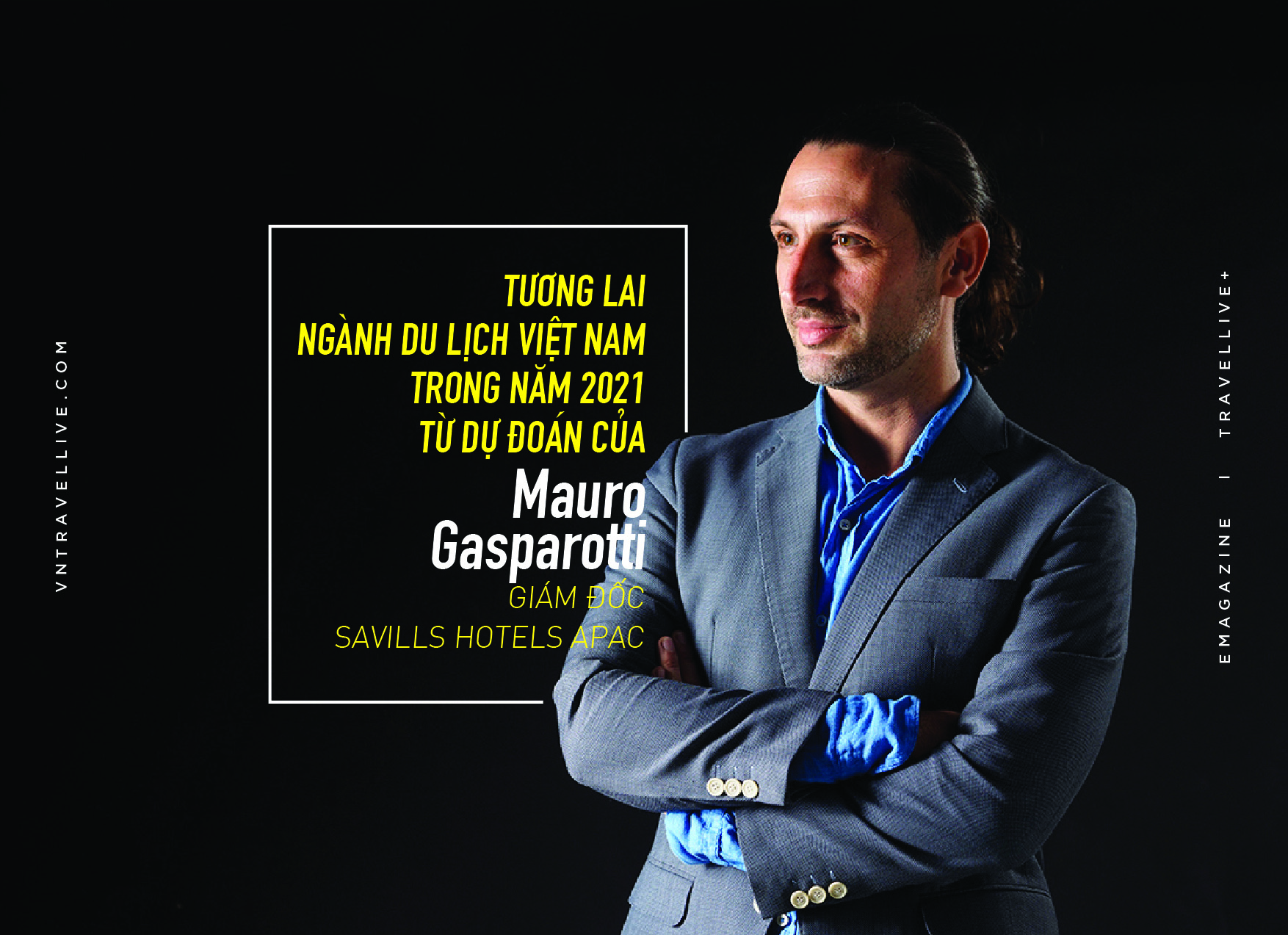
Mauro Gasparotti is the Director of Savills Hotels, part of the Savills Group, specializing in hotel consulting and brokerage in Vietnam. Mauro and the Savills Hotels team primarily provide consulting services to project developers by analyzing optimal development options, cost-benefit analysis based on positioning scenarios and hotel models during the initial planning phase, and the selection of hotel operators and brands.
With years of experience and in-depth knowledge in the tourism and hospitality sector through consulting and brokering projects in Vietnam and the region, Mr. Mauro has a comprehensive view of the current state of Vietnam's tourism industry – as well as its trends and potential opportunities in the future. Let's explore some of Mr. Mauro's assessments and predictions for Vietnam's tourism industry in 2021.
First, could you share what brought you to Vietnam?
I came here when I was 27, now I'm 40 - thirteen wonderful years!
It all started in 2007, when I was working in hotel investment in Sydney, Australia. I remember seeing a magazine cover with the headline "Vietnam: The Next Asian Tiger." To be honest, I didn't know much about Vietnam, beyond some wartime stories. After Googling "Saigon," then "Saigon at night," and then "Vietnamese people," I decided to email several companies, received job offers, bought a one-way ticket, and have been here ever since.
So what has kept him here until now?
I love Vietnam – the people, the air, the nature, the customers and my colleagues. Oh, and of course, my beautiful Vietnamese girlfriend too.
Have you explored many places in Vietnam yet?
I can say I've traveled quite a lot across Vietnam, from north to south, from east to west. From business trips to Mong Cai, heading south to advise clients on buying shrimp farms in Bac Lieu. From the easternmost point of Mui Dien in Phu Yen to bus trips west to Dak Nong to visit my girlfriend's family…
In my opinion, tourism in Vietnam offers impressive and unique experiences. Those who have visited will find it hard to forget; they will always carry with them memories of Vietnam.
With your expertise, can you offer some predictions about tourism in Vietnam in 2021?
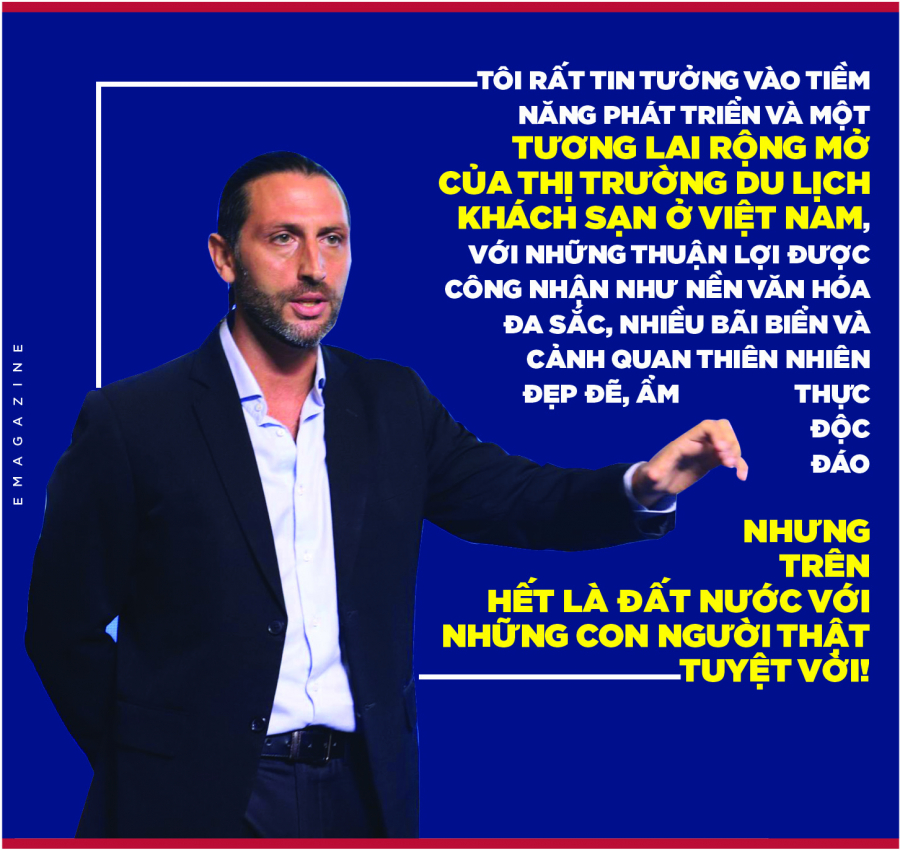
Compared to other countries in the region, Vietnam is in a much better position on the road to recovery due to three factors: (1) domestic tourists account for a large proportion of the total number of tourists; (2) a large number of Vietnamese tourists travel abroad and are now shifting to domestic travel; (3) Vietnam is located near other Asian countries where the Covid-19 situation is under control. When borders reopen, these tourist groups are expected to recover soon and they are a very large group, including China, South Korea, Japan, Singapore, Taiwan, who may choose short holidays at least in 2021 and part of 2022, before being able to vacation in Europe or the US.
Most hotels are currently allocating their budgets based on a scenario where Q1 and Q2 will primarily rely on domestic demand, with Q3 and Q4 potentially seeing a return of international guests. Assuming the market averages a 28% occupancy rate nationwide this year, we can hope for growth by the end of next year, pushing occupancy rates above 50%. However, this will depend on the success of the vaccine and the reopening of international borders.
In your opinion, can Vietnam's tourism industry experience a breakthrough recovery in 2021, and if so, how?
I believe the market will recover, but it will take all of 2021 and possibly 2022 to return to 2019 levels. Investors and those in the hospitality industry should look at the medium term and focus immediately on improvements such as introducing new products, new forms of entertainment, improving and enhancing service quality, as well as facilities and infrastructure. This will allow the Vietnamese market to be ready for recovery, seizing opportunities and the upcoming wave of tourism. This must be a coordinated effort involving local authorities, travel companies, hotel investors, and businesses in the industry to elevate Vietnamese tourism to a new level.
In recent years, the market has been experiencing an oversupply and "rapid growth" in some tourist destinations. Now is the time to comprehensively assess the tourism situation, analyze existing potential, and develop solutions for improvement, build long-term development strategies, and enhance the quality of the entire tourism industry and resort destinations nationwide, rather than focusing solely on individual tourist sites or accommodations.
To stay afloat, many hotels have been offering significant discounts, but is this a sustainable long-term solution?
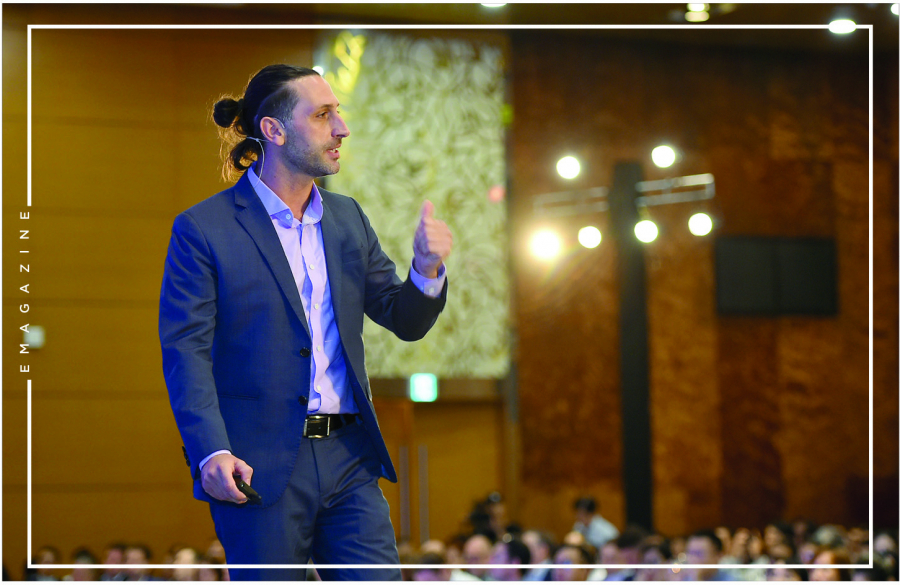
Typically, hotels don't tend to lower prices because raising them again can be very difficult, but no one has experienced what has happened this year. By lowering prices, hotels shift their initial target customer base to reach a wider and broader segment. The tricky part is that once customers get used to the discounts, this will affect their perception of "value" when the hotel restores the original price level.
Another common solution for generating revenue is through promotional programs, such as all-inclusive packages with a free night's stay, assistance with airline ticket payments, or dining deals.
Many new trends have emerged during this time. In your opinion, which trend will be popular in 2021?
First, we can see a shift from classifying hotels by "stars" with 3, 4, or 5 levels to "hotel types," as well as a shift from classifying tourists as "business travelers and leisure travelers" to defining customers in more personalized segments with definitions such as Millennial Travelers (those born in the 80s and 90s), Bleisure Guests (combining business and leisure), Foodie Travellers (culinary tourism), Wellness Seekers (combining travel and wellness), Groupies (group travelers), Family Travelers (family travel), etc. This has given hotel owners, operators, and consultants the opportunity to focus on the "customer experience" in a more relevant way and truly grasp the essence of the customer service industry, rather than just providing "a room with a bed."
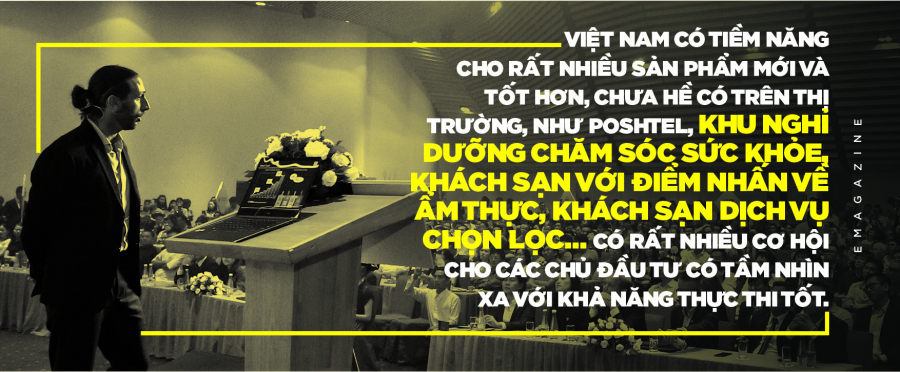
Speaking of trends, I'm really into wellness resorts – those that combine nutrition, eco-activities, sustainability, education, and some form of spiritual experience (at different levels). We're starting to see wellness resorts in Vietnam offering not only yoga and mindfulness activities, but also cleansing and holistic programs with a range of on-site activities led by professional instructors.
I also really appreciate resorts and hotels that care about food and provide added value to customers through service and food quality – it's worth emphasizing that the culinary aspect is very important for some resorts and they should pay attention to it. On the other hand, the culinary aspect isn't so essential for some types of hotels, for example, city hotels with selective service. That's why I love the customer service industry; it encompasses so many choices!
What are your and Team Savills Hotels' plans to contribute to the recovery of the tourism industry in 2021?
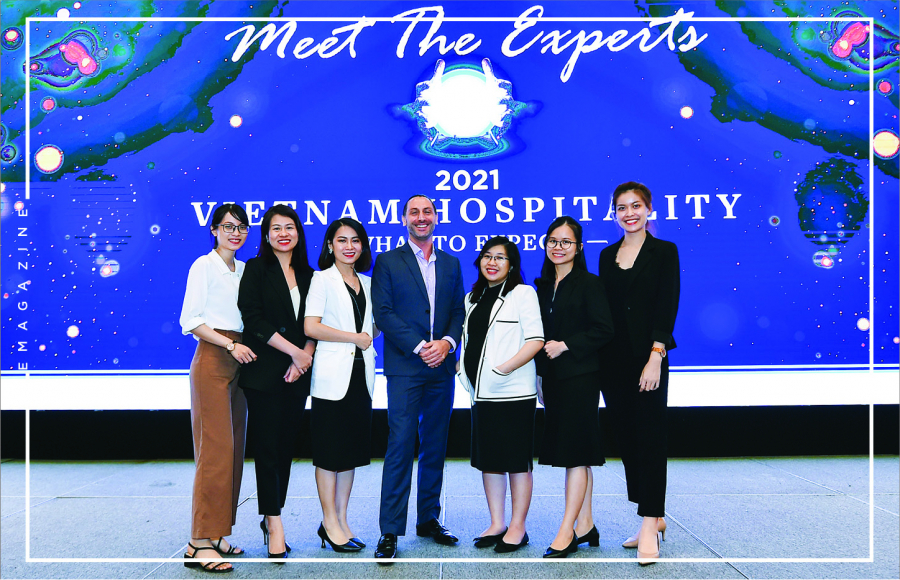
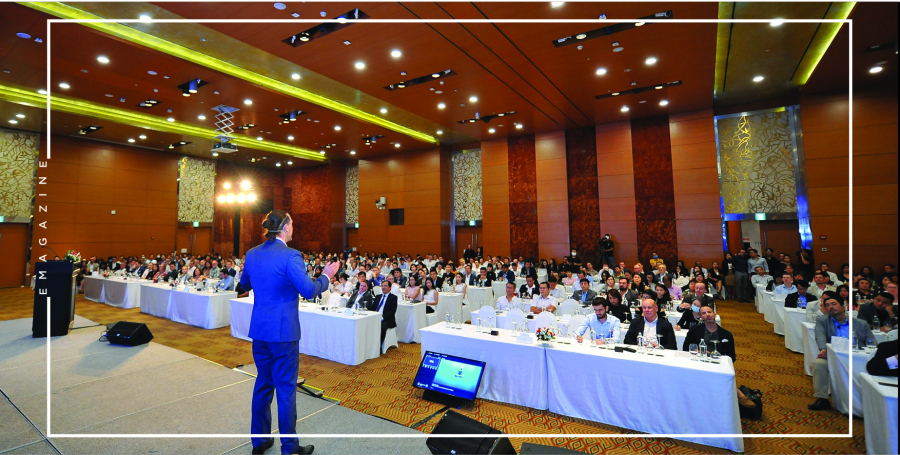
My team and I regularly organize events such as professional conferences, industry networking events, and webinars to share the latest information with individuals and organizations in the industry to support the market's recovery. One of our most widely recognized events is Meet The Experts, the largest hotel conference in Vietnam, and I believe this series of events will become a fresh catalyst for information sharing to help or inspire hotel owners and investors.