VI
VI


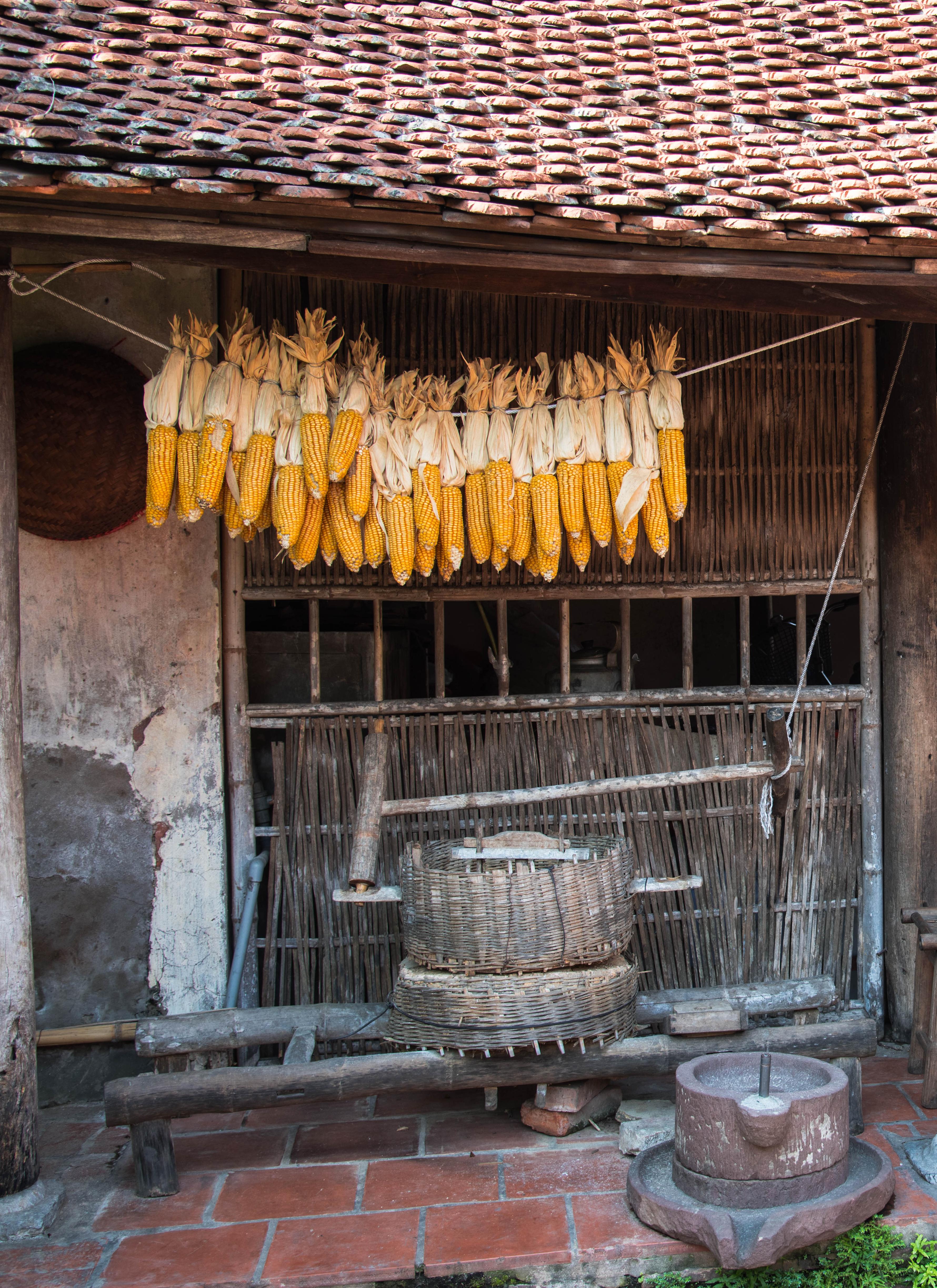
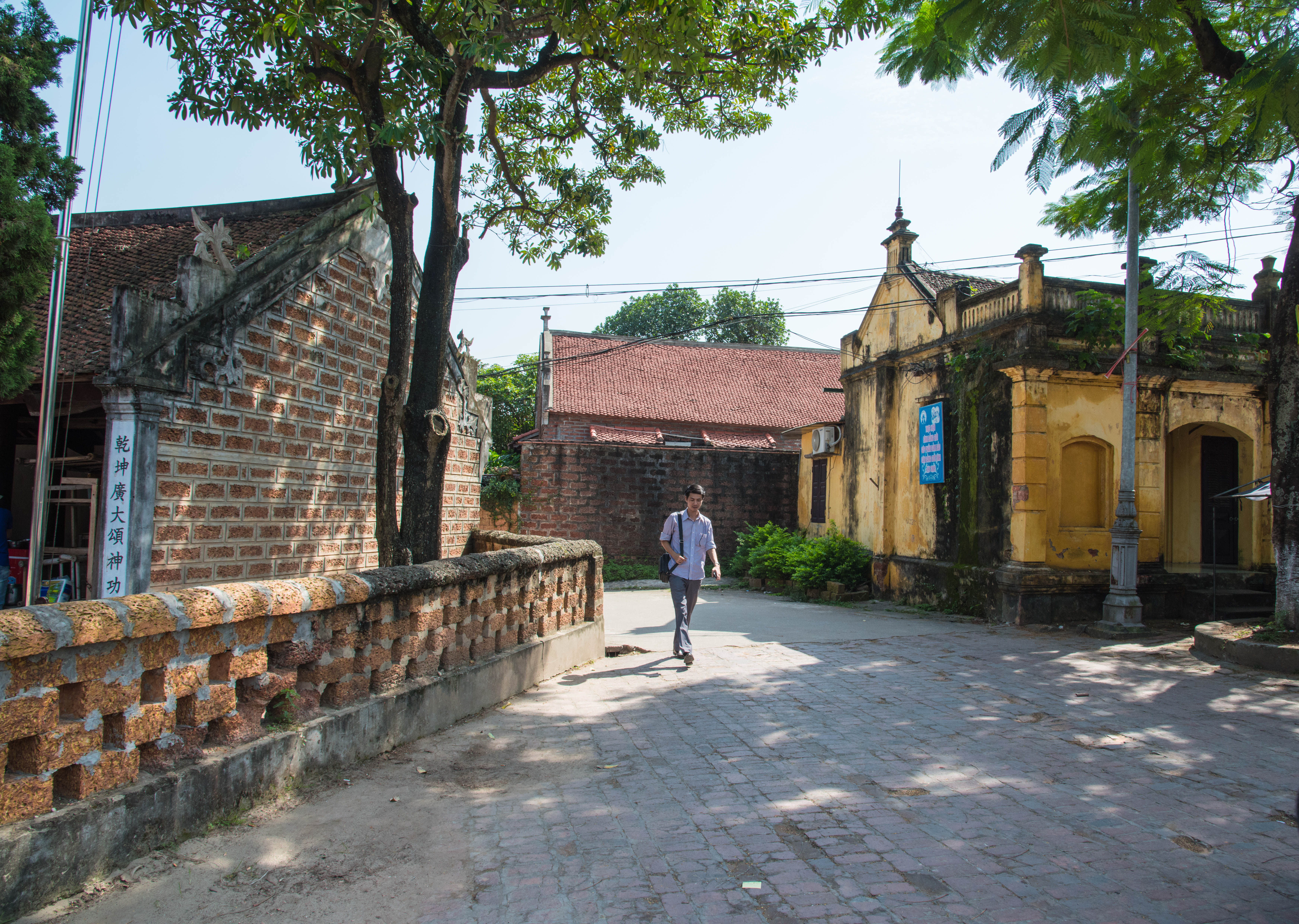
Xứ Đoài, also known as Xứ Đoài or Xứ Tây, is an ancient land in Sơn Tây with a rich history dating back to the Hùng Vương era – one of the four ancient capitals of Thăng Long. On today's administrative map, the name Xứ Đoài no longer exists; its boundaries have changed significantly, leaving only Sơn Tây town (formerly the capital of Xứ Đoài) under the jurisdiction of Hanoi. Therefore, mentioning Xứ Đoài immediately brings to mind Sơn Tây. For a long time, this area has captured the hearts of many tourists. Especially, with a distance of only one hour's drive from the center of Hanoi, Xứ Đoài is an ideal destination for a day trip or weekend getaway. Although it hasn't fully preserved its ancient form, it still retains countless traces of ancient Vietnamese civilization, with its traditional customs, the peaceful and tranquil beauty characteristic of Northern Vietnamese villages, and perfect natural landscapes ideal for ecotourism.
Son Tay Ancient Citadel
The ancient citadel of Son Tay was built during the third year of the reign of Emperor Minh Mang (1822) on flat land within the boundaries of the two villages of Thuan Nghe and Mai Trang in the former Tung Thien district, now part of Son Tay town. It is the only laterite stone citadel in Vietnam and an ancient military structure protecting the western side of Hanoi.
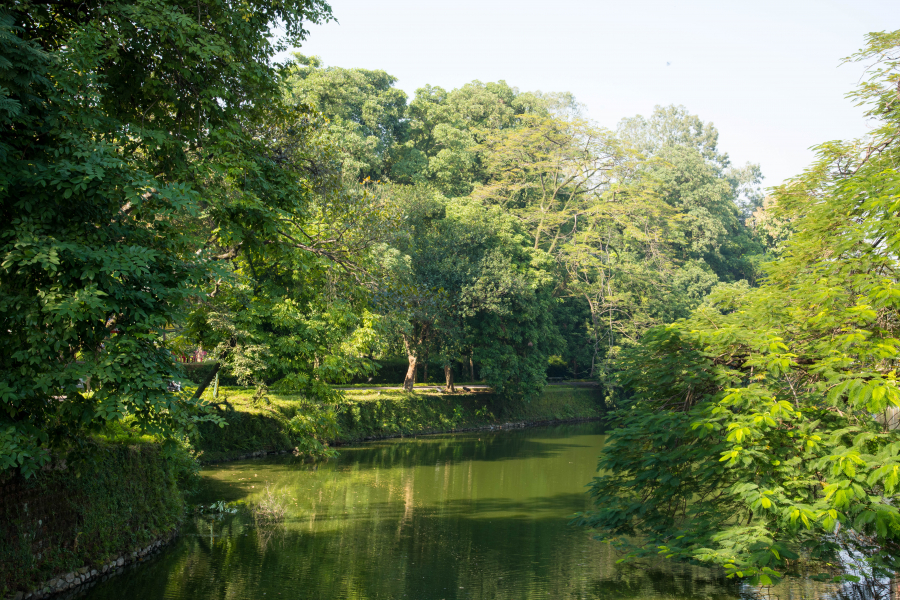
Moat surrounding the ancient citadel of Son Tay
According to historical records, the Son Tay citadel once had five sections: the central section was the ceremonial area, flanked by two lotus ponds, and a watchtower (now a flagpole) 18 cubits high. Inside the citadel was the Kinh Thien Palace, a spacious five-bay structure covered with glazed tiles, featuring two round columns made of ironwood painted a reddish-brown color. The two side bays had round windows decorated with the Chinese character for longevity.
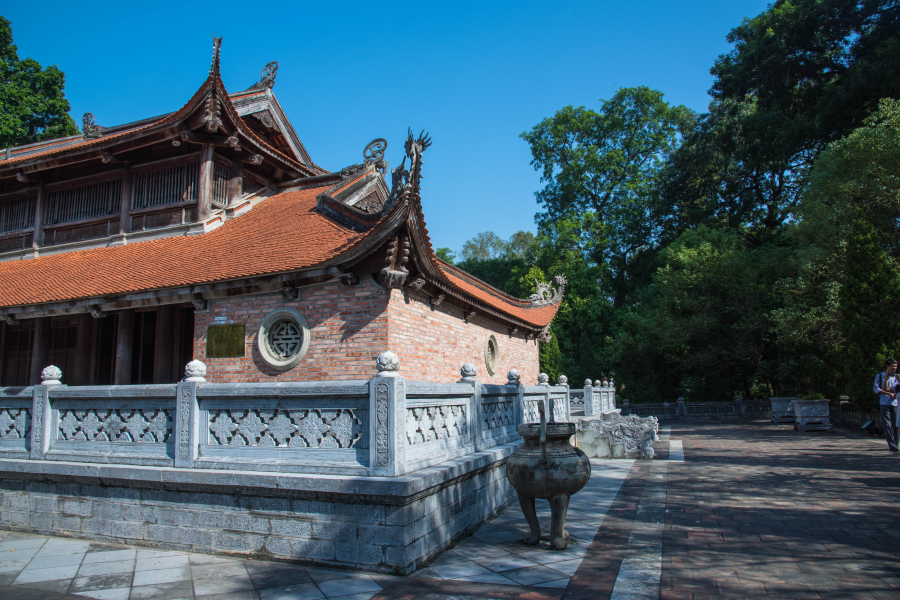
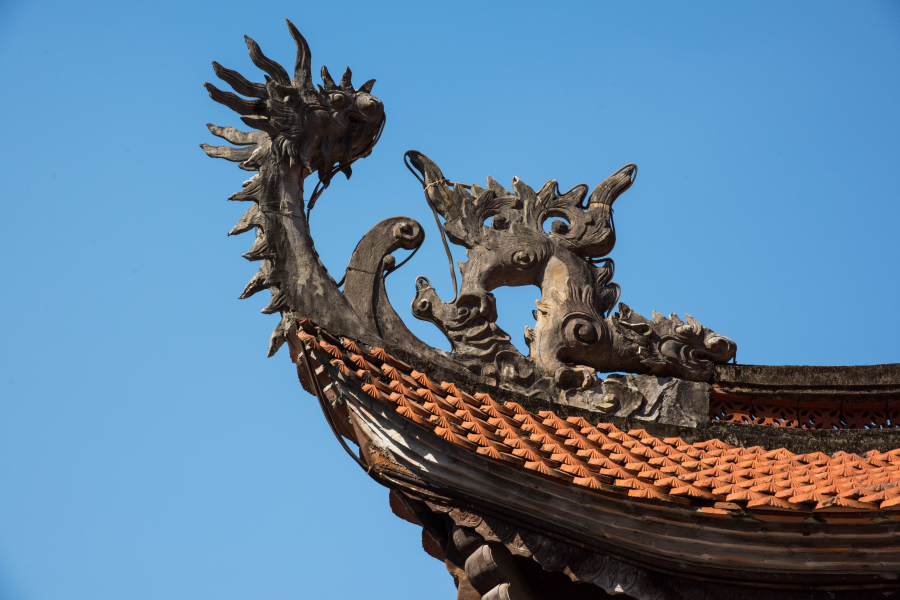
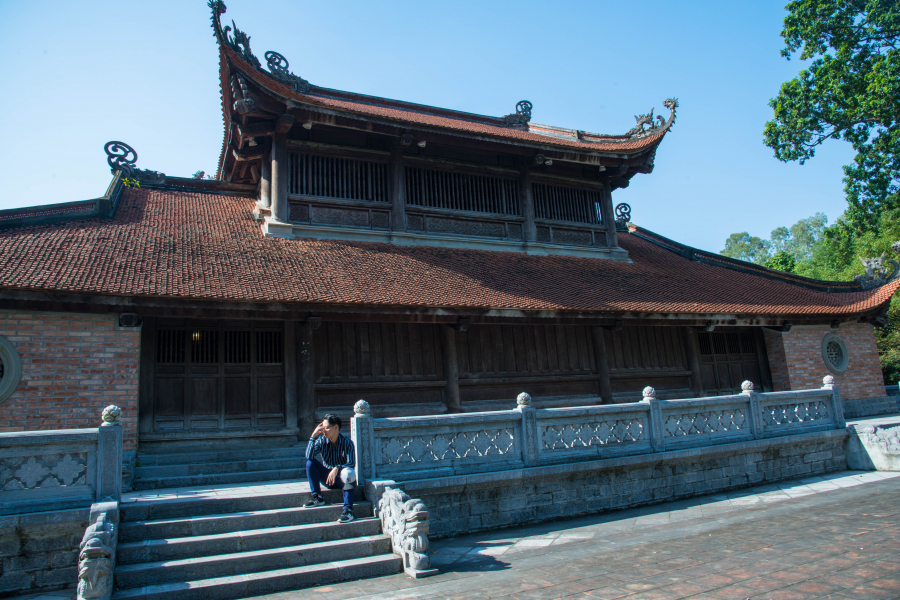
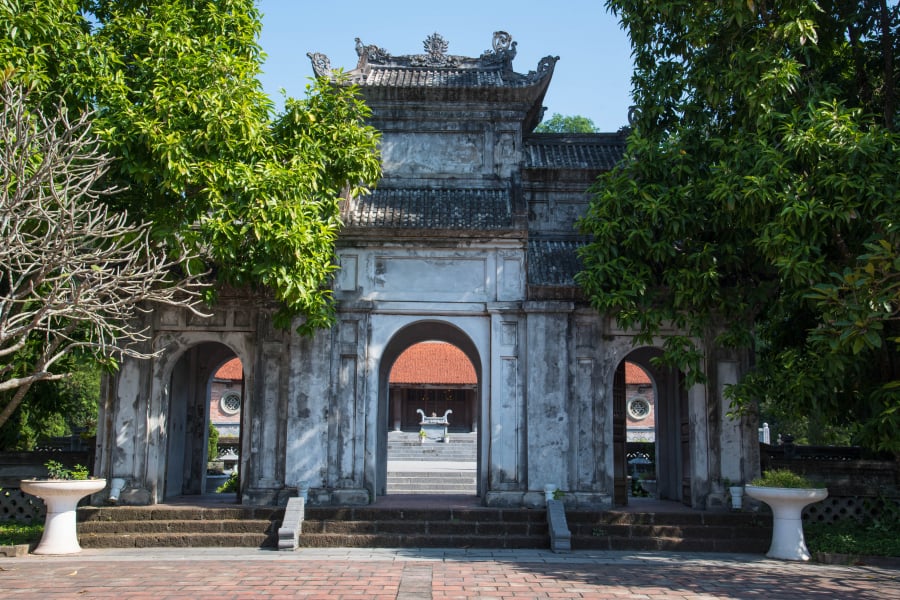
The citadel covers an area of 16 hectares, surrounded by a moat. The city walls are constructed in the Vauban architectural style (with protruding sections for placing fortifications) and have four gates facing north, south, west, and east, named: the Rear Gate, Front Gate, Right Gate, and Left Gate; these gates remain intact. Throughout the ups and downs of history, the citadel has suffered significant destruction, but its original form and traces of ancient structures remain. Previously, all four gates had brick bridges crossing the moat, but now only the two main gates, the Front Gate and the Rear Gate, have bridges leading to the citadel.
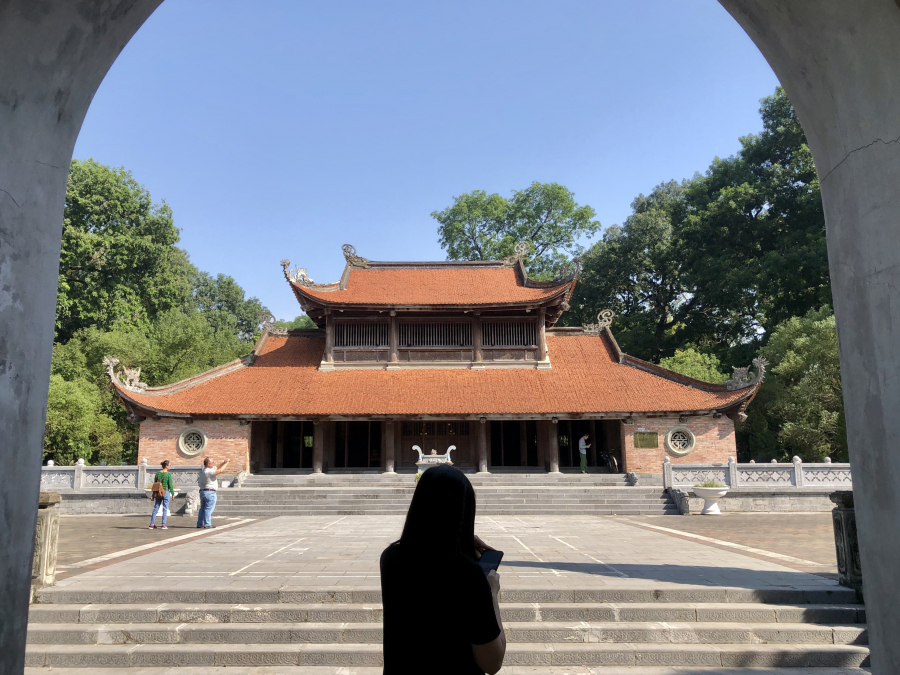
Kính Thiên Palace
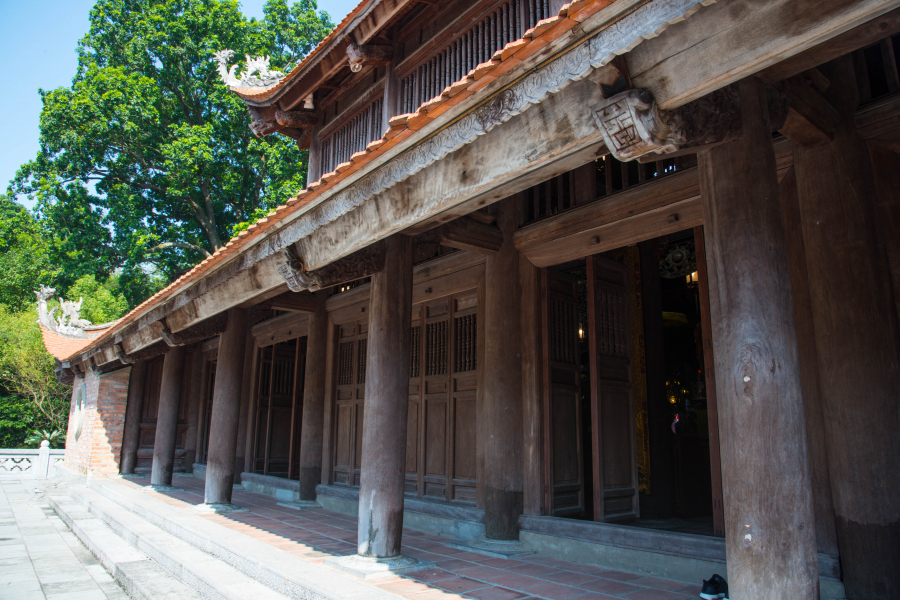
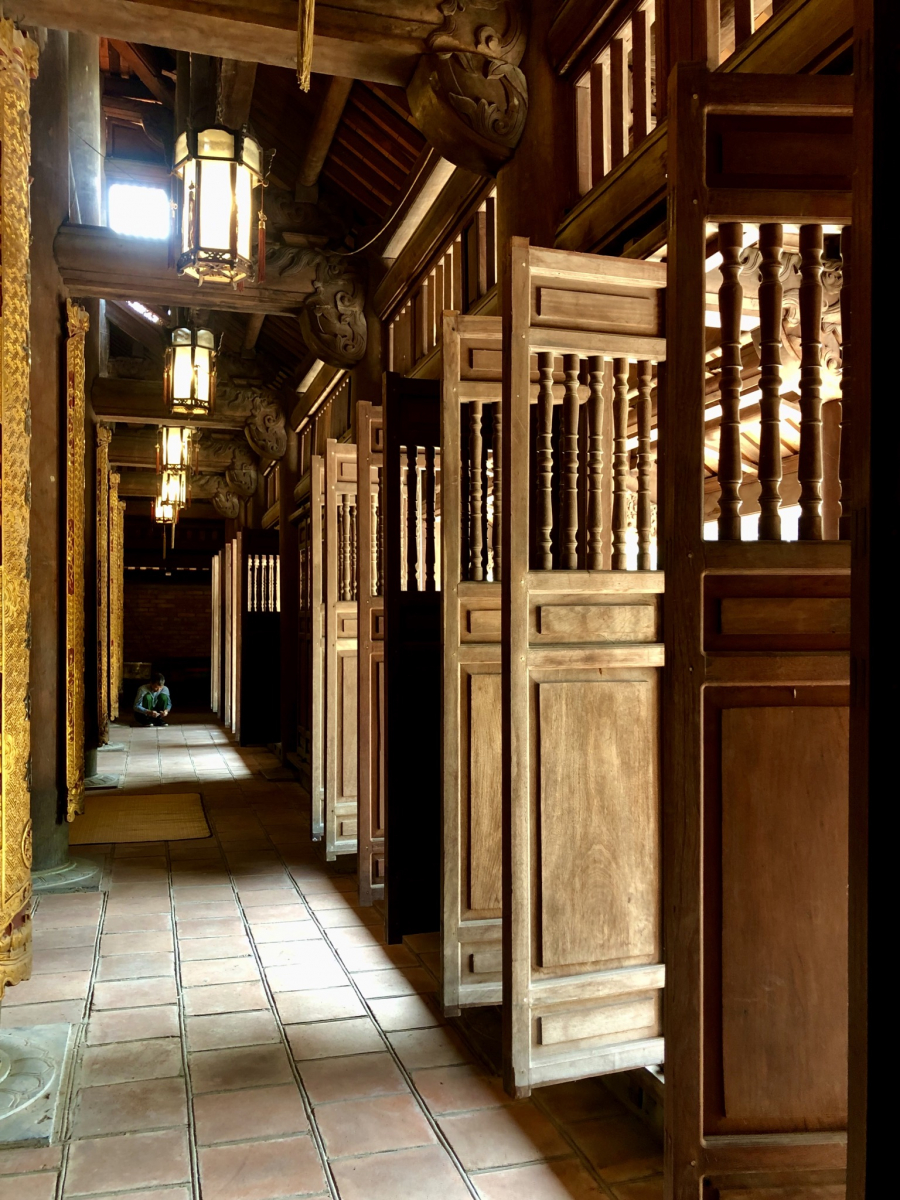
In 1994, Son Tay Ancient Citadel was classified by the State as a national historical and cultural relic. Based on ancient documents, many projects to restore and rebuild the citadel's structures have been implemented on their original foundations, such as the Kinh Thien Palace, the watchtower (flagpole), and the laterite stone city walls.
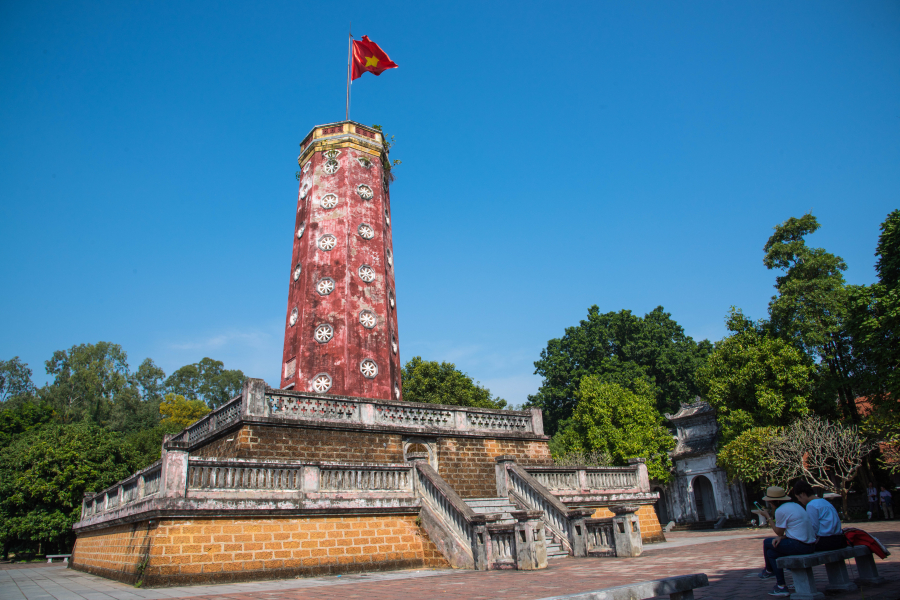
The flagpole has been restored at Son Tay Citadel.
In particular, besides its cultural and historical value, the ancient citadel also boasts a system of mature trees and rich vegetation, considered the green lung of Son Tay town and a wonderful recreational space for locals and tourists.
Duong Lam Ancient Village
For the people of Son Tay, Duong Lam ancient village is a source of pride and spiritual strength; and for tourists, it is the most beautiful ancient village in Vietnam – considered a museum of ancient rural life.

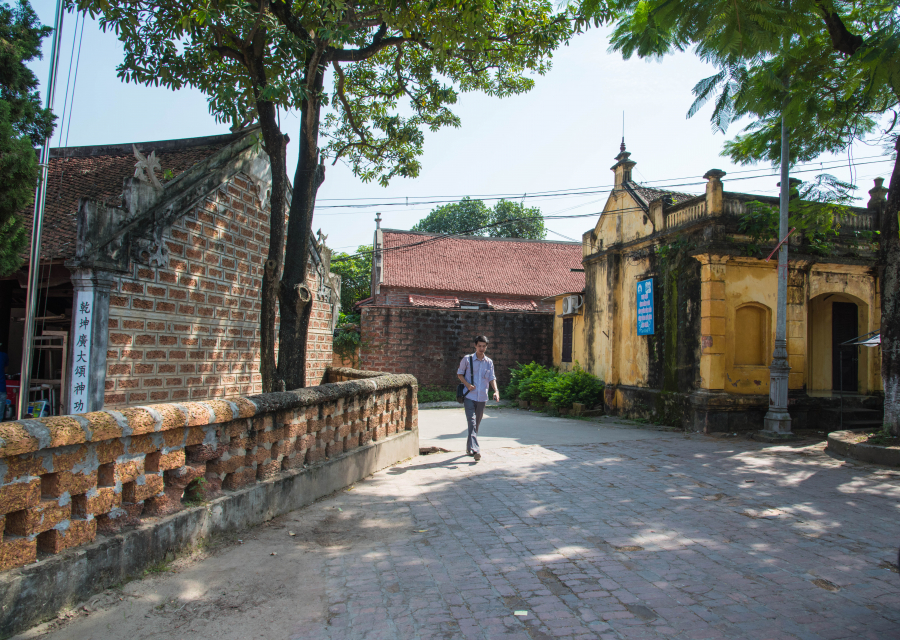
Known as an ancient village, Đường Lâm actually consisted of nine villages belonging to the Cam Giá Thịnh commune (Phúc Thọ district, Sơn Tây province), with five of them – Mông Phụ, Đông Sàng, Cam Thịnh, Đoài Giáp, and Cam Lâm – being adjacent to each other. These villages were interconnected, forming a unified entity with customs, traditions, and beliefs that have remained unchanged for thousands of years.
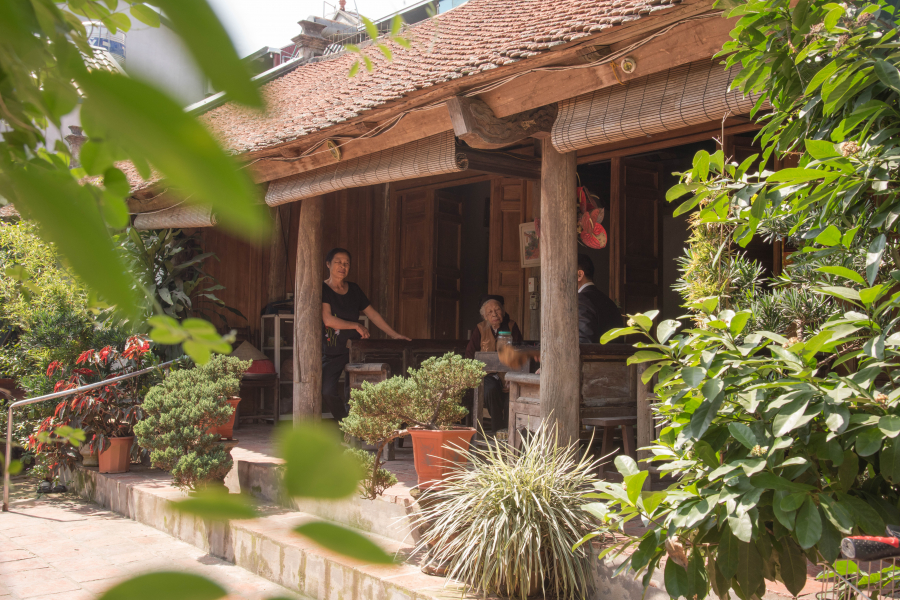
Dating back nearly three centuries, Duong Lam embodies the quintessential characteristics of a purely agricultural Northern Vietnamese village, featuring village gates, banyan trees, riverside landings, communal courtyards, temples, shrines, guard posts, wells, rice paddies, and hills. The road system of Duong Lam is structured like a fishbone, consisting of a main road with numerous smaller alleys connecting to each other. With this structure, those walking from the communal house will never turn their backs on the sacred gate – the most revered religious site in each village.
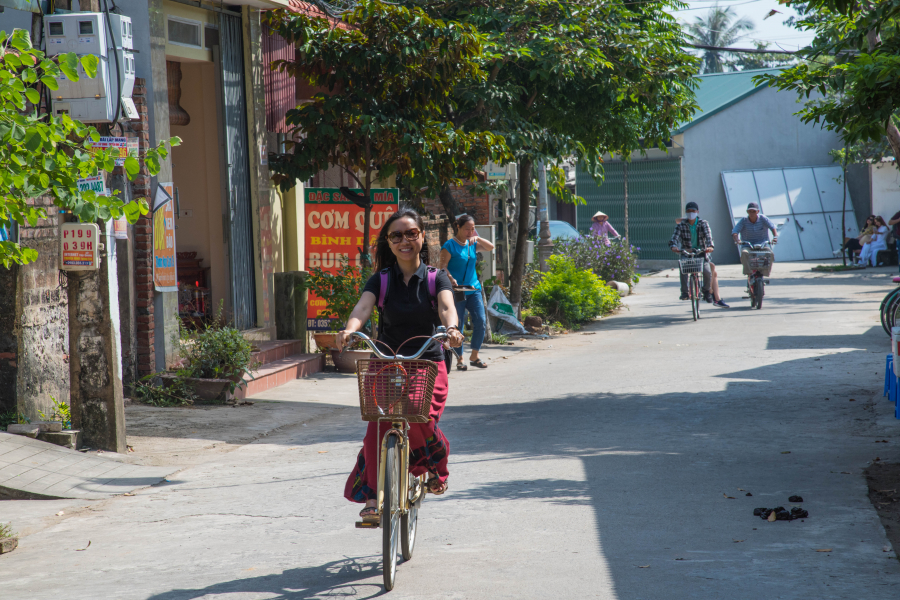
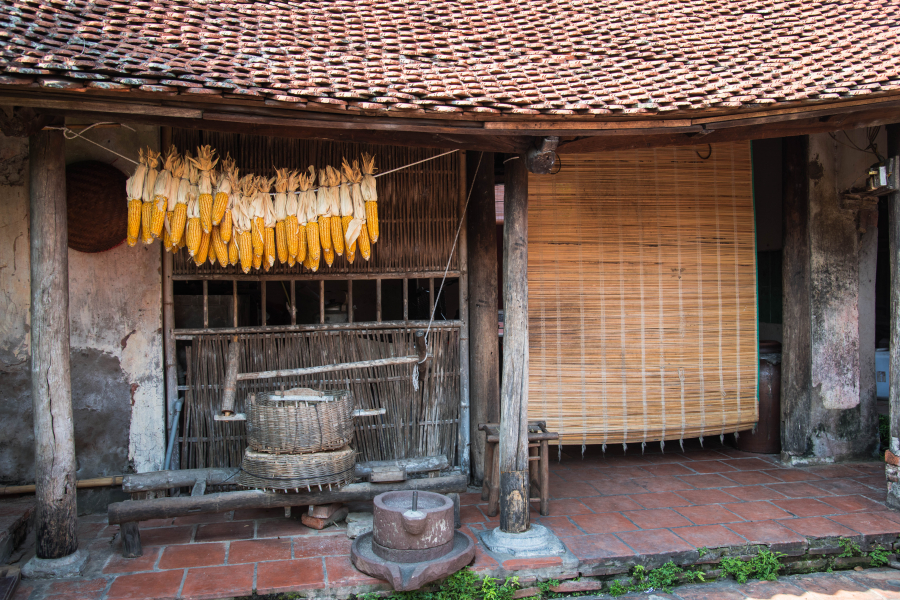
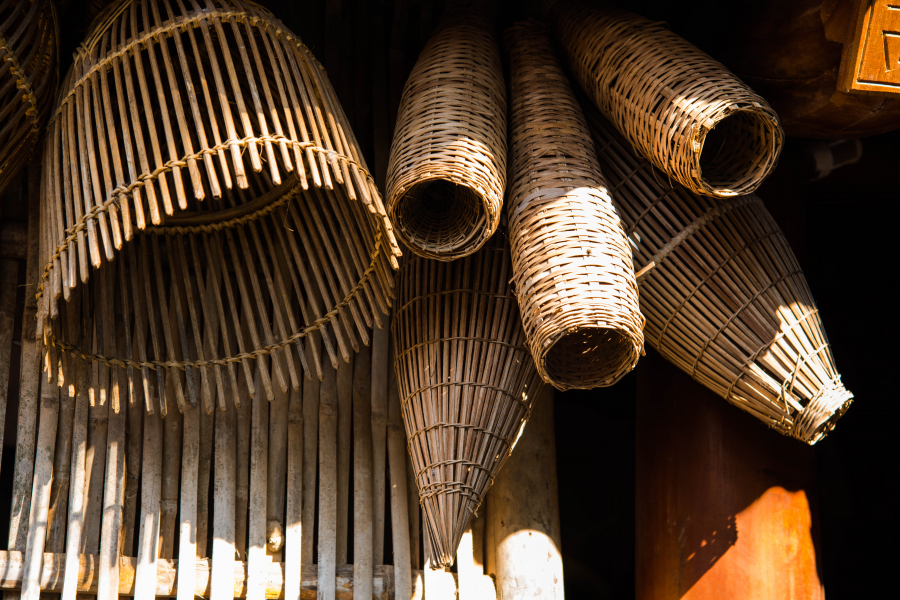
But to contribute to the soul of Duong Lam, one must mention laterite stone – a material with a rough, uneven surface like a honeycomb, used as bricks for building house walls, gates, village gates, village wells, etc. Laterite stone is a natural material extracted by the people from the earth of the Doai region. It not only provides coolness to houses in summer and warmth in winter, but is also less prone to moss growth, durable, and gives Duong Lam its unique appearance.
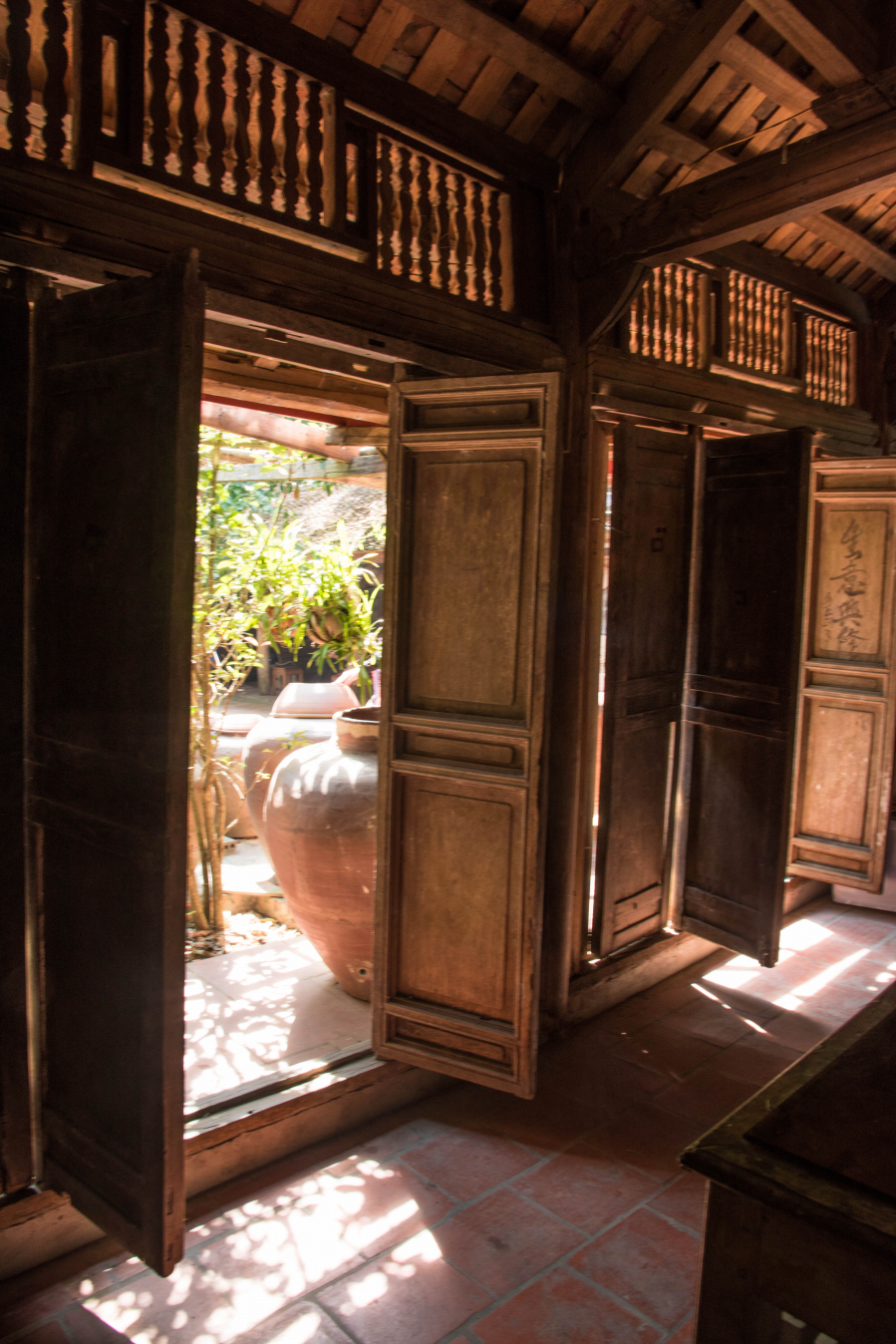
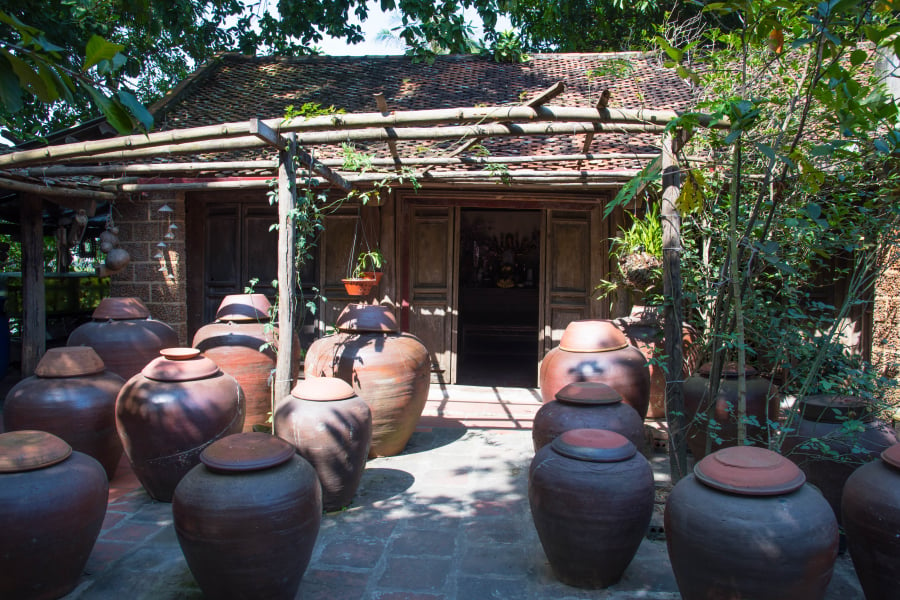
To date, Duong Lam still has about 300 ancient laterite stone houses that are relatively well-preserved, scattered across the villages of Dong Sang, Mong Phu, and Cam Thinh, making them a popular tourist attraction. Many owners of these houses still practice traditional crafts passed down through generations, such as making peanut candy, sesame candy, sticky rice cake, and fermented soy sauce. Therefore, when visiting these ancient houses, tourists can directly experience the making process, taste these local products, and purchase them as souvenirs.
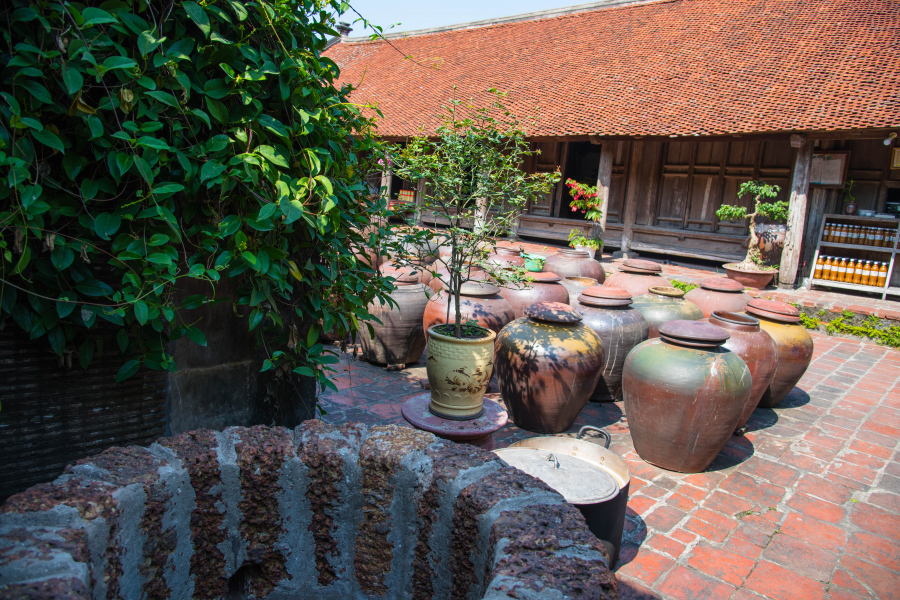
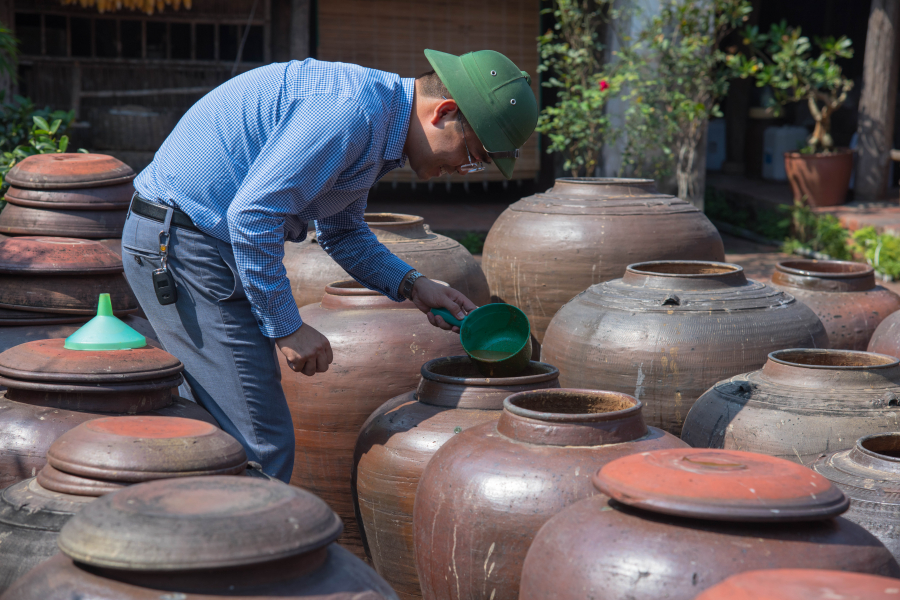
In particular, with the development of tourism, some old houses have opened homestay services to give tourists the opportunity to experience life in the ancient village. Not only can visitors spend the night in an old house, but if they wish, they can also wake up early to go to the market, cook their own meals, and immerse themselves in the simple daily activities of the locals.
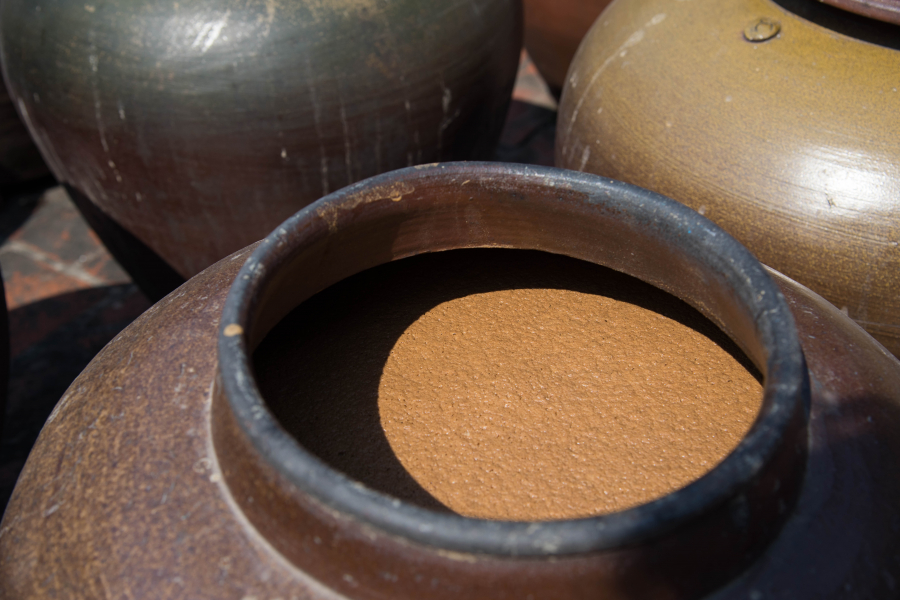
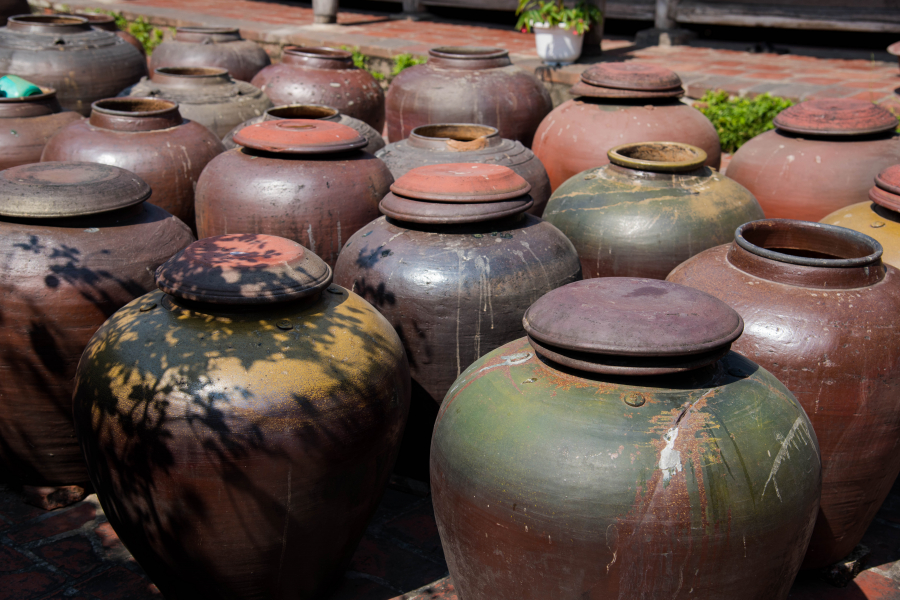
Besides ancient houses, Duong Lam also has many relics of special cultural, historical, and architectural significance, such as Mong Phu communal house, Mia pagoda, Son Tay Confucian temple, the temple of Lady Mia, Ngo Quyen mausoleum, Doai Giap communal house (dedicated to Phung Hung)... When tired from sightseeing, visitors can rest at a small roadside shop, drink a bowl of vối tea or green tea, and nibble on some local candy while listening to the vendor chat about this land of outstanding people and rich history – the only place where one village had two kings (Phung Hung and Ngo Quyen) and also the birthplace of many famous figures such as Lady Man Thien (mother of the Trung Sisters), Lady Mia (consort of Lord Trinh Trang), the scholar Giang Van Minh, Phan Ke Toai…
Dong Mo
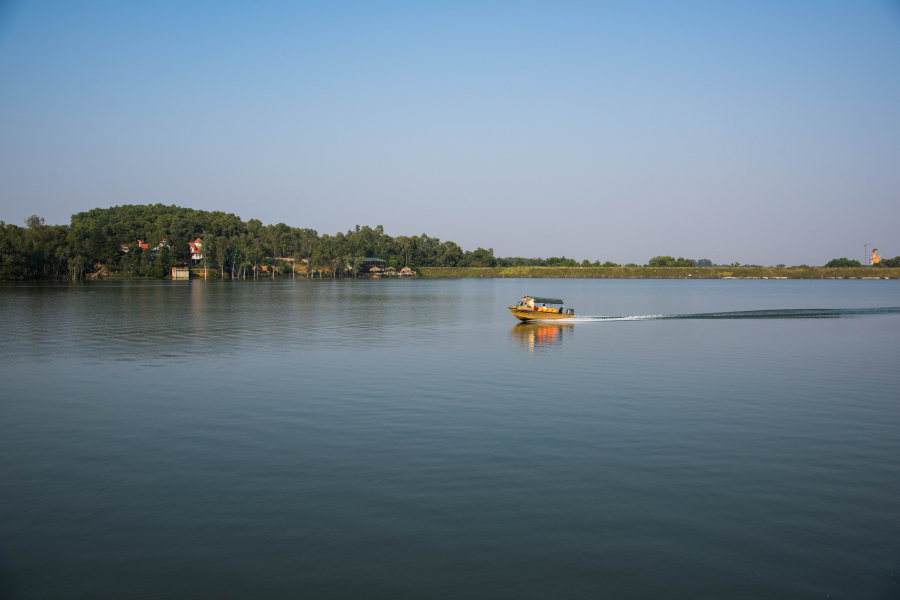
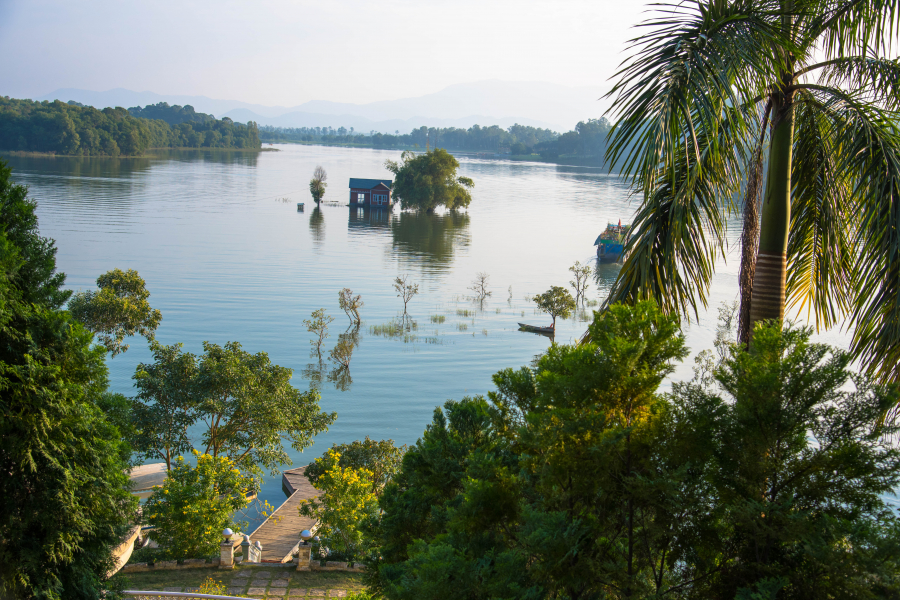
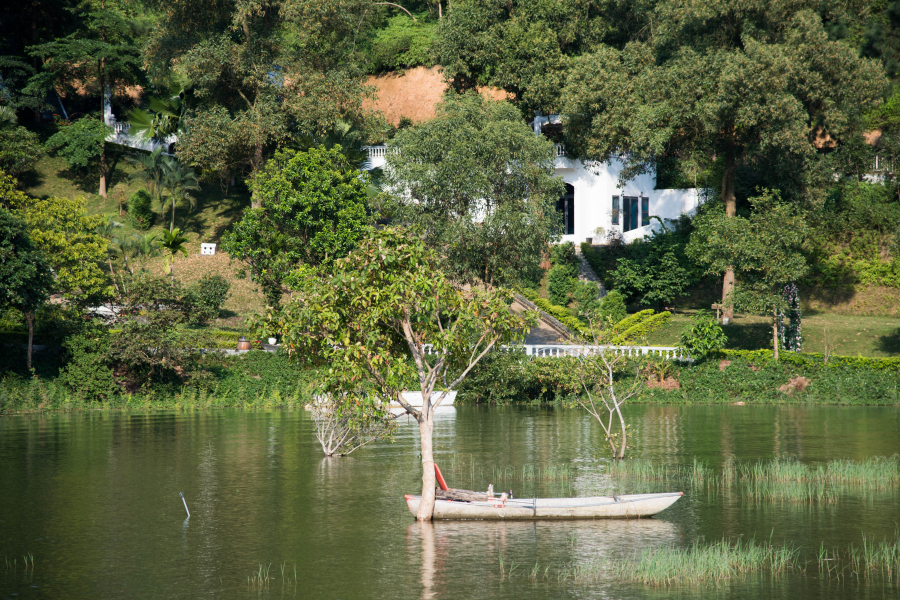
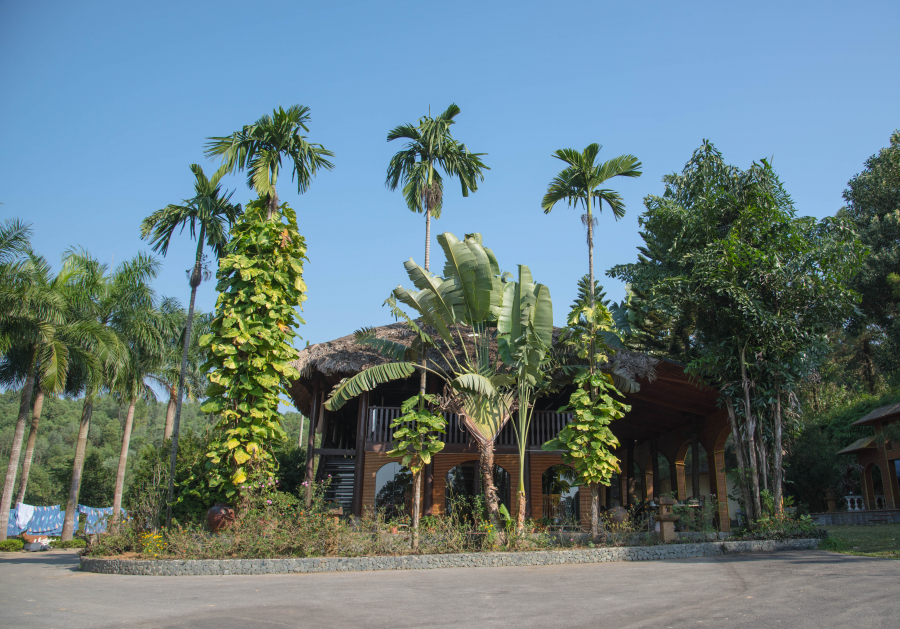
Dong Mo Tourist Area, located within the Vietnam Ethnic Culture Village complex, boasts a spacious environment and a large reservoir covering approximately 500 hectares, situated at the foot of Ba Vi Mountain. The air here is always fresh and much more peaceful than the noisy and bustling Hanoi. In particular, the resorts built on islands and peninsulas on the lake, with their expansive lawns and tall, lush trees, create a beautiful and unique landscape, making it an ideal choice for picnics, camping, or weekend getaways. Don't miss the experience of cruising the lake by motorboat, as this is a delightful journey that allows you to fully appreciate the beauty of Dong Mo Lake.
Recently, the Phan family villa – used as a filming location for the TV series "The Judge" – also opened its doors to tourists. This classically styled villa with luxurious interiors is not only a stunning place for photos but also offers many attractive services, giving visitors the opportunity to experience the life of a member of the Phan family.
Khai Nguyen Pagoda
The ancient land of Xứ Đoài was once home to many famous temples and pagodas renowned for their architectural beauty, culture, and sacredness, some of which still exist today, such as Mía Pagoda, Và Temple, Trăm Gian Pagoda, Tây Phương Pagoda, Thầy Pagoda, and Trầm Pagoda. However, there are also ancient temples that have gradually disappeared over history.
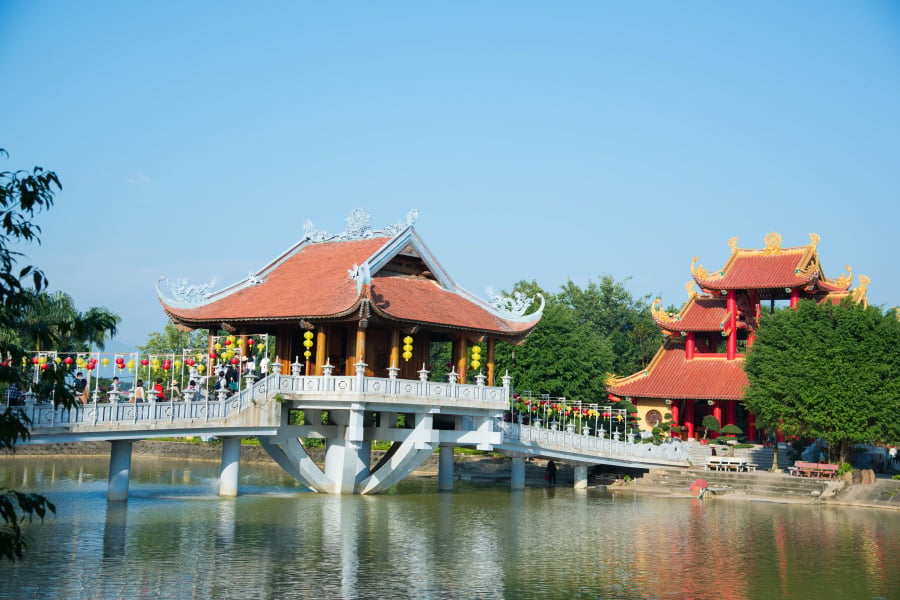
Co Lieu Pagoda (often called Cheo Pagoda) dates back to the first half of the 16th century and is located in Khoang Sau village, Son Dong commune, Son Tay town today. Legend says it was a place where countless Buddhists from all over the country entrusted their wishes, with incense burning continuously throughout the year. However, all that remains of Co Lieu Pagoda today is a large bronze bell.
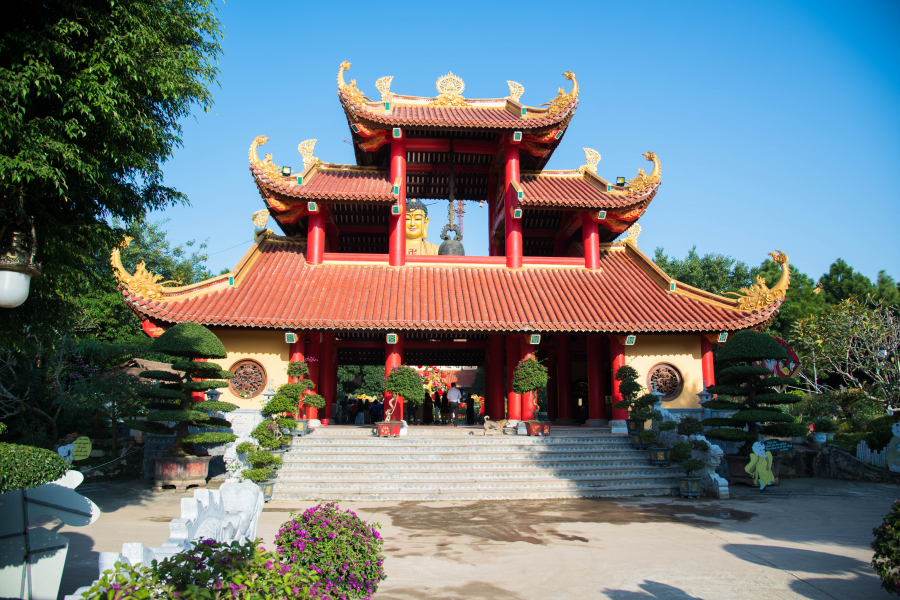
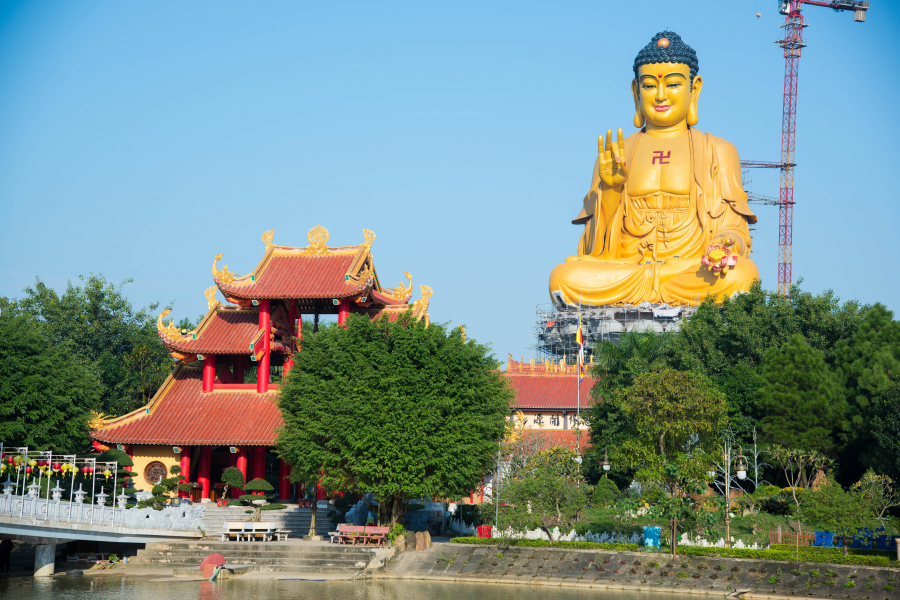
Since 2006, Buddhist followers from all over have come together to renovate a new temple complex on the old site of Co Lieu Temple, naming it Khai Nguyen Temple. The new temple has an architectural style of "inner courtyard, outer enclosure"; it includes left and right wings, a front Buddha hall, a rear ancestral hall, a rear monastic quarters… and an inner courtyard. The highlight of Khai Nguyen Temple is the largest Amitabha Buddha statue in Southeast Asia, standing 75 meters tall, located within the temple grounds, and the largest Shakyamuni Buddha statue made of jackfruit wood in Southeast Asia currently, standing 7.88 meters tall.
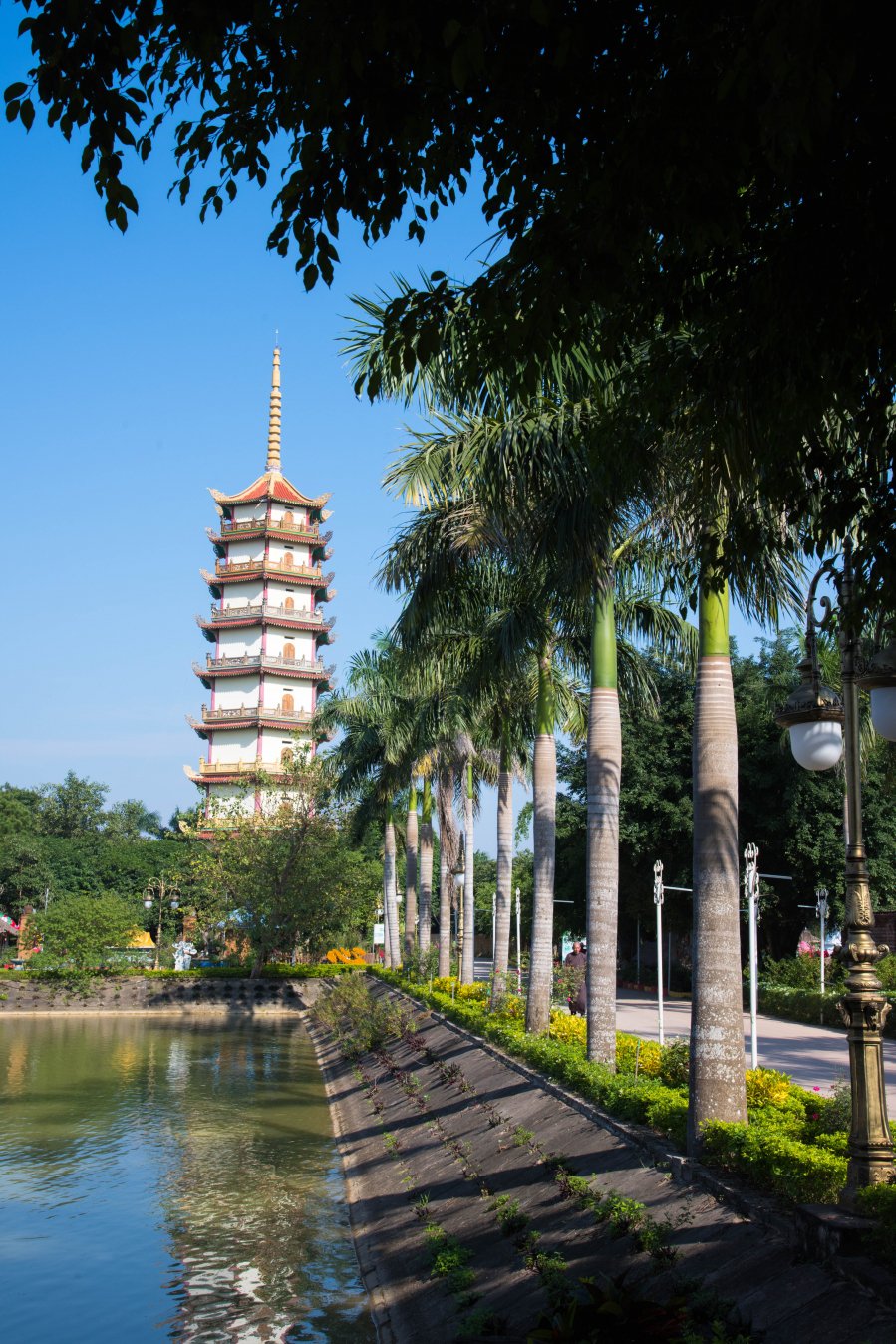
Although the restoration process is not yet complete, Khai Nguyen Pagoda remains open to visitors from all over and is currently a spiritual destination attracting a large number of pilgrims.
Additional information:
Getting there: Son Tay is about 50 km from the center of Hanoi, a 1-hour drive. From Hanoi, you can reach Son Tay via the Lang – Hoa Lac Expressway or National Highway 32.
Transportation: Self-driving car or motorbike. You can also choose to take bus number 20B, 70, 71, or 77.
Cuisine: Sugarcane-fed chicken, roasted pork, rice cakes, sticky rice cakes, sesame candy, and soy sauce are must-try specialties when visiting Son Tay.
Tour: You can book a one-day tour to explore Duong Lam from Hanoi for approximately 800,000 - 900,000 VND per person.