VI
VI


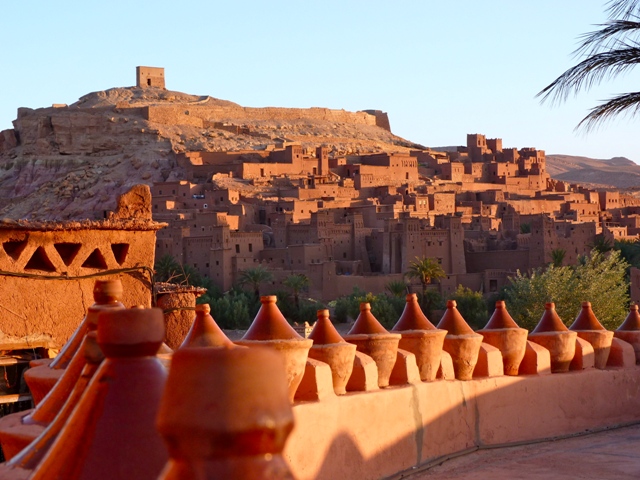
This village, located in southeastern Morocco, was recognized as a UNESCO World Heritage site in 1987, the same year the film The Living Daylights was filmed there. Ait Benhaddou has also served as a filming location for many famous movies such as Lawrence of Arabia, Star Wars, Gladiator, and more.
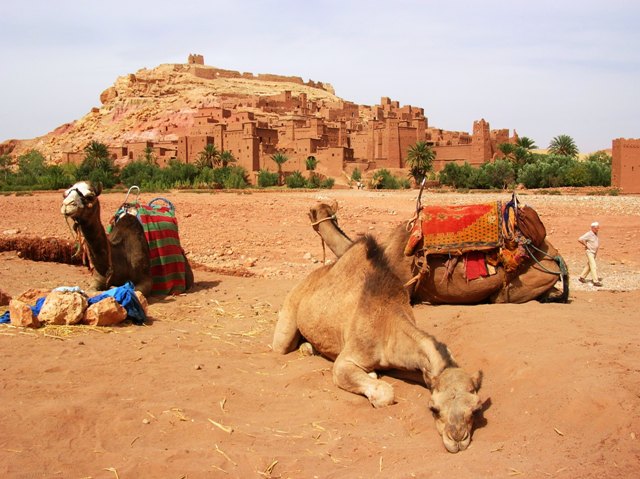
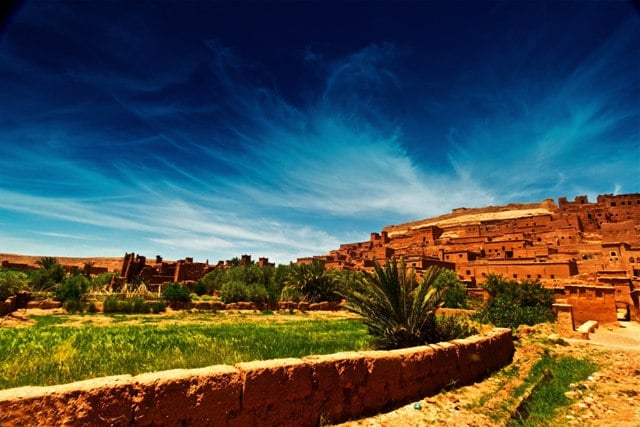
Located about 30km from Ouarzazate and nestled at the foot of the High Atlas Mountains, Ait Benhaddou is one of Morocco's top tourist destinations. The village is memorable to international visitors for its distinctive architecture known as Ksar – a group of earthen buildings surrounded by high walls. These were traditionally the dwellings of the indigenous people in the Sahara Desert. The most typical are the Kasbah houses, built of earth and standing 3-4 stories high. Inside these high mud walls are six Ksar areas, each housing approximately eight families.
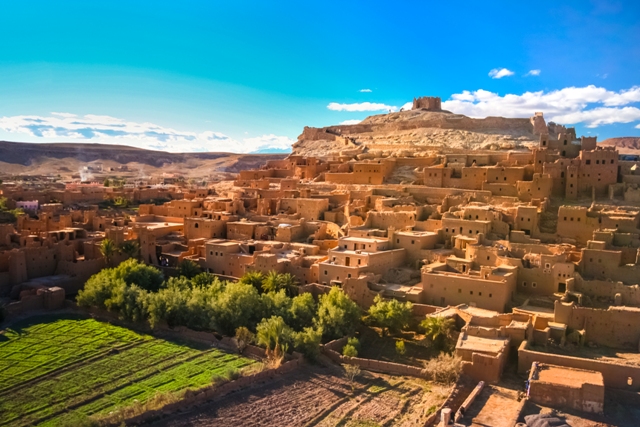
The houses themselves aren't overly ornate, but the upper floors are decorated with dense and detailed patterns. Particularly noteworthy are the tower-like structures at the top of the walls, built entirely of brick and mud in the traditional style. These towers are more elaborately constructed when the homeowners are wealthier. Many of these towers resemble crowns. However, because they are all made of mud, over time and due to weathering, many of the houses here have become dilapidated and look like ruins.
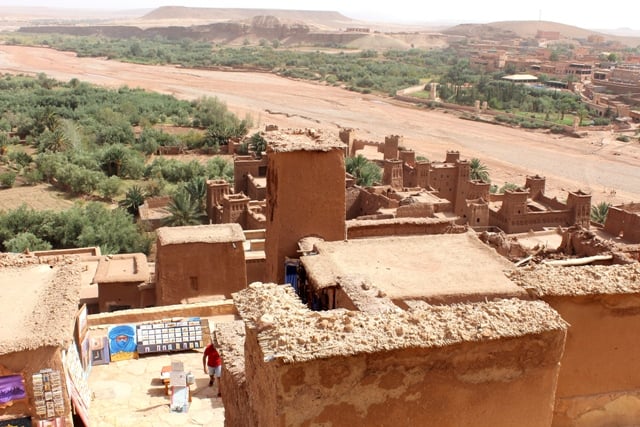
The higher you climb, the more beautiful and picturesque the village becomes. The kabahs, viewed from above under the brilliant golden sunlight, are even more captivating. For many visitors, the most beautiful time in Ait Bebhaddou is in the late afternoon and at sunset. Perhaps I would readily trade many other pleasures to stand on the summit of Ait Bebhaddou and gaze out at this breathtaking moment of the day.

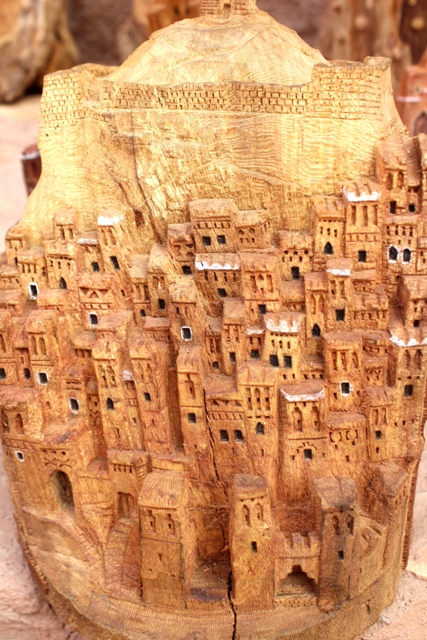
Mohamed is a pyrography artist who has lived here for 30 years. With simple, rudimentary tools and skillful hands, he creates stunning paintings depicting Moroccan culture and landscapes. He shares that the challenge lies in capturing the "soul" of the pyrography. This requires meticulousness, perseverance, and passion from the artist. Using only two main colors—the white of the paper and the yellowish-brown of the burned ink—Mohammad creates subtle variations in light and shadow, giving the paintings depth and a unique impression.
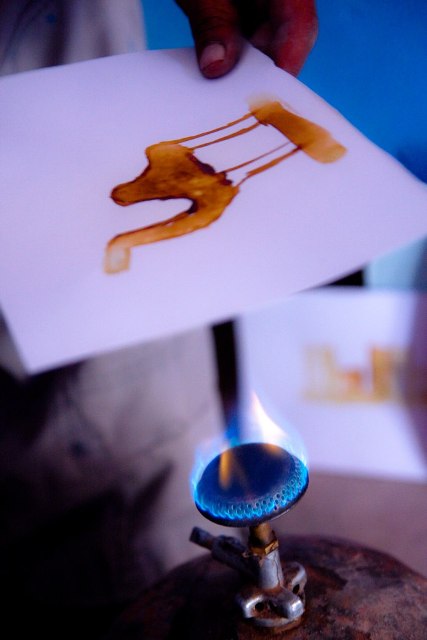
The simplicity of pyrography seems perfectly suited to depicting poetic and romantic ancient scenes, allowing visitors to better appreciate and understand the famous landmarks of Morocco in the past. He told me that pyrography requires meticulous precision because mistakes cannot be erased. Therefore, the artist must first have a love for each stroke, followed by diligence and perseverance.
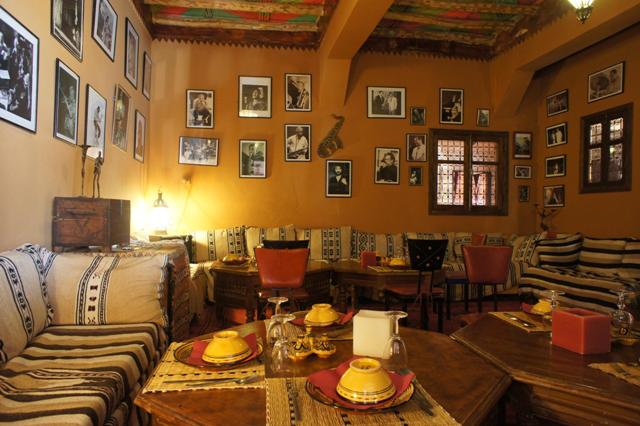
I concluded my delightful experience in Ait Benhaddou with a steaming cup of hot tea in a silver mug at a local tea house. Moroccans typically offer guests three types of tea, each with its own flavor and meaning. The sunset here seemed to want to keep me here a little longer. Tea houses and kasbahs are everywhere in Morocco, but it is in Ait Benhaddou that one dreams of returning to, due to the unique charm emanating from its ancient atmosphere unlike anywhere else.
Additional information:
+ Visa:You can apply for a Moroccan visa at the Moroccan Embassy located at 9 Chu Van An Street, Ba Dinh District, Hanoi. The embassy will issue a single-entry visa valid for the duration of your stay in Morocco.
+ Journey:From Vietnam, you can travel to Morocco by flying with Turkish Airlines, Qatar Airways, or Emirates Airways, with prices ranging from 800 to 1,300 USD for a round trip. Flights typically transit in Istanbul, Doha, or Abu Dhabi before landing in Casablanca, Morocco's largest city. From there, you can choose to travel by bus or train to Ait Benhaddou. We drove ourselves from Casablanca to Ait Benhaddou, which took 7 hours. Taking the bus would take approximately 9 hours.
+ Religion:As a Muslim country, tourists should be aware of a few things when traveling to Morocco. You should not use your left hand for anything in public, as this can be considered offensive by locals who believe the left hand is unclean. Moroccans do not like being photographed, especially women and the elderly, so you should ask permission before taking their pictures.
Most mosques in Morocco do not allow non-Muslim tourists to visit, with the exception of the Hassan II Mosque located in Casablanca.
+ Sightseeing:Places to visit in Ait Benhaddou:
- The Arab Flea Market
- Kashba Taourit Temple Complex
- Hollywood film studio
- Drâa Valley: a land of lush green palm and date palm fields. This region has won the "Golden Palm Branch" award for agriculture with products made from dates, and especially the famous Boufaggous.
- Boualouz Oasis: a vast plain, also known as the "Arrow of Sarhro," because the oasis was formed by giant volcanoes, nestled amidst towering mountain ranges.
Text & photos: Thu Giang