VI
VI


When movies "lead the way"
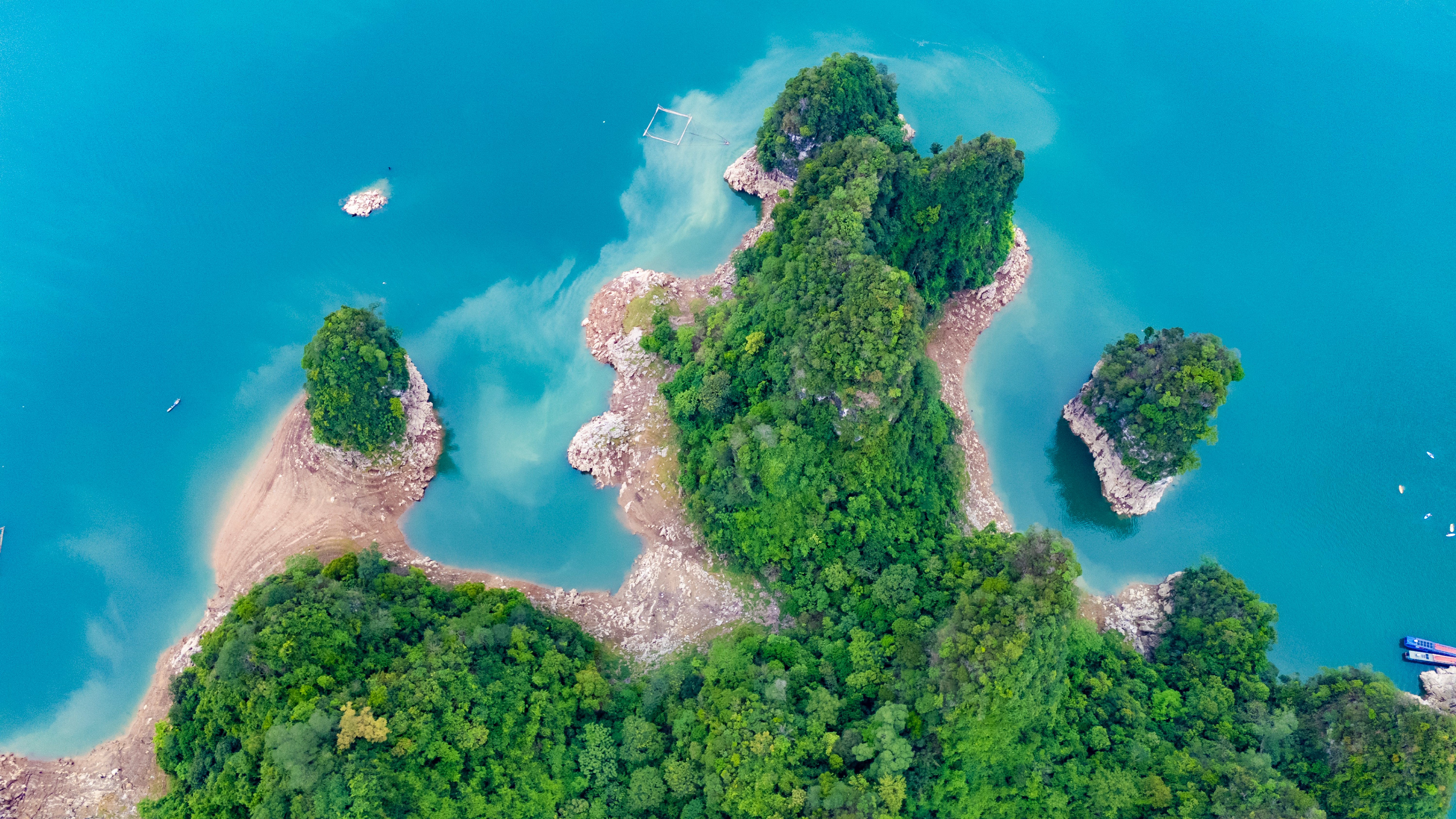
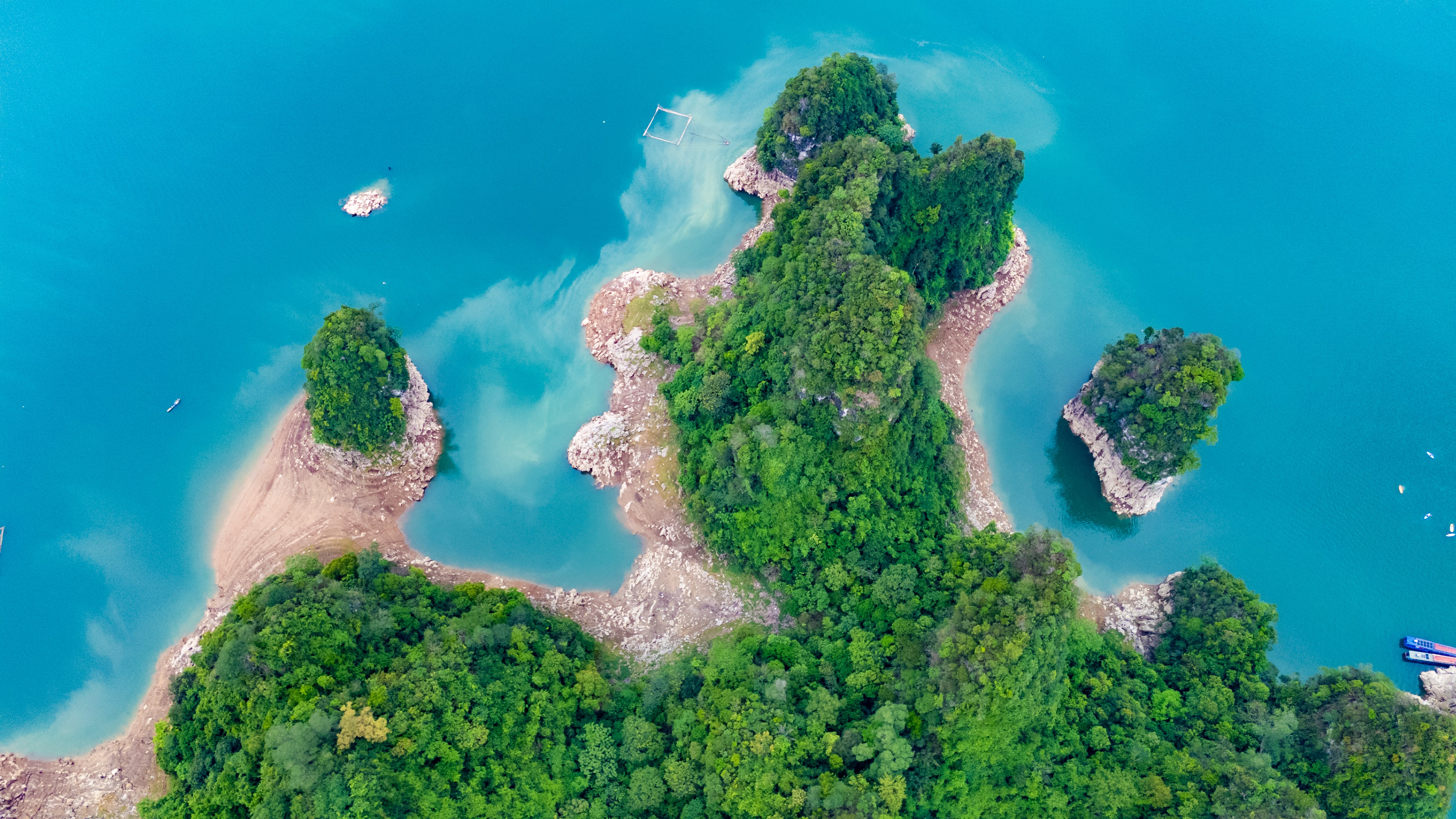
Following the lead of the film "Detective Kien: The Headless Case," Vu Ngoc Thien (a tourist from Hanoi) set out to explore the Lam Binh region of Tuyen Quang province. "Upon arriving in Na Hang, I was overwhelmed by the peaceful and majestic natural scenery. Amidst the emerald green lake, towering mountain ranges appeared like a watercolor painting, with endless peaks and vast primeval forests. Not only Na Hang, but also other destinations featured in the film, such as Ban Cai Lake and Khuoi Nhi Waterfall, were very impressive. I don't understand why such beautiful places are not more well-known," Thien shared.

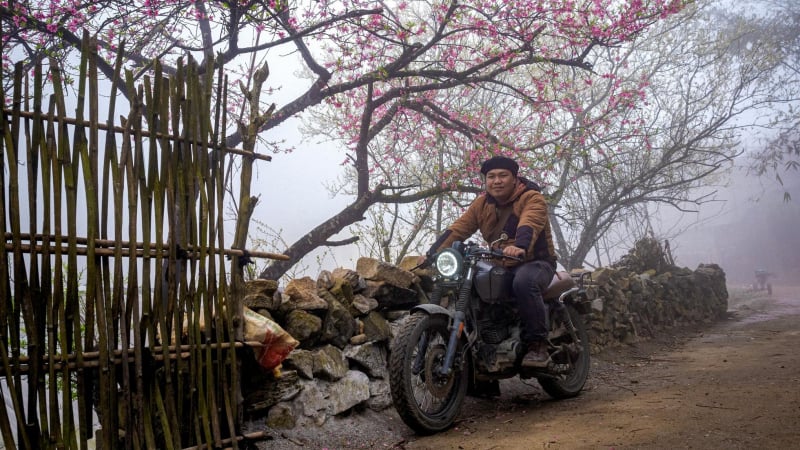
As a photography enthusiast and film student, Vu Ngoc Thien often goes to the cinema for inspiration and further learning. Sometimes, cinema itself has "led" him to new destinations on Vietnam's tourism map, from Phu Yen to Tuyen Quang. Although the film's scenery is beautiful, Thien believes that the images in "Detective Kien" still don't fully capture the beauty and spirit of Lam Binh tourism, only offering a general overview of the destination. He believes that the actual scenery will surprise tourists even more than the film.
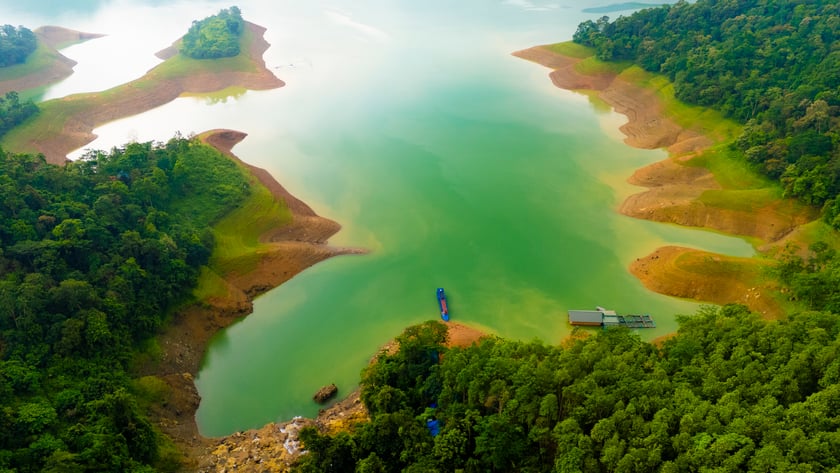
“I traveled from the peaceful Ban Cai Lake, often overlooked by tourists, to the majestic Nam Me Waterfall, one of the most magnificent waterfalls in the Northwest region, and then explored Na Hang Lake with its many fascinating experiences. I will definitely return to Lam Binh in July to capture more beautiful photos,” said Vu Ngoc Thien. He's not alone; after "Detective Kien" was released, many viewers who discovered Lam Binh for the first time also came here to experience it.
According to the Department of Culture, Sports and Tourism of Tuyen Quang province, the number of visitors to Lam Binh and Na Hang has increased by 5-10% compared to the same period last year, especially on weekends and holidays. Locations featured in the film, such as Khuoi Nhi waterfall and Ban Cai lake, have become popular check-in spots, attracting visitors not only from within the province but also from Ho Chi Minh City, Hanoi, and even international tourists.
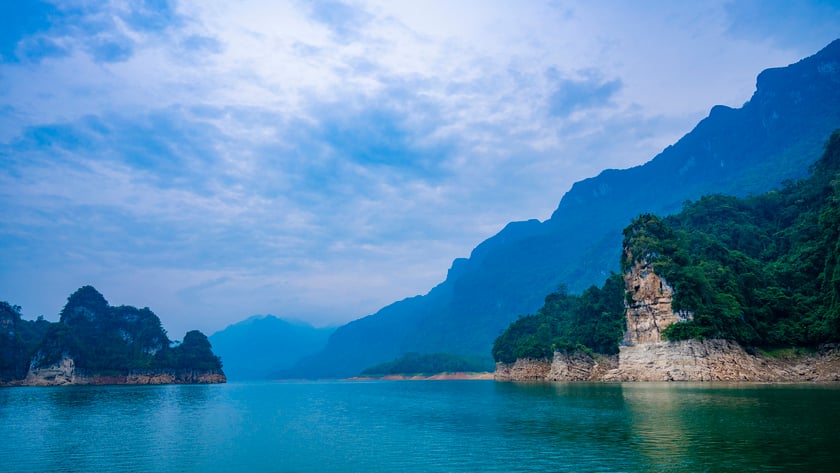
After "Detective Kien" was released in theaters, many viewers who were new to Lam Binh also came here to experience it.
"This is a very positive sign, showing that cinema can play a major role in stimulating tourism and promoting the local image in a relatable and effective way," commented Ms. Ma Thi Thao, Deputy Director of the Department.
A survey by Booking.com published in August 2024 also indicated that popular culture – especially movies and television shows – is strongly influencing how Gen Z chooses travel destinations. Specifically, 67% of Gen Z are attracted to destinations they've seen on screen, and 60% want to experience the culture and cuisine depicted in movies and television shows.

The film "Detective Kien" has contributed to promoting the image of majestic Vietnam to many tourists.
The tourism boost from cinema.
According to Dr. Duong Duc Minh, Deputy Director of the Institute for Economic and Tourism Development Research, over the past two decades, cinema has become an effective tool for promoting tourism on a global scale as experiential and emotional tourism trends have risen to prominence.
"In Vietnam, awareness of the relationship between cinema and tourism is becoming clearer, but the process of leveraging it is still in its infancy, lacking a systematic and synchronized strategy like that of pioneering countries," Mr. Minh said.
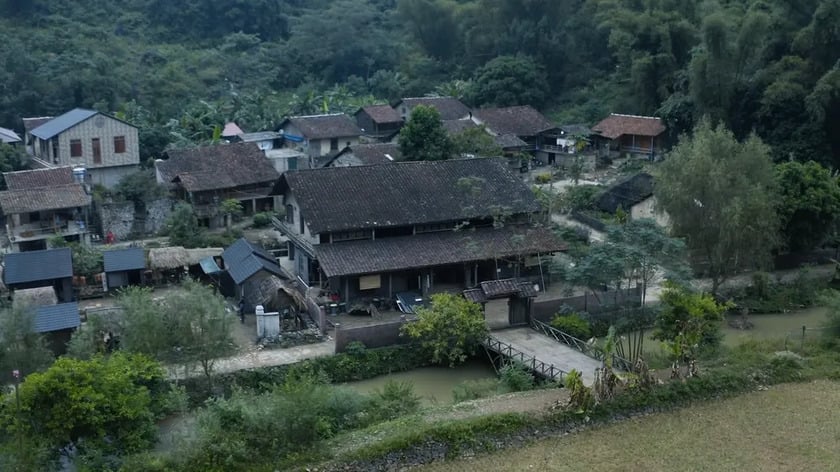
Cinema has become an effective tool for promoting tourism globally over the past two decades.
A prime example is the Hollywood film “Kong: Skull Island” (2017). When scenes filmed in Quang Binh, Ninh Binh, and Ha Long were broadcast, the pristine and majestic natural landscapes of Vietnam were showcased to millions of global viewers, leading to a surge in searches for these locations. “Tours following in Kong’s footsteps” quickly emerged, paving the way for location-based tourism. “Although the post-film promotional campaign hasn’t fully exploited its potential, this is still a turning point in bringing the image of Vietnam to the world through the language of international cinema,” Dr. Minh commented.

Not only foreign film studios, but also domestic directors are contributing to spreading the image of tourist destinations through cinema. For example, director Victor Vũ's film "Mắt Biếc" (Blue Eyes) not only made a splash with its content, but also captivated many with its filming locations in Hue, such as Vọng Cảnh Hill, Thiên An Hill, and Hà Cảng Village. These landmarks quickly became favorite "check-in spots" for young people. Similarly, the film "Tôi thấy hoa vàng trên cỏ xanh" (I See Yellow Flowers on Green Grass) created a tourism craze in Phú Yên with its Ghenh Da Dia (Disk Rock Cliff), Bai Xep Beach, and O Loan Lagoon…
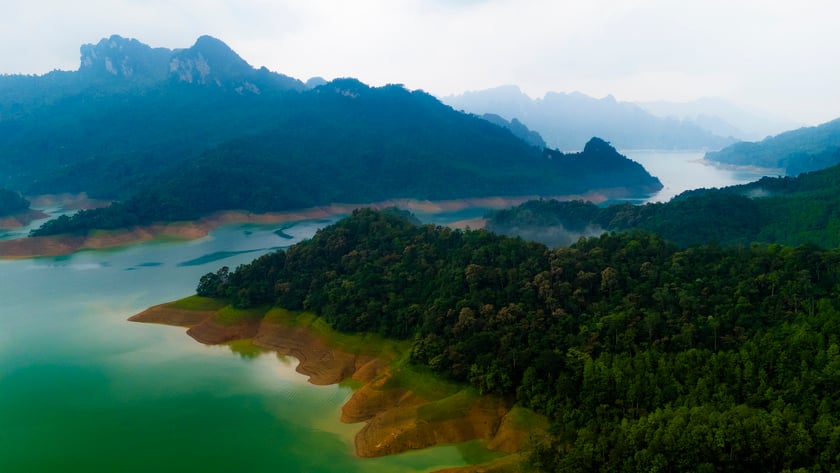
The film's settings have become interesting photo spots that attract viewers.

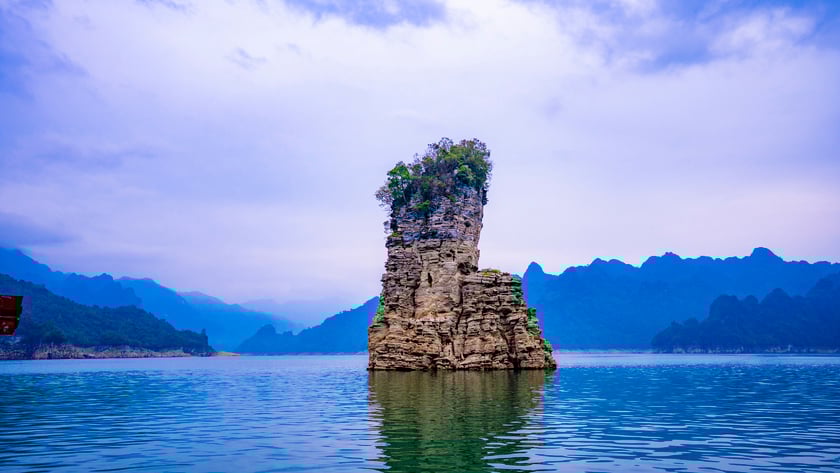
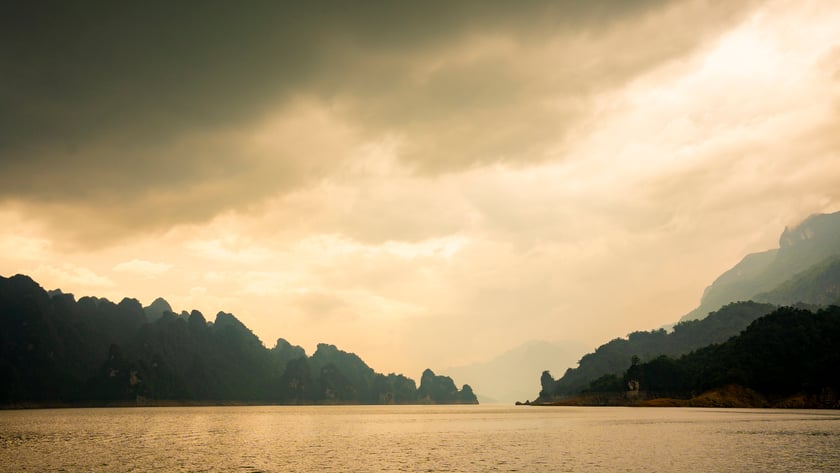
However, according to Dr. Minh, most of the examples mentioned above are spontaneous and lack coordination between the tourism and film industries. “Almost all post-film promotional campaigns lack the involvement of the government or the Vietnam National Administration of Tourism. Film-related tours are mainly privately organized, lacking professional and long-term direction, making them prone to rapid growth followed by quick decline. To go further, Vietnam needs a systematic strategy, close linkages between industries, and long-term policies to encourage creativity,” Dr. Duong Duc Minh stated.
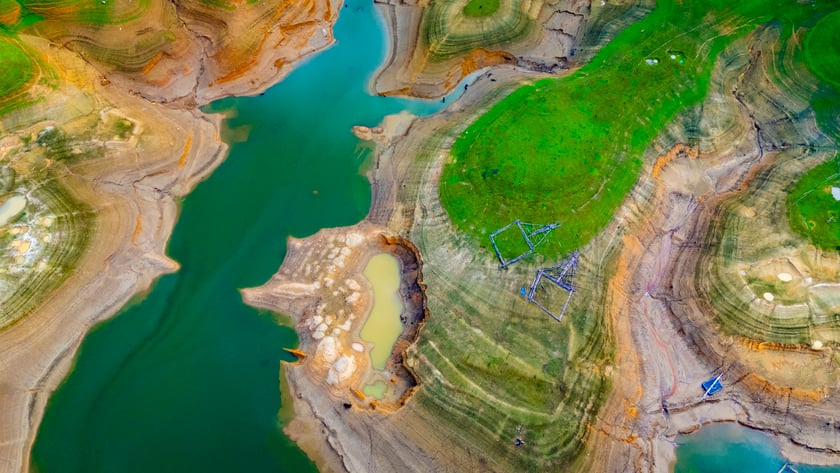
A long-term strategy and coordinated efforts are needed to ensure close collaboration between the tourism and film industries.
Tourism in Tuyen Quang: Guidance from a movie.
Ms. Ma Thi Thao assessed that "Detective Kien" is a great opportunity for Tuyen Quang to promote its local image in a vivid, natural, and effective way to a wide audience, especially young people.
“Through realistic and beautiful shots of Khuoi Nhi Waterfall and Ban Cai Lake (Lam Binh), viewers can clearly see the pristine and poetic beauty of Tuyen Quang's nature. The images captured through cinematic language will create a strong impression, encouraging tourists to explore the reality. The film also helps to spark curiosity and encourage exploration of Tuyen Quang's culture and people by incorporating characteristic elements of the highlands, community life, and local customs, thereby contributing to the dissemination of cultural values and helping Tuyen Quang tourism build its own unique identity,” Ms. Thao said.
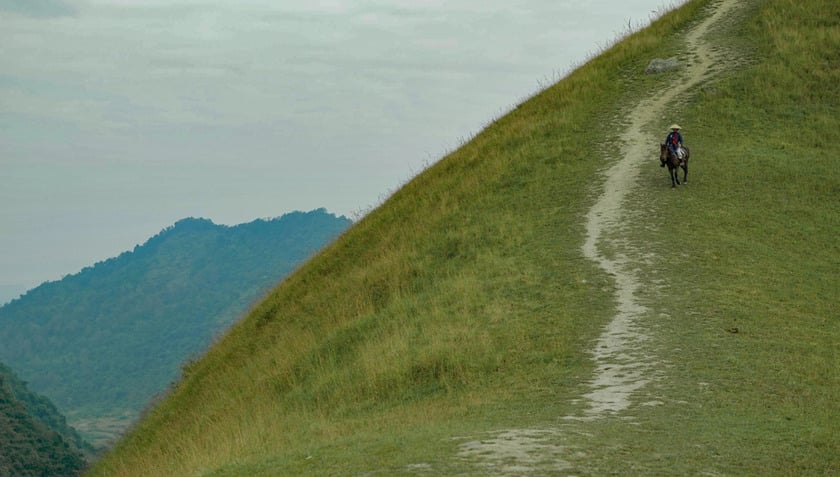
Through the scenes in the film, Tuyen Quang is depicted as majestic.
Lam Binh currently welcomes tourists through community-based tourism, linking nature conservation with the promotion of the culture of the Tay and Dao ethnic groups. Tourists can experience paddleboarding, kayaking, swimming in waterfalls, staying in homestays, enjoying grilled stream fish, free-range chicken, herbal rice wine, and participating in traditional cultural activities such as Then singing, Tinh playing, and fire dancing.
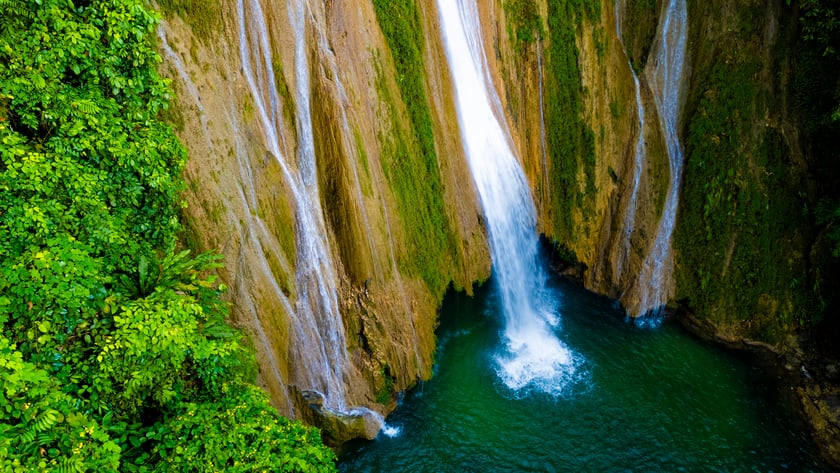
After the movie "Detective Kien" was released, the number of tourists visiting Lam Binh increased significantly. Many people came to check in at the locations featured in the film, thereby boosting demand for new tourism products such as vlogging experiences, camping by the lake, and combining ecotourism with film set tourism.
"Tuyen Quang province has identified tourism linked to film as a potential and long-term direction. In the coming time, the province will focus on developing a strategy for this type of tourism with several specific orientations, such as attracting film crews to survey and select filming locations to create more attractive media products. Simultaneously, it will develop film-related tours, combining storytelling, cultural experiences, and photography. A coordination mechanism between the culture and tourism sectors and film production units will also be established to proactively promote destinations through film."Ms. Ma Thi Thao shared.
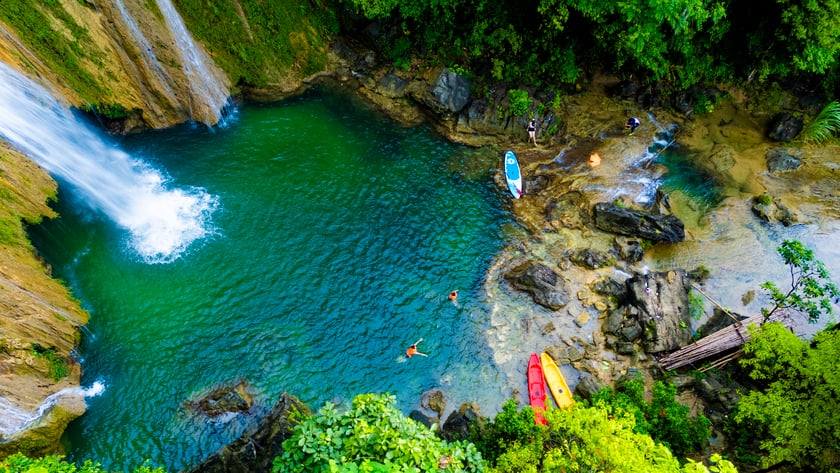
In 2024, Lam Binh welcomed over 170,000 visitors. The peak tourist season here usually falls in the summer (April-August) and during the Lam Binh Festival (February in the lunar calendar).
Tuyen Quang possesses pristine natural landscapes, rich cultural identity, and a wealth of historical relics, making it very suitable as a film setting. However, the locality still faces many challenges such as limited transportation infrastructure, a lack of standard accommodation and logistical services, and the absence of specific policies to attract film crews, Ms. Thao noted.
Ms. Thao stated that Tuyen Quang province has identified tourism linked to cinema as a potential and long-term direction. Leveraging the positive impact of the film, the Tuyen Quang Department of Culture, Sports and Tourism is developing a long-term plan for film-related tourism. Initially, the province is collaborating with travel agencies to design a tour called "Following the Footsteps of Detective Kien," combining visits to film locations with hands-on experiences such as swimming at Khuoi Nhi waterfall, kayaking on Na Hang lake, exploring villages, staying in homestays, and enjoying local cuisine.
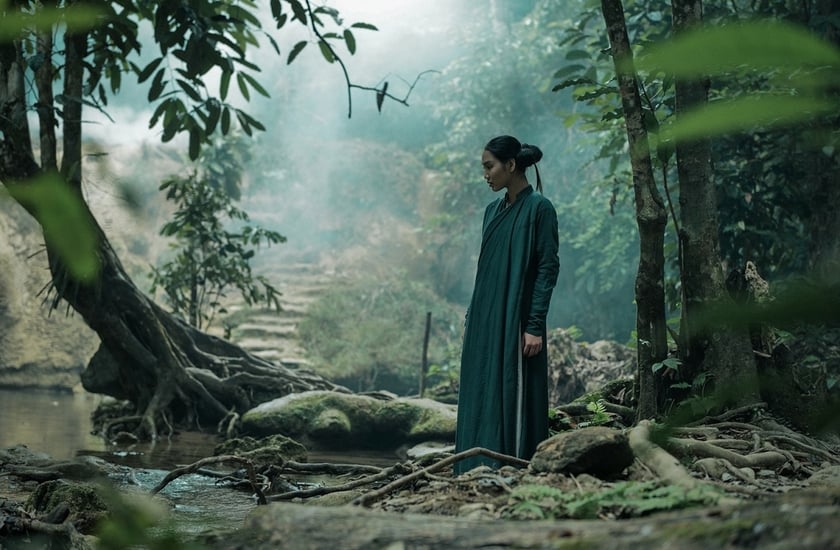
Capitalizing on the positive impact of the film, the Department of Culture, Sports and Tourism of Tuyen Quang province is developing a long-term plan to promote tourism linked to cinema.
Simultaneously, the province focuses on training tourism personnel in a specialized direction: training tour guides on film knowledge and storytelling skills, and encouraging local people to participate in building experiences such as concept photography and character role-playing. The province also promotes attracting domestic and international film crews, aiming to develop film set tourism – a globally popular trend. A coordination mechanism between the culture and tourism sectors and film production units will also be established to proactively promote destinations through cinema. Transportation infrastructure, accommodation, environmental sanitation, and tourism services will also be upgraded to better meet the needs of tourists.
A long-term strategy is needed.
From an expert's perspective, Dr. Duong Duc Minh believes that the success of "Detective Kien" marks a "golden" moment for Tuyen Quang to make a breakthrough, not only in its tourism development mindset but also in its ability to transform local culture into emotionally rich tourism experiences through the lens of cinema.
The province needs to re-evaluate its local values from the film's perspective, revisiting the film's settings to develop a "tourism map following Kien's footsteps" with sightseeing routes that combine storytelling using QR codes, AR, or mobile applications.
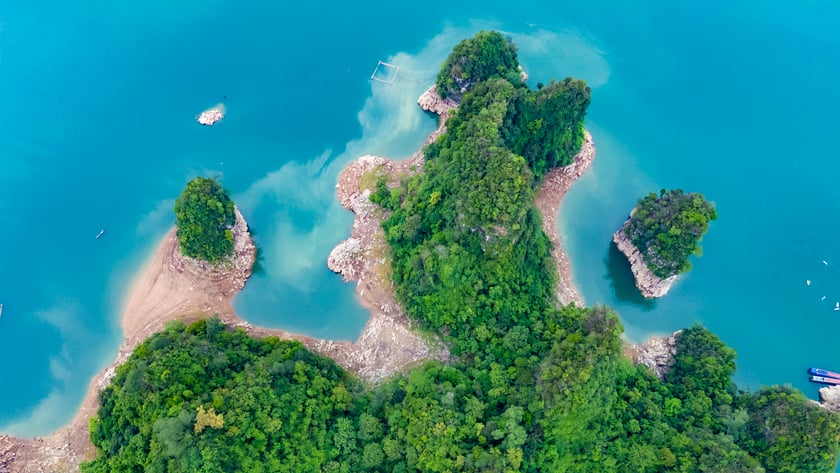
"Detective Kien" transformed Tuyen Quang from a little-known region into a name that received widespread media attention.
Simultaneously, we are collaborating with technology startups to create experiential tourism products, such as the "A Day as a Detective" tour, which includes role-playing activities, deciphering secret codes, and connecting restaurants and cafes featured in the film. This model has been successful in Japan (with Detective Conan Tour) and South Korea (with Train to Busan Experience), helping to retain tourists and spread awareness on social media.
The province also needs to establish an inter-sectoral task force for tourism, film, and media to support film crews, and simultaneously implement a systematic post-film communication campaign such as behind-the-scenes exhibitions, meet-and-greets with actors, and a digital content campaign "Tuyen Quang - The City of Crime Solving" on social media…
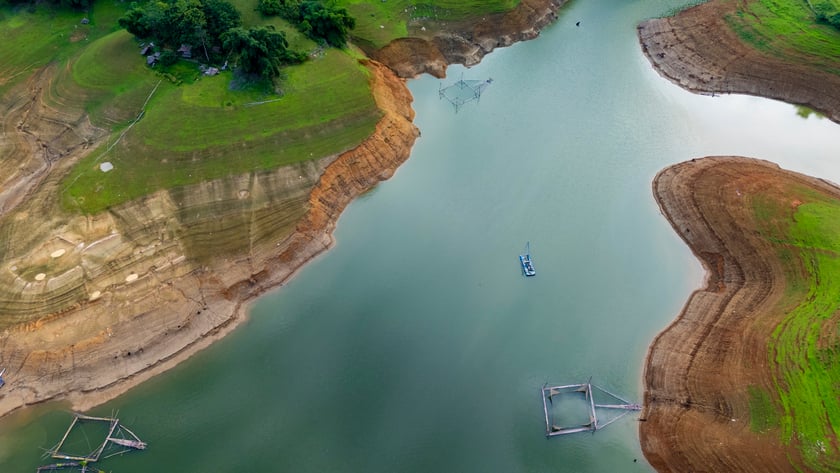
This is an opportunity for Tuyen Quang tourism to develop even further.
In terms of human resources, the locality should train a team of "storytelling guides" - helping tourists not only visit but also appreciate the depth of culture through the lens of cinema. In addition, it should encourage the development of products related to films and organize creative post-film activities for young people.
"Detective Kien" has transformed Tuyen Quang from a little-known region into a media sensation. This is the time for the province to establish a long-term strategy not only to retain tourists but also to enhance its image through cinema – the universal language of emotion and experience.