VI
VI


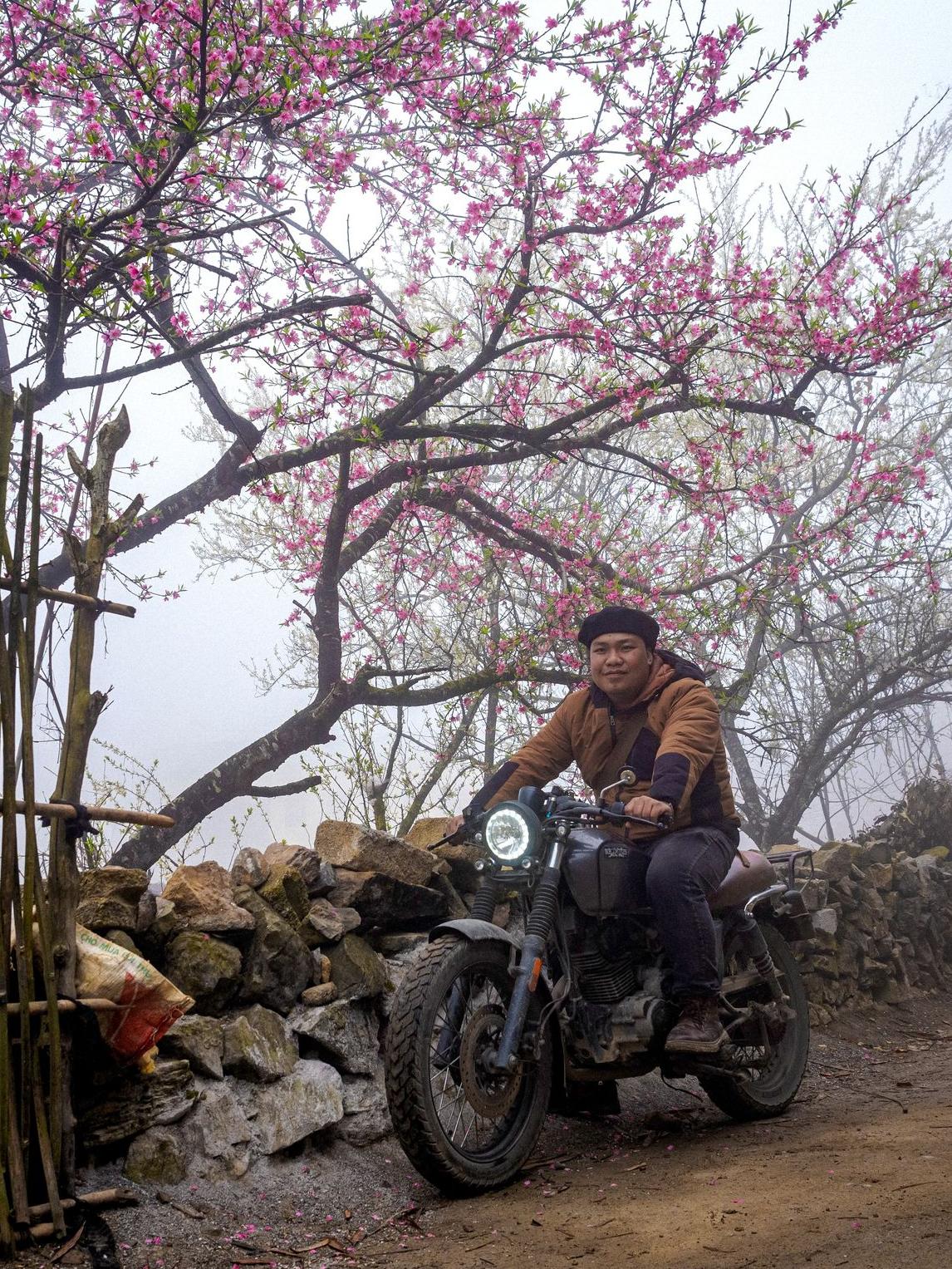
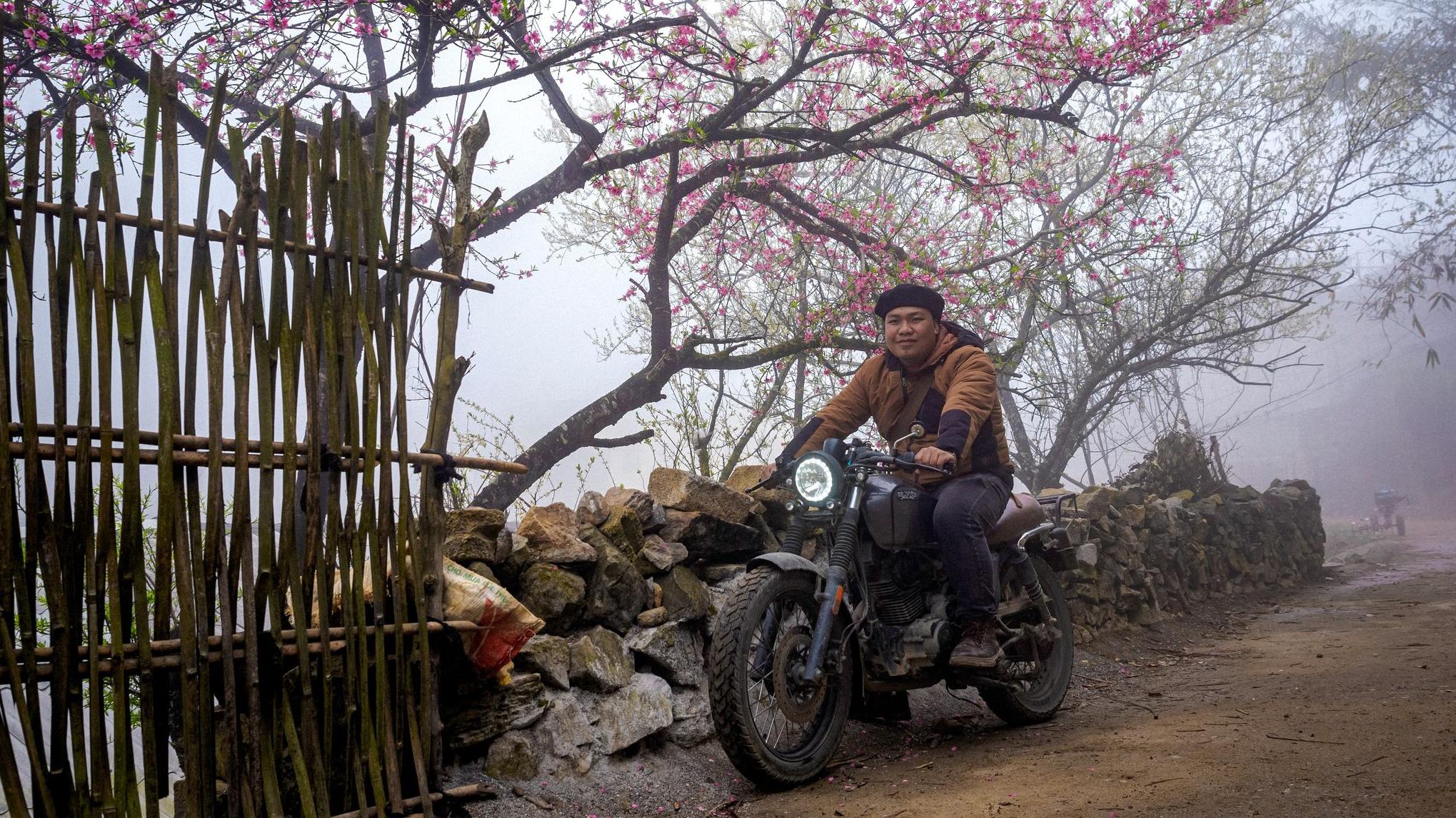
From days of wandering to moments of peace amidst the mountains and forests.
Nguyen Sy Duc's travels began in 2016-2017 as a way to escape the increasingly suffocating pace of city life. The more he traveled and explored, the more he felt a connection to the slower pace of life in places close to nature. "I love the misty days in Y Ty, and I enjoy learning about the traditional craft villages of Cao Bang that still retain their original beauty…," he recounted slowly.
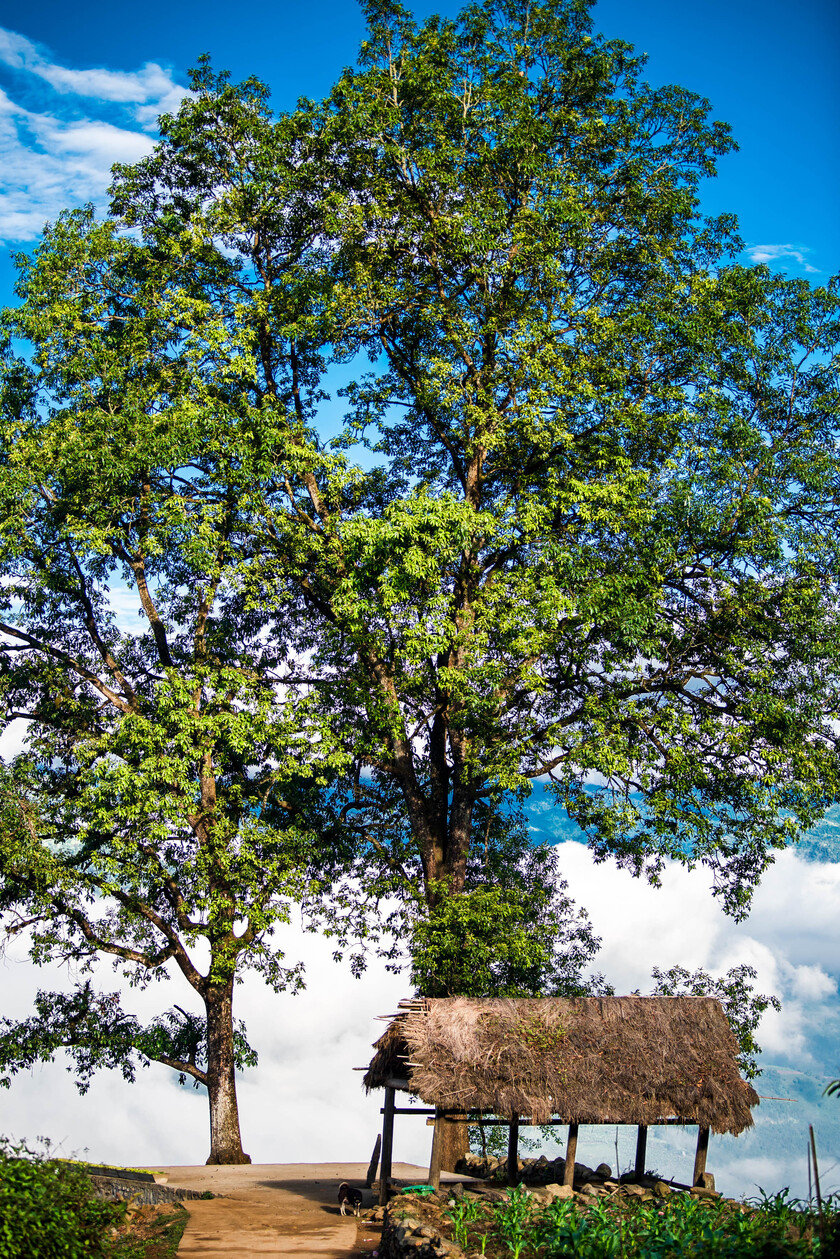
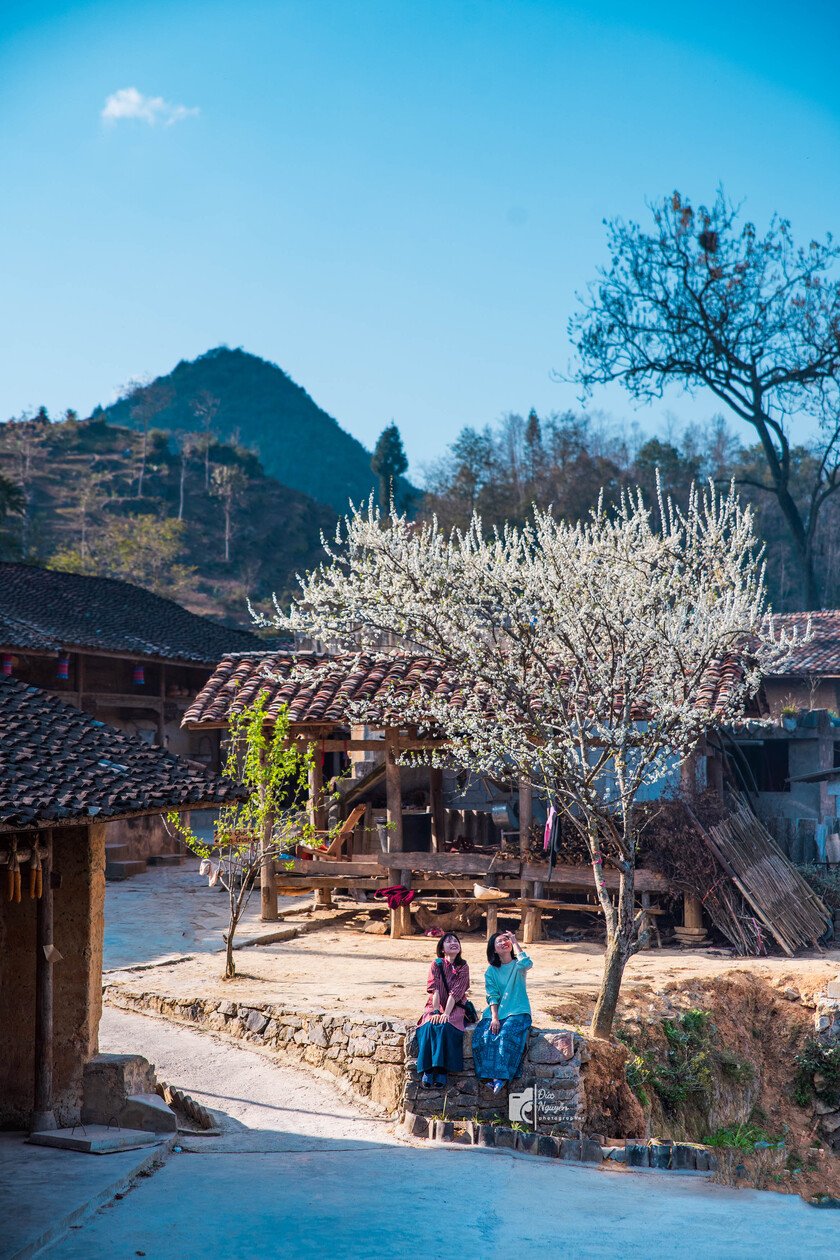
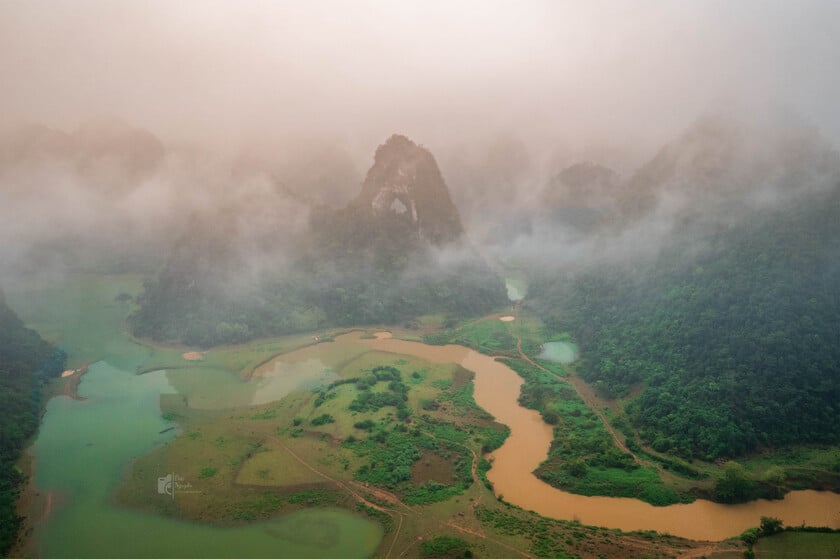
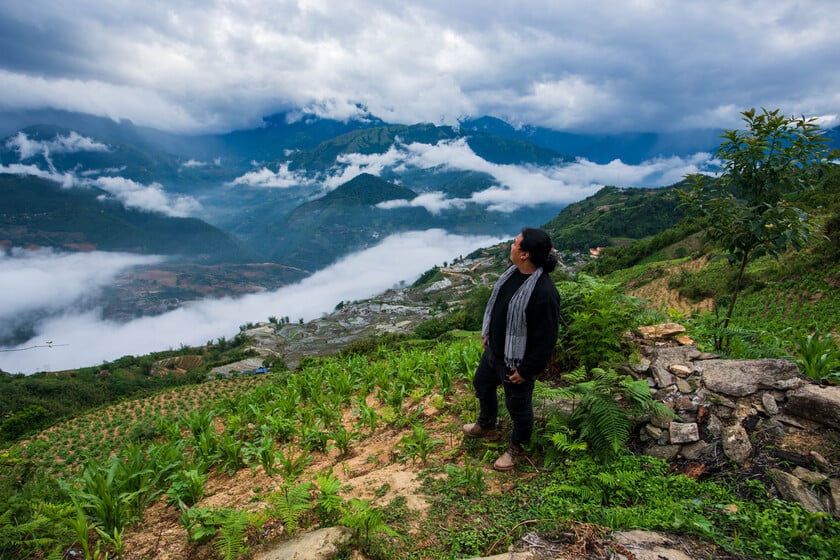
Having traveled extensively, Duc felt he was better suited to the slower pace of life in places close to nature.
Previously, Duc had tried living in Sa Pa, also a popular destination for travel enthusiasts. But it turned out that the place he felt most connected to was Tuyen Quang (formerly Ha Giang), where he decided to stay from 2019 until now.
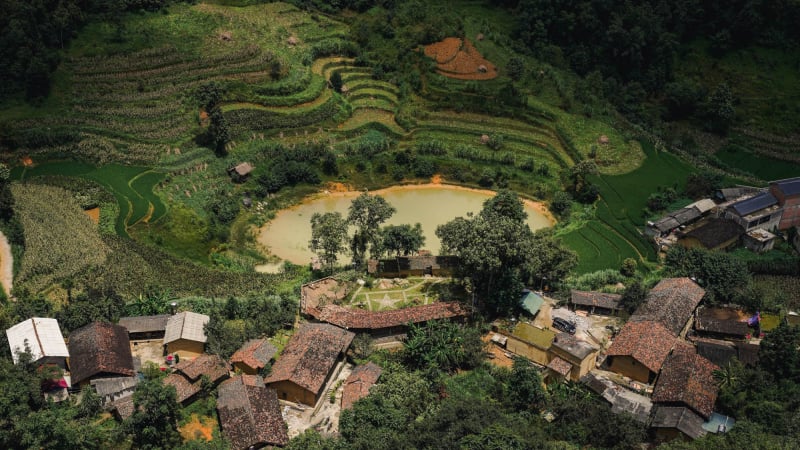
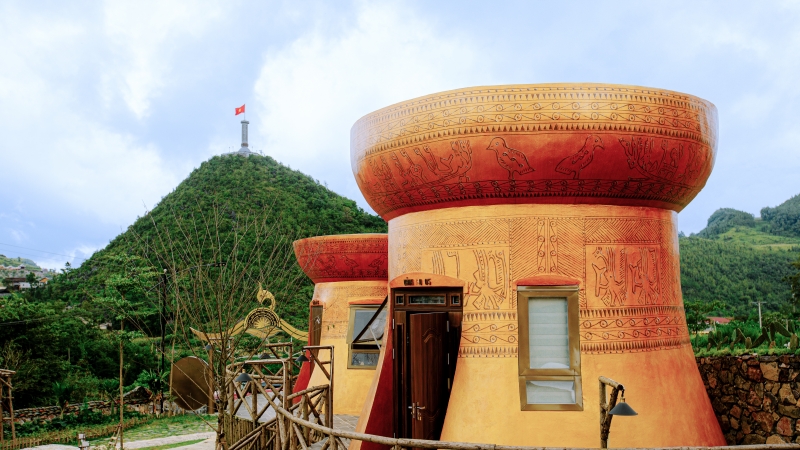
"Initially, it was just a trip to find some fresh air, but then I found it suitable, so I wanted to stay long-term," he said. And so, from short trips, Duc began living permanently in the highlands, enjoying the fresh air and pristine natural beauty, but at the same time, he had to adapt to the challenges.
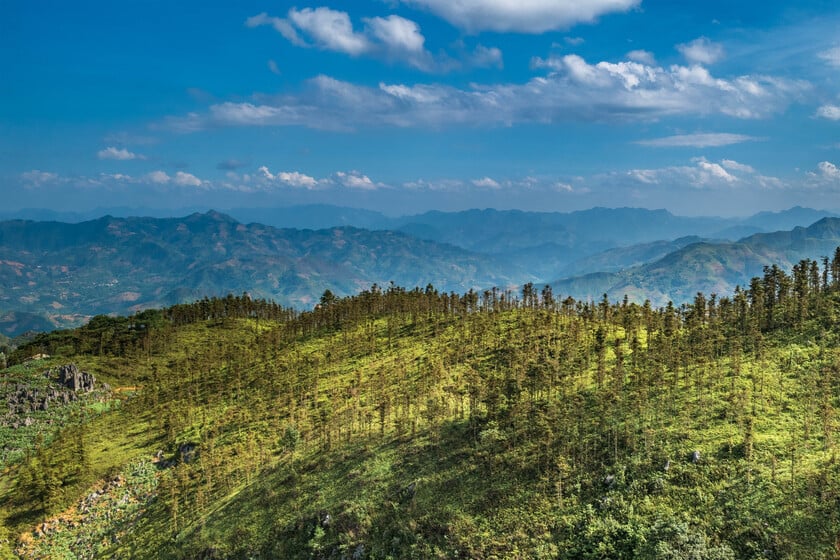
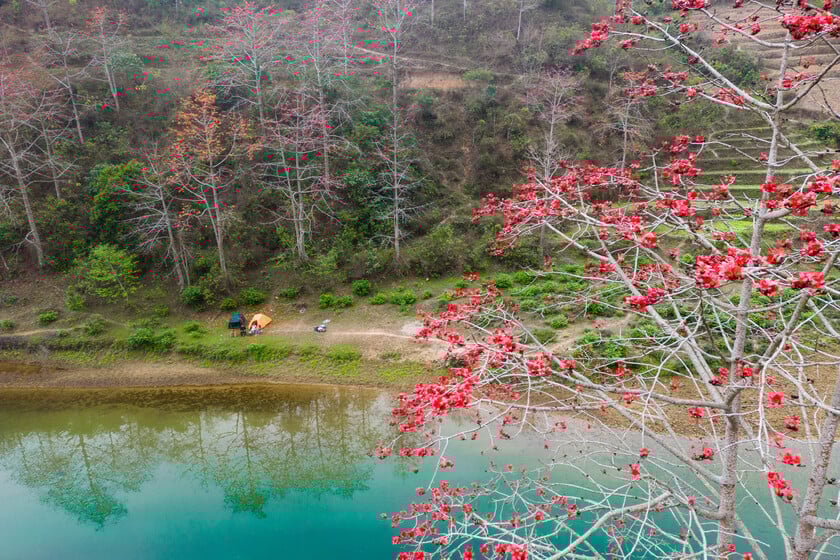

The place where Duc fell in love was Tuyen Quang (formerly Ha Giang), the northernmost point of Vietnam.
Learn to cook to live, learn to breathe slowly to be happy.
Life in the mountains isn't just about gazing at clouds and mountains. Staying there long-term, Duc had to learn many things and adapt to the inconveniences of the highlands. From long journeys and many unpaved roads – dusty in the sun and muddy in the rain – to the lack of essential supplies, the scarcity of grocery stores, convenience stores, pharmacies, and entertainment venues or shopping centers… “There aren’t many restaurants or convenience stores here, so I had to learn to cook. It’s good, because when you cook yourself, you know what you’re eating. Without crowded, bustling places, you can live at a slower pace,” he said.
During his time in Tuyen Quang, Duc didn't just live for himself. He worked as a homestay manager, a local tour guide, and even as a freelance photographer as a way to connect with the surrounding community and to make a living. "Each job brought its own unique experience, but what I pursued was having a space for myself," he said.

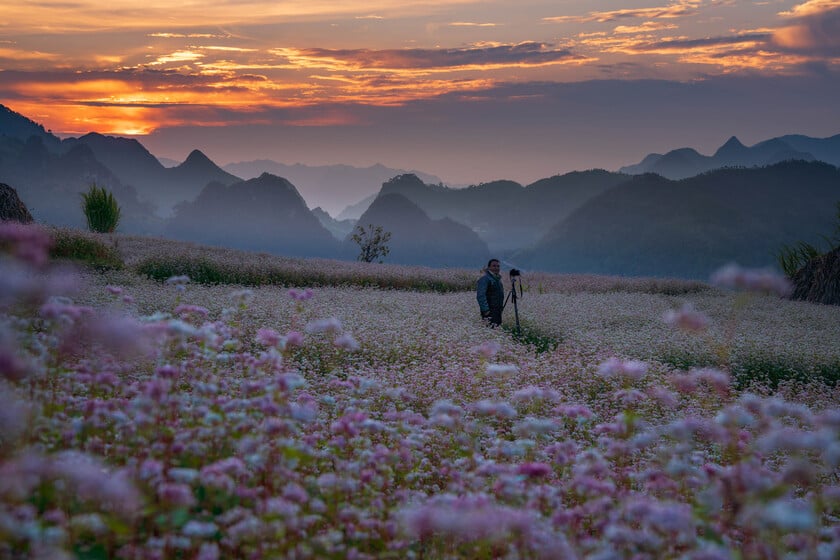
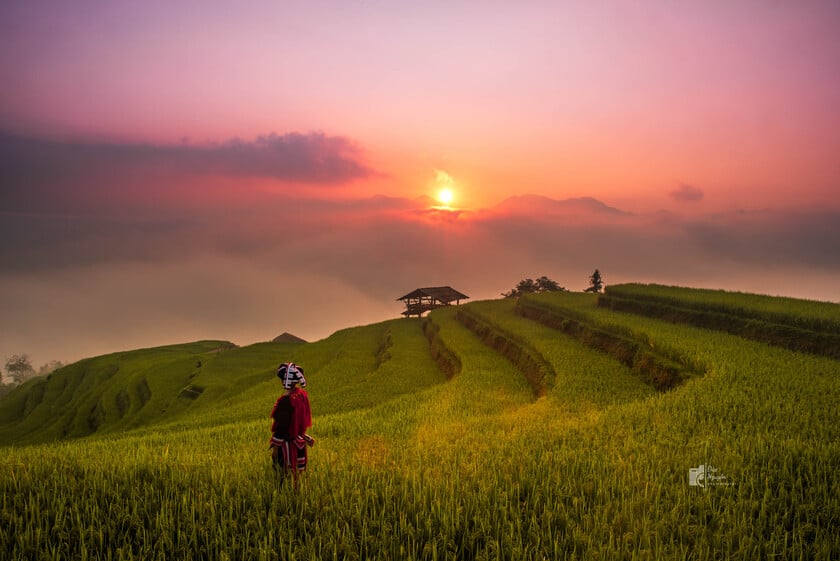
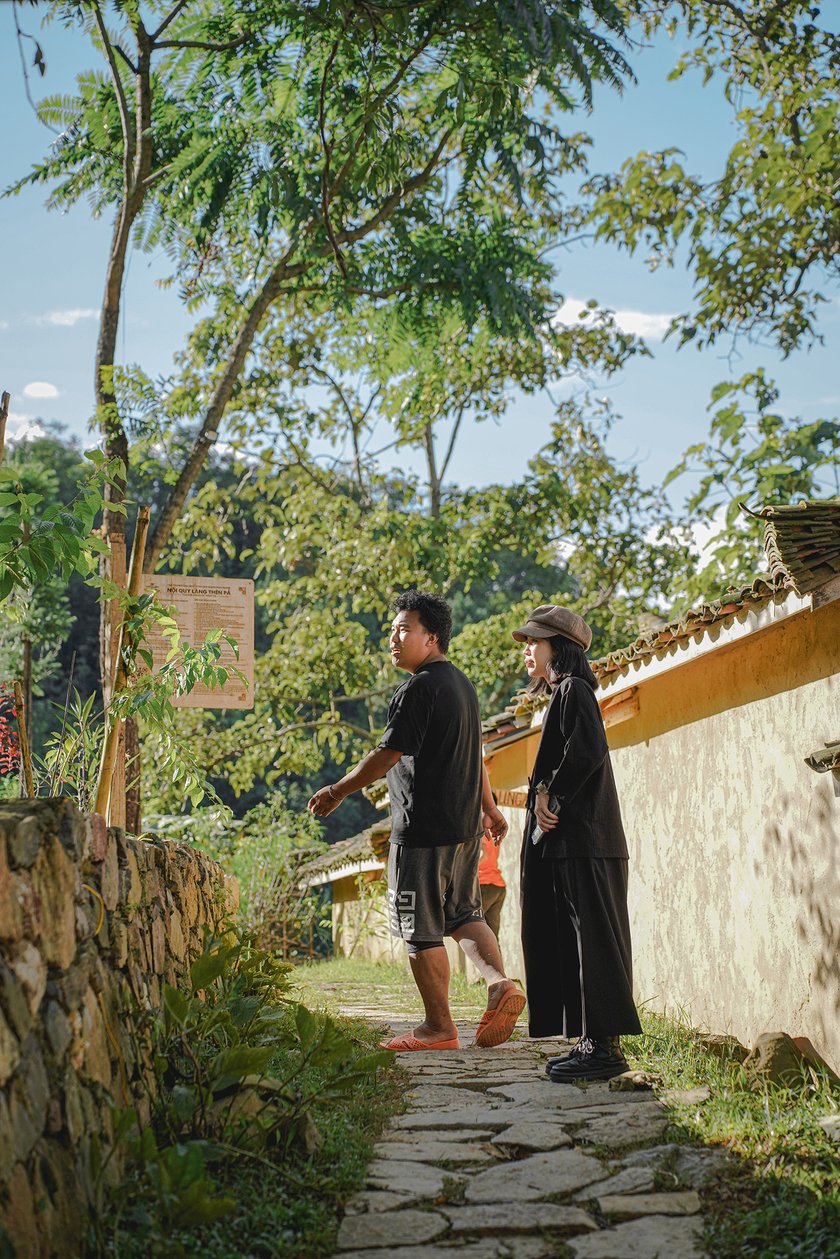
Duc took on various jobs, such as freelance photography and tour guiding, to cover his living expenses in the highlands.
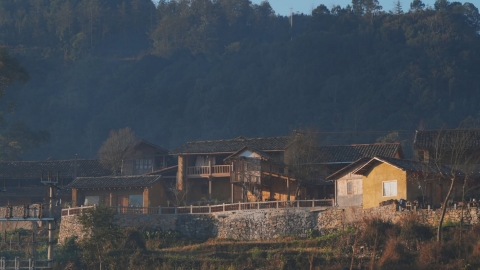
Sa Moc - a tranquil house amidst the rocky plateau.
The idea of building a small homestay didn't stem from business ambition, but simply from a genuine need: to live in my own home and be able to welcome like-minded friends. "I thought that living here would provide an additional income from the homestay, helping me maintain my life. More importantly, I wanted to meet people like me, who appreciate tranquility, love nature, and are kind to each other."
And so Sa Moc was born, a house nestled behind a small fir forest, a species of tree that Duc particularly loved. Fir trees are woody, coniferous trees with remarkable vitality, considered a symbol of the resilience and progress of this northernmost region of Vietnam.
He chose the distinctive Hmong architecture of the rocky plateau region, hired local craftsmen, and worked on it as he went along. Every detail was meticulously crafted, not following any elaborate blueprints or designs. "Perhaps because it's my own house, I see all the difficulties during construction as experiences, not as a big deal."
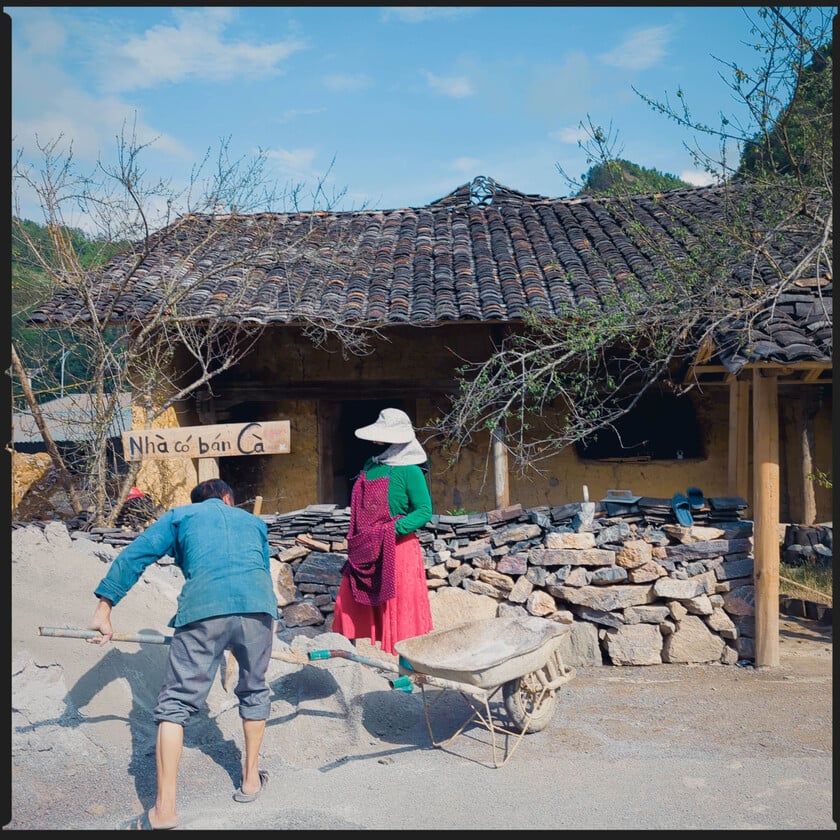
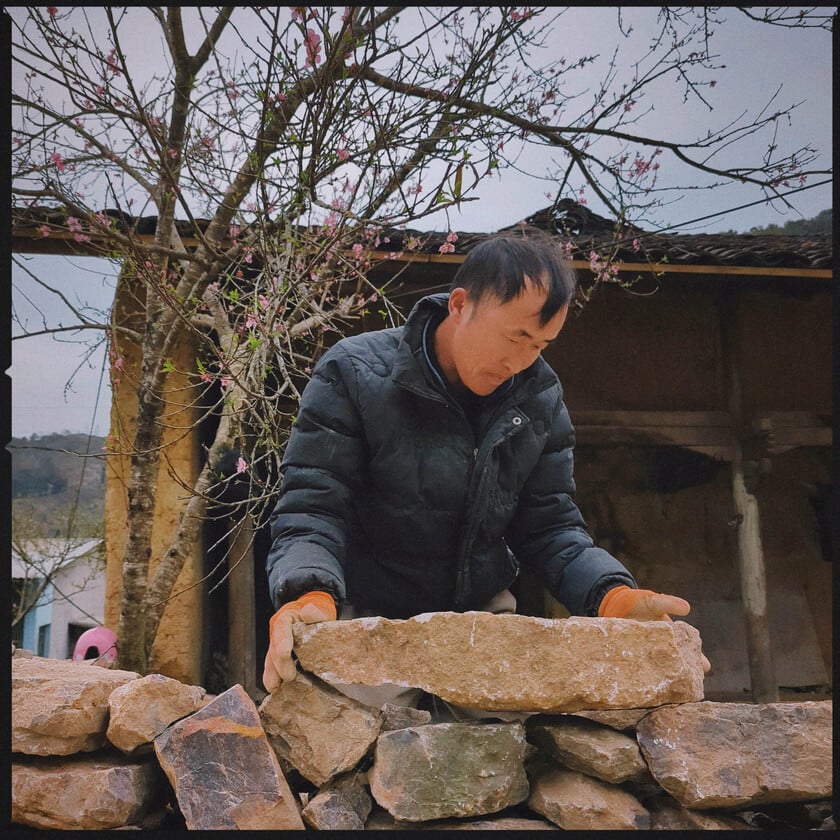
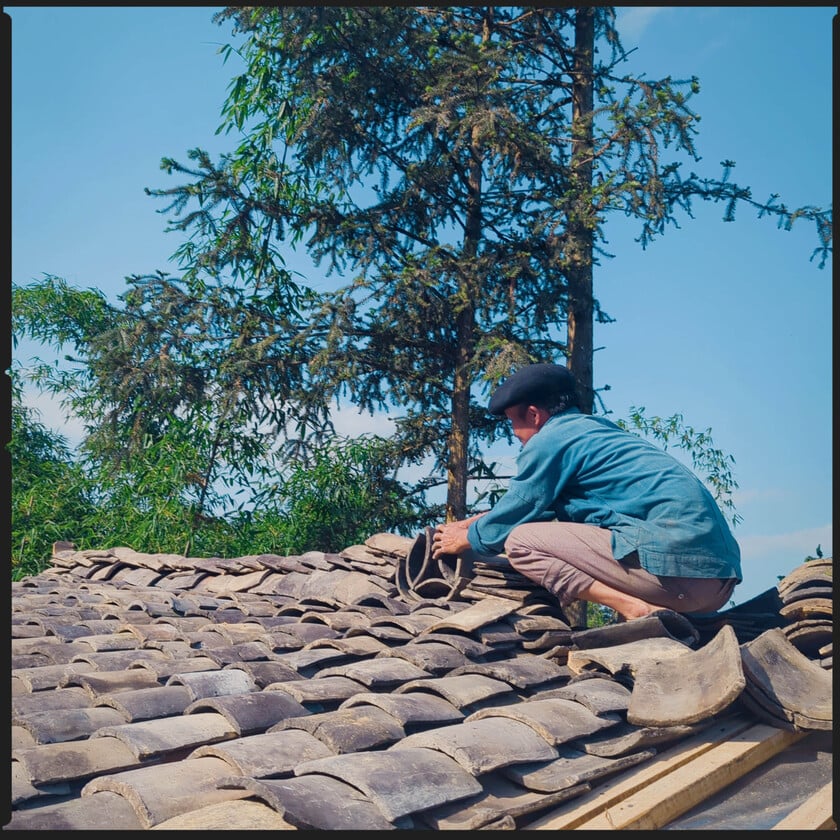
The small house will have only two bungalows and three rooms in the main house. The space isn't large, but it's quiet enough, private enough, and blends in with nature. Duc kept the pear and peach trees around the house, which he believes are "enough for someone to sit and read, breathe, and enjoy the slow pace of the day."
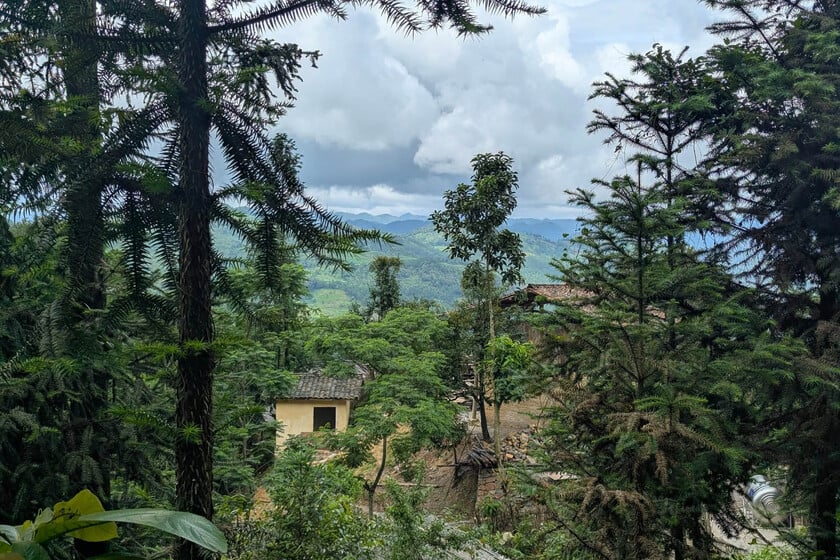
The small house gradually took shape amidst the cypress trees.
A place to share feelings with friends from all over the world.
“Sa Moc” is expected to welcome its first guests from mid-August. The interior and pathways are still being completed, but for Duc, this house will never be completely finished. “It will be cared for over time and according to my mood. Each person who comes to stay here can contribute a little to its beauty,” he says.
Duc also expressed his wish that Sa Moc would not only be a place to rest but also a place where people can feel relaxed, peaceful, and touch the simplicity that city life has inadvertently obscured. “I hope to meet lovely guests who appreciate tranquility. And most importantly, I want to preserve a little bit of the Hmong tradition here, right in my little house.”
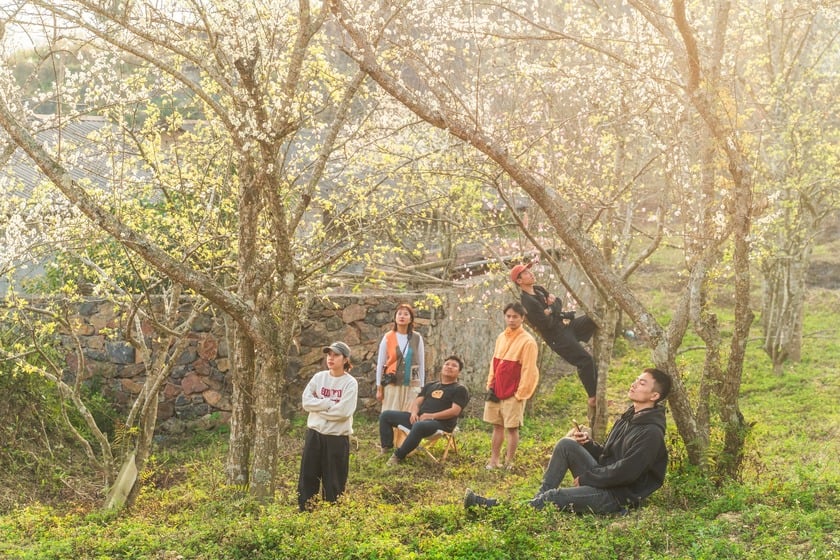
Duc hopes that once completed, the Sa Moc House will be a place to share the journeys and experiences of people with a shared passion.
Instead of chasing check-ins or hoping to create travel trends, Nguyen Sy Duc chose to live in the highlands as a natural choice and opened a homestay as part of that lifestyle. The happiness comes from waking up each morning to see the mountains shrouded in mist, cooking a simple meal, and then sitting under a peach tree and taking a deep breath.
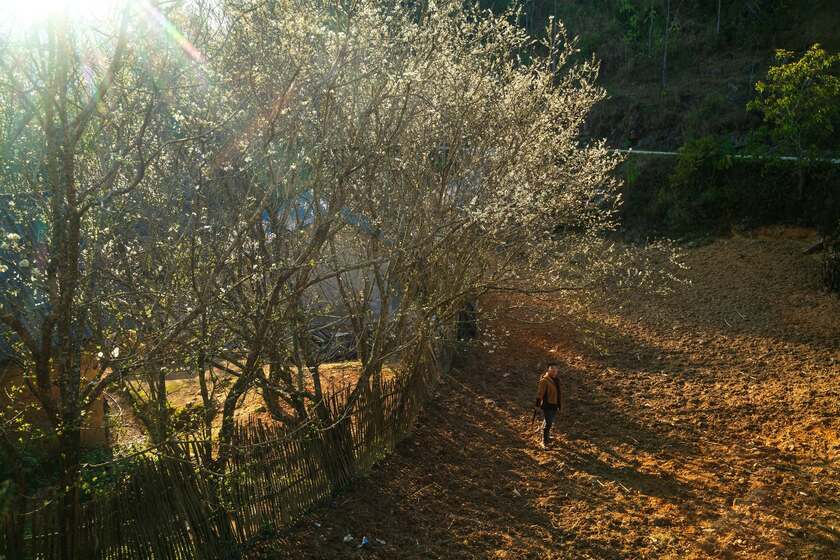
More than just a stopover, Sa Moc could be the spark that ignites new journeys for both Germany and visitors.
Nearly ten years after his first journeys, Duc finally had a place to settle down. A small, peaceful place, perfectly suited to the soul of a young man who had once roamed the borderlands. And who knows, in the tranquility of Sa Moc, new journeys might be kindled, not by the wheels of a bicycle, but by the stillness and connection between people.