VI
VI


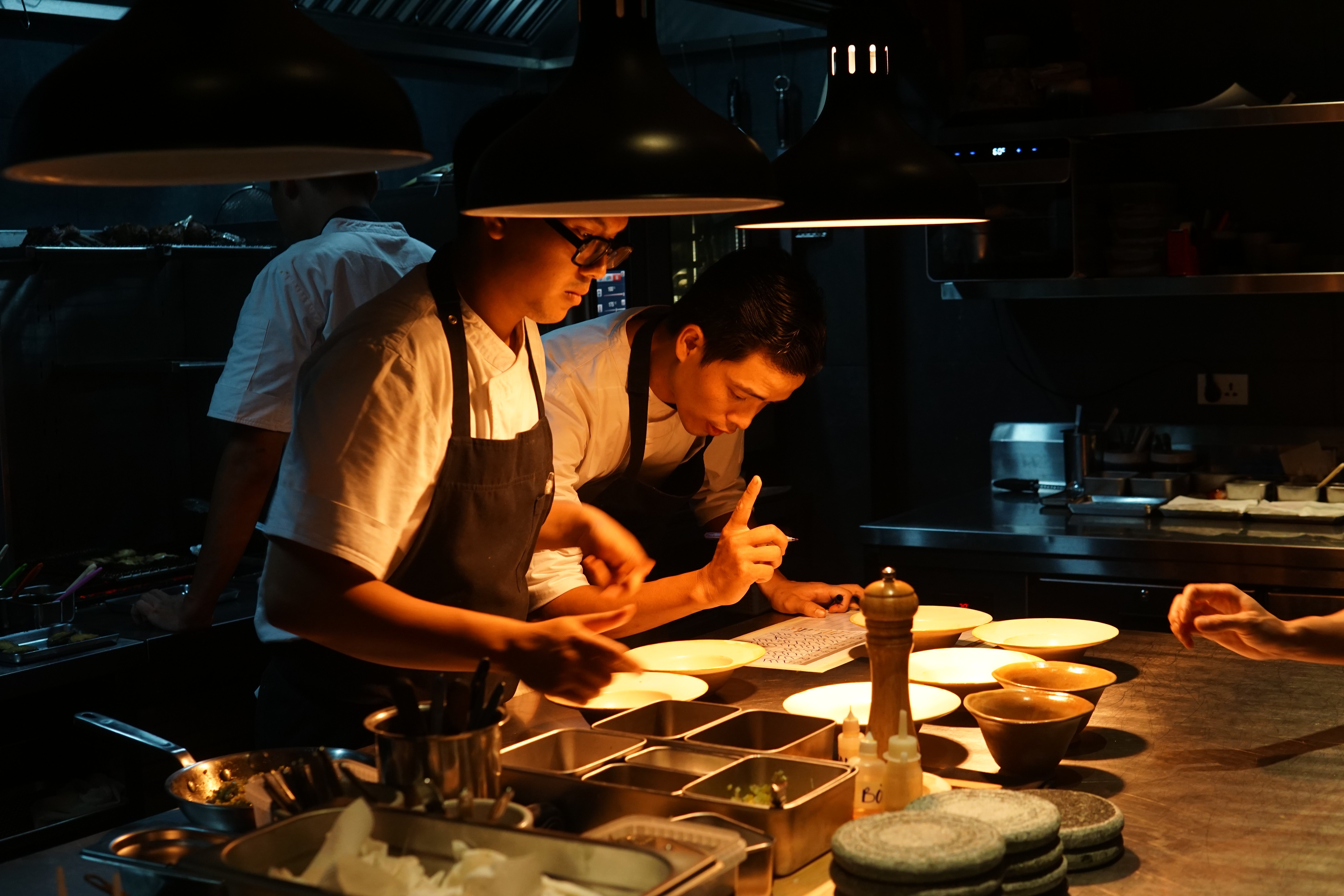
Growing up amidst cultural exchange and the rhythm of globalization, Hiep Truong is a young chef who stands out in his own unique way. Without fanfare or ostentation, he pursues his culinary path persistently and with clear direction. Hiep Truong represents a generation of Vietnamese chefs who are insightful, observant, and reflective. For him, "contemporary Vietnamese cuisine"It is a space for creativity, for incorporating personal touches into dishes while still preserving the original spirit of Vietnamese flavors."
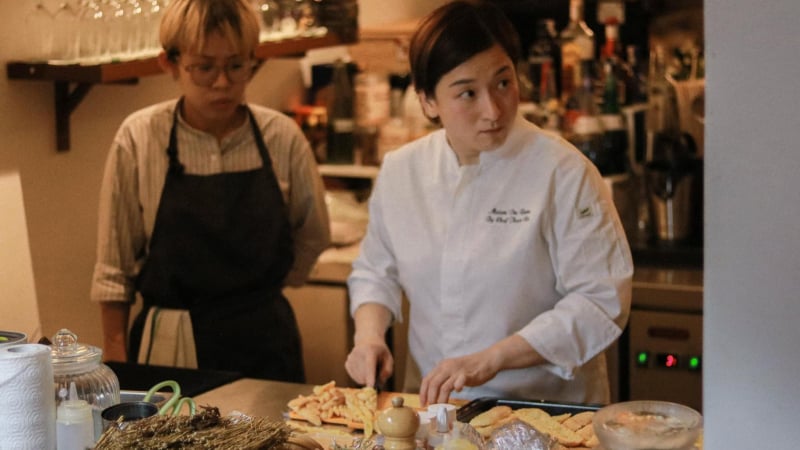
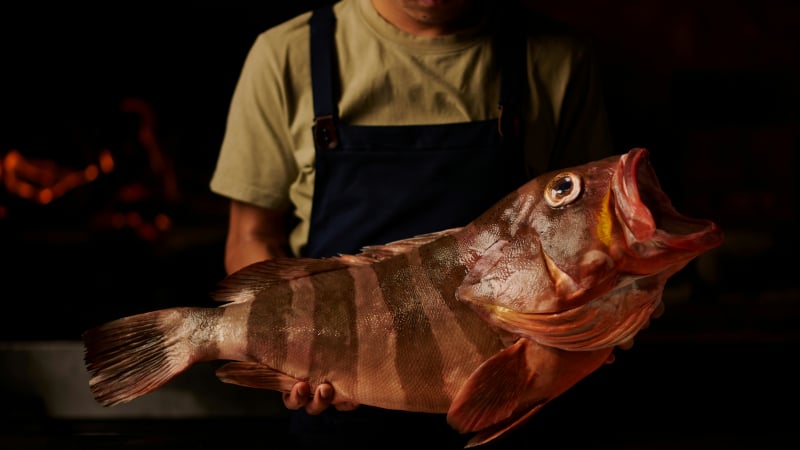
In this conversation, he recounts his journey in the modern culinary world – where each dish is not just a taste experience but also a story told through aroma and color. Hiep Truong also shares how a young chef learns to express their professional mindset and creative personality through each dish, and how to integrate into contemporary cuisine without losing their unique identity.
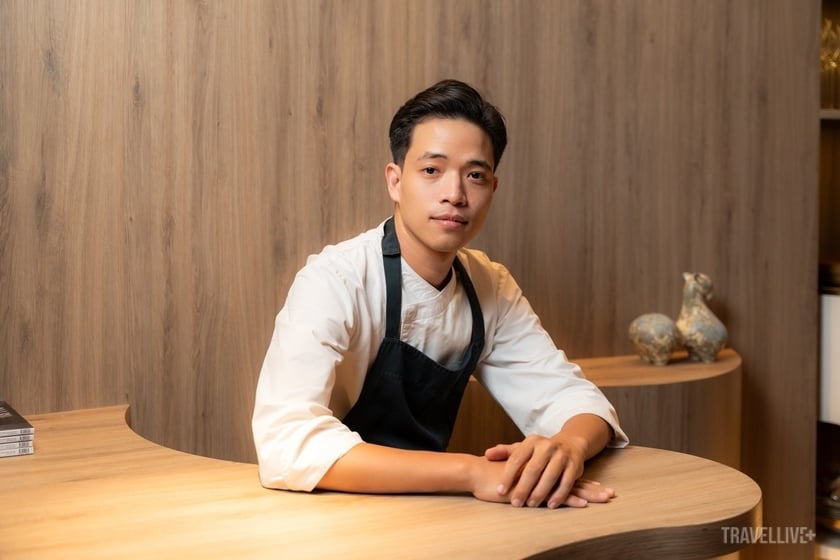
Hiep Truong's journey began as a gentle young man from Hue, transforming him into a tough, experienced chef.
Born in 1995, Hiep Truong is a Gen Y chef. Despite his young age, he has 11 years of experience in the culinary field. Starting in 2014, Hiep Truong embarked on a two-year professional culinary training journey, followed by internships in Saigon, his first steps at Mad House, then Quince, then Little Bear, and now his personal project called Upstairs Tasting Room.
Not through declarations or slogans, but through the way he talks about food and his profession, one can sense a generation of chefs diligently creating and redefining the concept of "Vietnamese cuisine" in the new era. There, creativity is not opposed to roots, but rather a natural adaptation of understanding and perception. Dishes are not just for enjoyment, but also a means of sharing thoughts, experiences, and a refined perspective on the world.
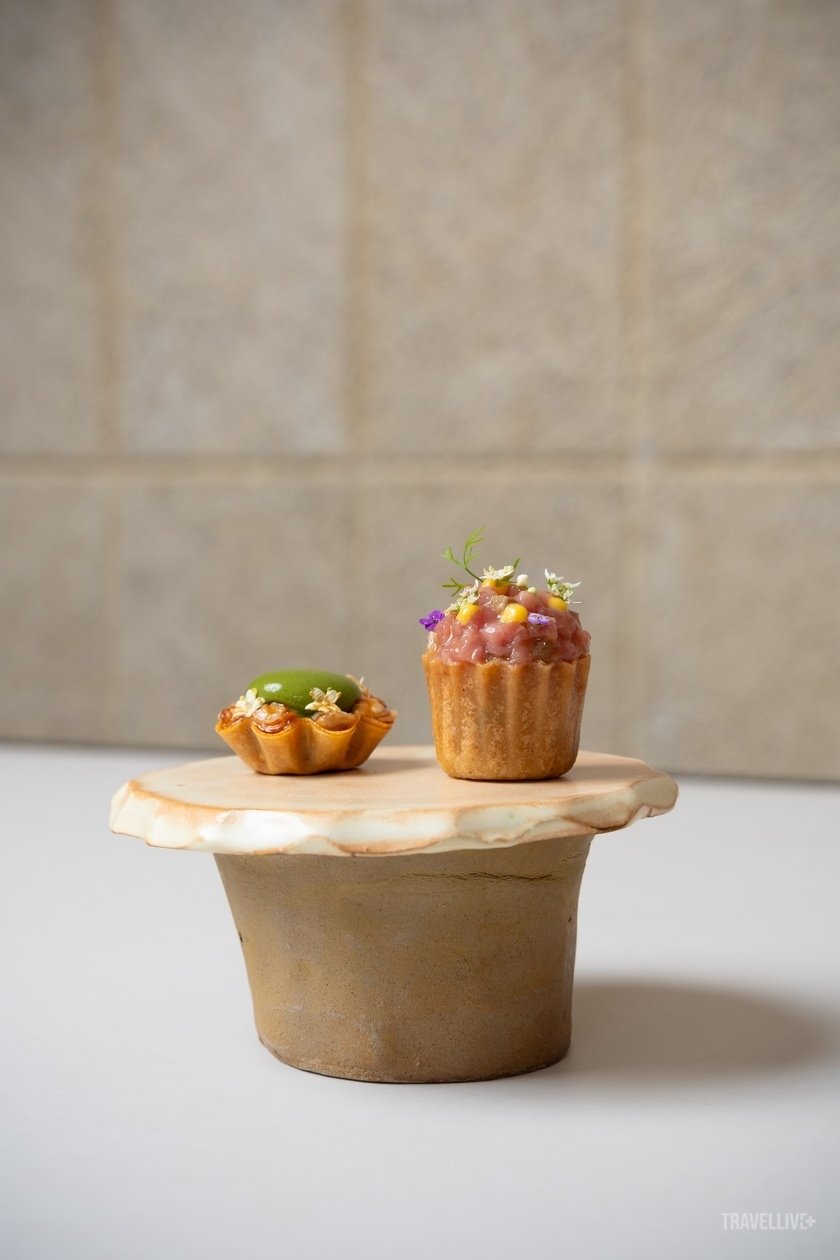
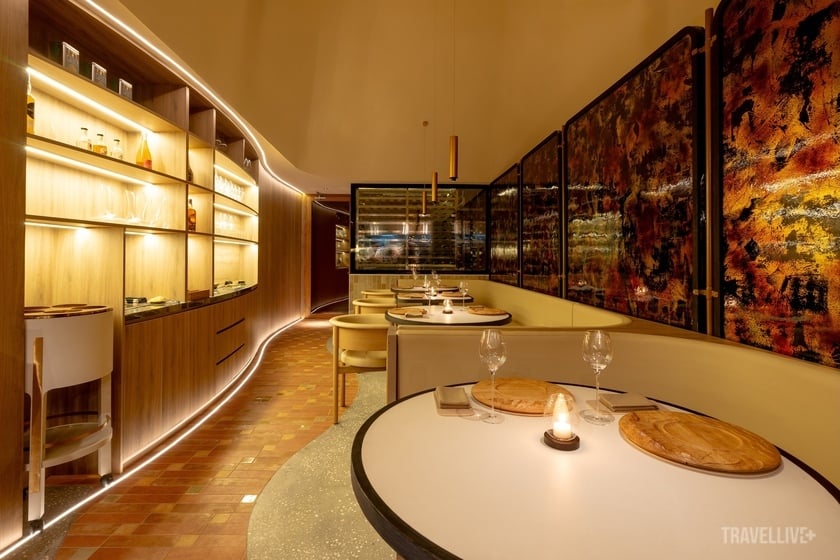
A hidden gem nestled in the bustling Thao Dien neighborhood, right in the heart of Saigon.
How would you define "contemporary Vietnamese cuisine"?
Contemporary cuisine is a way of retelling traditional dishes from a new, modern perspective, while still preserving their original spirit and flavor.
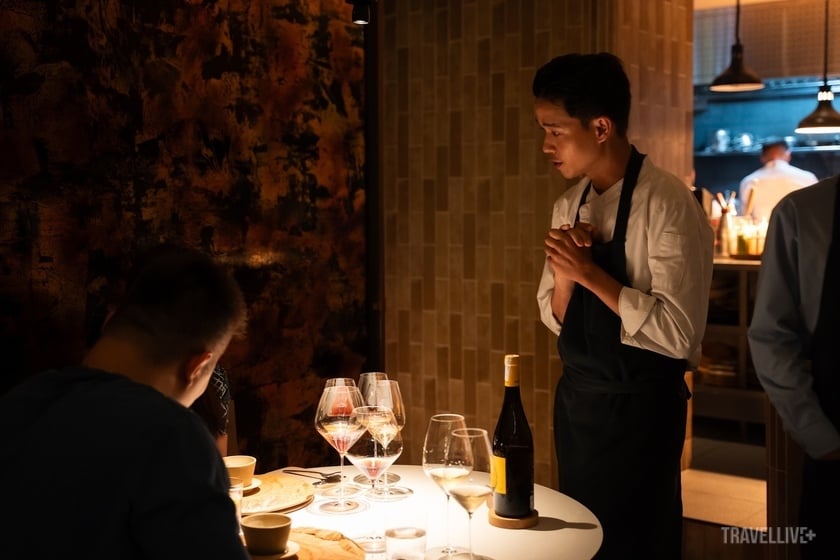
Hiep Truong represents a generation of Vietnamese chefs who possess depth, keen observation skills, and critical thinking abilities.
Based on your own experience, what was the biggest challenge in creating a culinary language that reflects Vietnamese culture while still being accessible to international diners?
In my opinion, the biggest challenge is preserving the spirit, flavor, and origins of Vietnamese cuisine. With my dishes, I always draw inspiration from familiar and distinctive spices, such as various types of fish sauce. I try to moderate and balance those flavors so that the dishes can appeal to a wider international audience, although that's never easy.
When working in a fine dining format but with purely Vietnamese ingredients, what is the biggest challenge for you? Does the chef need to constantly adapt to both maintain the culinary identity and suit international tastes?
Traditional Vietnamese dishes are already very distinctive and unique, so refreshing and elevating them in a fine dining format – while retaining familiar flavors in a fresh way – is a significant challenge. Chefs must always listen to diners and care about their experience, so adjusting to balance identity with international accessibility is essential.

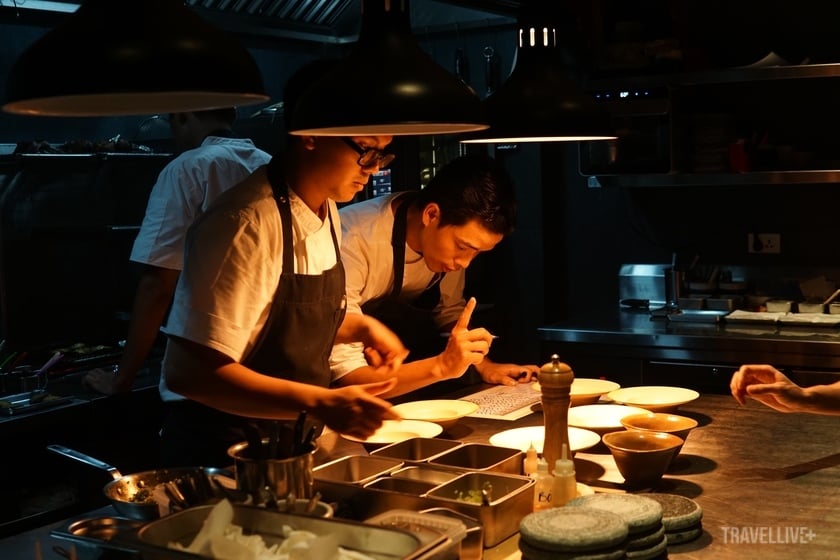
"Contemporary Vietnamese Cuisine" is a space for creativity while preserving the authentic spirit of Vietnamese flavors.
Every contemporary dish holds the story of its chef. For you, which dish has been the most significant milestone in your storytelling journey?
Cold Quang noodles, definitely. I've always loved Central Vietnamese cuisine, with the original Quang noodles served in hot broth. However, with my own creative version, I've turned it into a cold dish. This might be a risky dish, but it's incredibly satisfying for me.
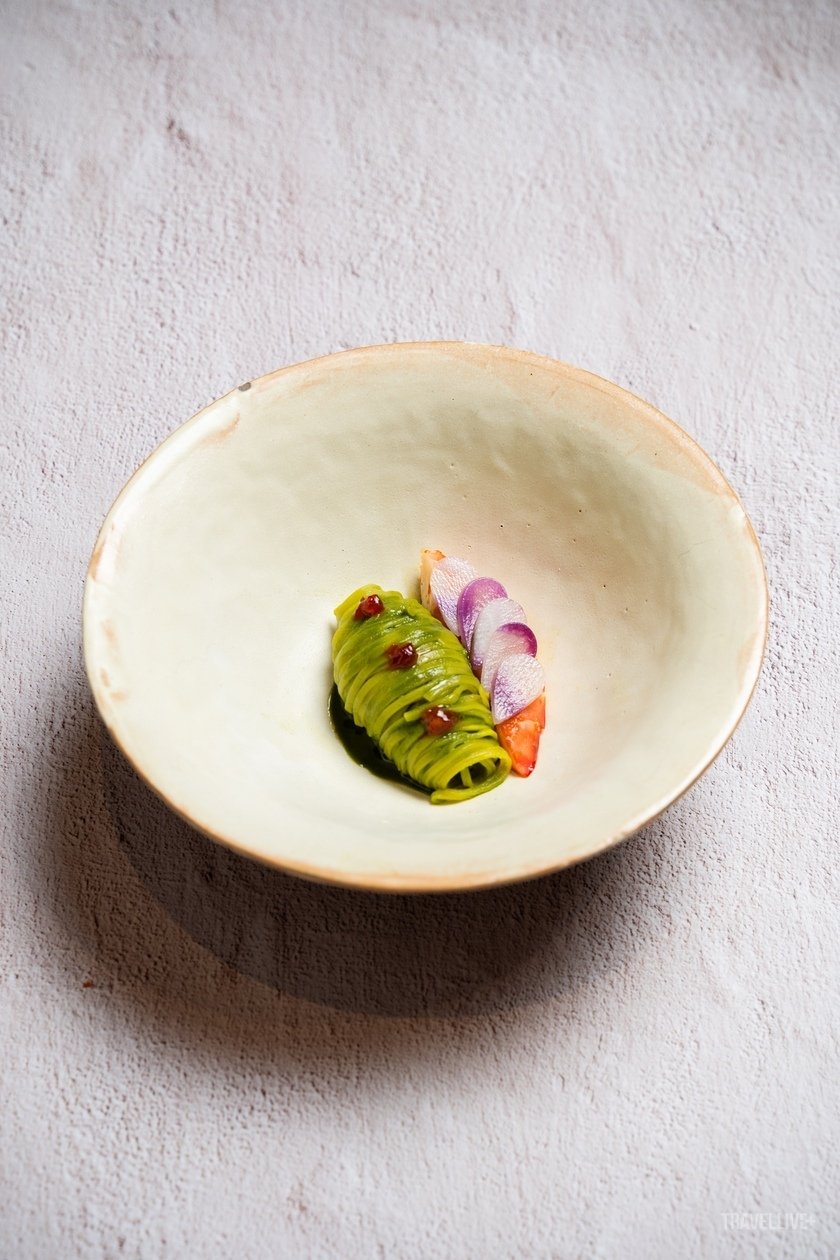
Quang noodles are prepared in a creative way.
Just like Quang noodles, grilled scallops with scallion oil is also a memorable dish for me. Every time I go out to eat seafood, I always order grilled scallops with scallion oil, and I decided to add them to my own menu. I use Japanese scallops for sweetness and tenderness; Vietnamese razor clams for crispness; and serve them with sesame crackers and hollandaise sauce with scallion oil and a foamy layer of butter and egg.
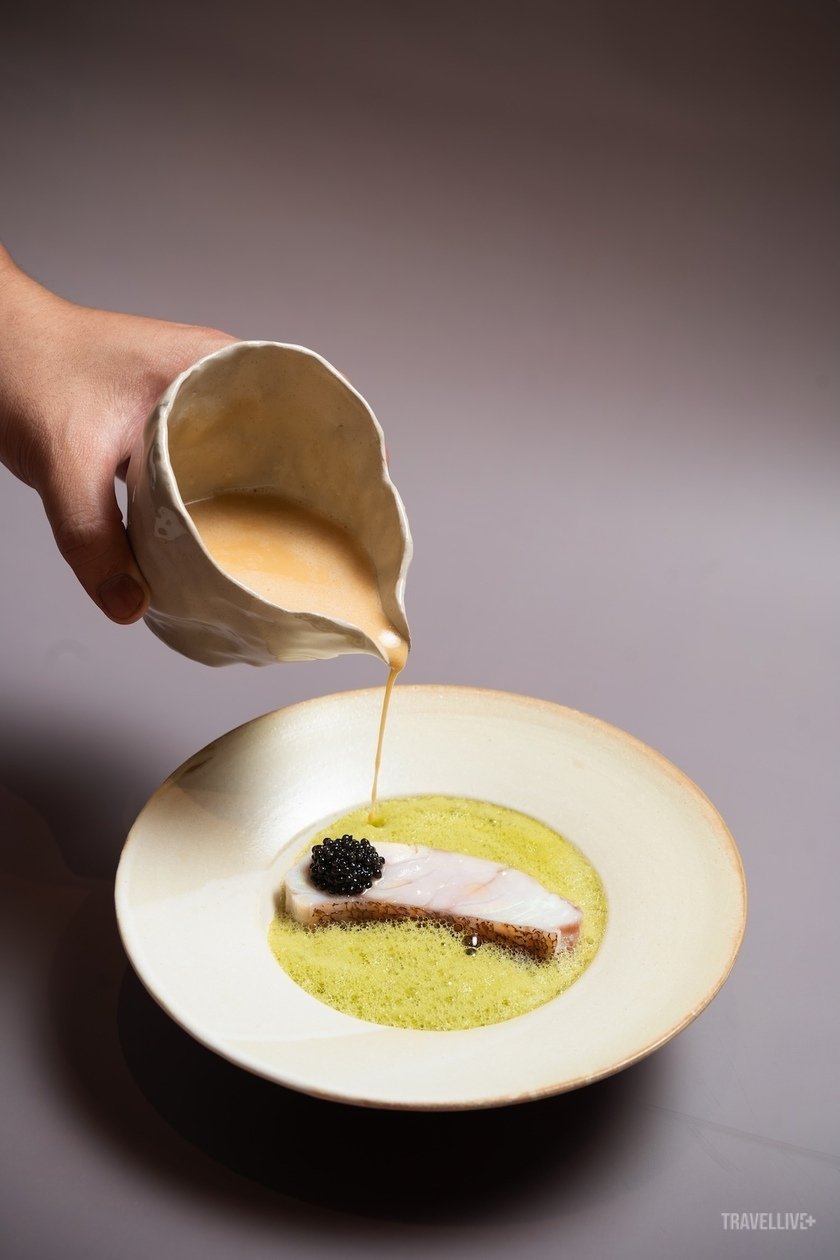
I also make dishes like fish stewed in fermented rice sauce served with caviar, braised duck… They all demonstrate a certain contemporary feel as I combine traditional Vietnamese cuisine with Western ingredients and cooking techniques.
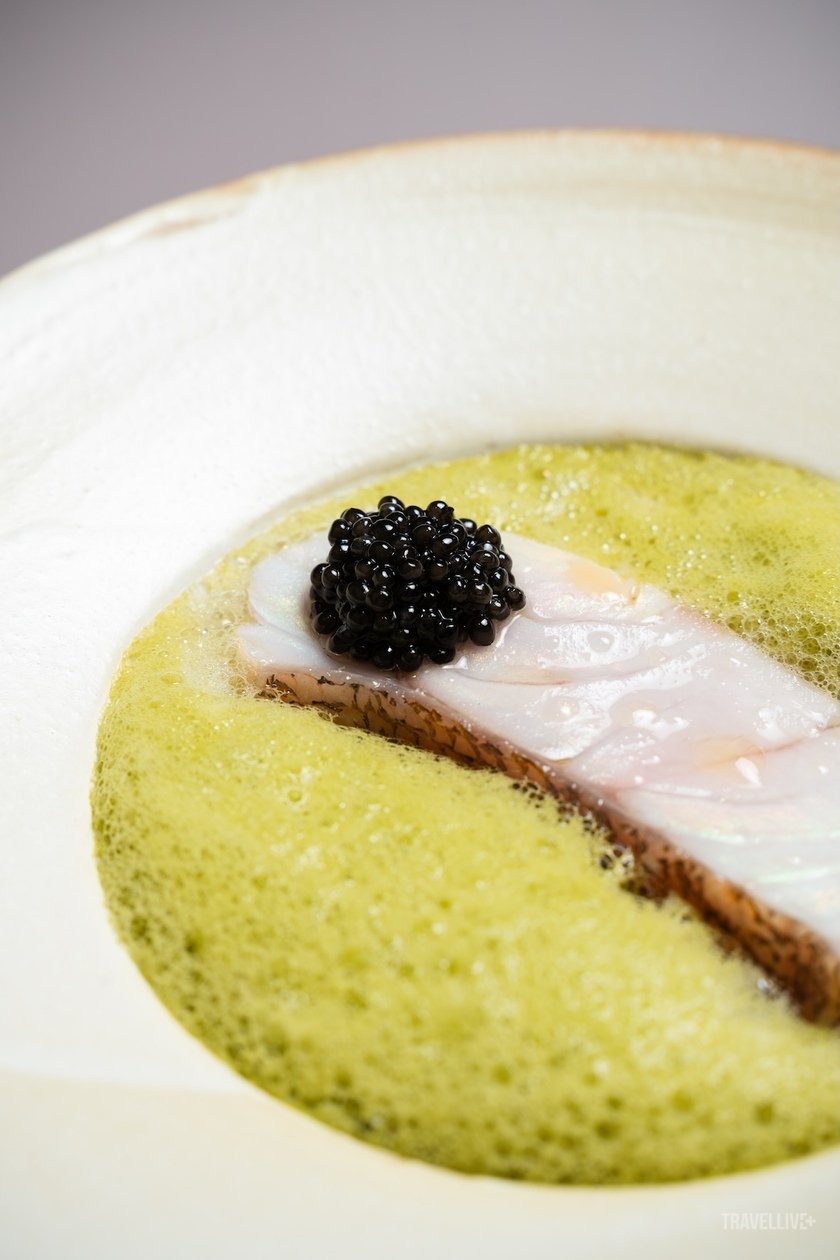
Inspired by the traditional fish soup with fermented rice, Upstairs' version retains the authentic spirit but is refreshed with modern techniques.
How did your childhood experiences in Hue influence your current culinary creativity? Are there any dishes from your childhood memories that you've "revived" at Upstairs Tasting Room?
I had the opportunity to try many dishes in Hue. My family's cooking style is also heavily influenced by Hue cuisine. For me, braised duck is the dish I chose to include on the menu at Upstairs Tasting Room. Typically, this dish uses older chickens or pork trotters marinated with lemongrass, turmeric, and shallots, cooked in coconut milk and served with sticky rice. I've modified this dish in my own way. First, I "age" the duck for about 14 days before roasting it. Usually, the duck breast is served, while the leftover parts are used to make duck neck sausage from the thigh meat and neck skin, and the bones are used to make broth.
Can you share one of the most representative dishes on the Upstairs Tasting Room menu that you believe "captures the soul of contemporary Vietnamese cuisine"?
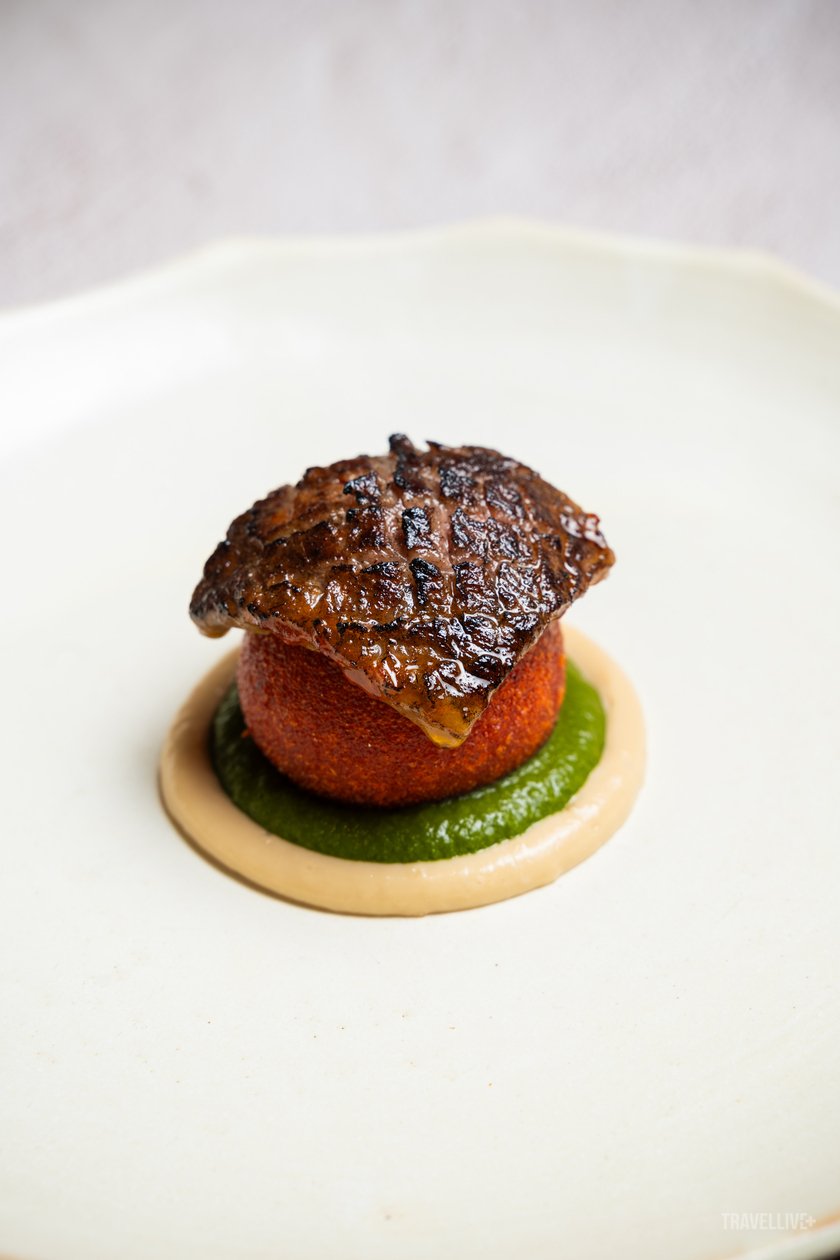
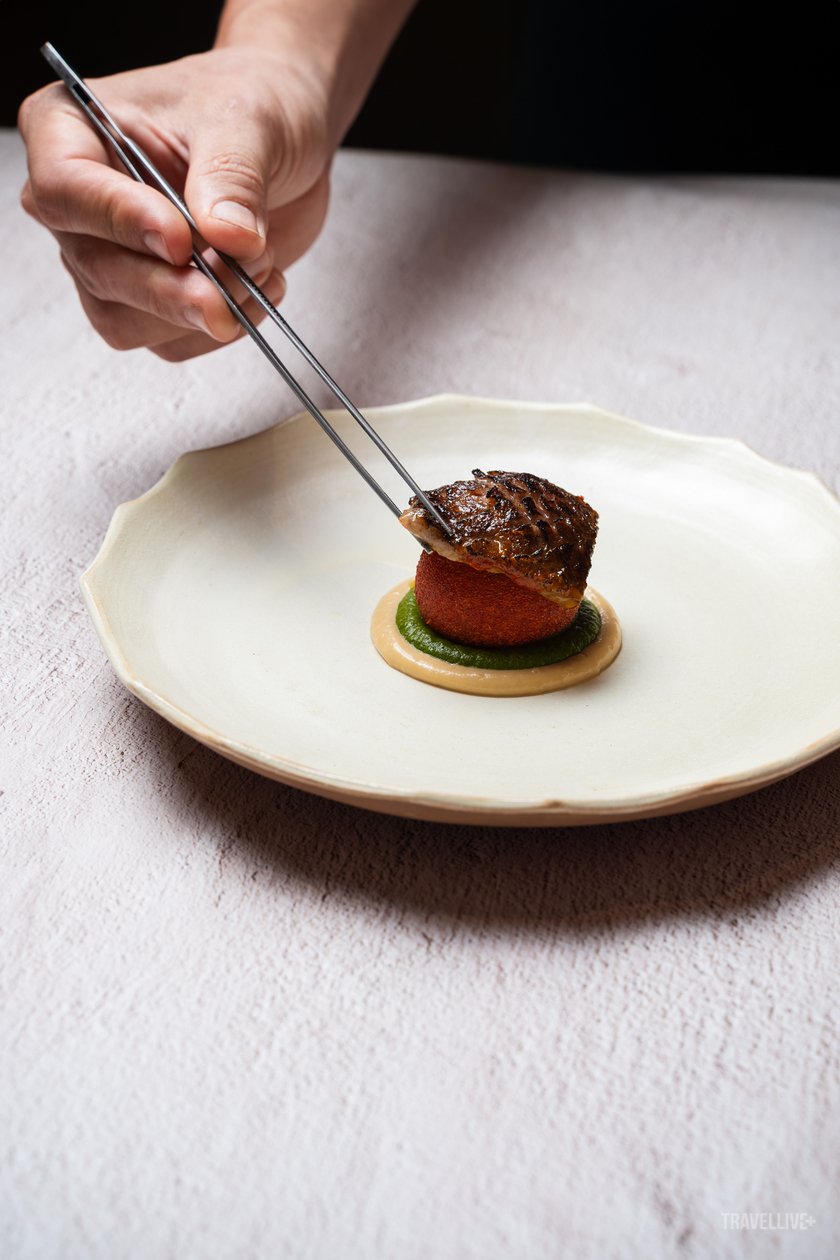
Braised duck (laughs). For this dish, I used European cooking techniques but chose to preserve the original flavor. Few people know about braised duck; mostly only people in Central Vietnam are familiar with it. I recreated braised duck hoping to bring more depth to this dish.
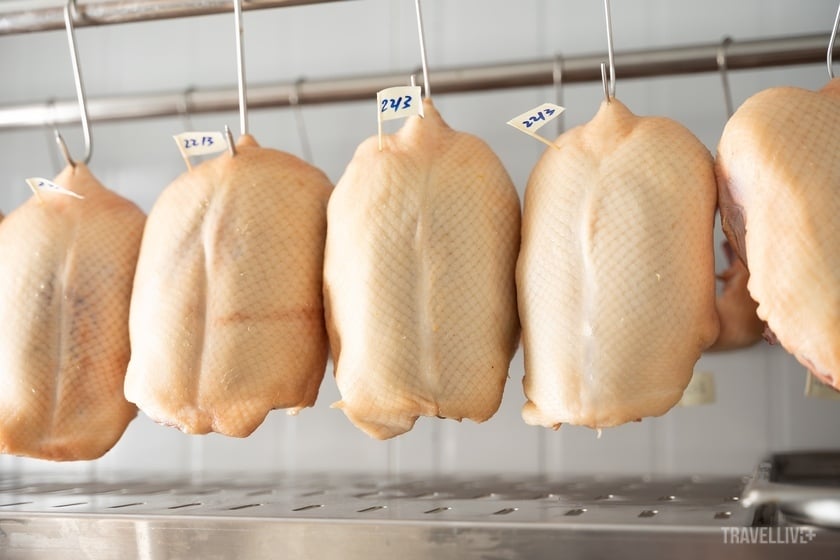
Hon Duck is not just a dish, but also a story of time and heritage.
Vietnamese dining culture is changing rapidly. What are your thoughts on this?
Customers are becoming increasingly open to exploring culinary experiences. They desire more than just a simple meal; they seek personalization in their dining choices.
Among traditional Vietnamese ingredients, are there any that are considered "old-fashioned" but which you believe can still be elevated if viewed through a contemporary lens? Should contemporary Vietnamese cuisine focus more on "homeland" flavors or "global" flavors?
I think it's fish sauce in general because I use it frequently. In my opinion, contemporary Vietnamese cuisine should balance these two elements. I still use some high-end ingredients from around the world, but I don't allow them to overwhelm the rest. Besides fish sauce, Vietnamese seafood is also a preferred ingredient in my menus because it's always readily available, familiar, fresh, and "everyday."
Sustainability isn't just about clean ingredients or environmentally friendly processes; it's also about fostering connections between chefs and farmers. What strategies do you have to work more closely with local sourcing?
I'm trying to find independent farms in Da Lat to connect more deeply with local ingredients. Vietnam has many unique and delicious fruits and vegetables. I like lychees, plums, and cilantro… A characteristic of Vietnamese cuisine is that each dish is accompanied by various herbs and spices, such as clams with Vietnamese coriander; vermicelli with tofu and shrimp paste with perilla leaves… Cultivating such eating habits has a certain impact on the "sustainability" of Vietnamese cuisine.
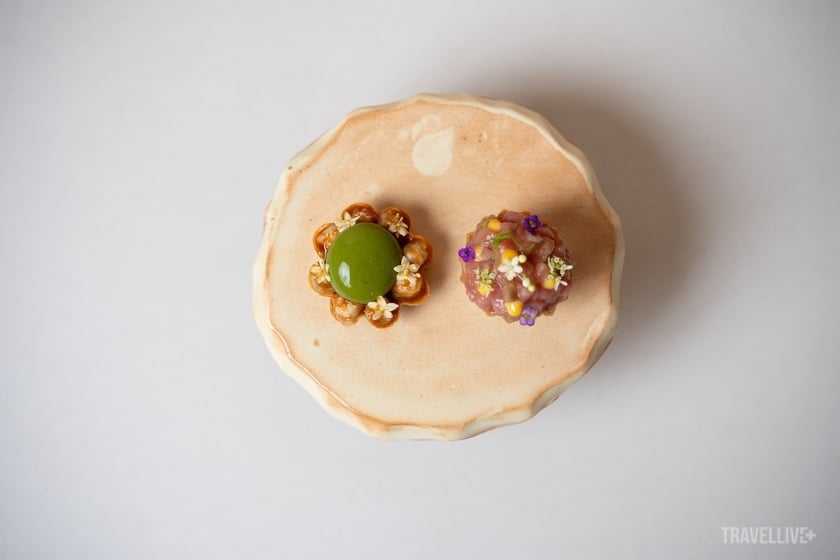
Cultivating the habit of including herbs and spices in Vietnamese dishes is a key factor in creating "sustainability" in Vietnamese cuisine.
Through Chef Hiep Truong's sharing about contemporary Vietnamese cuisine, we see how today's young generation of Vietnamese chefs are proactively redefining cuisine not only through culinary skills but also through their mindset. They embrace influences from the world, from cooking techniques to creative spirit, to create a new face for modern Vietnamese cuisine that is both unique and deeply rooted in tradition.
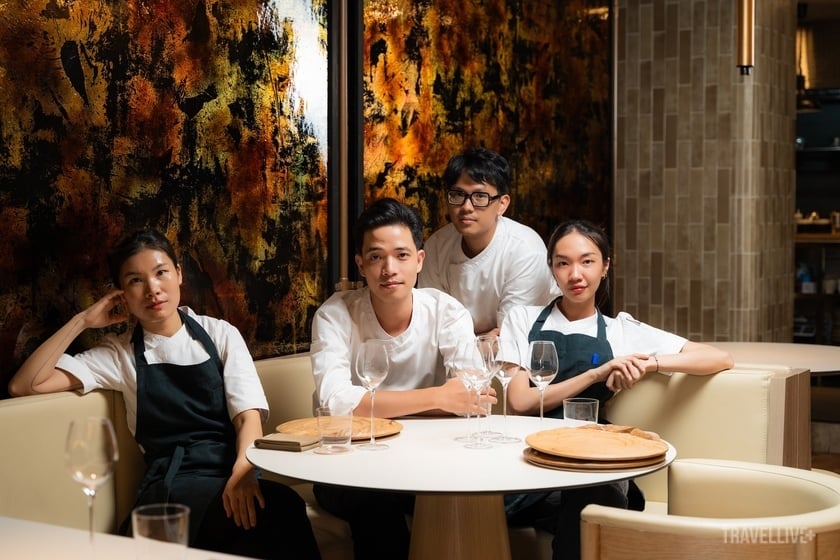
The most important aspect of contemporary Vietnamese cuisine is the patience of the chefs.
Within this context, Hiep Truong's journey is a vivid example of how a chef can navigate the balance between identity and globalization. For him, contemporary cuisine is not simply about placing a foreign ingredient on a plate or applying sophisticated, modern cooking techniques, but rather a profound dialogue between personal memories of a son of Hue who loves his homeland, and between national culture and the outside world.
Perhaps the key to contemporary Vietnamese cuisine lies not in naming a style, but in the chef's patience and discernment in navigating the ever-changing currents. And it is this very quality that creates a contemporary Vietnamese culinary landscape that is both fresh and subtly imbued with a complete personal touch.
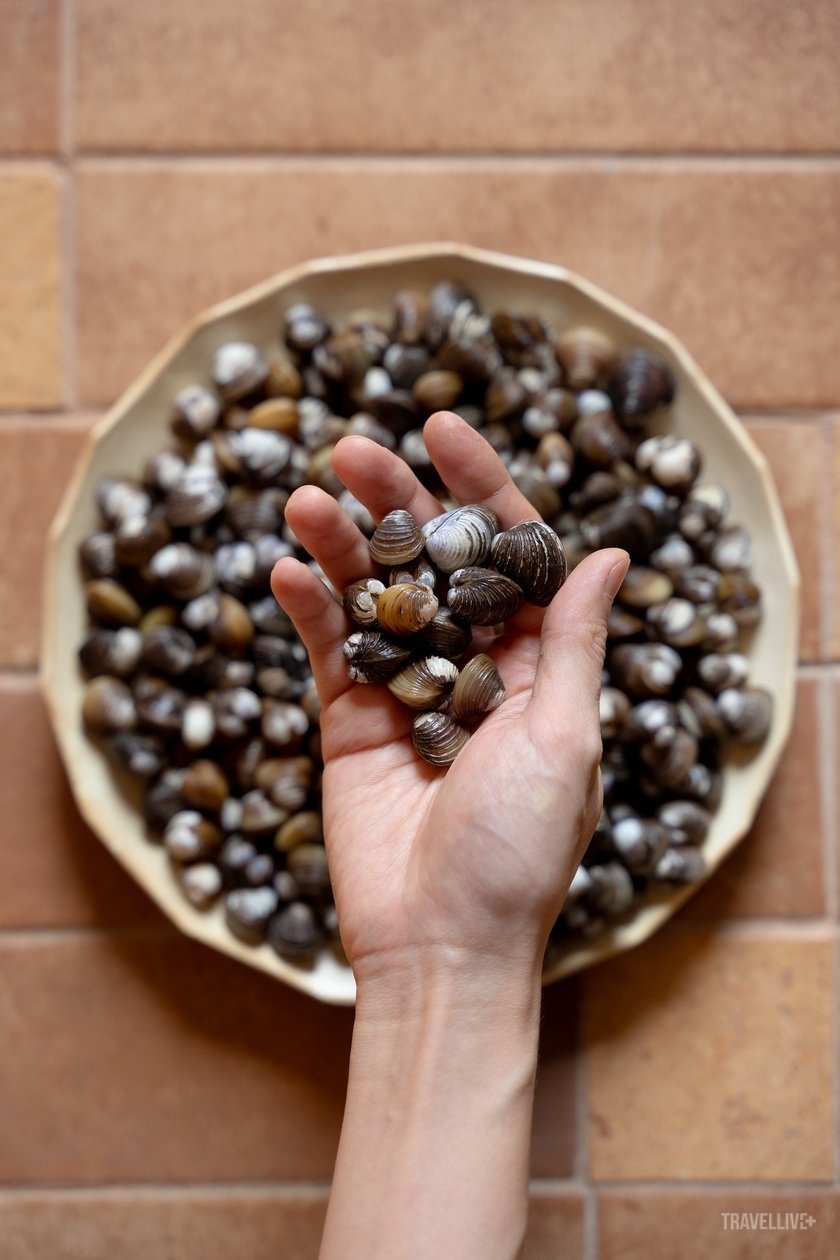
Cultivating the habit of including herbs and spices in Vietnamese dishes is a key factor in creating "sustainability" in Vietnamese cuisine.