VI
VI


That's right! For any dish, besides the aesthetic appeal after garnishing (a term used in professional culinary arts), the impact of spices and cooking methods, the quality of the raw ingredients is also extremely important. The influence of these raw ingredients is like the roots of a large tree; the healthier, fresher, and more refined the roots, the more excellent the finished dish will be, like the branches, trunk, and leaves.
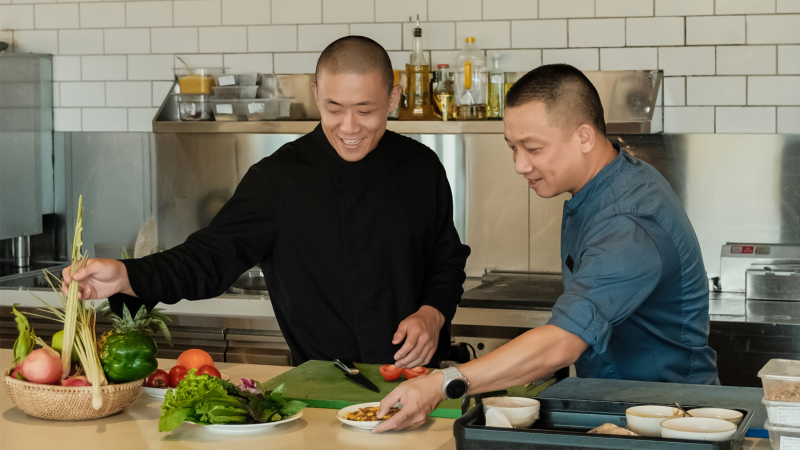
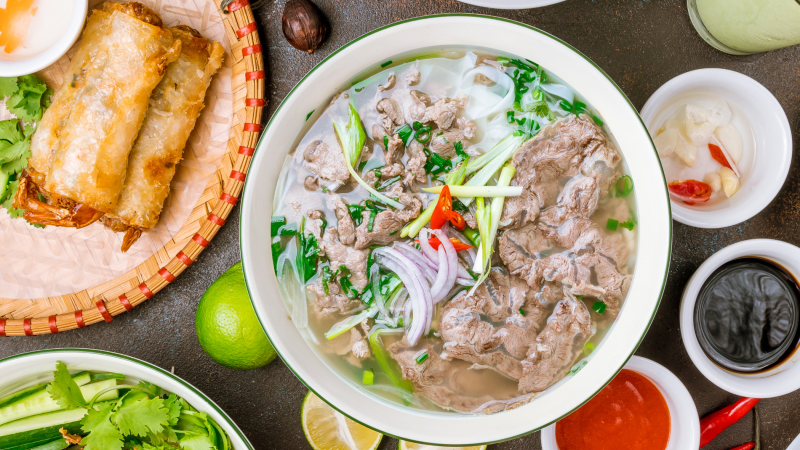
If the raw ingredients are of sufficient quality, even the simplest cooking methods can produce a delicious dish. Furthermore, when that initial raw quality is combined with the chef's skill and artistry in their choice of ingredients and spices, the resulting dish will be truly impressive.
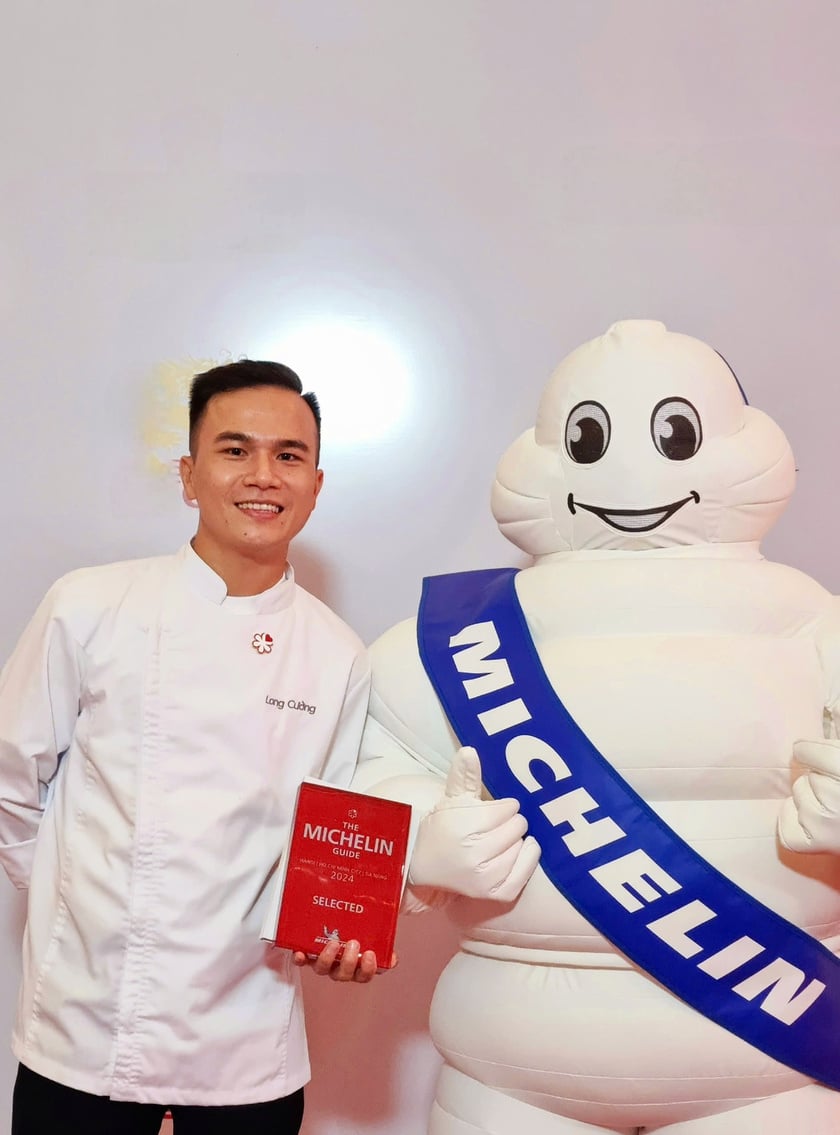
Returning to today's story, we invite readers to get acquainted with Chef Long Cuong. He is a young chef born in 1995. Having previously worked at Esta Saigon, he has now retired to pursue his own personal projects. Long Cuong is a professional chef with many years of experience and has garnered numerous prestigious culinary awards such as Michelin Selected 2024, Top 2 Rising Star Chef 2023 (BAR Awards), and several others.
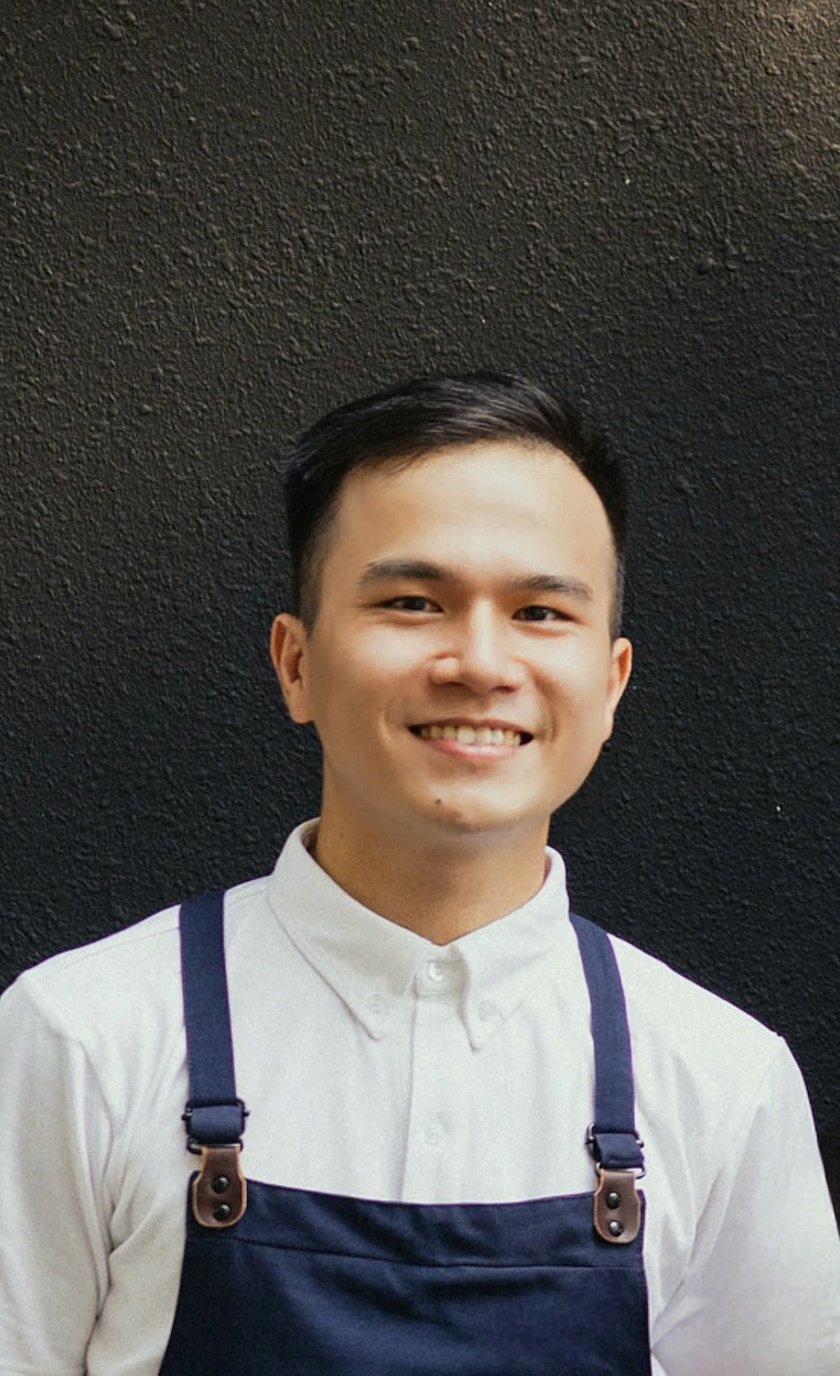
Chef Long Cuong
In a conversation with this humble and passionate chef, Travellive envisioned how he calmly and thoughtfully extracts ingredients and creates contemporary dishes amidst the rapidly evolving F&B industry. It turns out that calmly and patiently exploring the beauty of each ingredient and food combination is also a way to honor unique culinary traditions.
What are your thoughts on our country's raw material resources?
Vietnam has a long coastline and a distinctive climate that varies from north to south, providing a diverse and abundant source of food. I focus on capturing the authentic beauty of seasonal ingredients sourced locally from those regions. To me, these ingredients may appear rough, rustic, and dusty on the outside, but they contain the deliciousness and unique qualities that nature has bestowed upon the Vietnamese people. Processing raw ingredients is challenging. It depends heavily on the experience and time the chef dedicates to the ingredients.
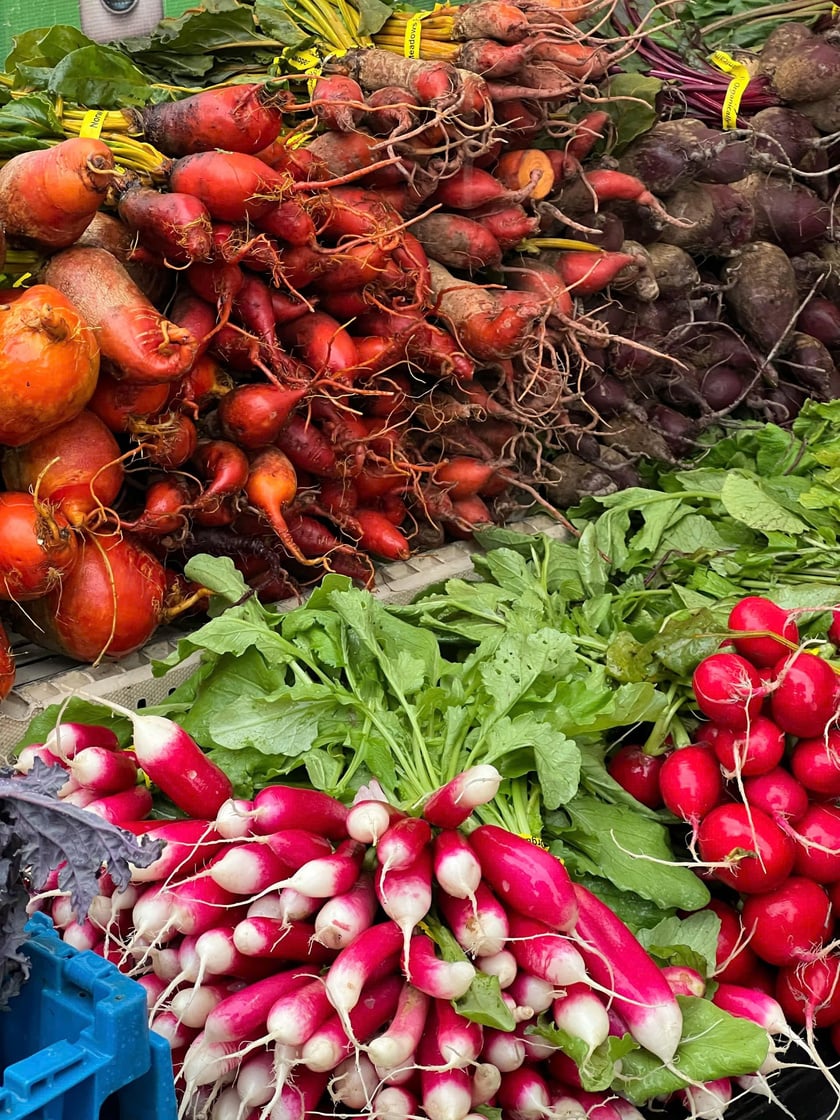
To me, those ingredients may appear rough, rustic, and dusty on the outside, but inside they contain the deliciousness and uniqueness that nature has bestowed upon the Vietnamese people.
In your opinion, what is the best way for a novice chef to access the abundant supply of raw materials available everywhere?
For a chef, in the beginning, most people focus on learning cooking techniques rather than spending time researching ingredients. Understanding raw ingredients requires process, patience, and time. I've grown professionally by learning about the origins, seasons, and characteristics of each ingredient, and how how they grow and are cared for greatly affects their quality. This requires a slow and observant approach to understand and appreciate the essence of various ingredients, and then apply them to dishes. A chef who understands and appreciates their ingredients is incredibly valuable.
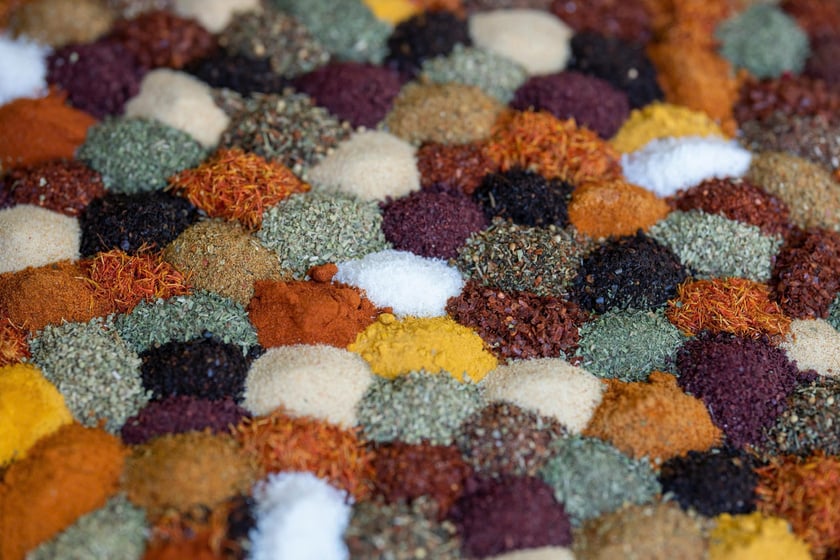
This requires a slow and observant approach to understand and appreciate the subtle nuances of various ingredients, and then apply them to the dish.
During my work, I noticed that many high-quality restaurants are very committed to researching their ingredients. They shared with me that they do thorough research. They invest a lot of time, effort, and focus in creating new menus. This applies to every dish. Because they understand and value their food sources. They dedicate a lot of time to developing research and exploring local ingredients. Local vegetables, meat, and fish are given more attention to support local farmers and help develop the agricultural sector in the country.
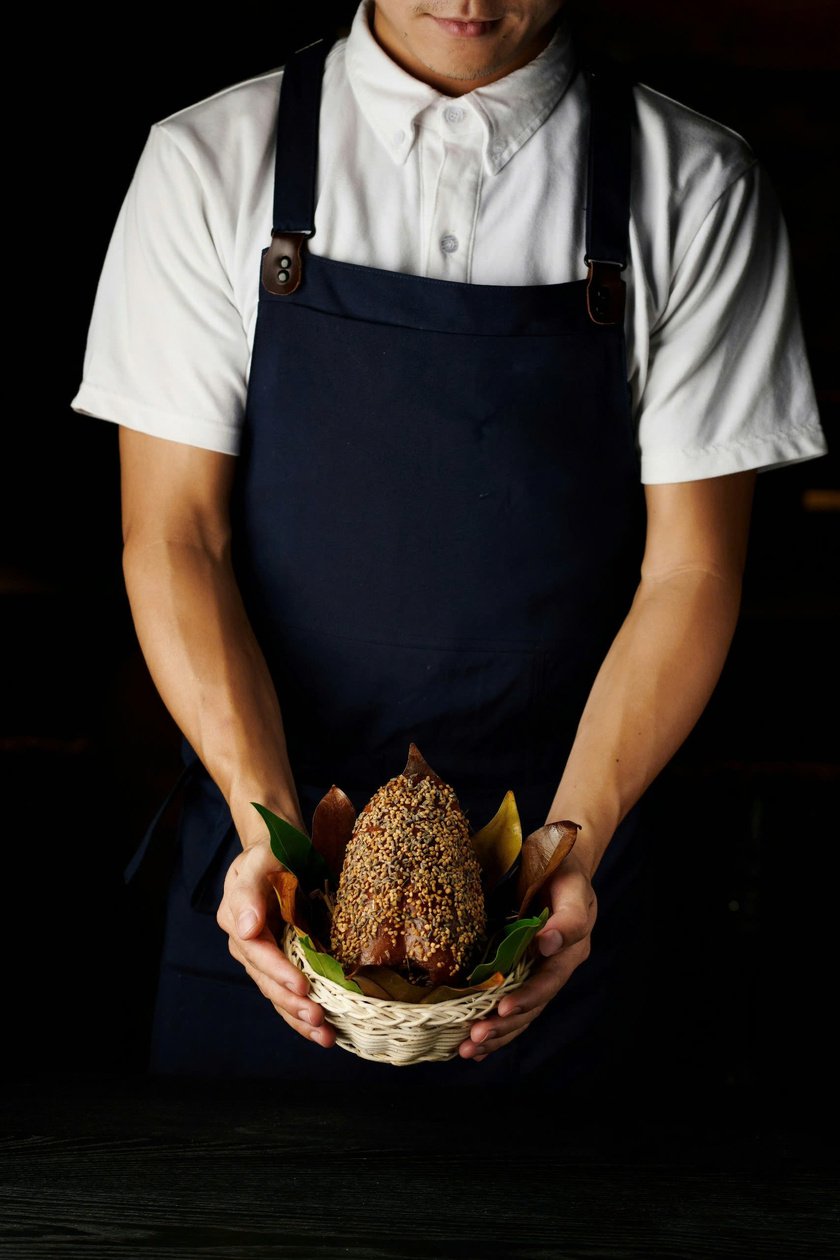
This makes perfect sense and has been a habit of many chefs of the older generation. In the old days, when life wasn't as convenient in terms of services or transportation between countries as it is now, chefs relied entirely on local ingredients. Therefore, a chef who wanted to be good at cooking traditional dishes had to focus on researching local ingredients, studying their origins and the seasons in which they were grown to create unique and delicious dishes.
Delving deeper into the story of local food under the philosophy of "eating what's in season" and how many food lovers prioritize food sources readily available around us, could you share more about this with our readers?

For me personally, the best ingredients are those that are in season. For example, in winter and spring there are strawberries, while in summer there are plums, lychees, and star fruit… All of them have the characteristics of their region and season. I have never prioritized canned ingredients; if I need an ingredient and I can find it in our country, I won't prioritize imported ones. Perhaps, my trust in food from farmers with knowledge and experience about crops and seasons is also a way of contributing to the overall development of the local agricultural sector.
Let's talk a little about ingredients that are available year-round, like carrots, cabbage, and eggplant... This time, I'll focus on flavor and how they're grown, rather than seasonality. Speaking of farming methods, believe it or not, sometimes just a small change in the care given to the plants can alter the quality of the ingredients. For example, strawberries might be sweeter one season than the next, even if the weather isn't drastically different. In such cases, I'll try to work with suppliers to maintain the quality of the ingredients instead of trying to reuse the less-than-perfect fruit.
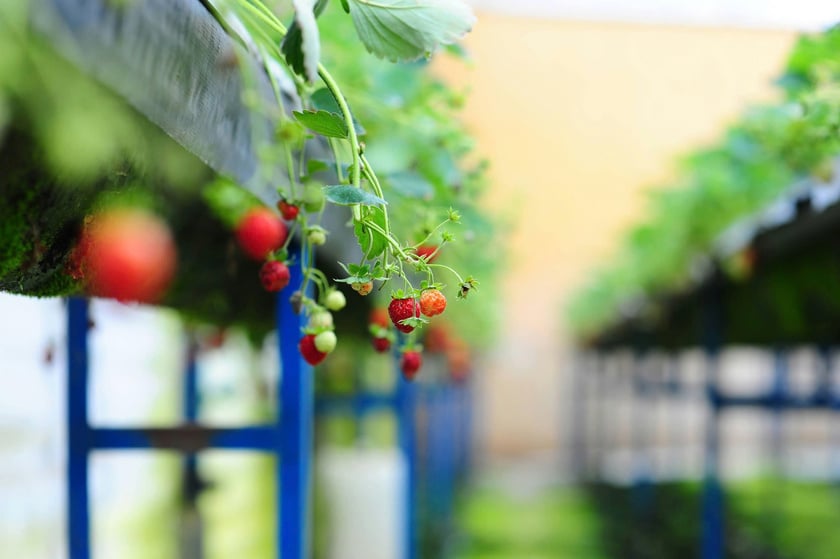
Sometimes, just a small change in plant care can alter the quality of the ingredients.
Through this story, we understand that maintaining the quality of food sources according to seasonality is an extremely difficult challenge for chefs and farmers. The lack of stability, the inability to compare production volumes with industrially produced food, and countless other limitations have led many in the F&B industry to... give up on this source of raw materials. On the other hand, it is a fertile ground for many chefs to exploit.
In your opinion, is it possible for a chef to approach food in more than one way?
In my opinion, there are two ways chefs approach food: one is to prioritize ingredients they love and use regularly, and the other is to prioritize and respect the customer experience, so no ingredient is prioritized. I belong to the second group (laughs).
Can you name a few special ingredients that you enjoy in your kitchen?
I like tomatoes, strawberries from Moc Chau, and basil from Tra Que vegetable village (laughs).
Can you share the most memorable story from your journey exploring Vietnam's diverse, abundant, and unique indigenous resources?
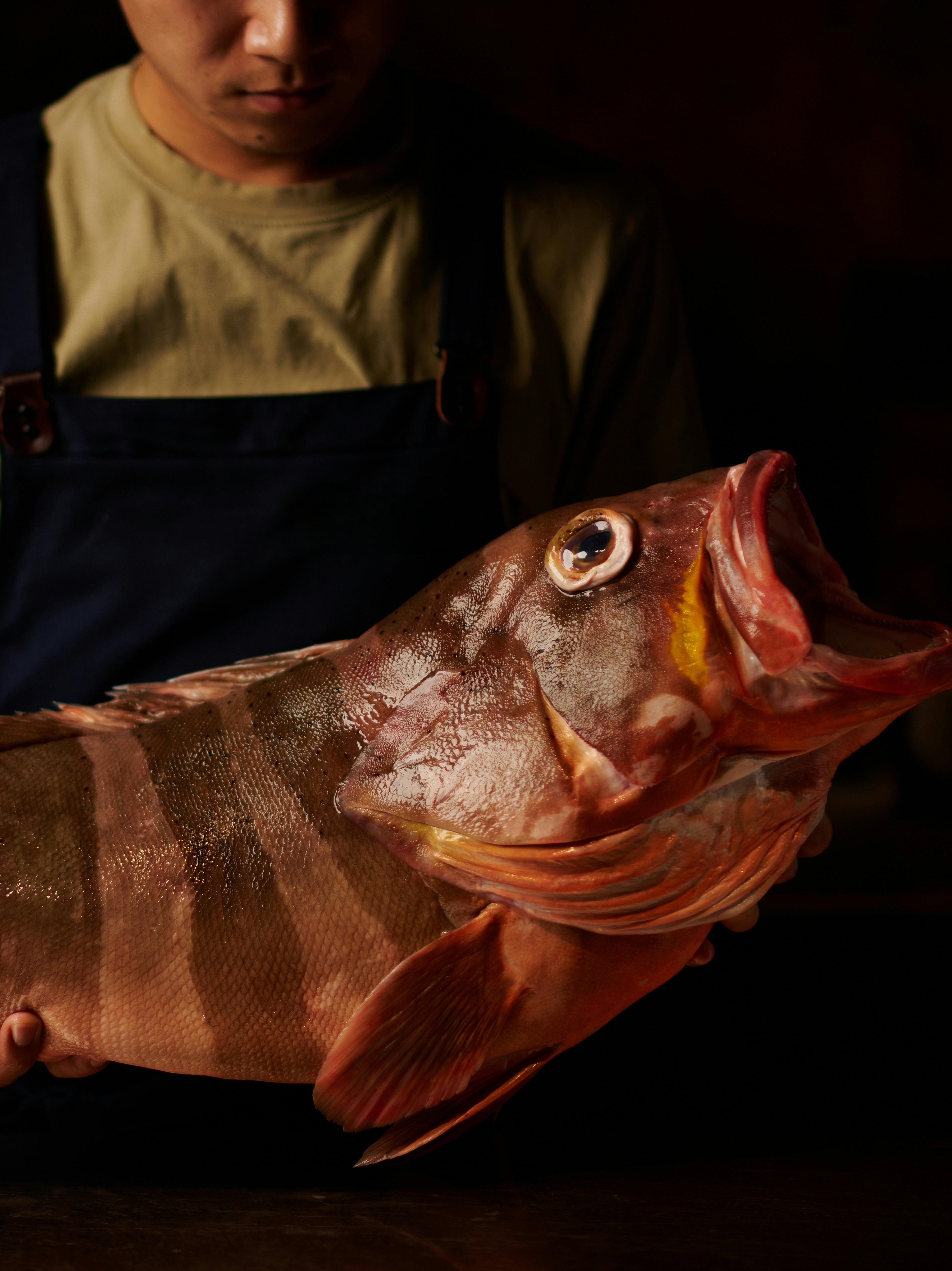
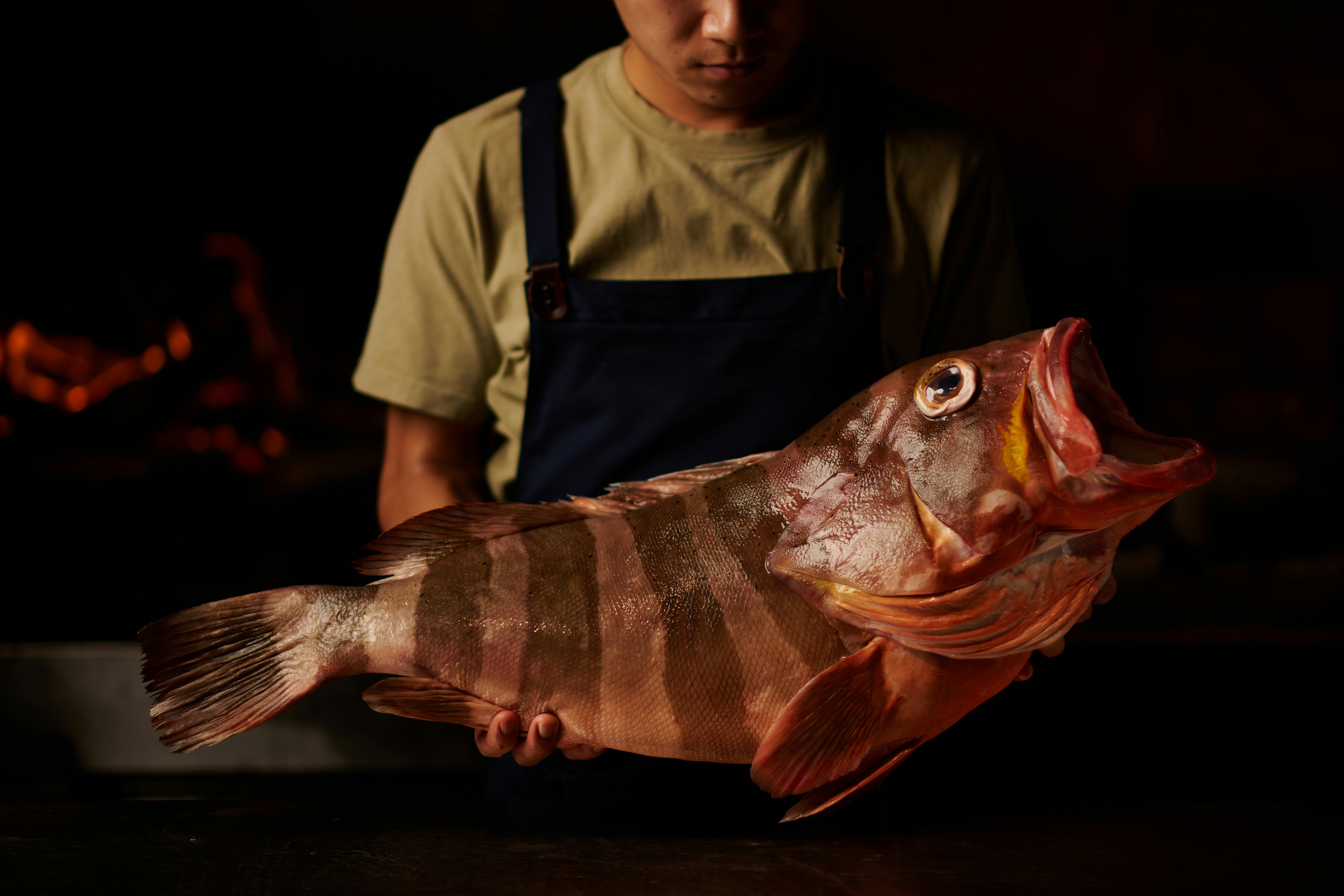
I have a memorable experience that changed my perspective on my career and my way of thinking about cooking: the time I received a grouper fish caught from the sea off Phan Thiet.
My friend is an offshore fisherman who often fishes all night. One morning, right after a storm when the sea had calmed down, he called me and said he had just caught a rare 21kg grouper and asked if I wanted to buy it, because if I didn't finalize the deal immediately, someone else would take it. I agreed to buy it right away. You know, this fish is wild-caught, it can't be farmed, it's very rare, and usually only black grouper or star grouper can be farmed. This grouper has very tender flesh, almost every part of it can be used, from the fillet to the bones, cheeks, and even the eyes. How did I manage to utilize the fish so completely? To catch such rare fish, fishermen have to put in a lot of effort, from wading through rain and wind to reeling in a 21kg fish; it's truly a challenge. Catching it is not only dangerous and arduous, but also a matter of luck. Therefore, I greatly appreciate that effort. It's almost like an expression of gratitude (he shared emotionally).
Could you share more about the challenges you've faced in your career with our readers?
Sometimes, in this profession, chefs experience many ups and downs. And I know many of my friends and colleagues have gone through the same. Perhaps it's because we're so focused on cooking. A chef might be constantly thinking about food, even dreaming about it while sleeping, perhaps because they're so focused on cooking or they're intensely concentrating on a new menu.
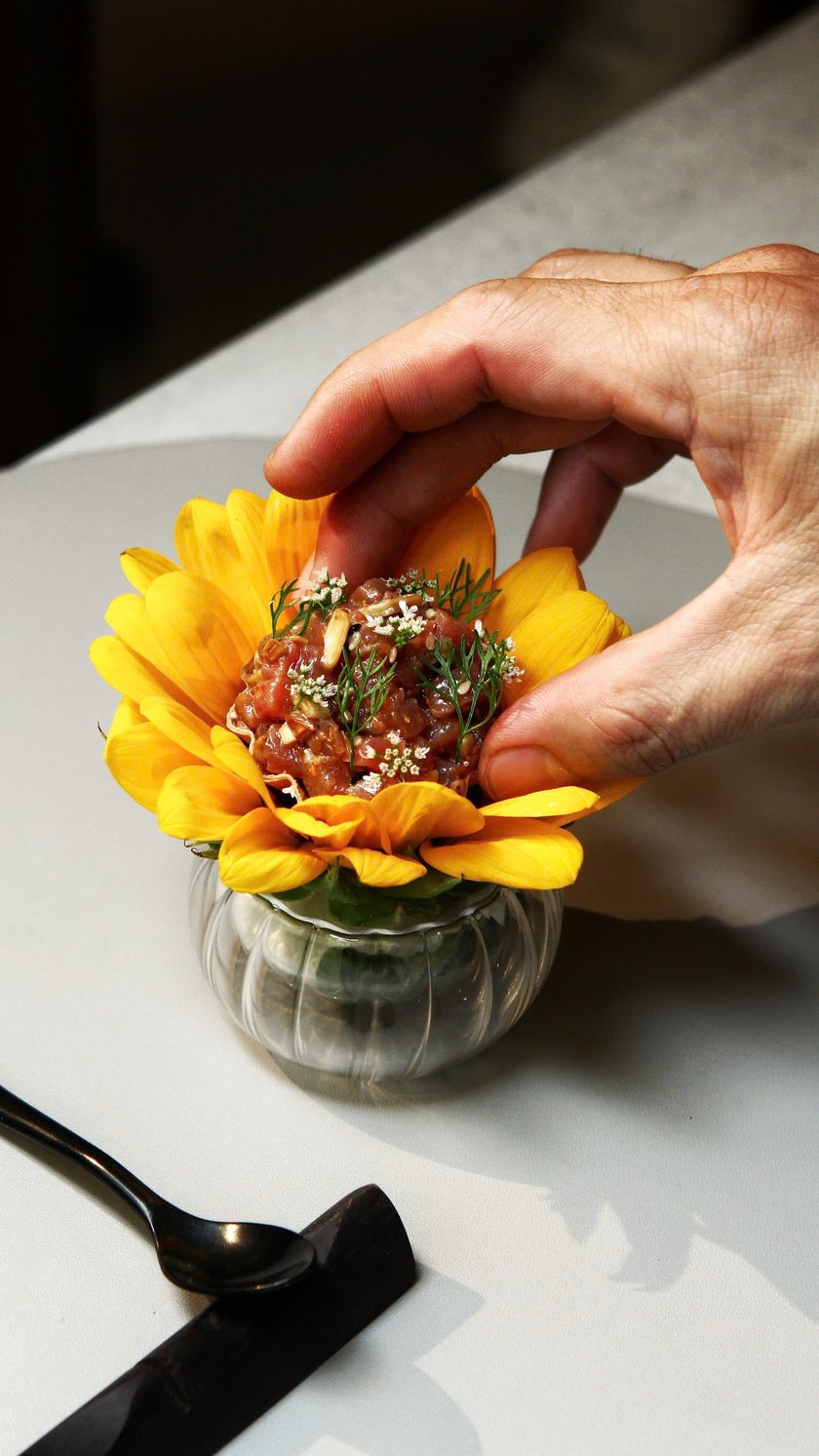
A chef who is always thinking about food might even dream about it while sleeping, perhaps because they are so focused on cooking or they are intensely concentrating on a new menu.
Does that mean becoming a professional chef is actually quite difficult?
That's right. I understand the importance of becoming a professional chef. I think this profession requires not only culinary knowledge but also scientific knowledge, understanding how things react with each other biochemically and physically, and adherence to food safety and hygiene standards (HACCP) is also crucial. Furthermore, this is just the beginning. Every chef needs immense patience and time to practice, delve deeper into research, and even overcome the discouragement of spending day after day in the same familiar kitchen.
And are all professional chefs equally creative, sir?
There are many moments when a chef faces the pressure to always be creative, but sometimes there are ingredients that don't require creativity; they are already perfect, well-rounded, and pure enough, and we just need to serve them in the simplest way.
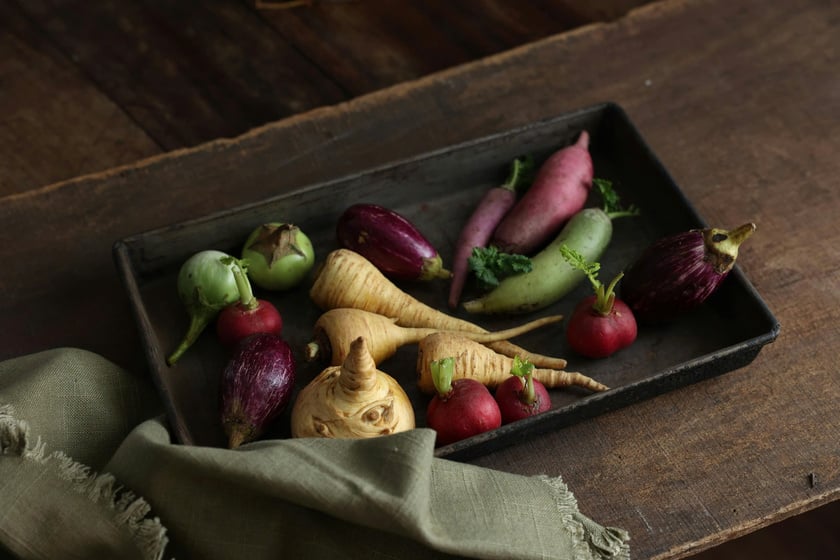
Sometimes, there are ingredients that don't need any creativity; they are already perfect, well-rounded, and pure enough. We just need to serve them in the simplest way possible.
Can you share some of your cooking tips/techniques that you frequently use?
I love charcoal grilling; it's a very old, fundamental, and traditional technique. If you choose good quality ingredients, just grilling them over a large, high flame will produce a delicious result. This is how I bring out the beauty of the ingredients most authentically. Restaurants around the world also prioritize charcoal grilling. The interaction between the smoke and fire, the protein in the meat and fish, and the juices (the liquid released from the food) creates a unique and distinctive flavor.
Grilling is arguably one of the oldest and most ancient techniques in human food preparation. From the time of fire's discovery, humans grilled the meat of animals over large flames. The initial flavors emanating from the rising smoke left a lasting impression on generations, creating a permanent love for grilled dishes that continues to this day. Not boiled dishes, not stewed dishes, but grilling and the way humans conquered fire are the foundation of the great culinary industry we see today.
With his talent, humility, and unhurried approach to ingredients, Chef Long Cuong shared stories about his profession and culinary anecdotes that were simple yet refined, yet contained profound value. It seems his greatest joy as a chef comes from discovering how to uncover the hidden beauty in even the simplest ingredients and honoring them in his own unique way.