VI
VI


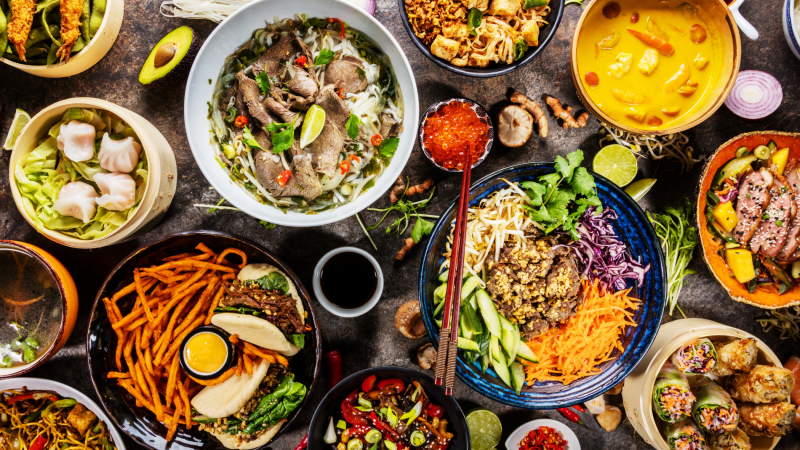
Aomori cuisine is not only a part of the local culture but also a hidden treasure waiting to be discovered. No matter which region of Aomori you visit, you'll have the opportunity to experience a wonderful culinary journey, from traditional dishes with authentic local flavors to unique specialties made with fresh, locally sourced ingredients.
Accordingly, this year's Hirosaki Cherry Blossom Festival is scheduled to take place from April 18th to May 5th at Hirosaki Park in Hirosaki City. If you choose Aomori Prefecture as part of your Japan travel itinerary, you can also check out the famous local cuisine.
Nokke-don
If you're looking for a unique and memorable culinary experience in downtown Aomori, don't miss the chance to try Nokke-don at Furukawa Fish Market (Aomori Gyosai Center). It's not just a dish, but a journey of discovering the wonderful flavors of the sea.
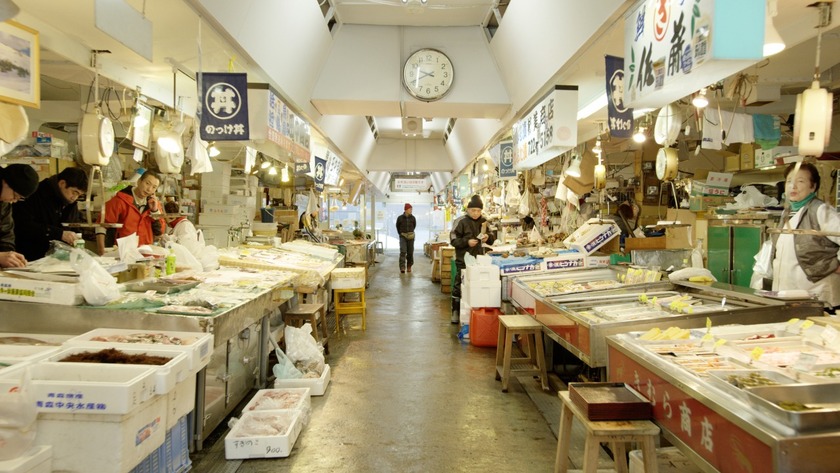
Aomori boasts a wide variety of ingredients, such as scallops, tuna, traditional side dishes, and even meat dishes.
First, you'll purchase a series of meal vouchers and receive a bowl of white rice. Then, you'll begin your journey through the bustling fish market, where stalls display a myriad of fresh, colorful seafood. You'll exchange your vouchers for your favorite toppings, from melt-in-your-mouth slices of tuna and salmon sashimi to succulent pieces of crab, shrimp, and scallops.
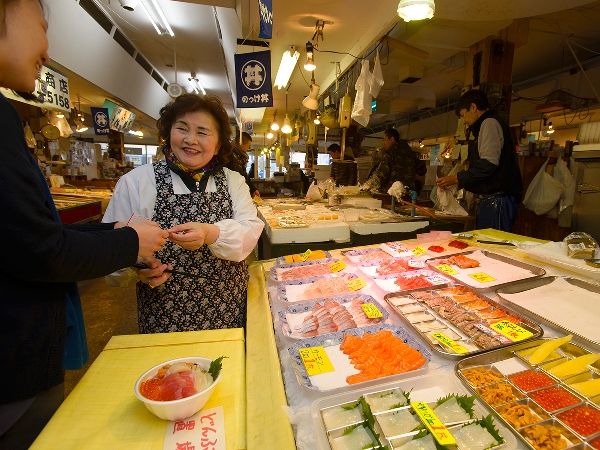
There are many kinds of fresh and delicious fish here.
With so many options, diners can freely create their perfect seafood rice bowl to their liking. You can combine different types of sashimi, add some caviar to enhance the flavor, or decorate with seaweed and herbs to create a colorful culinary art.
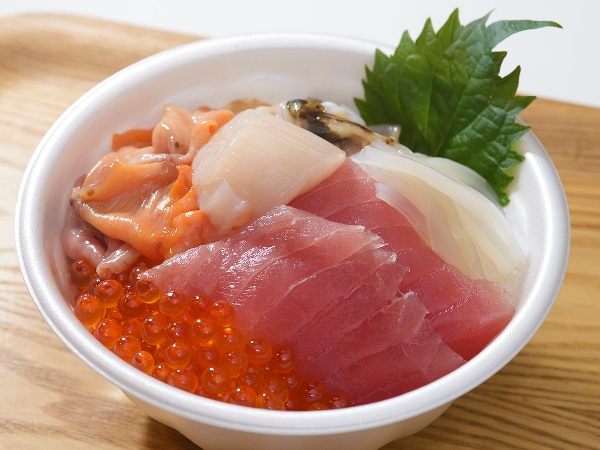
Nokke-don is a famous dish found at a renowned Japanese market.
What's special is that you can enjoy Nokke-don right there, in the bustling atmosphere of the fish market. While eating, you can watch the locals buying and selling, chatting, and feel the vibrant and authentic atmosphere of life here.
Aomori apples
Aomori, Japan's "apple kingdom," is famous for its crisp, sweet, and delicious apples. This region is not only the largest apple producer in Japan but also a hub for many apple-related products, from fragrant apple pies to fine apple cider.

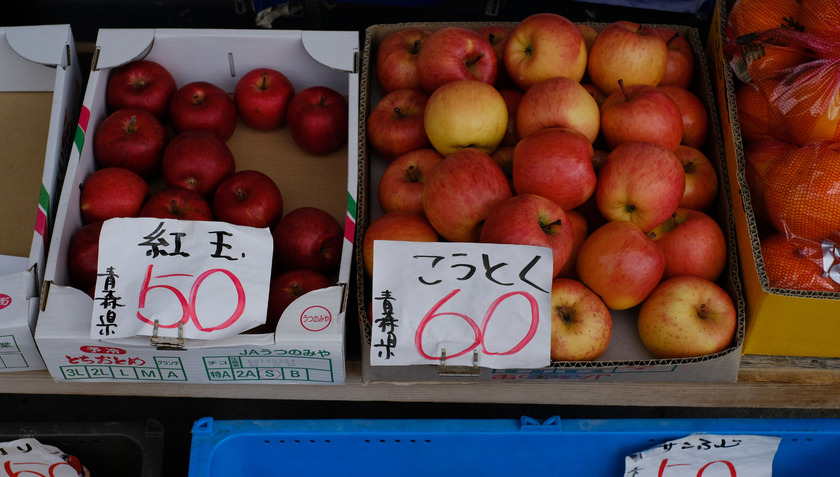
Apples from Aomori, Japan, are highly regarded for their cultivation process. They are among the best in the world, with large, ripe, juicy fruits and a beautiful, bright color.
At the heart of this "apple kingdom" is Hirosaki, in the Tsugaru region, famous for its renowned Fuji apples. In Hirosaki, visitors can admire vast apple orchards, rows of trees laden with fruit, and especially Hirosaki Apple Park – a must-see destination for apple lovers.
With such diversity, Hirosaki even has its own guide to apple pie, featuring around 50 local apple pie varieties that are categorized and indexed to help readers easily discover and find the perfect texture or sweetness to suit their taste.
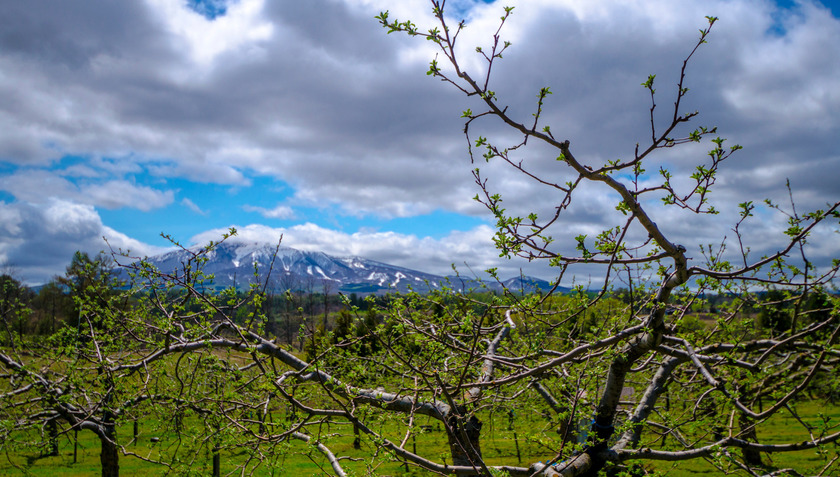
An apple orchard in Japan.
Hirosaki Apple Park is not just a place to admire apple trees, but also a place to learn about the history, culture, and apple-growing processes of the local people. Visitors can participate in activities such as apple picking, enjoying different varieties of apples, and shopping for apple-related products.
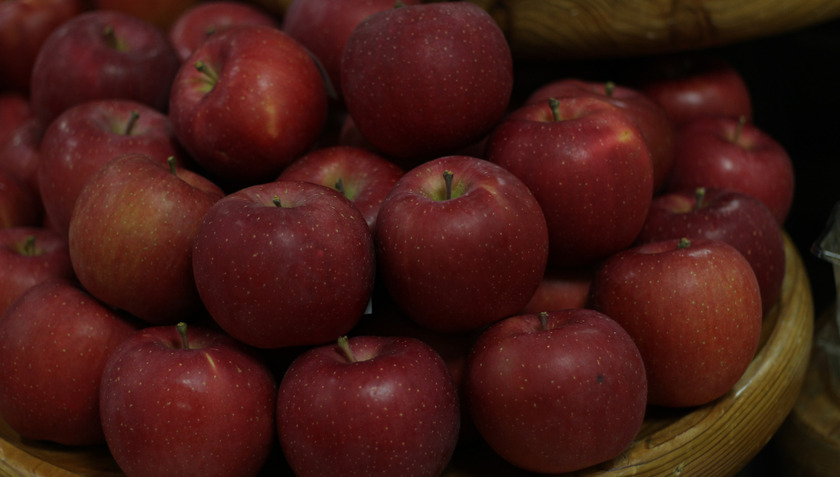
Japanese apples are large, visually appealing, and have a distinctive aroma.
In addition, visitors can also enjoy dishes made from apples, such as apple pie, apple jam, apple ice cream, and many other treats. The sweet, delicious flavor of Aomori apples will leave a lasting impression.
Miso Kaiyaki
Thanks to its three sides bordering the sea, most of Aomori Prefecture's specialties are made from seafood, such as Igamenchi (minced squid tentacles mixed with vegetables and deep-fried), Jappa-Jiru (cod hot pot with cod head, bones, guts, and skin cooked with radish, cabbage, konjac, tofu, and carrots), and Kaiyaki-miso, with scallops as the main ingredient.
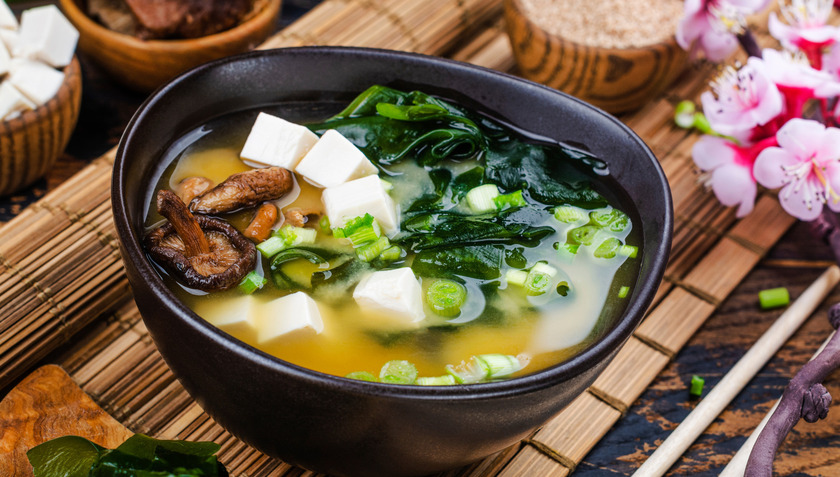
This dish is both nutritious and appealing, with the scallop shells enhancing the flavor of this special meal.
Miso Kaiyaki originates from the Tsugaru and Shimokita regions of Aomori Prefecture. This dish is believed to date back to the Edo period, when locals frequently caught scallops and used them to prepare various dishes. Miso Kaiyaki is one of them, and it has become a signature dish of the Aomori region.
Matagi Meshi
Try the traditional Tsugaru of Matagi-meshi (literally meaning "hunter's meal"), a dish with a long history deeply rooted in the culture of the Iwaki mountain region. Originally, it was made from ingredients readily available in nature, such as wild mountain vegetables and the meat of hunted animals like bears, deer, and rabbits. Over time, it has become an integral part of local cuisine and is considered one of the earliest examples of kamameshi cooking style (using a small pot that is also served).
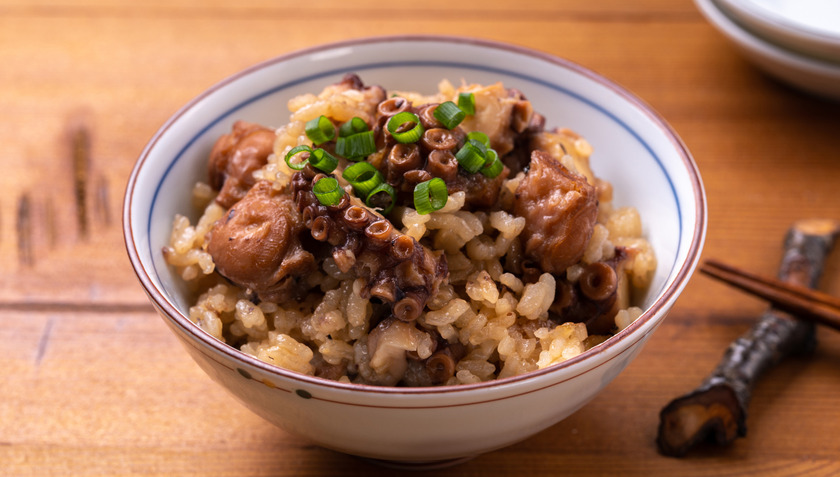
Try Matagi-meshi's traditional Tsugaru dish, which is packed with healthy ingredients.
Oma Maguro
The port town of Oma, Aomori Prefecture, Japan, lives up to its reputation as the country's "tuna capital," renowned for its high yield of live Pacific bluefin tuna, averaging 100 kg per fish. Oma tuna are famous not only for their impressive size but also for their exceptional meat quality, making them highly sought after by connoisseurs worldwide.
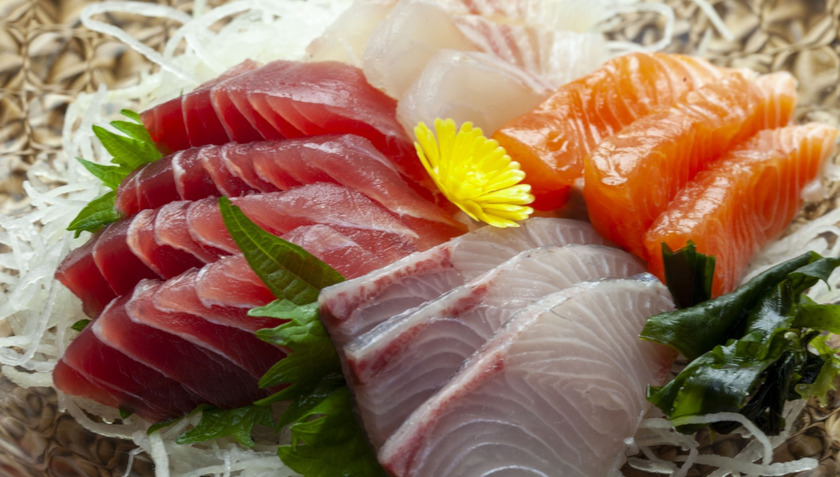
Oma tuna is renowned not only for its impressive size but also for its superb meat quality, a harmonious blend of imposing appearance and exquisite flavor.
What gives Oma tuna its illustrious reputation? The secret lies in its unique habitat. The waters surrounding Oma, where the frigid Pacific current meets the warm current of the Sea of Japan, create an ideal environment for bluefin tuna. Oma tuna frequently move through these waters to hunt for prey, allowing them to accumulate just the right amount of fat, resulting in their distinctive, rich, and delicious flavor.
In Oma, visitors can witness firsthand the arrival of giant tuna as they are caught and brought ashore, and experience the bustling atmosphere of the local fish market. In particular, visitors shouldn't miss the opportunity to enjoy dishes made from Oma tuna at the specialized restaurants here.
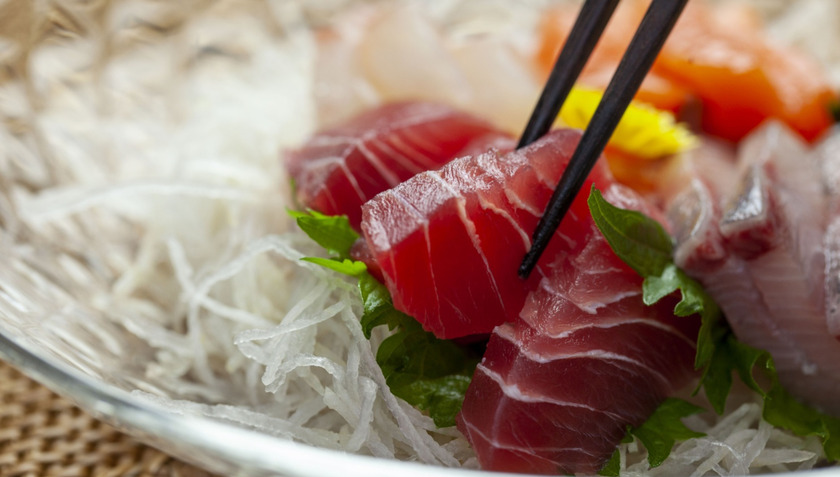
Oma tuna meat has a vibrant red color with evenly spaced white fat marbling, creating a visually appealing culinary experience.
Oma's tuna dishes are incredibly diverse and abundant, ranging from fresh sashimi and sushi to crispy tempura, fragrant grilled tuna, melt-in-your-mouth pan-fried tuna, and hot pot and soup dishes. Each dish has its own unique flavor, but they all share the common characteristic of the fresh, rich taste of tuna meat.
There are so many wonderful things to see and do in Aomori, as well as countless opportunities for culinary experiences. From incredibly delicious rice bowls to exquisite sake to various apple pies, sampling Aomori's local specialties is an adventure all your own.