VI
VI


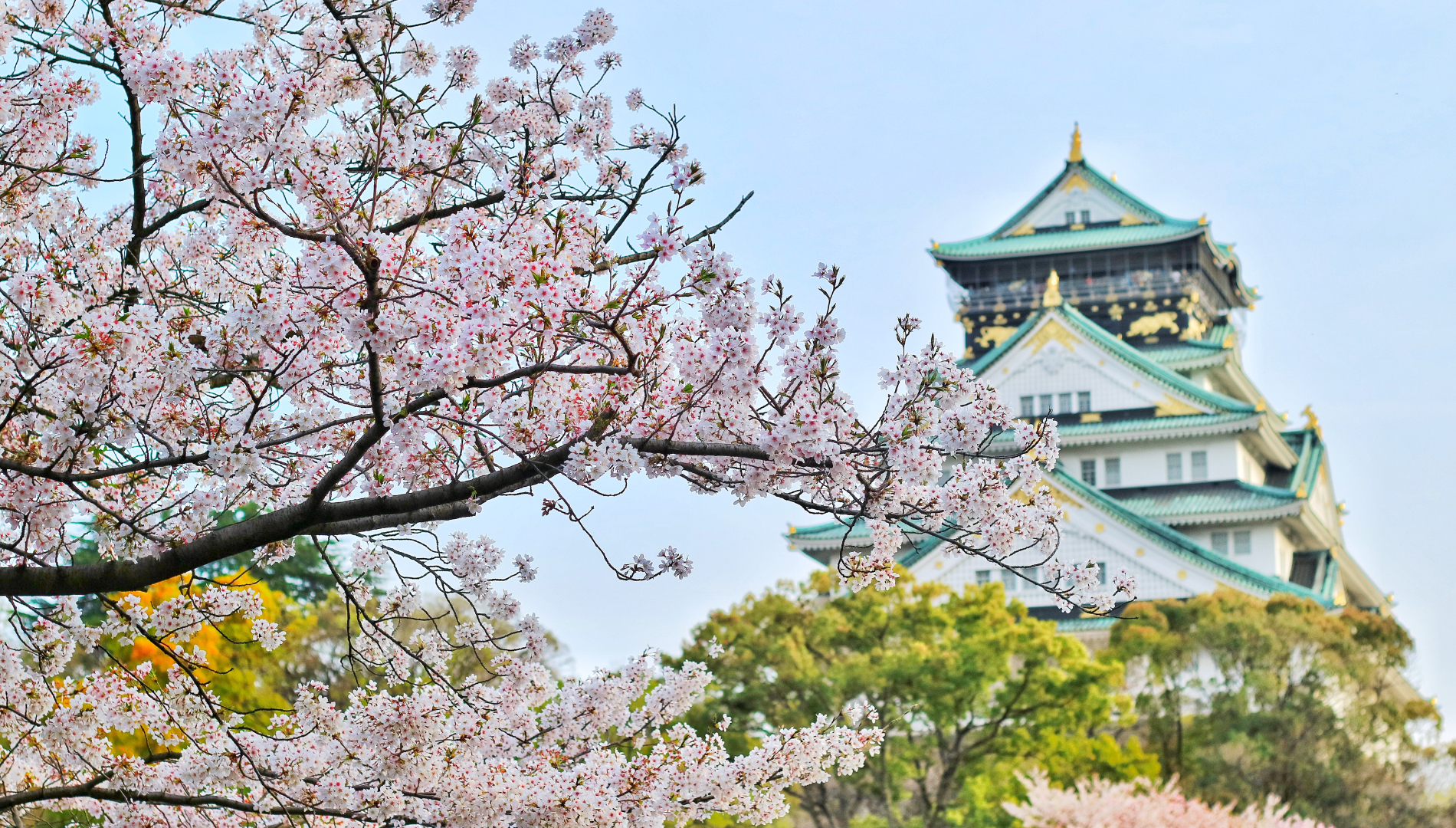
Kyoto, the jewel of Japan, has long been a symbol of ancient and refined beauty. It is renowned not only for its majestic temples and tranquil Zen gardens, but also for its historically significant traditional tea houses. Through the centuries, Kyoto has preserved its ancient charm, making it an attractive destination for tourists from all over the world.


Following the impact of the Covid-19 pandemic, the global tourism industry is gradually recovering and flourishing. Japan is no exception, and Kyoto, with its unique charm, is witnessing significant growth in visitor numbers. The lifting of travel restrictions after the pandemic has facilitated international tourists' visits and exploration of Kyoto.
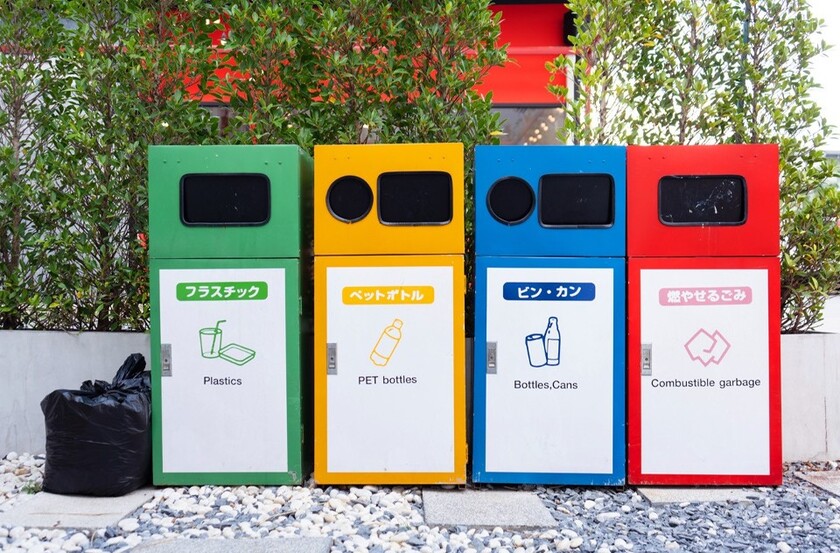
To prevent tourists from littering, the city of Kyoto has installed approximately 300 trash cans at popular tourist spots.
The increase in tourist numbers not only brings joy and excitement to the city, but also provides Kyoto with an opportunity to showcase its traditional cultural values to the world. Ancient temples, tranquil tea houses, traditional festivals... all are precious gems that Kyoto wants to share with visitors.
However, the increase in tourist numbers also poses significant challenges for Kyoto. Preserving and maintaining traditional cultural values while ensuring the best possible experience for visitors is a difficult task. The Kyoto government and its people are striving to find harmonious solutions to address this issue, aiming to ensure that Kyoto remains an attractive and memorable destination for tourists.

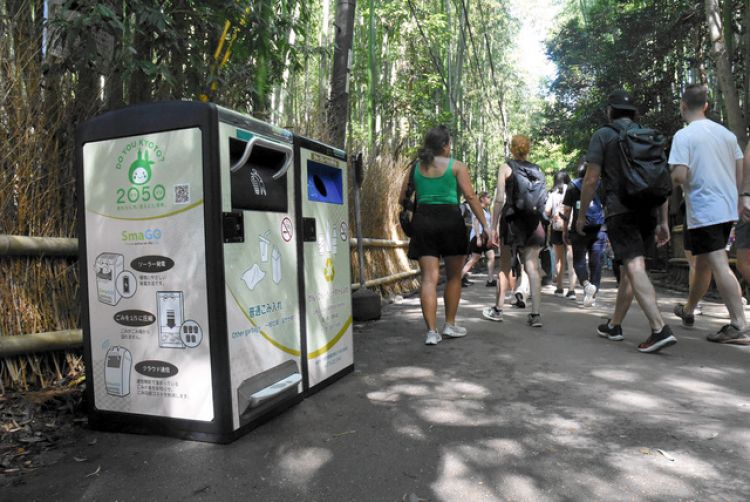
Over 200 smart trash cans have been placed at various popular tourist spots in Kyoto, including the Arashiyama bamboo forest.
To address this problem, the Kyoto authorities implemented an innovative and effective solution: installing "smart trash cans" in the Gion district and several other tourist spots in the city.
With solar panels installed on top, the trash can can generate its own energy. The intelligent waste compaction mechanism reduces the frequency of collection, saving costs and manpower. In particular, the spill-filling gate is designed to prevent waste from scattering, maintaining cleanliness in the surrounding area.
The installation of "smart trash cans" is a significant step in Kyoto's efforts to address pollution caused by "tourism overload." This is not just a short-term solution, but also a strong message about environmental awareness that the city wants to convey to tourists and the community.
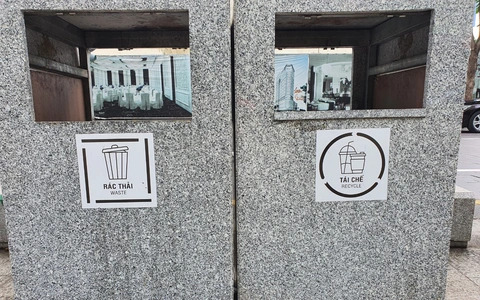
Since the 1995 Aum Shinrikyo cult's poison gas attack in Tokyo, waste containers have disappeared from many public spaces.
Furthermore, the use of "smart trash cans" offers many other benefits. They help raise awareness among residents and tourists about maintaining public hygiene, creating a cleaner living and tourism environment. At the same time, they contribute to minimizing the negative impact of tourism on the environment, moving towards the sustainable development of Kyoto's tourism industry.
In the future, the Kyoto government plans to continue expanding the installation of "smart trash cans" to more locations throughout the city. This demonstrates Kyoto's commitment to environmental protection and maintaining its position as one of the world's leading tourist destinations.
Since March 2023, thanks to the contribution of Kinoshita Kansei Waste Treatment Company (Otsu City, Shiga Prefecture), Kyoto has replaced old trash cans with smart trash cans, and as of February 14th, all trash cans in the Gion area have been replaced.
In the area surrounding the Gion district, a total of 14 trash cans have been installed at 7 locations, including Minami Theater to the west and Yasaka Shrine to the east.