VI
VI


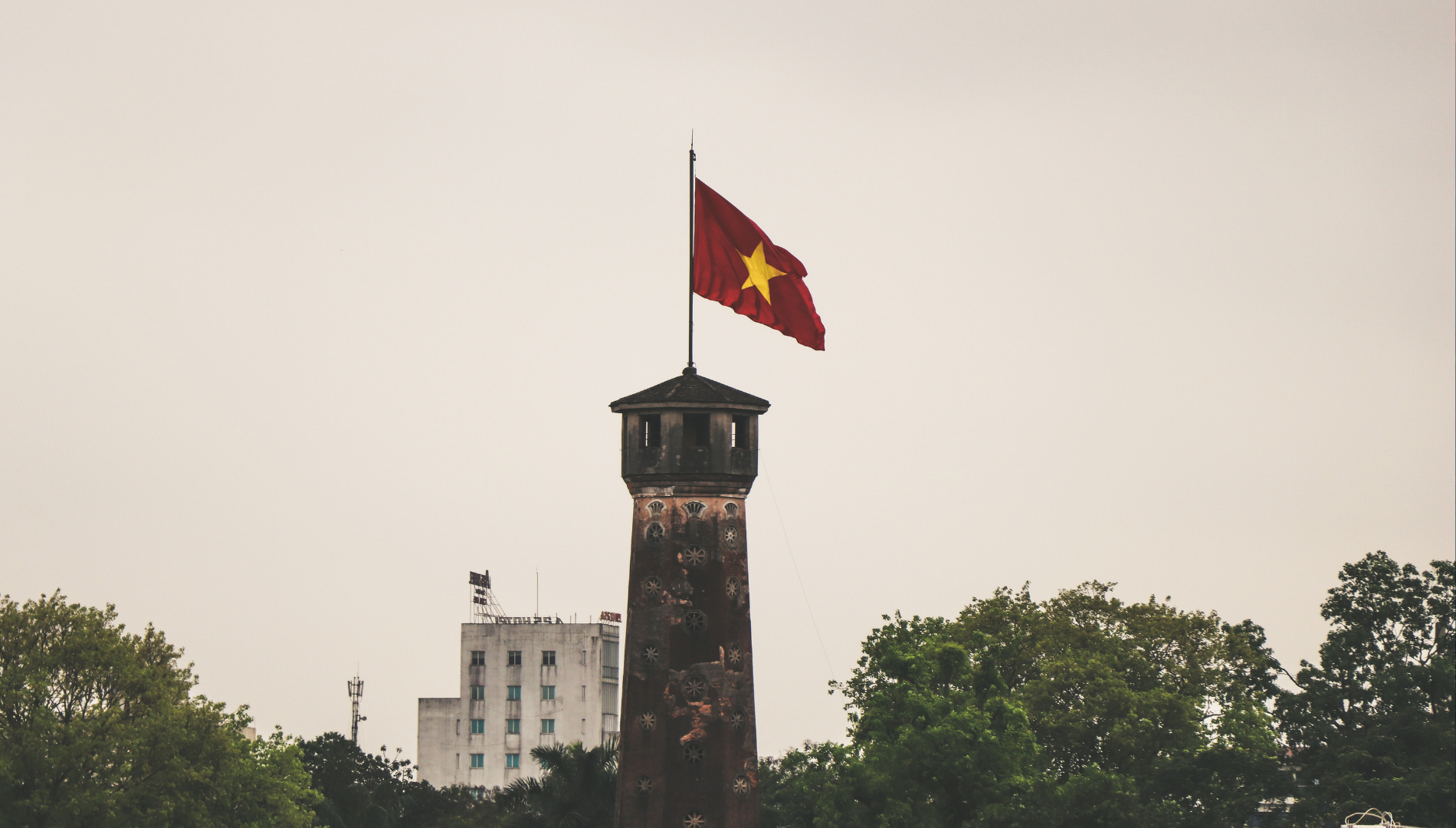
A priceless asset of the nation.
The more than 4,000-year history of the Vietnamese nation is an endless epic of courage, unwavering will, and fervent patriotism. From the founding and preservation of the nation, countless generations of Lac Hong descendants have continuously fought and sacrificed their lives to protect independence, sovereignty, and territorial integrity. The glorious pages of history, filled with brilliant and defiant victories against foreign invaders, are powerful evidence of this indomitable spirit.
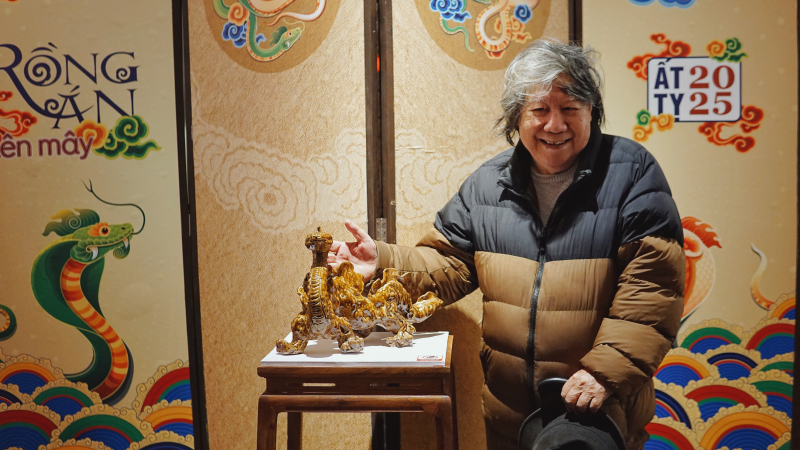
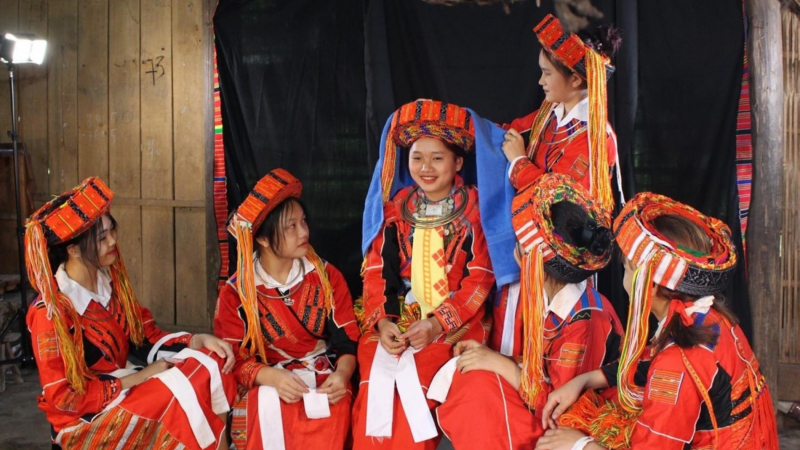
Every inch of Vietnamese land, every Vietnamese person, is imbued with a fervent patriotic spirit, unwavering loyalty, and a determination to protect independence, sovereignty, and territorial integrity. This spirit, forged over thousands of years of history, has become a core value and an intrinsic strength that helps the Vietnamese nation overcome all difficulties and challenges, reaching new heights.
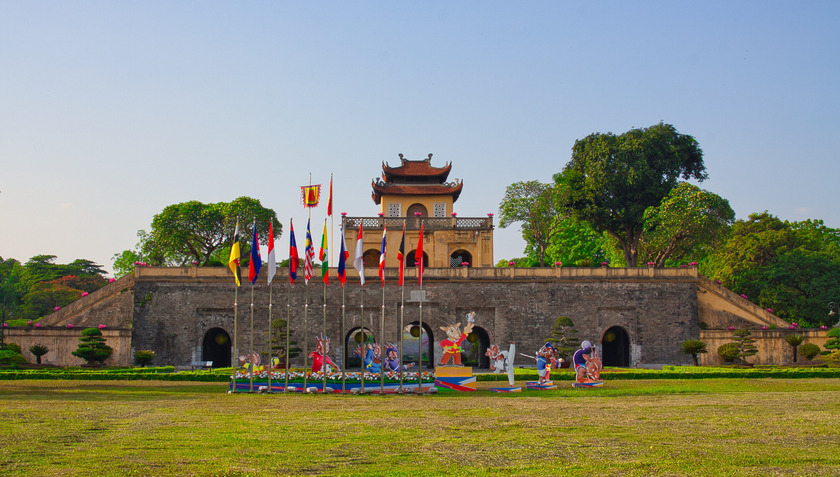
In its simplest terms, heritage tourism is a journey of visiting, learning about, and experiencing historical, cultural, and revolutionary sites, thereby "going back in time" to the past and our ancestral roots to gain a deeper understanding.
These glorious achievements are not only recorded in history books, but are also preserved and vividly recreated through a dense network of "red addresses" throughout the country. These are historical sites, memorials, museums, and traditional houses... places that mark significant historical events, heroic battles, and the courageous sacrifices made for the independence and freedom of the nation. Each "red address" is a heroic historical story, a valuable lesson in patriotism, indomitable will, and national pride.
The system of "red addresses" (historical and cultural sites) is not only an invaluable asset to Vietnam's history and culture, but also an attractive destination for domestic and international tourists. It is a place where every Vietnamese citizen can reflect on the glorious traditions of their ancestors, fostering patriotism and national pride. At the same time, it is also an opportunity to introduce Vietnam's history, culture, land, and people to international friends, contributing to enhancing Vietnam's position and prestige on the international stage.
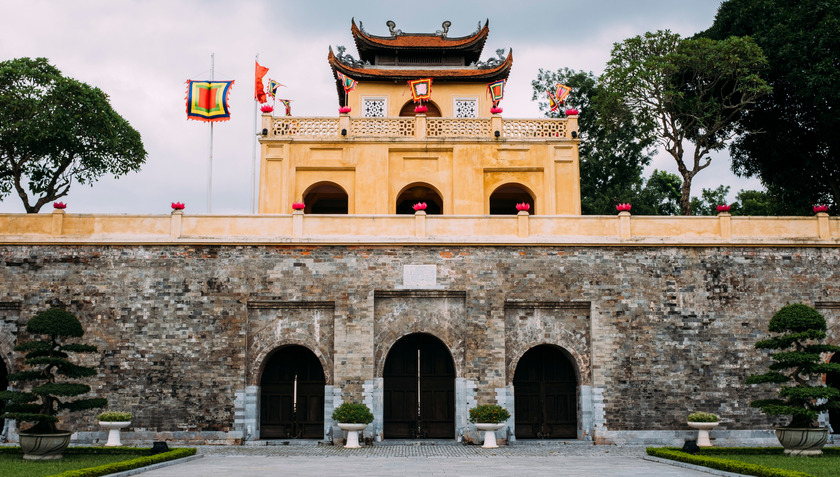
Vietnam's history, spanning over 4000 years, is a source of pride for every citizen.
Heritage tourism is not just a journey to discover scenic spots, but a profound journey back to the historical and cultural roots of the nation. It is a journey to find revolutionary historical sites – places that mark memorable events and milestones in the heroic revolutionary struggle of the Vietnamese people.
Every step on the journey back to our roots is a touch of history, an opportunity for visitors to better understand the glorious historical flow of the nation, the heroic sacrifices of generations of ancestors to win independence and freedom for the Fatherland. Historical stories are vividly recreated through historical relics, war relics, documentary films... helping visitors to deeply appreciate the value of peace, independence, and freedom.

Journeys to the roots not only help tourists explore destinations and historical sites to better understand the flow of national history, but also serve as an opportunity to educate the younger generation about traditions and revolutionary spirit, fostering pride and igniting love for their homeland. These historical lessons are conveyed in a vivid and engaging way, helping young people better understand traditional values, patriotism, unwavering will, and the indomitable spirit of the nation.
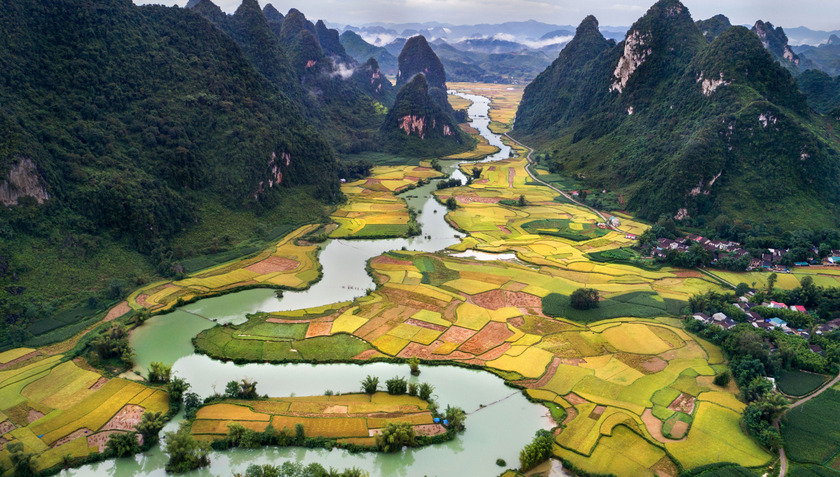
Vietnamese tourism trips have been and continue to play an important role in educating people about history, traditions, and revolutionary spirit, fostering pride in the nation's positive values, and arousing patriotism, especially among young people.
Visiting these "historical sites" allows one's heart to settle, reflecting on the generations of ancestors who bravely fought and sacrificed to achieve independence and freedom for the country. This experience deepens the understanding of the principle of "drinking water, remembering the source," and inspires a desire to contribute to building a more prosperous, beautiful, and civilized nation.
It is difficult to fully enumerate the number of revolutionary historical sites across this S-shaped land. From remote border regions, where glorious battles against foreign invaders were fought, to historical landmarks in the heart of cities, where important revolutionary events took place, all are "witnesses" to the heroic history of the nation.
Places like Dien Bien Phu, where a historic victory shook the world, or Con Dao, the "hell on earth" where steadfast communist fighters were imprisoned, have become familiar destinations for tourists both domestic and international.
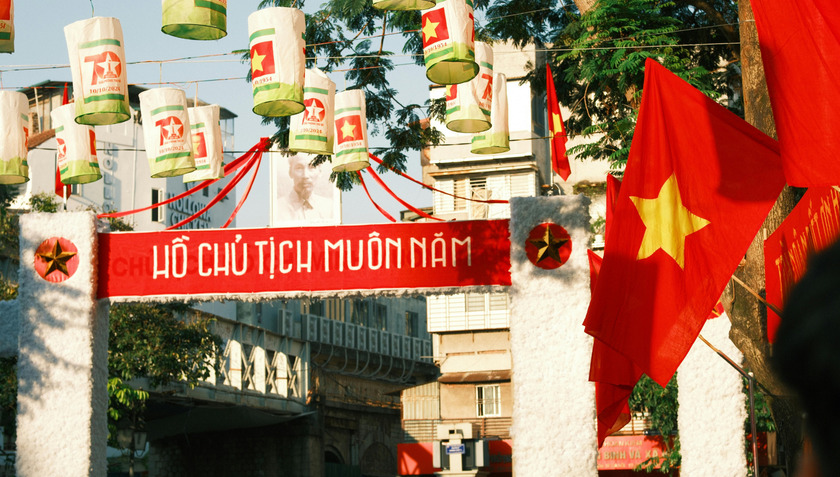
Preserving and promoting the value of historical sites in conjunction with tourism development creates a ripple effect for the destination, while simultaneously demonstrating the principle of "drinking water, remembering the source," educating about traditions, and affirming the attractiveness of the tourism product as a destination for this type of tourism.
Besides revolutionary historical sites, Vietnam also boasts rivers, streams, and hills that carry within them heroic historical stories. The Bach Dang River, which commemorates the glorious victories of Ngo Quyen, Le Hoan, and Tran Hung Dao, or Tan Vien Mountain, associated with the legend of Son Tinh and Thuy Tinh, are all attractive destinations for heritage tourism.
With such immense potential, heritage tourism is increasingly asserting its important position in Vietnam's tourism industry. It's not only a journey to explore history, but also an opportunity for every Vietnamese person to recall the glorious traditions of their ancestors, fostering patriotism and national pride.
Let the "historical sites" tell their stories.
Despite significant achievements, many experts believe that heritage tourism in Vietnam has not yet fully exploited its enormous potential. Current heritage tourism activities mainly focus on visiting and learning about historical sites, listening to guides recount the heroic deeds of our ancestors, etc., lacking interactive activities and hands-on experiences to create lasting appeal and impressions for tourists.
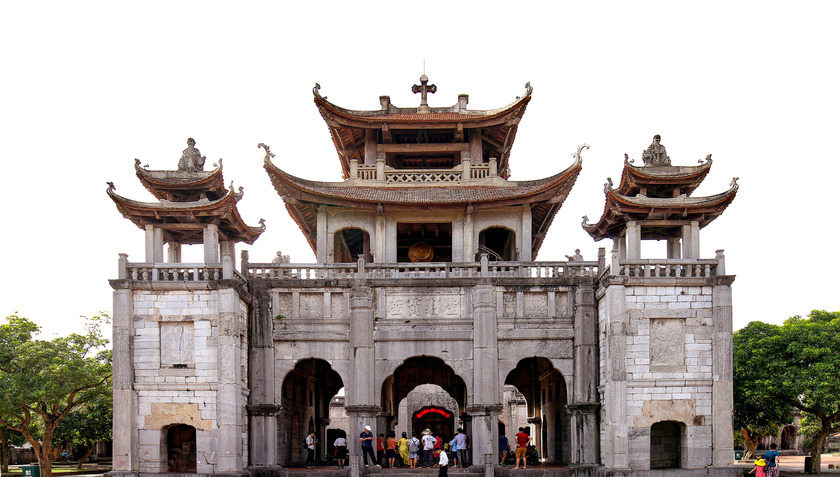
More innovation is needed to sustain the growth of this type of service.
This deficiency leads to a worrying situation where heritage tourism products in many localities are similar and repetitive, lacking unique characteristics to attract tourists. Visitors to heritage tourism destinations often only hear familiar historical stories and see monotonous exhibits, with few opportunities to participate in historical reenactments, experience the lives of people during the war, or learn about traditional cultural values associated with revolutionary history.
To address this issue, a strong reform is needed in the way heritage tourism products are organized and developed. Emphasis should be placed on investing in the development of diverse and enriching interactive and experiential activities tailored to different types of tourists. For example, tourists could participate in historical reenactments, role-play as historical figures, experience the lives of people during wartime, or learn about traditional cultural values associated with revolutionary history.

To achieve this, a comprehensive and synchronized development strategy is needed, along with the involvement of all levels and sectors, and the active participation of the community.
In addition, it is necessary to strengthen the promotion and introduction of heritage tourism products, especially those with unique and distinctive characteristics. Professional, attractive, and highly interactive heritage tourism programs should be developed to meet the increasingly high demands of tourists.
Only in this way can heritage tourism truly unleash its enormous potential, becoming a unique and attractive form of tourism, making a significant contribution to the development of Vietnam's tourism industry.