VI
VI


Nature also knows how to find a balance.
The car left Vancouver one early autumn morning, beginning a journey across Canada. The road took me through the Rocky Mountains with their turquoise lakes in Banff and Jasper, through forests of maple trees turning red, before reaching Toronto, Ottawa, Montreal, and finally ending in Quebec. But what I remember most about that journey of thousands of kilometers is not just the picturesque autumn scenery.
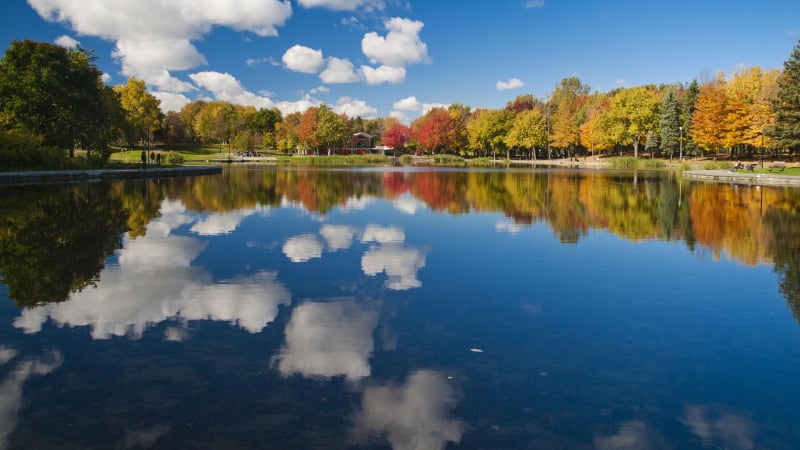
The car gradually entered the Rocky Mountains, where some of Canada's most beautiful roads unfolded before our eyes. Banff, Jasper, Lake Louise, Moraine, Pyramid, Peyto, and Maligne... each place possessed its own unique beauty, yet they gave the feeling of walking through pieces of a single mosaic.
Autumn is also the most special time of year. The first chill of the season permeates every breeze, snow begins to appear on the mountain peaks, but in the valleys below, the maple forests simultaneously turn red, orange, and yellow. Two seemingly contrasting shades are present in the same moment, creating a scene that is enough to leave one speechless for a long time just by stopping their car by the roadside.
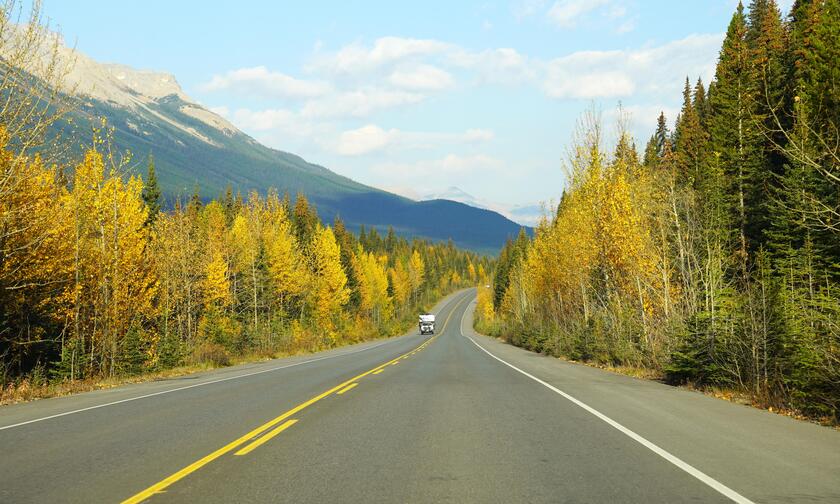
Autumn scenery on the way to Banff
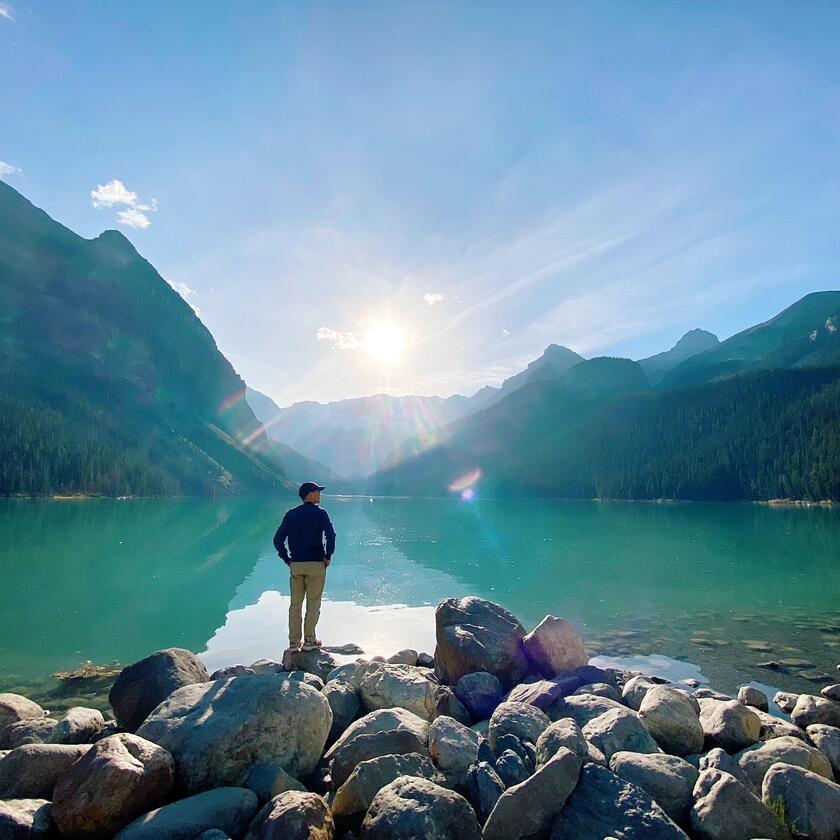
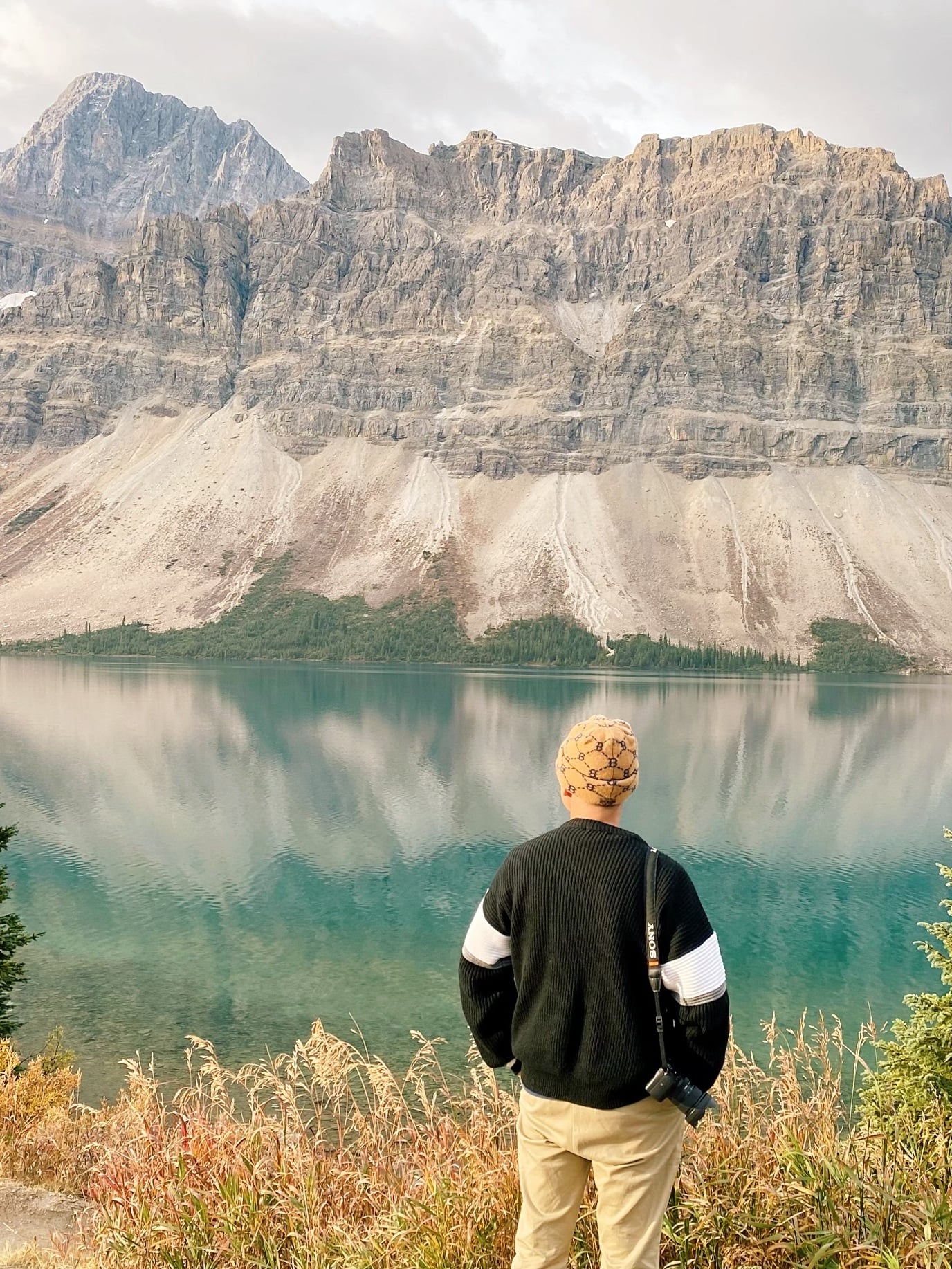
Lake Louise, with its distinctive turquoise color, is formed by glaciers.
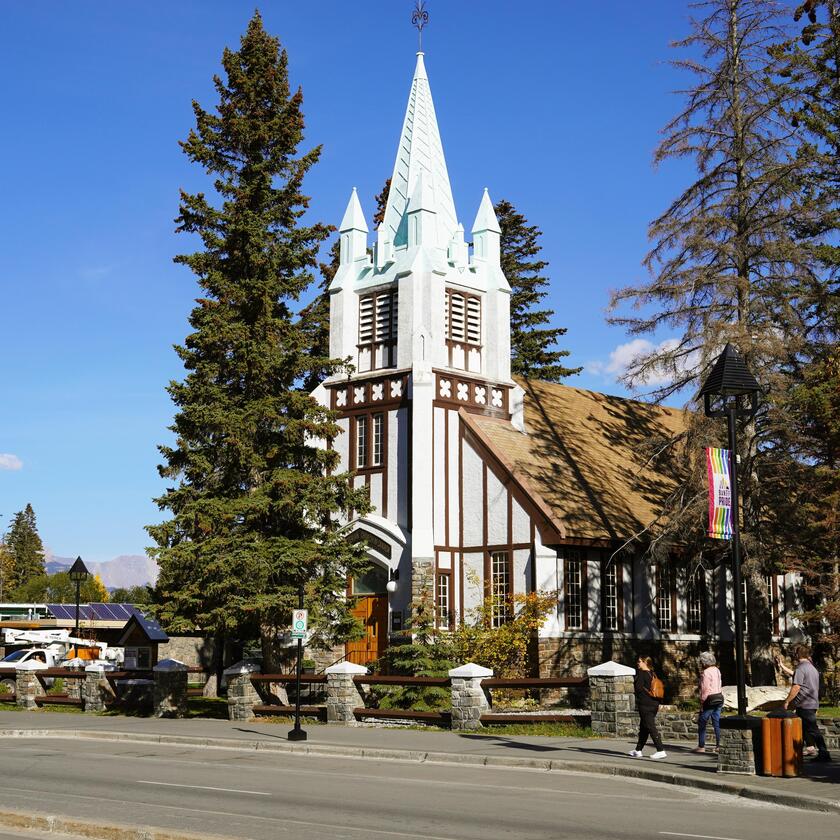
The town of Banff is nestled at the foot of the Rocky Mountains, a popular stop in Banff National Park.
It feels as though everything here is supporting each other. The glaciers are what give Lake Louise and Lake Moraine their distinctive blue hues. The harsh winter nurtures the vibrant autumn. Nature here doesn't erase the differences. The cold remains, the maple forests still blaze with color, and the high mountains stand majestically beside the tranquil lakes. All coexist in an almost perfect balance.
Perhaps Canada's philosophy of harmony began in nature itself. Before humans learned to live with differences, mountains, forests, ice, and lakes had been telling that story for thousands of years.
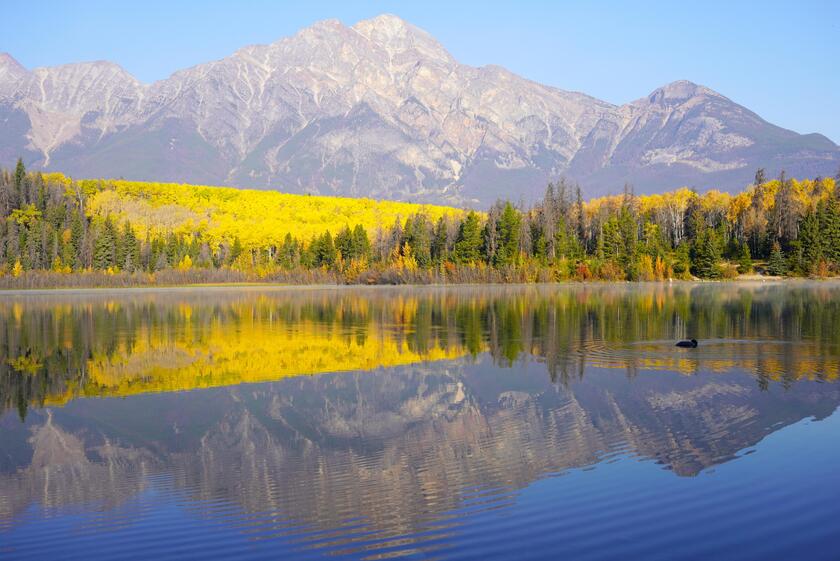
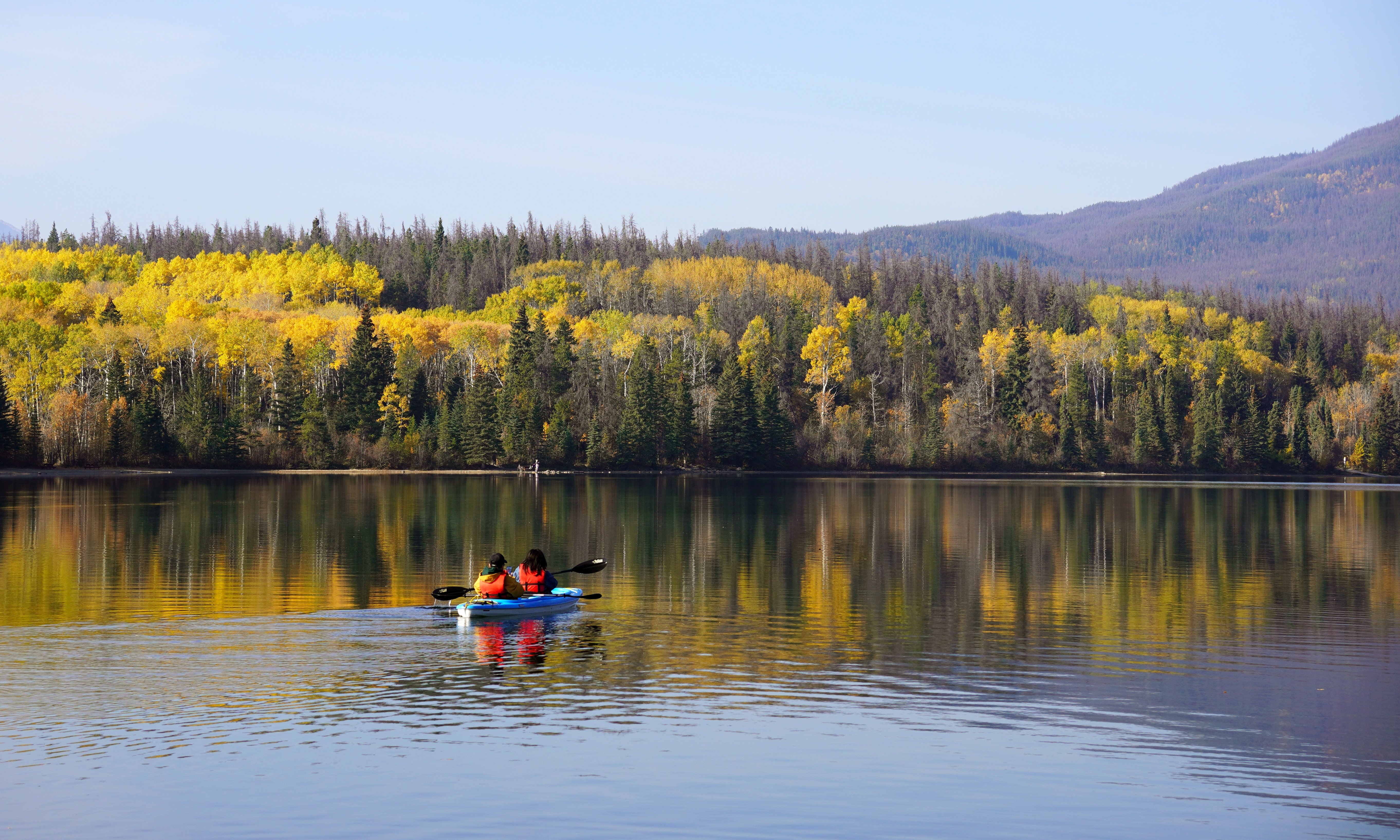
The surface of Pyramid Lake reflects the mountains and forests, showcasing the beauty of the balance between water and mountains.
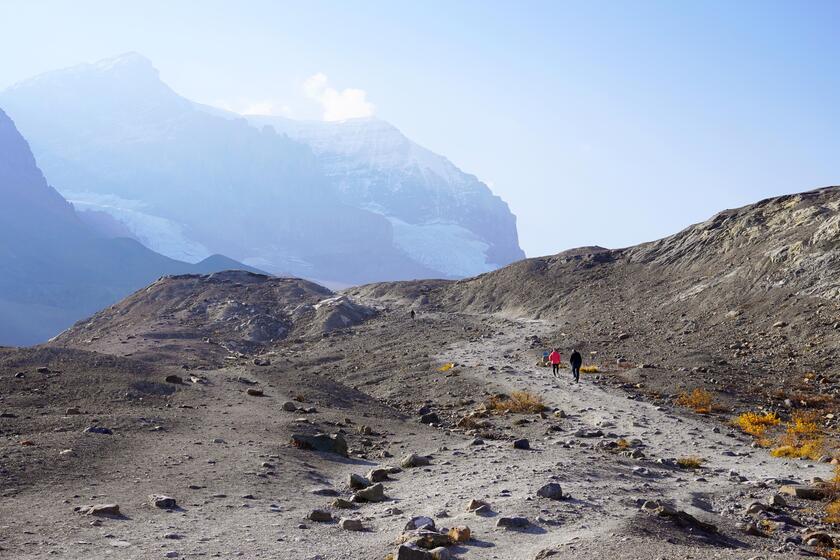
The road to the glacier near Jasper, the source of life that creates the Rocky Mountains' signature blue lakes.
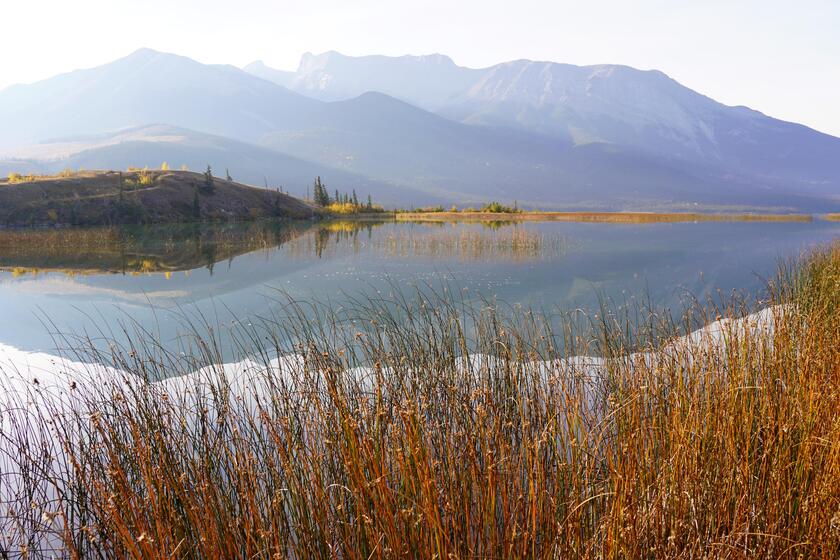
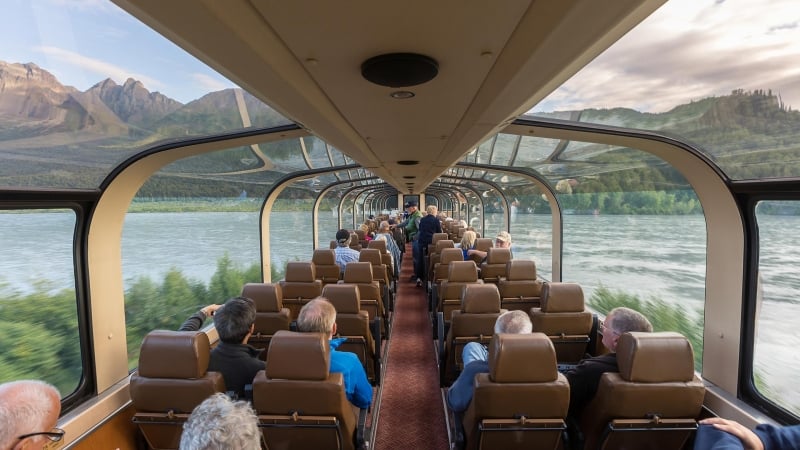
The enchanting road to Jasper, nestled between the mountains and lakes of western Canada, captivates all eyes.
Toronto, a place the whole world can call home.
Leaving the West Coast, my journey took me to Toronto, Canada's largest city and a place where the word "multicultural" becomes more concrete than ever. In just one day wandering through the city, I was able to pass through Chinese, Italian, Greek, Korean, and Indian neighborhoods, and then unexpectedly come across an entire Vietnamese market.
On the tram, in cafes, or in the parks along Lake Ontario, so many different skin colors, languages, and faces appear so naturally that no one seems to care where they come from. The most striking impression Toronto gives is not that it's a city with many immigrant communities, but rather a place where each community can still be itself.

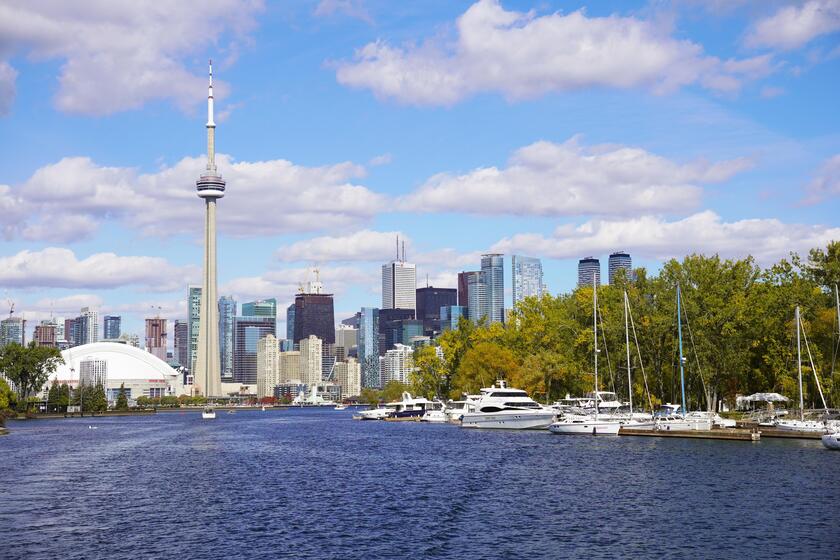
Toronto harbor overlooks the city skyline.
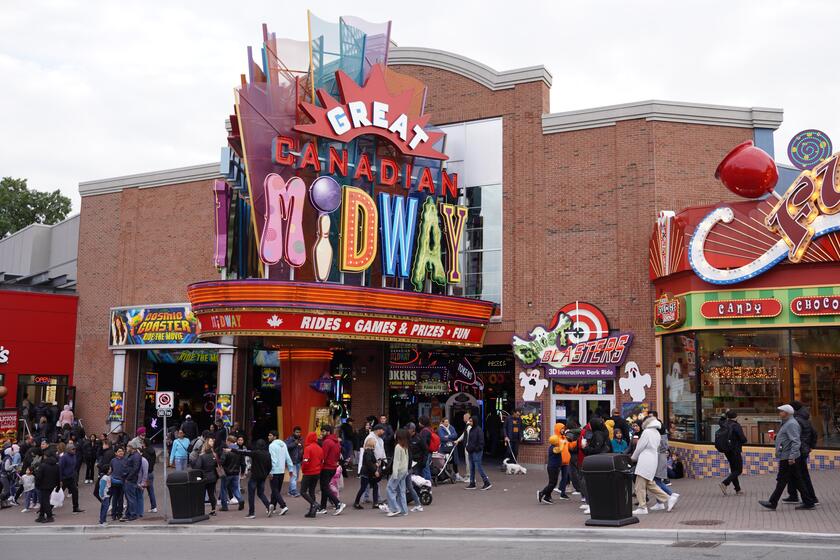
A vibrant neighborhood in the suburbs of Toronto.
These neighborhoods retain the authentic flavor of the immigrants' homelands, cultural festivals continue throughout the year, and voices from all over the world blend seamlessly into daily life without overpowering each other. Here, people are not made the same; they can still live with their own language, memories, and traditions.
Perhaps that is also how Canada has built its nation over the decades: not through uniformity, but through the ability to let differences come together to create a harmonious whole.
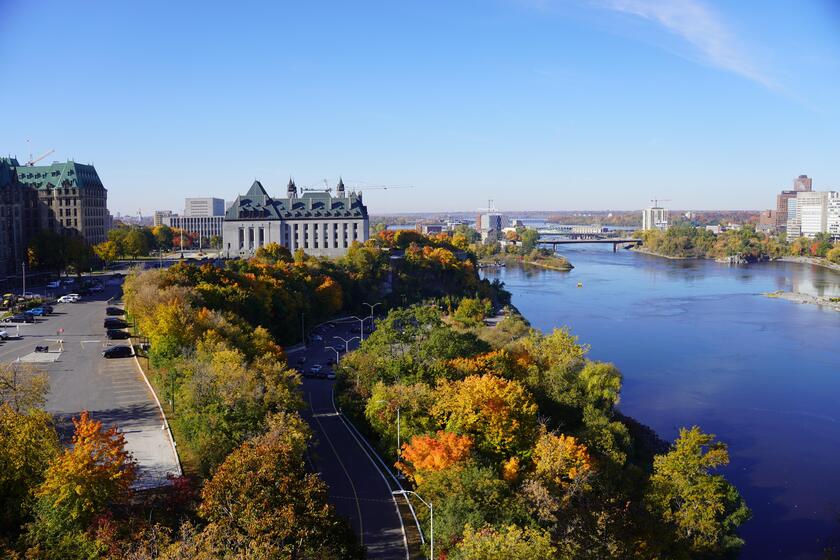
An autumn view of Ottawa, the capital of Canada.
Montreal, Quebec, and Ottawa: Finding a balance without losing their identity.
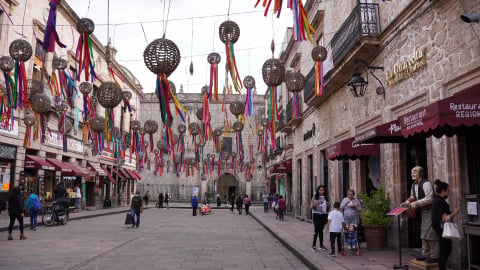
Leaving Toronto, I continued driving east. After just a few hours, the scenery began to change. More and more road signs appeared in French, and the architecture gradually took on a European feel with stone houses, small squares, and cafes with tables set out on patios.
Montréal has the youthful energy of a big city, while Quebec is more leisurely with its cobblestone streets and city walls that have stood for over four centuries. If I didn't see the maple leaf flags fluttering in front of the buildings, I sometimes felt like I had stepped into a different country. But it's all still Canada.
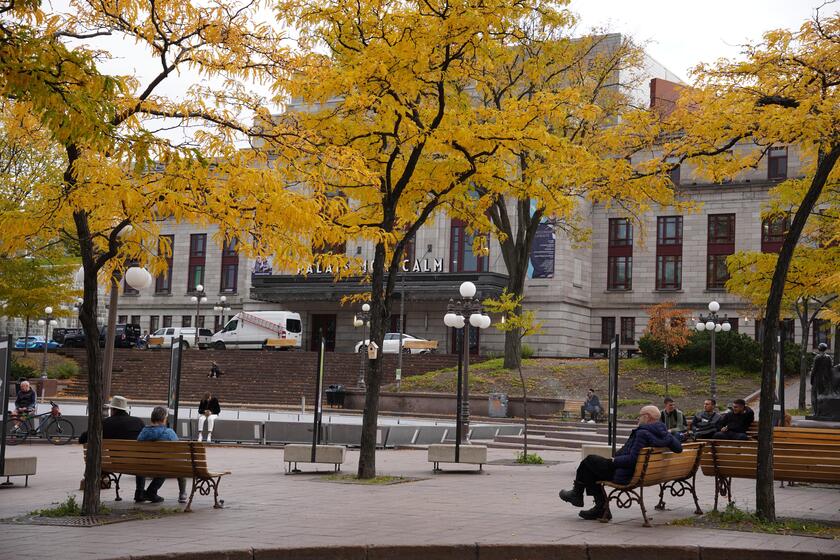
A corner of a square in Montreal, where French culture still harmoniously blends into the rhythm of Canadian life.
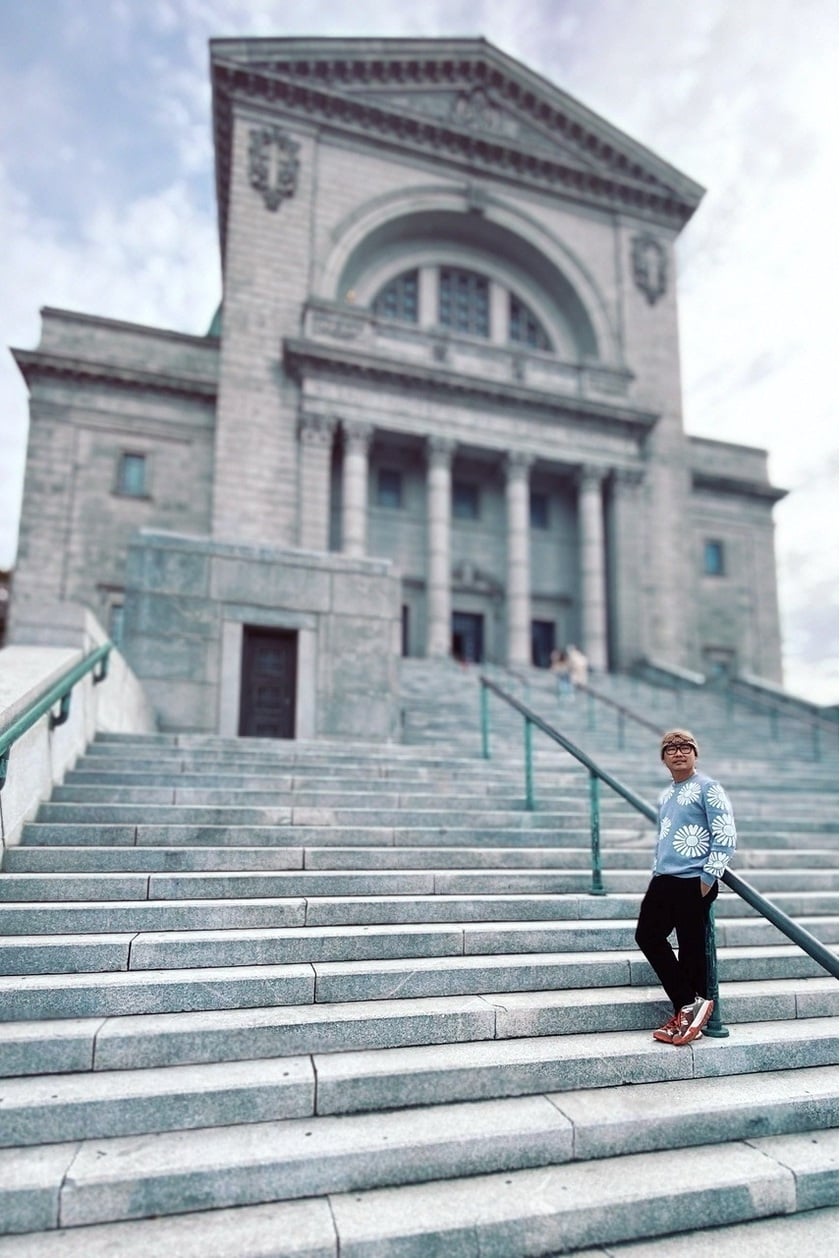
Saint Joseph's Oratory, one of Montreal's most famous religious buildings.
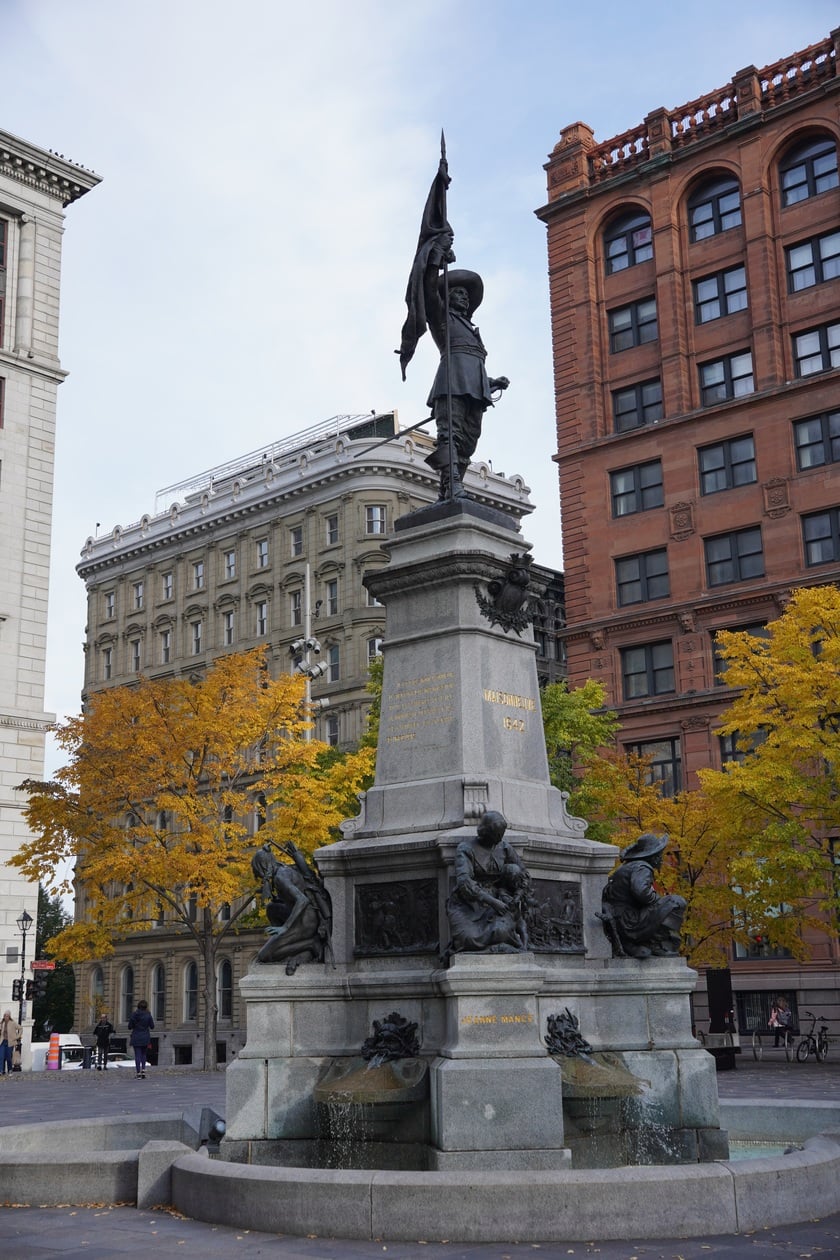
A historic monument in the heart of Montreal.
On that journey, Ottawa didn't evoke as strong emotions as Montreal or Quebec, but rather acted like a quiet hinge, maintaining a balance between Canada's two cultural currents. The capital isn't overly bustling, nor does it flaunt the power of a political center. Yet, it is here that one can better understand how Canada preserves the balance between its two greatest cultural currents: English and French, British tradition and French heritage, each with its own place but together forming the nation's shared identity.
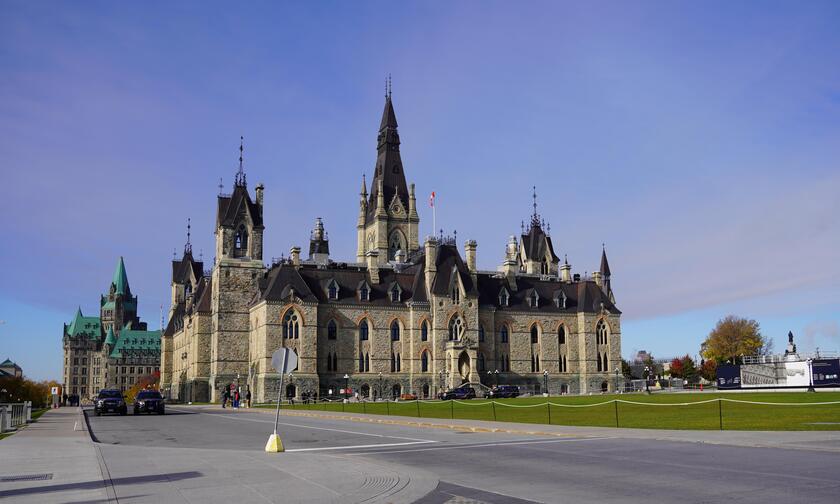
The Canadian Parliament building, a political icon on the Ottawa River.
Montreal doesn't have to be like Toronto, and Quebec doesn't have to lose its French identity to blend in with the mainstream. Each region can remain itself, but share a common future under the maple leaf flag.
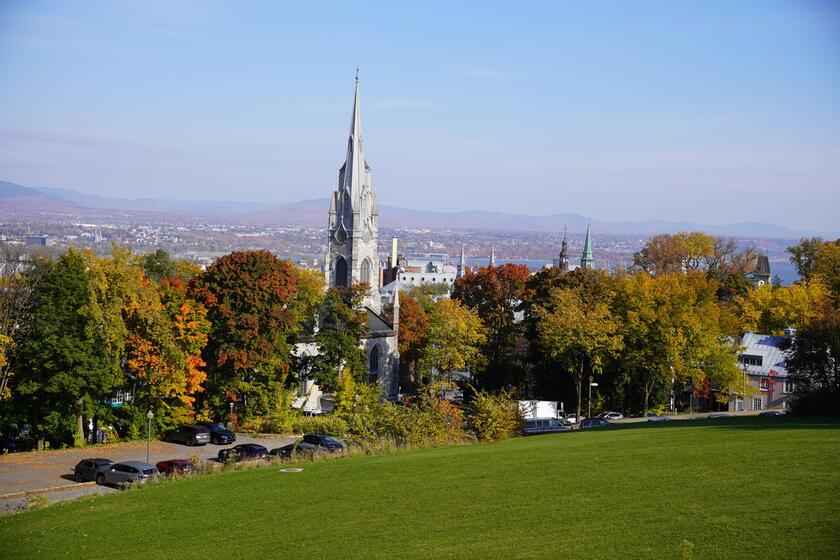
A panoramic view of Quebec from above, showcasing the old city with its distinctly European charm.
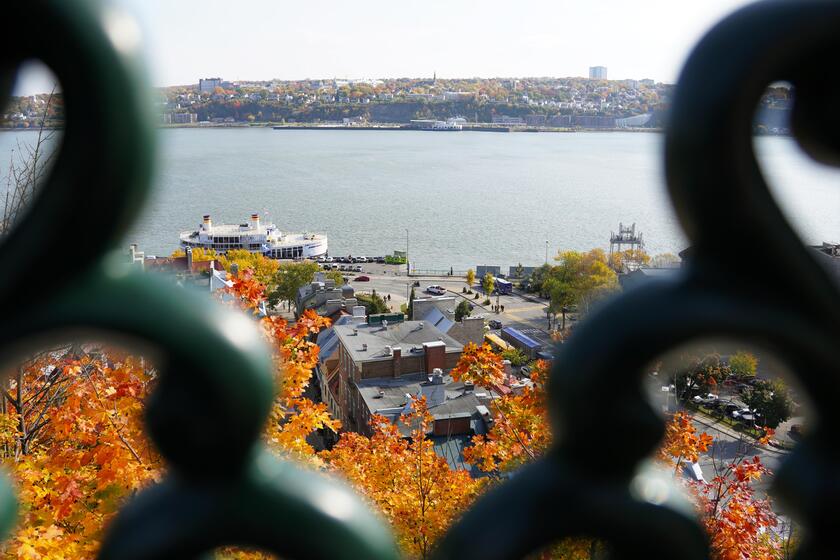
The Saint Lawrence River, the lifeline connecting Quebec to the rest of Canada and the world.
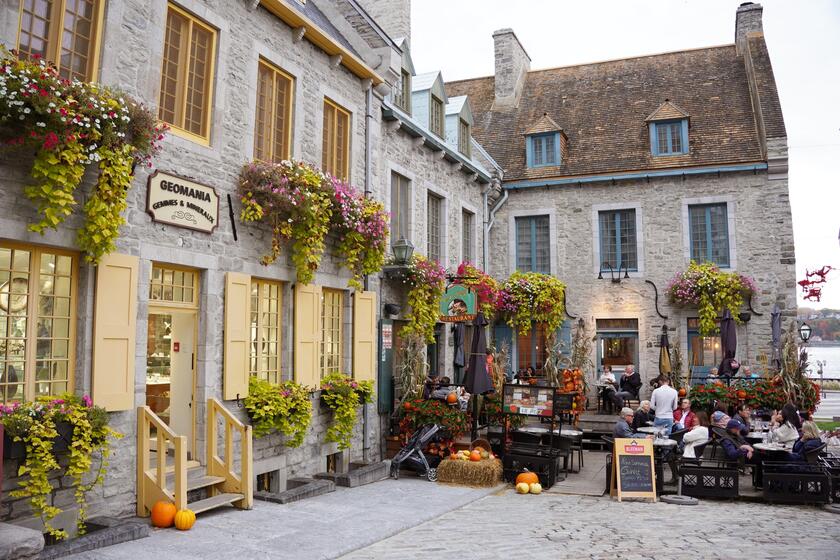
The cobblestone streets and French architecture contribute to Quebec's charm.
World Cup 2026 and the missing piece: Canada.
Perhaps that's why, when looking at the 2026 World Cup map, I see Canada playing a very special role. The country only has two host cities, Vancouver and Toronto, far fewer than its two neighbors. What makes Canada different is how it participates in the biggest football event on the planet with its own unique identity.
The 2026 World Cup will be the first time three countries have jointly hosted the tournament. Besides modern stadiums and infrastructure, the tournament also needs a place capable of connecting these differences to create a shared celebration. And that is precisely what Canada has naturally pursued for decades.
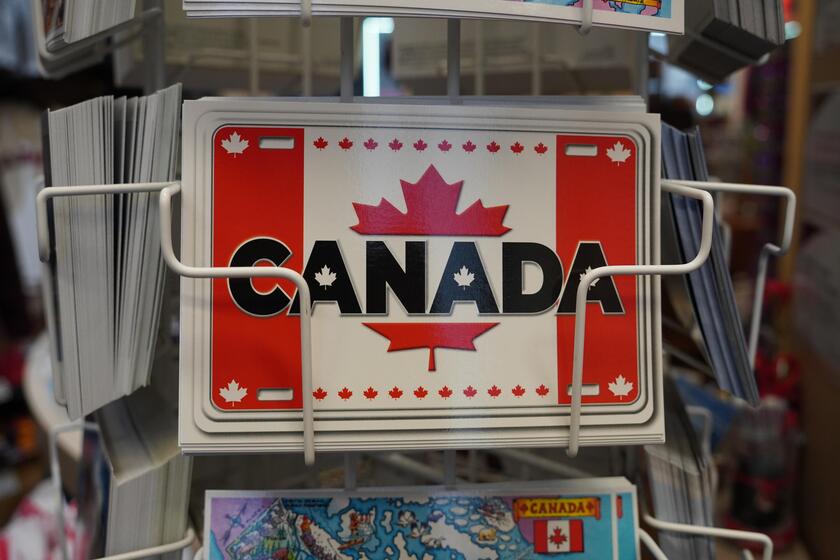
The maple leaf flag, the colors of Canada, represents a nation contributing to the 2026 World Cup not only with its stadiums but also with a spirit of harmony that defines its identity.
The World Cup coming to Canada is more than just a football story. It's an opportunity for the world to see the philosophy that has shaped this country: differences don't necessarily lead to division. When respected and accepted, differences can become strengths.
When my trip to Quebec ended, I thought what I would remember most was the blue of Lake Louise, the snow-capped peaks of the Rocky Mountains, or the vibrant red maple forests in the autumn sun. But years later, every time I think of Canada, those images come back with a very different feeling: here, every difference seems to find its place.
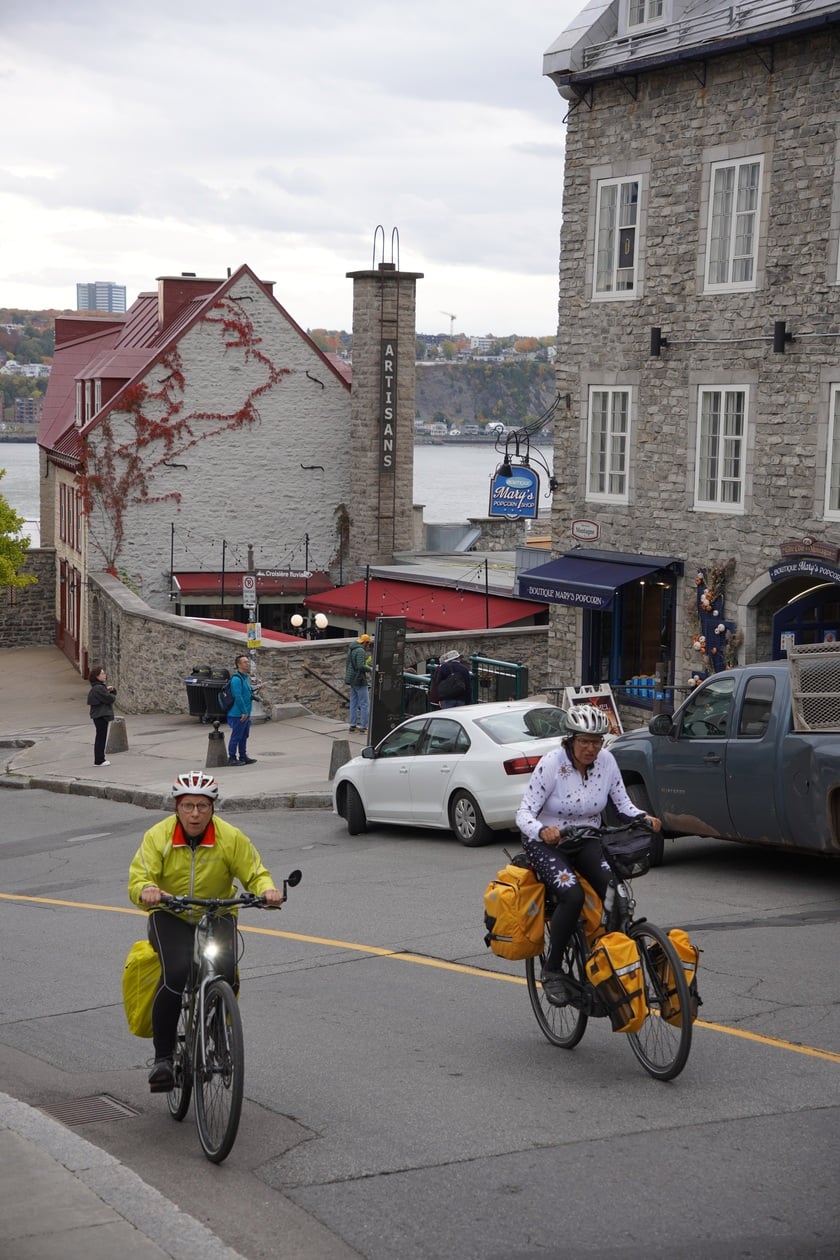
The peaceful pace of life on the streets of Quebec
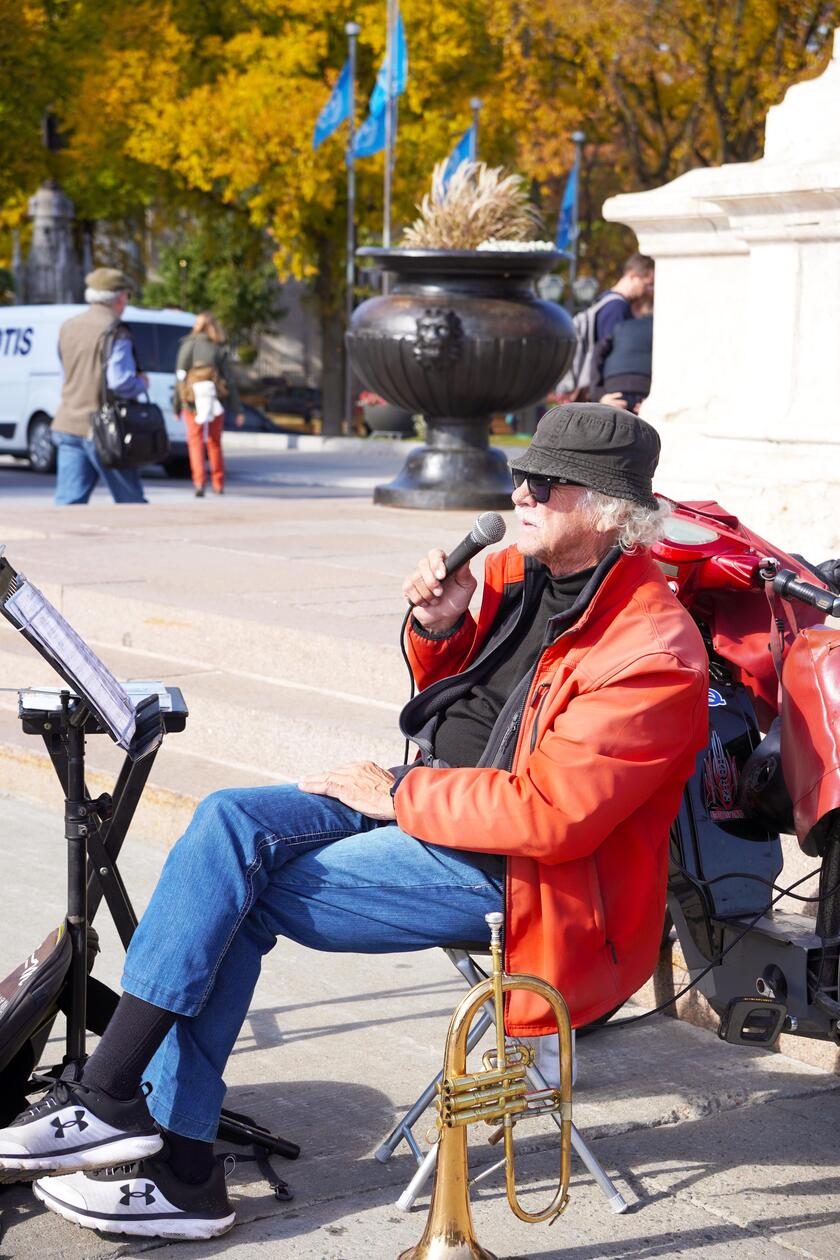
Quebec - where every value is allowed to be itself.