VI
VI


Eliminated from the 2026 World Cup after a draw against Egypt, the Iranian team still left Tijuana with a beautiful story: during their three weeks in Mexico, they received what the team themselves called "genuine generosity and hospitality," making the entire group feel right at home.

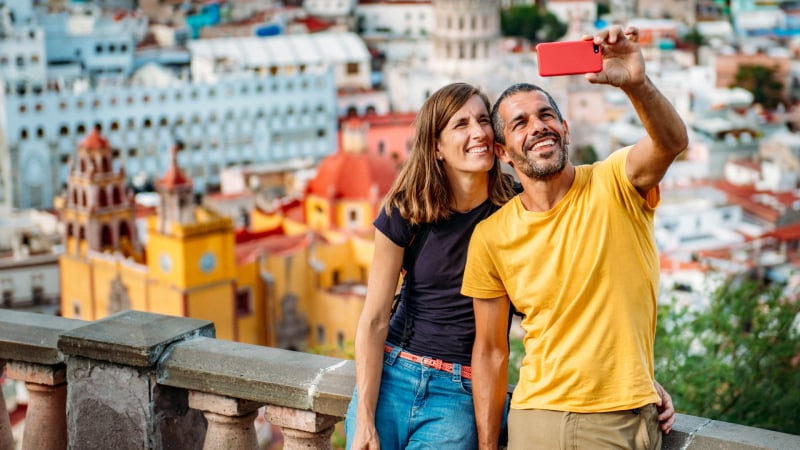
This small story, documented by Al Jazeera, is becoming a prime example of a larger phenomenon: Mexico, the third host of this year's tournament, is winning over millions of international fans with its warm hospitality, which is no less impressive than the quality of play on the field.
Iran's decision to "reside" in Tijuana instead of Tucson (Arizona, USA) as originally planned stemmed from visa complications amidst diplomatic tensions with the US, and also took advantage of the direct flights of Iran's national airline to Mexico. The team was based at the Xoloitzcuintle Center, played all three group stage matches across the border, and then returned to Tijuana to rest that same night – a continuous and exhausting travel schedule.
However, from the very first day the Iranian team arrived, Mexican fans swarmed the hotel where the team was staying, holding up posters and waiting for autographs before and after each match; many wore hats printed with messages welcoming the Iranian team as part of Mexico. For three weeks, goalkeeper Alireza Beiranvand repeatedly went to the hotel entrance to sign jerseys and sticker sheets for fans.

Before the team departed, the Iranian Embassy in Mexico posted a thank-you message on social media, expressing special gratitude to the people of Tijuana. The Iranian Ambassador and the Secretary-General of the Iranian Football Federation also met directly with fans and the press to express their appreciation.
Mexico's appeal isn't an isolated case. According to FIFA's list of base camps, seven teams chose the country as their base camp for the entire group stage, including teams that didn't play any matches in Mexico, such as Colombia and South Africa – they still chose it for training and rest between matches in the United States.

This was a clear sign of confidence in the quality of logistics and the welcoming atmosphere that Mexico provided, a stark contrast to the fatigue experienced by some teams, such as Iran, when having to constantly travel across the US border.

That welcoming atmosphere was openly displayed right from the opening ceremony at the Estadio Azteca, when the tournament's honorary ambassador and Mexican artists greeted the global audience in both English and Spanish. This was Mexico's third time hosting the World Cup, after the 1970 and 1986 editions, making it the first country in history to do so – a wealth of experience in organizing international sporting events that not every host nation possesses.
Mexico's hospitality extends beyond the national teams to millions of visitors. In Mexico City, the Fan Festival area in the central square is open free of charge for 39 days, accommodating 60,000 people daily to watch matches live on large screens; the city has also set up 16 other fan zones throughout the districts, hosting hundreds of free cultural and musical events.
In Monterrey, where the Mexican team didn't play any matches, the local authorities proactively promoted the event to the Japanese, Korean, Swedish, and Dutch communities living there, transforming a fan zone in a park converted from a former steel mill into the largest destination among the three host cities.

The vibrant festival atmosphere creates a cultural connection with international friends.
Behind the festive atmosphere lies a meticulously prepared operational system: approximately 100,000 security personnel, including military, police, and private security guards, are deployed at tourist attractions, train stations, and busy streets to assist and guide international visitors. A month before the tournament, Mexico's tourism authority also launched an app providing guidance on 290 routes across 32 states, along with suggestions for cuisine, museums, and flexible itineraries, allowing visitors to watch football while exploring the country.
For Vietnamese fans considering a trip to Mexico, there are a few things to keep in mind for a smooth journey. Vietnam is not visa-exempt, so it's necessary to apply for a Mexican visa early and ensure your passport is valid for a long time.
Regarding accommodation in Mexico City, the central Old Town is suitable for those who want to be close to historical sites and museums, while Condesa and Roma Norte are considered international-friendly thanks to their many cafes, bars showing football matches, and vibrant nightlife; authorities advise limiting travel outside of tourist areas, especially at night.
The affordable and extensive subway system is a cost-effective option, but it can get crowded during peak hours, so families with young children or lots of luggage might prefer ride-hailing apps like Uber or DiDi over independent taxis.
In terms of food, street food like tacos and quesadillas is popular and affordable, but Asian tourists should be mindful of the spiciness and prioritize crowded restaurants to ensure hygiene.

Mexico is winning over international tourists with its hospitality and professional logistics.
For teams like Iran, arriving under complex political circumstances and having to constantly cross the border between matches, the welcome in Tijuana became a rare bright spot amidst a turbulent journey.
From the heartfelt thank you from an eliminated team to tens of thousands of tourists filling hotels and fan zones, Mexico's story at the 2026 World Cup illustrates a simple truth in the event tourism industry: modern infrastructure can be built in years, but genuine hospitality is what makes visitors want to return.