VI
VI


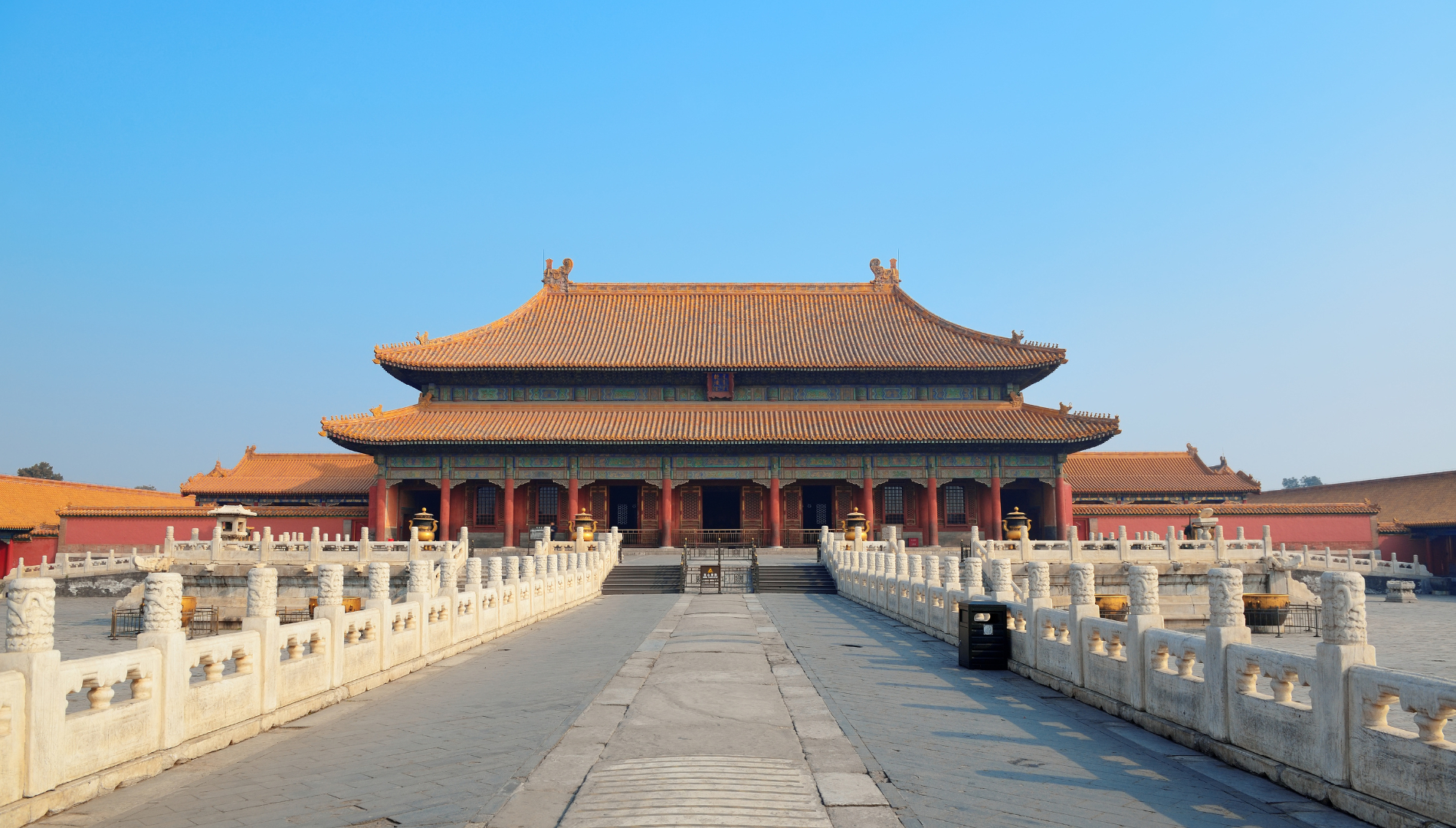
Following the resounding success of the animated film "Nezha 2" at the Chinese box office, an unexpected tourist destination has become incredibly popular: the Shuiping Mountain scenic area in Yibin, Sichuan Province. "Normally, the number of visitors to scenic areas decreases after the Spring Festival holiday, but since February 1st, the number of visitors hasn't decreased; in fact, it has increased," said a representative of the scenic area.
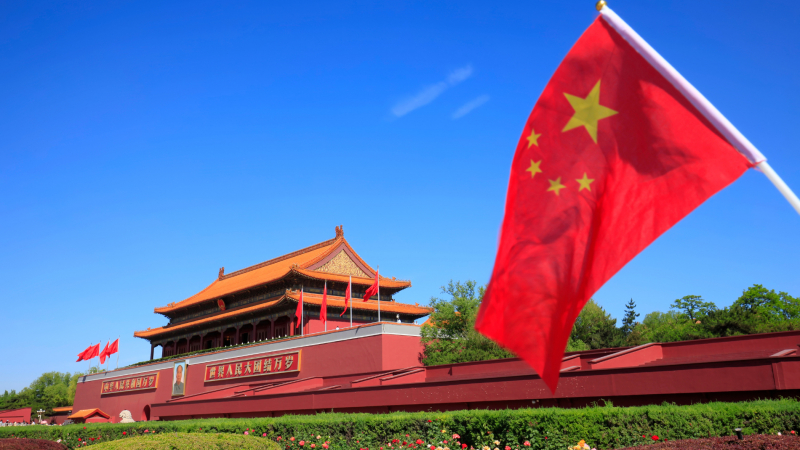
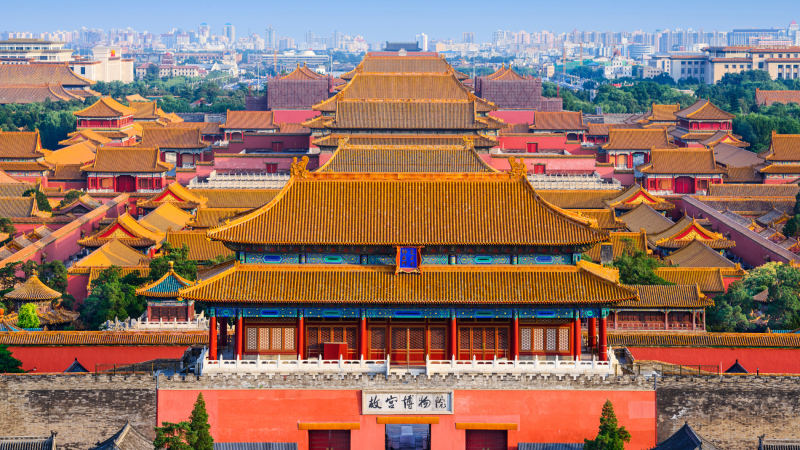
The highest number of visitors to Na Tra Palace in a single day reached approximately 8,000 during the Lunar New Year holiday, while the average daily number was around 4,000. From February 1st to February 15th, Na Tra Palace welcomed a total of 65,000 visitors, nearly three times more than the same period last year.
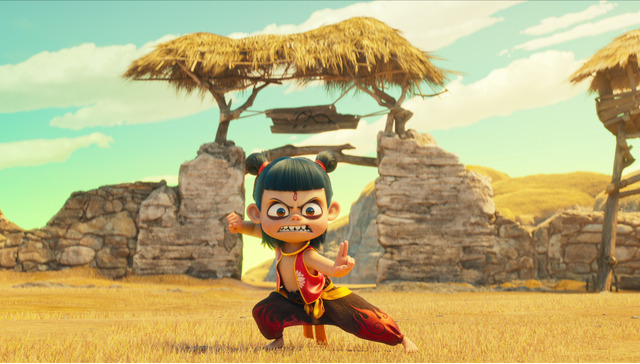
The combination of traditional culture, modern technology, and the film's powerful ripple effect has created a remarkable phenomenon.
As of February 6th, searches for destinations related to Nezha, such as Yibin and Jiangyou in Sichuan, have surged. According to data from the travel platform Fliggy, searches for Yibin increased by 225%, while those for Jiangyou increased by 453%.
“I traveled to Beijing, Shanghai, Xiamen, and Xi'an after watching Nezha 2. I thought the history of this animated film was very interesting, so I wanted to visit these places to explore them firsthand. This is a good way to promote tourism and spread Chinese culture and history. Obviously, everyone knows this film,” Bohan, a Spanish tourist, shared with CCTV News.
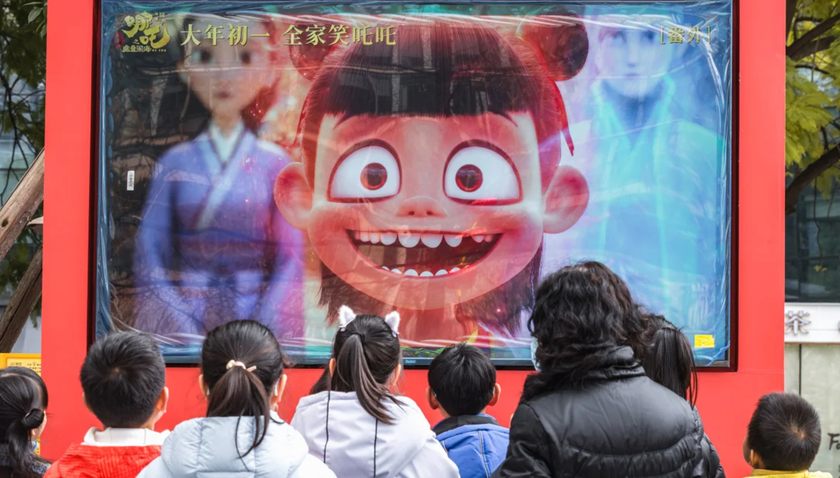
The film Nezha 2: The Mischievous Child of the Sea has entered the top 10 highest-grossing films globally, reaching nearly $1.7 billion worldwide.
Besides Sichuan, Xihe County in Henan Province is also benefiting from the "Nezha 2" craze. It boasts many destinations related to the legend, such as the ancestral temple of Nezha and the Chentang Pass, the birthplace of the legendary character. According to Zhang Kai, Deputy Director of the Xihe Cultural Tourism Development Center, the number of visitors to these sites has increased significantly.

Compared to the same period last year, the number of tourists visiting Xihe County increased by 18%. The number of hotel bookings also nearly doubled after the film's release. In addition, tourism revenue in the area recorded a 13.2% increase, leading to the development of the food and accommodation service industries. To further promote tourism, the Xihe County government has collaborated with seven major tourist destinations in the county to implement a promotional program. Accordingly, tourists with tickets to see "Nezha 2" will receive free entry and free experiences at some tourist attractions.

"Nezha: The Mischievous Child of the Sea" was successful because it appealed to both young and adult audiences thanks to its profound content and stunning visual effects.
Not only in Henan and Sichuan, but many other regions in China are also capitalizing on the film's popularity to develop tourism. In Chengdu, Sichuan province, the statue of Nezha on Jiaozi Avenue has become a major tourist attraction. According to locals, the spot is always bustling with people taking photos, especially at night. Whenever the screens of the Chengdu Twin Towers at the Tianfu International Financial Center light up with images of Nezha and Ao Bing from the film, crowds of tourists gather below to capture this special moment.
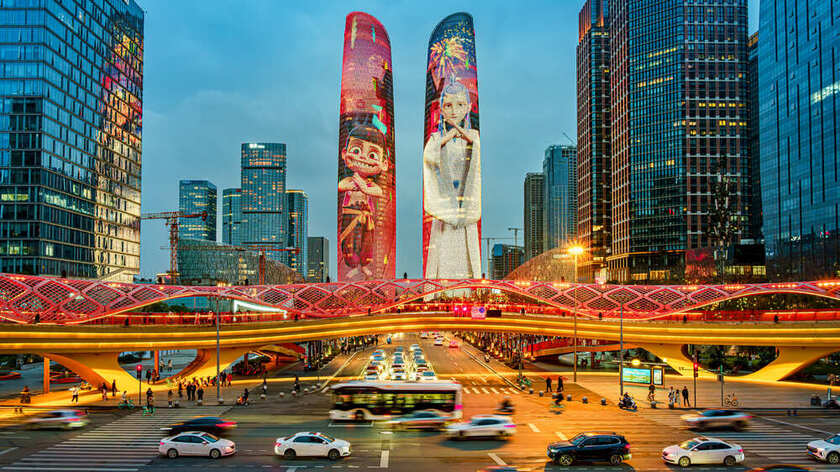
The film's success boosted China's tourism industry.
Experts believe that the tourism wave "following" "Nezha 2" is not just a temporary phenomenon, but also reflects China's growing confidence in its domestic culture. According to Professor Zhang Lingyun, Editor-in-Chief of Tourism Magazine, combining film with tourism is becoming a new and promising trend.
The success of this tourism model depends on many factors, among which the quality of film production, audience reception, and box office revenue play a crucial role. "Nezha 2" fully met these criteria, creating an unprecedented tourism craze.
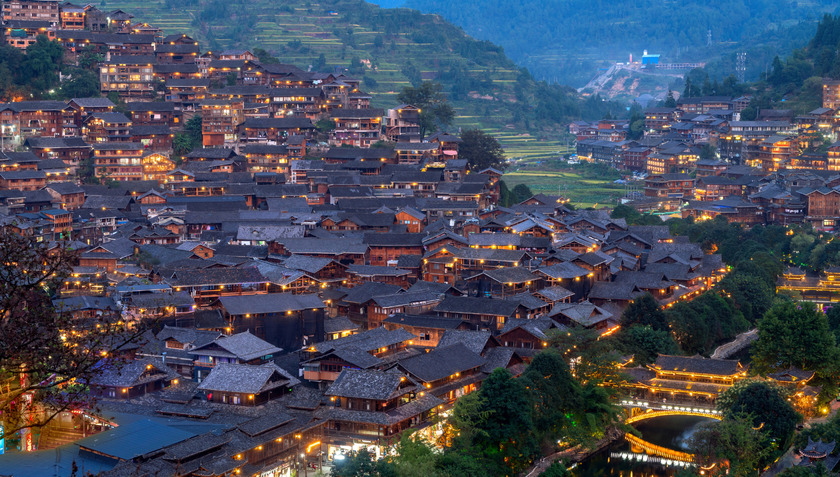
Along with the film's popularity, factors related to Guiyang city in Guizhou province have also fueled the tourism market there.
Professor Truong Linh Van emphasized that, unlike traditional tourism based on cuisine or scenery, cultural tourism based on film offers a richer experience through creative products and immersive activities. Tourists not only admire the landscape but also "live" in the world of their favorite films, transforming into characters and experiencing emotionally charged stories.
"Na Tra 2" created a "domino effect," triggering the development of many other service industries such as restaurants, hotels, souvenir shops, etc. This demonstrates the enormous potential of cultural tourism in boosting the local economy.
The success of "Nezha 2" is also proof that China is increasingly asserting its position on the international stage. The film not only attracted domestic audiences but also spread to many countries around the world, contributing to promoting Chinese culture and image.
In the future, China can continue to tap into the potential of cultural tourism, creating unique and attractive tourism products that draw visitors from all over the world. Combining film with tourism not only brings economic benefits but also contributes to raising public awareness of the country's culture, history, and traditions.
"Nezha 2" has opened a new direction for China's tourism industry, while also affirming the country's position as a "cultural powerhouse" in the world.