VI
VI


If you're looking for a place to escape the hustle and bustle of the city, enjoy fresh air, and explore unique highland culture, Binh Lieu (Quang Ninh) is the ideal choice. This region is known as the "miniature Sapa," boasting spectacular border roads, rolling hills covered in white reeds, a cool climate, and the tranquil lifestyle of the ethnic minority communities. In this article, you'll find everything you need to know about traveling to Binh Lieu in 2025: how to get there, where to stay, what to eat, what to do, and some helpful tips for a perfect trip.
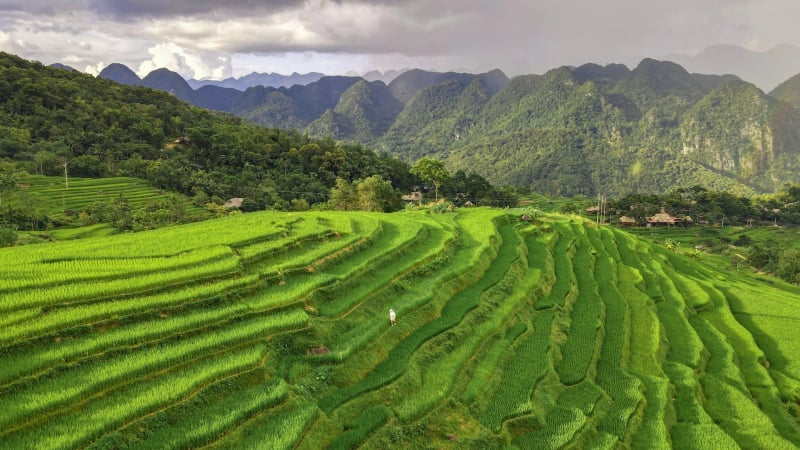
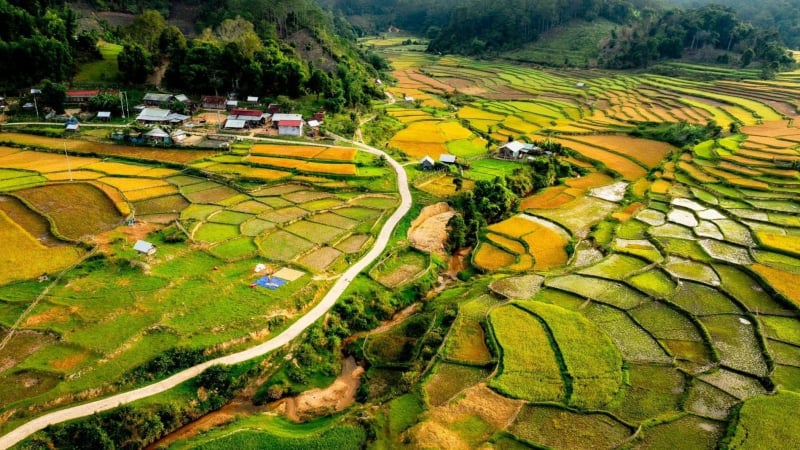
A detailed Bình Liêu travel guide from A to Z.
Where is Binh Lieu located? What makes it special?
Binh Lieu is a mountainous district in Quang Ninh province, bordering Vietnam and China. Located about 120 km from Ha Long city and 270 km from Hanoi, it is known as a "miniature Sapa" with its cool climate year-round, rolling hills, and fields of white reeds when in bloom.
What makes Binh Lieu special is not only its majestic natural scenery but also the simple lifestyle of the Tay, Dao, San Chi, and Mong ethnic groups, along with its colorful highland markets.
What is the best time to visit Binh Lieu?
The ideal time to explore Binh Lieu is usually during March-April and September-December. In March-April, the weather is dry and cool, and clusters of rhododendron and sim flowers begin to dot the hillsides, making it perfect for gentle trekking trips. By September-October, Binh Lieu is adorned with the golden hues of ripening rice, captivating photography enthusiasts. Especially from October to December, the reeds bloom white across the mountain slopes, along with the vibrant reed flower festival attracting many visitors. From December to January, temperatures can drop below 10 degrees Celsius, ideal for those who enjoy the cool, crisp air of the highlands.
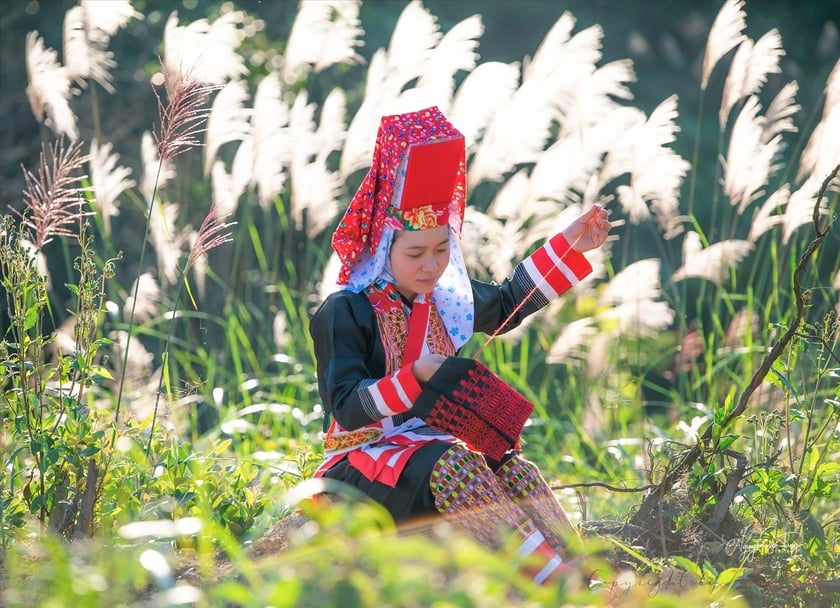
The ideal time to explore Binh Lieu is usually during March-April and September-December.
How to get to Binh Lieu
From Hanoi, you can take a bus from My Dinh or Gia Lam bus station (the route to Mong Cai and Ha Long), get off at Tien Yen intersection, and then continue by bus or taxi for about 28 km to reach the center of Binh Lieu. Alternatively, many tourists choose to drive their own car or motorbike along National Highway 18 through Hai Duong and Ha Long, then turn towards Tien Yen – Binh Lieu to have the freedom to stop and admire the scenery along the way. If starting from Ha Long, it only takes about 2-3 hours by bus or motorbike, or you can rent a motorbike and drive straight along National Highway 18C. Once in Binh Lieu town, for convenient transportation and exploration, you should rent a motorbike for about 150,000-200,000 VND per day.
Highlights of Binh Lieu
Milestone 1305 and Milestone 1297
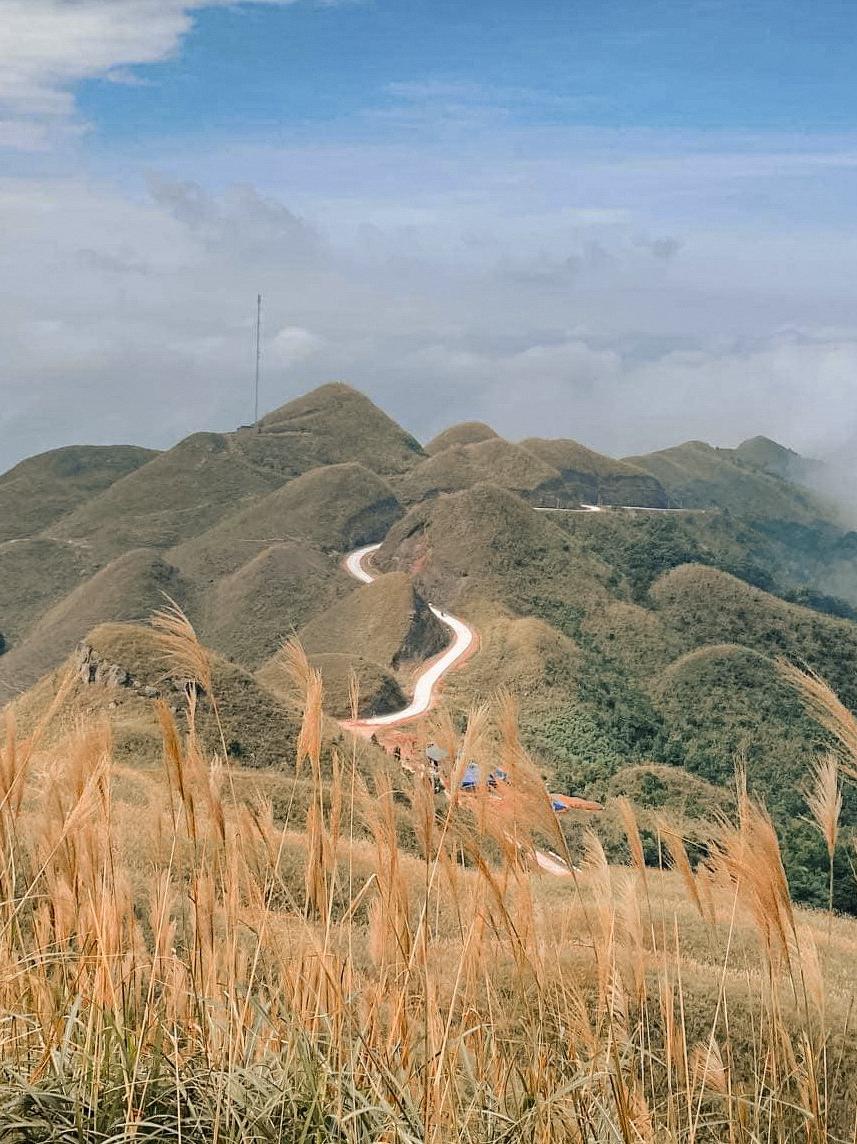
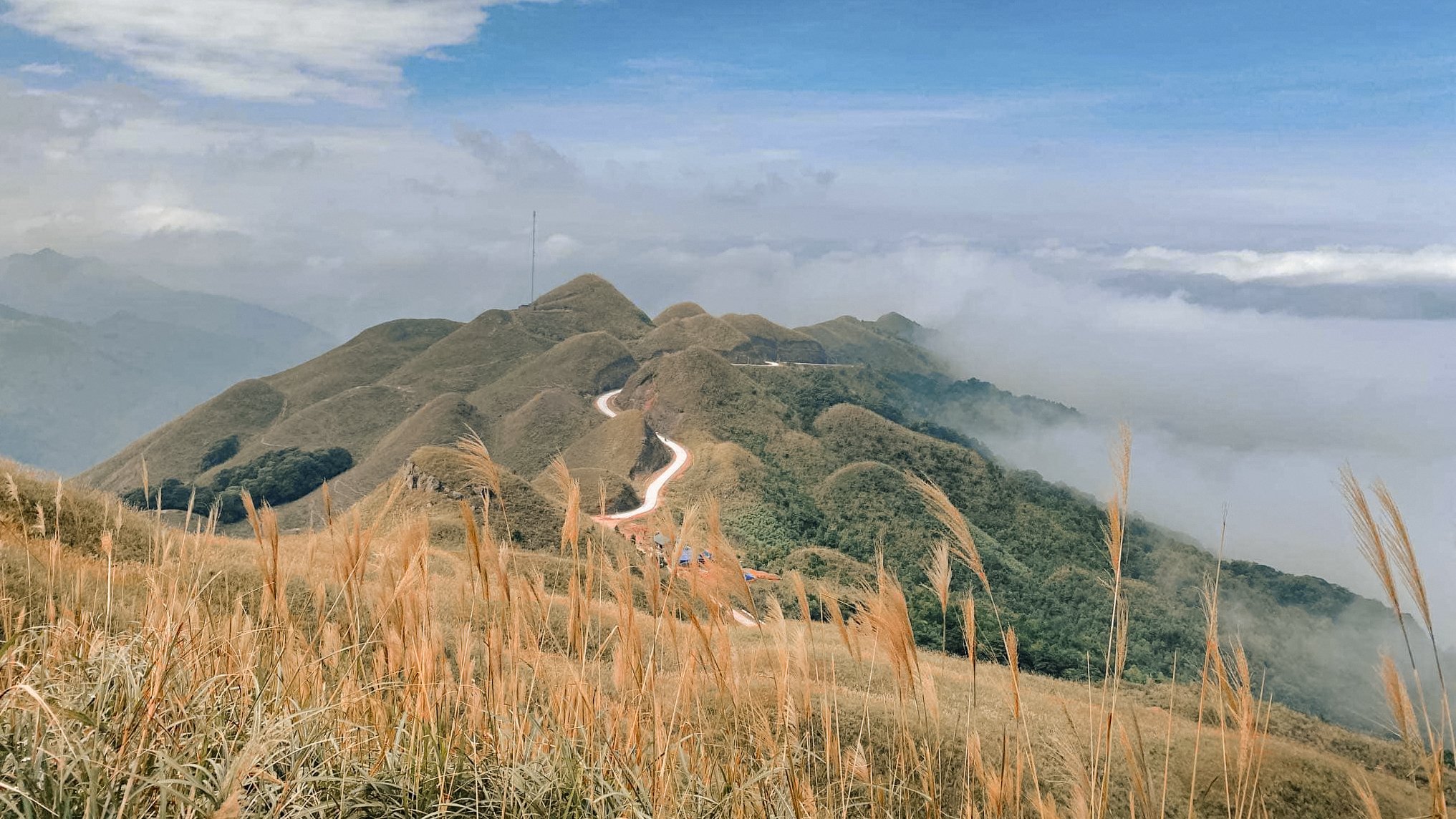
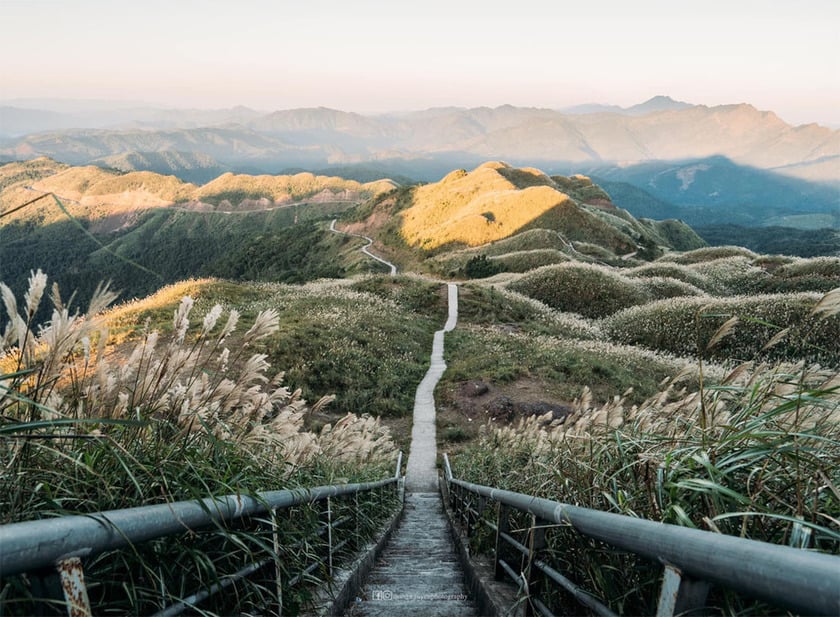
Border marker 1305, located atop the mountain range bordering Vietnam and China, is one of the most famous check-in points in Binh Lieu. Dubbed the "dinosaur's spine" for its spectacular and majestic beauty, conquering this marker requires climbing nearly 2 km of winding steps on the mountainside (approximately 2 hours of hiking), so you need to be in good physical condition beforehand. The ideal time to visit is at dawn, when the mist is still light on the mountain and the sun is just rising, creating a peaceful and magnificent scene rarely found elsewhere.
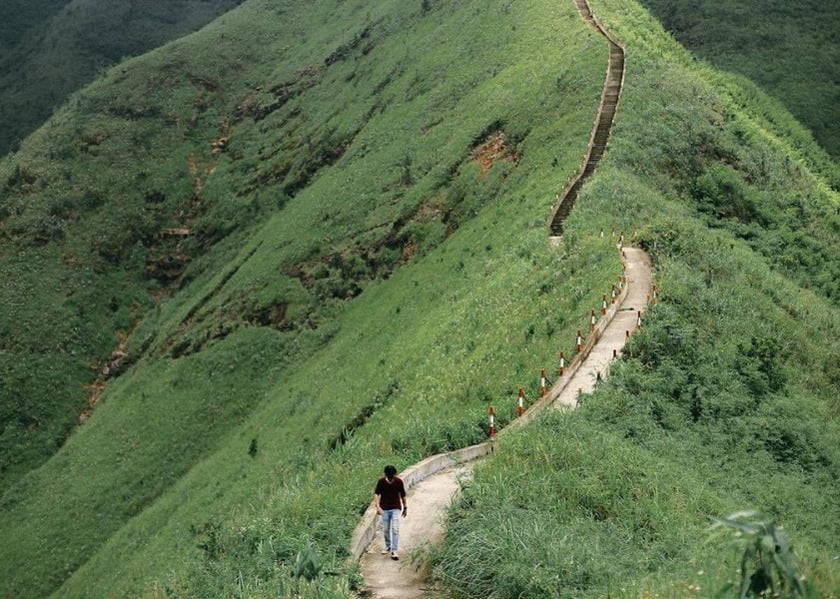
Milestone 1305
Often "paired" with milestone 1305, milestone 1297 is actually located in Dinh Lap district of Lang Son province, right on the border with Binh Lieu. Compared to milestone 1305, the road to milestone 1297 is much shorter and easier to navigate. While the most beautiful time at 1305 is at sunrise, at 1297 it's at sunset, especially during the season of reeds in October-December, when the entire hillside around the milestone is covered in a fluffy white blanket, creating an extremely poetic scene.
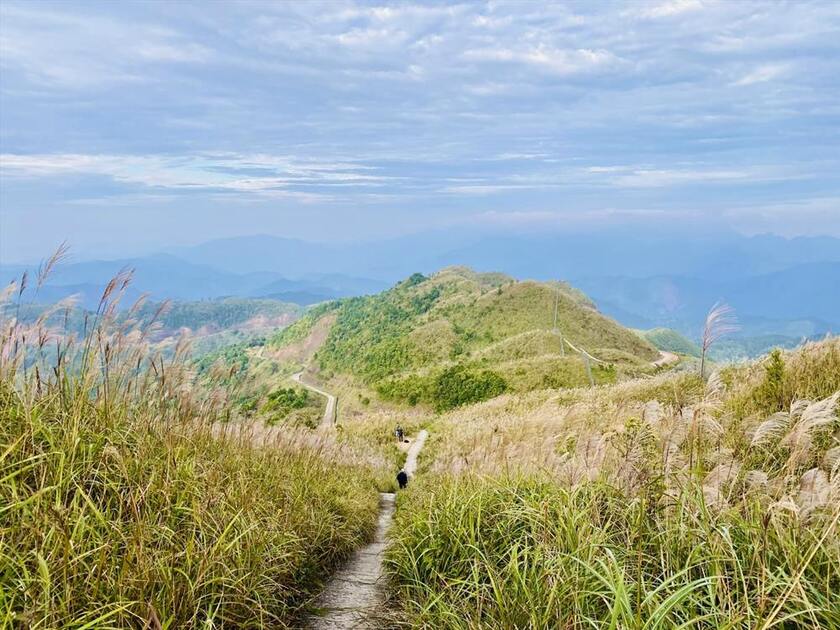
Milestone 1927
Hoanh Mo Border Gate
Located in Hoanh Mo commune, Hoanh Mo border gate is a national border crossing adjacent to Dong Trung border gate (China). It's not only an important trading point in the Quang Ninh border region but also a popular destination for tourists seeking to experience the vibrant life in the border area. Here, you can observe the bustling trade, shop for small imported goods, or simply stroll around and enjoy the unique border atmosphere with its cultural blend of both countries.

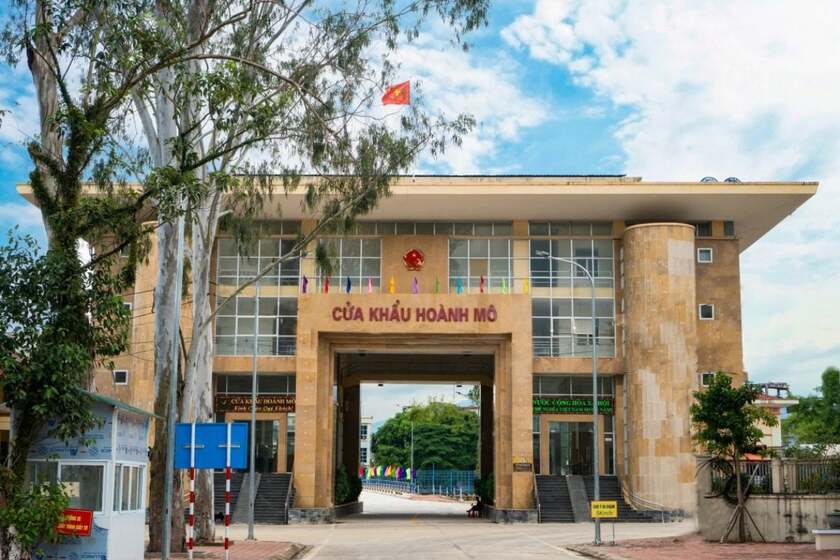
Hoanh Mo Border Gate
Khe Van Waterfall
Located about 15 km from the town center, Khe Van Waterfall consists of three tiers of water cascading down, creating a white, frothy spray amidst the lush green mountains and forests. It's an ideal spot for picnics, swimming in the stream, and enjoying the cool air on hot summer days. The surrounding landscape remains pristine, perfect for nature lovers.
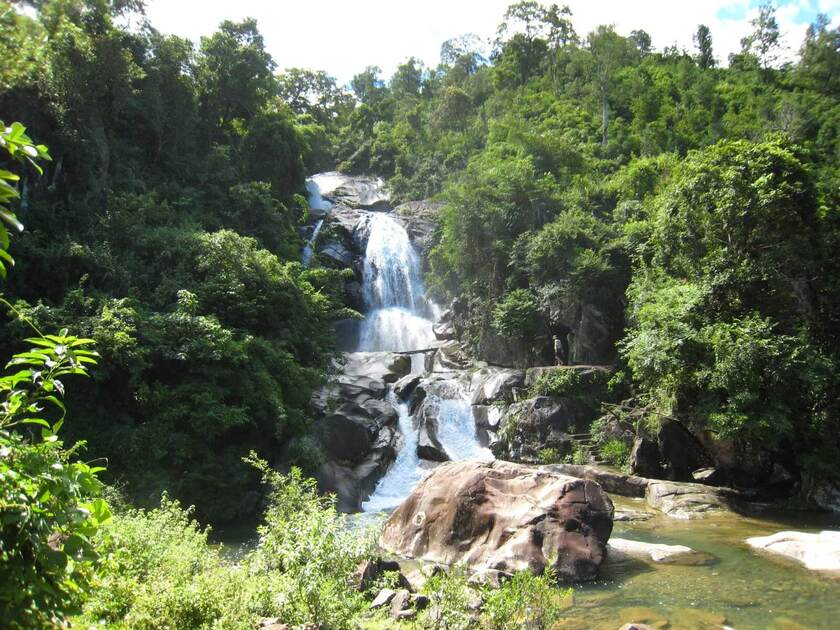
Khe Van Waterfall
Cao Xiêm Peak
Cao Xiêm, known as the "roof of Quang Ninh," stands at 1,429 meters and attracts trekking enthusiasts. The climb to the summit is quite strenuous, but upon reaching the top, you'll be rewarded with breathtaking views of the floating sea of clouds and the expansive mountain landscape. This is a memorable experience for those who want to challenge themselves.
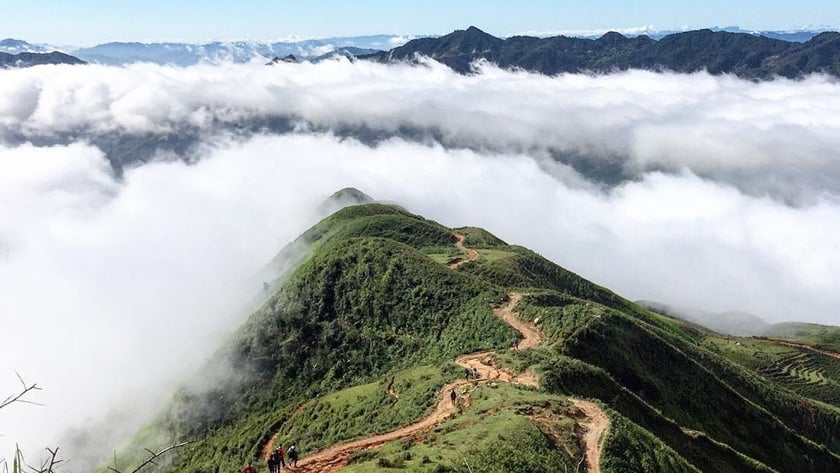
Cao Xiêm Peak
Dong Van Market
Dong Van Market, located in the heart of Dong Van commune, is the most vibrant commercial and cultural hub in the region. Held on fixed days of the week, the market attracts a large number of locals and tourists with a diverse range of goods including fresh agricultural products, brocade fabrics, traditional products, and snacks. It's also a place where you can witness firsthand the typical border trade, chat with and learn about the culture and customs of the Dao, Tay, and San Chi ethnic groups in Binh Lieu.
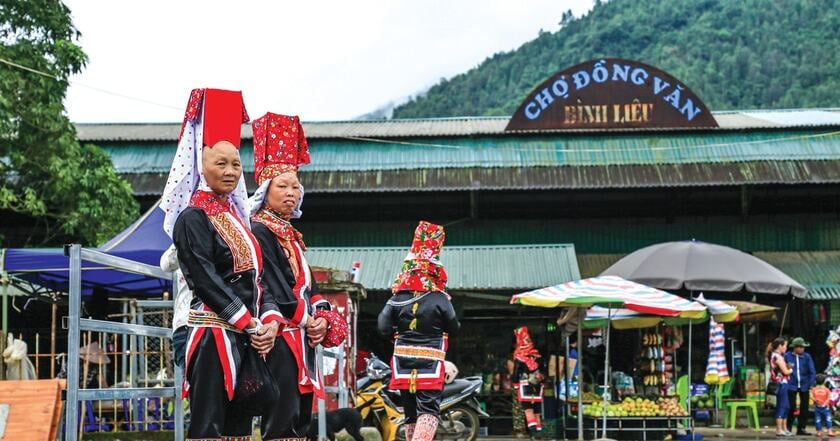
Dong Van Market
What to eat in Binh Lieu?
Dong Van stir-fried pho
Located behind the Dong Van market is a row of pho restaurants considered by many to be the number one specialty of Binh Lieu. What makes this pho special isn't its flavor, but its unique serving method – a fascinating cultural characteristic. Diners must go to the market themselves to buy ingredients like meat, vegetables, and onions, which the restaurant owner then prepares and cooks along with special pho noodles made from Bao Thai rice. This is a dish everyone must try when visiting Binh Lieu to experience the unique culture of the local people.
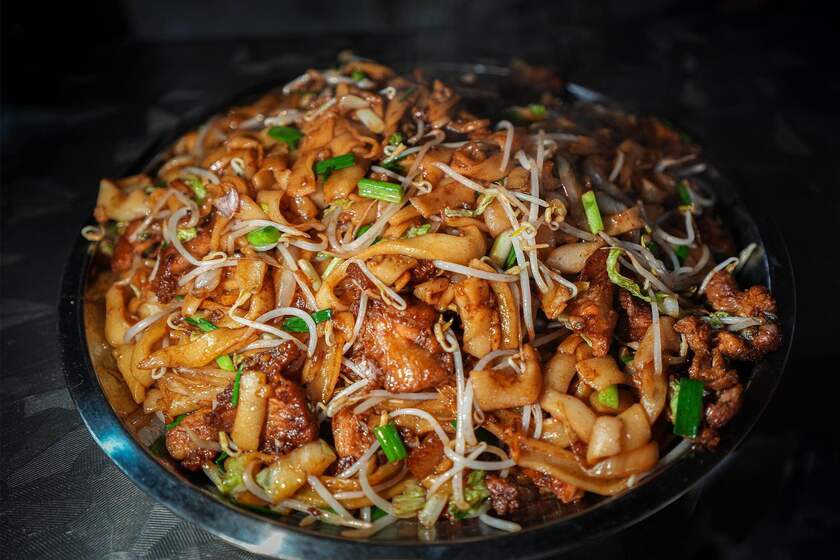
Dong Van stir-fried pho
Binh Lieu Black Chicken
The Dao and Tay villages in Dong Van and Huc Dong are famous for their black chickens (H'Mong chickens) raised naturally on the hills. These small chickens have firm meat and crispy skin. When grilled over charcoal or steamed with lime leaves, they emit a unique aroma and have a rich, sweet flavor without being greasy. This is not only a delicious dish but also a symbol of the local people's hospitality, often served to honored guests.
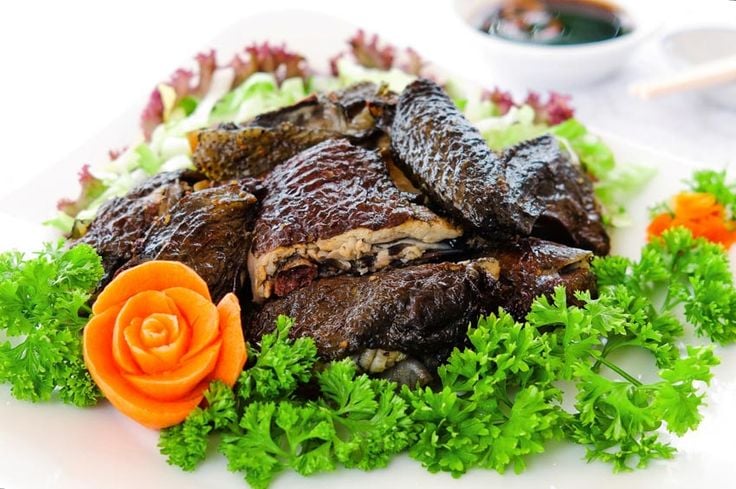
Binh Lieu Black Chicken
Binh Lieu vermicelli
The vermicelli here is made entirely by hand from cassava tubers grown in the highlands. The noodles are thick, chewy, and have a distinctive amber brown color. Many families in Binh Lieu still maintain the habit of drying the vermicelli in their yards on sunny days, creating a beautiful rural scene. Vermicelli cooked in hot pot or stir-fried with black chicken or stream fish is a rustic specialty that tourists should definitely try.
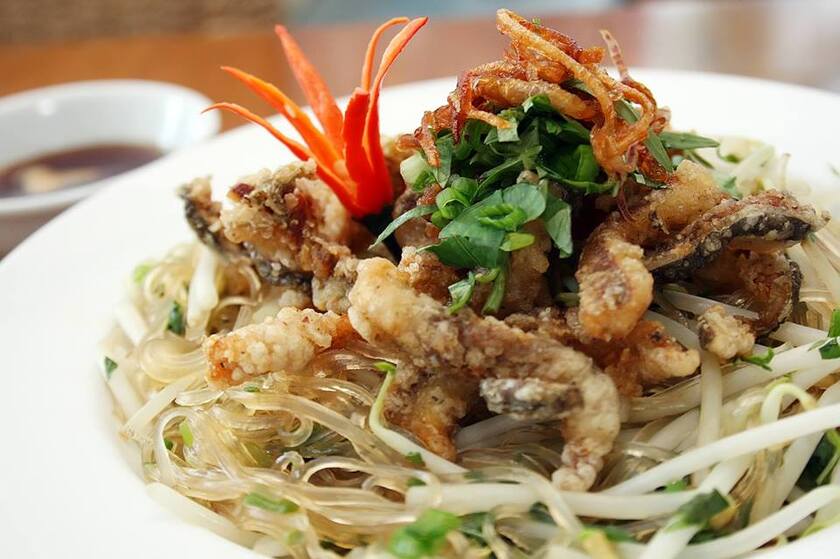
Binh Lieu vermicelli
Coóc mò cake & mugwort cake
During local markets or festivals celebrating the reed flower, one can easily find stalls selling vibrant green "coóc mò" cakes or fragrant, chewy mugwort cakes. The "coóc mò" cakes are skillfully wrapped in a cylindrical shape, made from fresh glutinous rice with a sweet and savory bean filling; while the mugwort cakes are pounded with mugwort leaves for a striking green color and a slightly pungent taste, but are very good for digestion. These are not just food items, but also a glimpse into the soul of the Bình Liêu highland market.
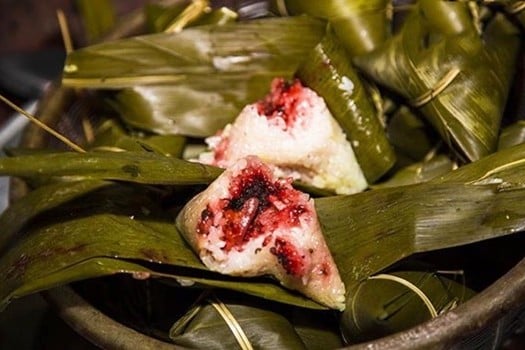
Cooc Mo cake
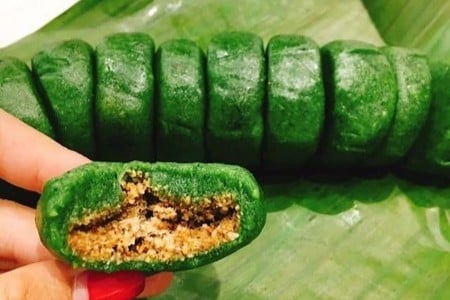
Mugwort cake
Where is it located in Binh Lieu?
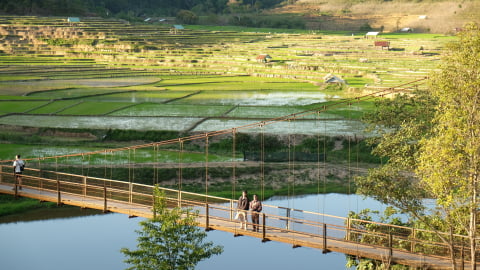
Binh Lieu currently offers many homestay options with authentic local character, suitable for tourists who want to experience the highland culture. You can stay at A Dao Homestay (Phat Chi village, Dong Van) with its rustic stilt house amidst the mountains and forests; choose Huong Hoi Que Homestay (Dong Van commune) which stands out with its traditional rammed earth house and private rooms overlooking the terraced rice fields; or visit Song Mooc House (Song Mooc A village) with its blend of classic and modern styles, mountain and small lake views. Hoang San Homestay (Dong Thanh village, Hoanh Mo) is also popular thanks to its location near the border gate and its fun activities such as cultural exchanges and campfires.
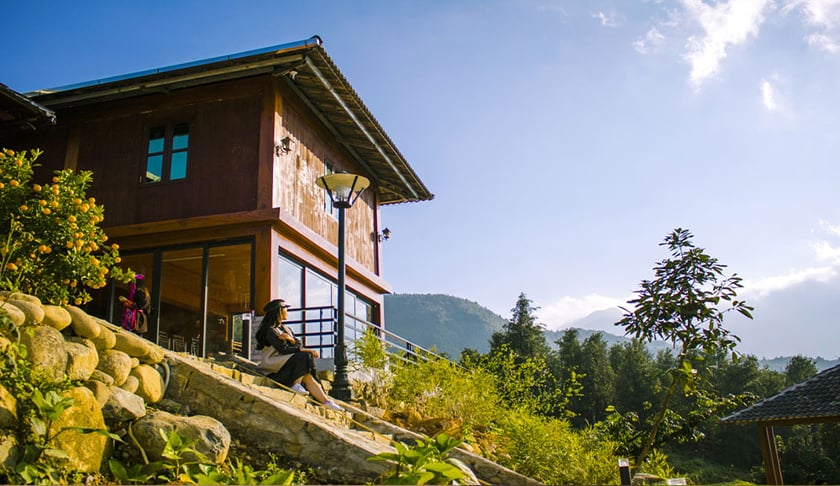
Suggested itinerary for a 2-day, 1-night trip to Binh Lieu.
Day 1
Bright:From Hanoi, tourists can travel to Binh Lieu by bus or drive themselves, which is expected to take about 5-6 hours. Upon arrival, check into a homestay, rest, and have a light lunch in the town.
Afternoon:Start your journey at milestone 1297 to catch the sunset. This route is quite easy and doesn't require too much effort, making it suitable for a warm-up trip. Once there, you can walk around the area, admire the scenery, and take photos with the reed-covered hills.
Dark:Return to town, have dinner, then take a stroll around town or join a campfire gathering if your homestay organizes one. Overnight stay in Binh Lieu.
Day 2
Bright:Waking up early, tourists head to milestone 1305 to climb nearly 2 km of stairs to the summit to watch the sunrise. The journey to the summit takes about 2 hours; however, you can choose not to climb to the top, depending on your needs and fitness level. Wherever you stop, you will always be able to capture the magnificent scenery, perfect for taking stunning photos.
Afternoon:Before leaving Binh Lieu, you can stop by Khe Van Waterfall, only about 15 km from the town, to visit and breathe in the cool air. Afterwards, you can depart for Hanoi.
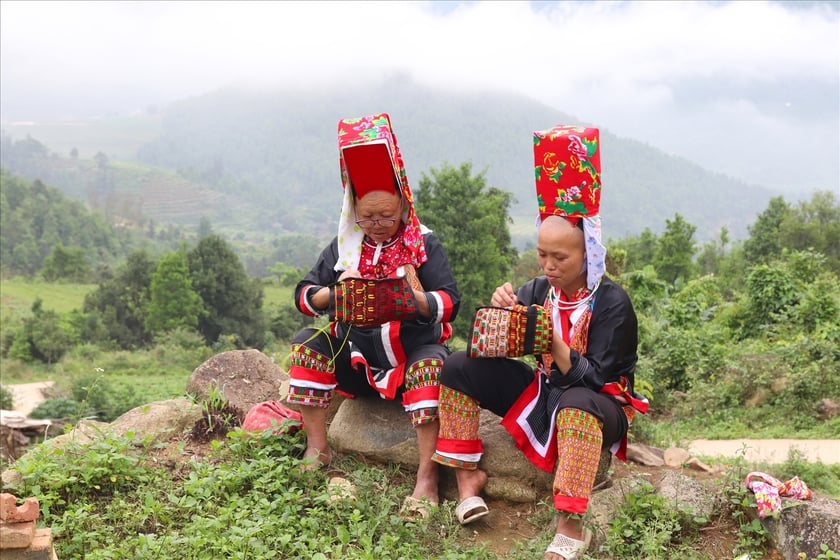
Dao Thanh Y ethnic minority women on the slopes of Binh Lieu mountain.
Tips and things to note when traveling to Binh Lieu
- The road to Binh Lieu has many steep, winding sections and sometimes uneven surfaces, so you should prepare a motorbike/car with a good engine if you are traveling independently.
- There are very few gas stations in this area, and the attractions are far apart, so fill up your tank or bring extra fuel before you go.
- Evenings and early mornings in Binh Lieu are often cold, especially from October to January when temperatures can drop below 15 degrees Celsius. Bring a warm jacket, scarf, and hat to stay warm, especially if you plan to go cloud hunting or watch the sunrise at the border markers.
- Local cuisine may be unfamiliar to some tourists, especially dishes made with black chicken, stream fish, or wild vegetables. You should prepare cold medicine, stomach ache medicine, or digestive enzymes in case you are not used to the food.
Why should you visit Binh Lieu this year?
Because Binh Lieu still retains its pristine beauty and hasn't been overly commercialized, and with many new homestays and tourist routes completed by 2025, it offers more convenient experiences for tourists while preserving its unspoiled charm. This is definitely an ideal place for a weekend getaway, breathing in the fresh air, and exploring the unique nature and culture of this border region.
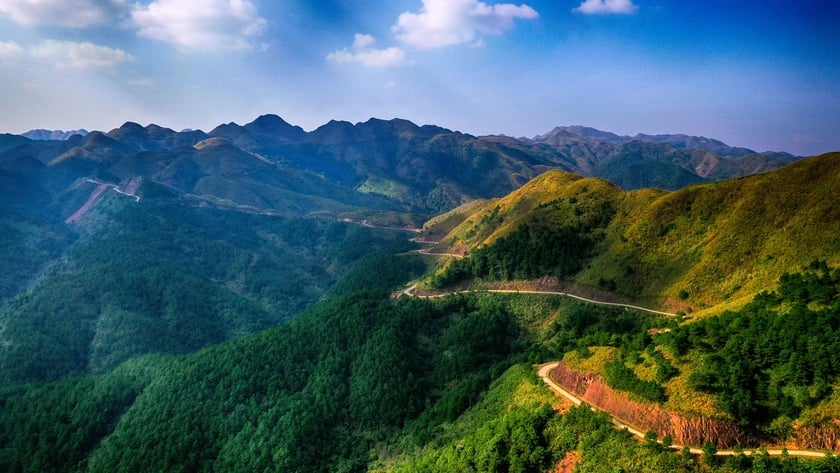
Binh Lieu Tourism 2025