VI
VI


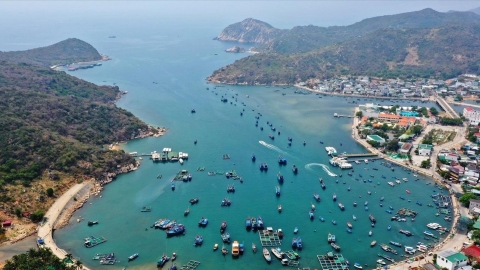
Have you ever imagined strolling along a coastal road, listening to the sound of waves, and gazing at a peaceful fishing village like in the movie "Hometown Cha-Cha-Cha"? You don't need to travel far; right here in Vietnam, there's a place that offers such a serene and refreshing feeling: Phu Quy Island.

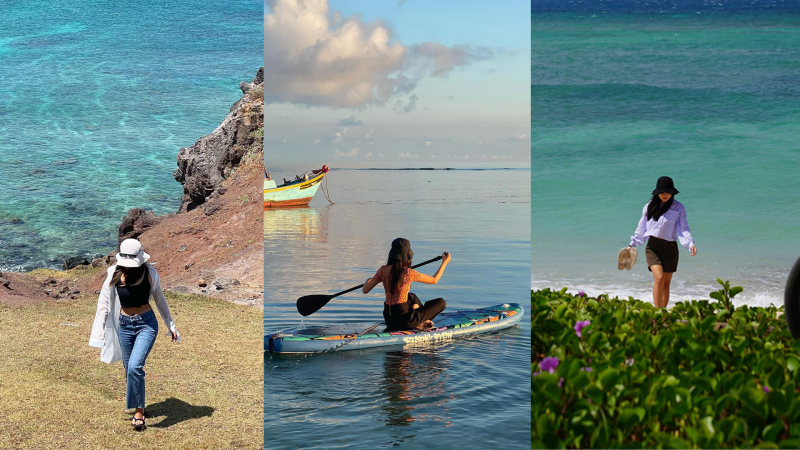
This small island, nestled in the middle of the ocean, captivates visitors not only with its pristine beauty but also with the friendliness of its people and its slow, peaceful pace of life. If you're ready to splurge on a summer trip, then pack your bags, grab a camera with plenty of storage, and find a good travel companion – here's everything you need to know about traveling to Phu Quy Island!
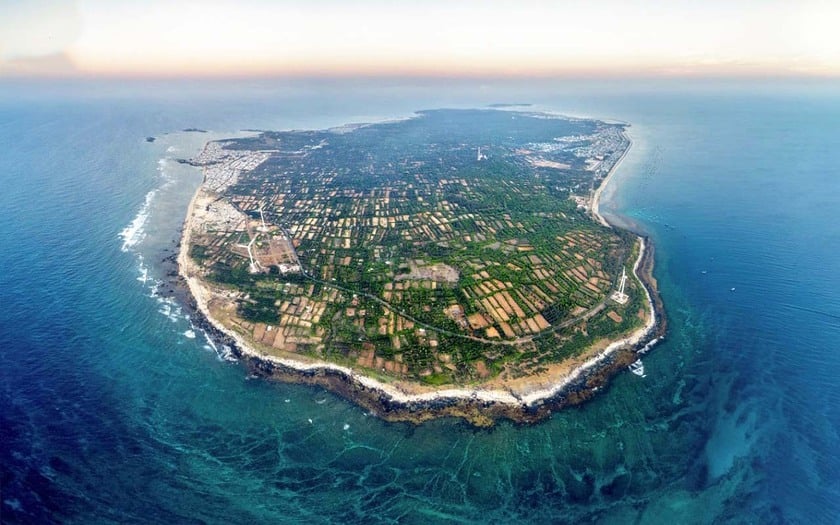
A comprehensive guide to Phu Quy Island from A to Z.
Where is Phu Quy Island located? What makes it special?
Located in the middle of the sea, about 104 km from Phan Thiet city, Phu Quy Island is a small island district belonging to Binh Thuan province, with an area of only about 17.4 km². Despite its modest geographical size, it possesses a pristine, peaceful beauty and is rarely overrun by mass tourism.
What makes Phu Quy Island special isn't its luxurious resorts or bustling streets, but its rustic, unspoiled, and free-spirited nature. The crystal-clear blue beaches, the jagged, sun-drenched headlands, the quiet, picturesque coastal roads, and the lush green hills under the sunset – a scene that seems straight out of a romantic movie.
What is the best time to visit Phu Quy Island?
The ideal time to explore Phu Quy Island is from February to May each year. During this period, the weather is stable, with gentle sunshine, calm seas, and clear blue skies, perfect for water activities. From May to August, there is some light rain, but the weather is very pleasant. October to December is the rainy season on the island, with rough seas and storms. Each season in Phu Quy has its own unique beauty; you can choose to visit at any time according to your personal preference – no matter when, you're sure to find something special here.

The ideal time to explore Phu Quy Island is from February to May each year.
How to get to Phu Quy Island
Currently, the only way for tourists to reach Phu Quy Island is by speedboat from Phan Thiet port. Therefore, regardless of your departure point, you will have to travel at least two legs of the journey:
Stage 1: From the starting point to Phan Thiet
Buses are the most popular way to travel to Phan Thiet. If departing from southern provinces, there are many bus options such as Phuong Trang, Hanh Cafe, Trung Nga, etc., with prices starting from 160,000-180,000 VND, and travel time of about 4-5 hours depending on the departure point.
If traveling from the north, tourists need to book a flight to Tan Son Nhat Airport or Cam Ranh Airport, then choose a bus route to Phan Thiet as described above.
Stage 2: From Phan Thiet to Phu Quy

Some popular high-speed ferry companies serving Phu Quy Island include Phu Quy Express, Trung Trac, Superdong I and II, with a travel time of approximately 2.5-3 hours. A small note: ferry schedules are not fixed and may change depending on weather conditions, so please monitor the schedule and weather conditions at sea to choose a suitable departure time, and it's recommended to book your tickets at least two weeks in advance.
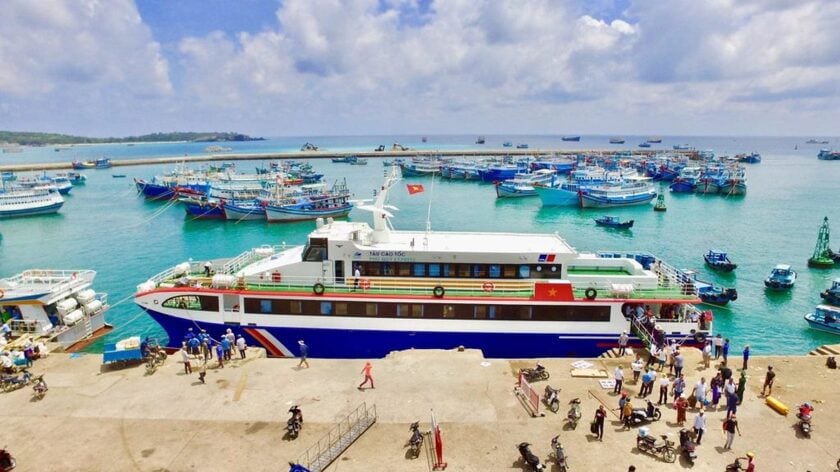
Tourists need to travel to Phan Thiet port and then take a speedboat to Phu Quy Island.
Highlights of Phu Quy Island
With its small size and convenient transportation links, visitors can flexibly choose destinations on the island that suit their preferences and personal schedules. Below are some notable landmarks in Phu Quy that you can consider:
Triều Dương Bay
Located in Tam Thanh commune, about 1km from Phu Quy port, Trieu Duong Bay stands out with its approximately 2km long stretch of fine white sand and crystal-clear waters. Surrounded by lush green casuarina trees, it's an ideal spot for swimming, camping, and watching the sunset.

Sunset over Chaoyang Bay
Ganh Hang
Ganh Hang is a coastal area with towering black cliffs, creating a wild and unique landscape. It also features famous natural lakes such as Khe Sung Suong, Ho Vo Cuc, and Ho Banh Xe – depressions in the sea formed from volcanic rock, with crystal-clear water that connects to the sea, giving the feeling of natural swimming pools.
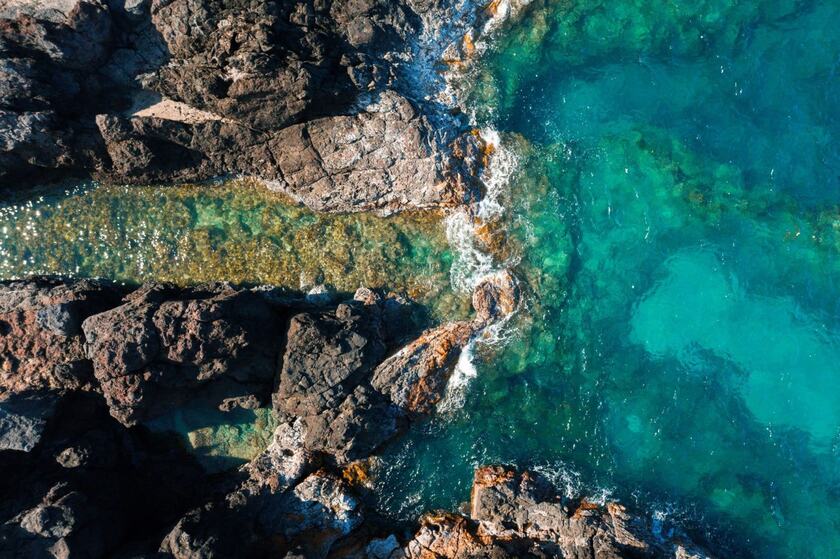
Wheel Lake at Ganh Hang
Hon Tranh
Located approximately 700-800 meters southeast of Phu Quy Island, Hon Tranh is the largest island in the surrounding cluster. With its fine white sand beaches, clear blue waters, and abundant coral reefs, it is a favorite destination for tourists seeking activities such as swimming, snorkeling, and stand-up paddleboarding (SUP).

SUP paddling at Hon Tranh.
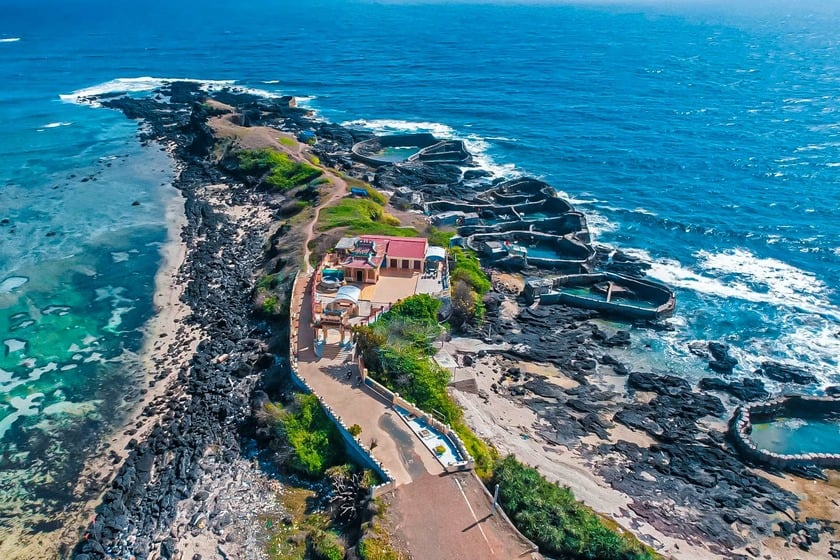
The Tomb of Teacher Sai Nai
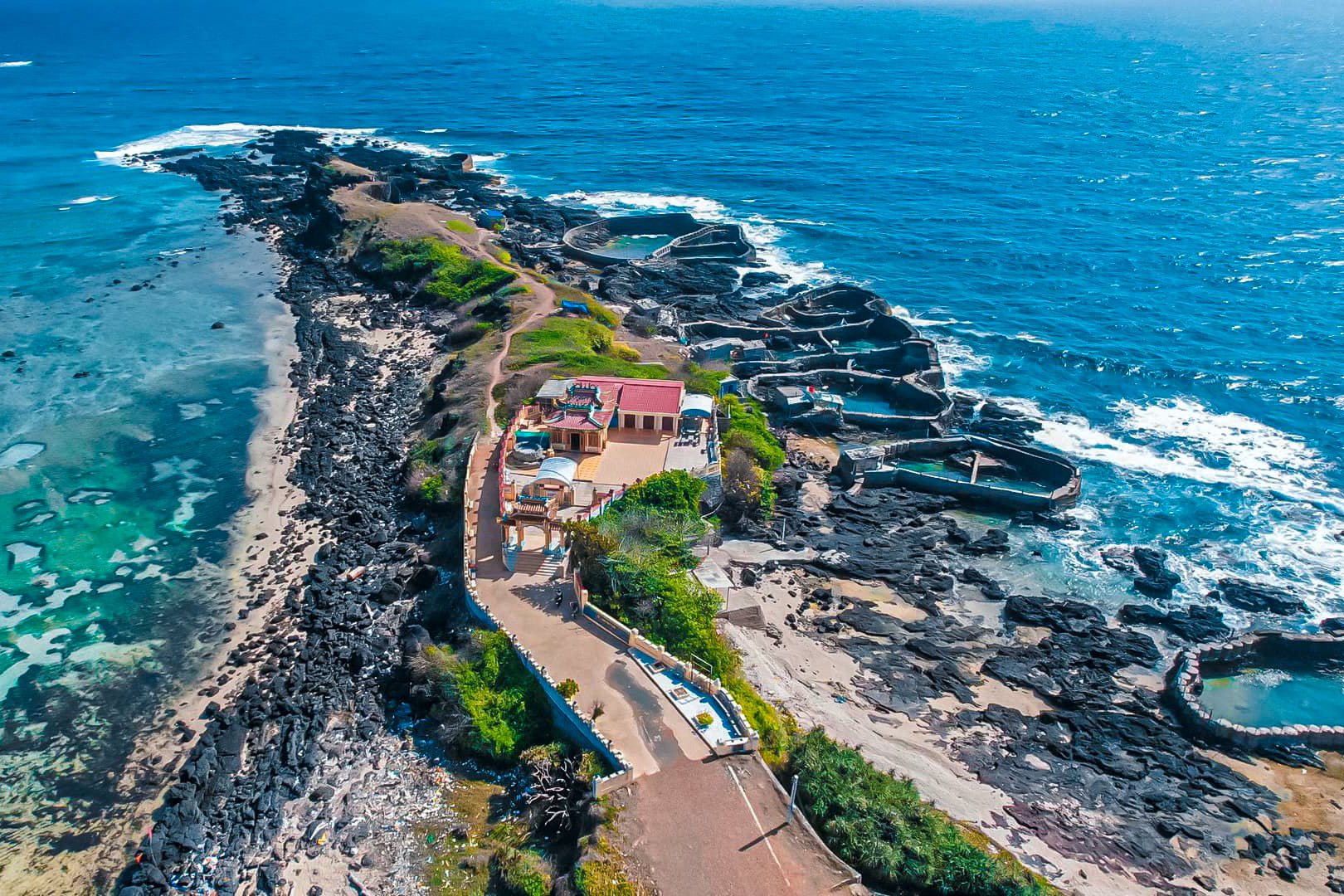
The tomb of Master Sai Nai, also known as the Master's Tomb, is located on the Doi Thay rocky outcrop in Dong Hai village, Long Hai commune. This is the resting place of Master Sai Nai, a 17th-century Chinese merchant respected by the people for his healing and community support. Near the tomb are abandoned fish ponds, once used by fishermen for aquaculture. With their unique architecture and seaside location, these ponds have become an attractive photo spot, likened to a miniature "Roman Colosseum" amidst the sea and sky of Phu Quy Island.
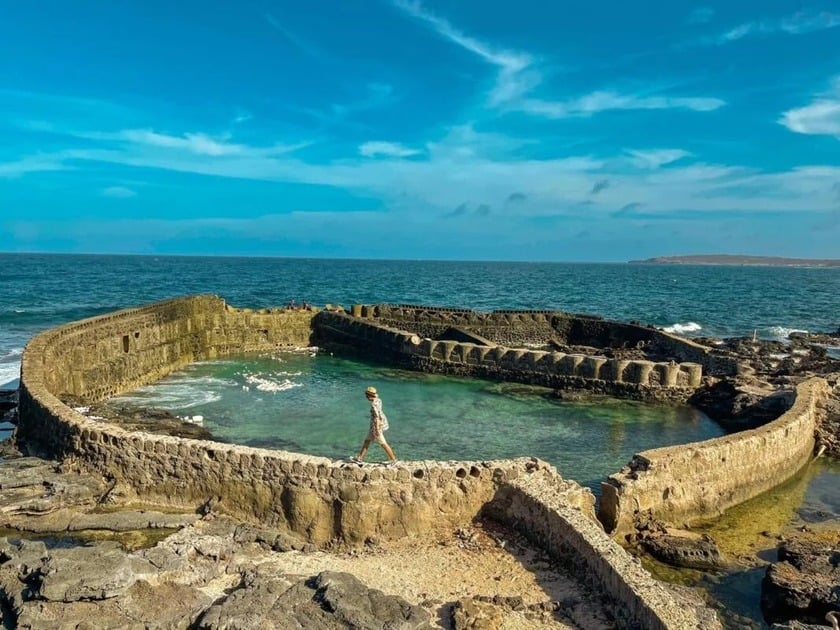
The check-in point at Teacher's Tomb is likened by tourists to the "Roman Colosseum".
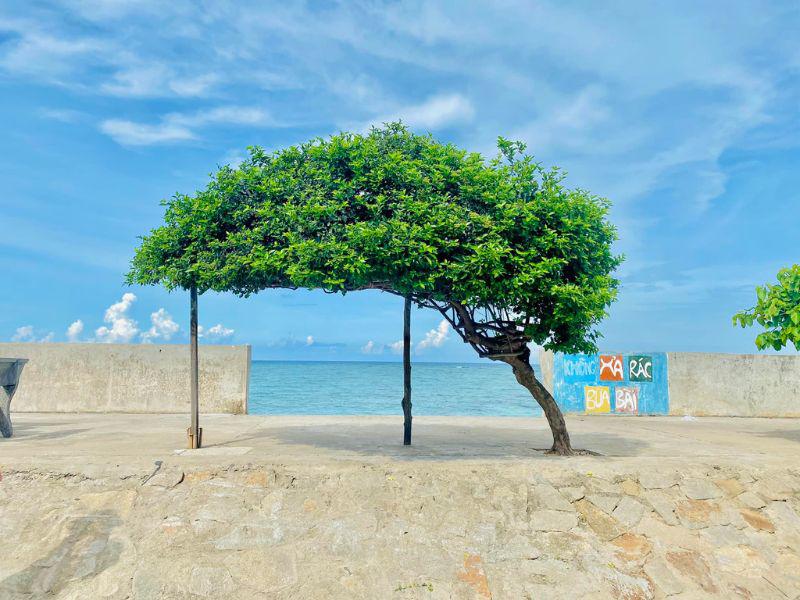
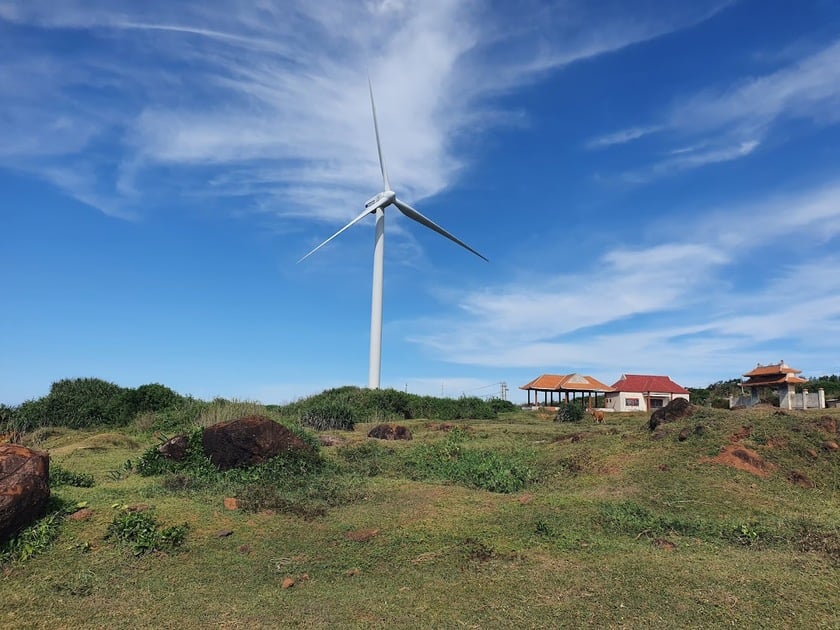
In addition, tourists can also explore many other famous destinations such as the Lonely Tree, Wind Power Plant, Chi Nen Road, the sovereignty flagpole, Phuot Slope, or Cao Cat Mountain.

What to eat and drink in Phu Quy?
One of the most memorable experiences Phu Quy Island can offer you is its cuisine, from fresh seafood to local snacks with flavors unlike anywhere else:
Phu Cuc Restaurant
Phu Cuc Restaurant is a popular and affordable seafood eatery frequented by locals on the island, making it an ideal place to enjoy fresh seafood at reasonable prices. Its outdoor space, located near the sea, provides a breezy atmosphere for diners.
Sea La Vie Restaurant
If you want to enjoy a meal in a luxurious and romantic setting by the sea, Sea La Vie is a great choice. The restaurant's menu is diverse, ranging from seafood to European dishes such as Italian pasta, stir-fried beef, and grilled oysters with cheese. Combined with coffee and beverage services, visitors are sure to have a memorable experience here.
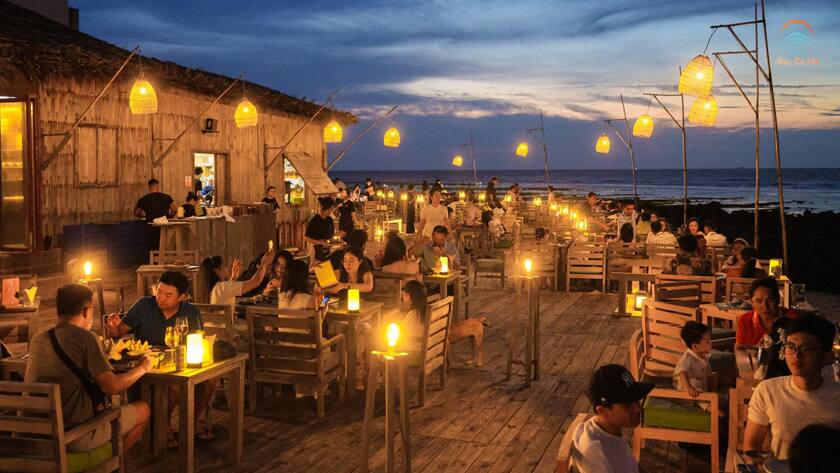
The space at Sea La Vie
Hot Beef Hoa Thuong
Hot beef is a must-try specialty in Phu Quy Island. Hoa Thuong Hot Beef is a famous place to enjoy beef dishes on the island, such as grilled beef, beef in vinegar sauce, and beef rolls. A special feature of these hot beef restaurants is that you'll receive a complimentary bowl of beef porridge with your meal, so be sure to save room in your stomach to enjoy all the dishes here!
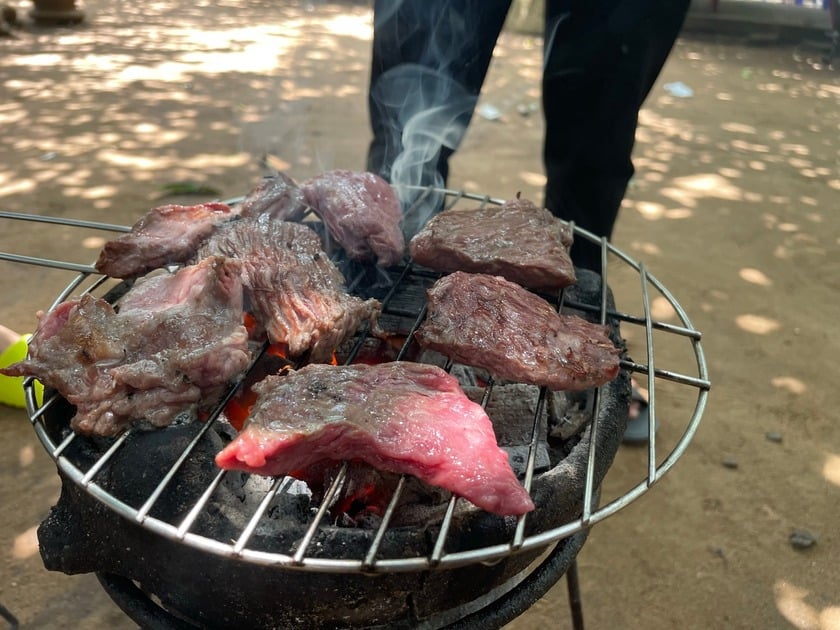
Hot beef - a must-try specialty in Phu Quy.
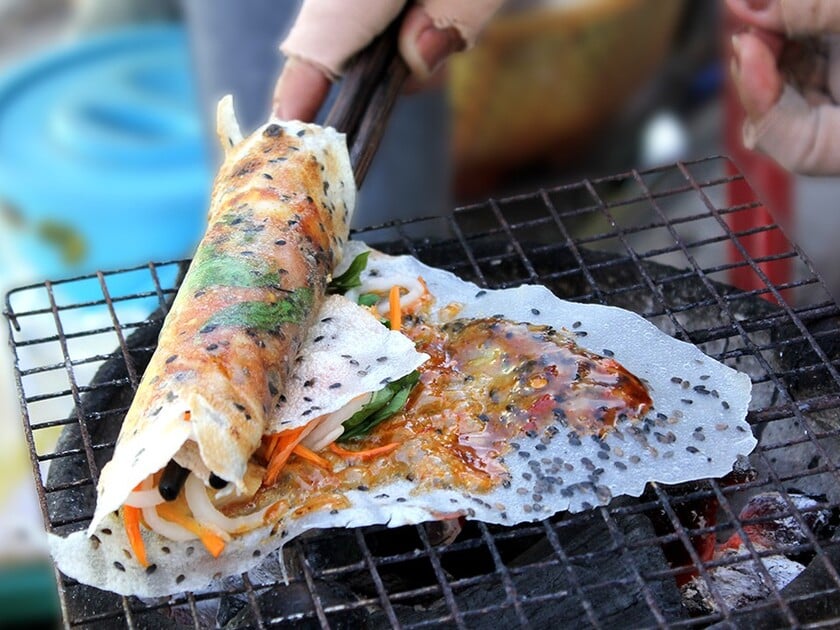
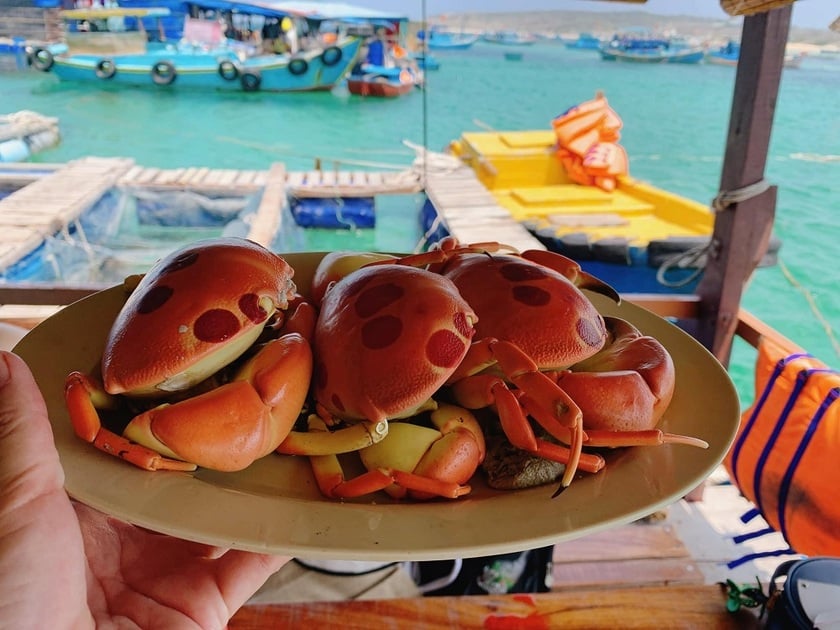
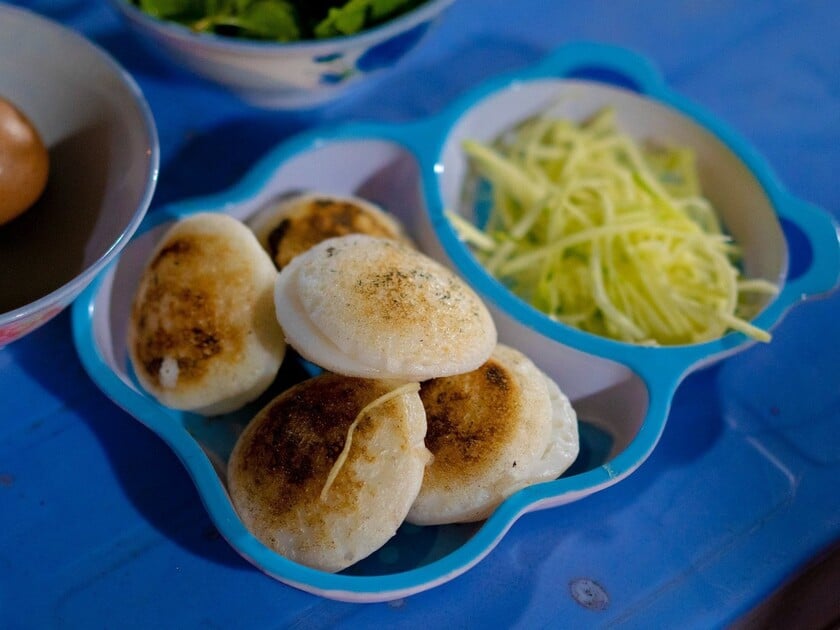
Visitors can also enjoy seafood at the floating seafood restaurants. Another must-see dining destination is Tam Thanh commune market – the island's culinary paradise with dishes that seem familiar but are surprisingly unique, such as vermicelli with fermented fish sauce, vermicelli with pork, vermicelli with grilled pork, coconut cake, rice pancake, rice paper with shrimp paste, and savory pancakes... You can also find these dishes at local eateries.
Where is Phu Quy Island located?
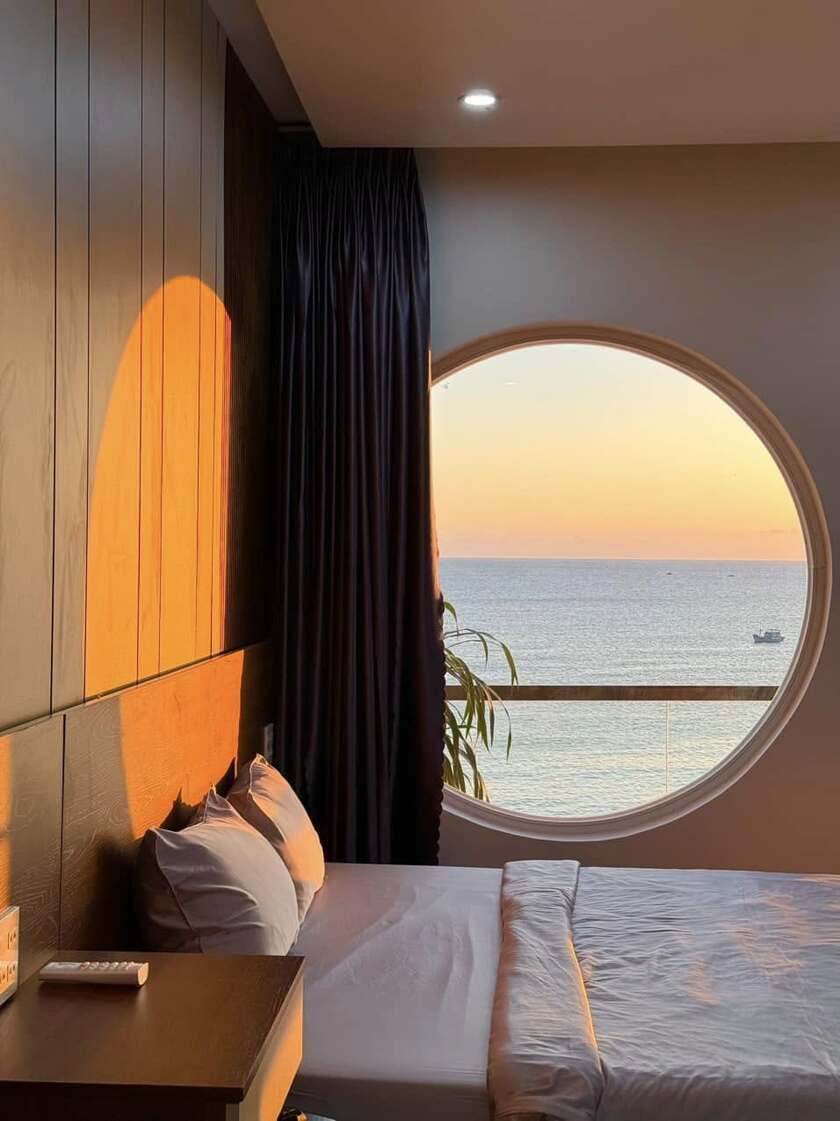
Phu Quy Island offers a wide range of accommodation options for tourists, from budget-friendly hotels to stylish homestays. Some popular choices include Ri-Rao Homestay, Chanky Hotel, Aloha Homestay, La Mer, and La Isla Bontina. If possible, choose accommodation with a sea view – the expansive ocean vista from the window will not disappoint!
Suggested itinerary for a 2-day, 1-night trip to Phu Quy Island.
Two days and one night isn't enough to explore all the island's beauty, but if you have limited time and budget, you can consider the following itinerary:
Day 1:
- Travel from Phan Thiet to Phu Quy Island by speedboat. Upon arrival, check into your homestay/hotel, rest, and have lunch.
- In the afternoon, begin your island exploration by motorbike. Visit popular check-in spots including Trieu Duong Bay, Doc Phuot, Ganh Hang, the sovereignty flagpole, and the panoramic view of Bai Nho beach. If time permits, you can join a Hon Tranh tour with experiences such as paddleboarding, swimming, and snorkeling to see coral reefs.
- Have dinner at restaurants/eateries, relax, or take a stroll around the fishing harbor, enjoying the peaceful nighttime sea atmosphere.
Day 2:
- Wake up early to watch the sunrise at the beach, on one of the high mountain spots, or in the Dốc Phượt area.
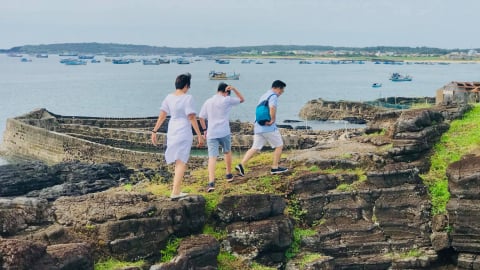
- Enjoy a light breakfast, then continue your journey to the Teacher's Tomb, after which you can stop by other very famous check-in points such as the Lonely Tree and the "Hometown Cha-Cha-Cha" fishing village named after the movie of the same name. Finally, relax on the green grass of Cao Cat Mountain, breathe in the Phu Quy air one last time before saying goodbye.
- Return to rest, have lunch, and pack your bags. Head to the port, complete the procedures to board the ferry back to the mainland, ending your perfect 2-day, 1-night trip to Phu Quy Island.
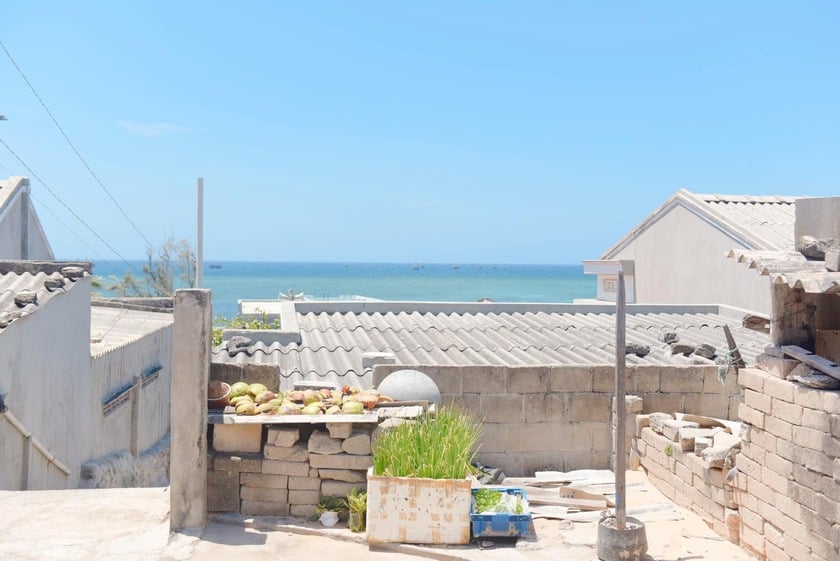
"Hometown Cha-Cha-Cha" fishing village
Tips and things to note when traveling to Phu Quy Island.
- Tourists should book round-trip train tickets and accommodation well in advance, especially during peak season when tickets/rooms sell out very quickly.
- To avoid seasickness and fatigue that can affect your travel experience, travelers should choose to book ferry tickets during calm seas, select comfortable seats (if possible, choose a reclining seat – sleeping through the journey will help you forget about seasickness!), have a light meal, and take anti-seasickness medication before boarding.
- There's only one ATM on the island, so be sure to bring some cash before you go.
Amidst the increasingly hectic and noisy pace of life, those rare moments of quiet reflection, seeking peaceful nature and experiencing healing, are incredibly precious. If you're looking for a pristine, tranquil island destination that feels like stepping into a movie scene, Phu Quy Island is the ideal choice for 2025.
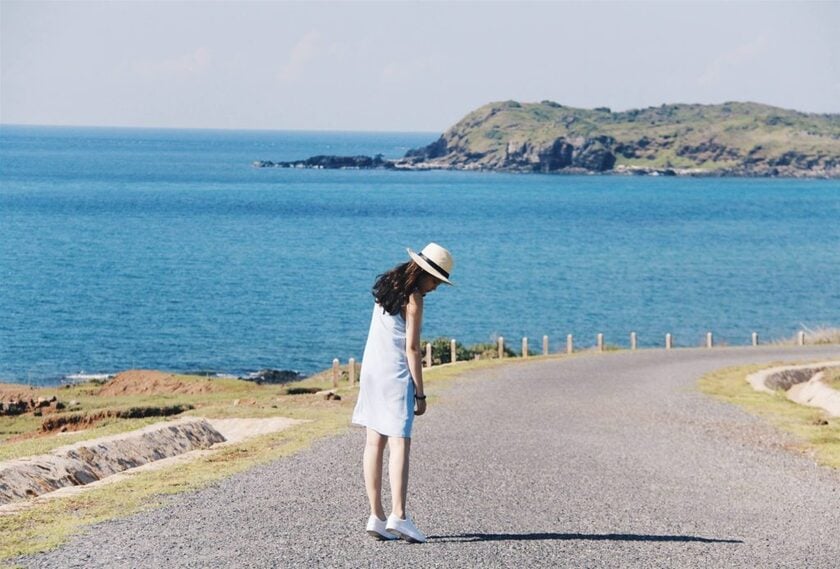
Phu Quy Island - the dream "healing" destination for the 2025 tourism season.