VI
VI


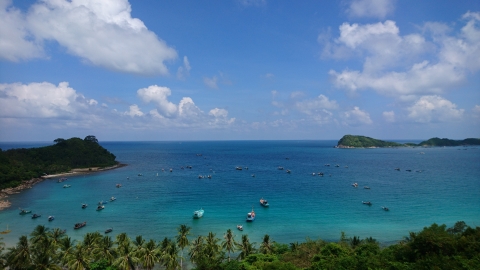
Phu Quy Island is one of the most popular destinations in Binh Thuan province, boasting a pristine and romantic beauty, making it an ideal destination for those seeking to escape the hustle and bustle of city life and find peace and tranquility.
Huynh Ka, a local snorkeling tour guide, shared with Travellive her exciting experience of this activity on Phu Quy Island, Binh Thuan province.
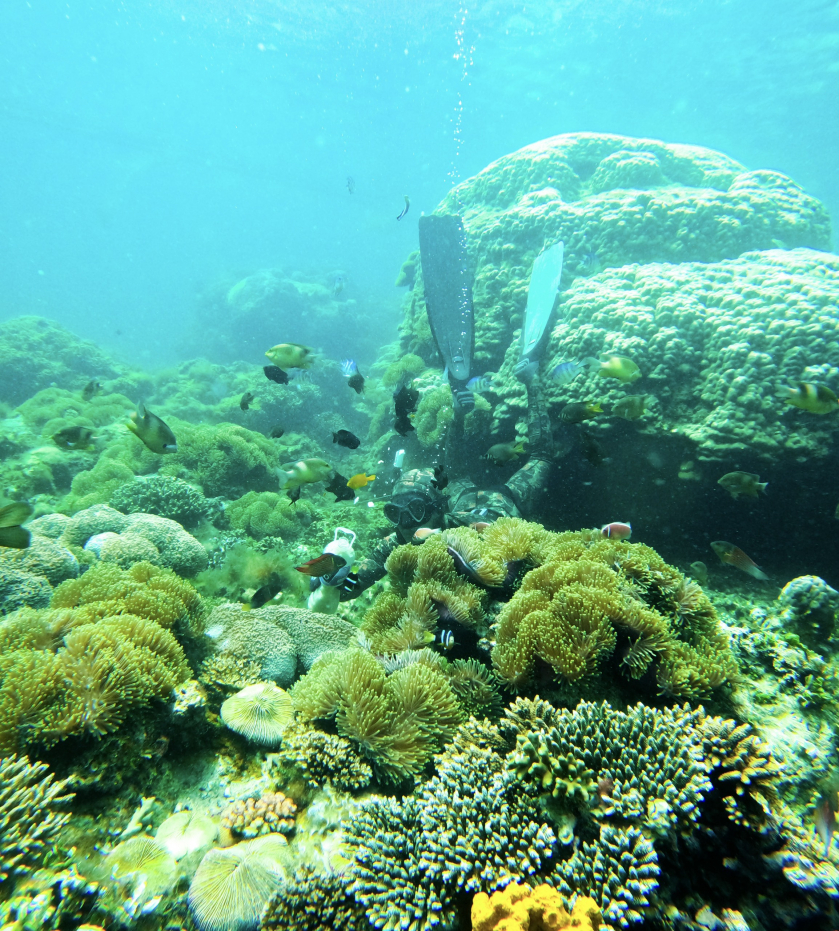
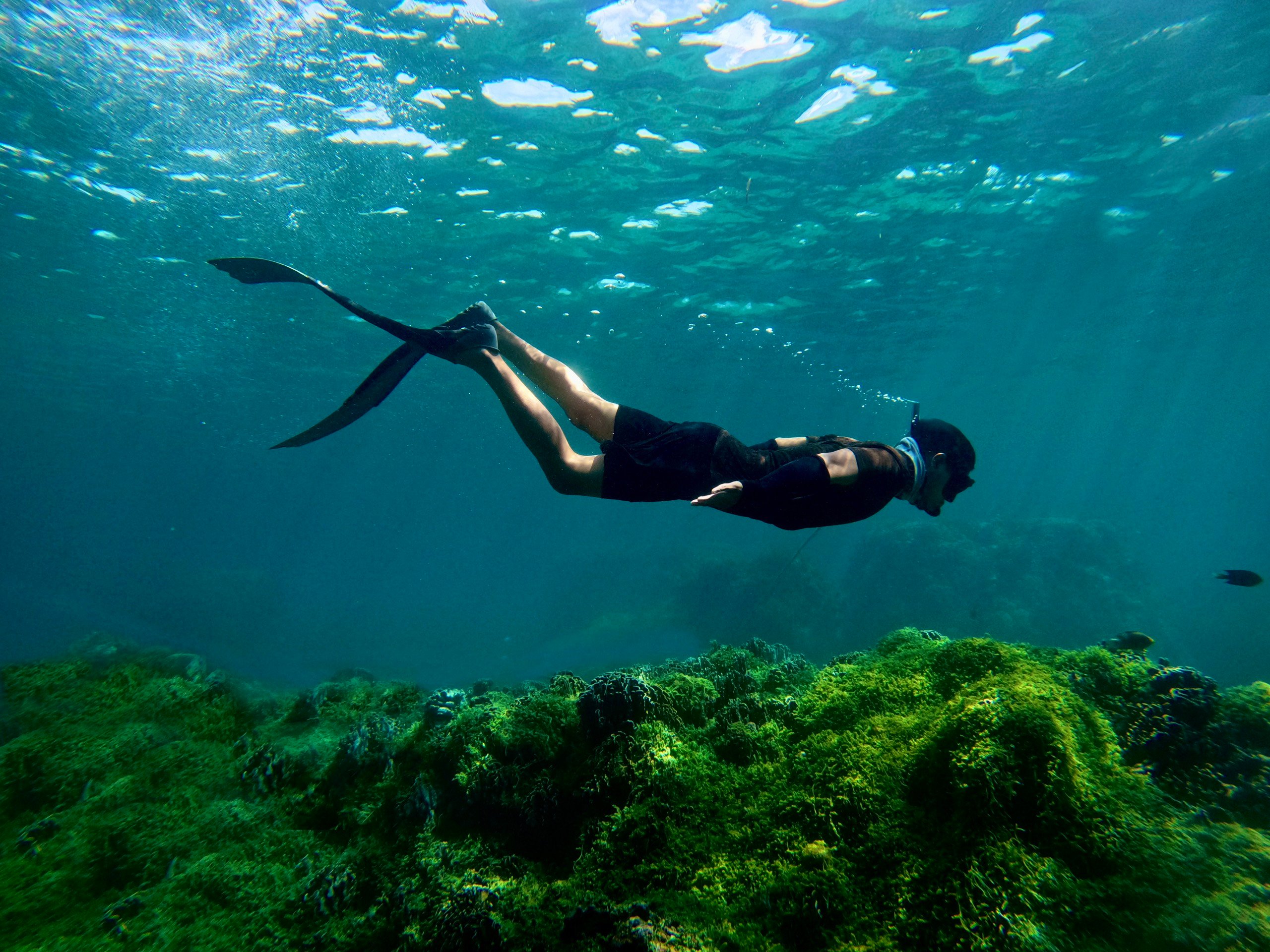
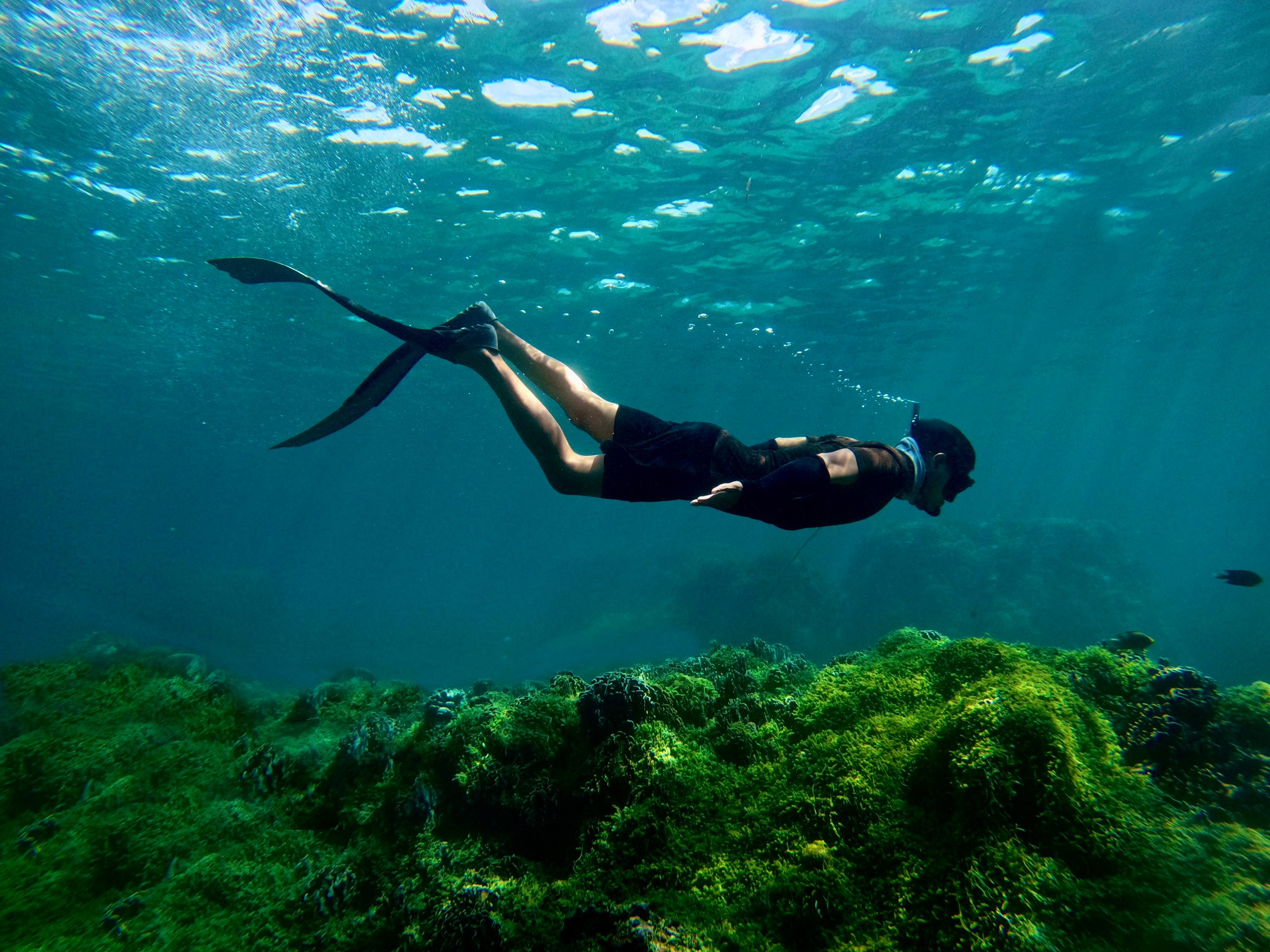
The shallow beach on Phu Quy Island is a great spot for snorkeling enthusiasts to explore the diverse coral reefs and colorful fish, creating a stunning landscape.
The location where Huynh Ka usually organizes coral reef snorkeling activities is in the Bai Can area (also known as Ran Can or Long Be area). This is a coral reef with an area of about 1 square kilometer.2Located east of Phu Quy Island, the coral reefs here include various types such as stony coral, table coral, and cabbage coral, combined with expansive green seaweed beds and many colorful fish species, creating a stunning landscape. Although the reef is 300 meters from the shore, the water depth is only about 1 to 3 meters, making it ideal for snorkeling and coral viewing.
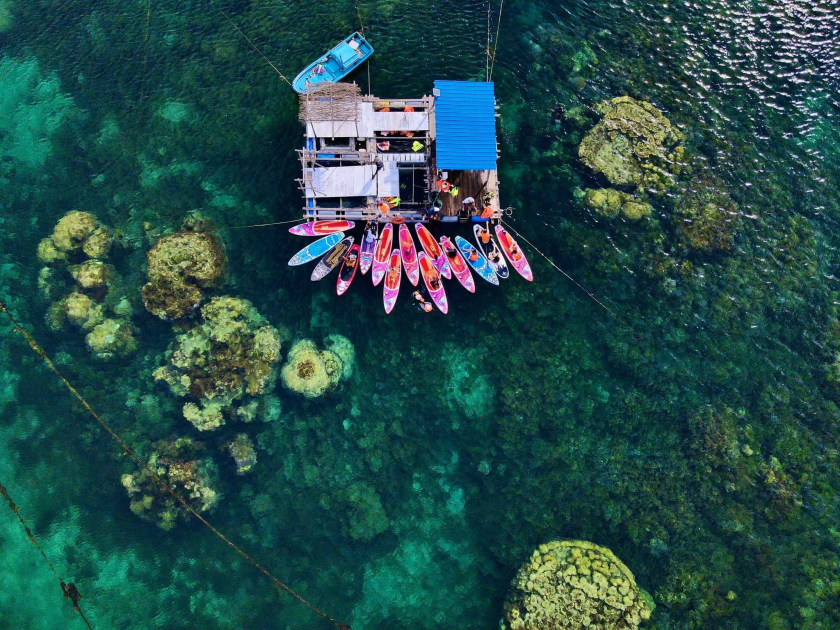
At Bai Can, on days when the tide recedes strongly or during the low tide season, large patches of coral will emerge from the water, creating a very beautiful sight.
Huynh Ka said: "Tourists participating in this experience will receive basic instruction on swimming and snorkeling, as well as how to use the equipment provided. The best time to participate in a snorkeling tour at Bai Can is usually from the end of March to mid-August. During this period, the weather is beautiful and the seawater is clear blue."
According to him, there are currently about 6-7 organizations on Phu Quy Island offering coral reef snorkeling tours at Bai Can beach. The price for participating in the experience for tourists is mostly the same, ranging from 250,000 to 350,000 VND per person per session.

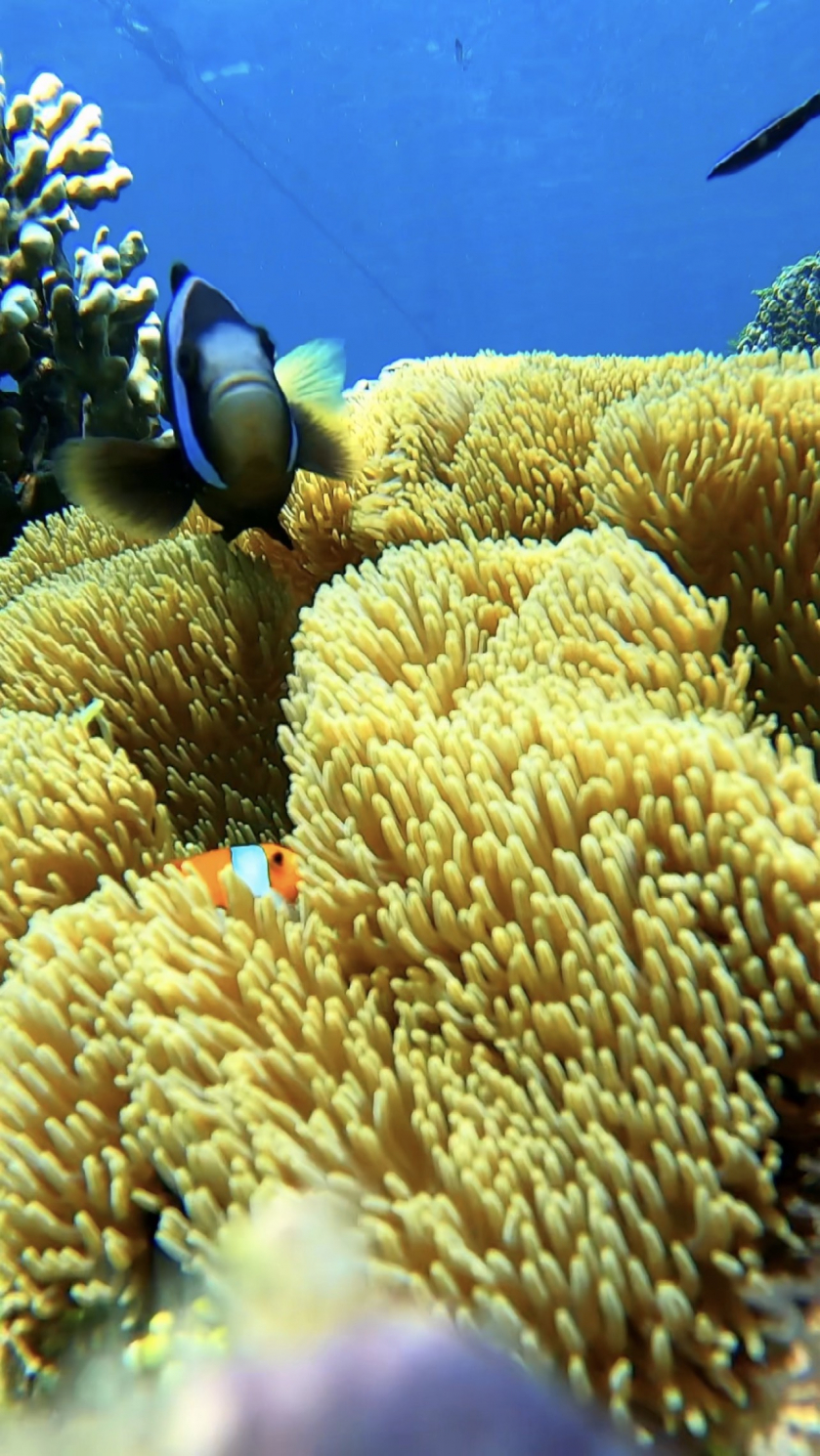
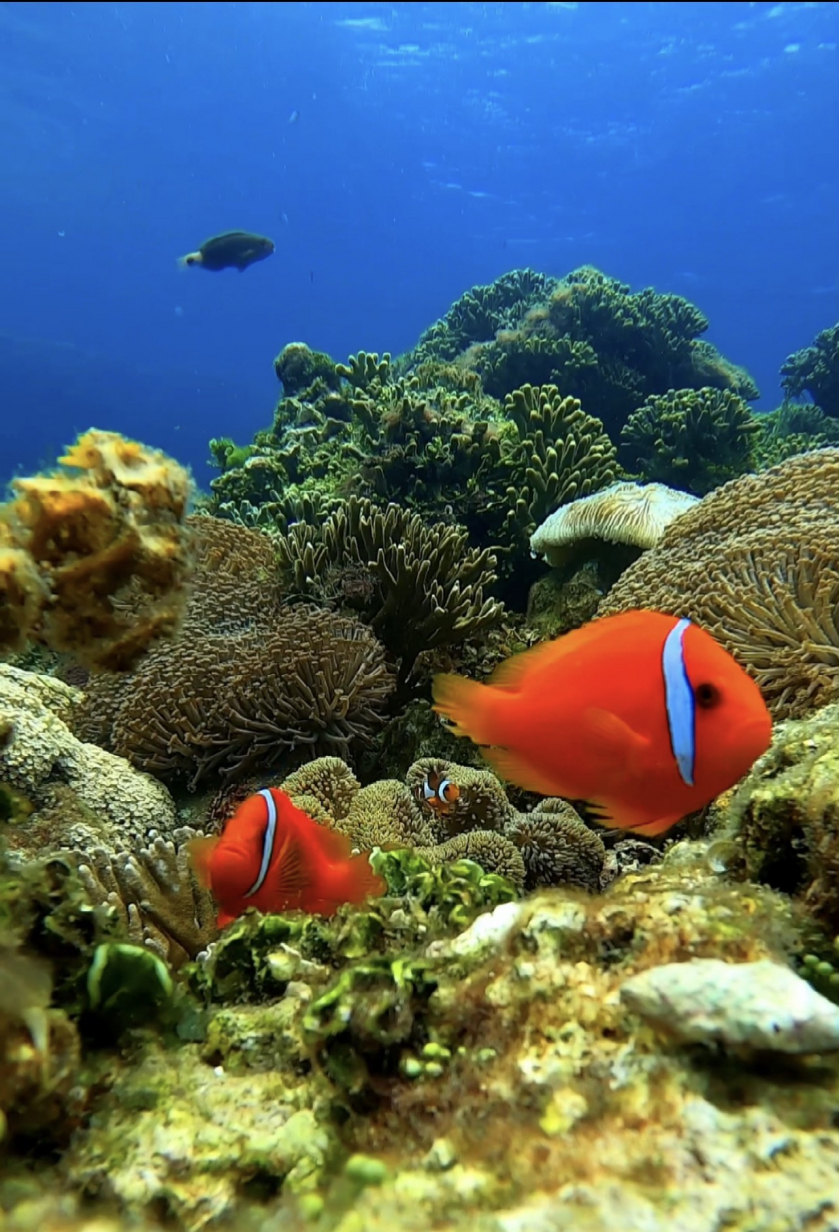
Diverse marine life
Based on her experience as a scuba diving tour operator, Huynh Ka also shared some tips for tourists participating in this experience.
"Besides wanting tourists to have the best experience when participating in coral reef snorkeling tours, I, as well as other local guides, always want to spread the message of protecting the marine ecosystem to tourists participating in snorkeling tours: no littering, no picking coral, no touching marine creatures, and limiting the use of sunscreen containing chemical ingredients harmful to the marine environment...", Huynh Ka said.
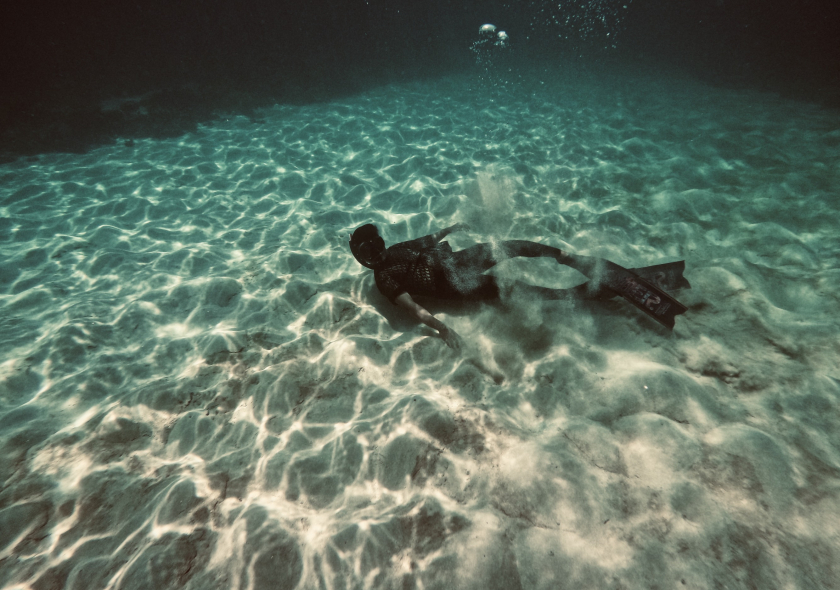
Before snorkeling, tourists are given breathing exercises, shown how to wear life jackets, and introduced to safe swimming and diving techniques.
Furthermore, during the tour, you are not allowed to take or leave anything behind in the sea except for the beautiful photos and the enjoyable experience.
All visitors participating in the experience will be provided with life vests, goggles, snorkels, and fins. Those who can swim and dive will have their underwater photos and videos taken by instructors using specialized equipment to capture beautiful images. Before snorkeling, visitors will practice breathing techniques, be shown how to put on life vests, and learn safe swimming and diving skills.
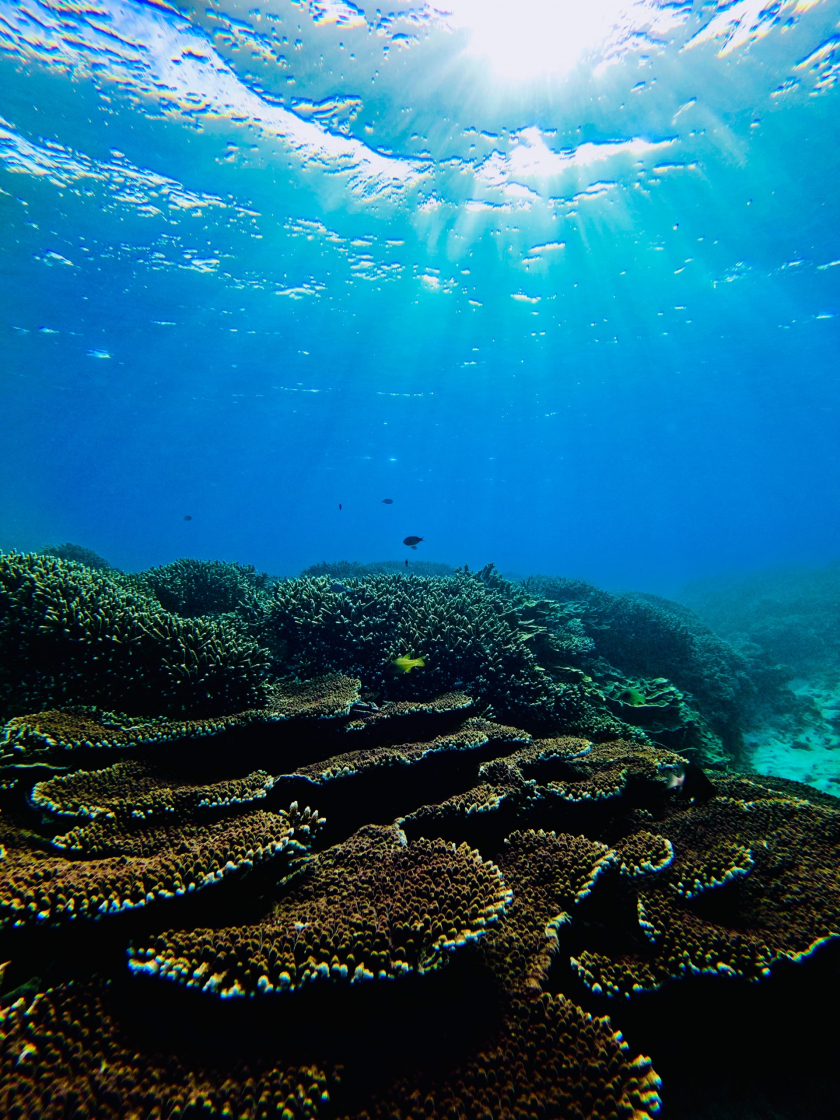
To protect the marine ecosystem, tourists participating in the diving tour are requested not to litter, not to pick coral, and not to touch any marine creatures.
Furthermore, this activity is not suitable for those with cardiovascular conditions as they may not be able to adapt to the sudden changes in pressure and temperature between the surface and underwater. Choose well-fitting diving gear, including specialized goggles. The diving mask must also fit the diver's face properly to ensure that water cannot leak inside when submerged. Ensure your body is in the most comfortable state possible. Do not dive when you are nervous or anxious. Before entering the water, visitors should spend 5 minutes preparing to acclimatize to the underwater environment and remember to follow the instructor's rules.
Scuba divers should also pay attention to the appropriate time to dive. Avoid diving when you are too full or too hungry, and do not drink alcohol before diving. It's best to dive about an hour after eating.
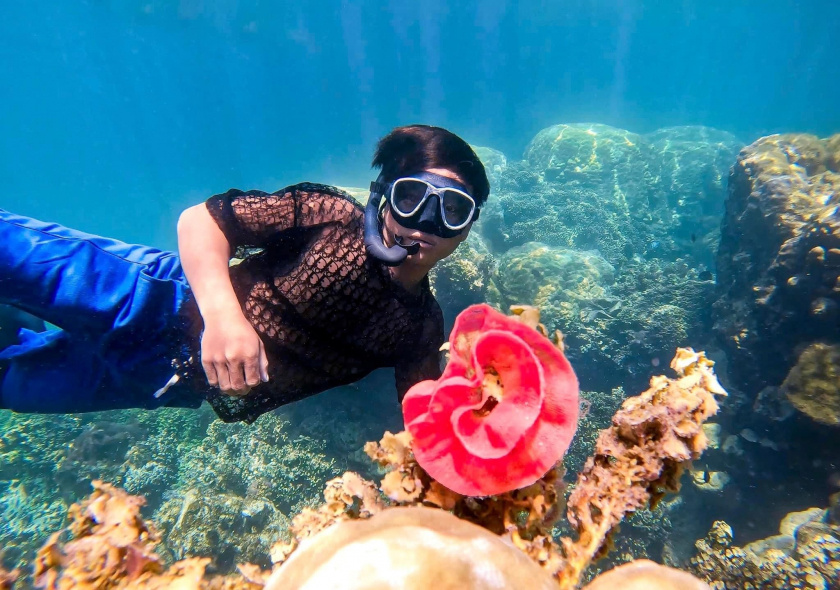
Phu Quy Island attracts tourists with its snorkeling tours to admire coral reefs and explore diverse marine life.
Huynh Ka added that besides Bai Can, Bai Lang (Ngu Phung commune) is also a place where you can snorkel and admire coral reefs. However, snorkeling in the Bai Lang area is more limited due to the influence of wind; tourists can only snorkel at Bai Lang from January to March.