VI
VI


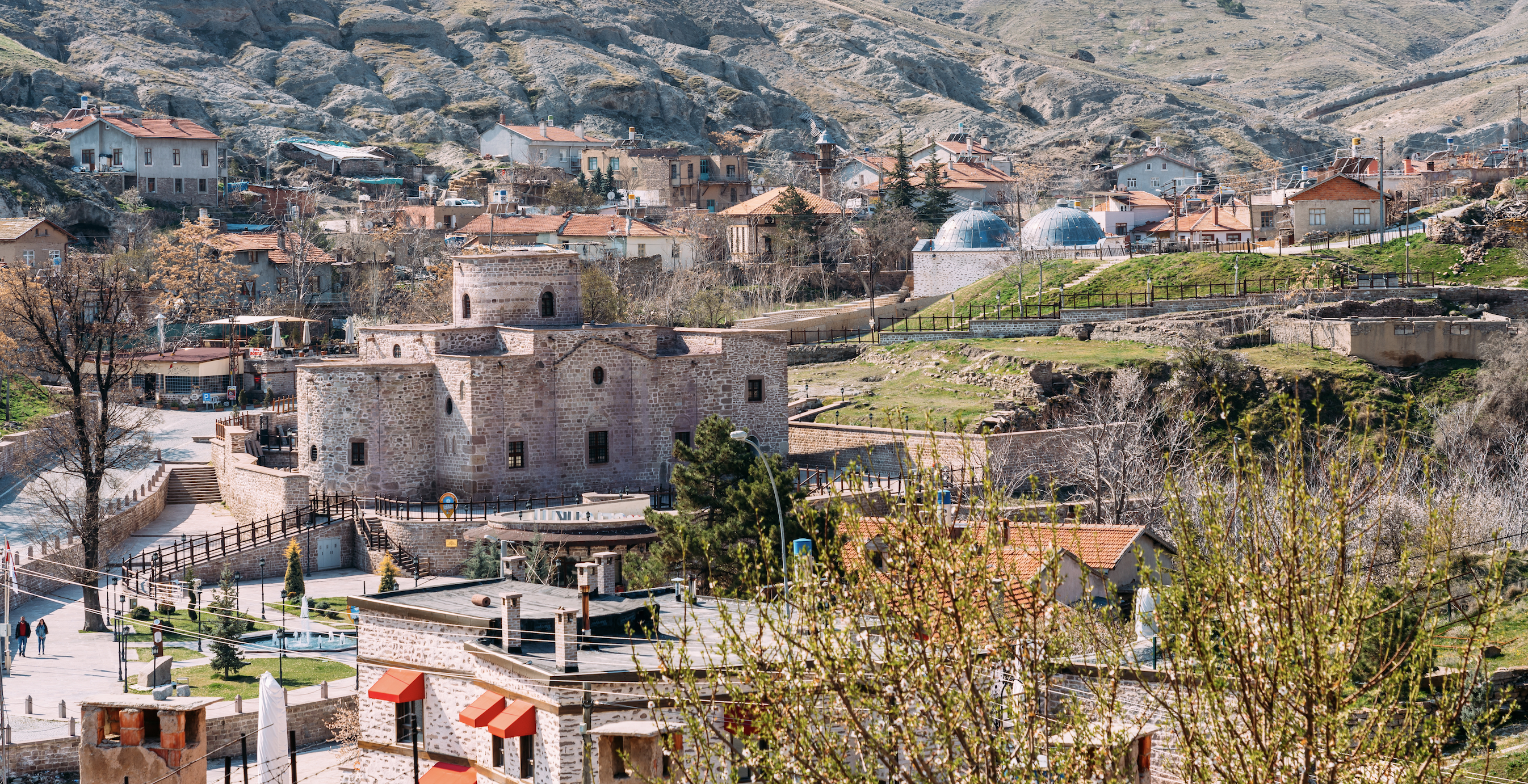
Sille is an ancient village located about 8km from the Seljuk town of Konya. According to recent excavations, the first settlement dates back to around 6,000 BC. Sille was a Greek village until the Turkish-Greek exchange agreement was made in 1925, which is why today, most of the houses here are in the Greek style. This blend of cultures makes Sille one of the important stops to explore when visiting Konya.
Take a stroll in Sille
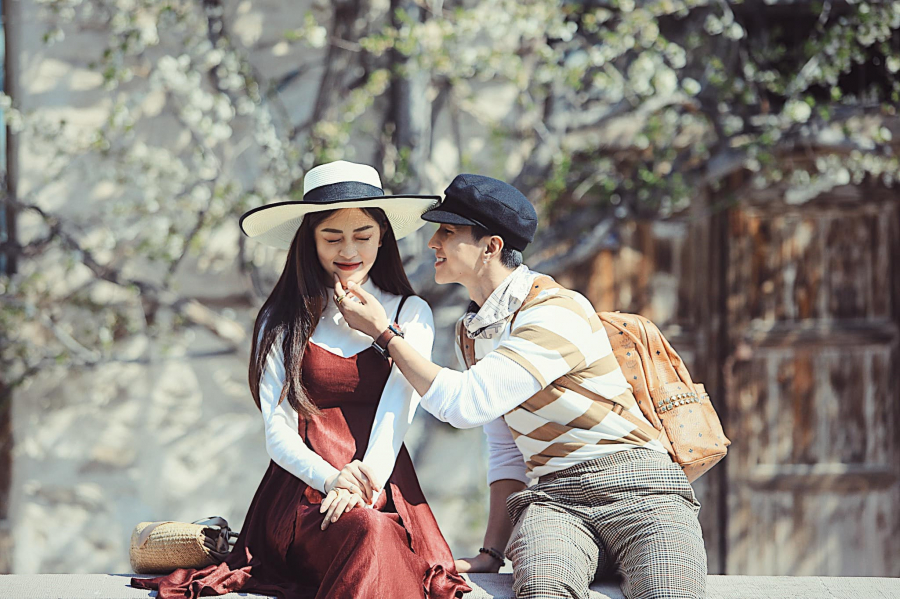
Runner-up Phuong Nga and her boyfriend, actor Binh An, shared many romantic moments in the small village of Sille.
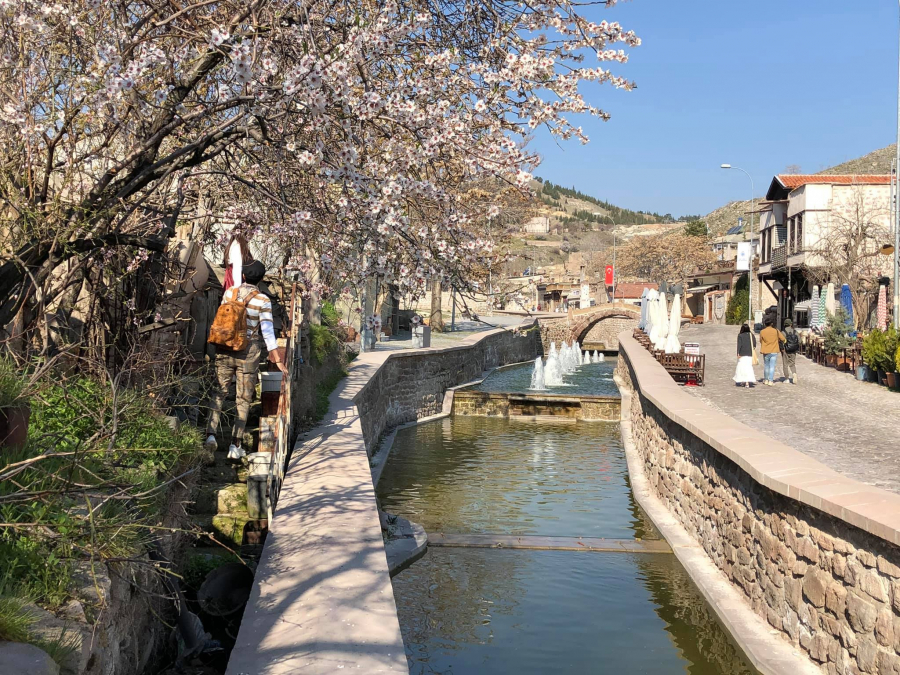
Sille has retained its unspoiled charm with its distinctive architecture of stone houses and mud-built houses. Some old houses of the former aristocracy have been converted into museums. Along the main road that runs through the town, where a small river flows through the village, visitors will find a local museum and art gallery. Admission is completely free.
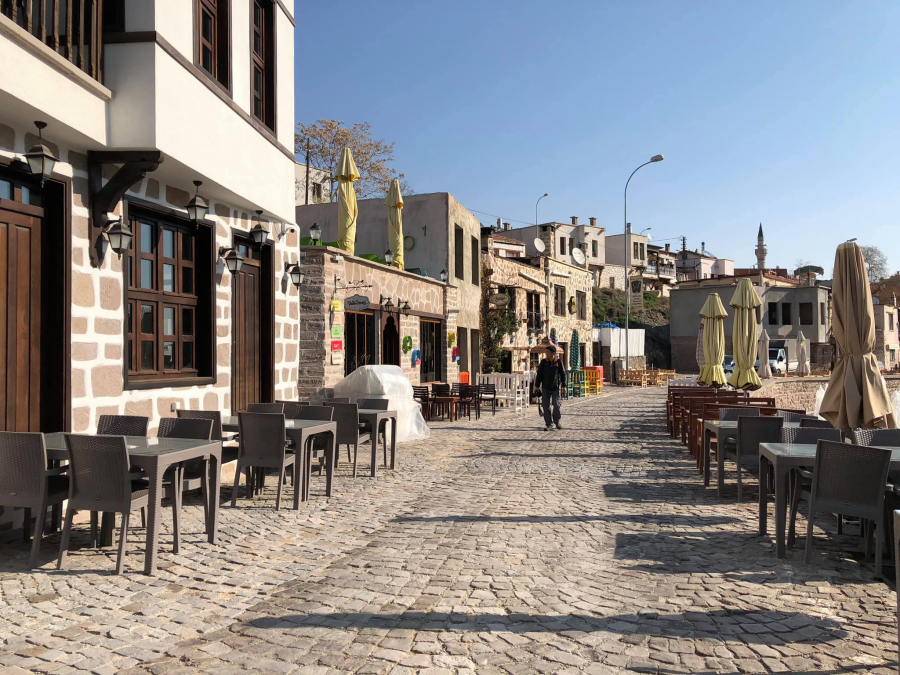
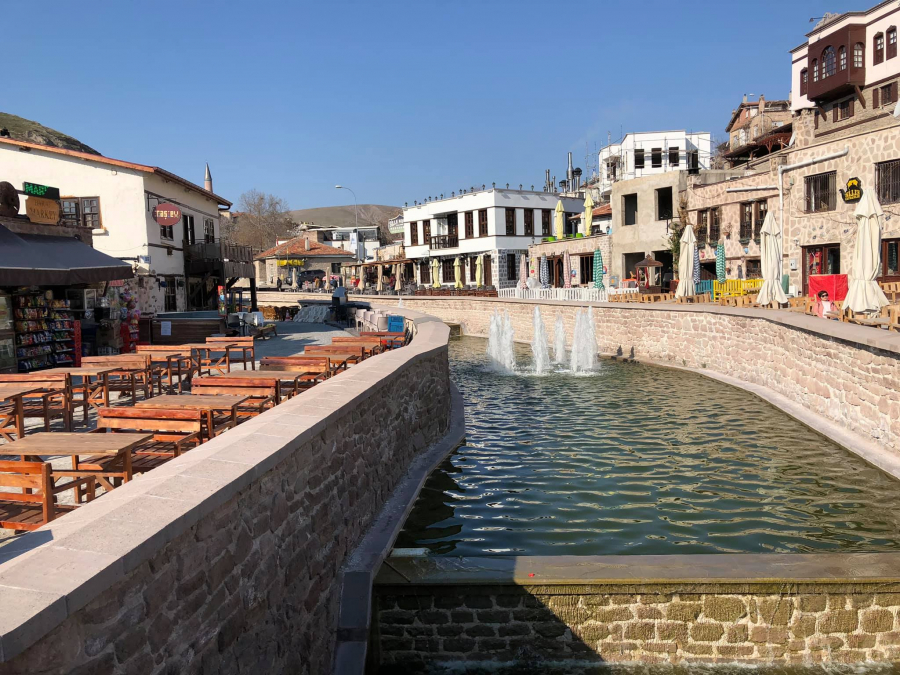
Particularly noteworthy is the bridge at the end of the village called "Devil's Bridge," connecting two precarious cliffs, a fantastic photo spot for adventurous tourists. Scattered throughout the village are almond trees in full bloom, adding to the charm. Although it's a tourist destination, the shops here open very late, only starting to welcome customers around 11 am, and it's not overly crowded or bustling.
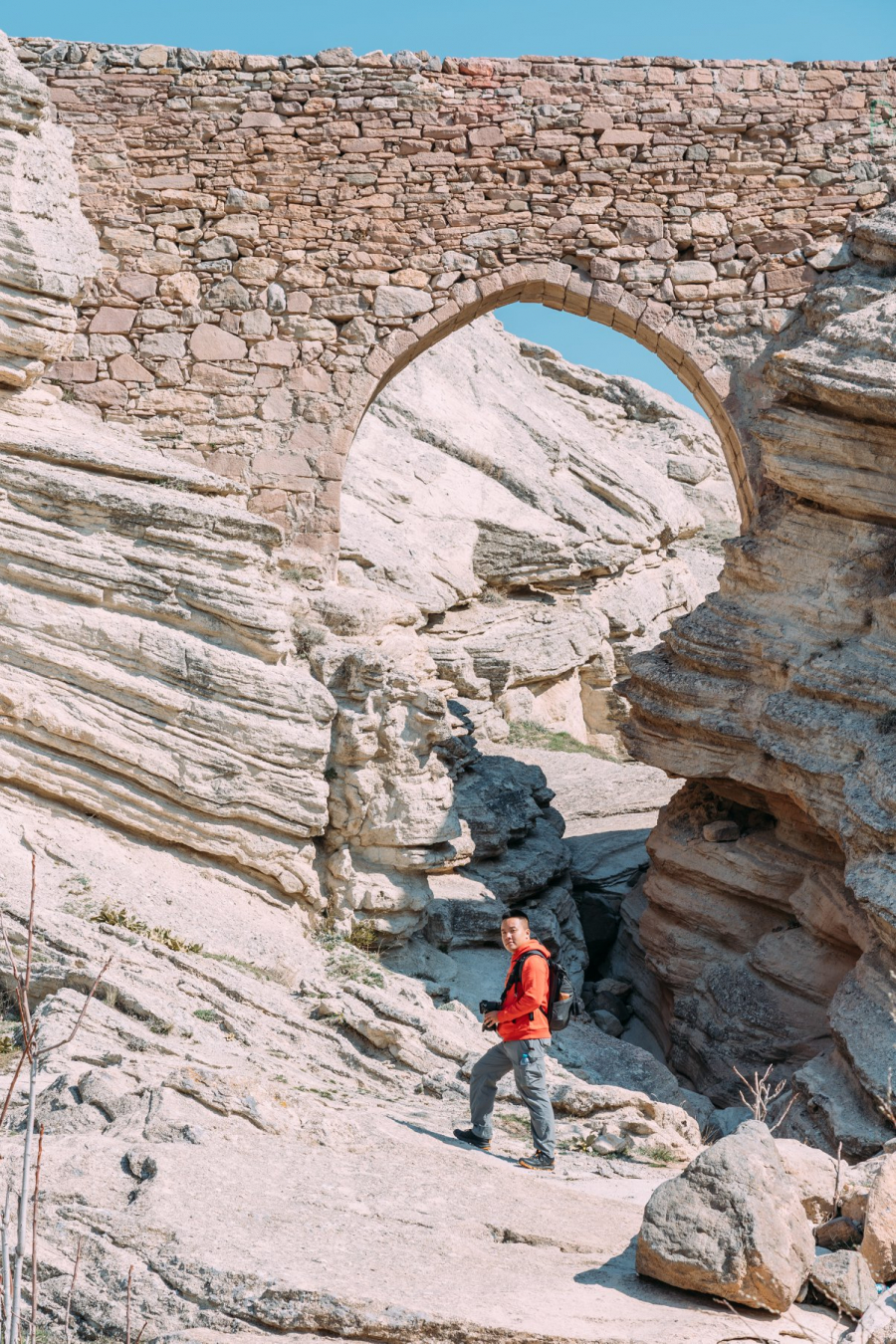
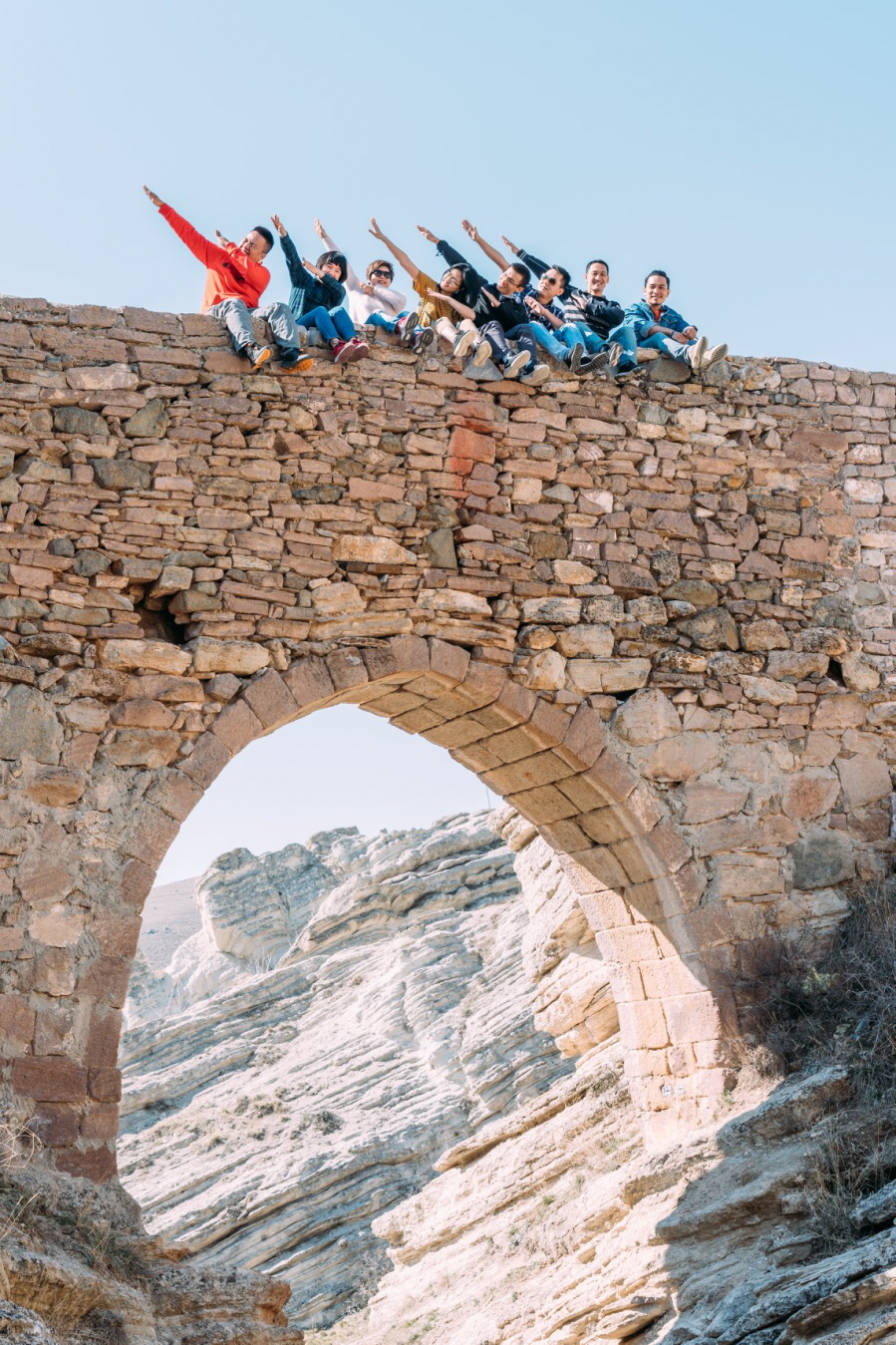
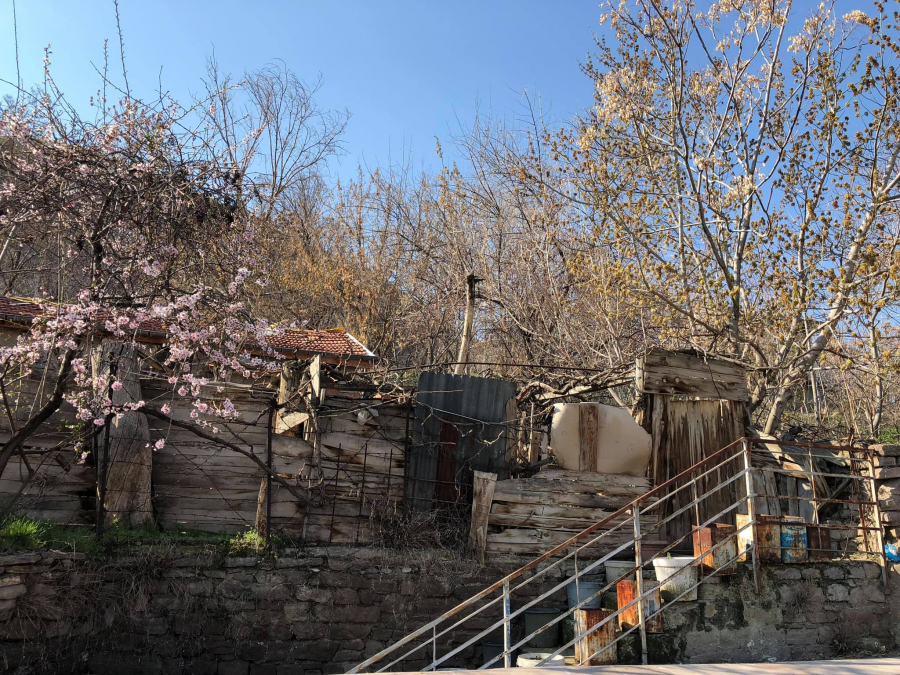
Many houses in the village have collapsed due to their inability to withstand the ravages of time, but in return, there are some incredibly beautiful reconstructed structures, all creating a friendly, peaceful space for a stroll.
Have breakfast in Sille
Today, Sille is very popular with locals and tourists alike if they're looking for the perfect weekend breakfast.

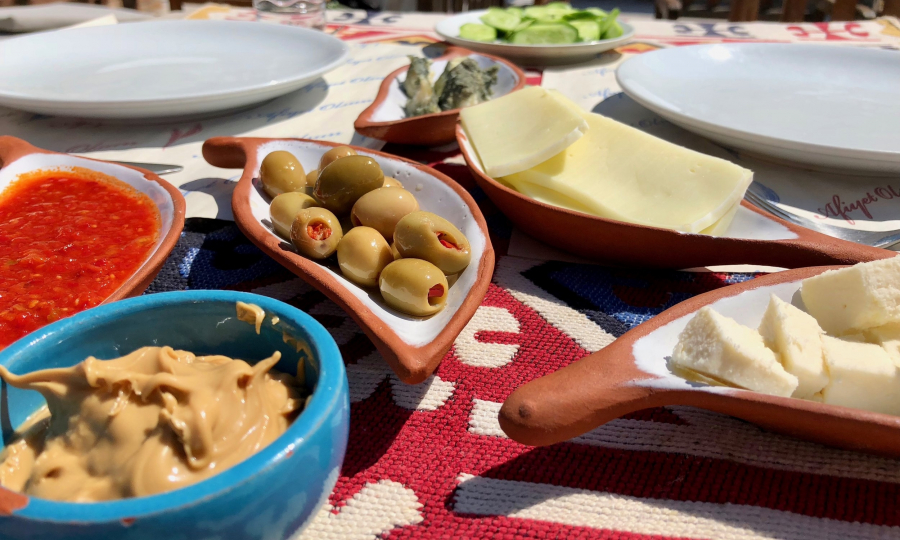
A famous traditional breakfast is prepared in Sille.
Değirmen Evi Cafe is a popular stop, a great place for visitors to sample cheeses, jellies, and sauces, as well as fresh tomatoes, cucumbers, and olives—all the ingredients that make up a quintessential Turkish breakfast. And of course, you must try the restaurant's specialty, saç böreği.
Cave
On the southern slope of the valley lie the remains of a Cappadocia-like underground city, all carved into the rock. Several churches, houses, and other ruins are found behind the soft cliffs.
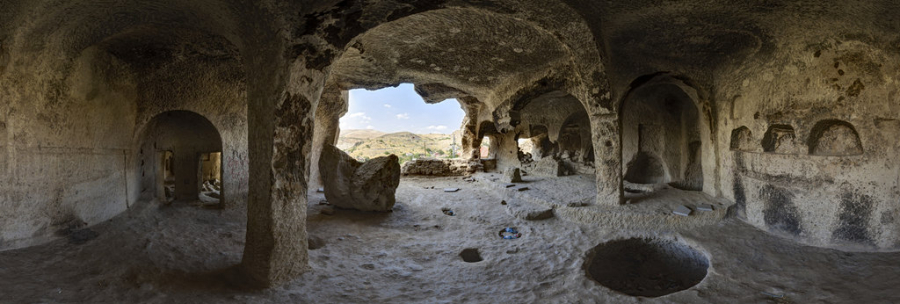
The cave's structure closely resembles the underground city discovered in Cappadocia.
In Sille, there are many cave dwellings scattered across the hills. Some are still inhabited, while others are dilapidated, damaged, and house broken frescoes scattered throughout the caves.
Zaman Müzesi - Chapel, now the Museum of Time
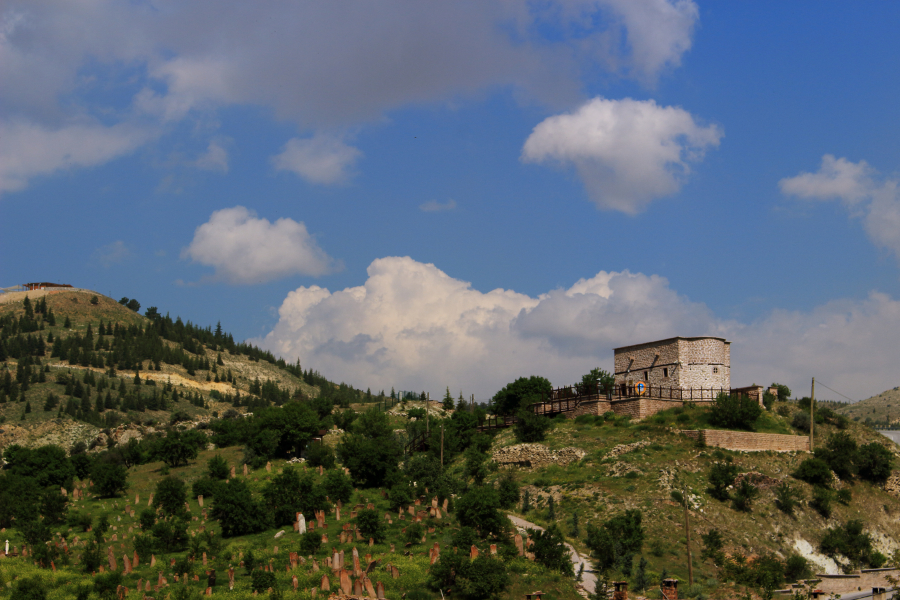
In Sille, there is a small mosque perched on a hilltop above Aya Elena Kilisesi in a beautifully ruined cemetery. From here, one can see a panoramic view of the town and towards the Devil's Bridge. Beyond the mosque, one can find an interesting Ottoman fountain with an inscription in Karamanli (Turkish mixed with Greek).
The old chapel, now the Zaman Müzesi or "Museum of Time," houses a number of fascinating items centered around the theme of time. Ottoman clocks, such as Astrolabs, are among them.
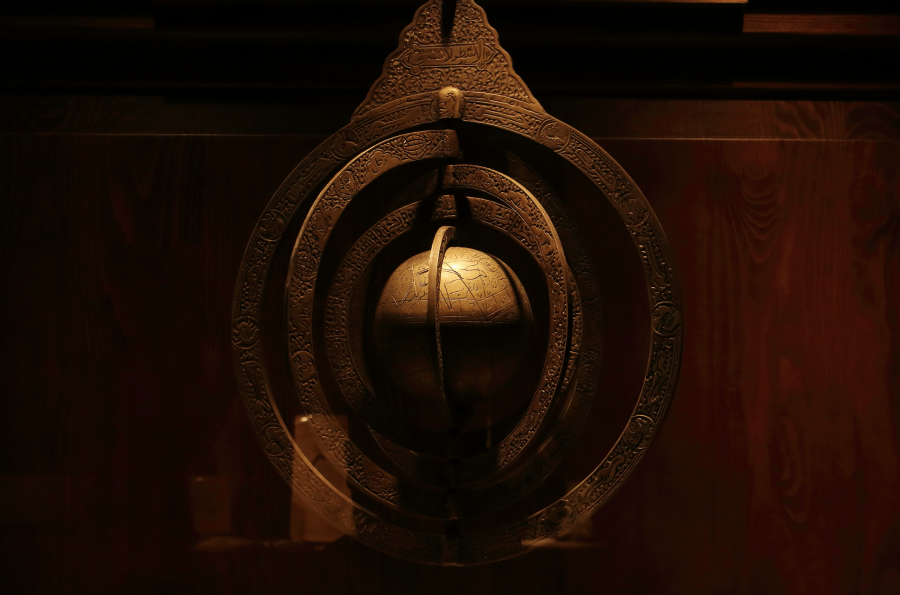
Ottoman clocks, Astrolabs
Ottoman Cemetery
Wandering through the nooks and crannies of this small village, what stands out most is perhaps the feeling of "naturalness" and "unforcedness" it offers. Not trying to chase the tourist trends, Sille possesses a quiet, peaceful, and romantic charm... even when what you see before you is a cemetery – something usually associated with sadness.
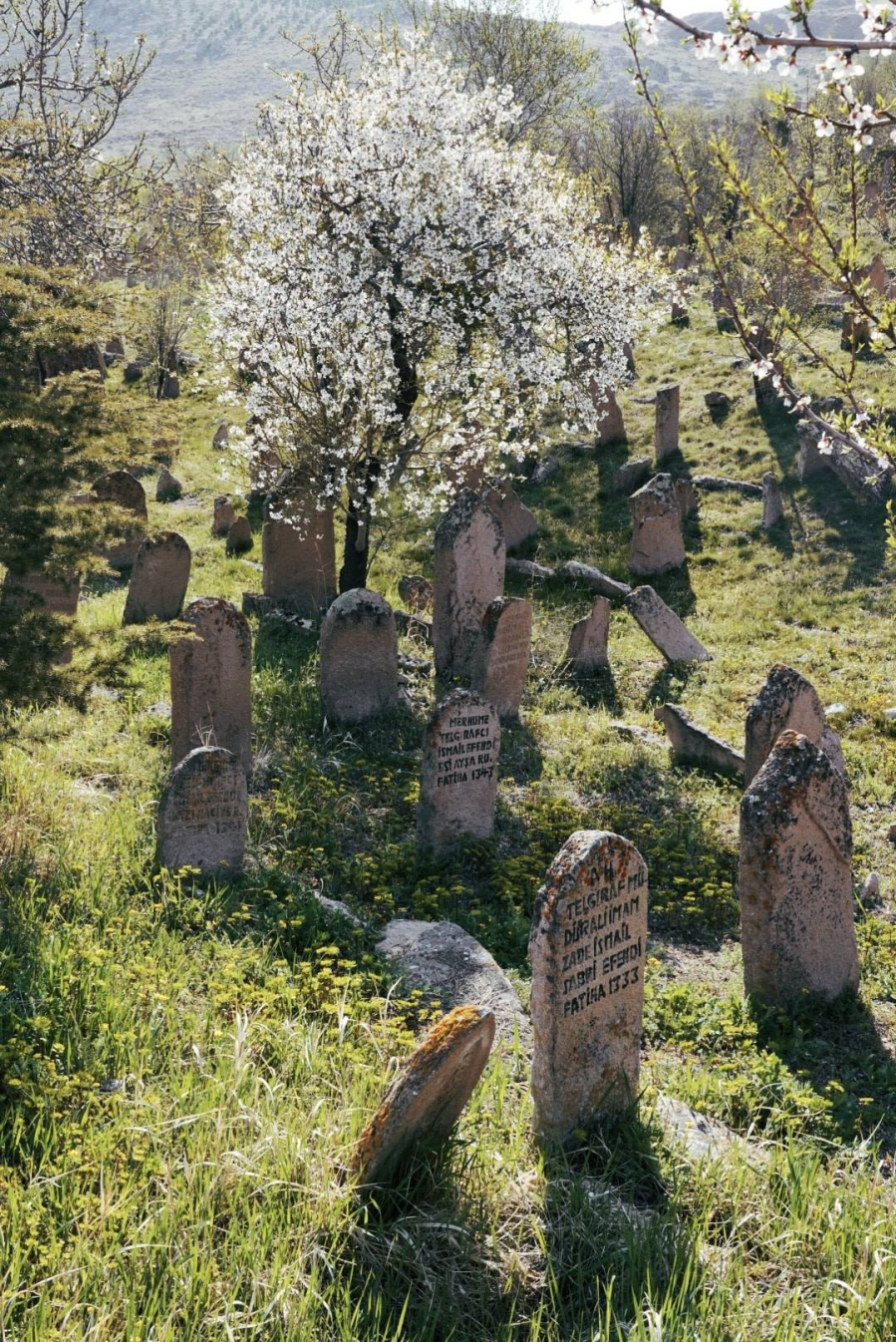
In Sille there is an old Ottoman cemetery.
The graves of the indigenous people are usually located on high hills near the village, surrounded by almond and apple trees in full bloom. Each grave is adorned with a different stone, without ostentation or distinction between rich and poor. Gentle and peaceful in the spring sunshine.
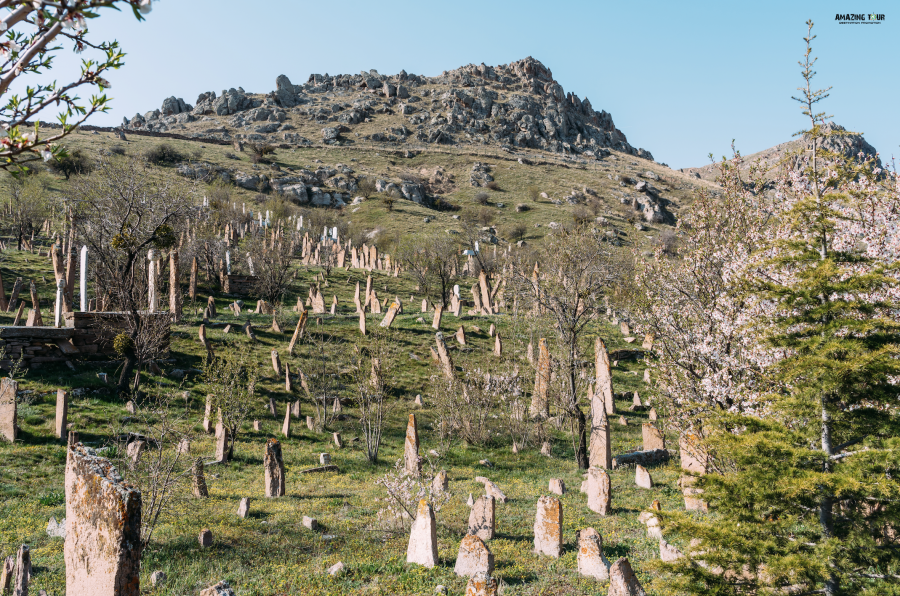
Standing here, life seems to slow down a little, allowing us to appreciate each moment even more.
Aya Elena Kilisesi - Greek Orthodox Church of St. Helena
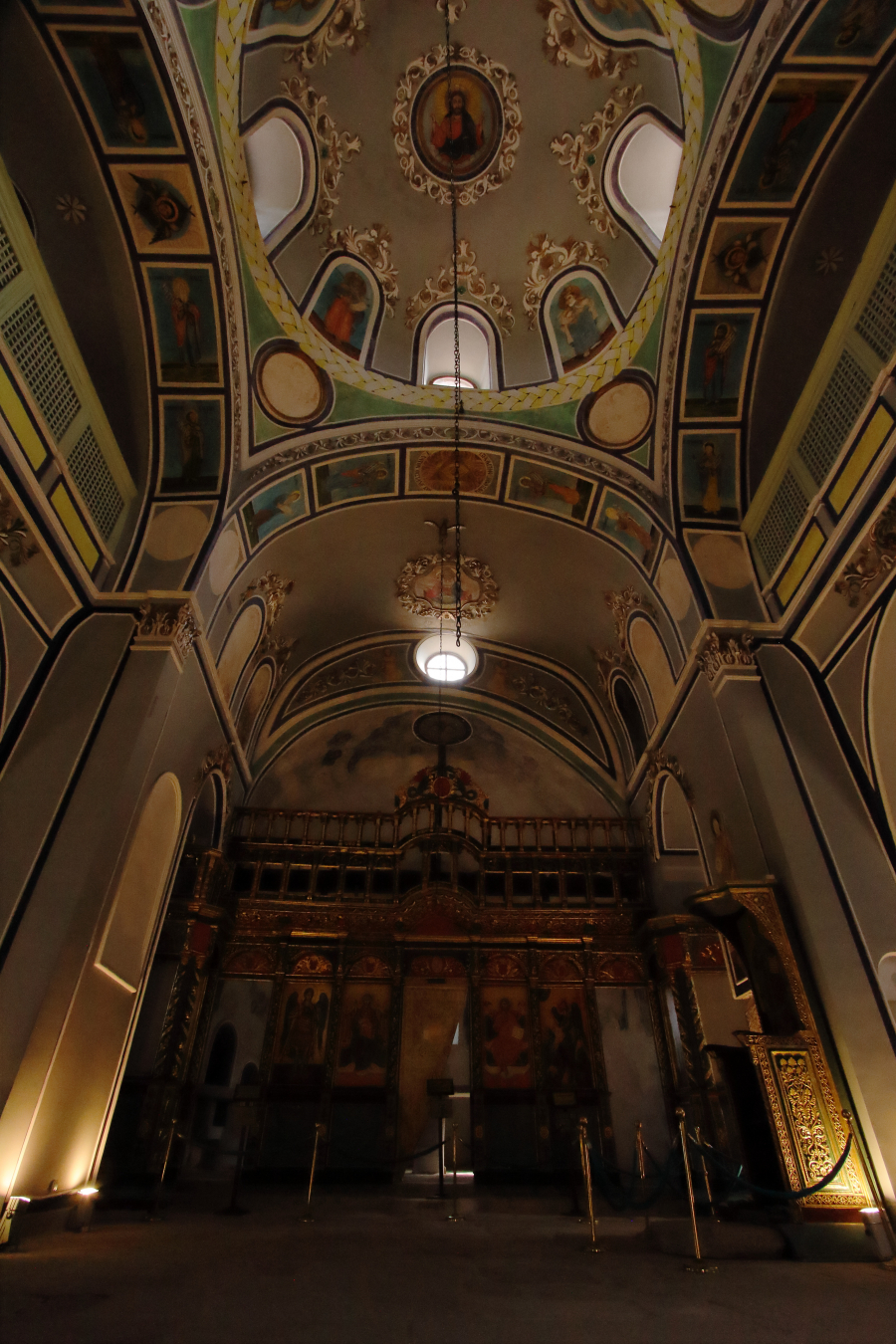
In 327, on her way to Jerusalem, Queen Helena (St. Helen) passed through Sille in Konya. She commissioned the villagers of Sille to build a church, which is the present-day Aya Elena Kilisesi. The church was restored in 1833, abandoned after 1924, and then restored in 2012 and opened as a museum.