VI
VI


The Great Salt Lake is an inland lake that does not flow into the sea, receiving water only from three tributaries: the Jordan River, the Weber River, and the Bear River. Each year, these three rivers deposit approximately 1.1 million tons of minerals into the lake, resulting in a higher salinity than seawater.
You should try coming here once to see how salty the lake water is compared to seawater!
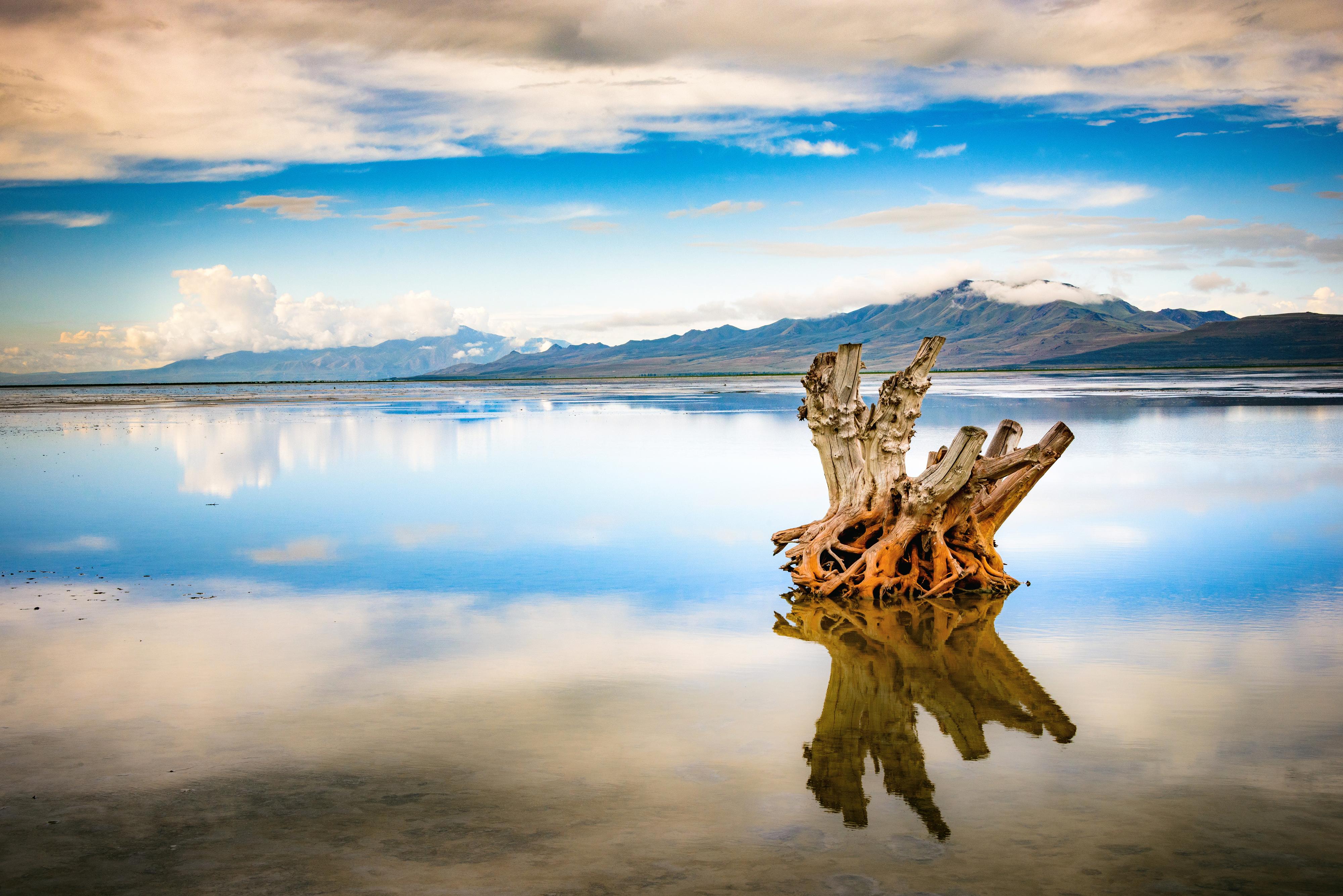
Standing high above and gazing out at the Great Salt Lake, one might easily imagine oneself admiring a watercolor painting. The vast lake stretches to the distant horizon, its surface perfectly still, without a single ripple. The surroundings are incredibly peaceful, a strange tranquility, for few would expect to find such a serene space not far from the bustling capital city!
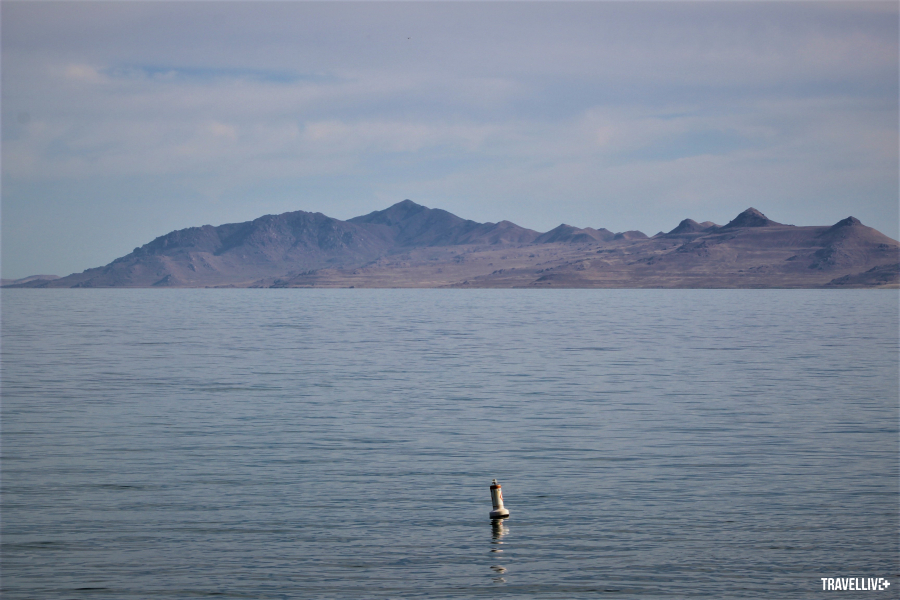
The blue of the water and the blue of the sky seem to blend into one.
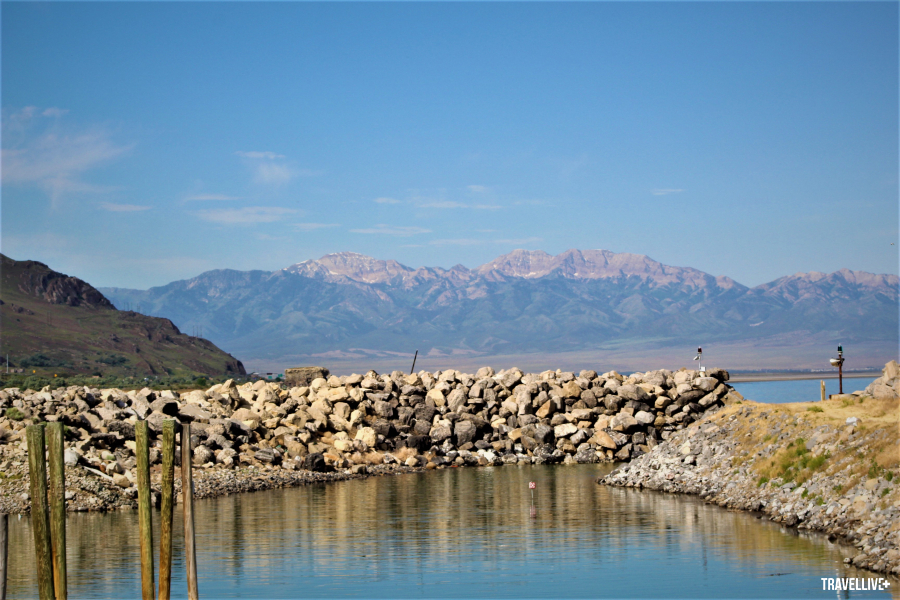
Far across the lake, the verdant Wasatch Mountains are reflected in the salty water. The early morning sunlight casts a rare, silvery hue on the water's surface, a sight rarely seen in other lakes.
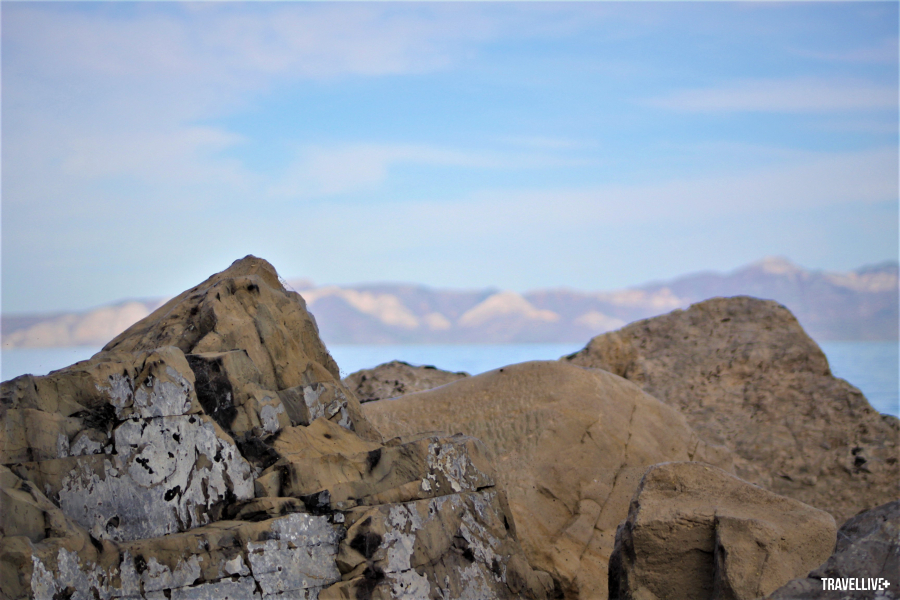
The rocky outcrops jut out over the lake.
This is the largest salt lake in the Western Hemisphere, the fourth largest enclosed lake in the world, and the 37th largest lake on Earth. The lake has an average surface area of 4,400 km², but in some years it was only 2,460 km² (1963) and in other years it reached 8,500 km² (1987). The lake is approximately 120.7 km long and 56.3 km wide.


The lake also provides a beautiful backdrop for models to take stunning photos.
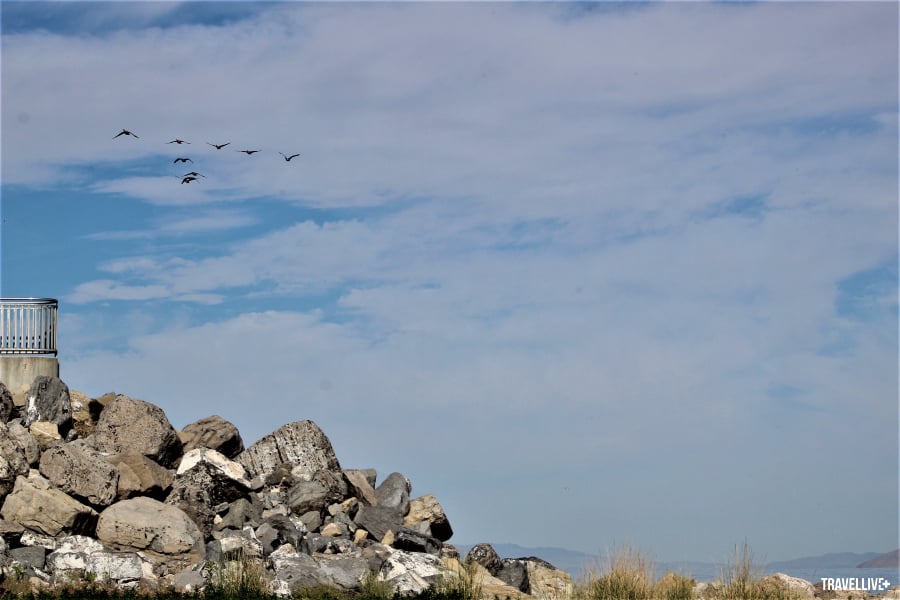
I have a feeling that the seagulls must get very tired every time they fly over this lake.
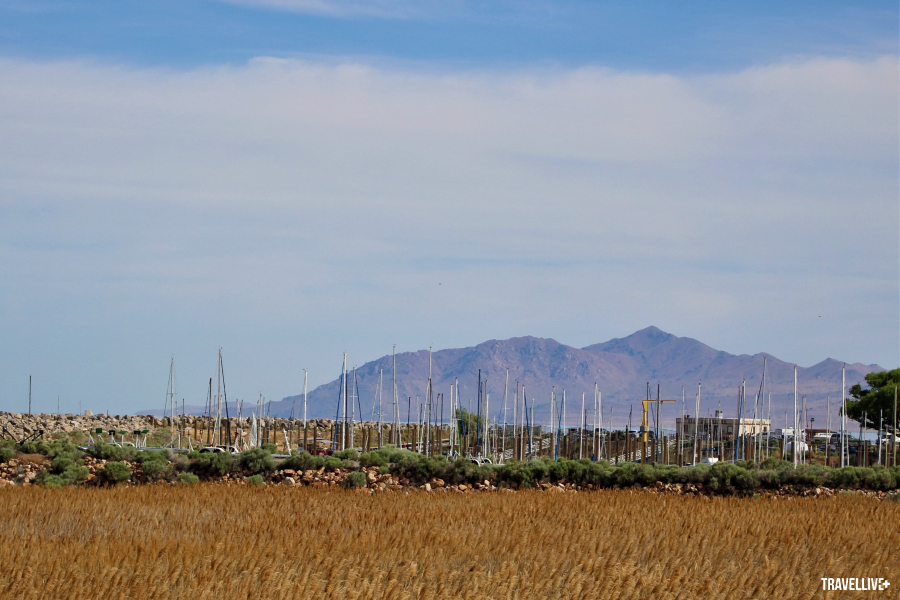
The gentle beauty of Salt Lake has always attracted yachting enthusiasts to come here for relaxation.
It felt like I was stranded on some deserted island far from the world as I approached the lake, tasting the salty water and seeing countless creatures – the only aquatic animals that lived there. After much research, I learned that because it was so salty, no fish could survive in the lake except for tiny sea shrimp called "Brine Shrimp."
The scientific name of this group of invertebrates is Artemia franciscana, also known as brine shrimp or sea monkey, belonging to the class Crustacea, and they thrive in lakes. Adult Artemia often float as brown streaks on the lake surface and are a major food source for birds.
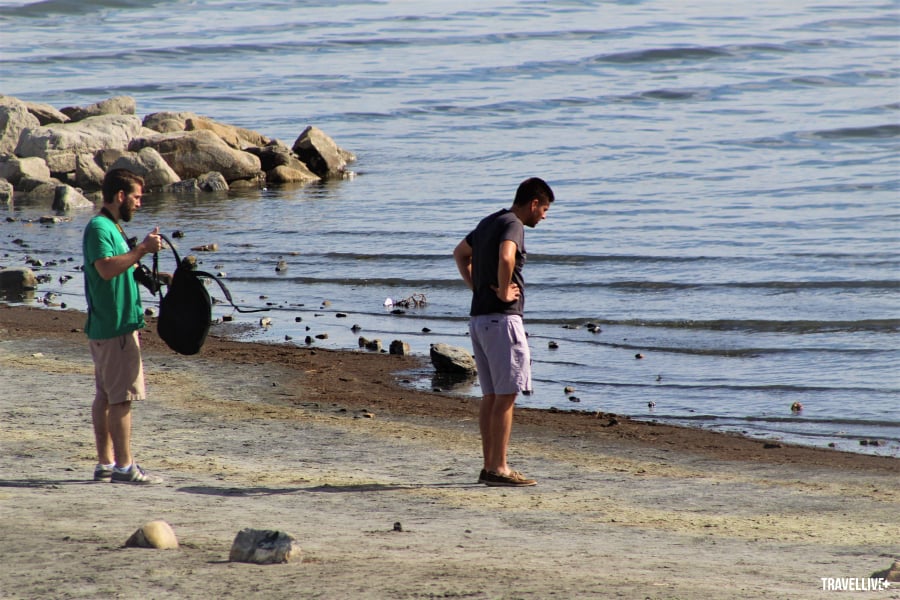
It's not just me; every tourist wonders: What is this "thing" thing?
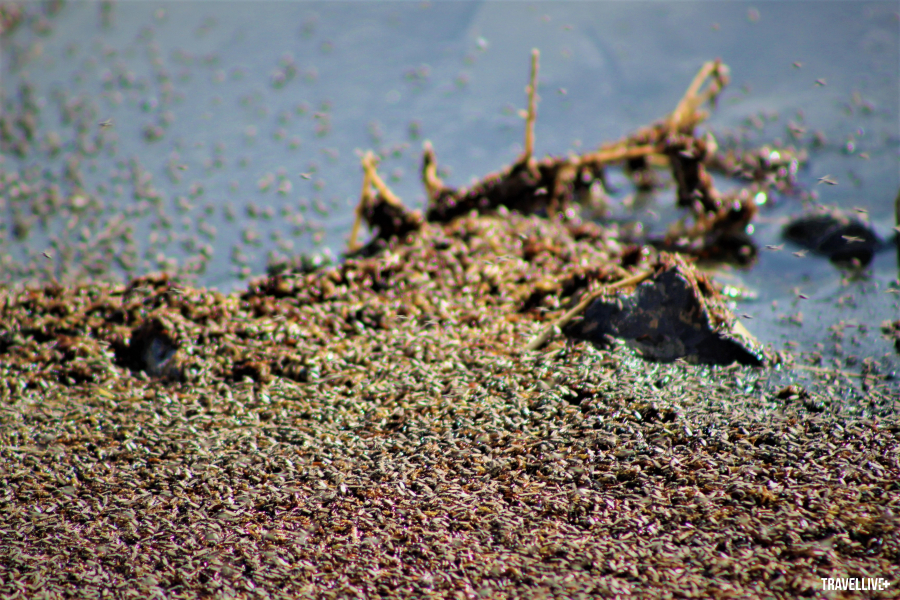
Most people get goosebumps when they see these shrimp living on the surface of the lake.
Exploring the Great Salt Lake State Park conservation center, I was amazed by the enormous amount of salt collected from the lake's surface, and I also saw tiny shrimp that live in the lake now swimming in glass tanks for visitors to admire, as well as souvenirs made from the unique salt of the area.
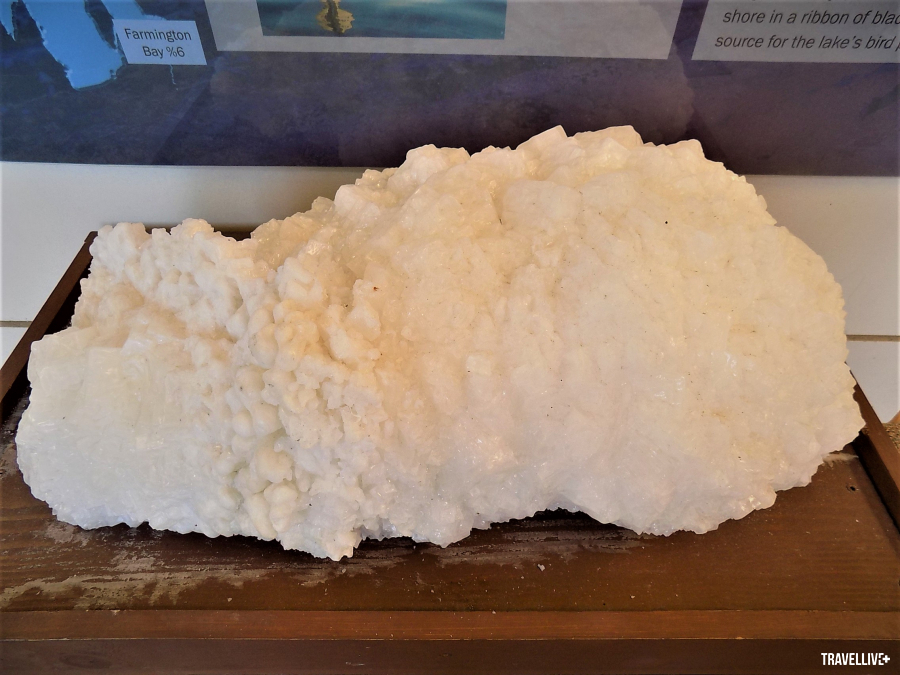
Salt will be a souvenir for tourists when they leave this place.
About a mile from here, but still requiring nearly 20 minutes of driving through hundreds of potholes due to the extremely bad road, you can admire Black Rock to see a different side of the lake, the sandy beach, the countless marine creatures calmly foraging, and the striking graffiti on the rock formation.
Because of the abundance of suitable food sources, this region is home to a diverse range of bird species. Scientists estimate that the lake area is home to approximately 2-5 million shorebirds, including about 1.7 million of the genus Podiceps and several hundred thousand of the family Anatidae.
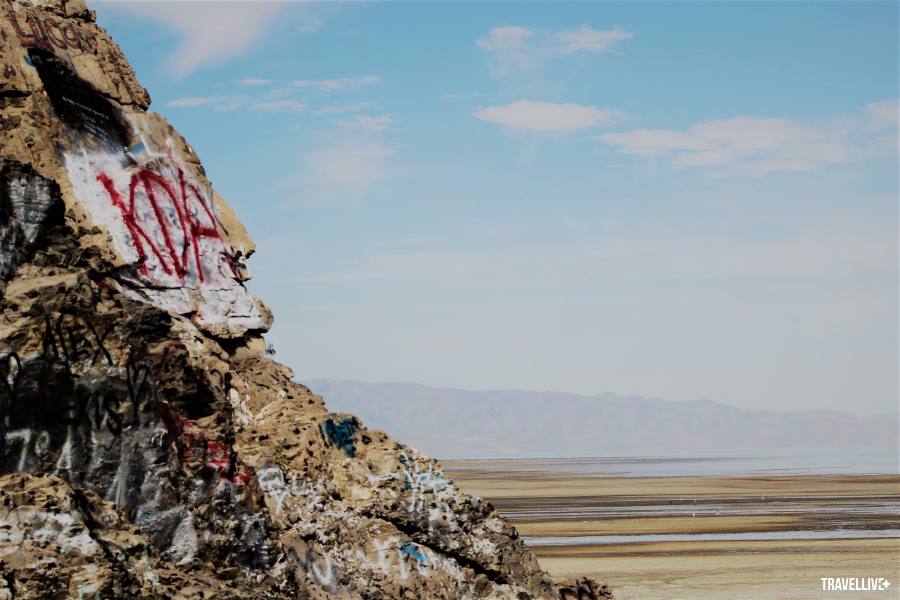
Not many people visit Black Rock Cliff because the road is too bad, but once you've been there, you definitely won't regret it.
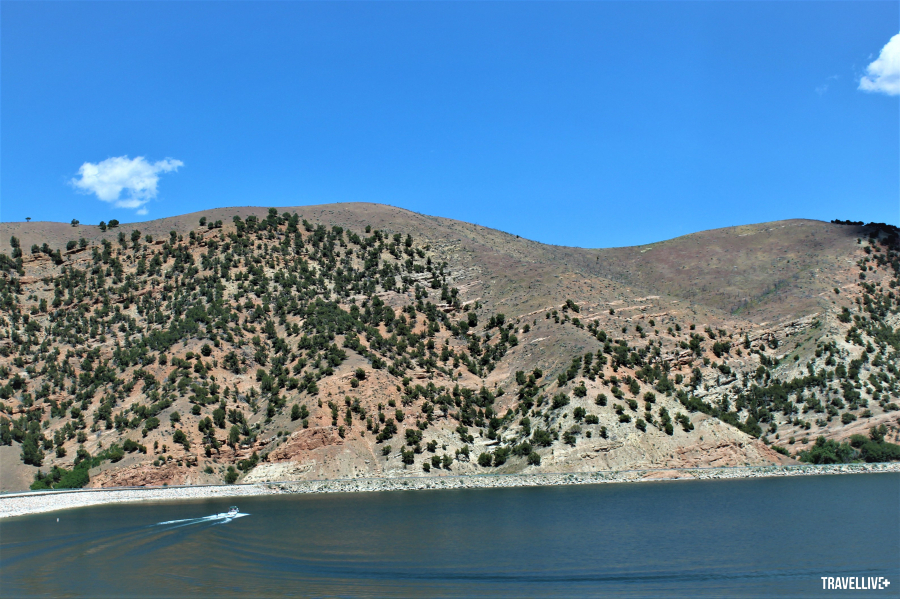
On your way back to Salt Lake City, don't hesitate to stop and take some photos on the hillsides and admire the freshwater lake in this city with the "salty" name!
And with this journey, you've probably seen that Big Salt Lake is more than just a saltwater lake, right?
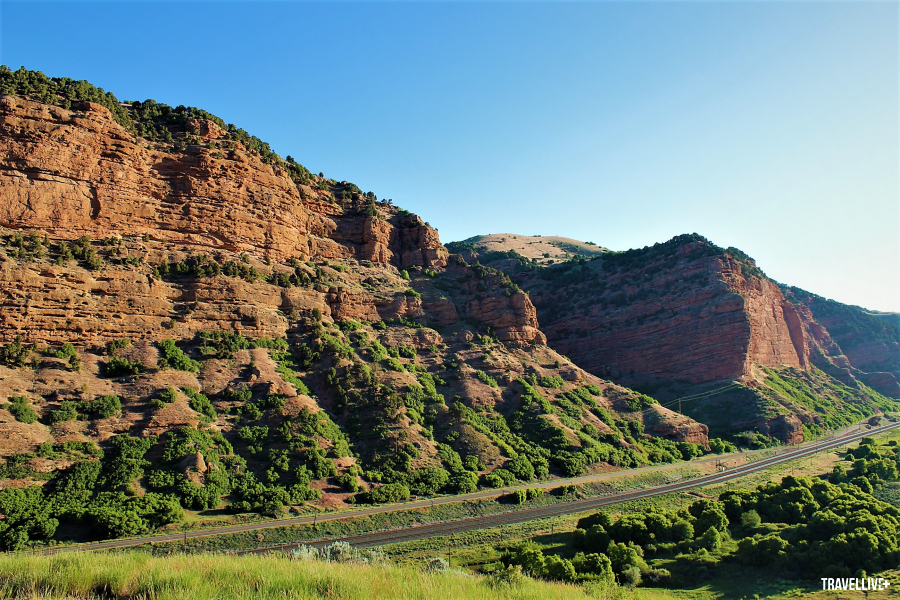
Rocky mountains are also a "specialty" of the state of Utah.
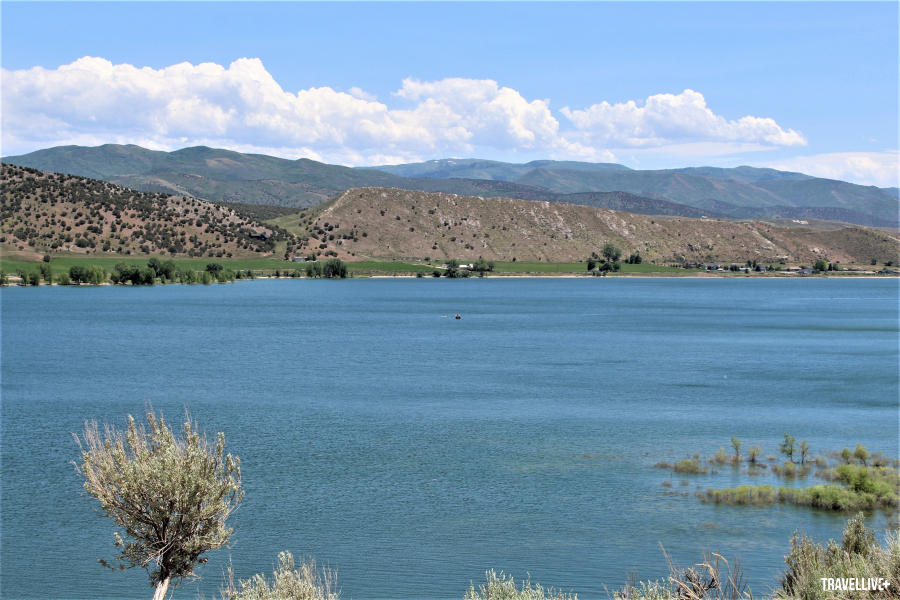
You will have the opportunity to admire the masterpiece of nature bestowed by the powerful artist of creation.