VI
VI


1. Rich and flavorful grilled mackerel
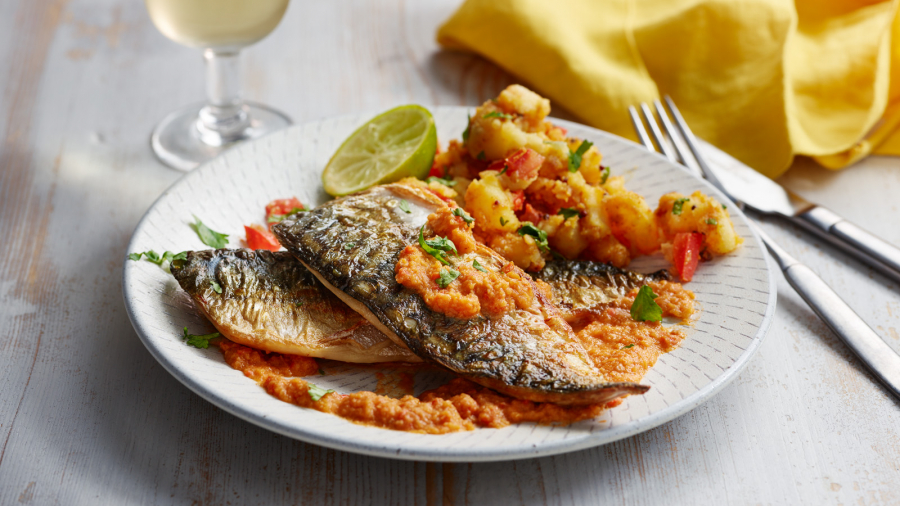
Priscilla Casey, a private chef and catering professional, recommends that customers order grilled mackerel when dining at seafood restaurants.
"Because it's an oily fish, when properly marinated, mackerel can become a gourmet dish," Casey said.
Priscilla suggests that mackerel can be served with side dishes such as potatoes, celery, and a slice of lemon to reduce the richness and enhance the aroma of the fish fillet.
2. Crispy pan-seared sea bass that melts in your mouth.
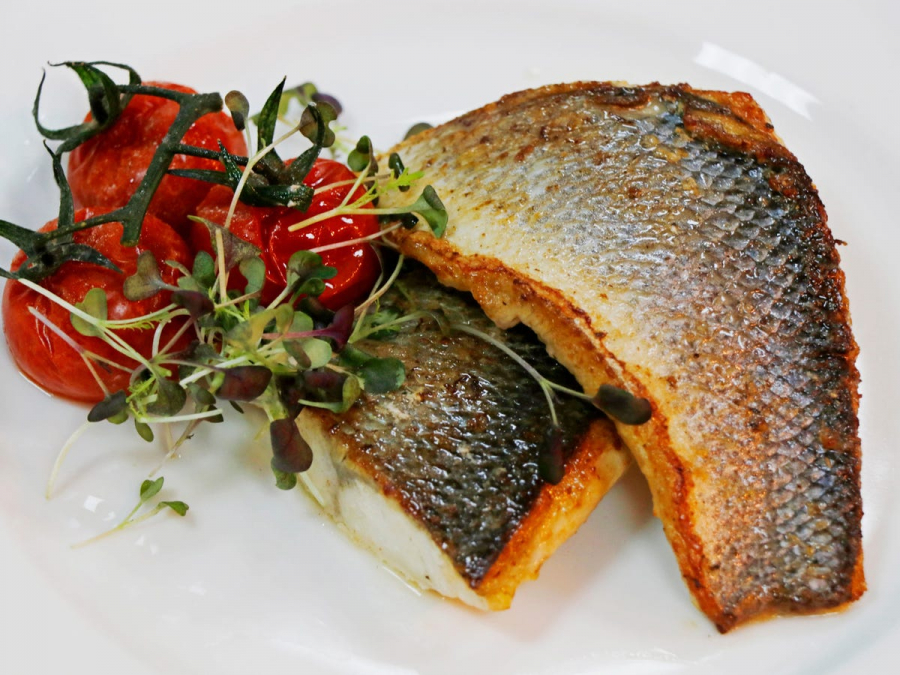
Perhaps any diner would be pleased with the perfect blend of the golden-brown skin and the rich, inherent flavor of this pan-seared sea bass.
"I love pan-seared sea bass because the contrast between the crispy skin and the juicy flesh makes the dish so distinctive and memorable," Casey said.
Casey explains that sea bass is naturally bland, so marinating or adding sauce is essential. To enhance the flavor, diners can add a squeeze of lemon, vinegar, or garlic oil.
3. Don't underestimate flounder.
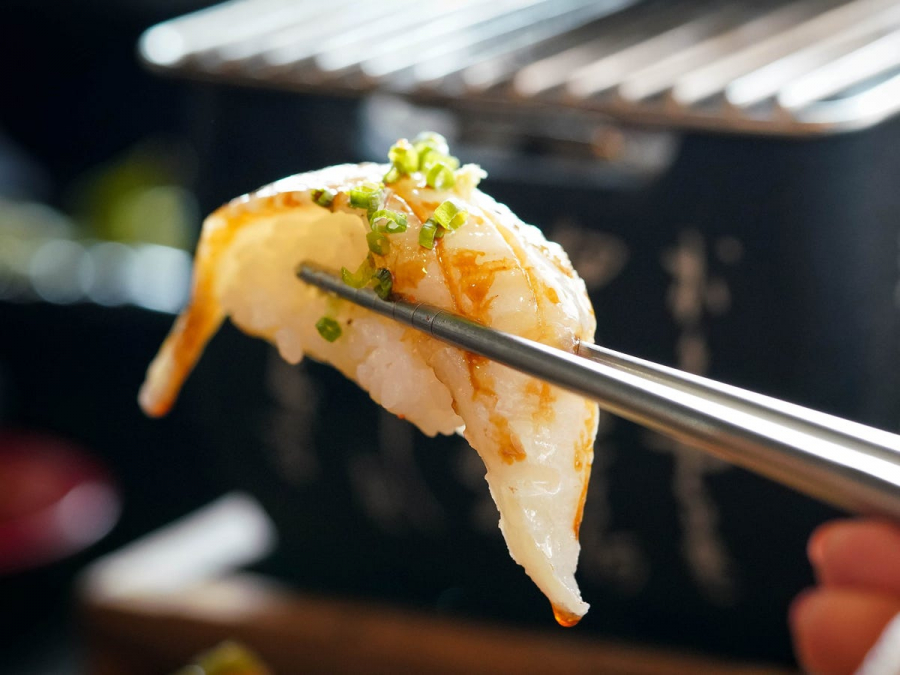
"Half-fish is one of my favorite dishes when I go to any reputable restaurant," says Matt Ginn, a former contestant on the cooking show "Chopped" and now a head chef. He adds that he gets excited whenever he sees halibut on their seafood menu.
Because of its mild and delicate flavor, flounder is a perfect dish for guests who are not used to the strong smell of fish and want to experience a refined meal.
4. Choose local seafood to ensure freshness.
Whenever you're indecisive, ask the waiter which dishes on the menu are fresh, locally sourced specialties.
Ginn advises food lovers to try some of the region's famous seafood dishes. "Always order freshly caught seafood from a location near the restaurant; that increases the chances that what you order will be truly fresh," Ginn shared.
5. Pay attention to the plates of the diners around you.

One way to know which dishes are the most popular and outstanding at a restaurant is to observe the dishes being eaten by the other diners around you.
"Once you see a dish being served plate after plate as it's brought out of the kitchen, it's definitely a delicious dish worth trying," Ginn shared.
Some dishes may not be popular because they include ingredients that aren't regularly sourced, which could mean the specialty fish dish you ordered is actually a piece of fish that's been frozen for a while.
6. Cod is a delicious and premium choice.
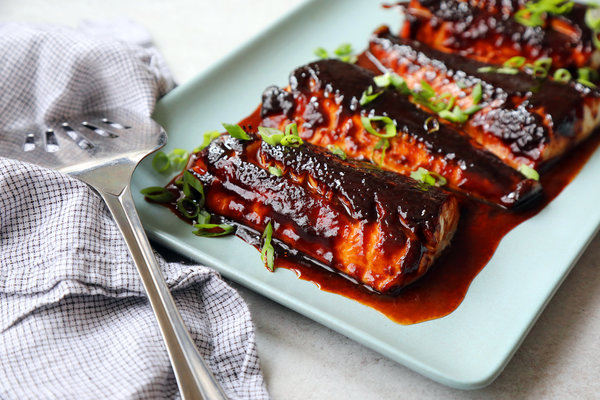
William Euch, head chef and owner of Matsu restaurant in California, encourages diners to choose cod if they want to satisfy their culinary cravings.
"Cod will always be a safe choice because it's a fish with firm, salty flesh, which is why it becomes a superb dish when coated in miso sauce, commonly found in Japanese restaurants," Eick said.
6. Spotted prawns can be a bit expensive, but they're worth it.
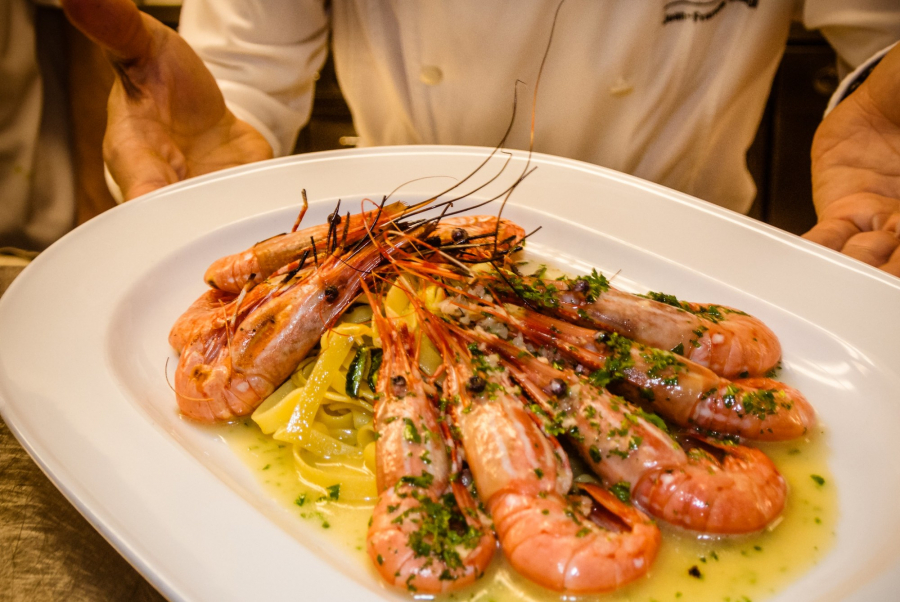
Spotted prawns are a type of freshwater prawn that resembles lobsters but are smaller. When cooked properly and served with their roe, the shell of the spotted prawn becomes crispy.
Additionally, Eick shared that if spotted shrimp is on a restaurant's menu, it could be a sign that the chef is using high-quality ingredients.
7. Skip the restaurant's "specialty" dish.
"For many mainstream bars, pubs, and restaurants, suggesting customers try the restaurant's specialty is often a ploy to sell fish that has been sitting around for a while before it expires," Cameron said.
Sous chef Devan Cameron said he often skips the 'special' when dining out because it's usually not the freshest item on the menu.
Five-star restaurants typically don't engage in this kind of sales practice; however, if you want to clarify the origin of the fish, the best approach is to ask the waiter whether the ingredients used in the dish are fresh.
8. Halibut may not be cooked properly.
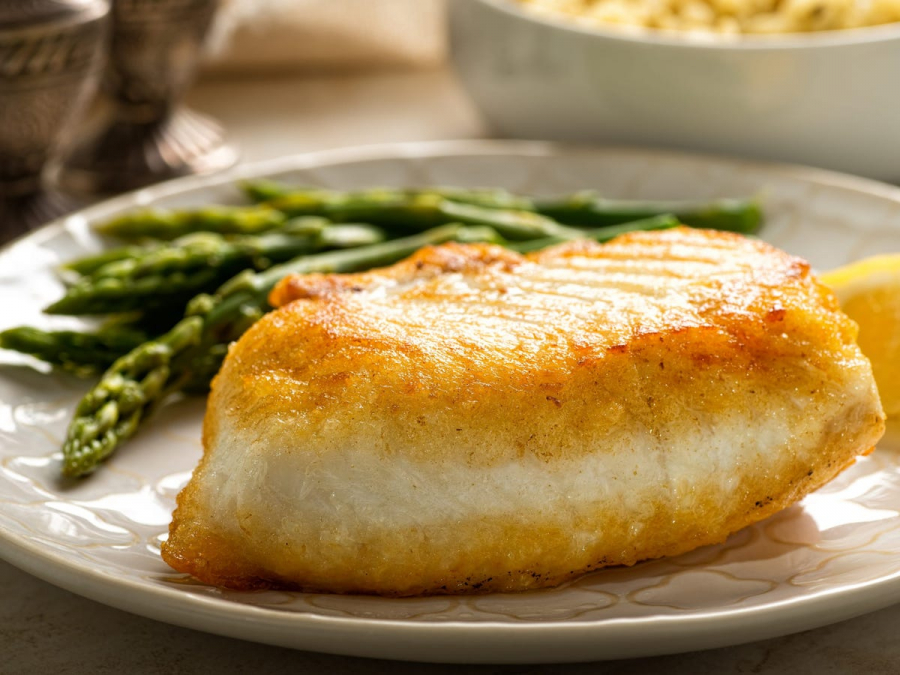
Halibut is a fish with firm, white flesh and a mild flavor. While it's a common seafood dish, this saltwater fish is often overcooked and underseasoned.
Eick advises diners to opt for something a little more unusual. Alternatively, if you're still interested in a fish dish with a light and delicate flavor, switching to cod or grouper wouldn't be a bad choice either.
9. Tilapia is a bland dish, but it comes with some food safety risks.
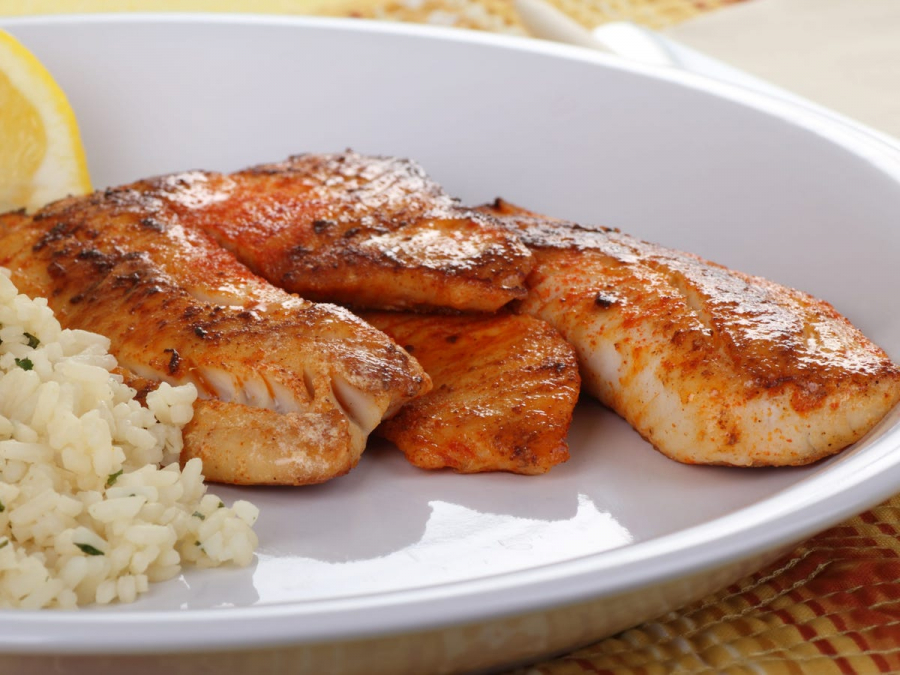
According to statistics from the U.S. Food and Agriculture Association, China is one of the world's largest suppliers of tilapia.
"Tilapia is a popular dish often found on seafood menus, but it's very bland and often raised in fish farms without any standards," Cameron said.
According to The Monterey Bay Aquarium's Seafood Watch, tilapia is on a list of fish that consumers should be wary of, especially those farmed in China, due to some evidence suggesting that these farms use unapproved disinfectants.
10. It is highly likely that the seafood cream noodles used low-quality fish.
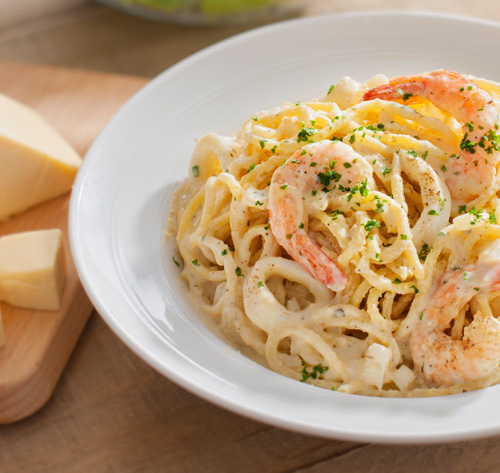
Cream sauces are often mixed with Italian pasta dishes to make them richer and more flavorful, and this may very well be intentional in some cases.
"Restaurants often tend to use thick sauces to mask the poor quality of food or leftover seafood," Casey shared.
Casey encourages customers to ask about the preparation process for any dish with special sauces to avoid the risk of paying for a dish that isn't worth the price.
11. Fried squid coated in batter... has no taste at all.
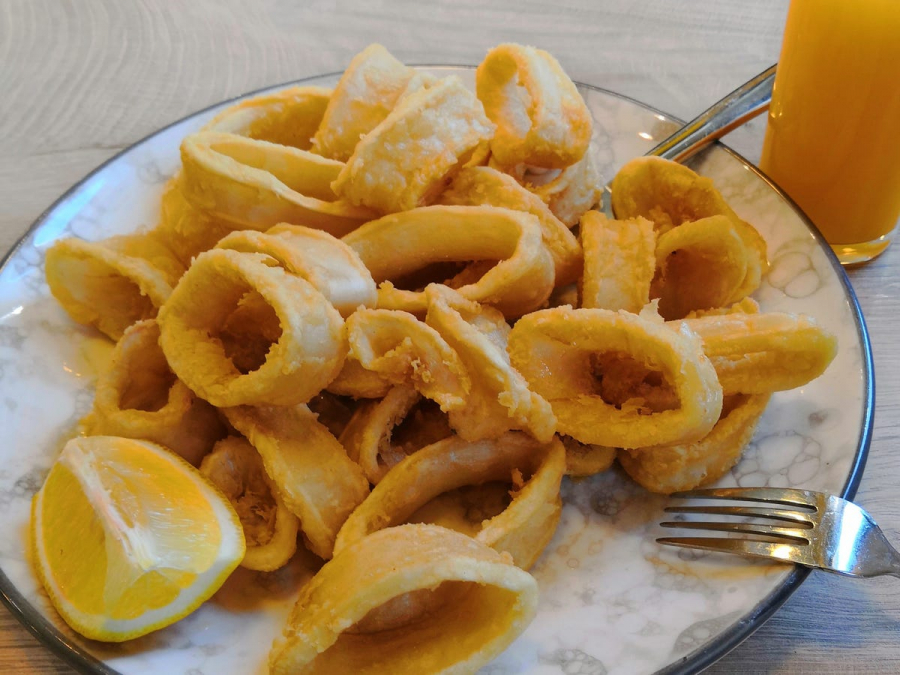
Squid feed on crabs, plankton, and smaller marine organisms such as shrimp and sea bream. Because squid have such diverse diets, their meat has such a rich and distinctive flavor.
"However, when fried, the flavor on the outer layer of the squid is lost. Furthermore, most of the squid used in restaurants is frozen instead of fresh," Casey shared.
Therefore, instead of ordering bland battered fried squid, you can opt for some more flavorful squid dishes such as tempura-battered or breaded squid.