As of July 28th, following online meetings, the UNESCO World Heritage Committee has selected and added 33 new sites to the World Heritage list. UNESCO representatives will participate in the evaluation session, which is scheduled to conclude on July 30th.
After being postponed for a year due to the Covid-19 pandemic, this year's session was held online and chaired from Fuzhou, China, with the judging panel reviewing and evaluating nominations from 2020 and 2021.
UNESCO states that the selected sites must meet rigorous criteria and possess significant cultural, historical, and geographical importance to humanity. The list is published in the hope of positively impacting tourism and international cooperation.
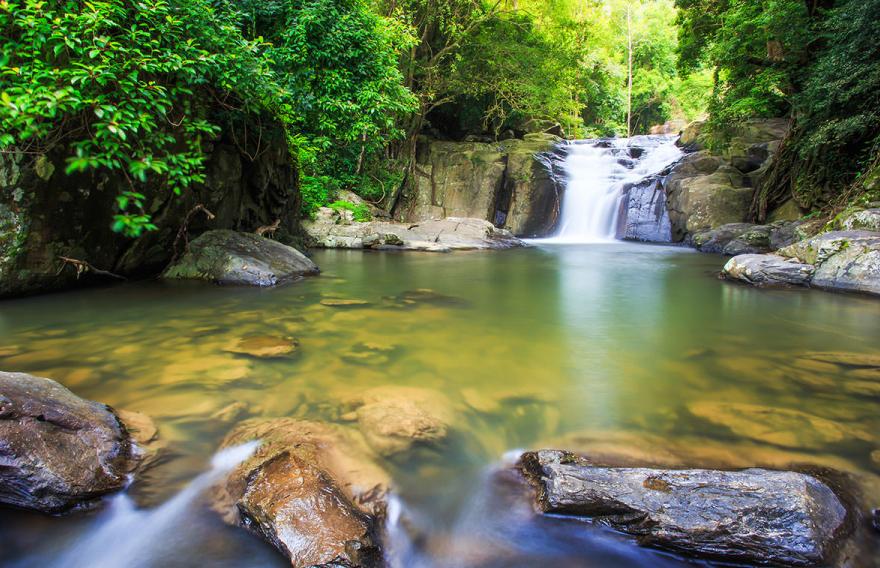
Kaeng Krachan National Park (Thailand)
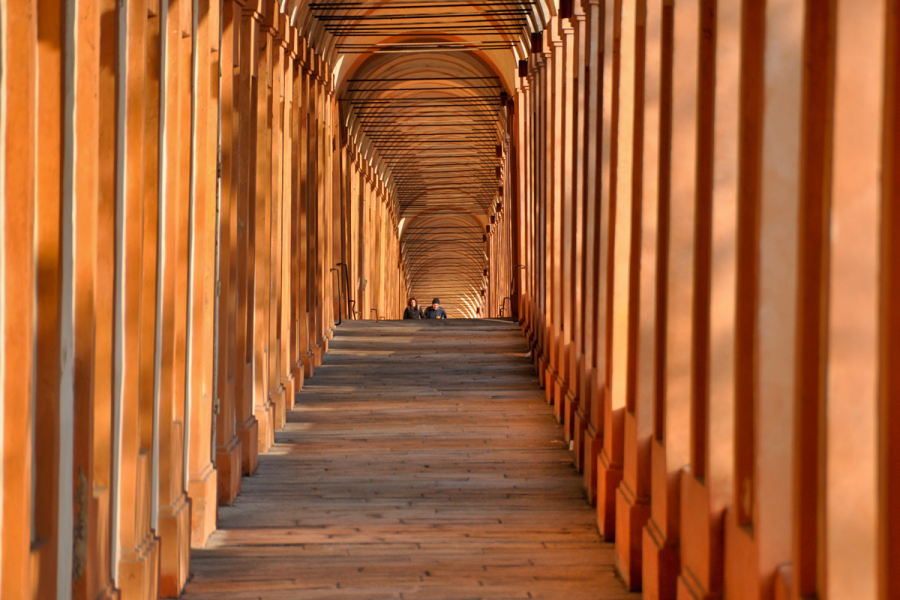
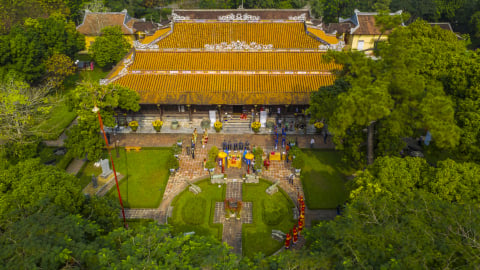
Many natural landmarks have been included in the list, including Kaeng Krachan National Park (Thailand) – home to rare and endangered plant and bird species. Meanwhile, more than twenty cultural destinations around the world have been recognized.
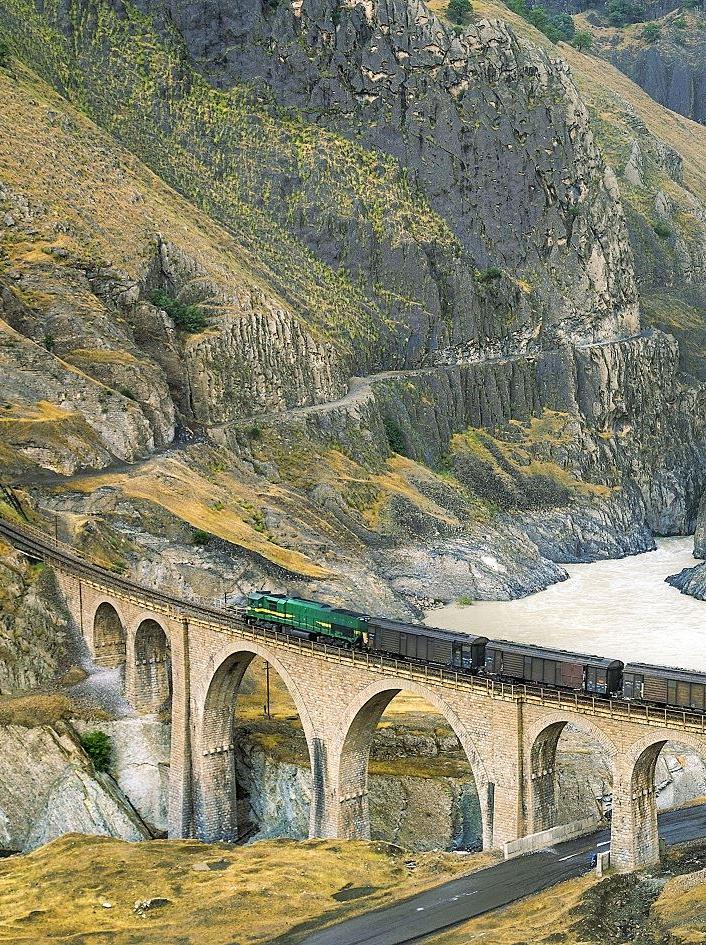
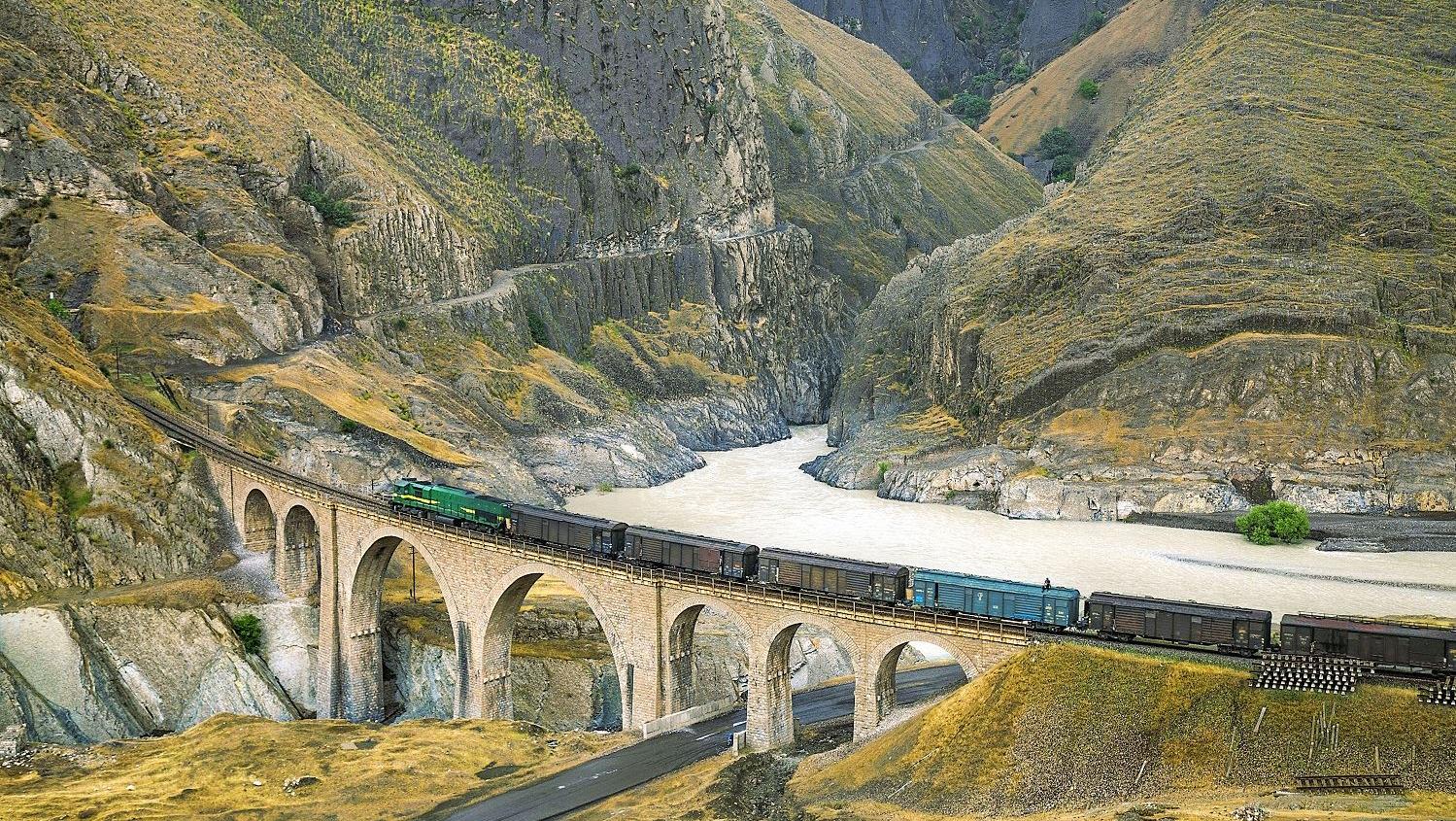
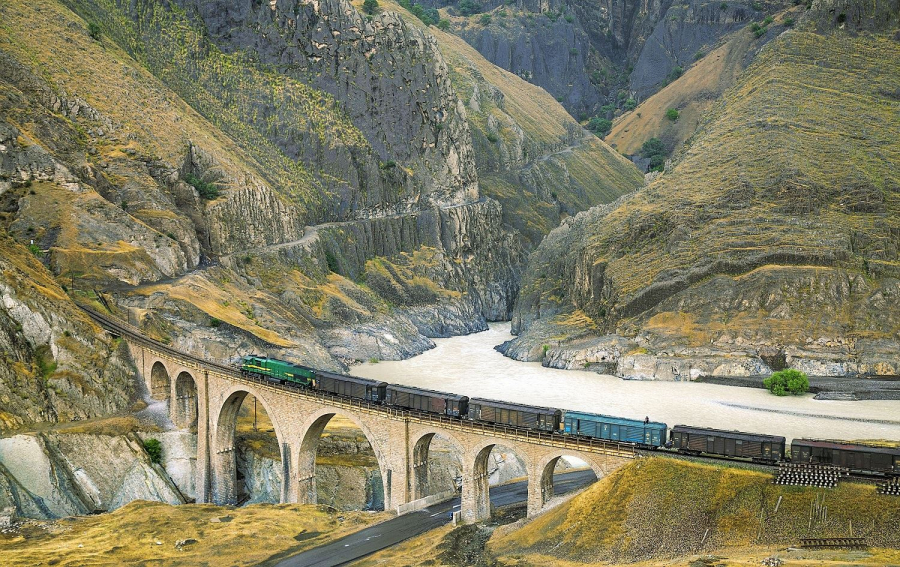
The Chankillo geoarchaeological complex (Peru), a prehistoric site, was formerly used for sun tracking to determine the days of the year; the 1,394 km Trans-Iran Railway, stretching across two mountain ranges, is a UNESCO World Heritage Site. Built in the 1920s and 1930s, the railway navigates several steep mountain passes, crossing 174 "giant" bridges, 186 smaller bridges, and 224 tunnels.
Trans-Iran Railway
In addition, UNESCO also announced the removal of Liverpool (England) from its World Heritage status due to concerns that new constructions would diminish the attractiveness of the historic docks and harm the "authenticity and integrity of the heritage." The committee also added the Roșia Montană mining complex (Romania) to its list of World Heritage sites in danger.
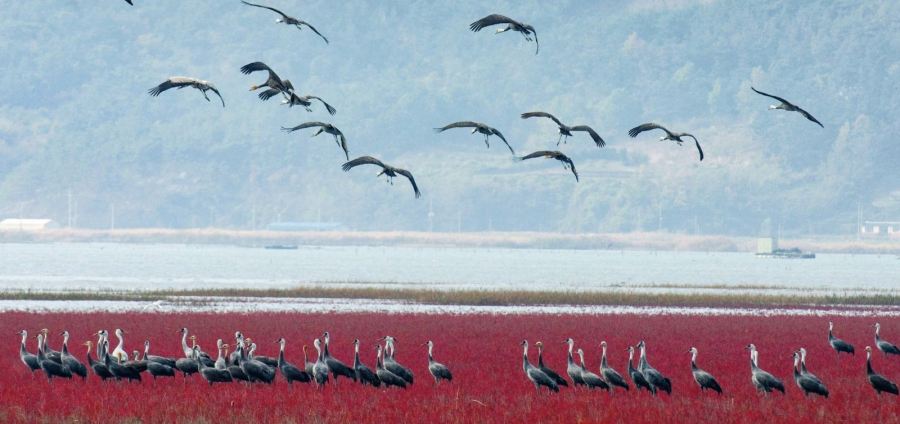
Getbol Mudflats (South Korea)
The newest World Heritage sites:
2020
Turkey: Arslantepe Mound archaeological site
Peru: Chankillo Archaeological Complex
Belgium/Netherlands: Colonial area of Benevolence

 VI
VI