VI
VI


Trevi Fountain (Rome)
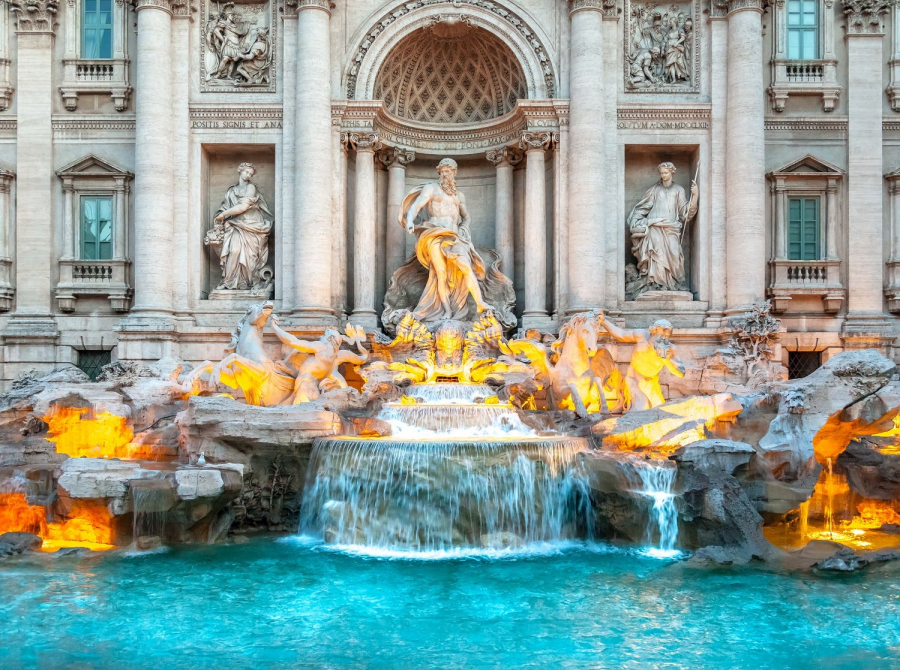
The Trevi Fountain in Rome is one of the city's most famous and fascinating landmarks. Built in the mid-18th century, the fountain, constructed of travertine stone, exudes the elegance and grandeur of the Baroque style. With many details and designs inspired by impressive caves, this masterpiece is the result of contributions from numerous renowned architects. Initially begun by the Italian architect Nicola Salvi in 1732, the fountain was later completed by several other artists, architects, and designers, and finally finished thirty years later by Giuseppe Pannini.
Apollo Fountain (Paris)
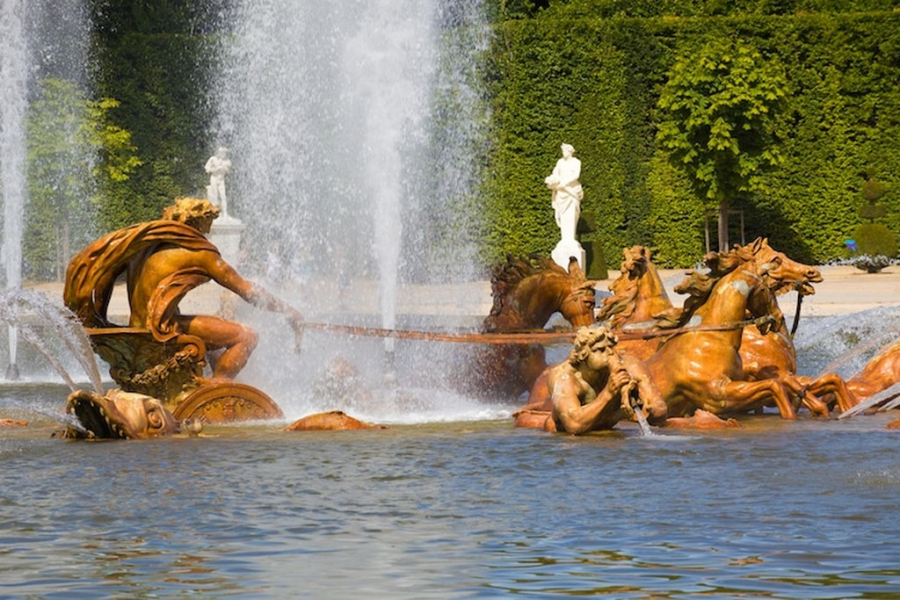
Beyond Italy, the Baroque movement also spread to France, resulting in opulent architectural works and unique sculptures. A prime example is the Palace of Versailles, a magnificent estate located just outside Paris. The official residence of the royal family from 1682 until the French Revolution, the palace was enhanced with several striking architectural features, including the Apollo Fountain – depicting a competition, designed by Charles Brun for the "Sun King" Louis XIV in 1671. Capturing the era's dynamic and dramatic spirit, this bronze fountain tells the story of the Greek god Apollo through the use of swirling shapes, silhouettes, and flowing water.
Cascada Fountain (Barcelona)
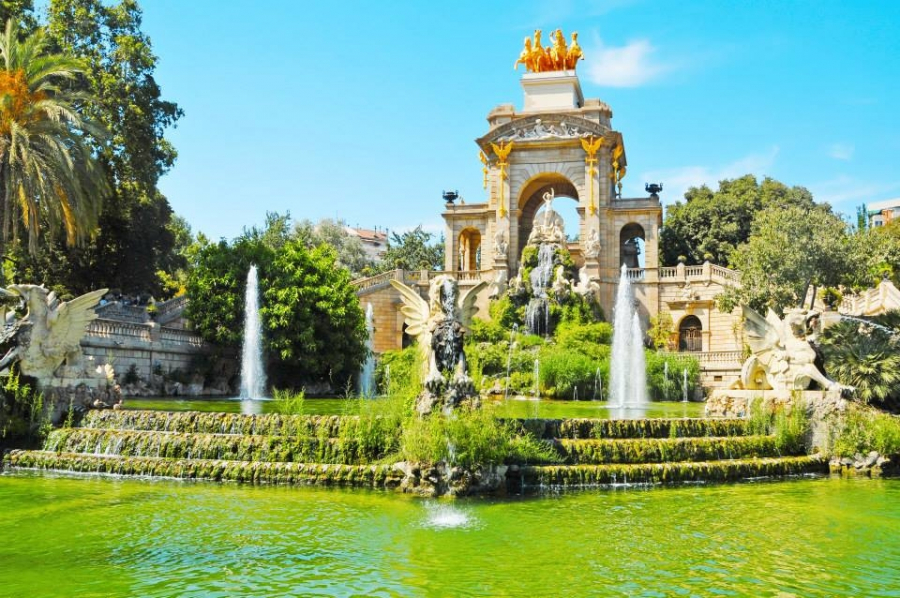
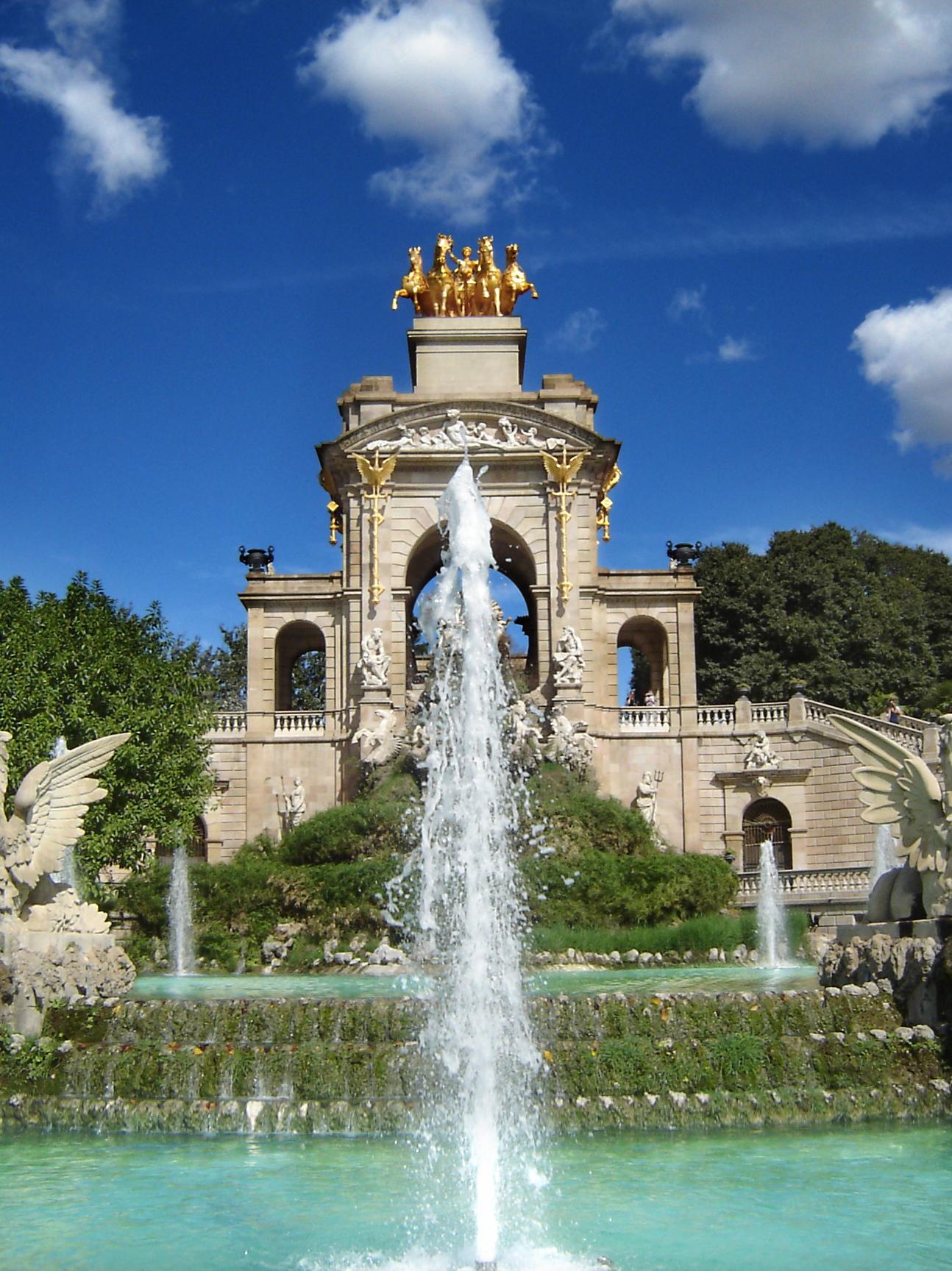
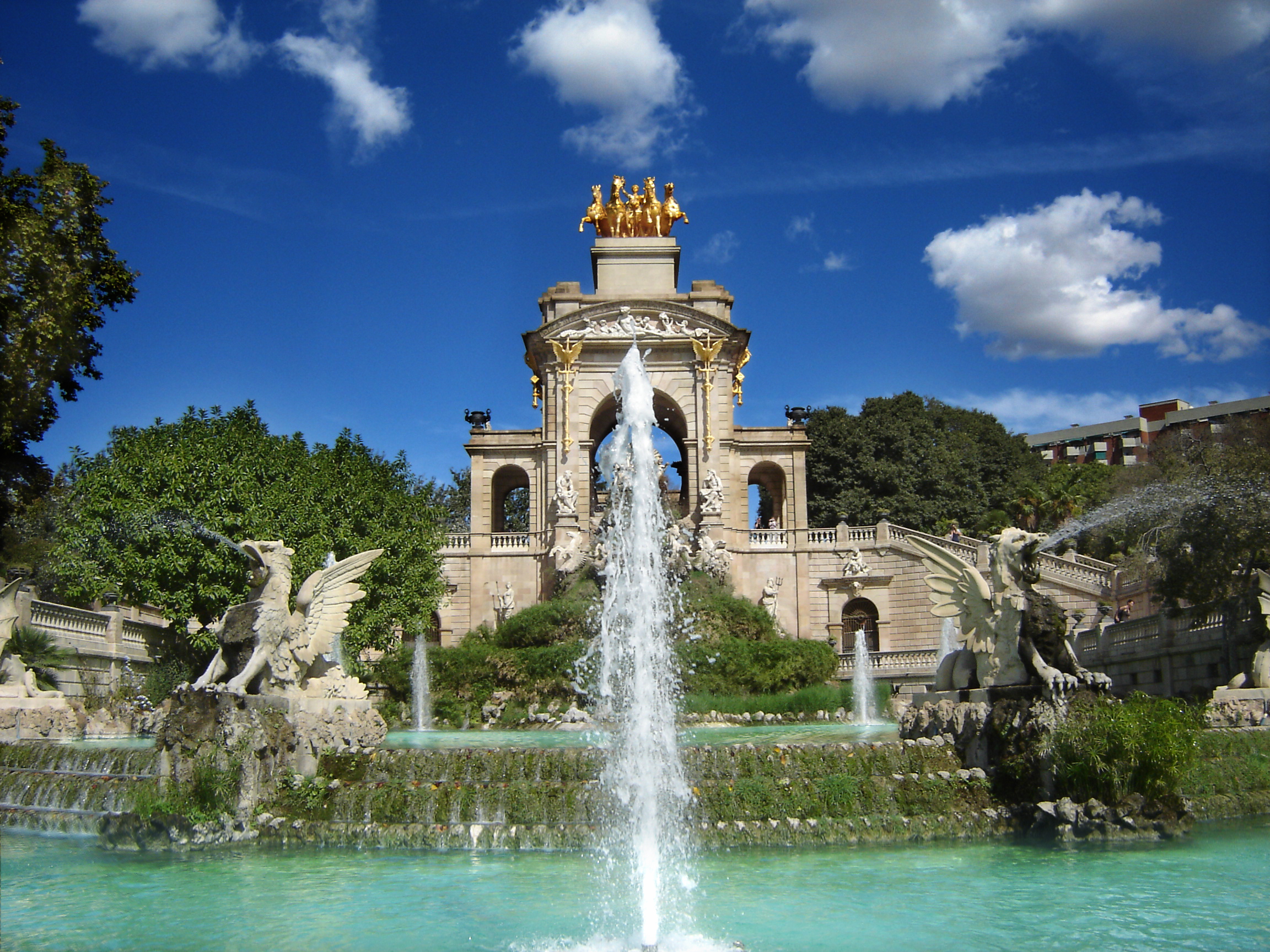
Known for its array of outdoor art installations, Barcelona is not lacking in stunning fountains. A particularly captivating fountain located in the Parc de la Ciutadella amusement park, built in the 19th century and the city's first green space, the Cascada (meaning "waterfall" in Spanish) truly is a waterfall. Although completed by the Spanish architect Josep Fontsére, several other sculptors contributed to its design, creating the large crabs, the Roman goddesses Venus and Aurora, and other mythological figures.

Stravinsky Fountain (Paris)
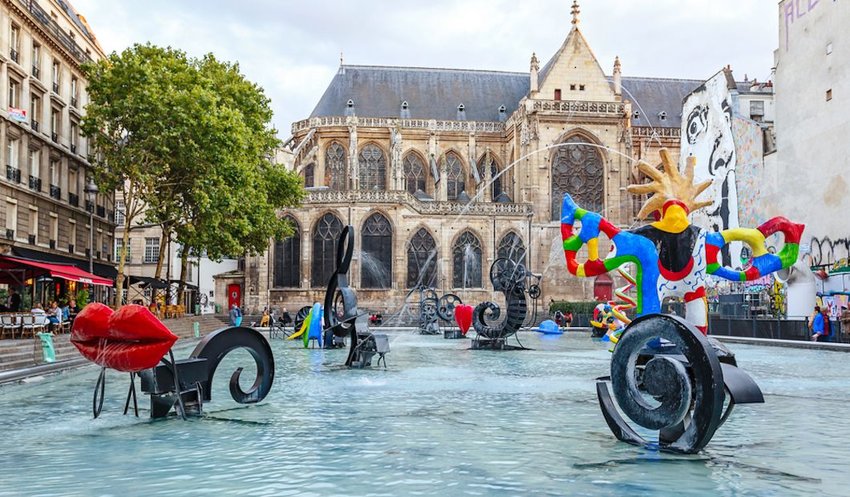
Located in the heart of Paris, the Stravinsky Fountain perfectly captures the city's avant-garde approach to art. Built in 1983, adjacent to the Pompidou Centre (Paris Museum of Modern Art), the fountain features two exceptional sets of sculptures: black sculptures by Jean Tinguely and colorful fiberglass figures by Niki de Saint Phalle. In a perfect combination, these fantastical works are inspired by the works of Igor Stravinsky – a Russian composer who believed his music was best understood by children and animals.
Fountains of Bellagio (Las Vegas)
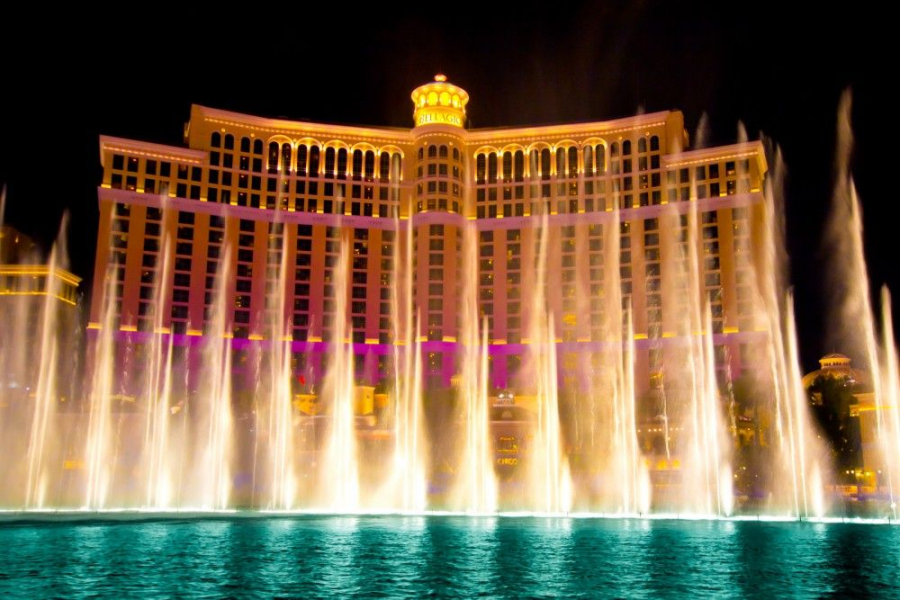
"Balloons of Light" is one of the iconic symbols of Las Vegas. In addition to the illuminated arcades and slot machines, a fountain designed to welcome guests to the luxurious Bellagio resort. Designed by WET, a fountain design company, the fountains are set in an 8-acre artificial lake and feature over 1,200 nozzles and 4,500 lights. The Bellagio fountains were once the largest in the world when they were completed in 1998. However, they were surpassed by the Dubai fountains for the first time 11 years later.
Dubai Fountain
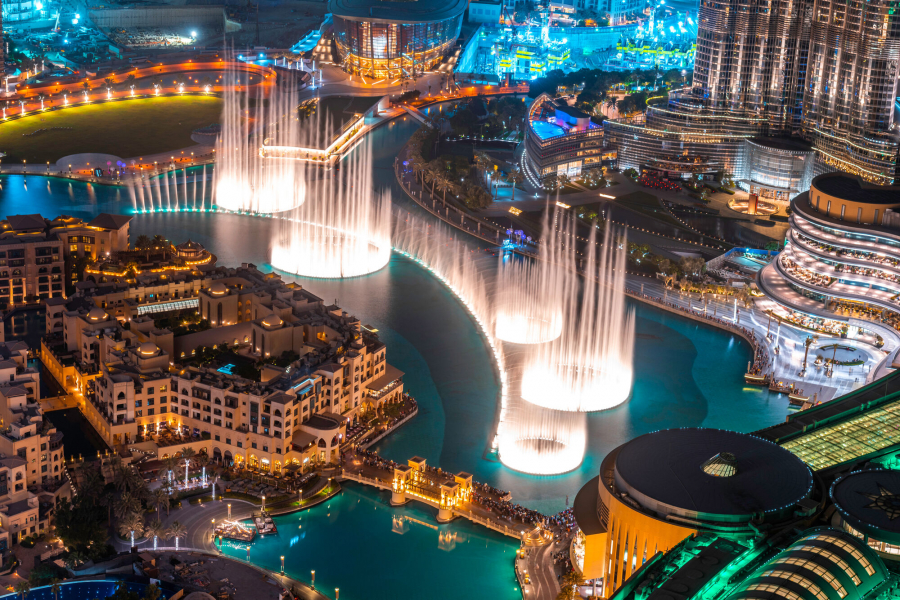
With its towering “Starchitect” skyscrapers, Dubai is known for its modern architecture. In 2009, interest in the city grew, particularly for the contemporary design of the Dubai Fountain – the world's largest performance fountain. Over 90 feet (27.4 m) long, it is illuminated by 6,600 lights, 50 color projectors, and complete with a sound system. This spectacular fountain can spray water up to 500 feet (152.4 m).
Banpo Moonlight Rainbow Fountain (Seoul)
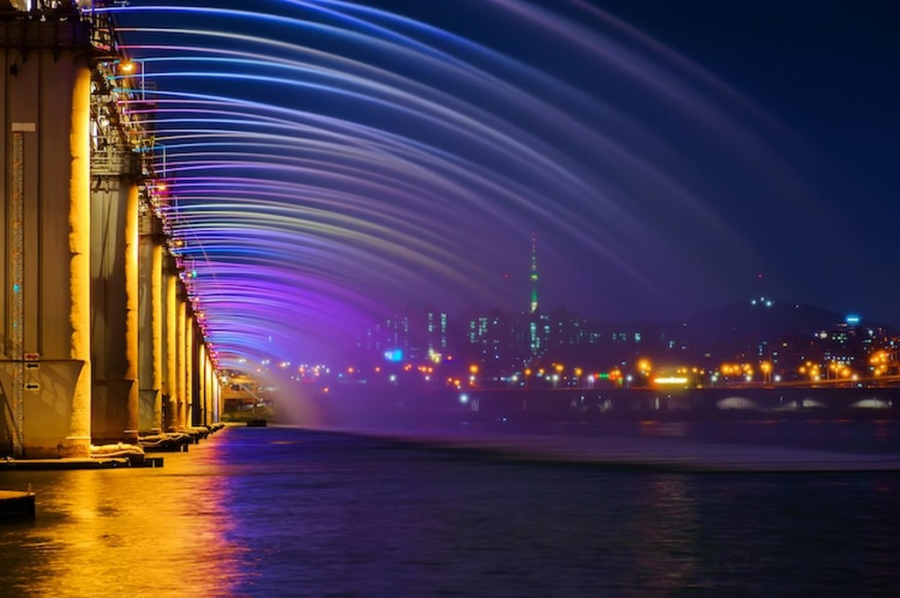
A true rival to the Dubai Fountain in terms of sheer scale is the Banpo Moonlight Rainbow Fountain. Located on the Banpo Bridge, a major span of the Han River in downtown Seoul, South Korea, this fountain holds the Guinness World Record for being the longest bridge fountain in the world. The water display is achieved through a series of nearly 10,000 LED-lit nozzles that shoot out 190 tons of water in a spectacular display every minute.