VI
VI


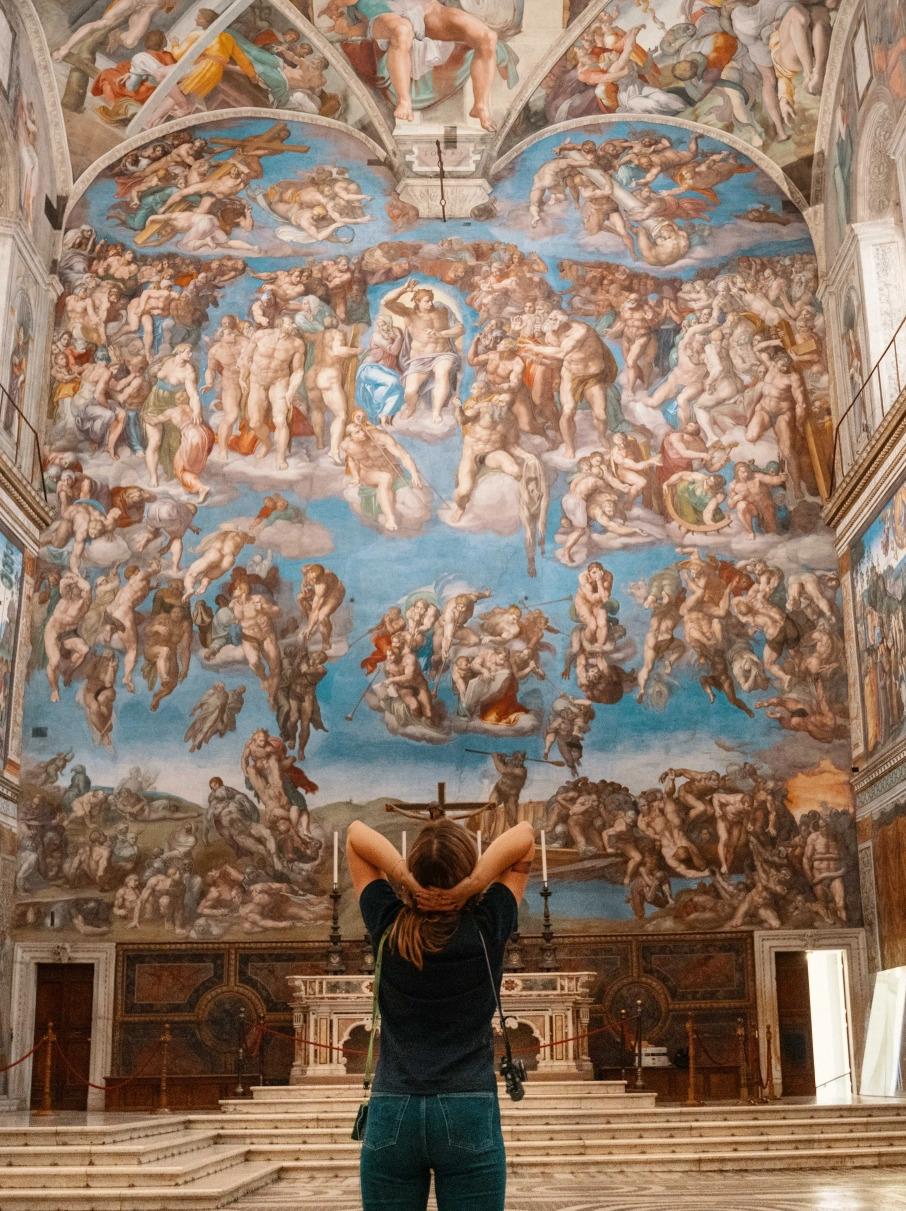
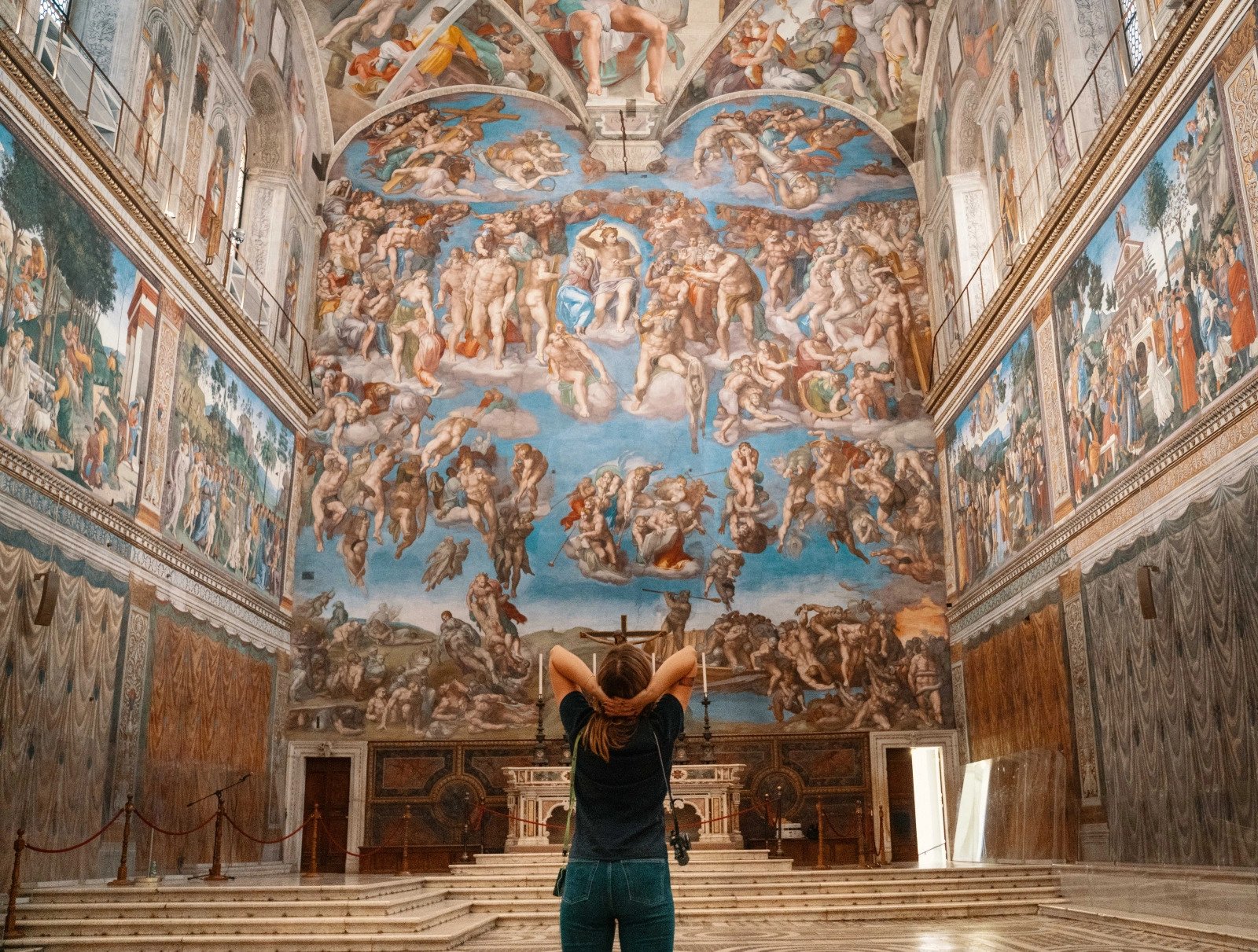
Sistine Chapel, Vatican
The Sistine Chapel is considered one of the greatest treasures of Vatican City in particular, of Rome, and of the world in general. It is well-known for its decorative art and as the site of papal coronations.
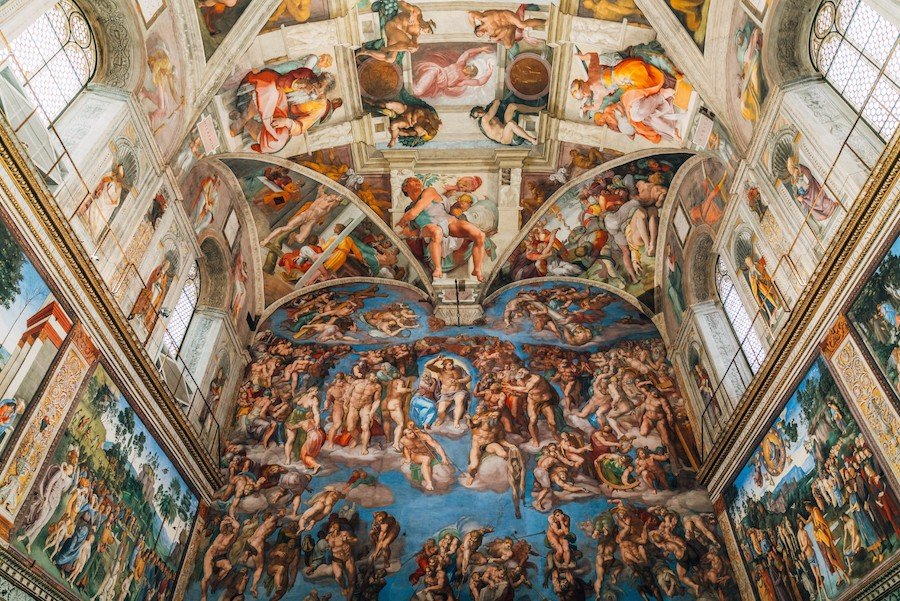
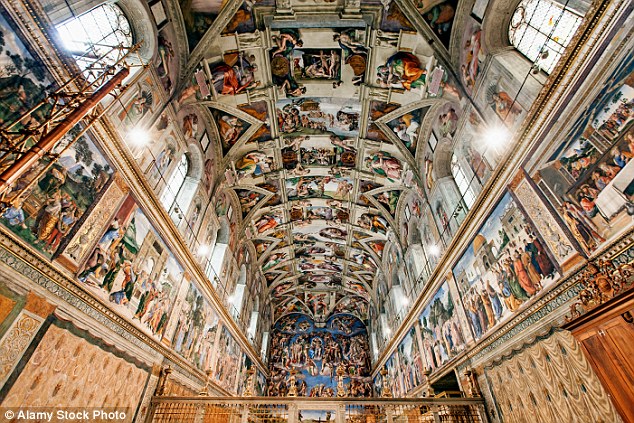
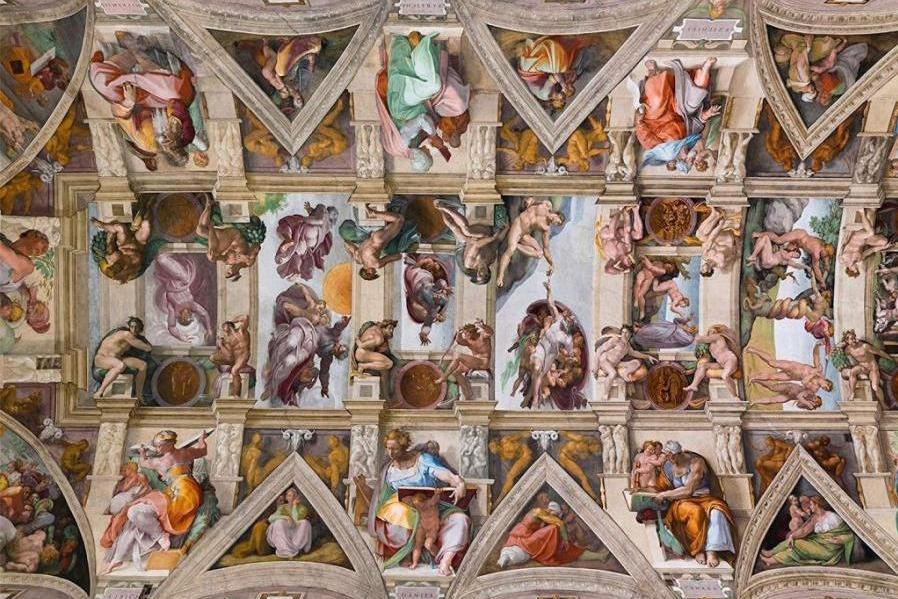
What attracts tourists' attention in the Sistine Chapel are the Renaissance frescoes that completely cover the walls and ceiling. The ceiling, in particular, is an admirable collection of works by the great painter, poet, and sculptor Michelangelo, representing one of the pinnacles of 16th-century Renaissance art. This collection depicts stories from the Bible, focusing on the Book of Genesis with iconic scenes such as God creating Eve, God creating Adam, God separating the earth and the sea, God separating light and darkness, etc.
Solna Centrum subway station, Stockholm, Sweden
Sweden's Solna Centrum subway station is one of the largest structures with a truly unique architectural style. Upon entering the station, passengers feel as if they have stepped into a spooky, colorful world, with ceilings designed to resemble a layer of vibrant red sandstone.
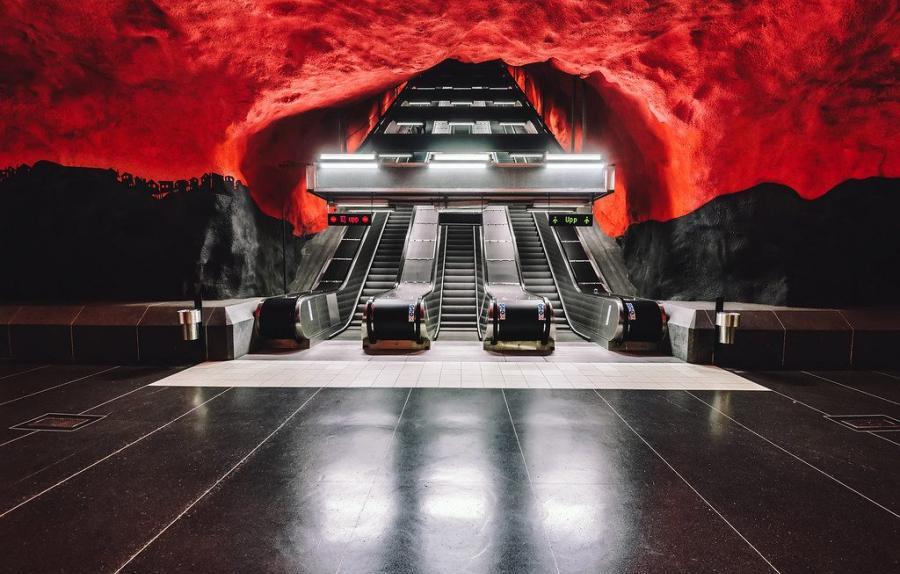
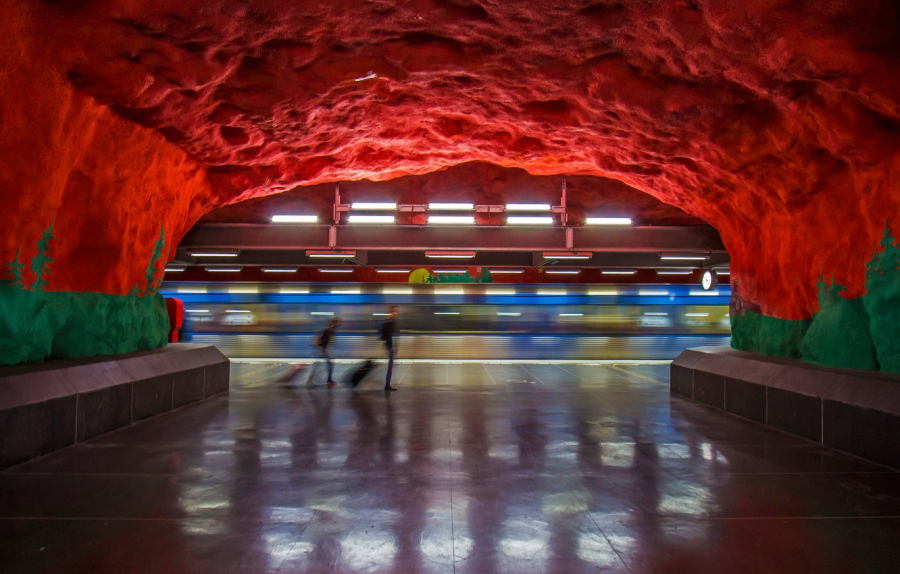
Reportedly, more than 150 artists contributed to creating this work, from vibrant paintings to elaborate sculptures. Solna Centrum currently holds the record for the world's longest artwork in a train station, stretching over 700,000 miles.
Shah Mosque, Isfahan, Iran
In 1587, Shah Abbas, the fifth king of the Safavid dynasty (1501-1736) in Persia, made Isfahan his capital by building numerous palaces, large gardens, and marketplaces. The Safavid dynasty also brought hundreds of talented artisans to Isfahan to construct architectural works, including the Shah Mosque.
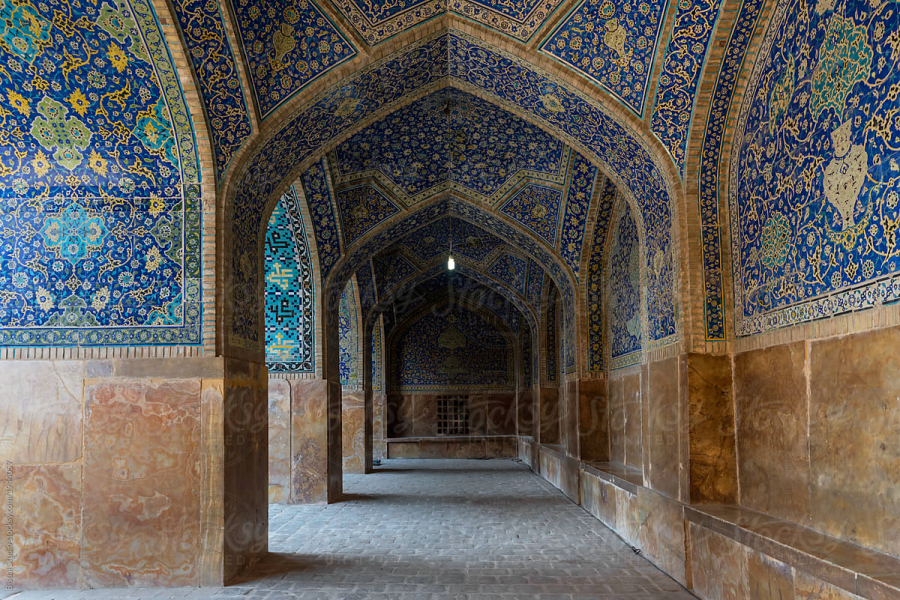
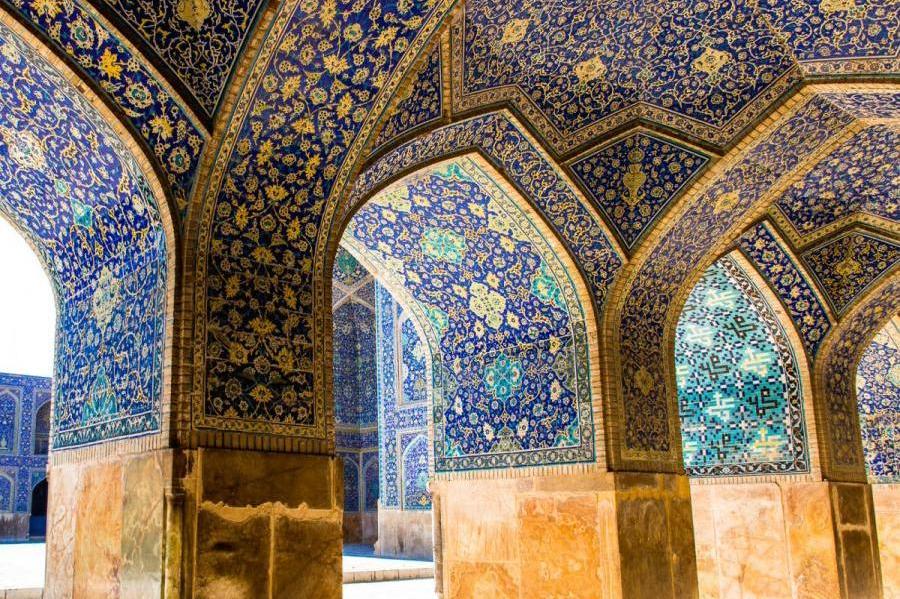
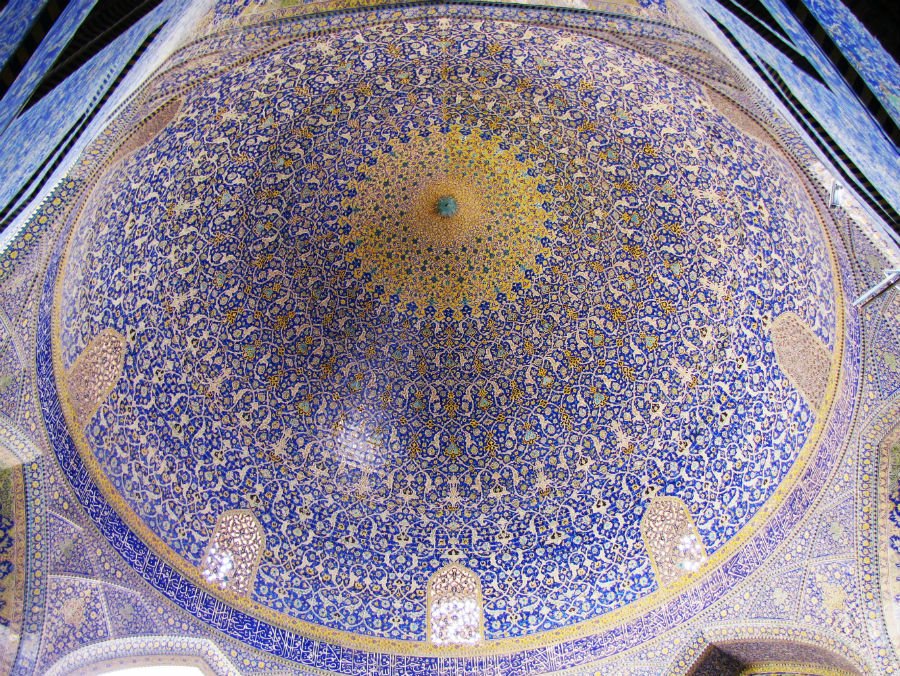
The Shah Mosque, begun in 1611, features exquisite seven-color mosaics. The entrance alone makes a strong impression thanks to its striking height and magnificent dome. The ceiling, with its dominant shades of green, yellow, and blue, combined with motifs characteristic of South Asian art, creates a beautiful and enchanting masterpiece.

Grand Central Station, New York, USA
The ceiling design, based on medieval astronomical maps drawn by French artists Paul César Helleu and Charles Basing, is a notable feature of America's famous Grand Central train station.
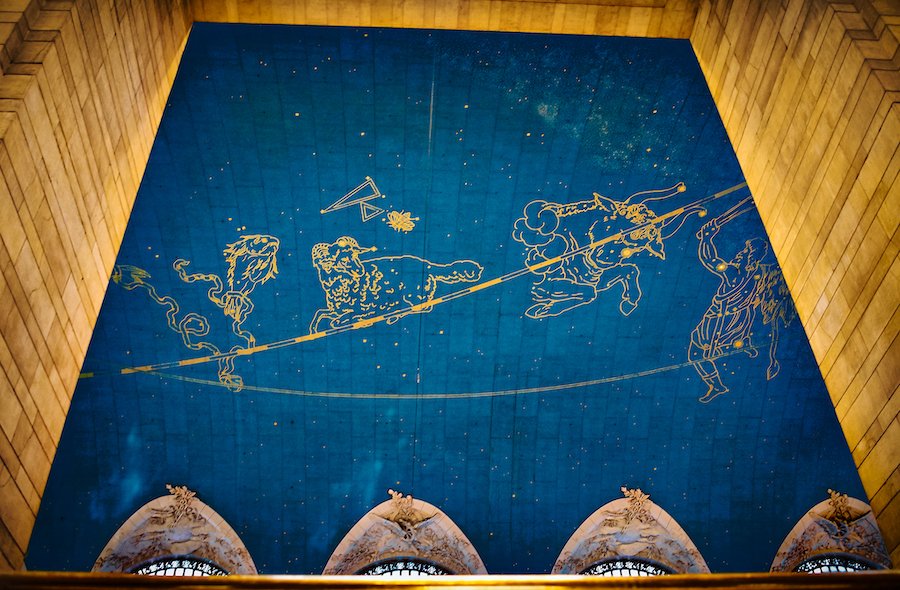
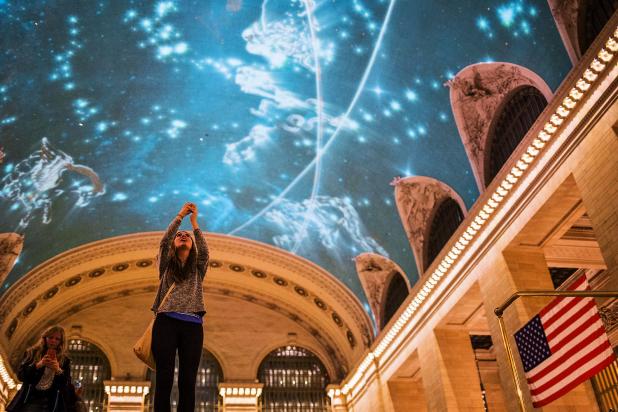
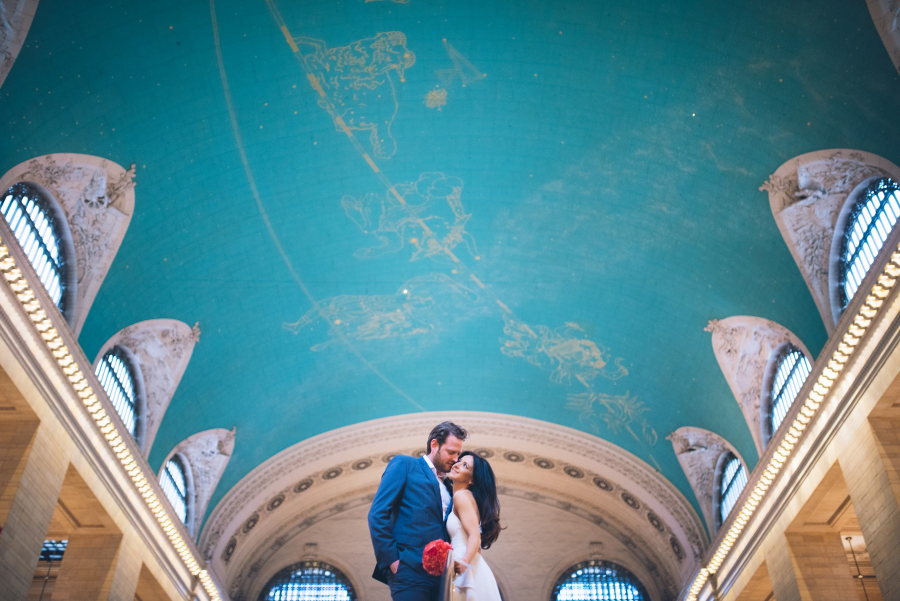
The unique feature of this architecture is the depiction of the zodiac signs. Look closely at the image: the yellow represents golden leaves arranged to form the symbols of the zodiac signs, while the blue symbolizes the sky. Over the years, the structure has been affected by environmental factors, but the ceiling area has now been restored and serves as an ideal backdrop for wedding photos.
Heydar Aliyev Center, Baku, Azerbaijan
The Heydar Aliyev National Cultural Center is considered the pride of Azerbaijan. Zaha Hadid, the designer of the Aliyev Heydar center, broke with conventional rules, creating a unified whole between the plaza and the building's interior.
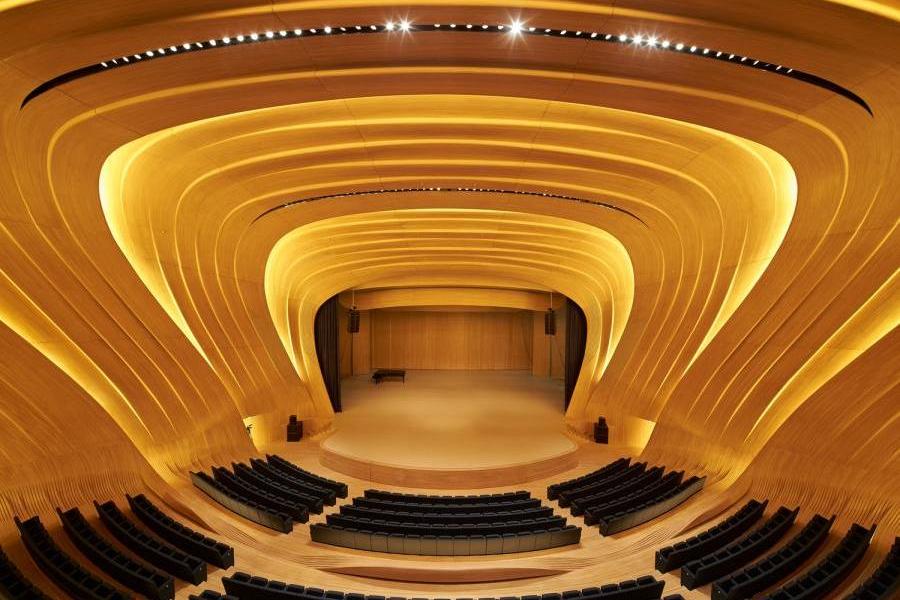
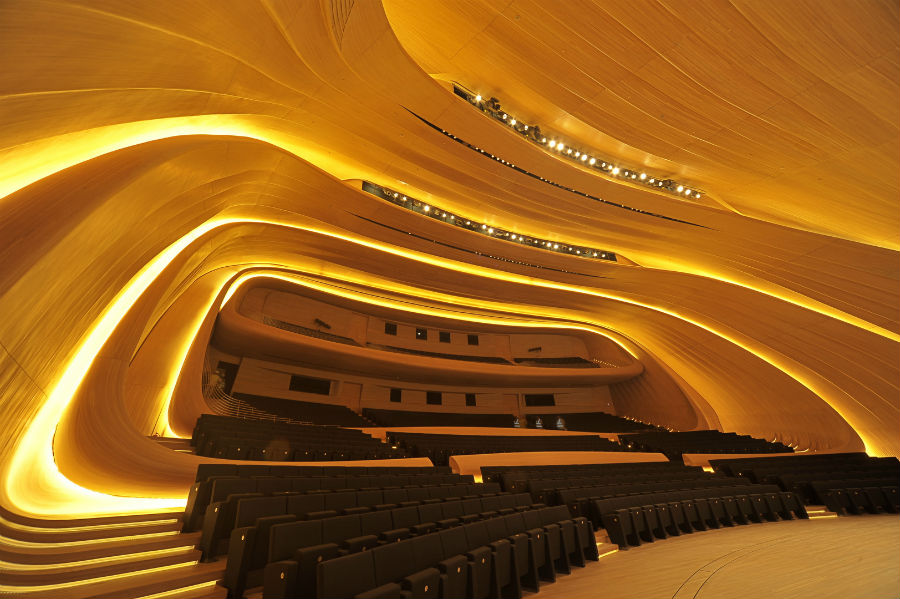
Upon entering the Heydar Aliyev National Cultural Center, visitors will feel as if they are floating throughout the building's space. The flowing curves, resembling calligraphy, continuously extend from the carpets, walls, ceilings, and domes, creating a seamless flow and blurring the boundaries between architectural elements and the ground.
Ely Cathedral, Cambridgeshire, England
The Ely Cathedral dates back to 672 AD when St. Etheldreda built a monastic church. The current building dates from 1083 and was inaugurated in 1109. The Ely Cathedral is considered one of the most massive and magnificent architectural works of the Middle Ages, with its distinctive ceilings and domes.
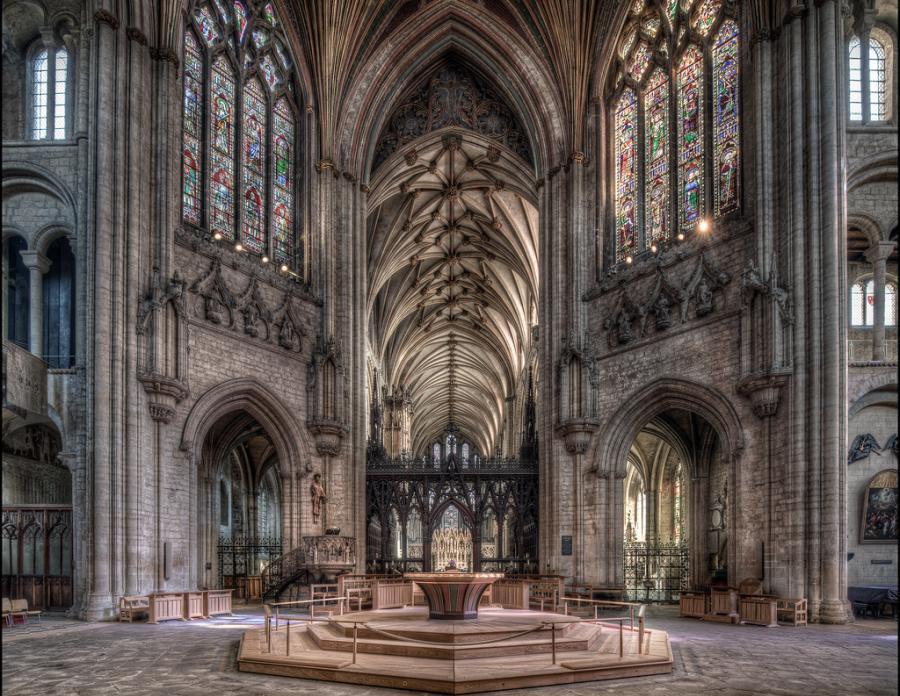
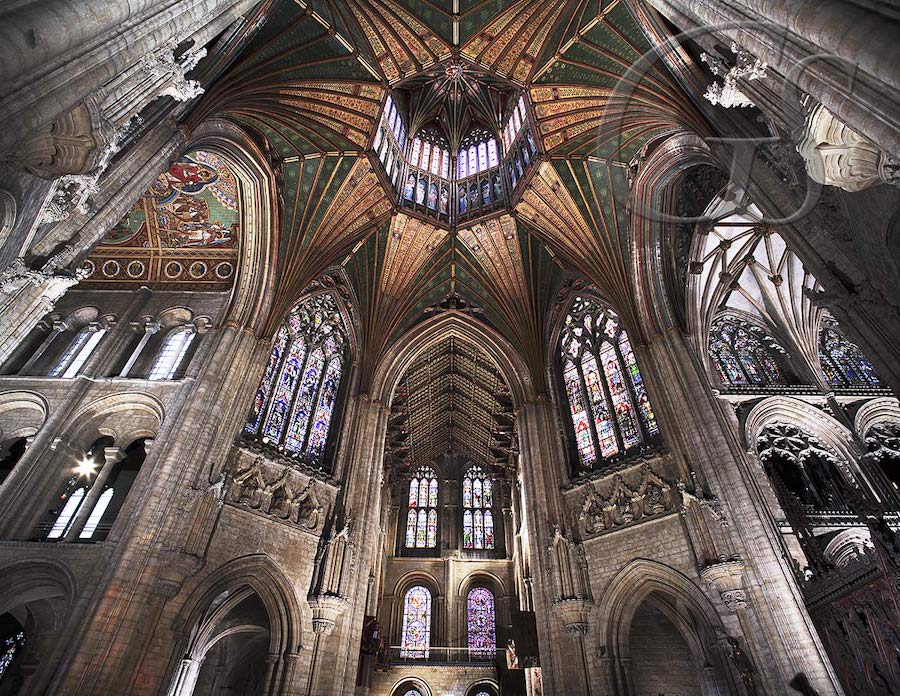
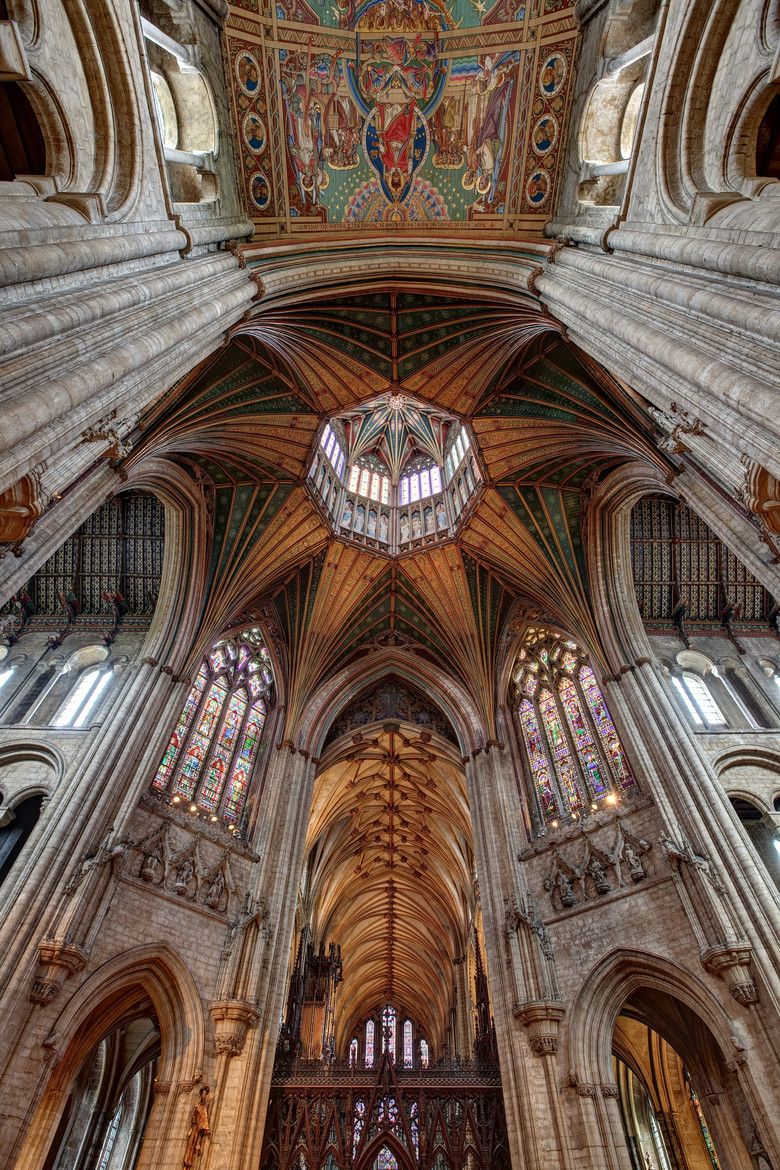
The cathedral's ceiling is made up of octagonal wooden windows, completed by the royal carpenter William Hurley in 1334. At the center is a star, approximately 9 meters high, constructed from oak wood and glass.
San Pantalon Church, Venice, Italy
With a total area of 443 square meters, the ceiling design of the San Pantalon church is a giant oil painting that overwhelms anyone who sets foot inside.
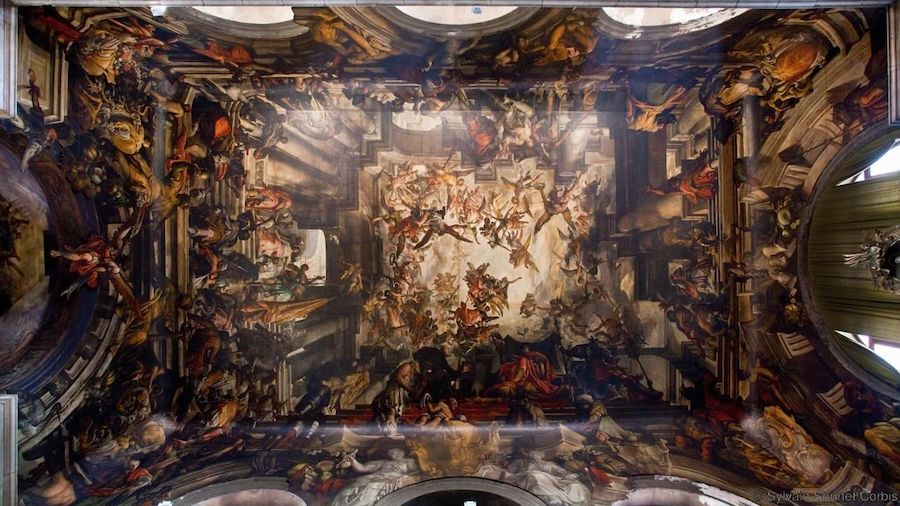
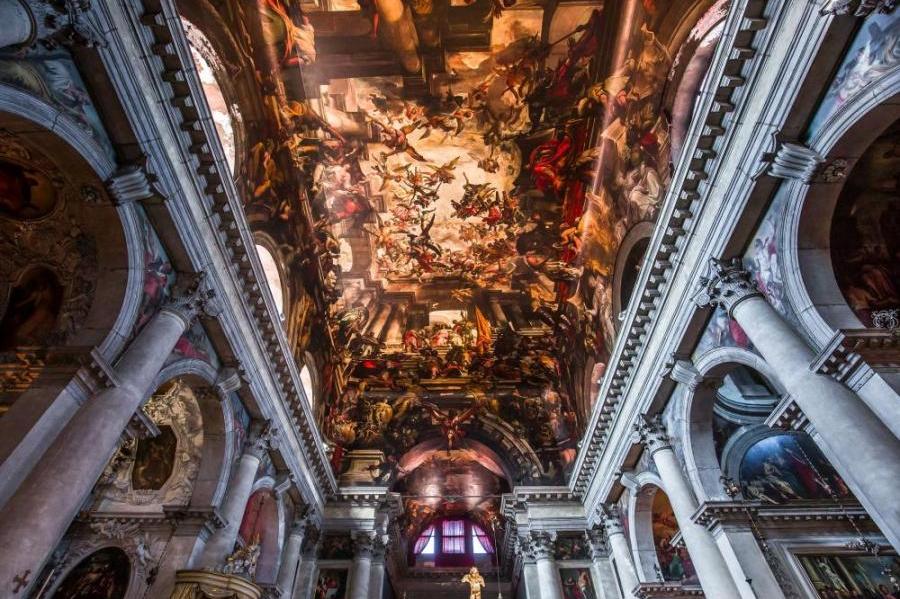
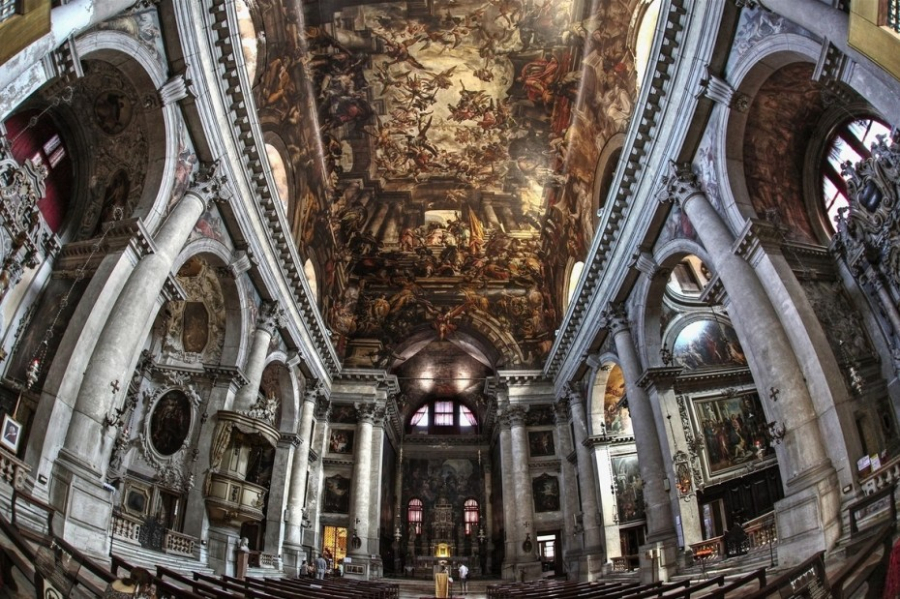
Interweaving streaks of light and shadow, the entire ceiling of the cathedral depicts angels soaring through heaven. The creator of this extraordinary architecture was Gian Antonio Fumiani, who painted the ceiling murals over a period of 20 years. Gian Antonio Fumiani's final moments were when he completed the last brushstrokes of the painting before falling from the scaffolding.
Haesley Nine Bridges Golf Club, Yeoju-gun, South Korea
At the Haesley Nine Bridges Golf Club, almost everything is made of wood. This building was designed by Shigeru Ban, a Japanese architect renowned for his mastery of natural materials such as bamboo, wood, and even paper.
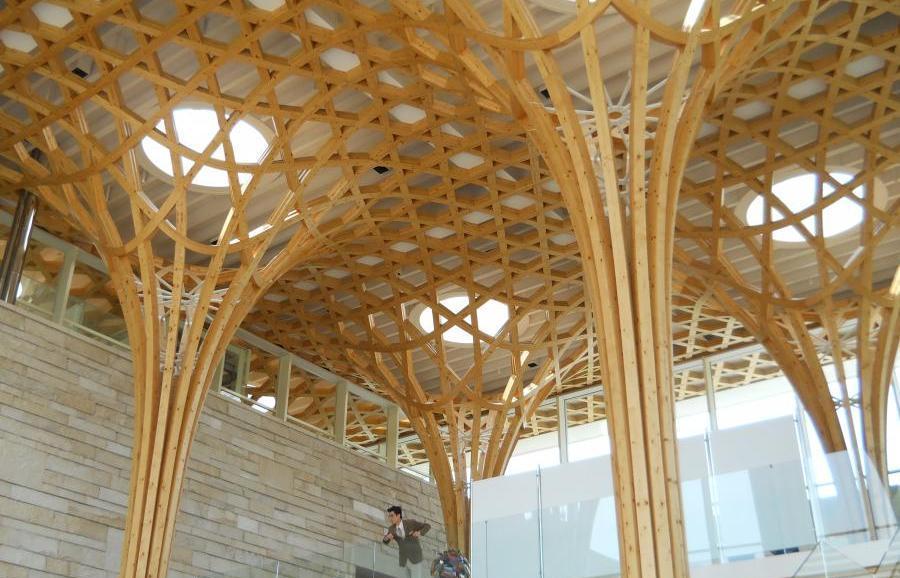
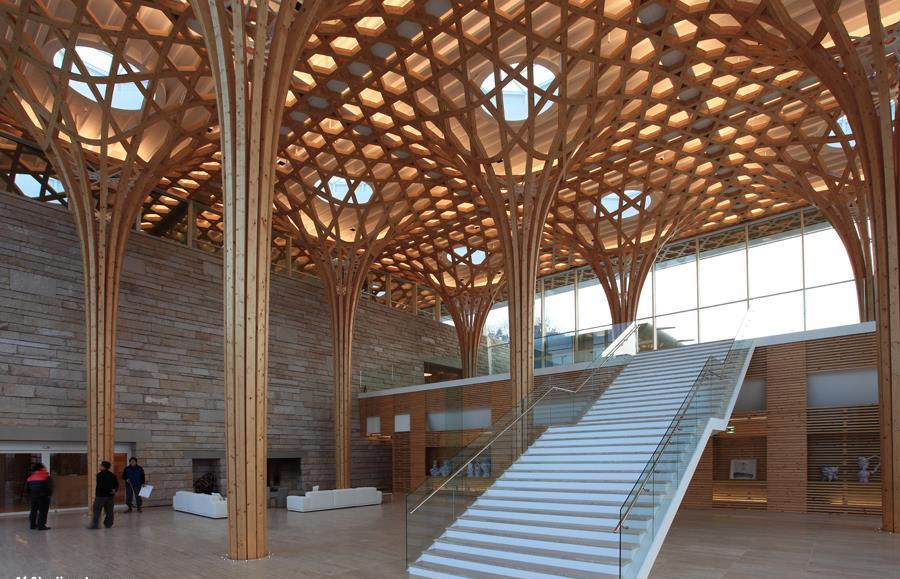
The plywood beams are arranged into columns, radiating outwards and rising three stories high to support the roof. The roof itself is also made of interwoven bent wooden beams, forming a lattice-like structure. This design gives the place a simple yet incredibly elegant feel. At the same time, the ceiling of the Haesley Nine Bridges Golf Club provides a cool and airy atmosphere during the humid and hot days of South Korea.