VI
VI


With support from the #SOSAfricanHeritage (Save African Heritage) fund of the German National Commission for UNESCO, seven World Heritage sites in five East African countries have received funding to help mitigate the impacts of the Covid-19 pandemic on their management and conservation.
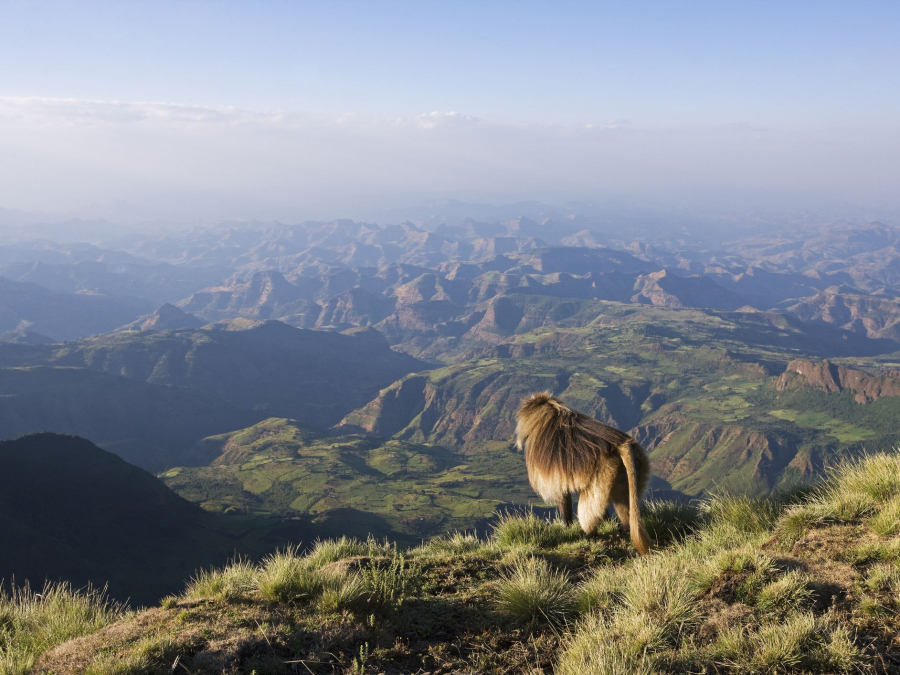
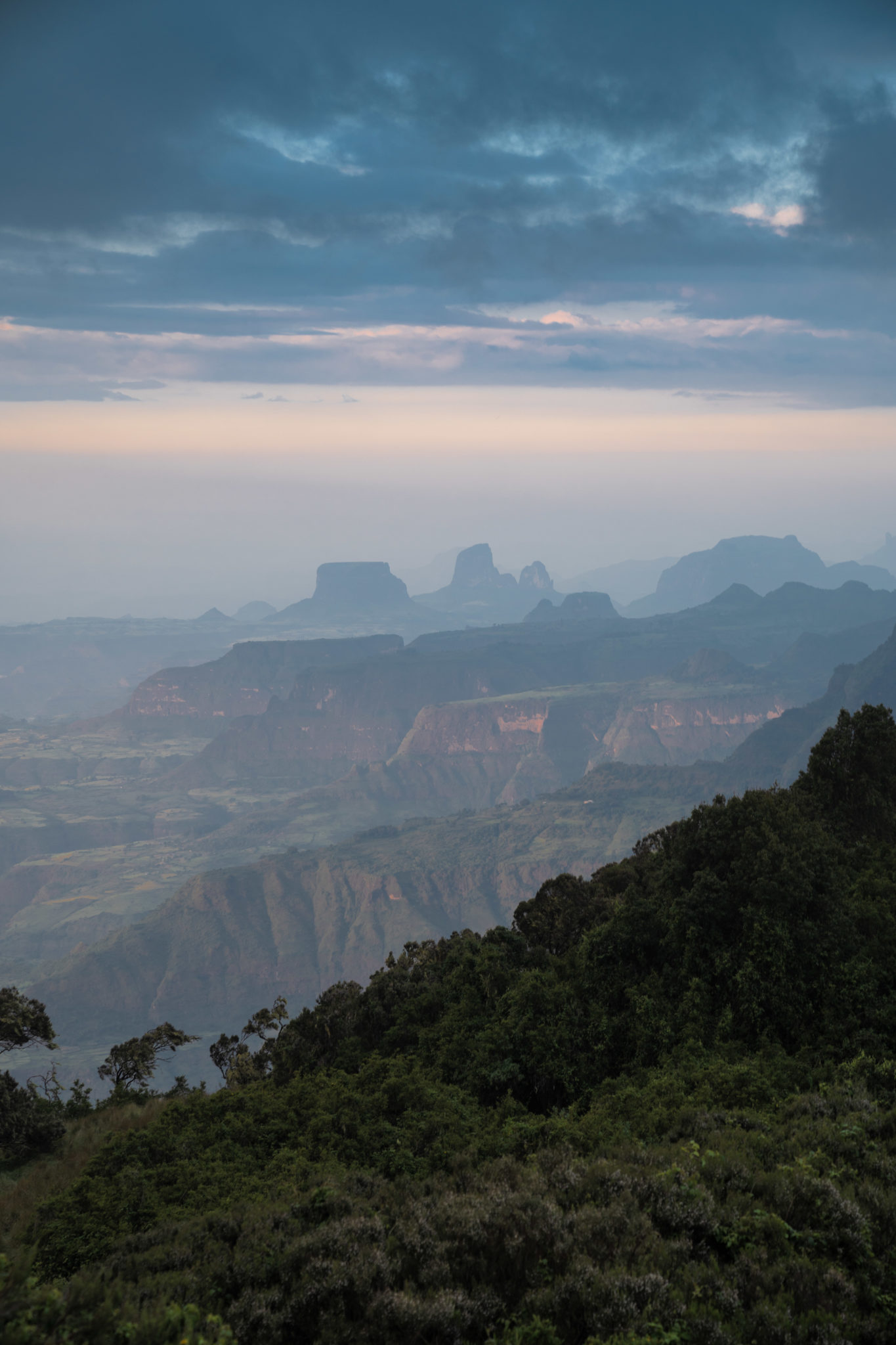
Mount Simien National Park
The heritage sites that received funding include:

- Mount Simien National Park in Ethiopia
- Kaya Sacred Forest of the Mijikenda people in Kenya
- Mount Kenya National Park/National Forest in Kenya
- Tsingy de Bemaraha Nature Reserve in Madagascar
- The Bélo sur Mer Kirindy-Mite Biosphere Reserve in Madagascar
- Vallée de Mai Nature Reserve in Seychelles
- Kilimanjaro National Park in Tanzania
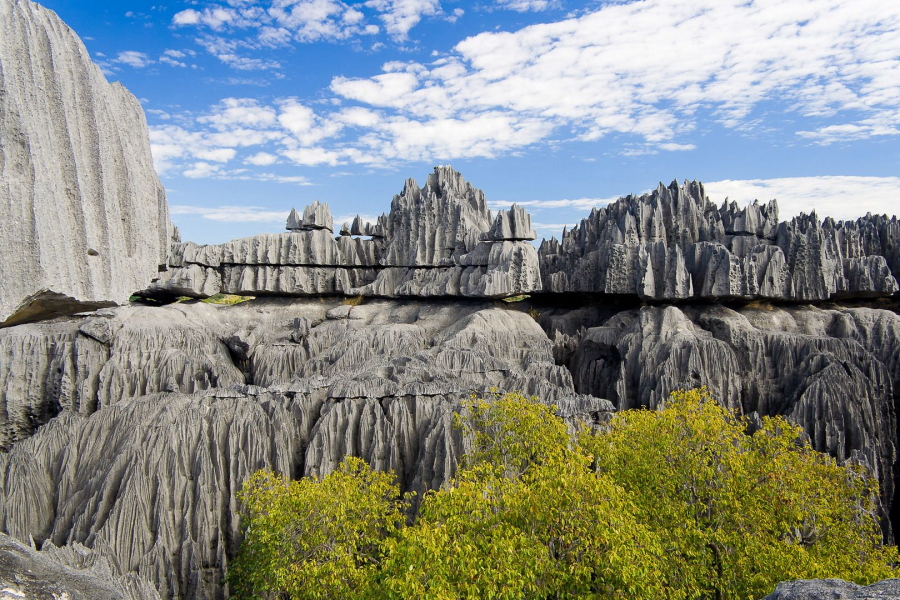
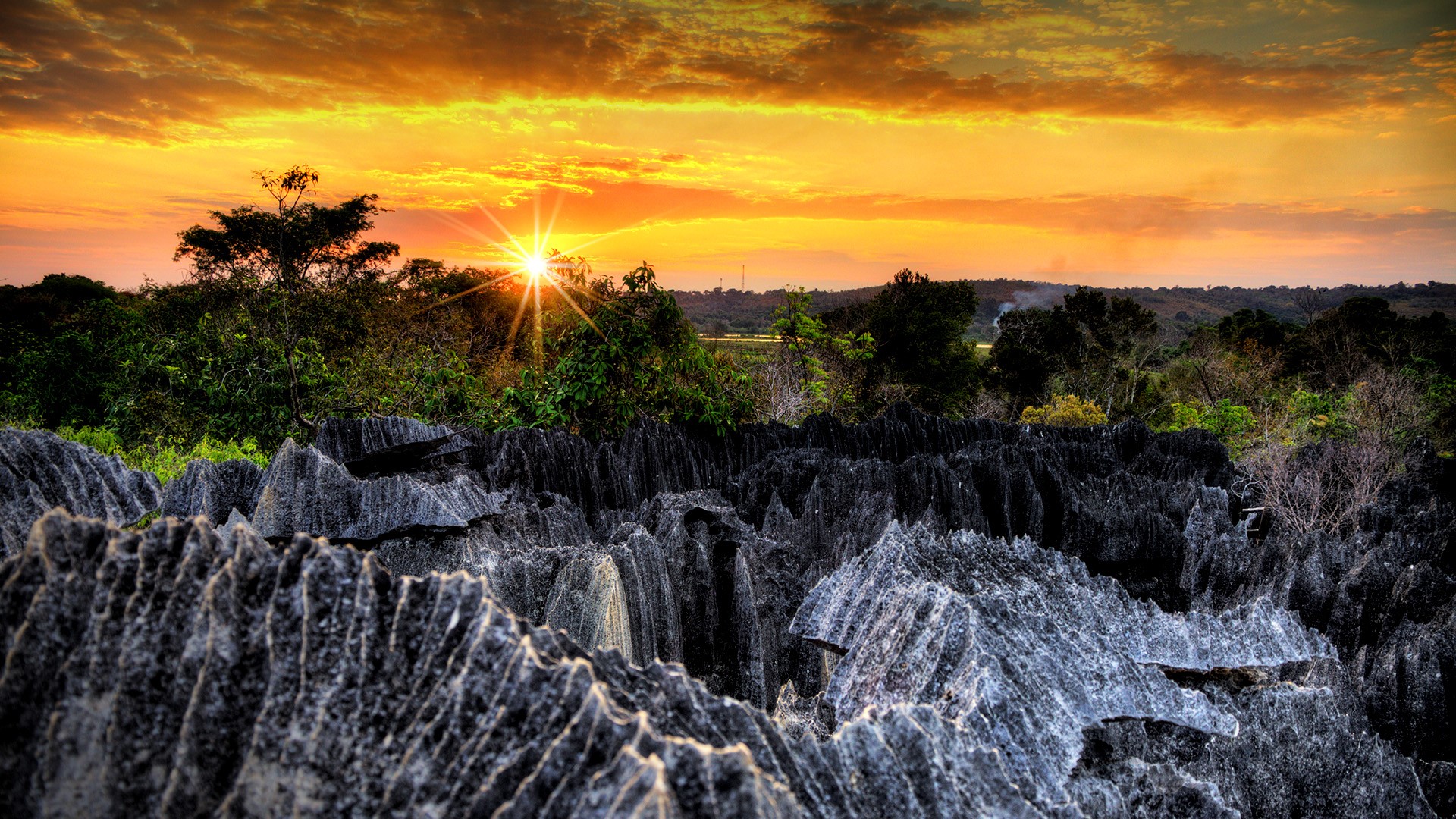
Tsingy de Bemaraha Nature Reserve
Previously, the #SOSAfricanHeritage Foundation invited UNESCO World Heritage Sites and UNESCO Biosphere Reserves in Africa to submit proposals for financial support to mitigate damage caused by the COVID-19 pandemic. The German National Commission for UNESCO received 72 requests for €1.6 million and is able to fund 22 projects totaling over €500,000 to support the resilience of heritage sites from the COVID-19 pandemic in the African region.
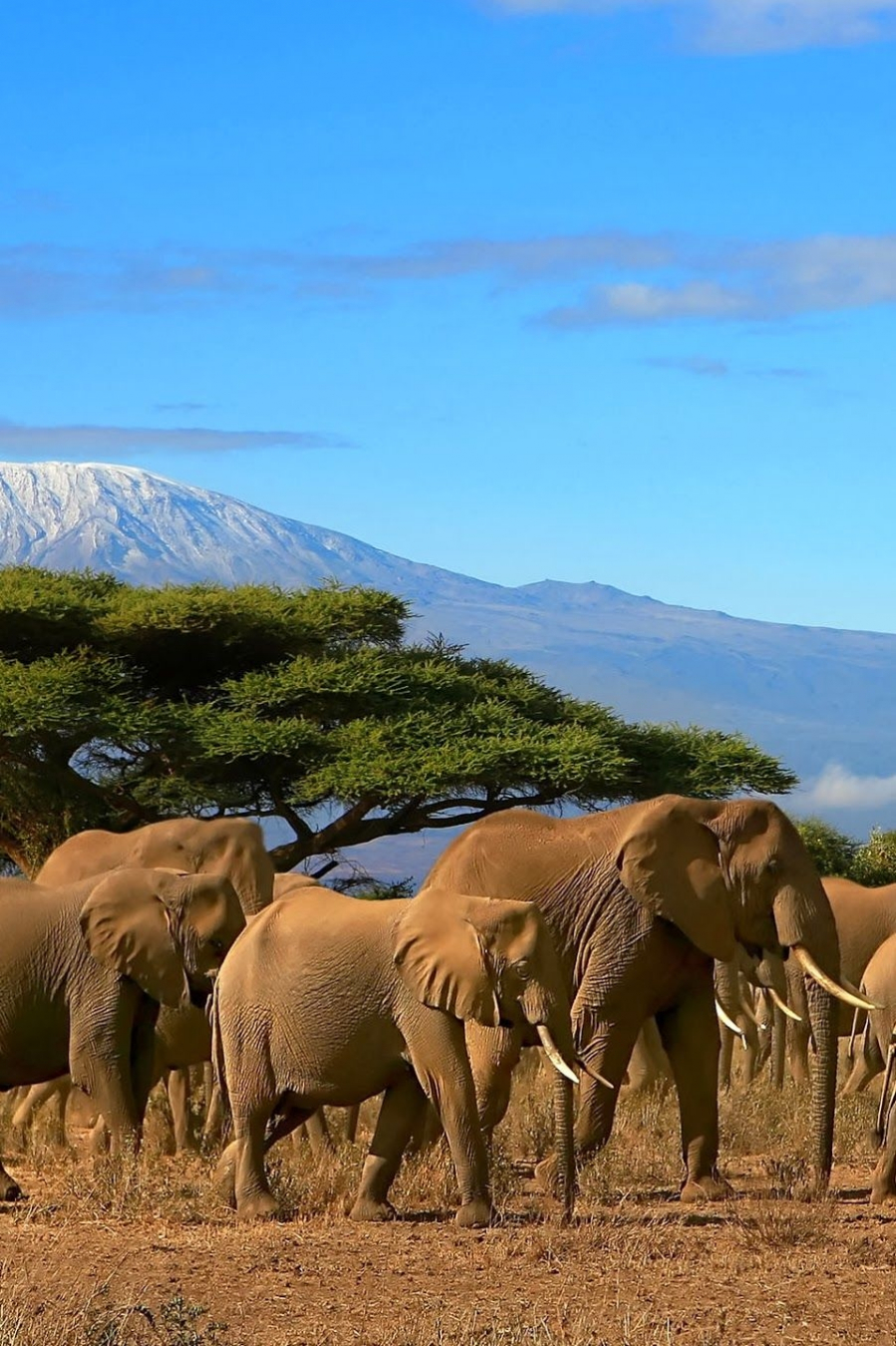
Kilimanjaro National Park
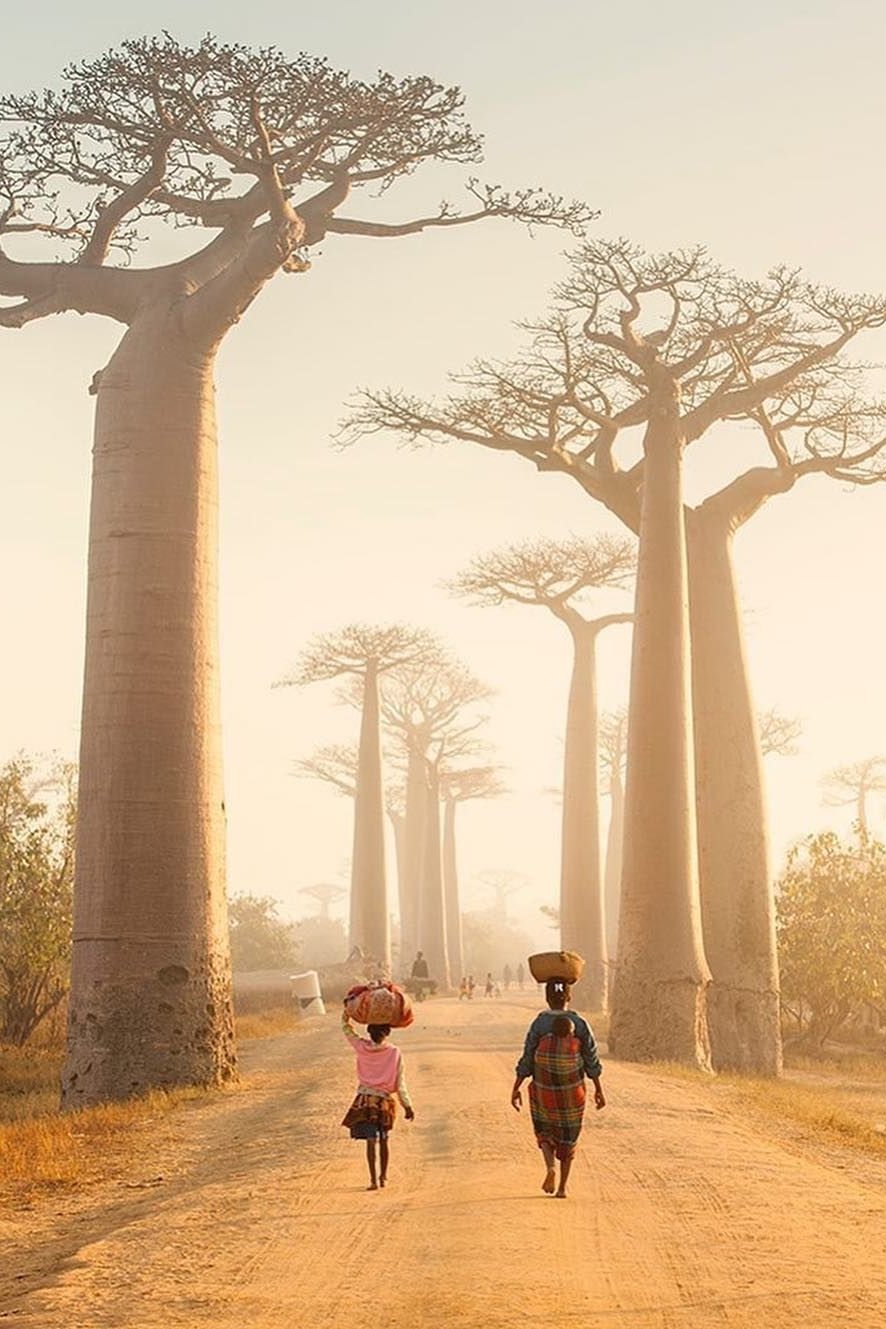
Bélo sur Mer Kirindy-Mite Biosphere Reserve
Short-term financial and technical support from the #SOSAfricanHeritage Fund aims to help maintain independent and sustainable organizational structures at these UNESCO-designated sites with the participation of civil society organizations. Projects are also encouraged to ensure dedicated spaces for global citizenship education, ensuring sustainability and cultural diversity.
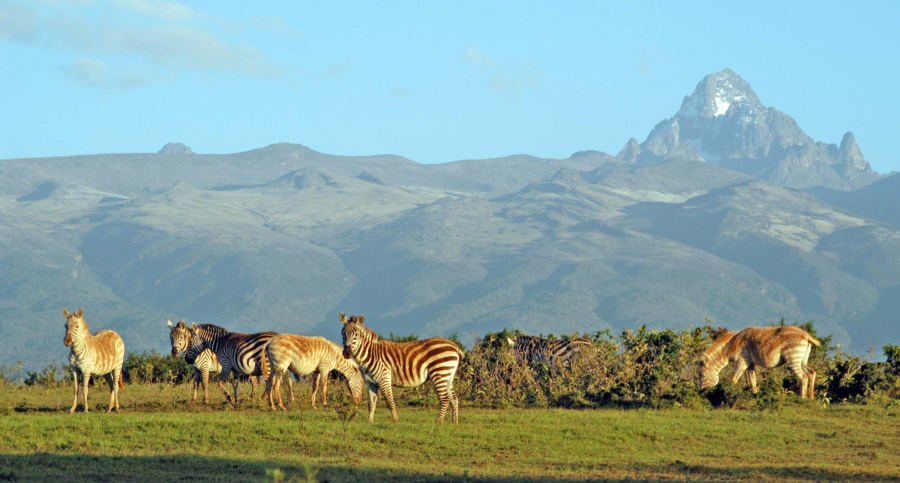
Mount Kenya National Park
“I would like to express my sincere gratitude to the German National Commission for UNESCO for its timely and generous support to the African region. With this targeted financial support, we are confident that the beneficiary localities will be empowered to strengthen the engagement of local stakeholders and enhance the resilience of World Heritage sites during the COVID-19 pandemic,” said Ann Therese Ndong-Jatta, Director and Representative of the UNESCO Regional Office for East Africa.