
 VI
VI


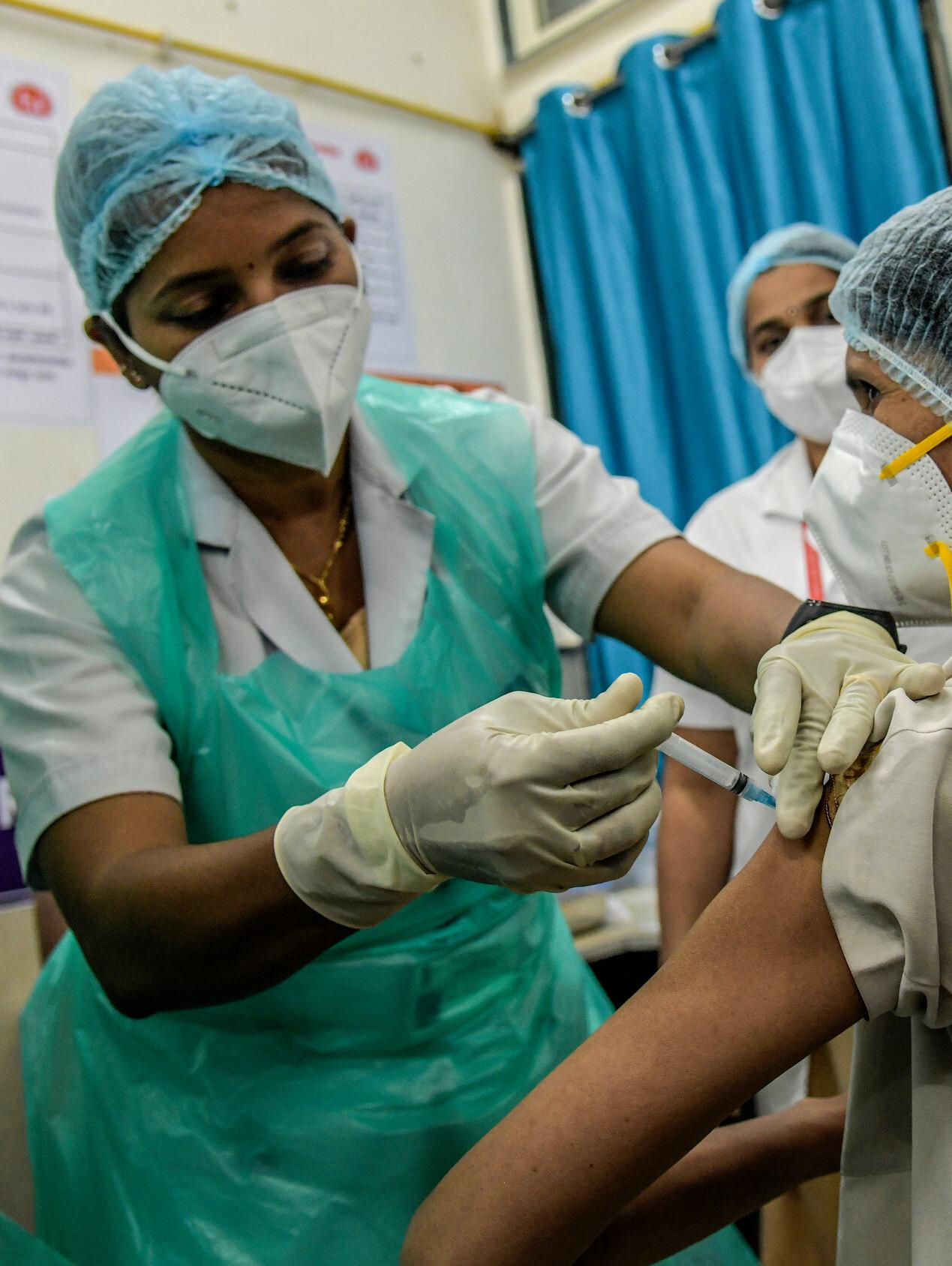
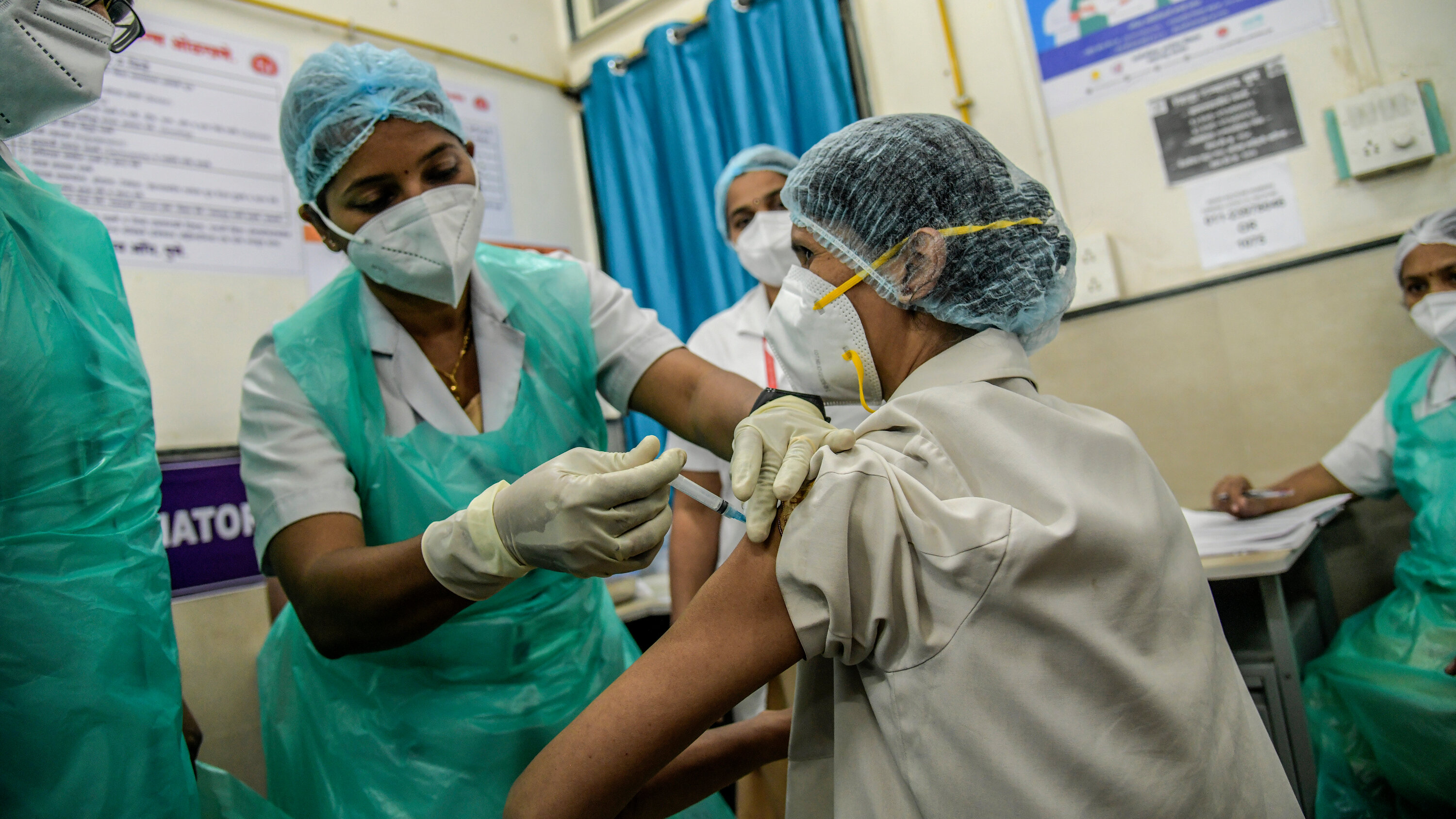
The ZyCoV-D vaccine uses a segment of genetic material from the virus containing instructions, in the form of DNA or RNA, to create the spike protein, the mechanism the virus uses to attach to humans, thereby triggering the immune system to recognize and respond.
The ZyCoV-D vaccine can be administered using a needleless injection device, amid a surge in vaccination rates in the country over the past few weeks. Unlike most existing Covid-19 vaccines that require one or two doses, the ZyCoV-D vaccine is administered in three doses.
"The technology is based on a circular DNA platform, which can be easily adapted to cope with viral mutations," said India's Ministry of Biotechnology.

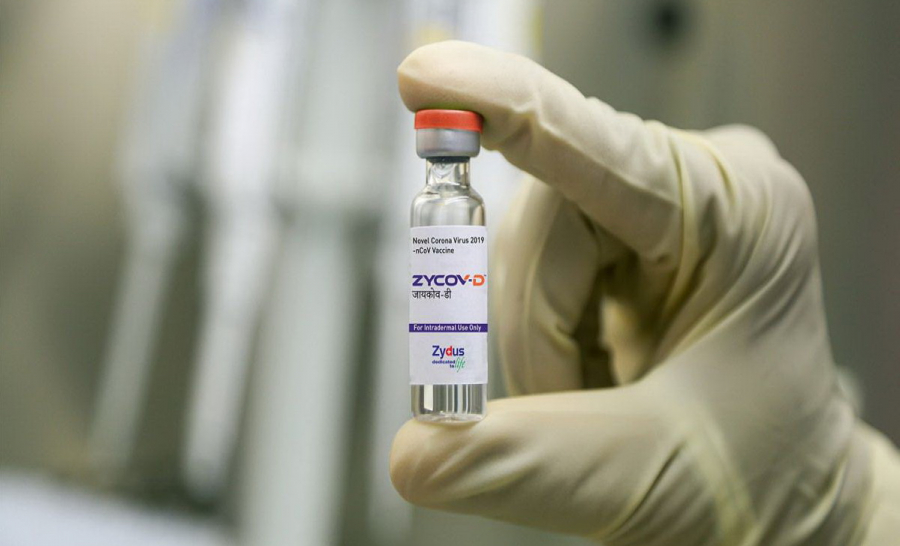
The ZyCoV-D vaccine introduces a DNA sequence encoding a specific antigen into the body to trigger an immune response. This technology is considered to enhance stability and reliability, ensuring safety as it contains no pathogens, and is cost-effective for mass production.
In July, the manufacturer stated that its ZyCoV-D vaccine was effective against new virus variants, particularly the Delta variant. The company filed for ZyCoV-D approval on July 1st, based on an efficacy rate of 66.6% in a late-stage trial with more than 28,000 volunteers nationwide.
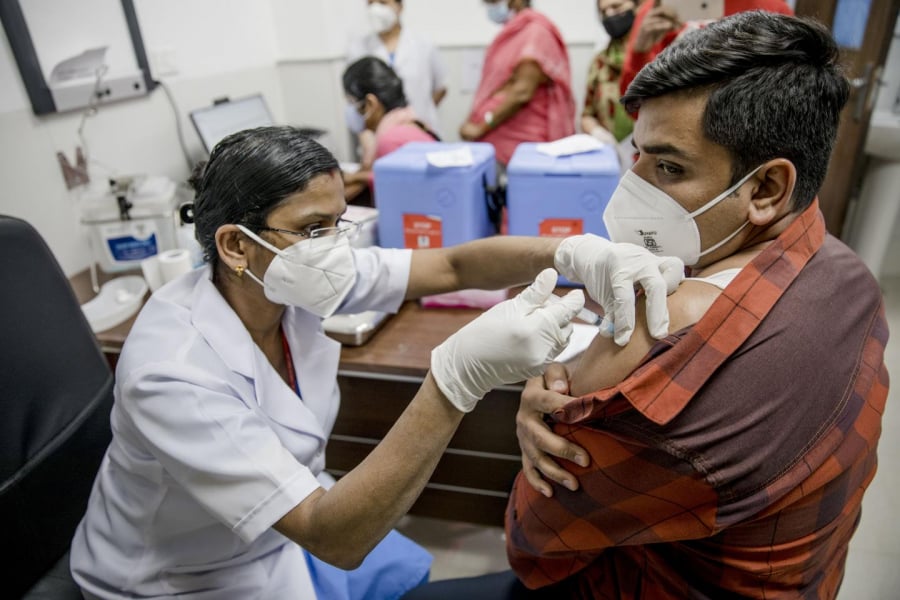
ZyCoV-D is the sixth vaccine approved for use in India, following those from Moderna, AstraZeneca, Johnson & Johnson, Covaxin from Indian pharmaceutical company Bharat Biotech, and Sputnik V from Russia. According to AFP statistics, India has administered more than 574 million doses of Covid-19 vaccine, with 9.2 million doses administered this week.
India aims to vaccinate its entire eligible population by December. Approximately 127 million Indians, or 10% of the population, have already received the full two-dose course of the vaccine. Some health experts believe India needs to significantly increase domestic vaccine production to achieve this goal.
Vaccines developed in India do not require special storage equipment, addressing the logistical challenges of transporting and administering them across the South Asian nation.












