VI
VI


Although environmental improvement is a global issue, measures to improve the environment and climate are quite expensive, and not every country can afford them. That's why, according to the Environmental Performance Index (IPE) ranking recently published by Yale University (USA), the world's greenest countries are all in Europe, because in recent years these countries have implemented many large-scale environmental projects.
In an effort to improve biodiversity, many countries have committed to building and supporting urban infrastructure to bring natural green spaces into city areas.
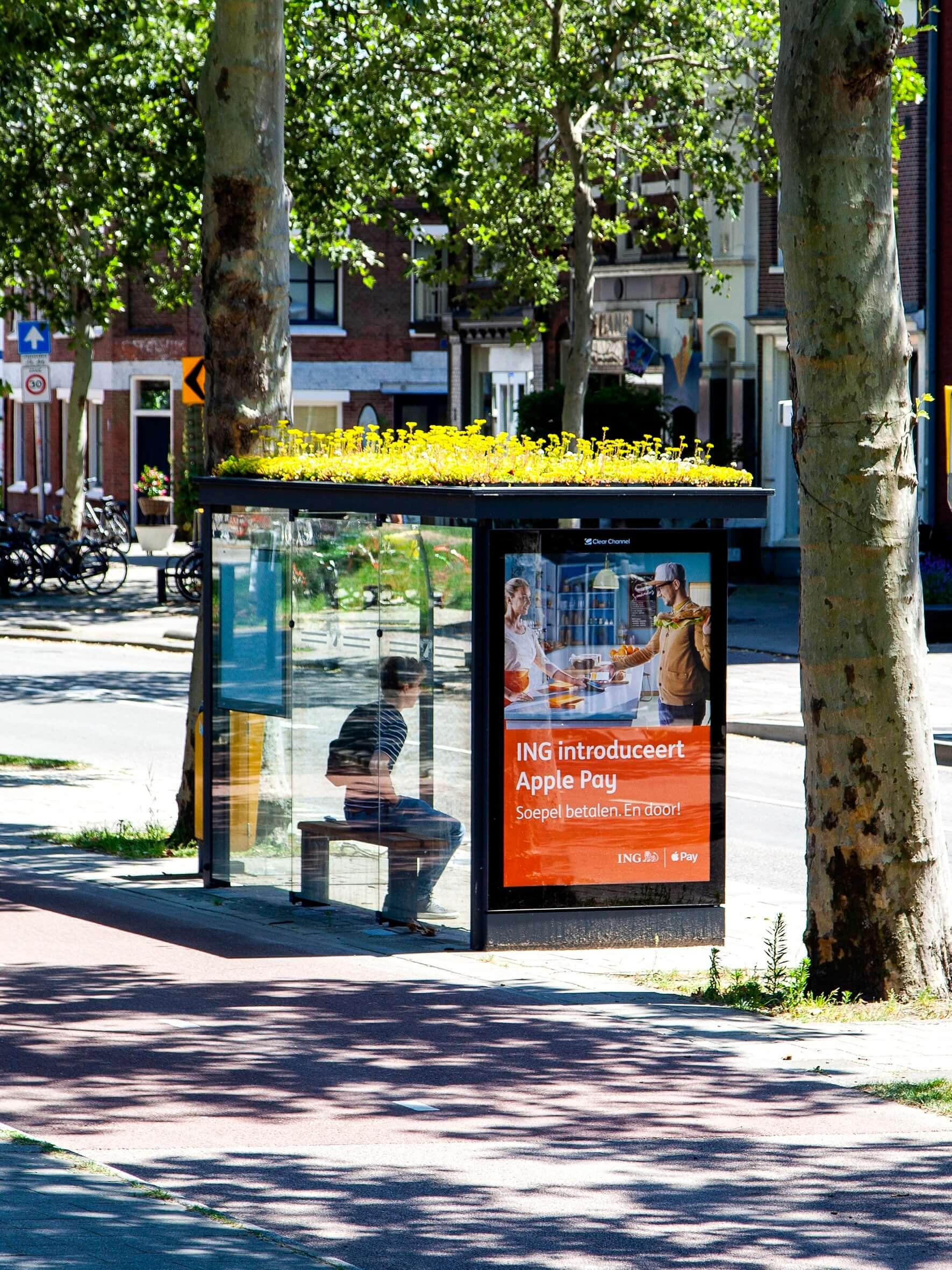
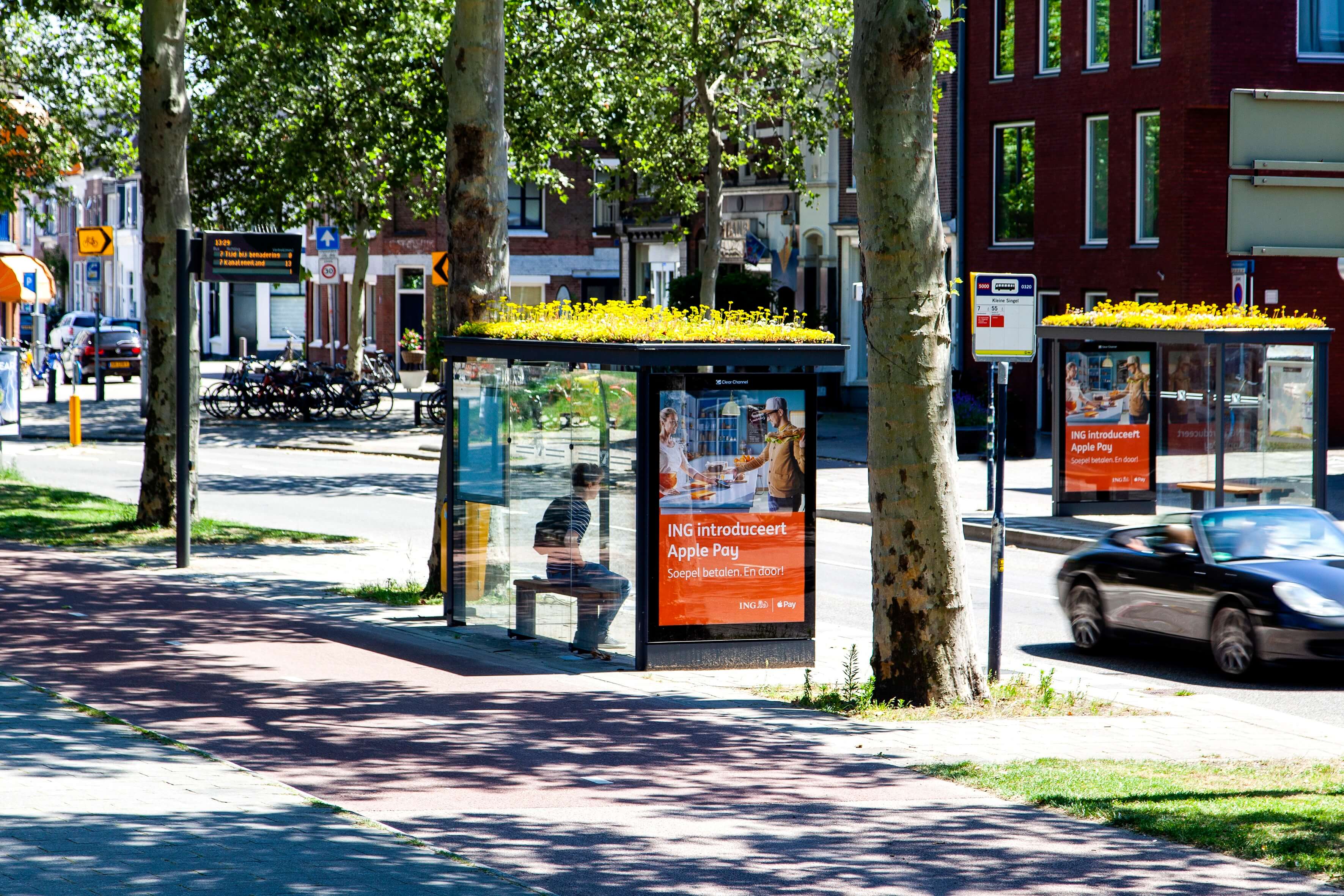
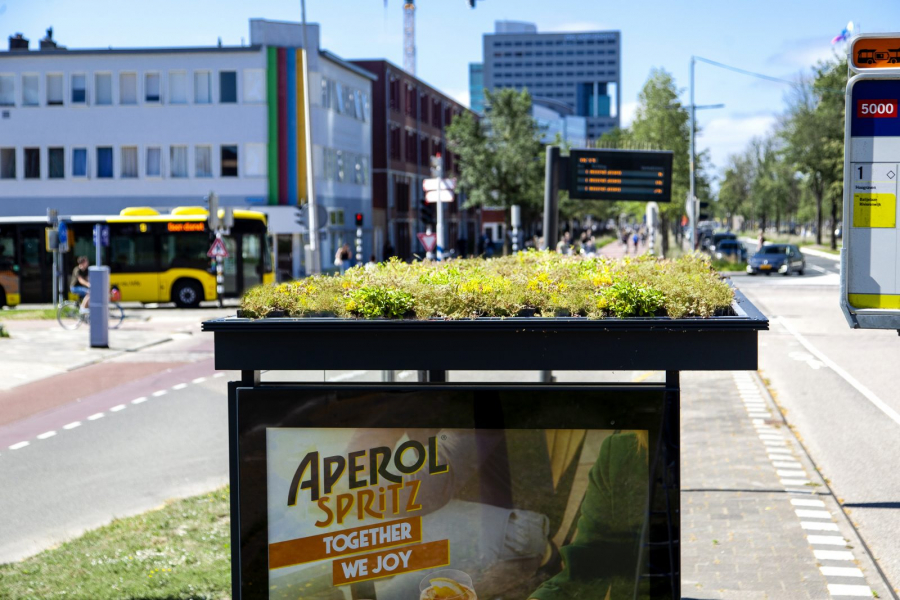
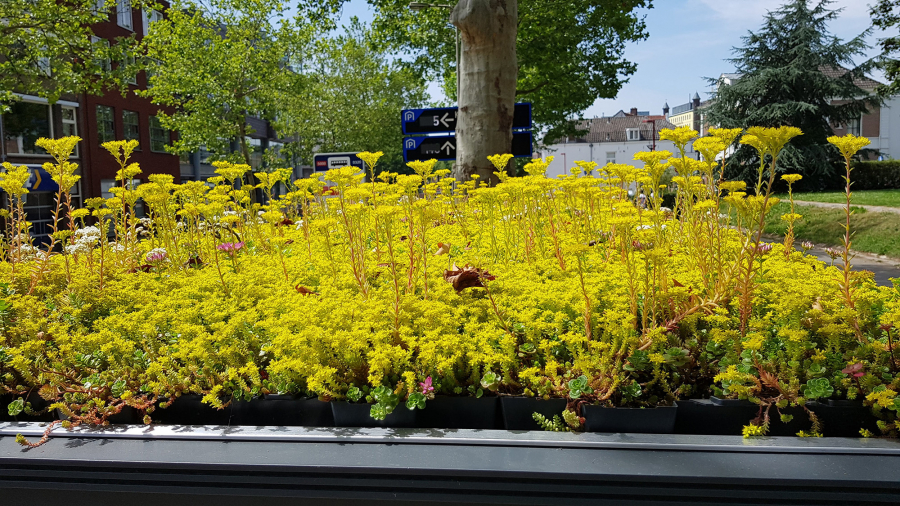
Since 2019, Utrecht (Netherlands) has built flower gardens on the roofs of 316 bus stops across the city as part of its "National Pollination" (Bed & Breakfast for Bees) strategy, helping to make the city greener and, in particular, creating attractions for bees to prevent the rapid decline of this species.
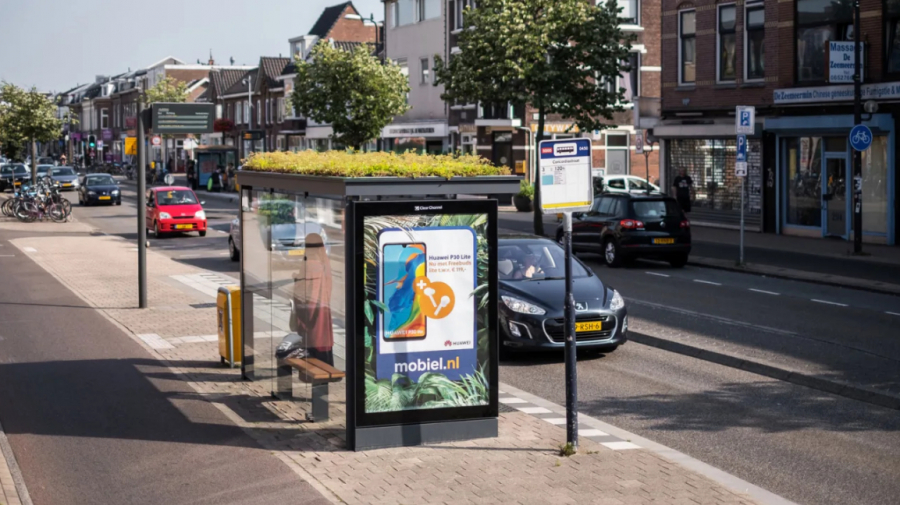
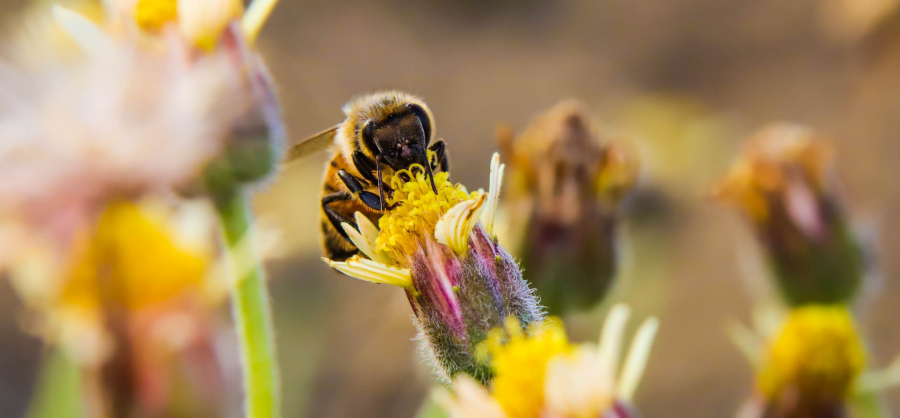
The Netherlands is home to 358 species of bees, but more than half of them are endangered and listed in the Red Book. To address this problem, Utrecht has invested in urban beekeeping in a very clever way.
The bus stops for bees not only support the city's biodiversity by attracting honeybees and wasps, but they also help contain fine dust and store rainwater. The gardens on the bus stops will be cared for by citizens who drive trams around the city; however, they don't need frequent watering because the gardens mainly contain sedum flowers – species that prefer pollinators and require very little water.

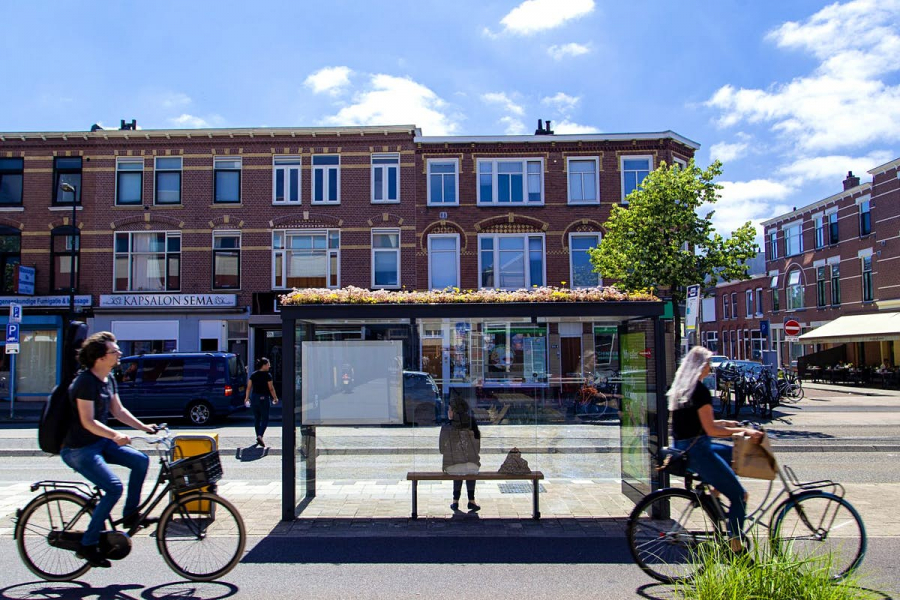
To improve facilities for tourists, bus stops have also been fitted with long benches made of bamboo and energy-efficient LED lighting.
The 2021 national bee census noted that the bee population in the Netherlands remains stable, demonstrating the success of their efforts.
Similar projects have also been implemented in the United Kingdom. Bus stops for bees were first introduced in Cardiff (Wales) in 2020. This year, Leicester (England) announced plans to convert all 479 bus stops in the city into bee gardens, including the Living Roofs bus shelter.
Not only are the rooftop gardens meticulously selected from wildflowers and sedum, but they also feature smart, solar-powered lighting systems to manage energy usage and minimize carbon emissions in the city. Additionally, the Ecodek benches inside the station are recycled from waste wood and plastic milk bottles.
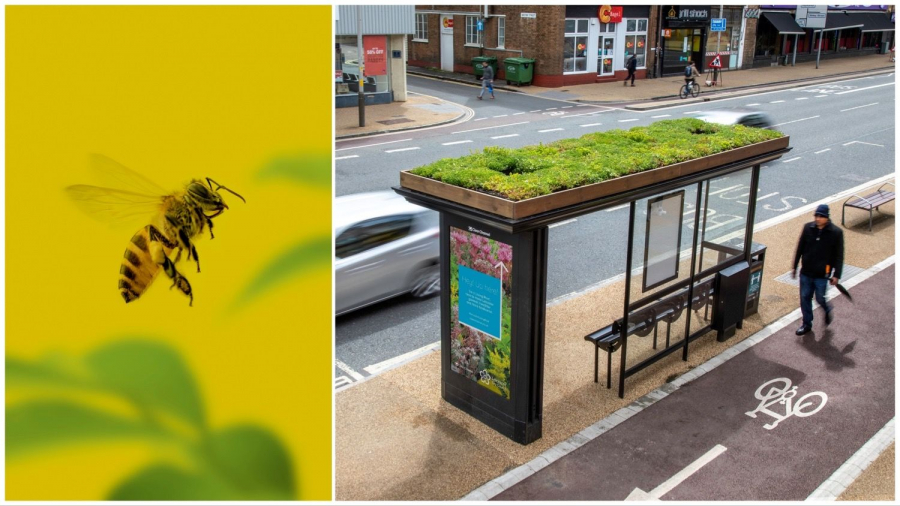
This will be the first citywide network in the UK, and it will complement Leicester Council's previous bee pollination initiatives such as planting wildflowers along roadsides and roundabouts.
These areas will serve as safe stopping points not only for bees but also for other insects as they move between surrounding locations such as parks and nature reserves. This will reconnect ecosystems fragmented by urbanization, allowing pollinators to thrive again.
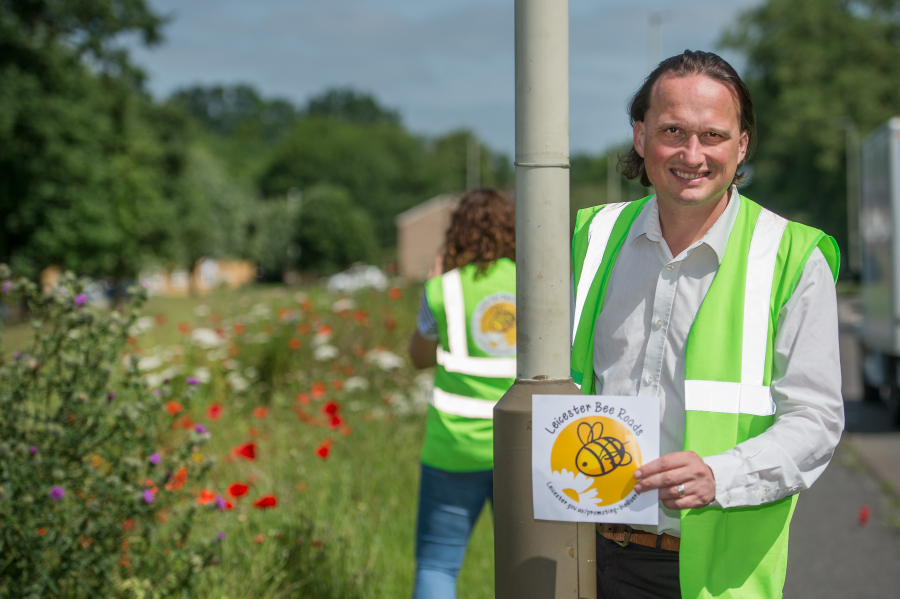
Not stopping at Bee Bus Stops, Leicester has also implemented the Bee Roads model – roads planted with flowers that bees love.
Initiatives to “green” and diversify plant species in urban areas have increased significantly over the past decade. Various factors have been proposed to promote these initiatives, including pressure to address the climate crisis and improve air quality in urban centers, as well as enhancing the overall health of city dwellers by providing more green spaces.
Most importantly, there is a need to recognize the rapid decline of biodiversity worldwide due to urbanization and population growth. The loss of green spaces and biodiversity in cities is a direct result of current environmental impacts, which fragment wildlife populations within ecosystems, increase the risk of urban flooding, create an "urban heat island" effect, and also negatively impact overall mental health.
Leicester, like Utrecht, is leading the way in its goal of becoming an ideal destination by 2030, boasting a diverse ecosystem, climate adaptability, and being completely carbon-free. However, these are not the only cities with strong aspirations for a "green" environment. Hopefully, before long, a "green" future will arrive in cities around the world, and people will reap even more benefits from urban greening.