VI
VI


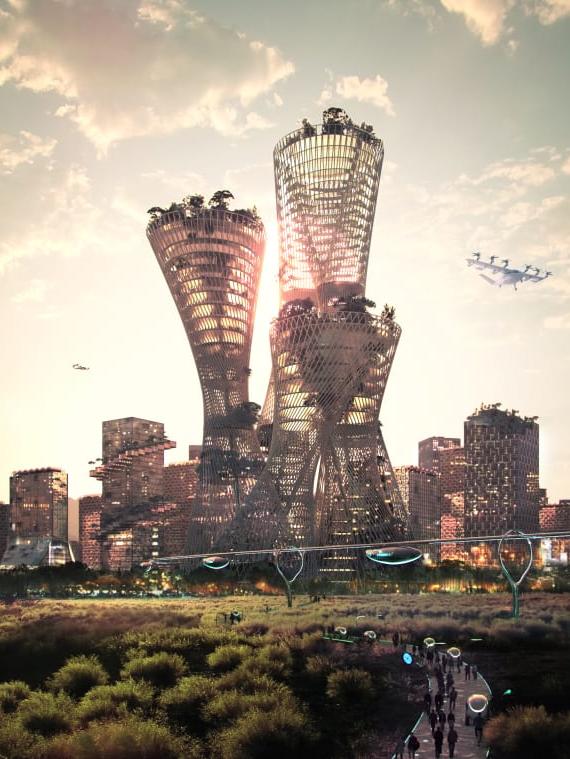
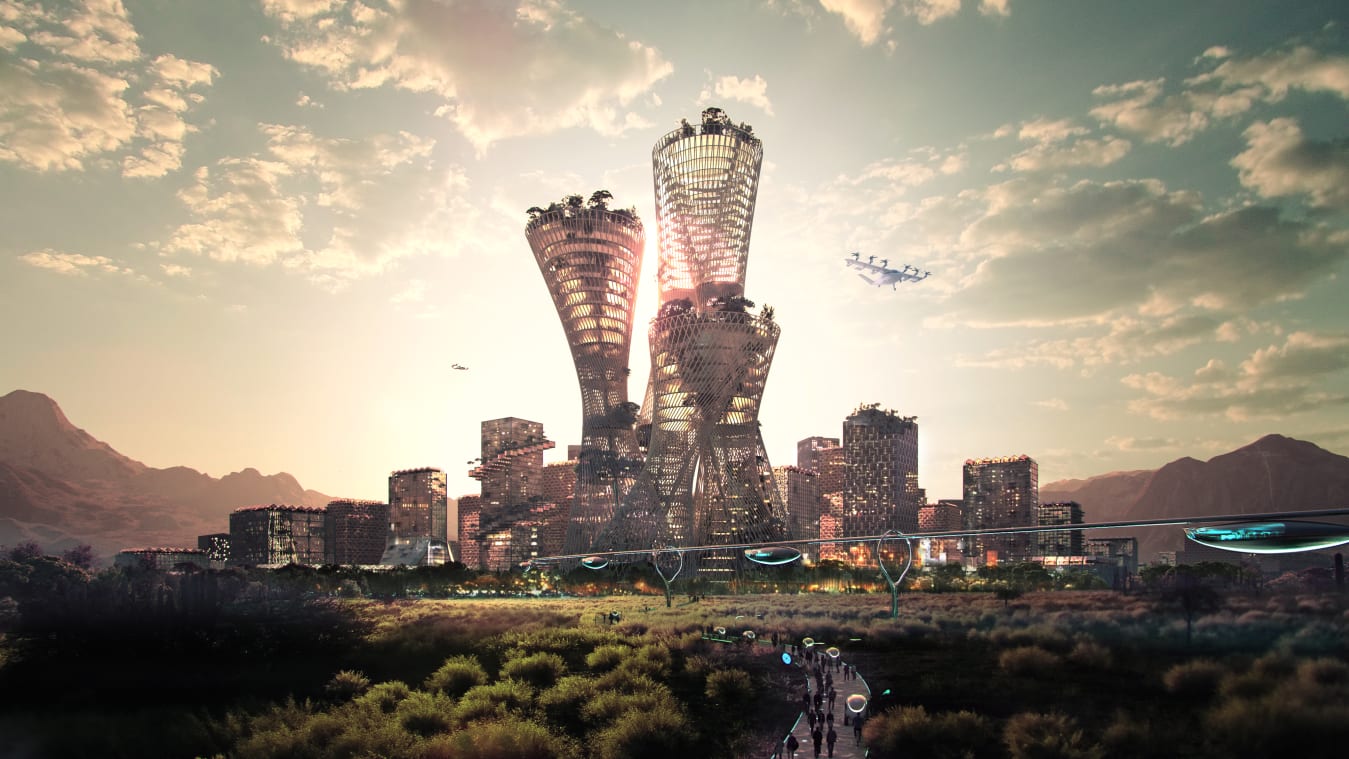
Last week, billionaire Marc Lore announced plans to build Telosa – a $400 billion sustainable megacity in the American desert. The ambitious project, spanning 60,703 hectares, aims for environmentally friendly architecture, sustainable energy production, and a water supply system suitable for arid conditions. Residents of the city could travel from home to work, school, and other amenities within 15 minutes. While planners are still exploring potential sites, some possible locations include Nevada, Utah, Idaho, Arizona, Texas, and the Appalachian region.
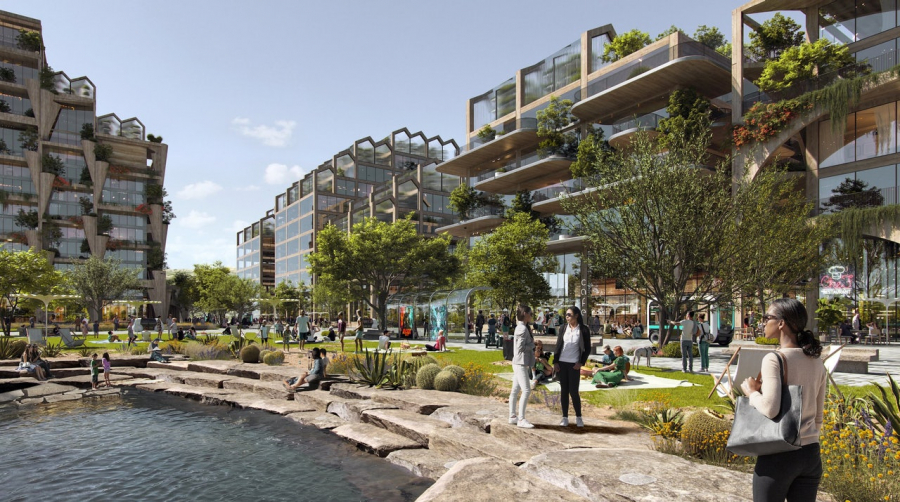
The announcement was accompanied by a series of digital drawings from Bjarke Ingels Group (BIG), the architectural firm Lore hired to bring the project to life. The images revealed apartment buildings covered in greenery and residents enjoying spacious open areas. Telosa only allows renewable energy vehicles to operate and prioritizes pedestrians.
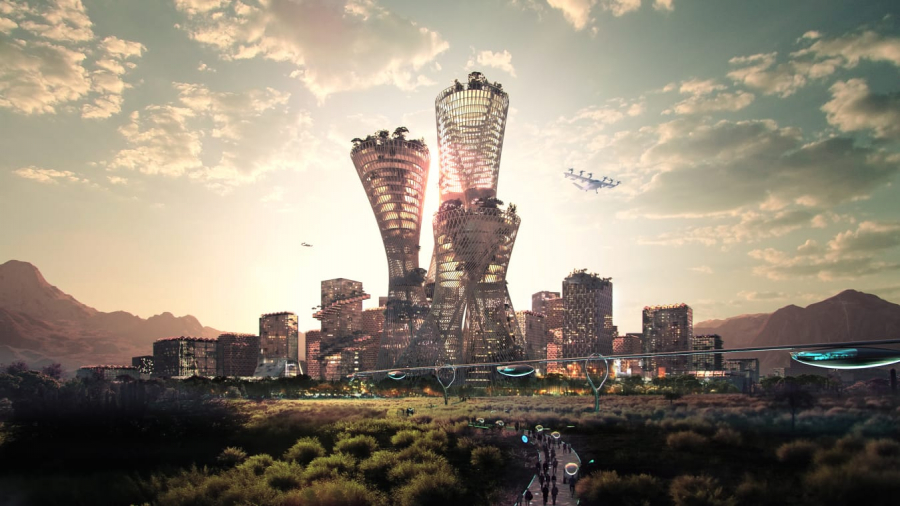
A design sketch depicts a skyscraper called the Equitism Tower, described as "the city's lighthouse." The building features an elevated water storage system, an aeroponic farm, and a roof covered with photovoltaic panels to generate energy.

Phase 1 of Telosa will serve 50,000 residents at an estimated cost of $25 billion, with the first residents expected in 2030. The target population is 5 million, to be maintained over 40 years. Construction funding will come from various sources including private investors, charities, state and federal governments, and economic development grants.
Beyond its cutting-edge urban design, the project also promises transparent governance and a new social model. Residents of Telosa City have the right to participate in the decision-making and budgeting processes. They can also share land ownership.
This isn't the first new city that BIG has designed and planned. Back in January 2020, the Japanese automaker Toyota also commissioned BIG to plan a city for 2,000 people at the foot of Mount Fuji. Smaller than Telosa, the project, called Woven City, is intended for testing self-driving cars, smart technology, and robots to assist in daily life.