VI
VI


The writer Jonathan Safran Foer once famously said, "Cuisine is not an abstraction; it is culture, habit, desire, and national identity." Indeed, one way to better understand the people of a country is through its cuisine, because it reflects the spiritual and material life of its people.
Like most countries around the world, the French also have three meals a day: breakfast, lunch, and dinner. Speaking of breakfast, it's the most important meal of the day because the French believe that eating breakfast provides them with the energy to be ready for all activities and work throughout the day.
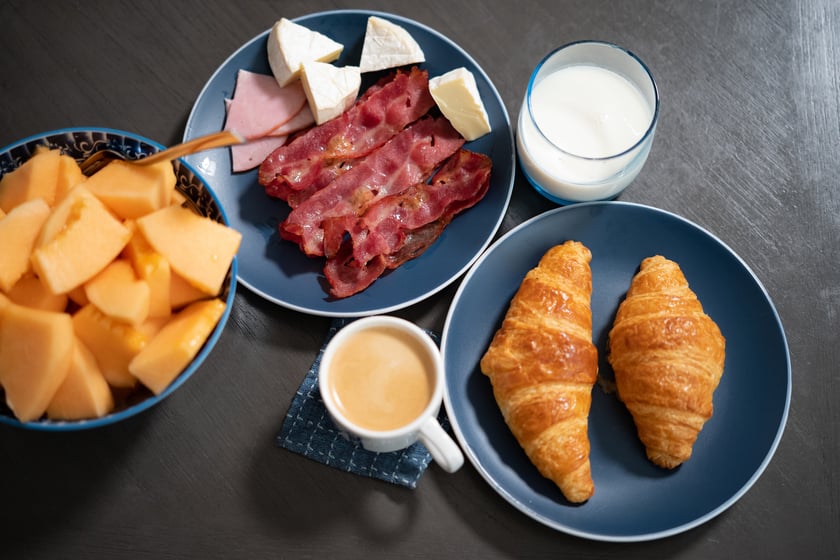
The French breakfast is perhaps one of the most unique and captivating culinary experiences in the world.
The French breakfast is perhaps one of the most unique and captivating culinary experiences in the world. Known as "petit déjeuner," their breakfast is not simply a way to start the day but also plays a significant role in their culture and lifestyle. A French breakfast is incredibly simple yet undeniably appealing.
Baguette
The French are very proud of their bread, and breakfast often begins with a delicious, fresh loaf. The baguette is one of the culinary icons of France. It's an indispensable part of the daily French meal. In a traditional French breakfast, slices of bread are spread with jam and dipped into a cup of coffee or hot chocolate.
Baguettes can be found in many places, especially in mini-supermarkets in the city, large supermarkets in the suburbs, or traditional bakeries that the French call "La Boulangerie". If you want to enjoy a truly authentic baguette, you should buy it from a Boulangerie. These bakeries usually bake their own bread on-site, with an oven right behind the counter, and every morning the bakers produce fresh, hot loaves for the day.
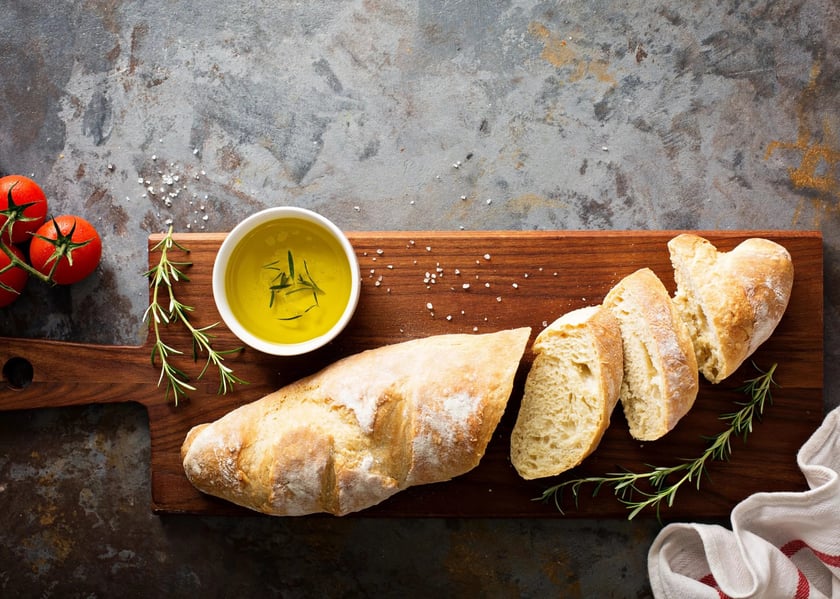
The baguette is one of the culinary icons of France.
The French are very particular, even picky, when it comes to eating baguettes. For them, a good baguette must meet the following criteria: a crispy, golden-brown crust, and a soft, pliable, coffee-brown filling. The filling must be so soft that when you press it between two fingers, it returns to its original thickness as soon as you release it. Making this type of baguette takes about four hours, from kneading the dough to shaping it and baking it in the oven.

To honor and protect the French baguette, since 1994, the city of Paris has organized the "Best Baguette in Paris" competition under the patronage of the "Authorities of the Bakery". While baking competitions in France date back to 1830, official recognition by the Parisian capital only came after the successful defense of the traditional French baguette brand. The winner receives a medal, a cash prize of 4,000 euros, and the honor of becoming the official baguette supplier for one year to the Champs-Elysée Palace (the workplace of the president and reception area for world dignitaries). A plaque acknowledging this recognition is displayed outside the shop, and sales increase by 30-40% annually.

Baguette bread is an indispensable part of the daily meals of the French.
Croissant
Croissant is the most popular breakfast food in romantic France. This small French croissant, however, carries a fascinating story within it.
When we think of croissants, we immediately think of France; however, the truth is that they weren't invented by the French but were first made in Austria. The original name for the croissant was Kipfel (crescent moon), and it was later changed to Croissant in 1770 when 15-year-old Austrian Princess Marie Antoinette married the French crown prince, who would later become King Louis XVI.
Parisian bakers made Kipfel to honor the princess, and the French became very fond of this pastry. French bakers adapted the Kipfel to have a more elaborate shape to suit the royal dining table and named it Croissant, a name it has retained ever since.
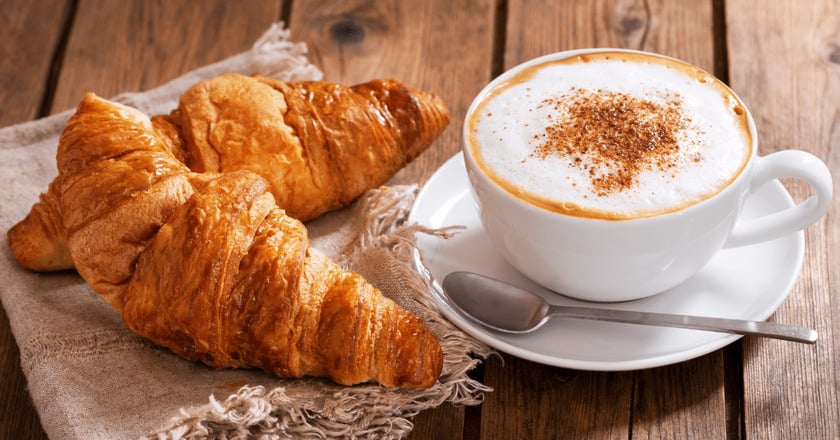
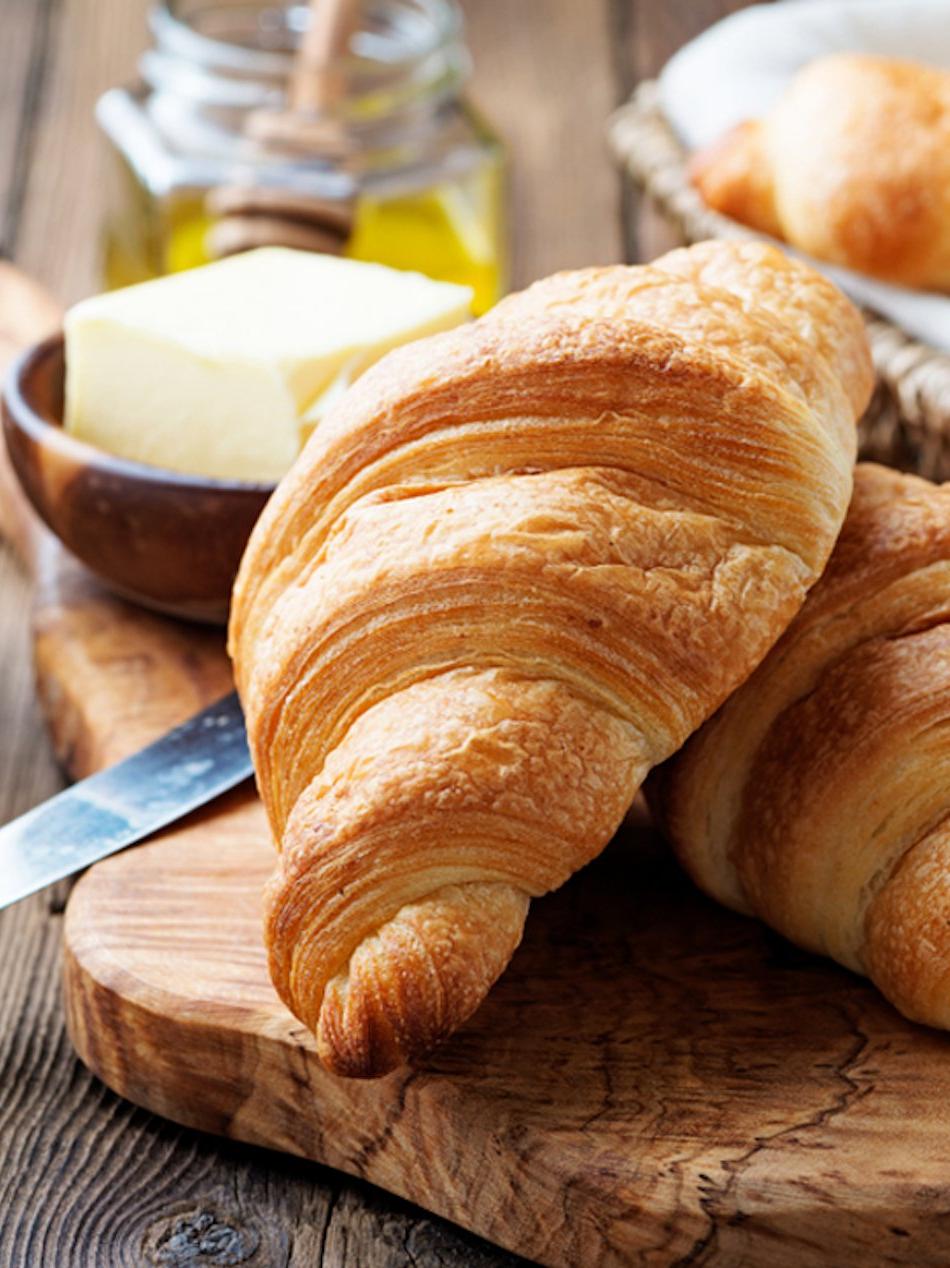
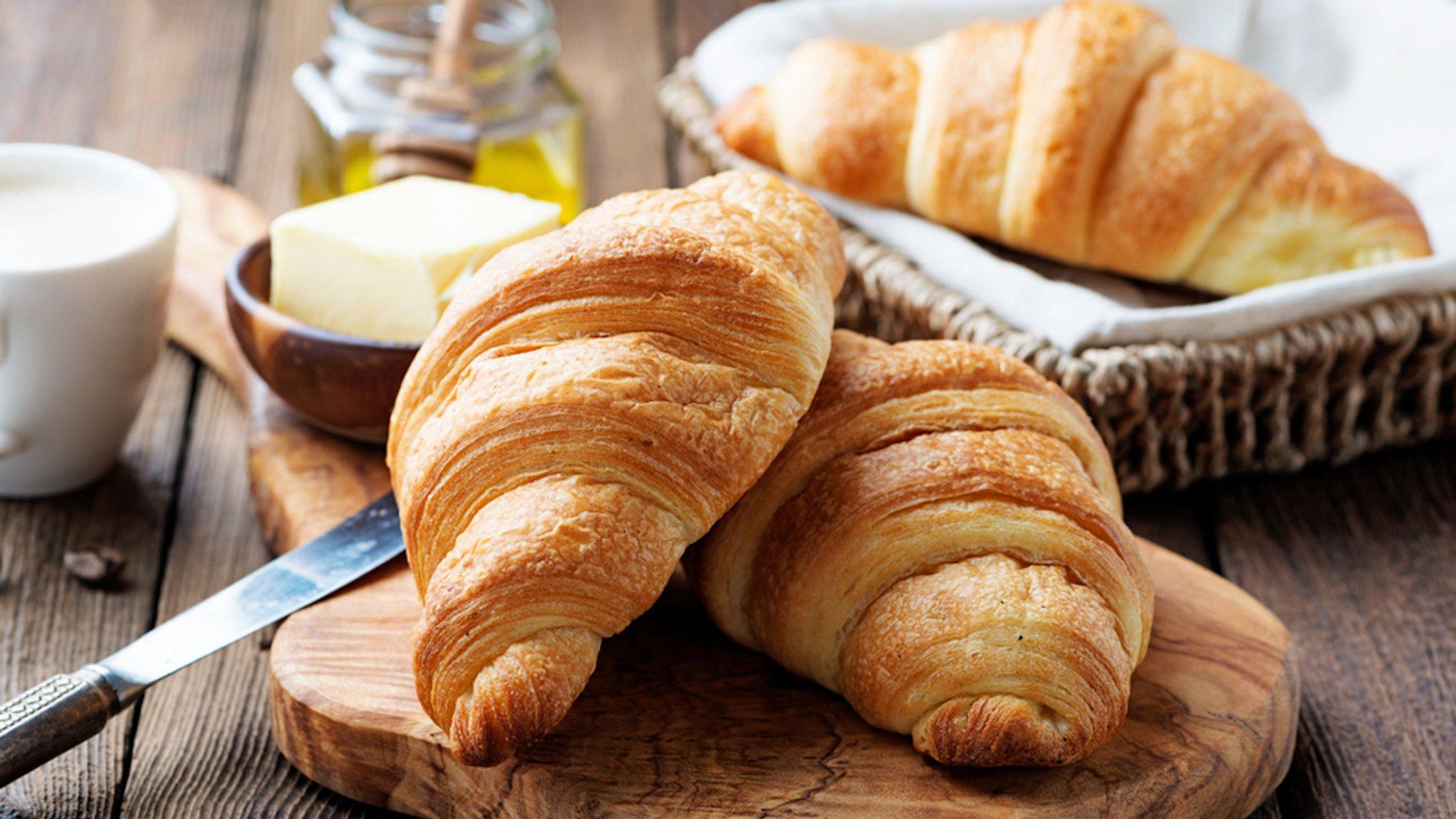
Croissant is the most popular breakfast food in romantic France.
Croissants are a type of breakfast pastry made from puff pastry, using flour, yeast, butter, milk, and salt. A proper croissant should be light, crispy, and easily torn into thin layers. The inside should not be dense, but rather quite airy and light.
Today, with evolving tastes and preferences, French croissants can be filled with chocolate, jam, raisins, or creamy buttercream like a cream puff… In some regions, they even make fruit or savory fillings for croissants.
Croissant embodies the sophistication and meticulousness of French cuisine. Anyone who has fallen in love with the croissant or has tried a truly authentic one will find it incredibly addictive.
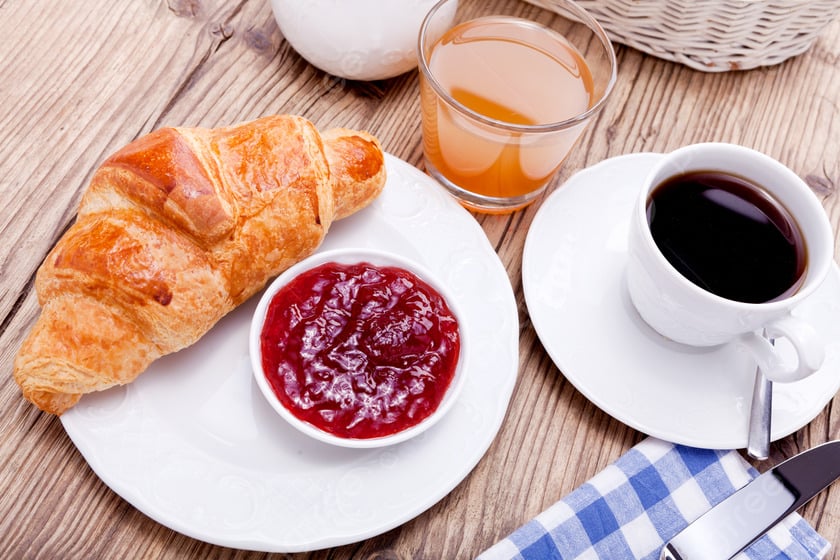
Croissant pastry embodies the sophistication and meticulousness of French cuisine.
Croque Monsieur
Besides elaborate and meticulously prepared dishes, French cuisine also boasts many simple dishes that nonetheless embody the essence of one of the world's finest culinary traditions. Croque Monsieur is one such exceptional dish.
Croque Monsieur is considered a French-style sandwich, a popular dish in France for those who want a quick and simple breakfast. The ingredients are incredibly simple: two slices of toasted bread, an egg, ham, cheese, and a buttery sauce. Despite its simplicity, Croque Monsieur captivates diners with the rich, creamy flavor of the cheese.
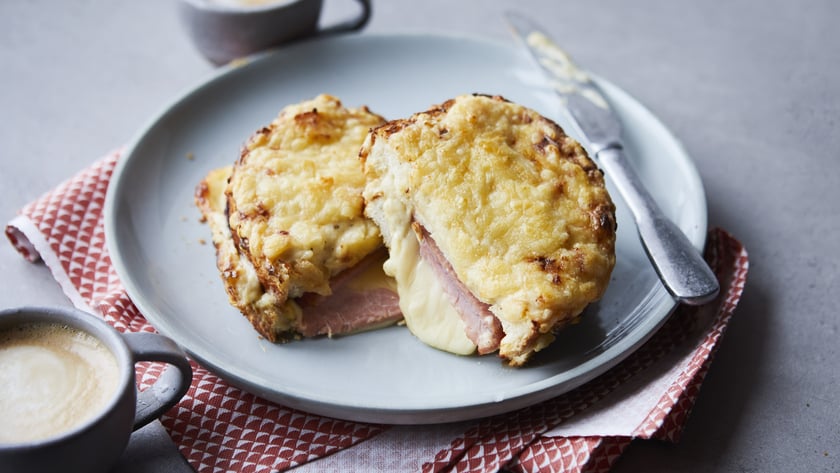
Croque Monsieur is considered a French-style sandwich, a popular dish in France for those who want a quick and simple breakfast.
Originating in France in the early 20th century, it's no surprise that this sandwich is one of the irresistible dishes when it comes to French cuisine.
A French breakfast is not just a meal, but a part of life and culture. When you visit France, don't miss the chance to try it and enjoy a flavorful and charming morning in the French way.
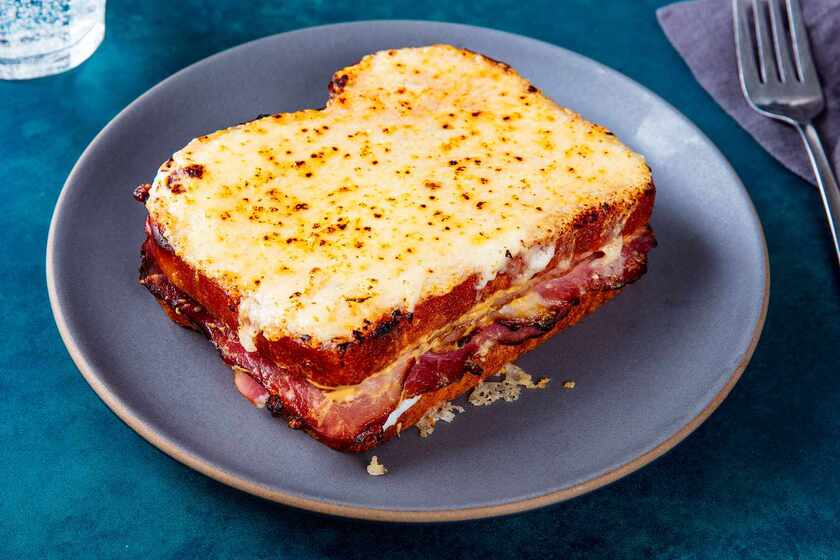
Croque Monsieur captivates diners with the rich, creamy taste of its cheese.
Here are some suggested cafes in Paris suitable for enjoying breakfast:
1. La Caféothèque Paris
Address: 52 Rue de l'Hôtel de ville, 75004 Paris, France
2. Le Petit Cler
Address: 29 Rue Cler, 75007 Paris, France
3. Le Square Trousseau
Address: 1 Rue Antoine Vollon, 75012 Paris, France
4. Les Antiquaires
Address: 13 Rue du Bac, 75007 Paris, France
5. Du Pain et des Idées
Address: 34 Rue Yves Touric, 75010 Paris, France
6. Café des 2 Moulins
Address: 15 Rue Lepic, 75018 Paris, France