VI
VI


White Palace (Vung Tau)
Vung Tau is a very popular destination in Vietnam, frequently visited by both domestic and international tourists. Besides its beautiful beaches, delicious seafood, and many impressive photo spots, this coastal city also boasts a former residence of Emperor Bao Dai: Bach Dinh, located at 4 Tran Phu Street.
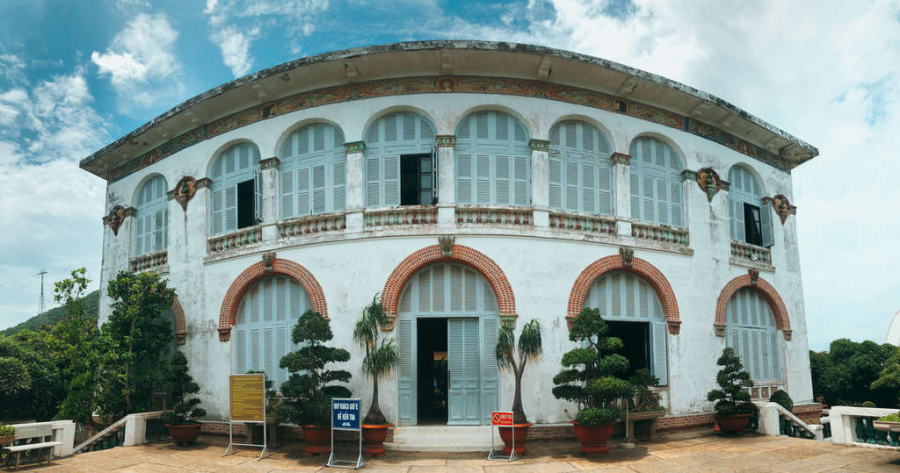
With its "mountain-backed, sea-facing" location, Bach Dinh not only boasts a romantic sea view but also holds great significance in terms of feng shui. In French, this villa complex is called Villa Blanche - White Villa.
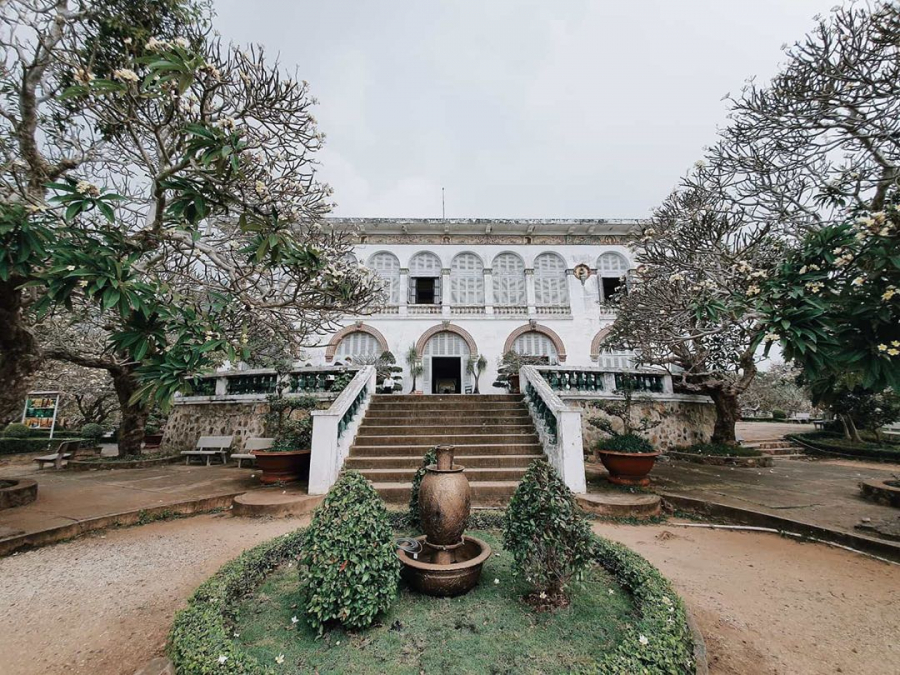
Most of the walls are whitewashed, giving them a modern and fresh look. The combination of arched doorways, tiled roofs, and wooden windows creates a luxurious and elegant appearance, exuding the classical artistry of the 19th and 20th centuries.
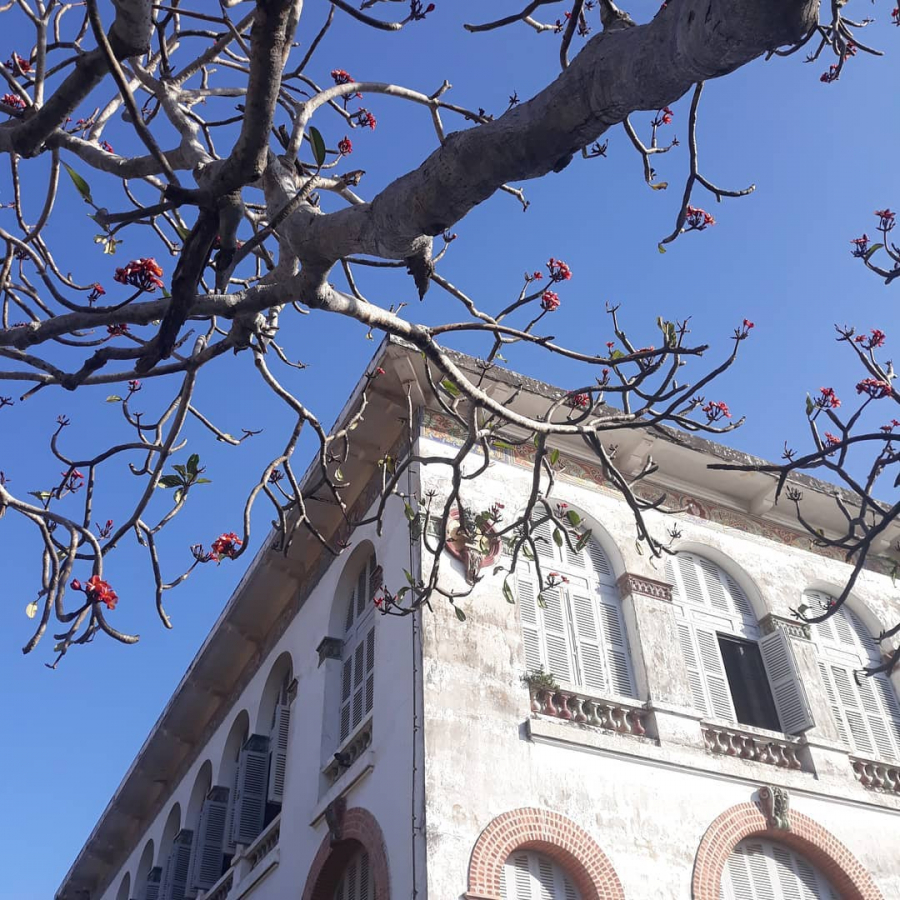
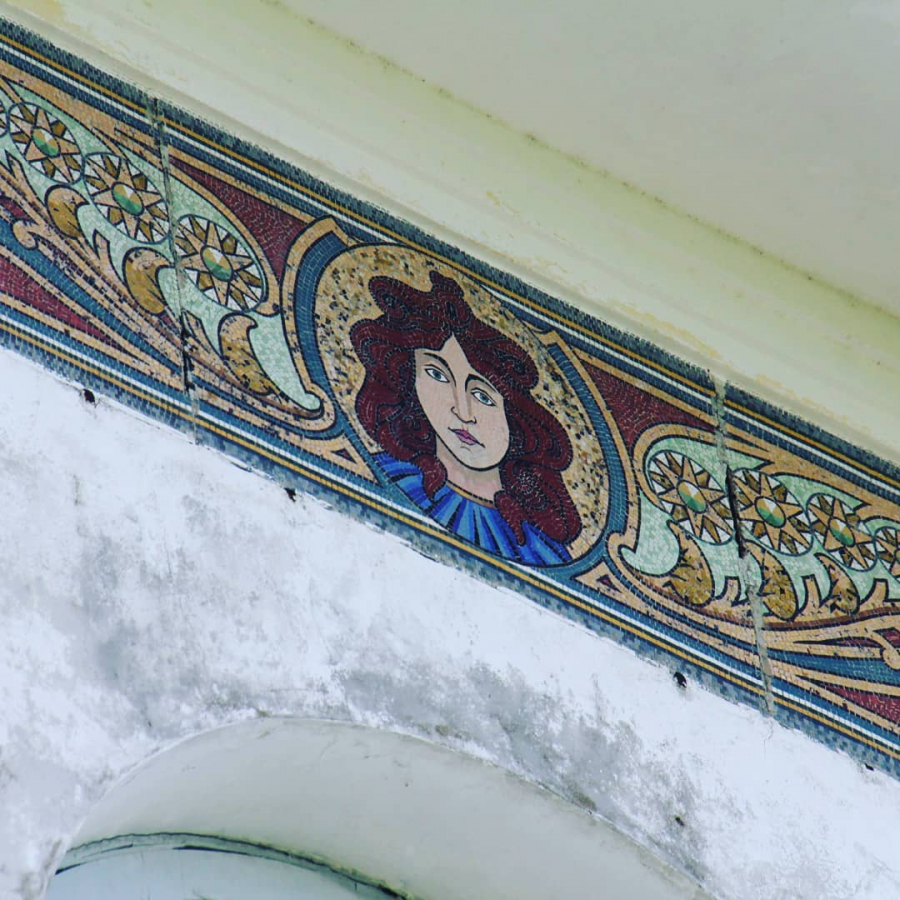
The White Palace was built between 1898 and 1902. It once served as a summer retreat for the Governor-General of Indochina and successive Vietnamese presidents. During his lifetime, Emperor Bảo Đại frequently vacationed at this villa, enjoying the beautiful scenery of Vũng Tàu coastal city.
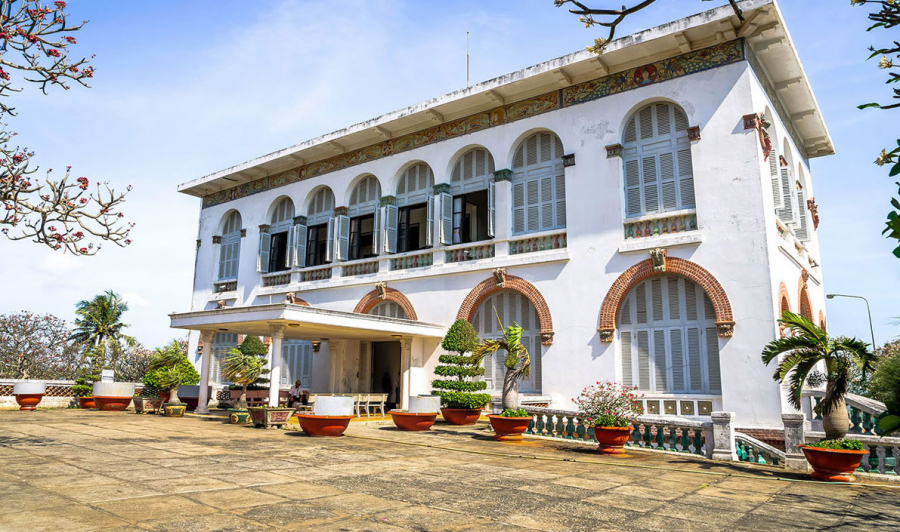
Through the years, Bach Dinh has remained peacefully situated at the foot of the large mountain, its windows facing directly onto the beautiful, curving coastline. Here, visitors are transported to a lush green space with pathways and steps covered in tall, verdant trees. Each step feels like entering a fairytale garden.
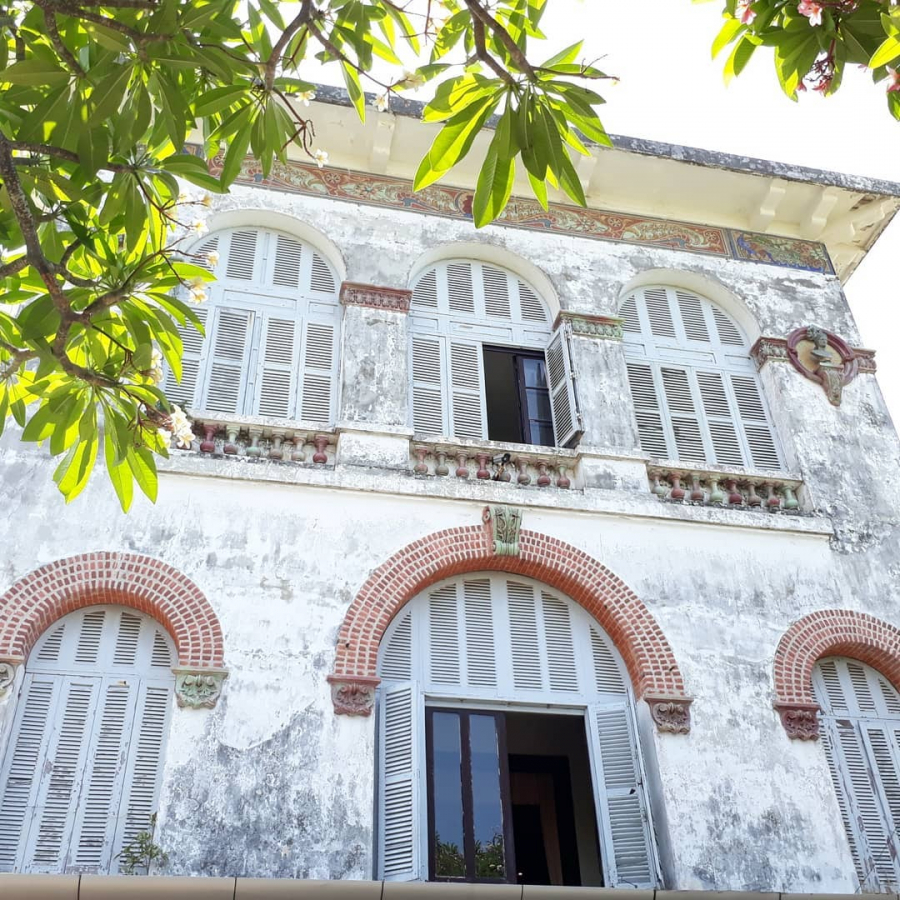
Featuring distinctive French architectural style, this villa boasts antique windows, narrow staircases, and breezy corridors. The offices, bedrooms, and exhibition rooms inside Bach Dinh also offer visitors the opportunity to explore and learn about Vietnamese history from a bygone era.
Palaces I - II - III (Da Lat)
While the White Palace in Vung Tau was built with a view of Mount Large, the residences of Emperor Bao Dai in Da Lat are situated in prime locations in the city center. Both Palace I, Palace II, and Palace III of the last emperor of the Nguyen dynasty are located on high pine-covered hills, offering a cool, peaceful, and romantic atmosphere. Each place possesses its own unique beauty, exuding a characteristic romantic charm of the misty city.
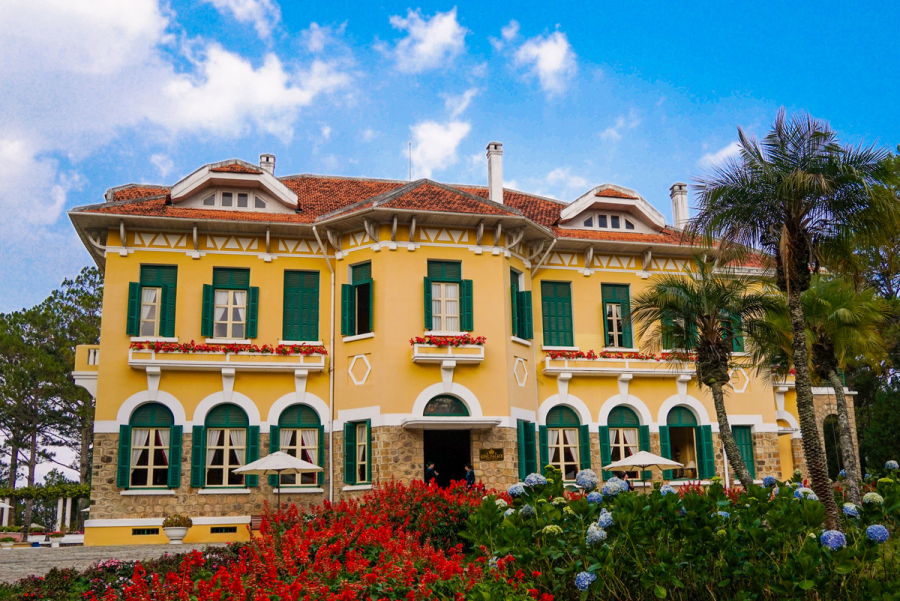
Palace I
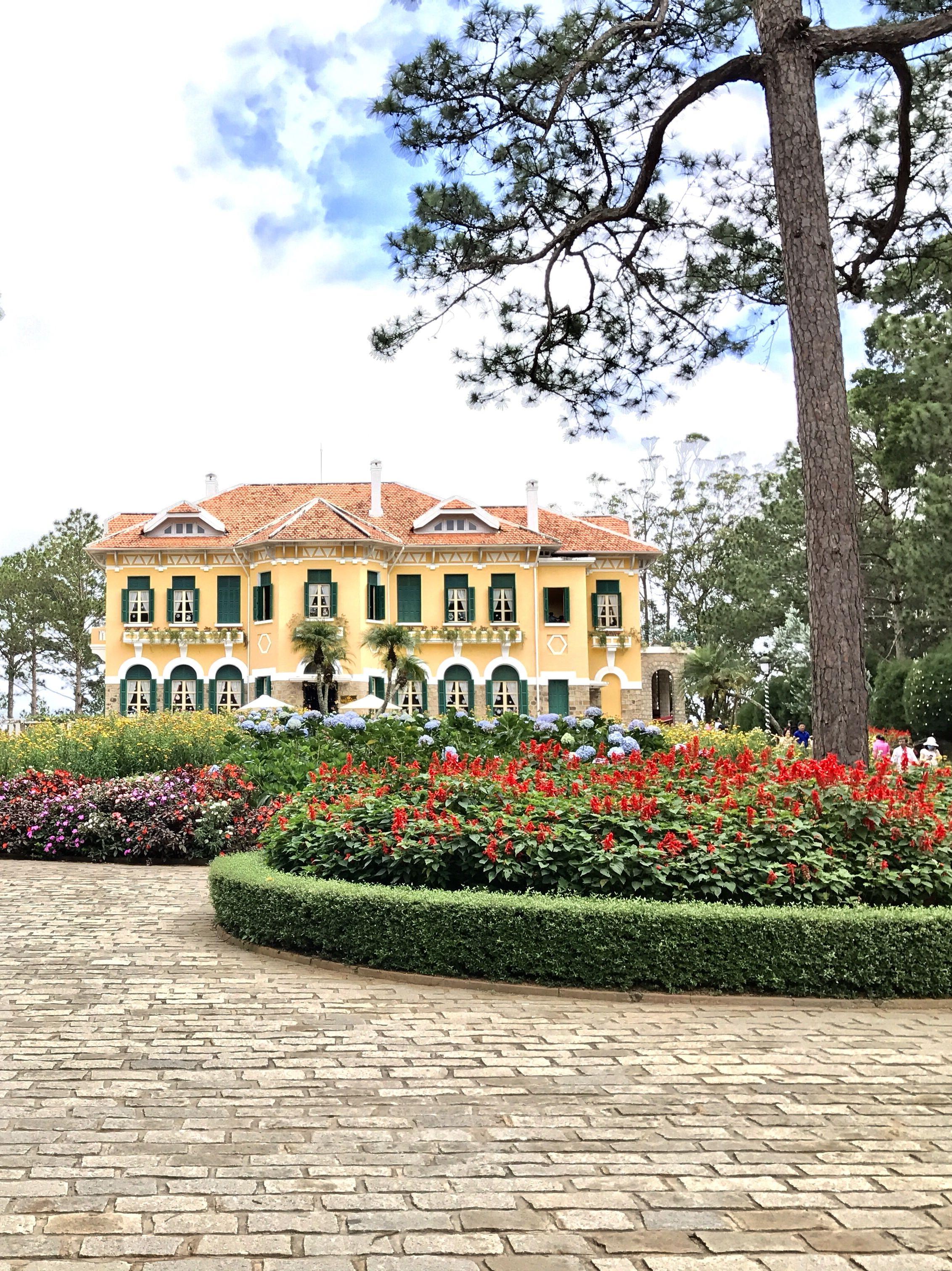
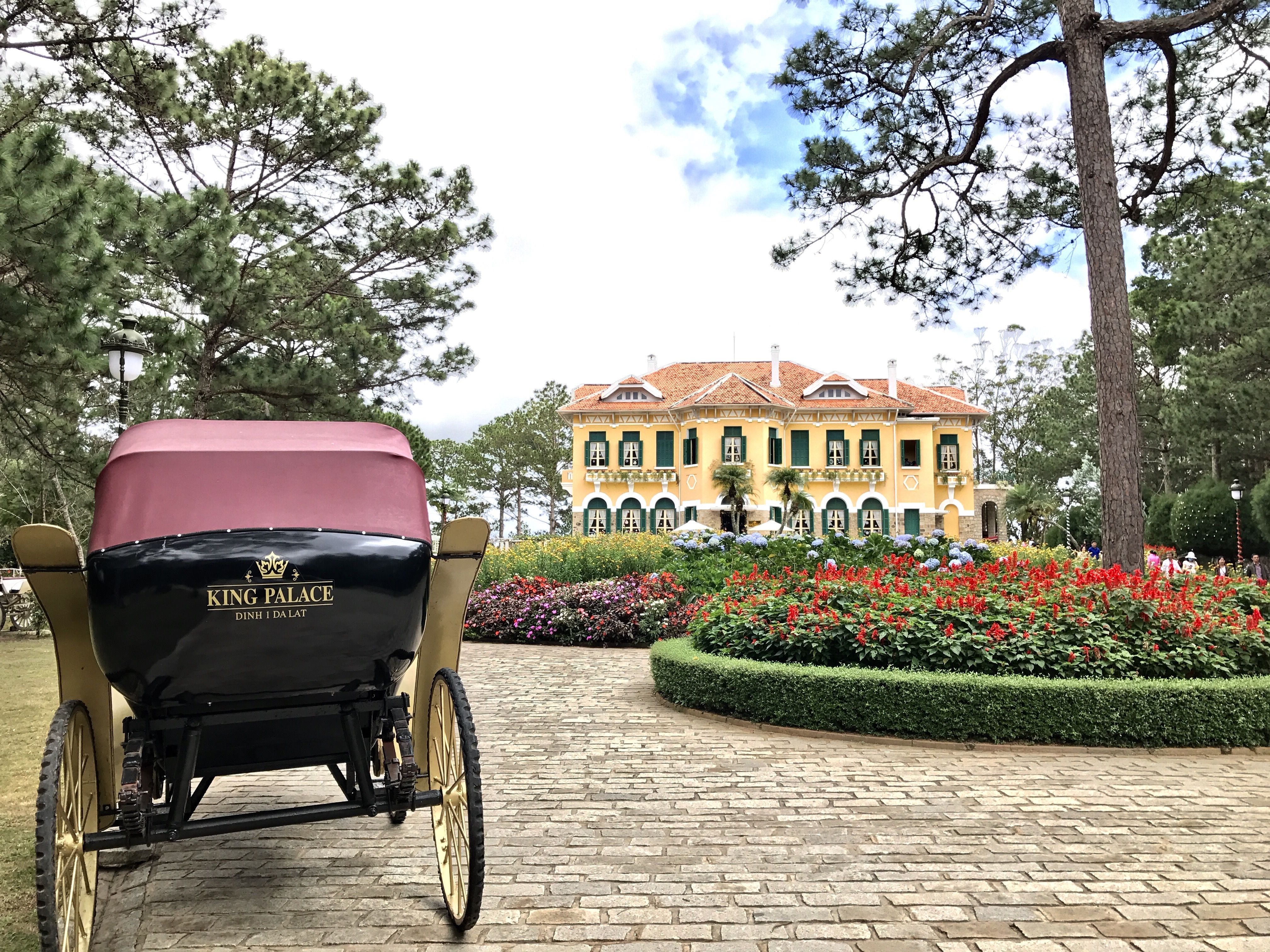
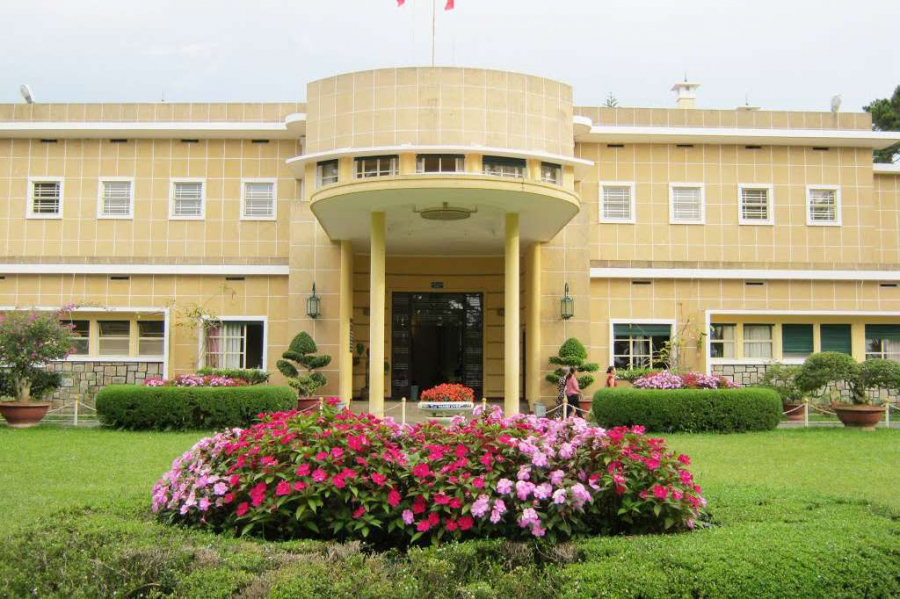
Dinh I is located at 1 Tran Quang Dieu Street, situated on a high hill surrounded by vast pine forests. Built during the French colonial period, this structure boasts classic European architecture, harmoniously blending with the fresh, tranquil atmosphere of the misty city. Dinh I also preserves memories of the lives of former Emperor Bao Dai and Empress Nam Phuong.

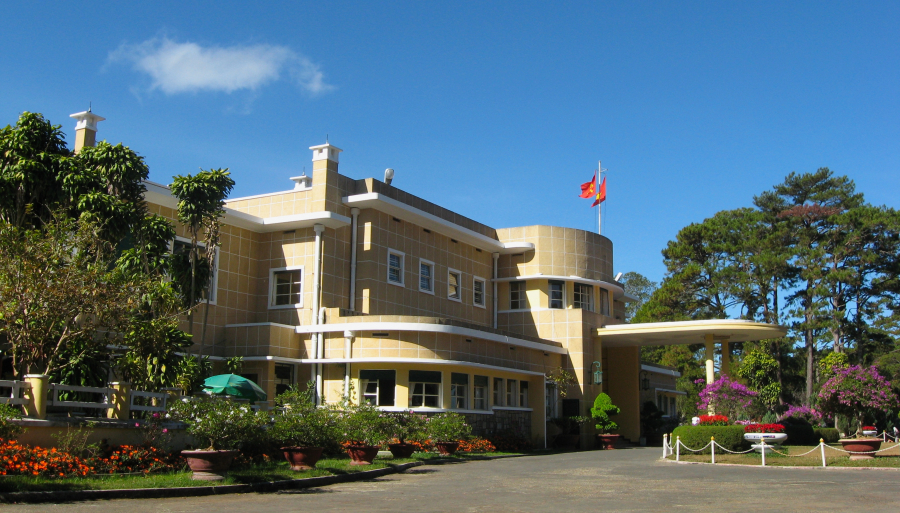
Palace II
The former Bảo Đại Palace II is located at 12 Trần Hưng Đạo Street, very close to the city center and along the street with the most cherry blossoms in the misty city. This palace was once the headquarters of the French administration – where many important meetings took place. Currently, Palace II is not open to the public but is only used for conferences and VIP receptions.
Palace III
Finally, the third residence of former Emperor Bảo Đại is located at 1 Triệu Việt Vương Street, Ward 4, Da Lat City. This villa is still designed in a modern European style, similar to the first and second residences. Surrounding the villa are lush green gardens, creating a fresh, peaceful atmosphere.
Cau Da Villa (Nha Trang)
Besides Vung Tau and Da Lat, the coastal city of Nha Trang also boasts a beautiful mansion named after King Bao Dai. This villa is located on Canh Long Mountain, Vinh Nguyen Ward, Nha Trang City. It is known as Cau Da Villa – a name referring collectively to a complex of five stunning villas.
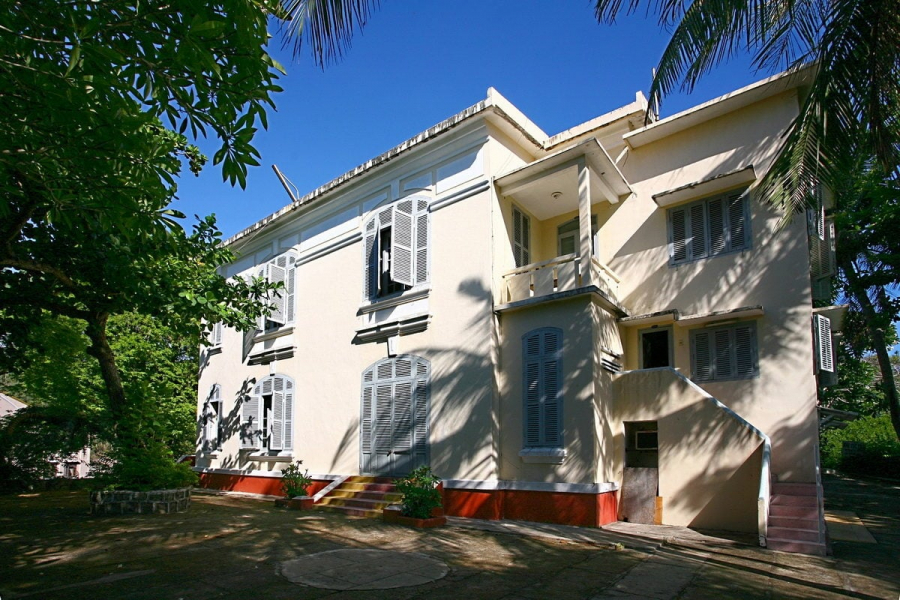
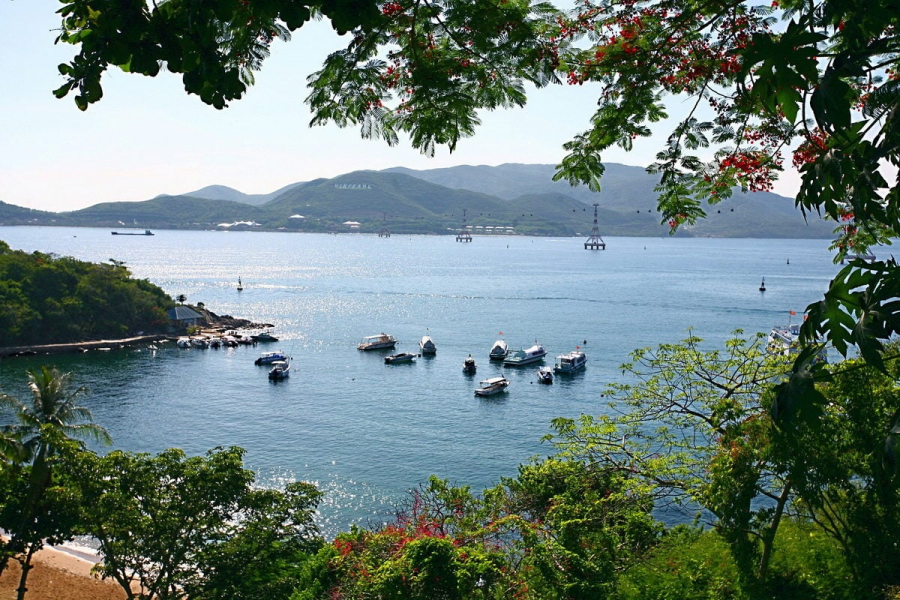
Thanks to its advantageous location on a hill 50 meters high, visitors can enjoy panoramic views of the clear, blue Nha Trang sea from this mansion. It is known that this villa served as a retreat for the entire Bao Dai family from 1940 to 1945. Today, it has become one of the most beautiful mansions in Vietnam, attracting many tourists.
As it was built during the French colonial period, the villa complex clearly shows the influence of European architecture. Here, visitors can admire the arched windows, view the meticulously displayed artifacts, and learn about the historical exhibition hall about former Emperor Bao Dai and his family.
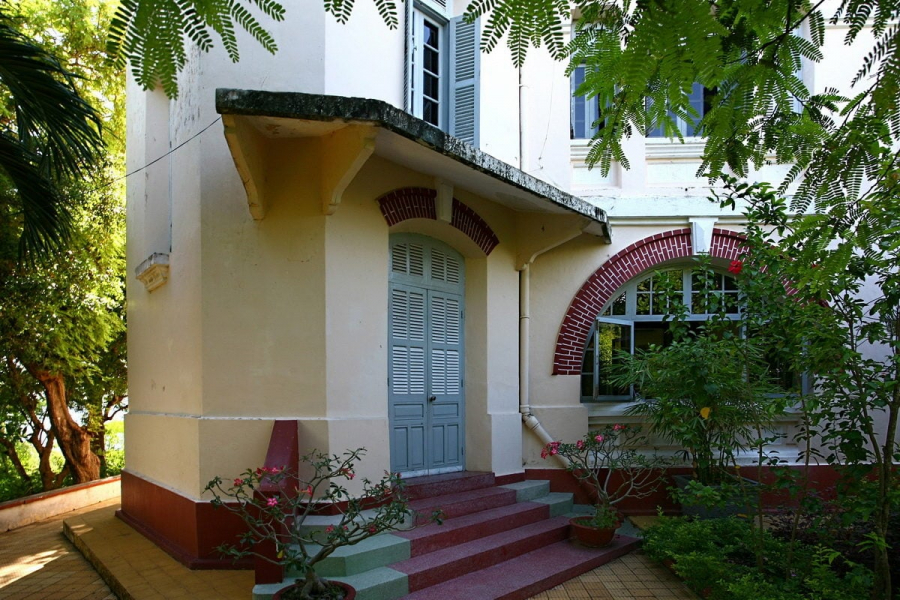
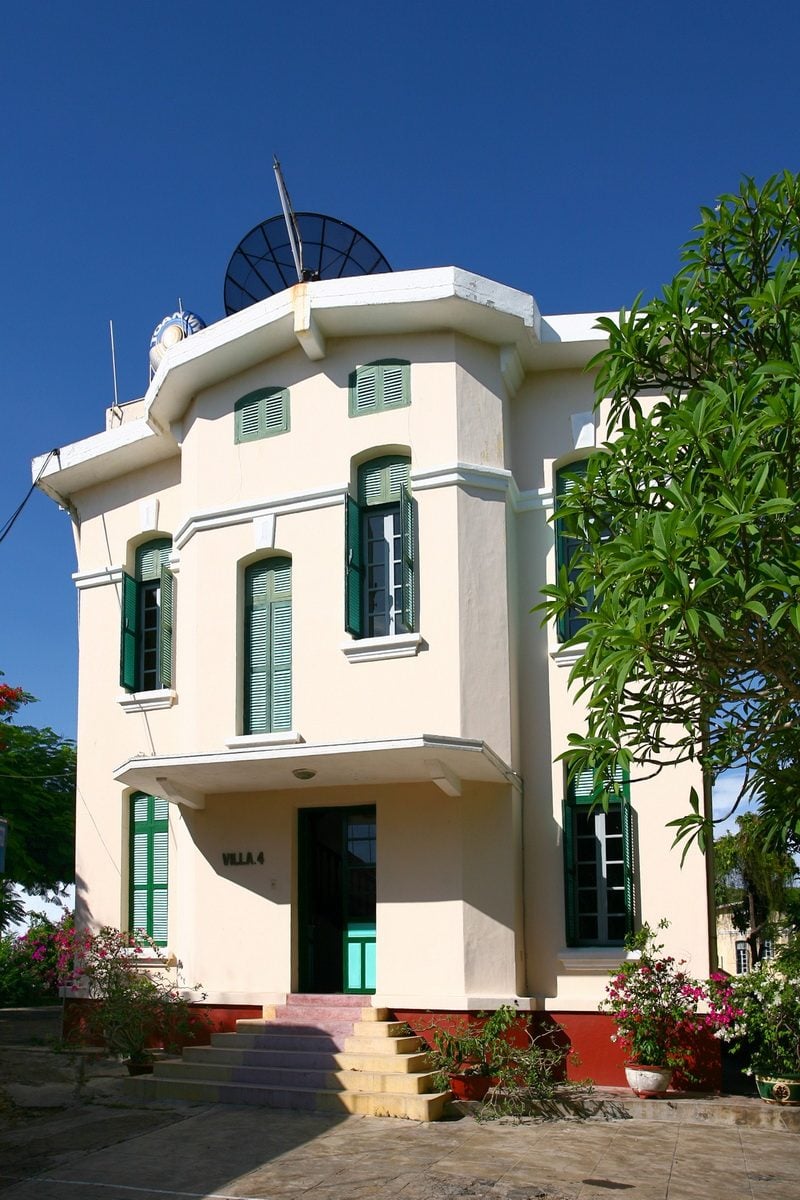
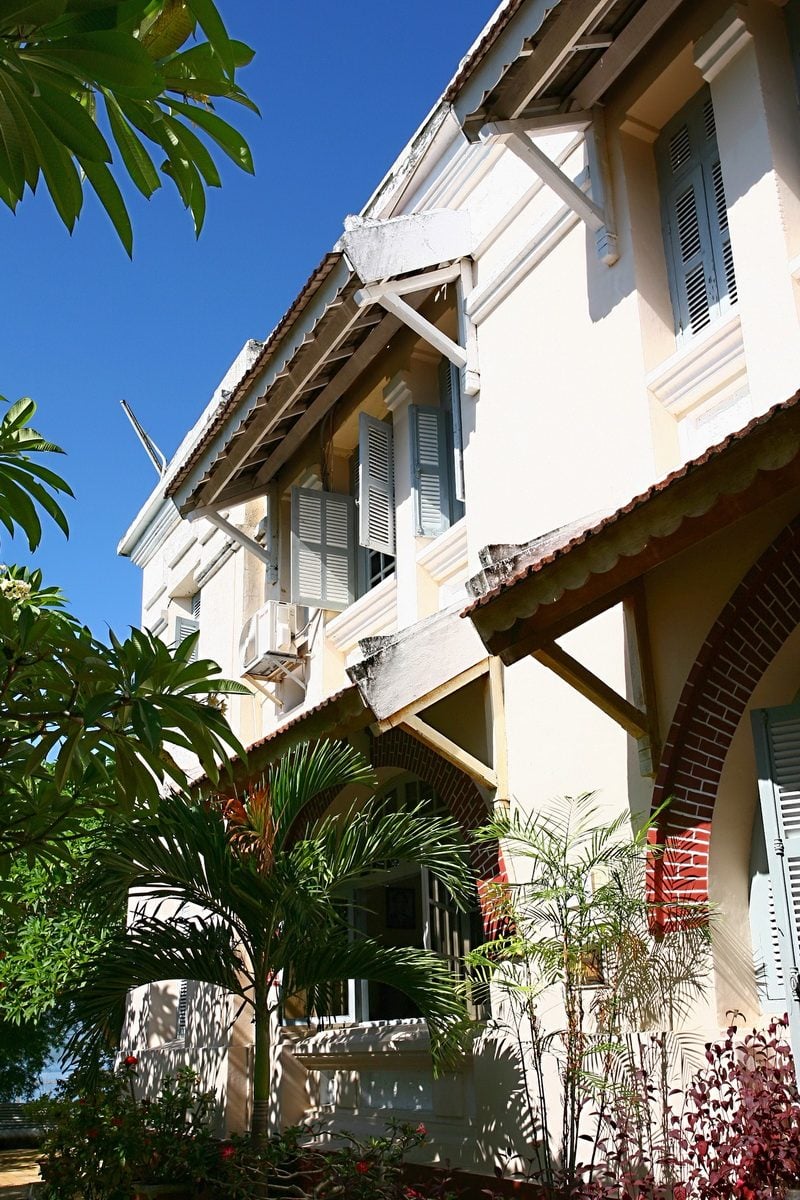
The entire villa complex comprises five different buildings. Each building is named Les Agaves (Cactus), Les Frangipaniers (Plumeria), Les Flamboyants (Flamboyant), and Les Badamniers (Banyan Tree). Today, all the trees representing each building's name are planted and well-cared for within the grounds, creating a peaceful and beautiful landscape.
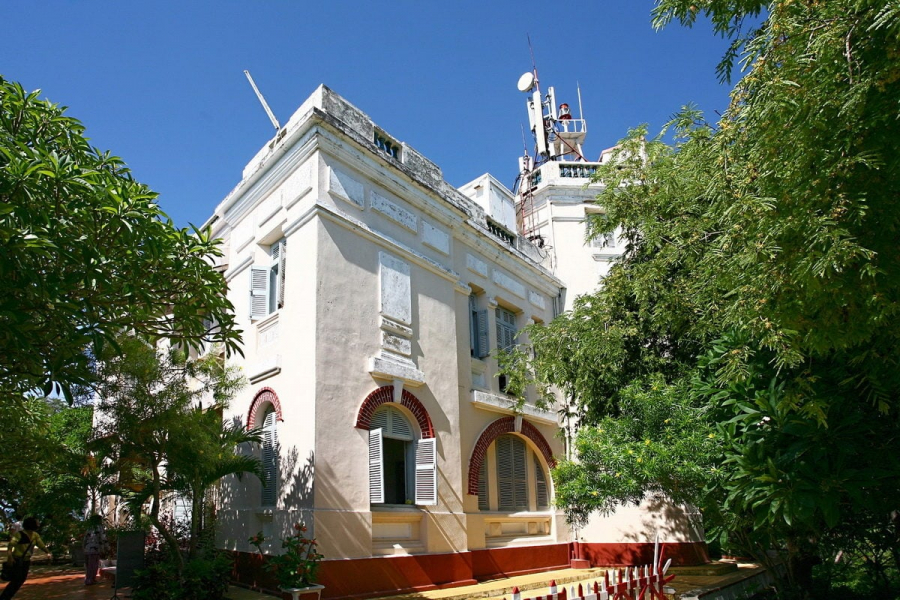
Similar to the White Palace on the Vung Tau coast, the Cau Da villa sits atop a hill with a direct view of Nha Trang beach. From the Cactus building, a stone staircase leads down to Hoang Hau Beach. This small beach is considered one of the most beautiful in Nha Trang, thanks to its clear blue water and clean, white sand.
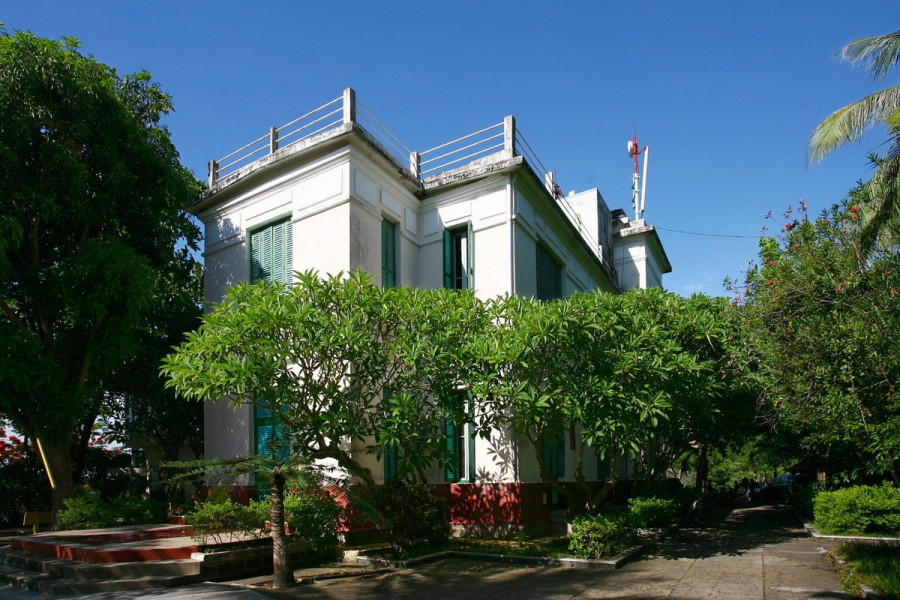
Cau Da Villa is not only a beautiful architectural structure but also preserves royal artifacts, helping visitors understand more about the life, career, and ups and downs of the last king in Vietnamese history.
Bao Dai's Palace (Dak Lak)
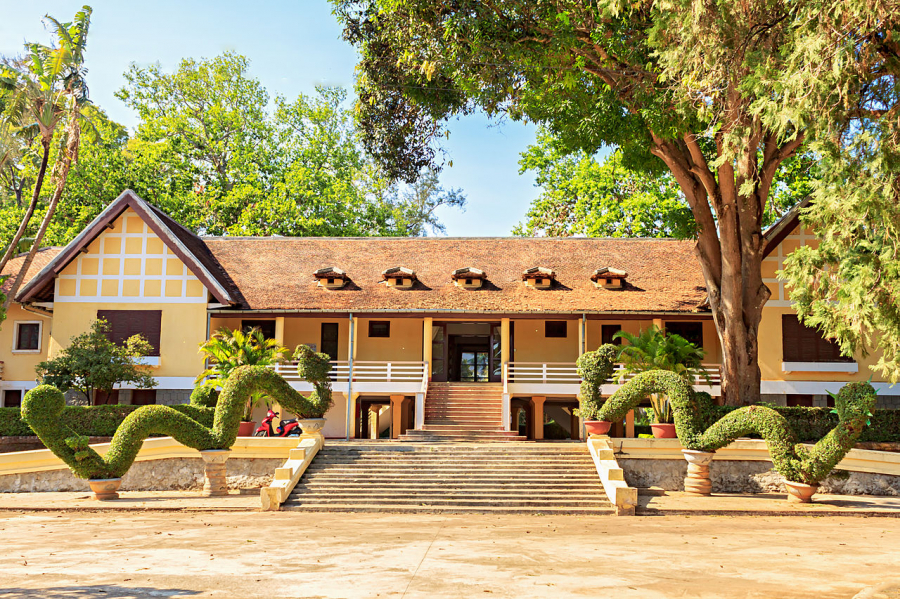
The Bao Dai Palace is a complex of villas in Buon Ma Thuot, a must-see for almost every tourist visiting the capital of the Central Highlands. Initially built on wood and bamboo, the palace on Nguyen Du Street was later rebuilt with sturdy stone and cement, featuring a tiled roof, wooden floors, and a solid concrete basement. Completed in 1927, the house is nearly 90 years old. The palace was formerly the residence of the French envoy, then transferred to the former Emperor Bao Dai when he returned to cooperate with the French in 1949. Since 1977, the palace has been used as a guesthouse and is now part of the Museum of Vietnamese Ethnic Cultures in Dak Lak.
Besides his villa in the city center, the former emperor also owned a luxurious three-story villa located on a hill near Lake Lak, in Lak town. Bao Dai was very fond of hunting, especially elephant hunting in the Central Highlands, so he often rested here.
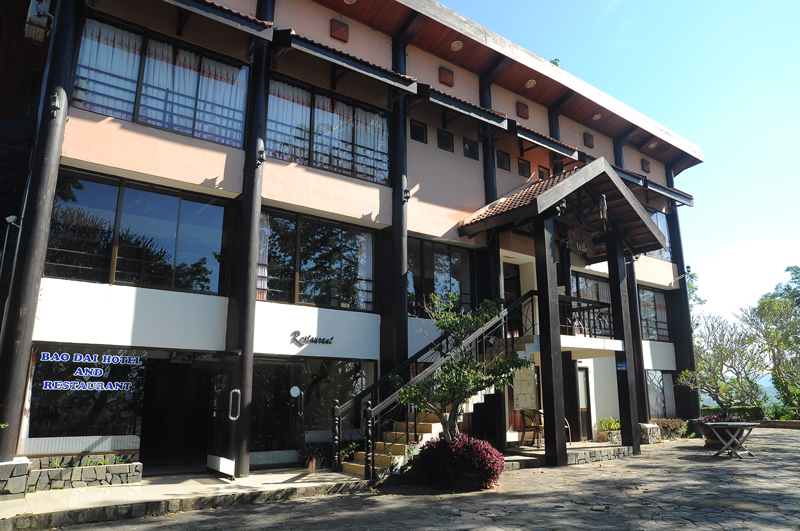
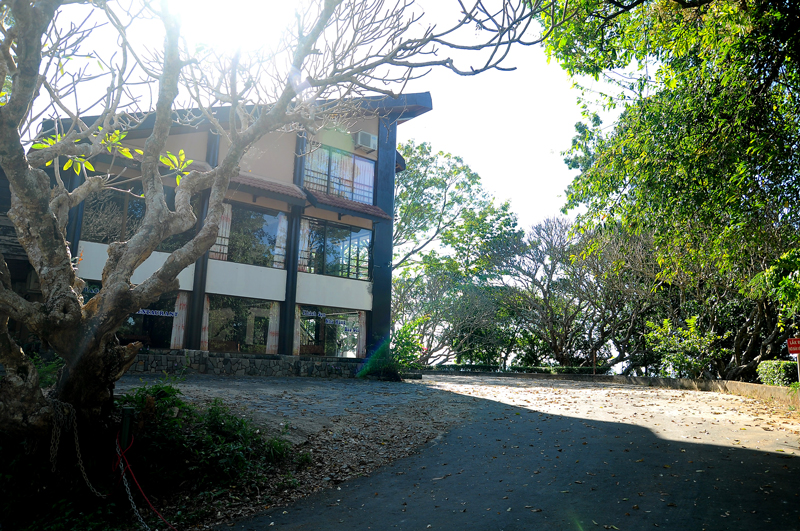
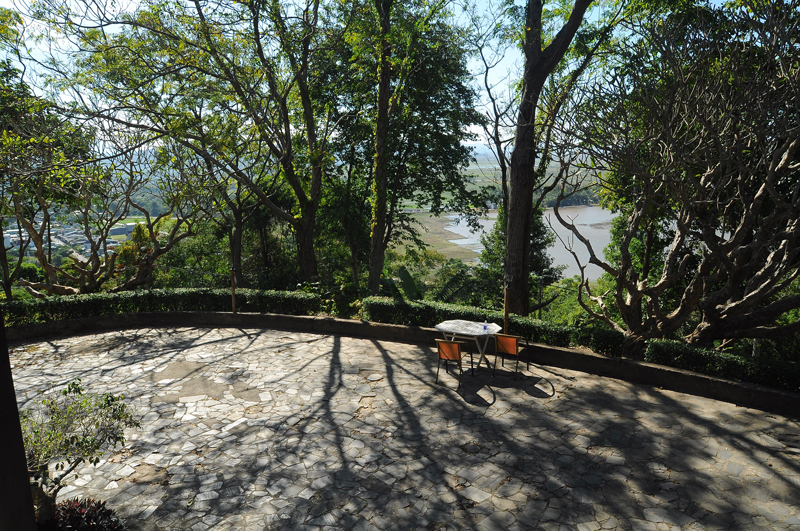
Queen Nam Phuong personally funded this lavish project. The villa sits atop a hill covered in lush greenery, overlooking the picturesque Lake Lak, with rows of blooming magnolia trees lining the path leading up to it, creating a romantic atmosphere. Located more than 50 km from the center of Buon Ma Thuot, along National Highway 27, the villa, once neglected for a time, is now a complex of luxurious restaurants and hotels catering to tourists.
Bao Dai's Villa (Do Son)
In Do Son, Hai Phong, there is also a mansion belonging to former Emperor Bao Dai. While perhaps not as famous as Bach Dinh or the mansions in Da Lat, it remains a popular tourist destination in the city of red flamboyant flowers.
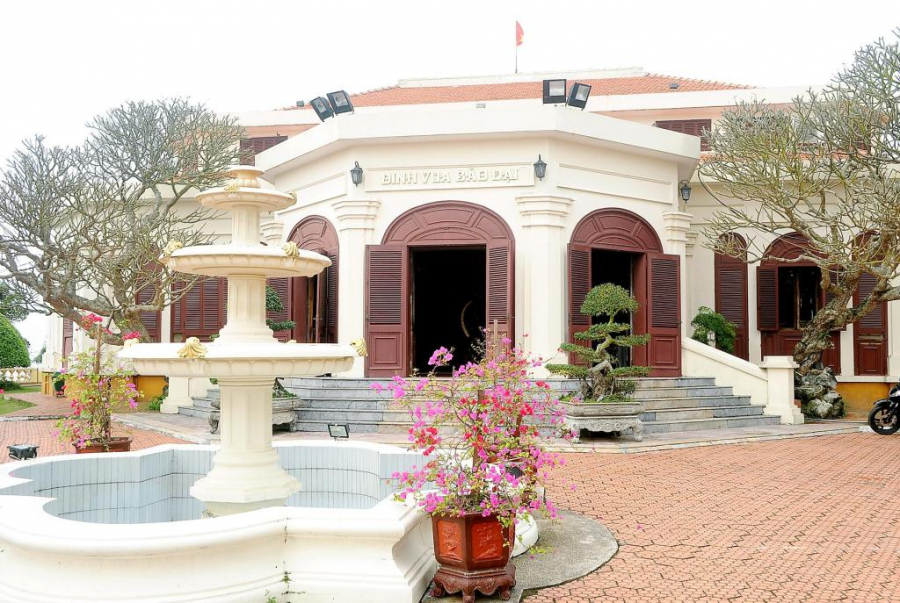
Like other residences of the former emperor, this estate boasts a prime location on Vung Hill, Zone 2, Do Son. Situated 40 meters above sea level and covering an area of 3700 square meters.2This place boasts a romantic atmosphere and peaceful natural scenery. It's also where the former royal family once vacationed.
As a building constructed during the French colonial era, the mansion's architectural beauty shares similarities with other mansions in Southern Vietnam. The gleaming brown wooden windows, pale yellow walls, and bright red tiled roof create a classic and dignified appearance for the building.
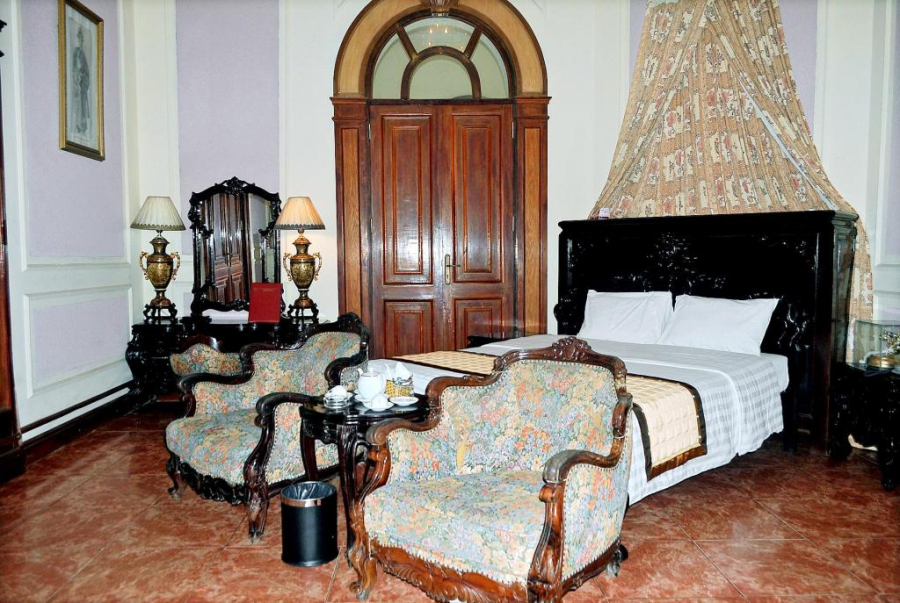
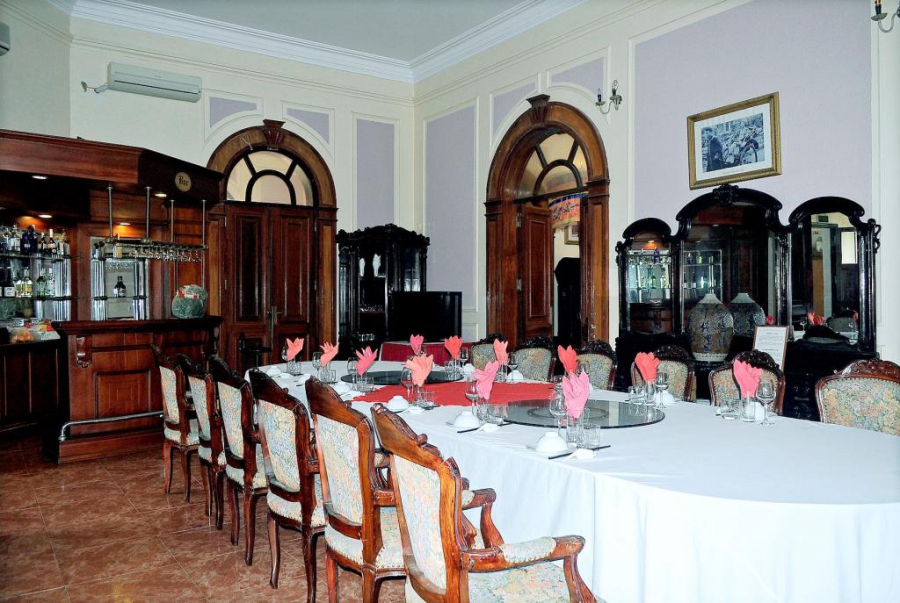
Today, this mansion has become a well-known tourist destination in Vietnam, attracting many visitors every weekend and holiday. Visiting this mansion, tourists can admire the luxurious and opulent interiors that the former emperor and his family once used. From the wooden beds and chairs to the wall paintings and tablecloths, all the items in the building are carefully preserved, exuding a classic beauty, just as they were in the past.