VI
VI


Haeinsa Temple
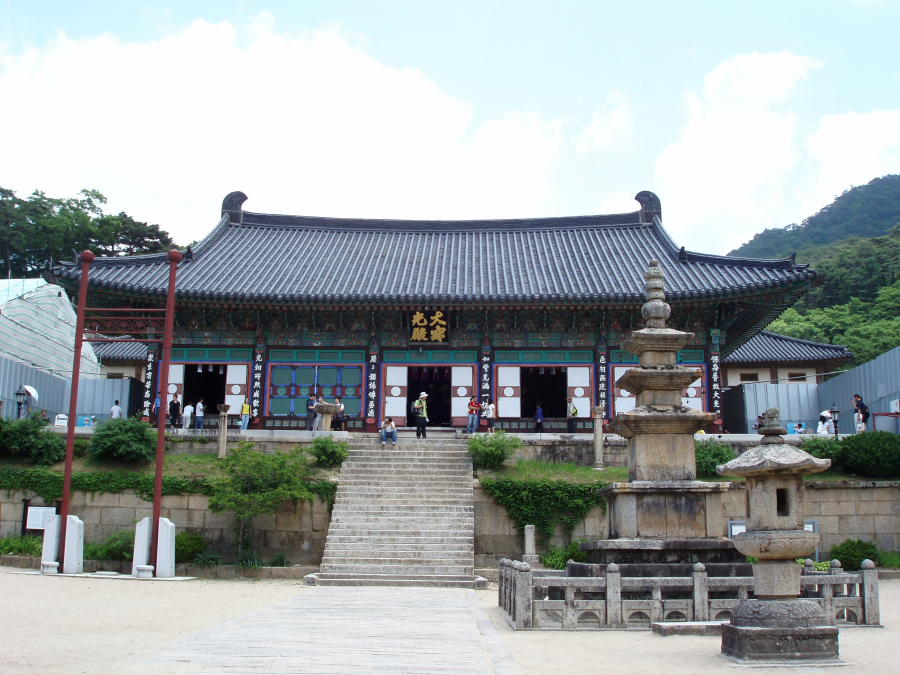
Haeinsa, also known as the Temple of the Serene Sea Reflection, is the most important Buddhist temple in South Korea. Originally built in 802 and rebuilt in the 19th century after being destroyed by fire in 1817, its most precious treasure, a copy of a Buddhist scripture written on 81,258 woodblock prints, remained intact. In 1995, this scripture was officially recognized as a UNESCO World Heritage Site.
Wat Arun
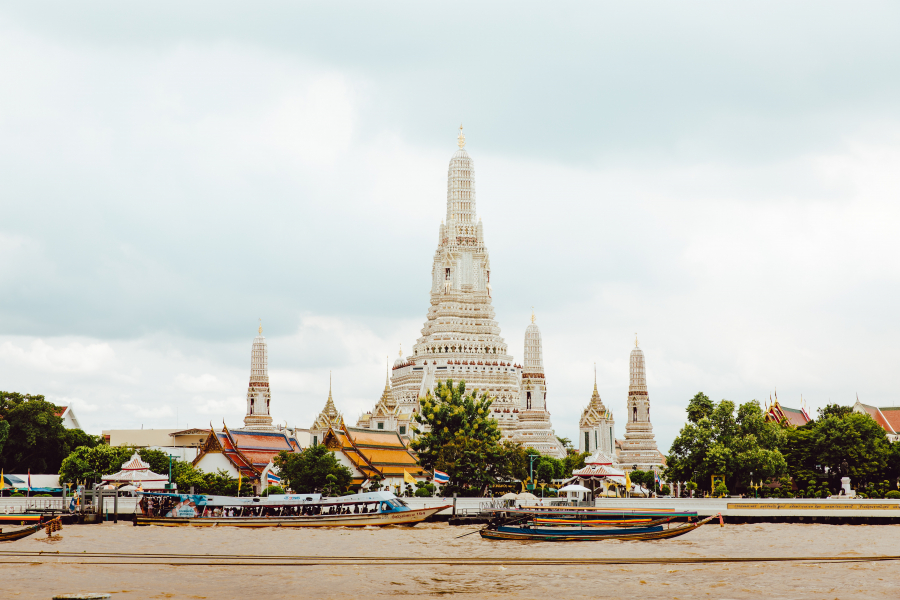
Wat Arun, also known as the Temple of Dawn, is located on the Thonburi bank of the Chao Phraya River. It is one of Bangkok's most famous and oldest landmarks in Thailand. The temple perfectly represents Mount Meru, the center of the universe in Buddhist doctrine. Wat Arun is most beautiful in the late afternoon, as the sun sets behind the temple.
Pha That Luang
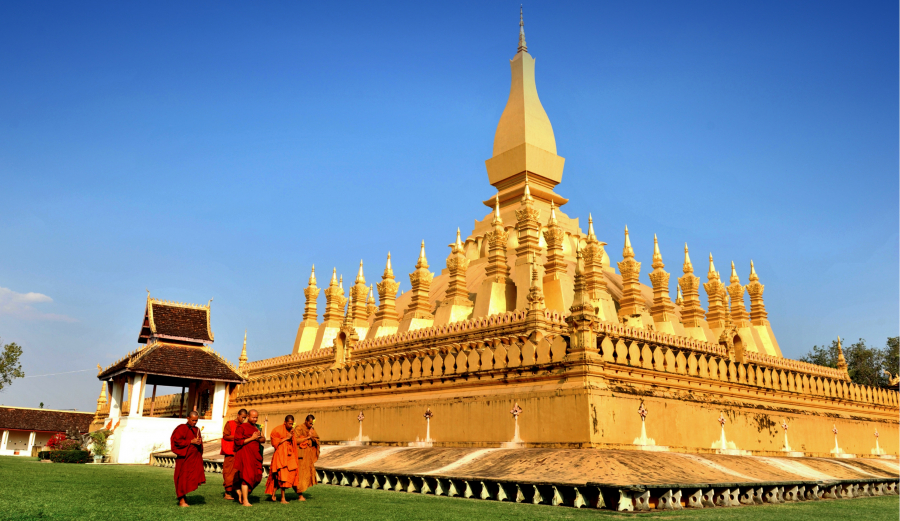
Located in Vientiane, Pha That Luang (Lao Great Stupa) is one of the most important monuments in the country of a million elephants. This stupa has many levels, with each level representing a Buddhist enlightenment. The lowest level represents the material world, and the highest level represents the illusory world. The temple was destroyed by the Siamese invasion in 1828 and subsequently rebuilt by the French in 1931.
Jokhang
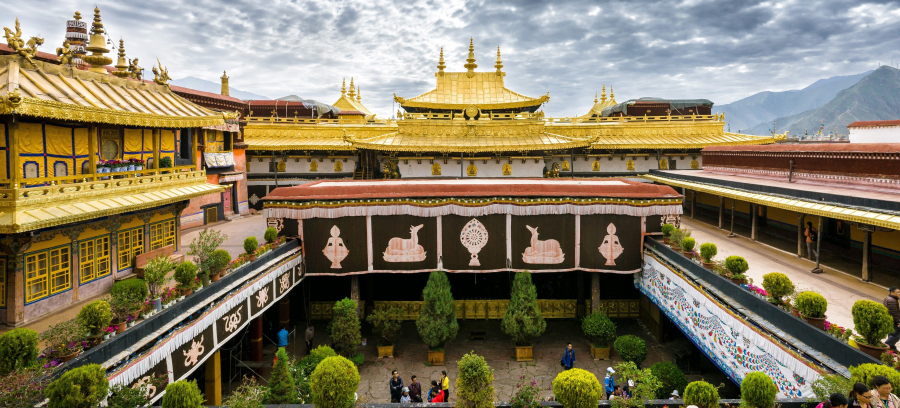
The Jokhang Temple in Lhasa is the holiest destination in Tibetan Buddhism, attracting thousands of pilgrims every year. The temple was built by King Songtsän Gampo in the 7th century during the height of his dynasty. Built in a blend of Indian, Nepalese, and Tang Dynasty Chinese architectural styles, it sits atop a vast 25,000-square-meter site. Jokhang was recognized as a UNESCO World Heritage Site in 2000.

Todai-van Temple
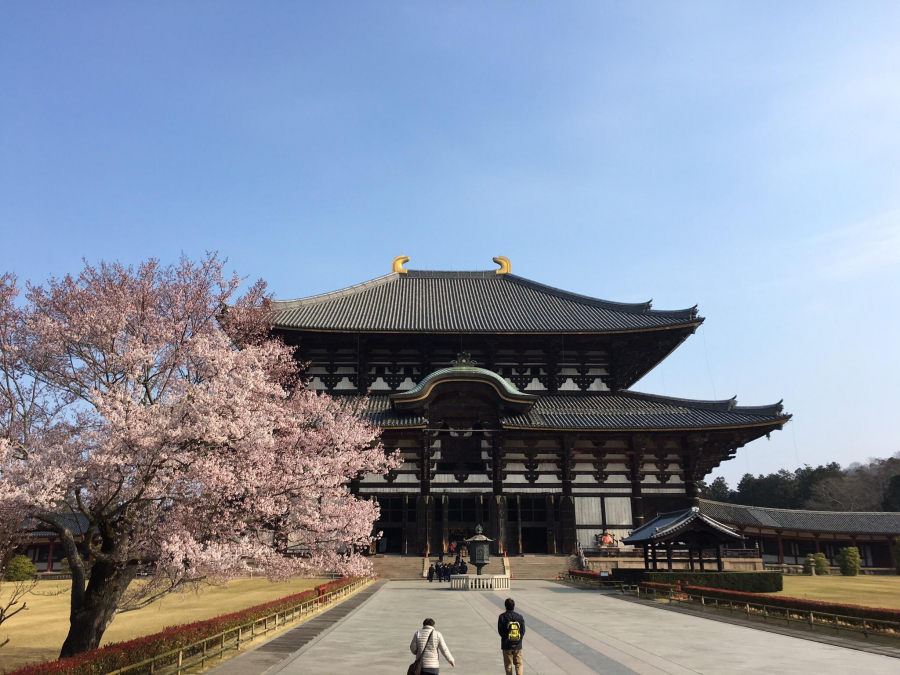
Todaiji, located in Nara, is one of the most significant and famous Buddhist temples in Japan. Built by Emperor Shomu in the 8th century, it served as the foremost of all Buddhist temples in Japan. Today, only a portion of the original architecture remains. The Daibutsuden, the main hall of the temple, largely constructed in 1709, houses Japan's largest Buddha statue and the world's largest wooden building, although only two-thirds of its original size remains. Todaiji Temple is recognized by UNESCO as a "Historical Monument Complex of the Nara Capital Period."
Boudhanath
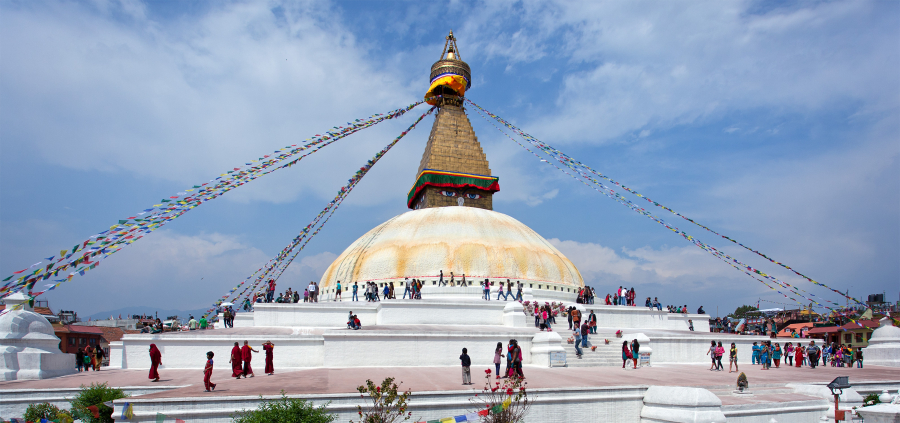
Located on the outskirts of Kathmandu, Nepal, Boudhanath is one of the largest stupas in the world. It is a center of Tibetan Buddhism in Nepal, and many Tibetan refugees have settled here over the past few decades. The stupa is most famous for the Buddha's eyes depicted on all four sides. The current stupa is believed to date from the 14th century, after the previous temple was destroyed by Mughal invaders.
Mahabodhi Temple
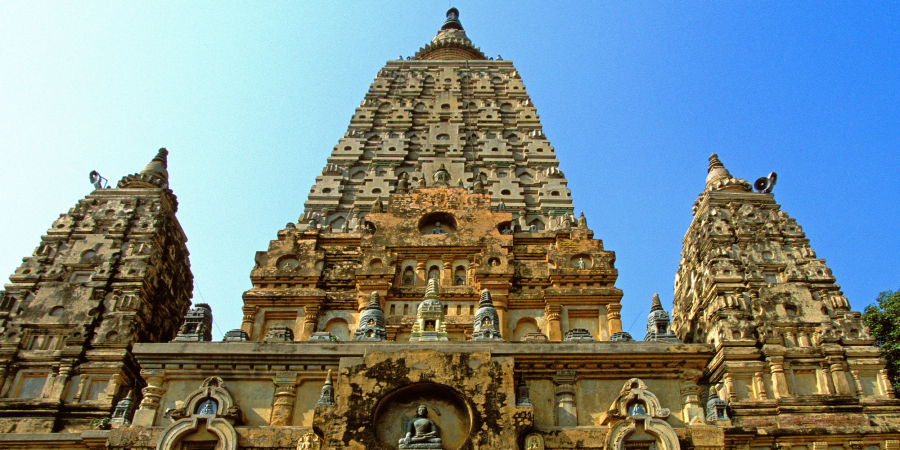
The Mahabodhi Temple is a Buddhist stupa in Bodh Gaya (India). The main complex contains a descendant of the original Bodhi tree under which Gautama Buddha attained enlightenment and is the holiest site in Buddhism. Approximately 250 years after the Buddha's enlightenment, Emperor Asoka built a temple on that site. The current temple dates from the 5th or 6th century.
Hewedagon Pagoda
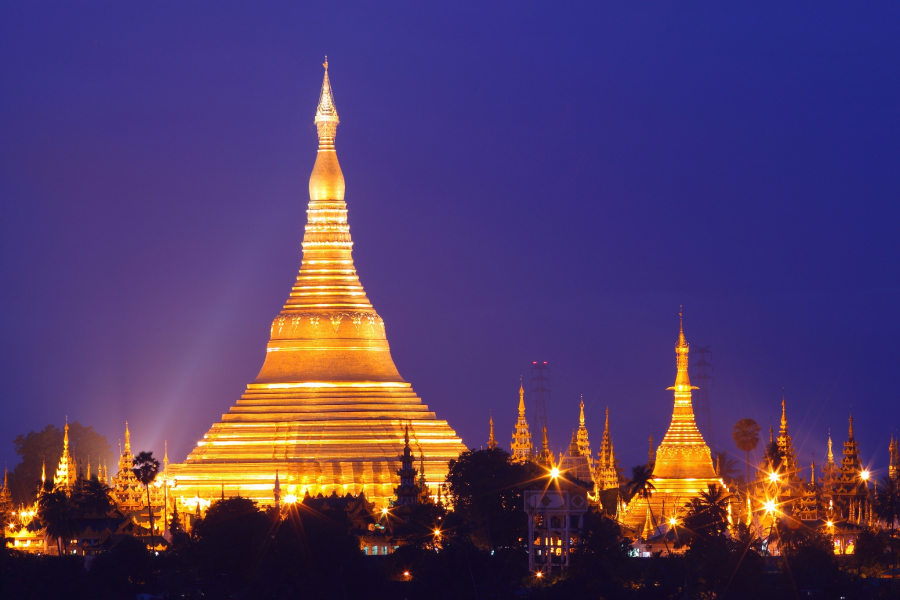
The Shwedagon Pagoda in Yangon is the most sacred Buddhist temple in Myanmar. The origins of Shwedagon are not precisely known, but it is estimated that the pagoda was first built during the Bagan period, sometime between the 6th and 10th centuries AD. The temple complex boasts 1,000 glittering, colorful spires, but the centerpiece is the 99-meter-tall main spire, completely covered in gold. Under the sunlight, the pagoda shimmers like a miniature sun.
Bagan Pagoda Complex
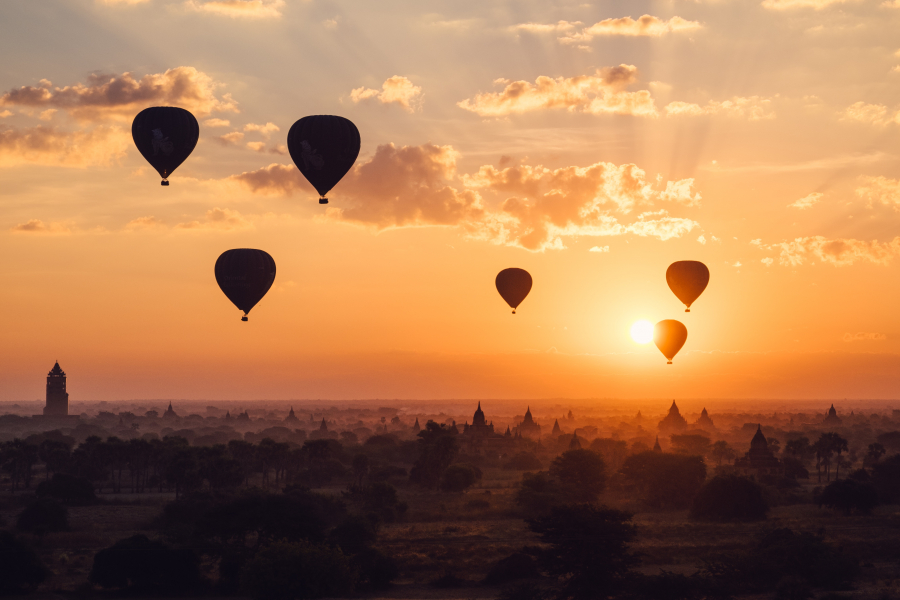
Bagan, situated on the banks of the Ayerwaddy River, is home to a collection of Buddhist temples, stupas, and ancient ruins. Once the capital of numerous ancient Burmese dynasties, Bagan saw extensive temple construction by its rulers. During the kingdom's peak (1000-1200 AD), the number of temples reached approximately 4,400. In 1287, the kingdom fell to the Mongol Kublai Khan. While no longer the political center of Burma, Bagan continued to flourish as a Buddhist center of Asia. It can be said that Bagan is a sacred source of pride for the people of Myanmar.
Borobudur
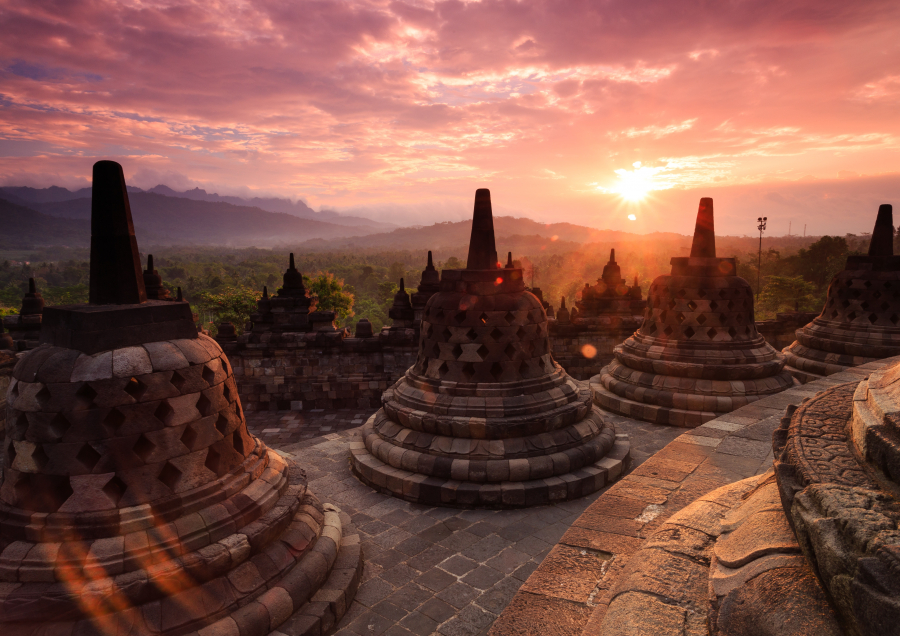
Located on the Indonesian island of Java, 40 km northwest of Yogyakarta, Borobudur is the largest and most famous Buddhist temple in the world. Built from 2 million stone blocks over a period of 75 years in the 8th and 9th centuries during the Sailendra kingdom, Borobudur was abandoned in the 14th century for mysterious reasons and for centuries lay hidden in the jungle under layers of volcanic ash. Borobudur was recognized as a UNESCO World Heritage Site in 1991.