VI
VI



Remember a cultural "incident" around November 2020, when the media was outraged by the behavior of "some unsightly Vietnamese people" at a contemporary art exhibition in Hanoi who, "unaware," encroached on the space of the exhibited works, even "destroying" some installations. The press and social media reacted fiercely. What started as gentle, civilized suggestions escalated into a fire-spreading, backfire. A whole group suffered severe cultural burns. Instead of successfully building a positive cultural habit, we hurt each other. And the ultimate goal—the cultural and exhibition organizers—became even more distant.
IGoogle"Viewers ruining artwork," surprisingly, before the "denigration" of the exhibition a year ago, the practice of "accidentally" or "unknowingly" damaging artworks was more common worldwide than we thought.
So, before returning to the exhibitions in Vietnam, let's take a look at some major museums in developed countries. Do they have anything interesting for us to learn from?
A small example: London
London, the capital of the land of fog, is a modern city yet boasts lush green parks that resemble small forests nestled in its heart, where countless species of birds, squirrels, and geese roam freely. We can leisurely stroll, jog, or bike, and conveniently enjoy breakfast or afternoon tea with these adorable animals.
London boasts countless museums and contemporary art galleries, most of which are free. Similar to the state of London's bars and clubs, these art centers are bustling with visitors every day of the week. As an Asian person, typically obsessed with the "virtual" world of social media, I dislike crowds that might hinder my photography, so I deliberately chose a Sunday for my visit. Adopting the Japanese habit of punctuality, I arrived 45 minutes early. The gallery didn't open until 10 a.m., but I was there at 9:15 a.m., and… surprised. It turned out that people had already lined up dozens of meters ahead of me. While Europeans are usually "lazy" and close most shops and services on weekends, this particular cultural event was more vibrant than ever.

I glanced around to see who the people were who refused to sleep in on the weekend, getting up early to see the "free" cultural attractions, and was surprised again: young families with parents and their cheerful elementary school kids, elderly people calmly reading newspapers while waiting for their turn to visit, same-sex and opposite-sex couples holding hands, overflowing with happiness… and even flat-nosed, yellow-skinned people like myself taking advantage of the opportunity to absorb Western civilization for free. There were people queuing dressed stylishly like fashionistas, some dressed formally like scholars, but the majority were neatly and simply dressed. Here, museums are for everyone, regardless of gender, status, education, financial ability, or age. Parents "inherit" the habit of visiting cultural attractions from a very young age. What needs to be noted or considered, Europeans have basically known by heart for generations.
So, what's so great about the seaweed clinic that makes them willing to sacrifice a peaceful weekend morning in bed?
They can touch whatever they want in the museums and exhibitions. From a tooth of an ancient mammoth to a complete, high-quality dinosaur skeleton. A quick tour through the museum can take at least six hours, during which visitors can touch all sorts of petrified wood, ancient Roman pillars and columns, or even ancient royal toilets (if you dare). Everywhere around the museum, there are countless small signs: "Please Touch!"
Our present selves
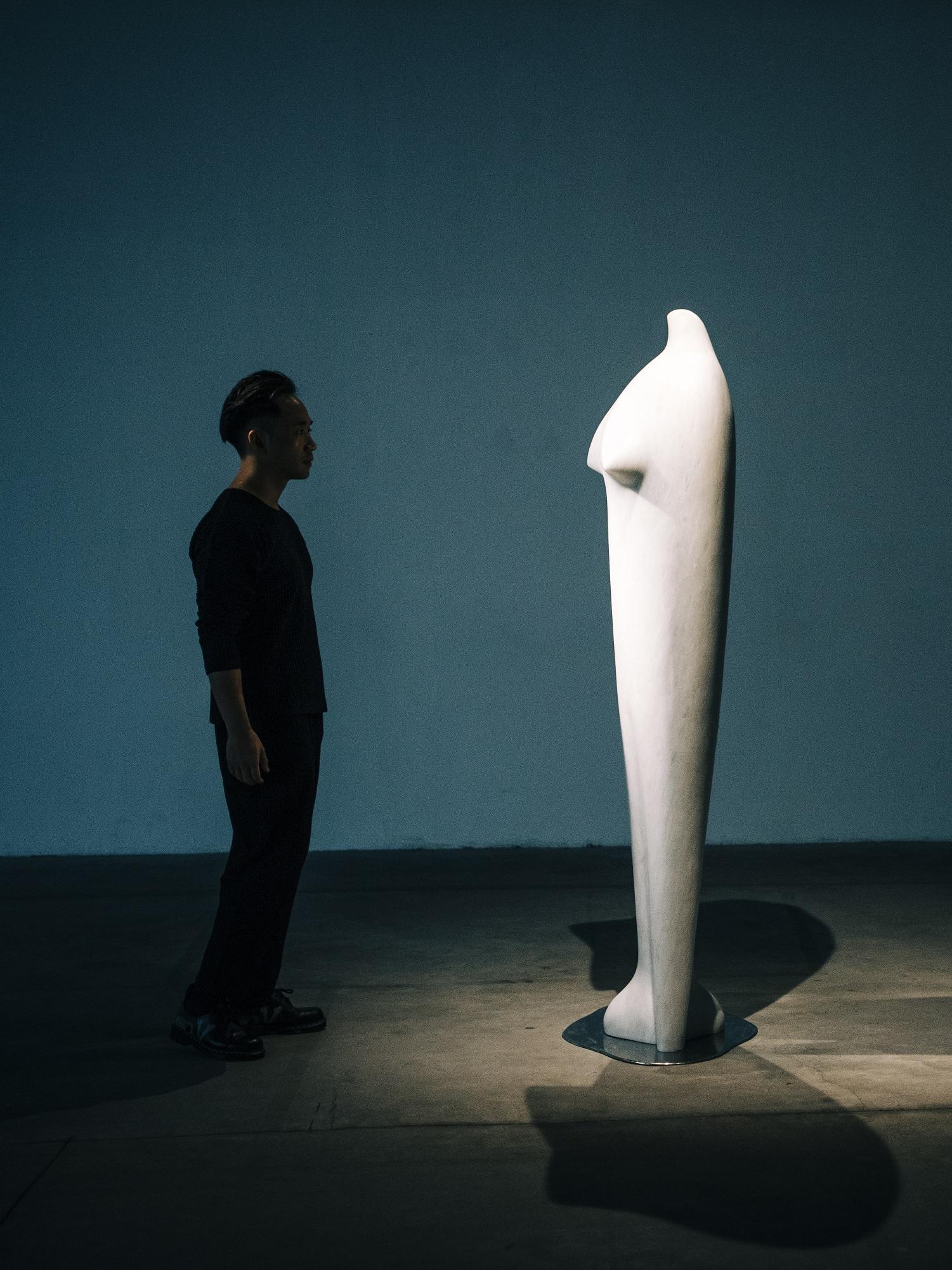
In early November, I returned to the same cultural exhibition venue that had caused a stir online a year earlier. My purpose, of course, like most young Asians visiting museums or exhibitions, was to take photos to show off on Facebook. The exhibition space was well-proportioned, square, sophisticated, and open. The sculptures stood silently, waiting for visitors to come and interact with them.
We can connect with a work of art in many ways, not necessarily through silent contemplation and appearing "mysterious." That day, I was surprised to realize that the younger generation has a fascinating way of engaging with contemporary art. They are neither silent nor outdated. They are neither noisy nor hoarding. They freely invite us to participate in contemporary art activities in a positive and vibrant way.
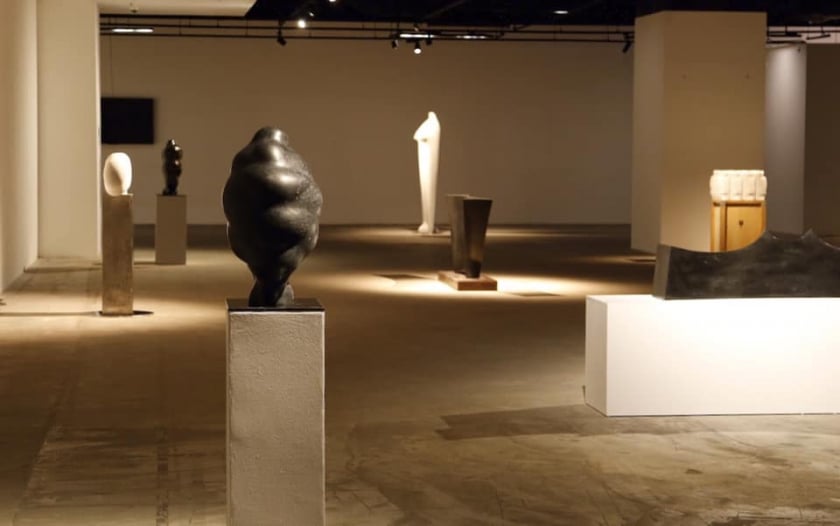

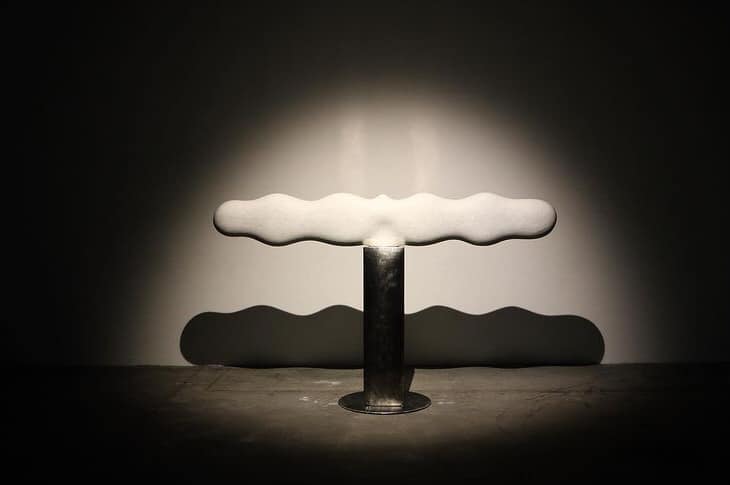
The "Transforming" stone sculpture exhibition is currently taking place at the VCCA Contemporary Art Center (Royal City, 72 Nguyen Trai, Hanoi - Source: FB/Thai Nhat Minh)
Isn't the way we choose to dress appropriately for a place a reflection of our attitude towards that place? And how comfortable or relaxed we feel about it?chillAre the objects of that place any different from the reflections of those objects onto ourselves, and vice versa? I found all of this in the photos young people take and post on Facebook and Instagram.
Fortunately, I'm not the only one who's noticed this fascinating phenomenon. The artists themselves – the creators of contemporary artworks – have also recognized it. They are happy to see their work connect more closely and authentically with viewers. Viewers actively engage and naturally express their emotions, instincts, and worldview through photographs taken alongside the artwork. The artists, gazing at these images – these fresh perspectives – gain a deeper understanding of their own creation. From this, they understand themselves better, and understand the world more.
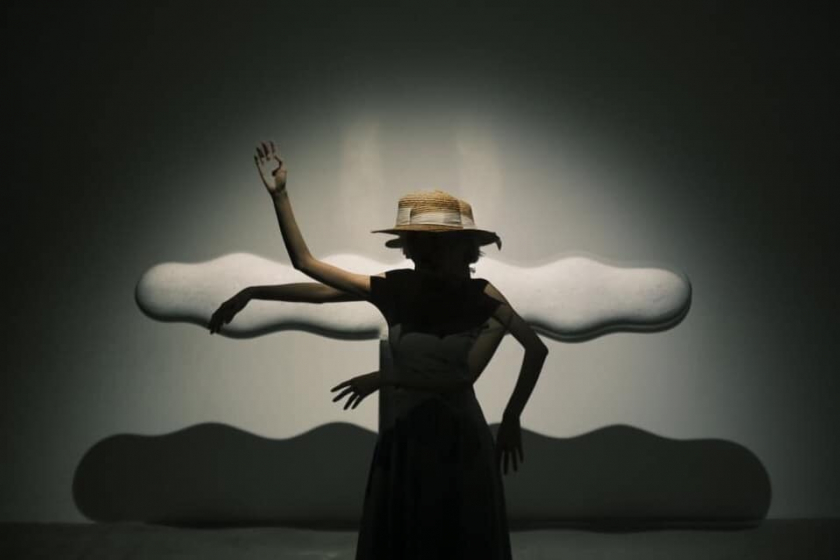
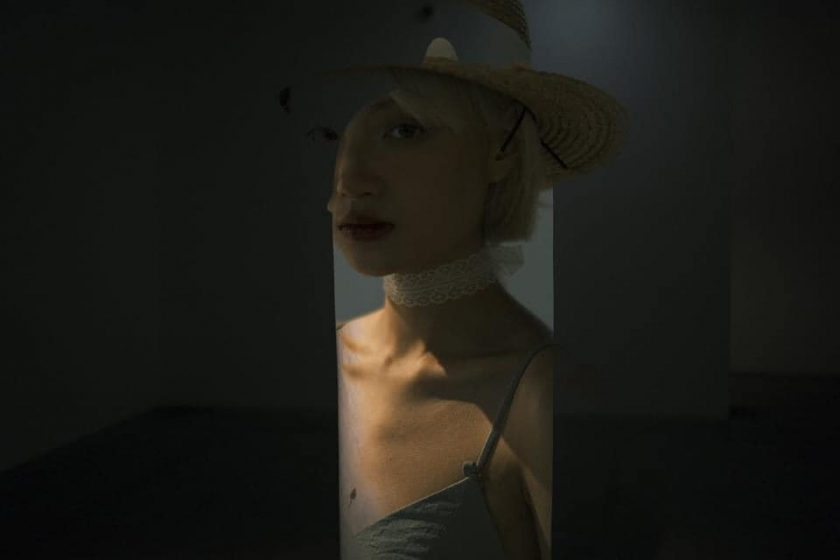
A young person interacts with an artwork at the "Transformation" exhibition (Source: FB/Thai Nhat Minh)
The other day, I posted photos on Facebook of myself attending an exhibition and interacting with the sculptures. Some of my friends worried that my photos might influence and corrupt young people, causing them to "imitate" and become too familiar with the artworks. I fear that's an unfounded worry, because I'm the one who should thank the young people at the exhibition that day. They taught me a new way of interacting with art—one that is relaxed, open-minded, aesthetically rich, and non-judgmental.


About the author
For fragrance enthusiasts, ChQcQ is probably no stranger – a Hanoi native born in the 1980s, famous for his insightful and insightful articles on fragrances published in leading Vietnamese magazines for nearly 10 years.
In 2021, ChQcQ joined Travellive, and with the accumulated experiences from the European and Asian countries he had visited, and the cultures and knowledge he had learned, ChQcQ now not only writes about fragrances, but continues to captivate readers with articles about food, lifestyle, and culture.