VI
VI


Mini wedding
Two months after Uthara Murugamanikkam and Dhamodaran Subramanian met last November, their families began planning the wedding.
The couple, from Chennai in the southern Indian state of Tamil Nadu, were supposed to get engaged in early March and marry in June. The wedding was planned to take place in Coimbatore, 500 km from Chennai, with 250 close friends and family in attendance. This would be followed by a reception for 500 guests and a larger gala in Chennai for 750 guests.
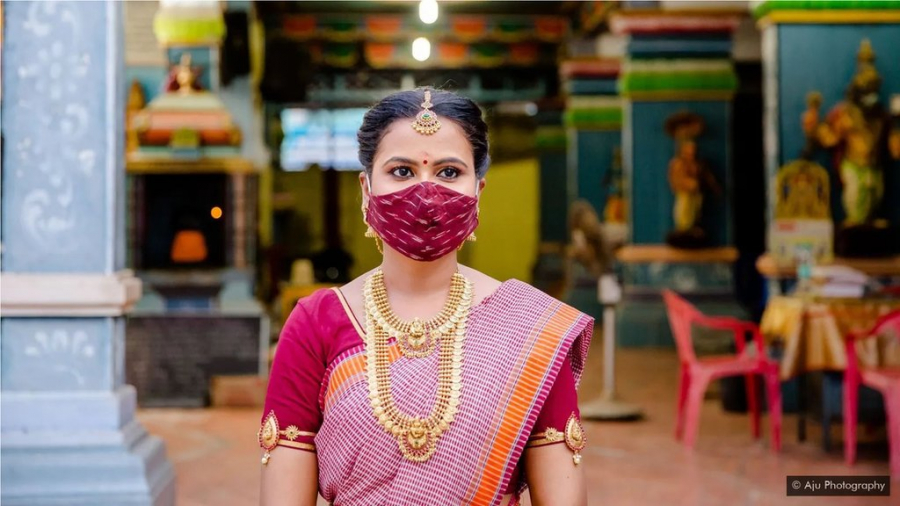
Bride Uthara Murugamanikkam held her wedding reception with only 15 guests in June.
The engagement ceremony went smoothly. However, less than a week later, the World Health Organization declared Covid-19 a pandemic, and India went into lockdown.
"As time went on, we considered two things: postpone the wedding or go ahead with it," said Murugamanikkam, 30, who runs a business selling handmade skincare and hair products. "We quickly realized we weren't sure when things would get better." The couple decided to still hold the wedding in Chennai, but only close family members were in attendance.
Only 15 people attended on June 7th when the bride and groom tied the knot at a small temple. "My only dream was to have friends and family come to the wedding to share in the joy, tease me, and help me get ready. But now we have a story to tell our children and grandchildren. I have no regrets at all about this intimate wedding," she said.
Now that the pandemic has put high-profile weddings on hold in India, couples are looking for ways to make smaller events memorable amidst pandemic restrictions. In the context of the pandemic, can small weddings continue to be held, or is the demand for lavish weddings in India simply too strong?
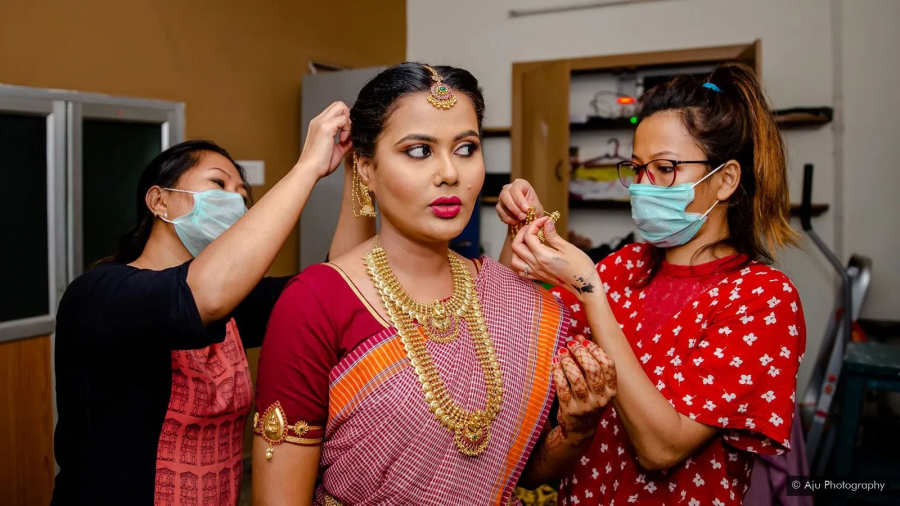
"I have no regrets about having a simple wedding," said Uthara Murugamanikham.
In India, wedding planning typically involves a delicate balance between the couple's desires, the family's aspirations, and the guests' expectations. Weddings are often seen as a display of family prestige. Lavish weddings are the norm, and families are judged by their hospitality. Guest lists often include distant relatives and acquaintances. Budgets range from $6,000 to $13,000 for modest weddings; $41,000 to $80,000 for lavish weddings; and $100,000 to $1 million for extravagant celebrations, according to wedding planning experts.
Indian society is deeply stratified by class and caste, and therefore, specific expectations regarding weddings differ among various segments of society. Generally, parents save money for decades (and often go into debt) for what they consider their greatest responsibility to their children, especially their daughters. In one episode...Made in HeavenAmazon's recent series, set against the backdrop of lavish weddings, depicts a father taking out a bank loan to pay for his daughter's wedding without telling her, simply to fulfill her dream of a perfect wedding.
Displaying social status
The idea of a grand wedding to mark social status is deeply ingrained and continues to be reinforced by advertising from the fashion, jewelry, and wedding styling industries.
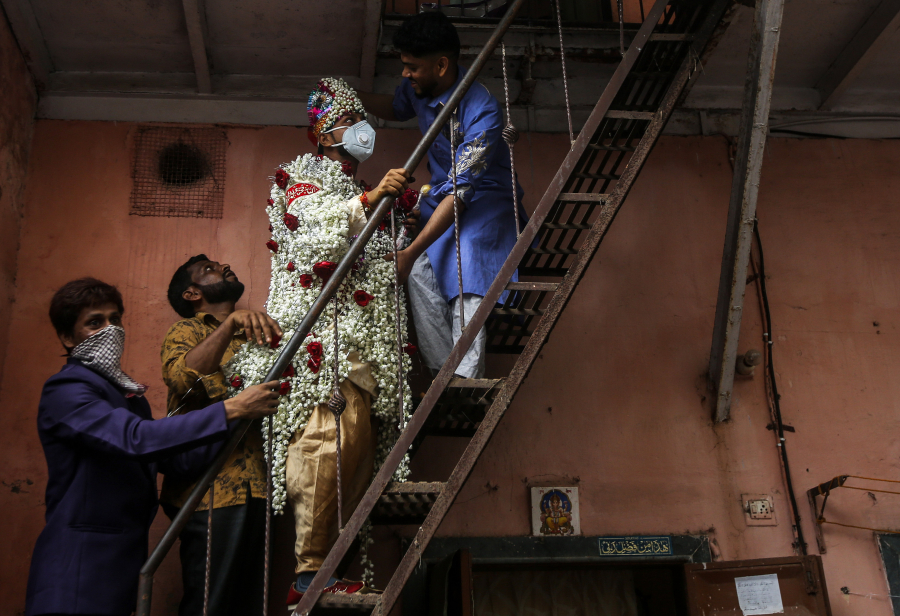
A groom goes to pick up his bride in Mumbai, India.
Sociologist Patricia Uberoi once called Indian weddings "the most visible example of consumption and blatant waste," and according to KPMG analysis, the average Indian family spends about one-fifth of their savings on their children's weddings.
With around 10 million weddings taking place in India each year, the industry is widely reported to be worth approximately $40 billion to $50 billion annually, second only to the United States.
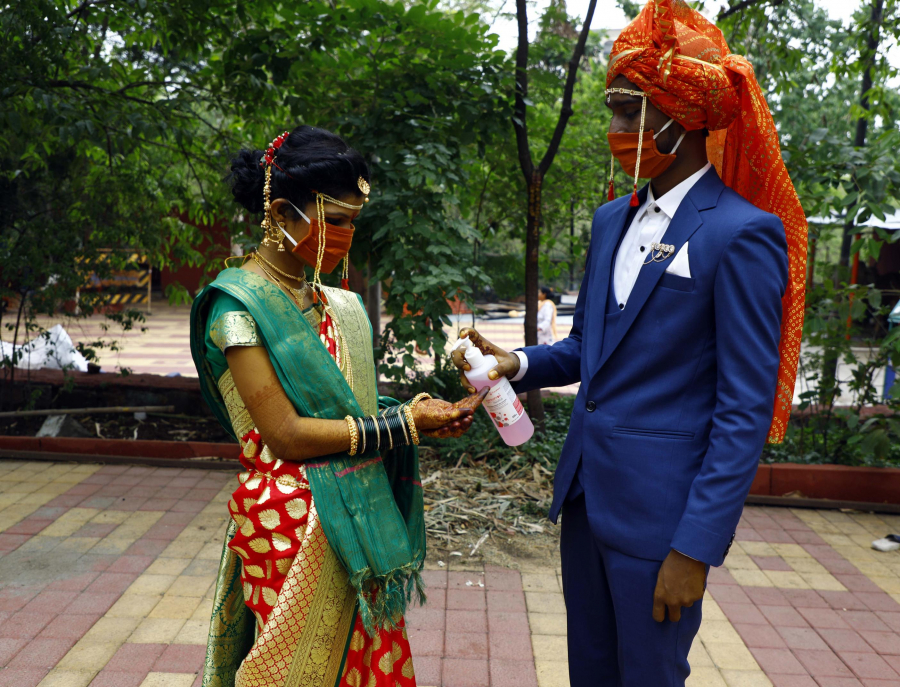
A wedding during the pandemic in Pune, India.
Despite repeated attempts to reduce the cost, weddings have become more extravagant over the years. The lavish weddings of wealthy business families and Bollywood families have become a captivating topic for audiences nationwide.

"Until the beginning of this year, people were wondering just how big Indian weddings would get. It's like a race. It's getting bigger and bigger, especially among high-income earners," said Parthip Thyagrajan, CEO of WeddingSutra, a popular wedding portal.
Opportunity to cut costs
As this once-booming industry went from boom to bust overnight, pandemic restrictions benefited a select few.
Rasika Kshirsagar and Ajinkya Meher, both yoga instructors in Mumbai, didn't want to splurge on a lavish wedding. But, like many couples, they gave up the idea to please their parents.
They had chosen a date in March at a venue with a capacity of around 700 people, but the Covid-19 pandemic forced them to cancel the wedding.
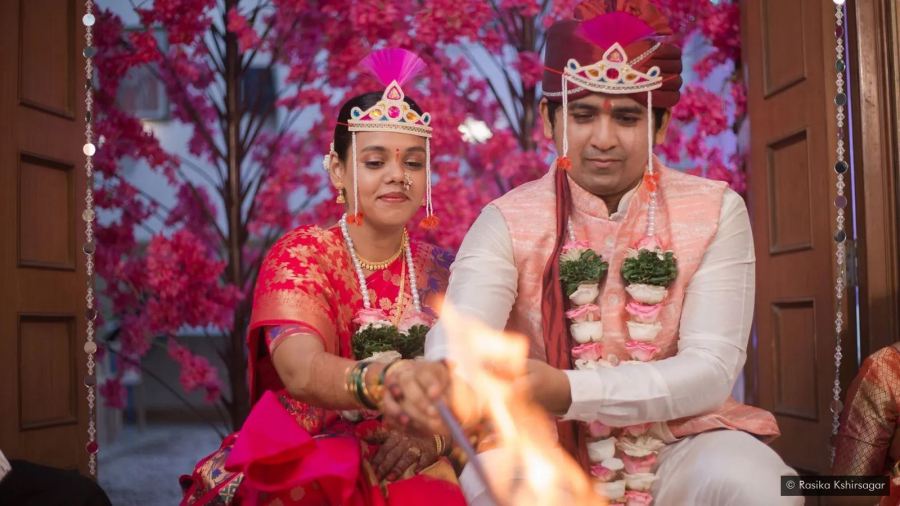
In Mumbai, Rasika Kshirsagar and Ajinkya Meher scaled down their wedding, from an expected 700 guests to just 25.
When restrictions were eased a little after three months, they held a small wedding with just 25 guests. "Finally, we got what we wanted," said Kshirsagar, 29. And they only spent 20% of their original budget.
They hoped the money they saved would help them start their married life. "We've always wanted to travel across the country and the world for a few months to teach yoga. We hope to use the money we save for that."
A pragmatic wedding
For others, a small wedding is a matter of practicality.
Dr. Sharada Rao in Mumbai has a daughter living in the US and a prospective son-in-law in Singapore. The two need to get married before her daughter can obtain a visa to reunite with her husband in Singapore. "The pandemic has no end in sight, and it's unfair to leave their lives hanging in the balance," said Dr. Rao. "We're a simple family. We never intended to have a big wedding, but we want to have more of an event." The family's gift-giving budget remains unchanged, and gifts will be delivered to family members even though they can't attend. The small wedding is now planned for January 2021 in the garden of a Mumbai hotel.
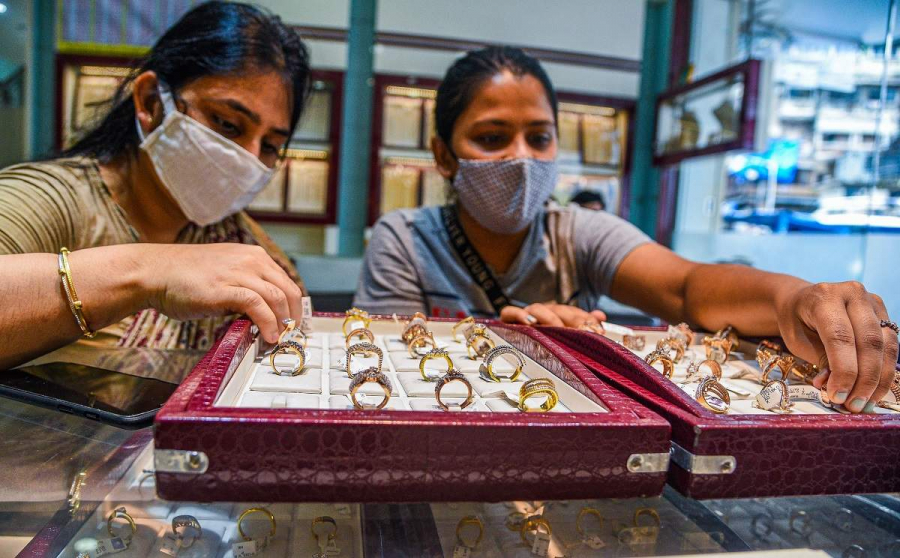
Customers choosing wedding rings in India
There are also signs that people are trying to have heartwarming and creative weddings, rather than being completely frugal.
"For example, people are having weddings with seated lunches instead of standing receptions," says Sejal Deshpande, founder of Shaadi Ityaadi, a wedding planning company specializing in sustainable weddings. She planned a wedding in October where the couple sent food packages to relatives and friends who would have been in attendance if there hadn't been a pandemic.
Although many will eventually opt for smaller weddings in the coming months, it's unclear whether this new approach will become the new tradition.
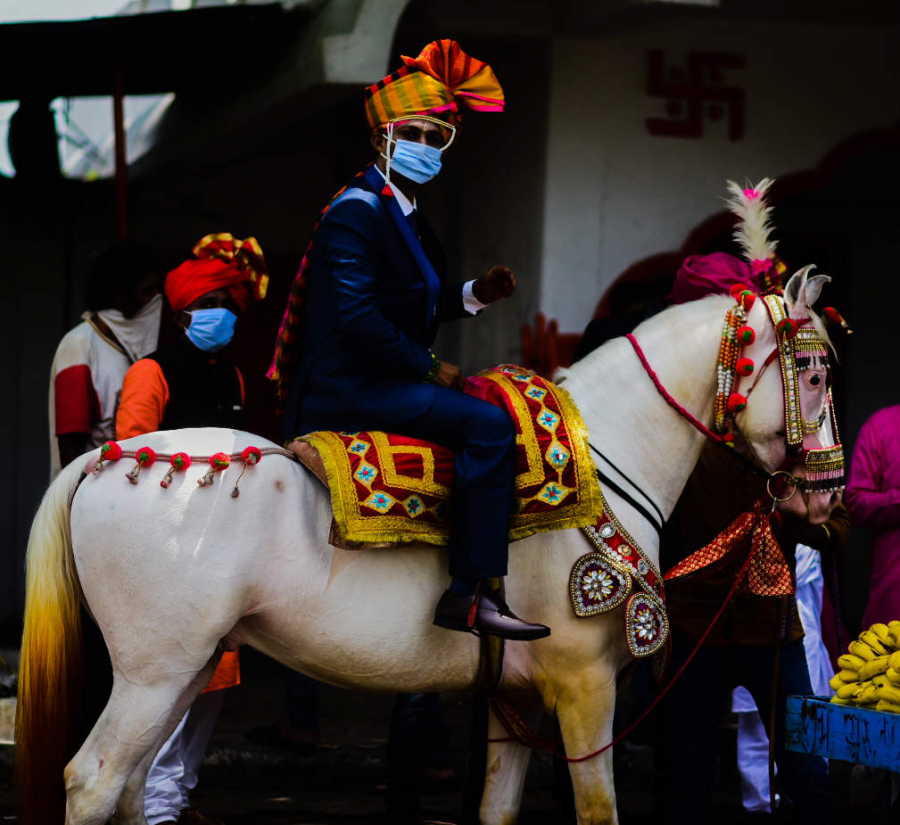
A groom riding a horse at his wedding.
According to Parul Bhandari, associate professor of sociology at Jindal Global University, part of the reason is that Indian marriages are deeply rooted in family and kinship structures. "Families maintain regular contact with extended family and relatives, not only at the wedding, but also during religious ceremonies and festivals. In this way, the extended family and relatives form an important part of the Indian social fabric, and therefore, having to take them into account in an important ritual like marriage is considered logical."
Travel wedding
Mr. Thyagrajan from WeddingSutra believes that the concept of lavish weddings is deeply ingrained in Indian culture. "Big weddings are a significant feature of our culture. It's a special occasion. It's part of the happiness industry. It will come back," he said, although he believes this might take a year or two.
Indeed, nine months after the pandemic began, there are signs that interest is recovering.
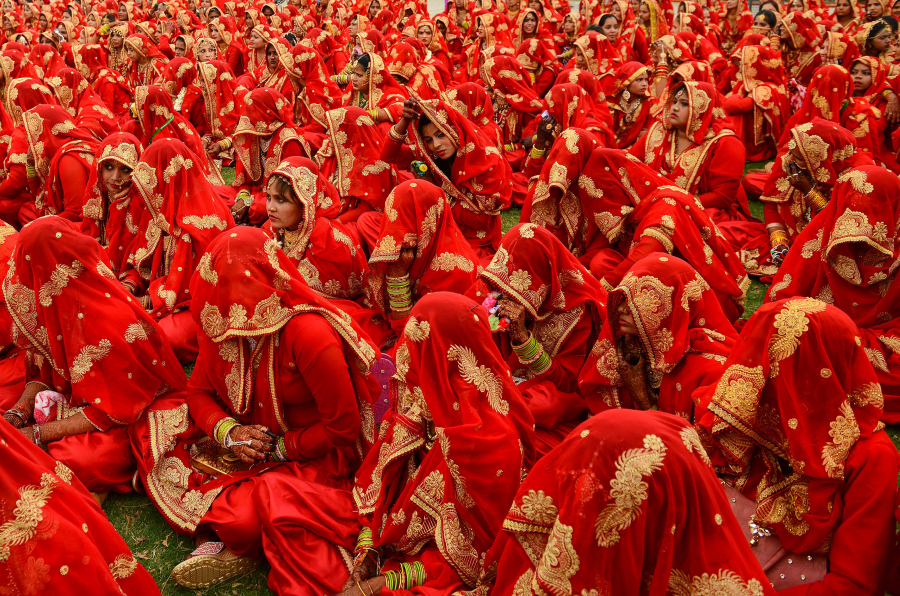
In the past, Indian weddings could last for several days.
Banquet halls at five-star hotels have seen a surge in wedding bookings during November and December.
However, wedding hosts need to be a little creative; Ekta Saigal Lulla, a wedding planner, said that for an upcoming wedding, her client requested that all guests be tested for Covid-19 two days before the ceremony. Lulla collaborated with a diagnostic testing facility. "Social gatherings and social distancing don't go together, no matter how hard you try. That's why we proactively take precautions," she said.
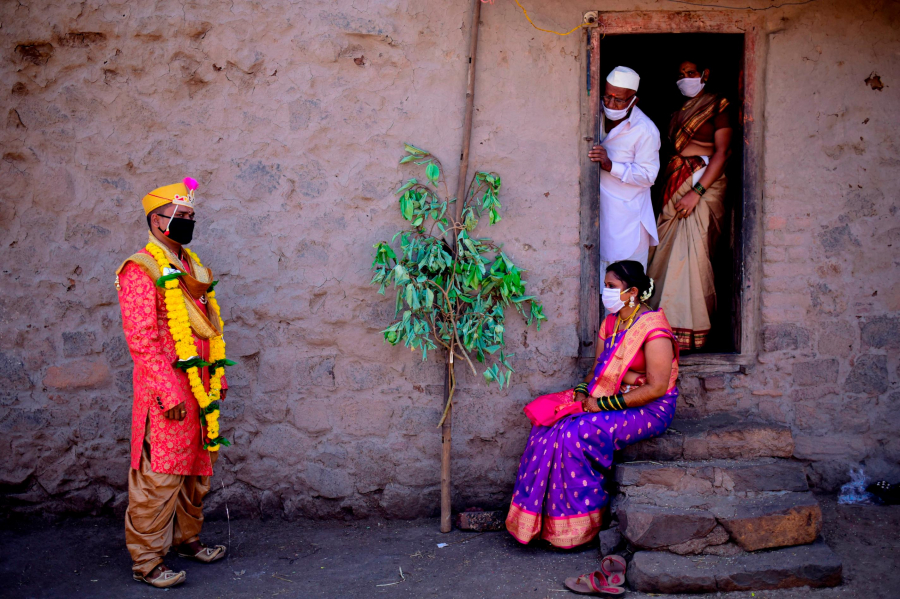
A wedding in Pune amidst India's lockdown due to the pandemic.
The trend of choosing ideal wedding locations, which had been largely forgotten in recent months, is now picking up again. Saigal Lulla says new locations are being explored, from Cyprus to Malta and Vietnam. Now that guest numbers are smaller, people are focusing on delivering a more spectacular experience for their guests, she says. "So instead of going to, for example, Lisbon, a popular wedding destination in Portugal, people are looking to other places like Sintra or the Algarve, where they can rent a castle."
Countries like Switzerland, which were previously not popular wedding destinations due to often small venues, are now also an option. "Because the guest list is smaller, clients can buy up an entire venue and turn it into a memorable experience for those few guests."
Pramod Lunawat, a wedding planner in Kolkata, is also planning a wedding in Bahrain. He said clients don't care about travel safety because "they'll pay to charter a flight instead of flying on a commercial airline."
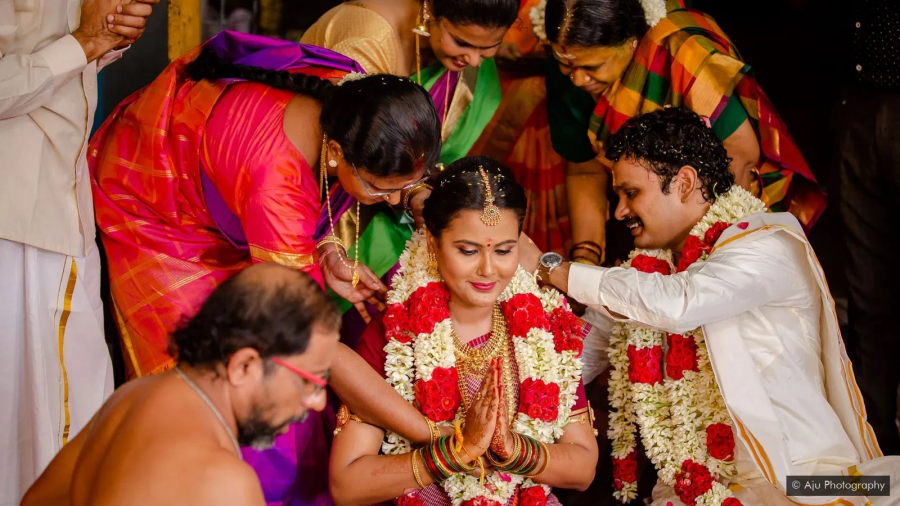
While some couples simplified their weddings during the Covid-19 pandemic, many others continued to hold lavish ceremonies in very unusual ways.
Although the pandemic has changed many ways of living, the deep-rooted nature of Indian weddings demonstrates how enduring some cultural traditions are. Grand ceremonies like these can adapt, especially as Covid-19 continues to be a factor in everything.
But even as wedding hosts in India—and socialists around the world—are being forced to think outside the box, some rituals seem far more important than the challenges they face.