VI
VI


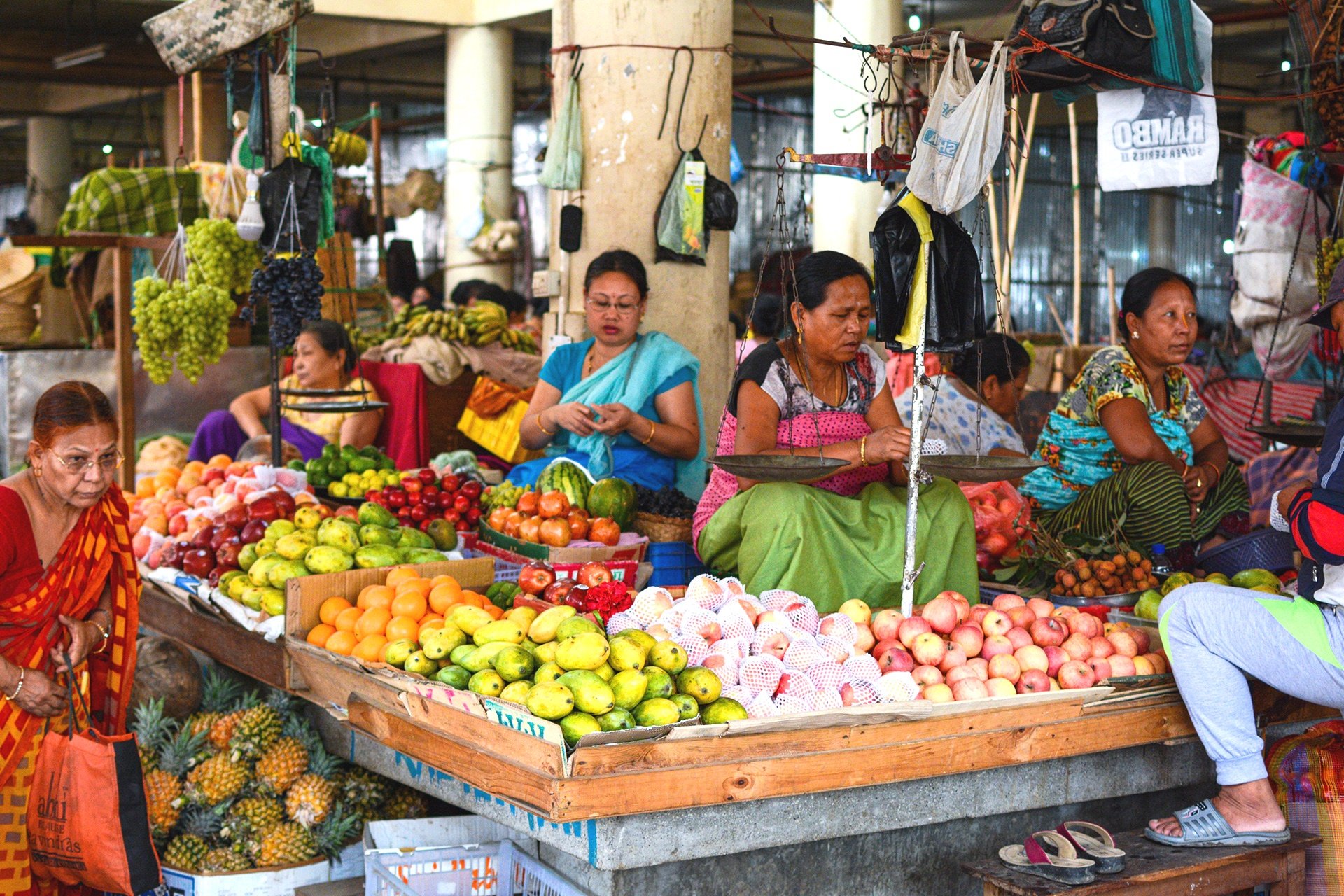
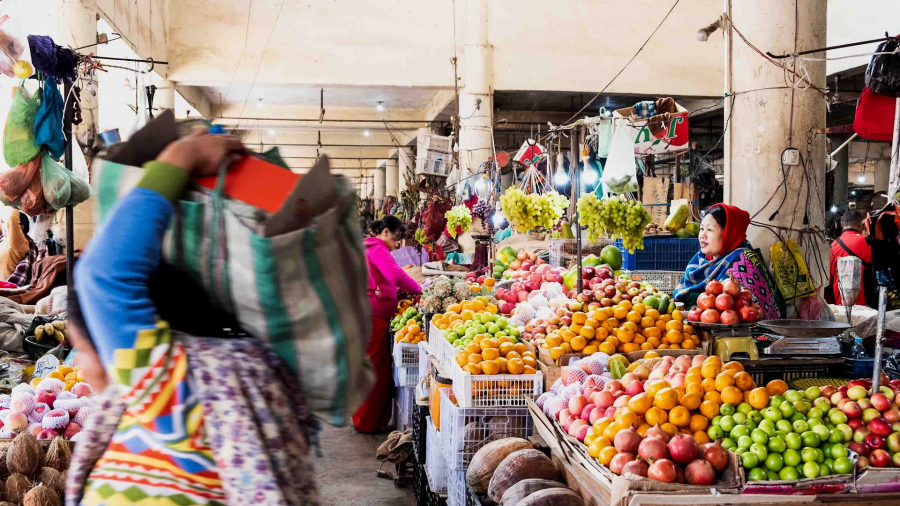
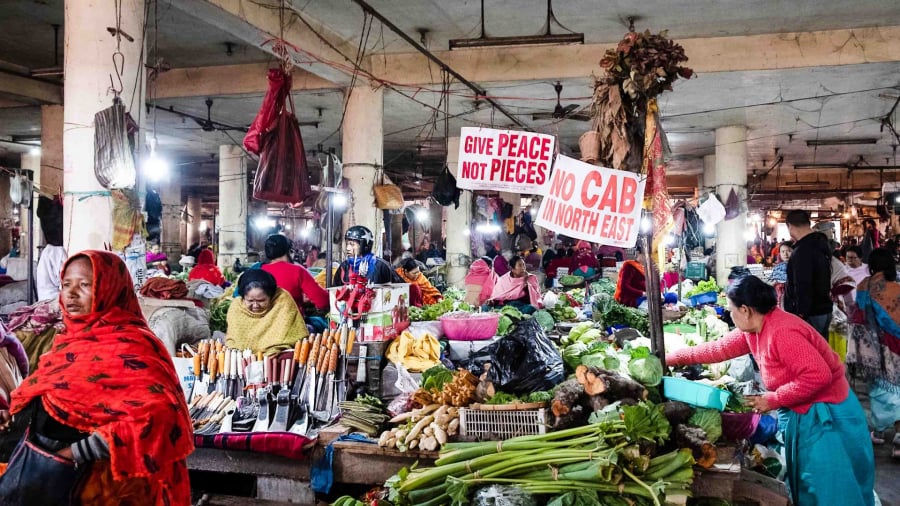
Ima Keithel Market, meaning "Mother's Market," is a market located in the heart of Imphal district, Manipur state, in northeastern India, bordering Myanmar. What makes Ima Keithel unique is that only married women can participate in trading there. The market is open every day of the week, and nearly 5,000 women visit daily, making it one of the largest markets in Asia.
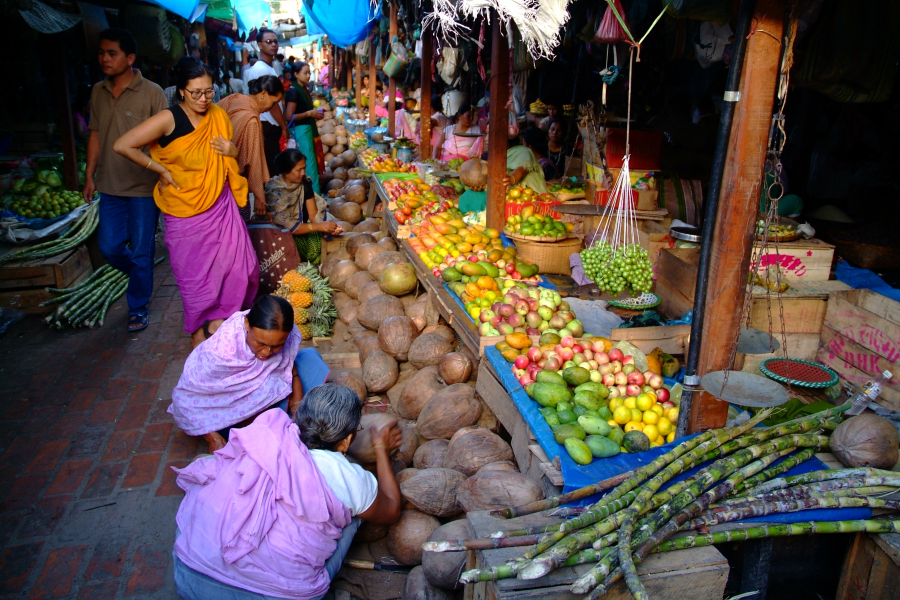
Ima Keithel was established around the 16th century, when Manipur was under royal rule and plagued by frequent small-scale wars over territory with the Kingdom of Burma. At that time, men in families followed a tradition called Lallup – meaning they had to enlist in the army and participate in wars when summoned by the king. Consequently, the burden of farming and family finances fell entirely on the women of Manipur. In this context, the Ima Keithel market emerged as a necessary means of livelihood. And from then on, women in the area gradually took on important roles in managing the household and engaging in trade within society.
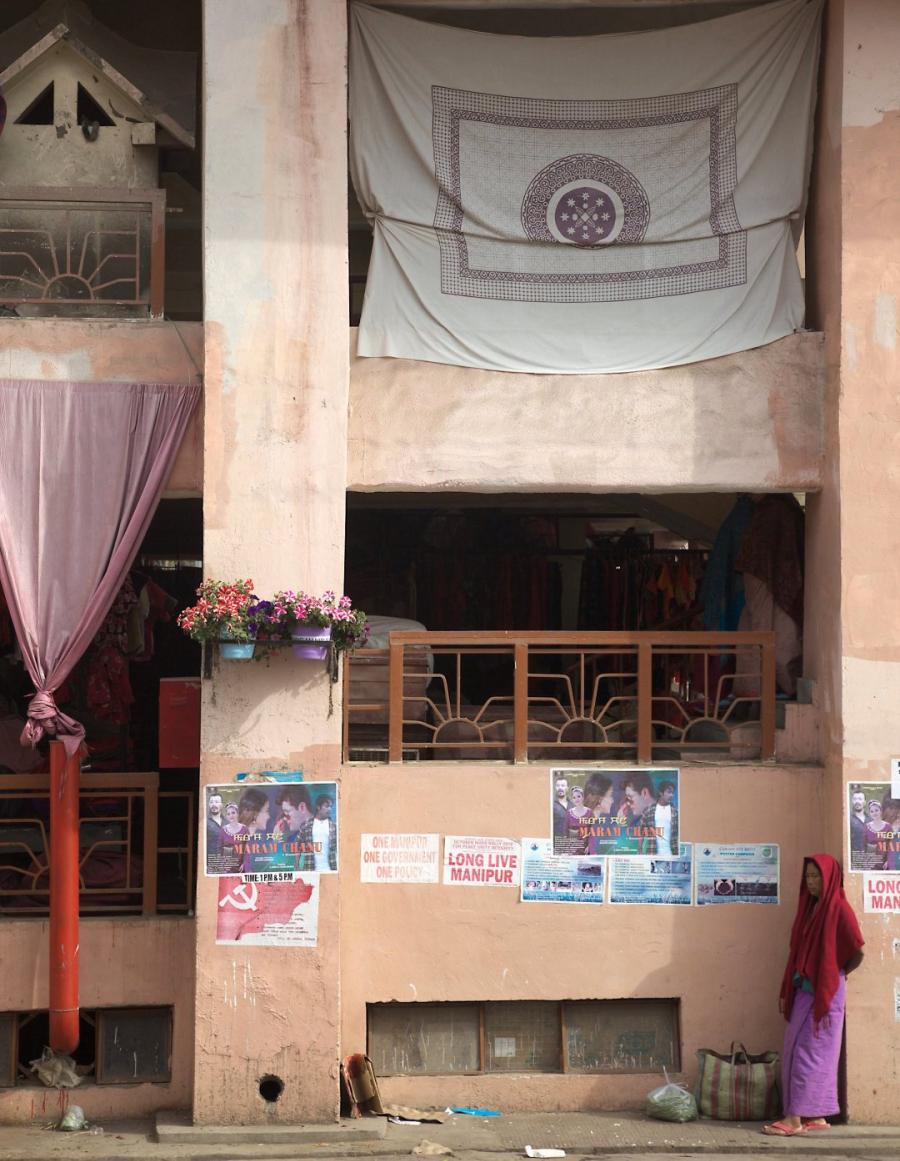
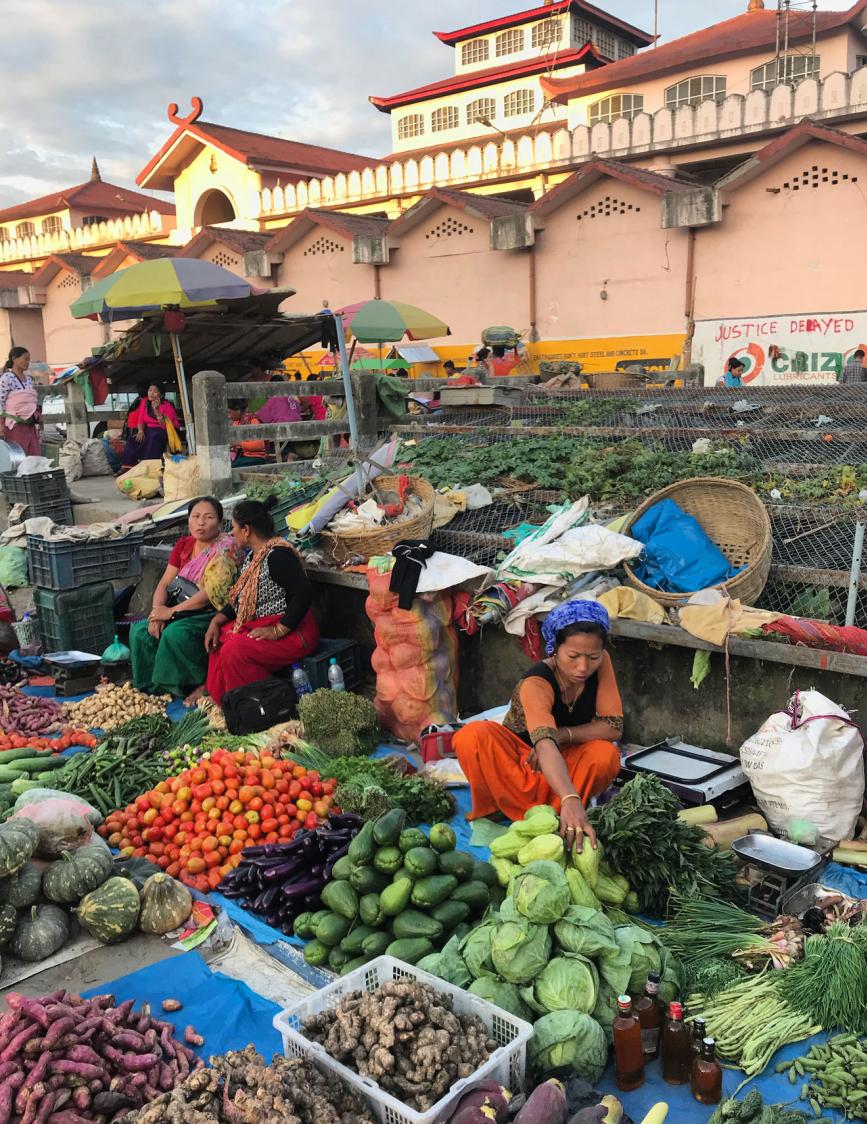
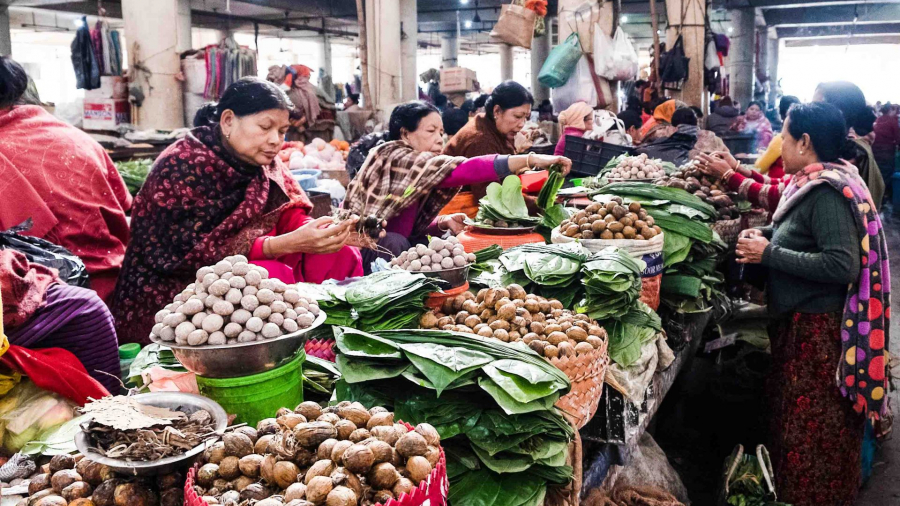
Even today, although women are no longer the sole breadwinners in the family, this custom is still preserved in the market, so only married women are allowed to trade there. Therefore, some stalls in the Ima Keithel market have been passed down through four generations of families, through the succession of daughters or daughters-in-law.
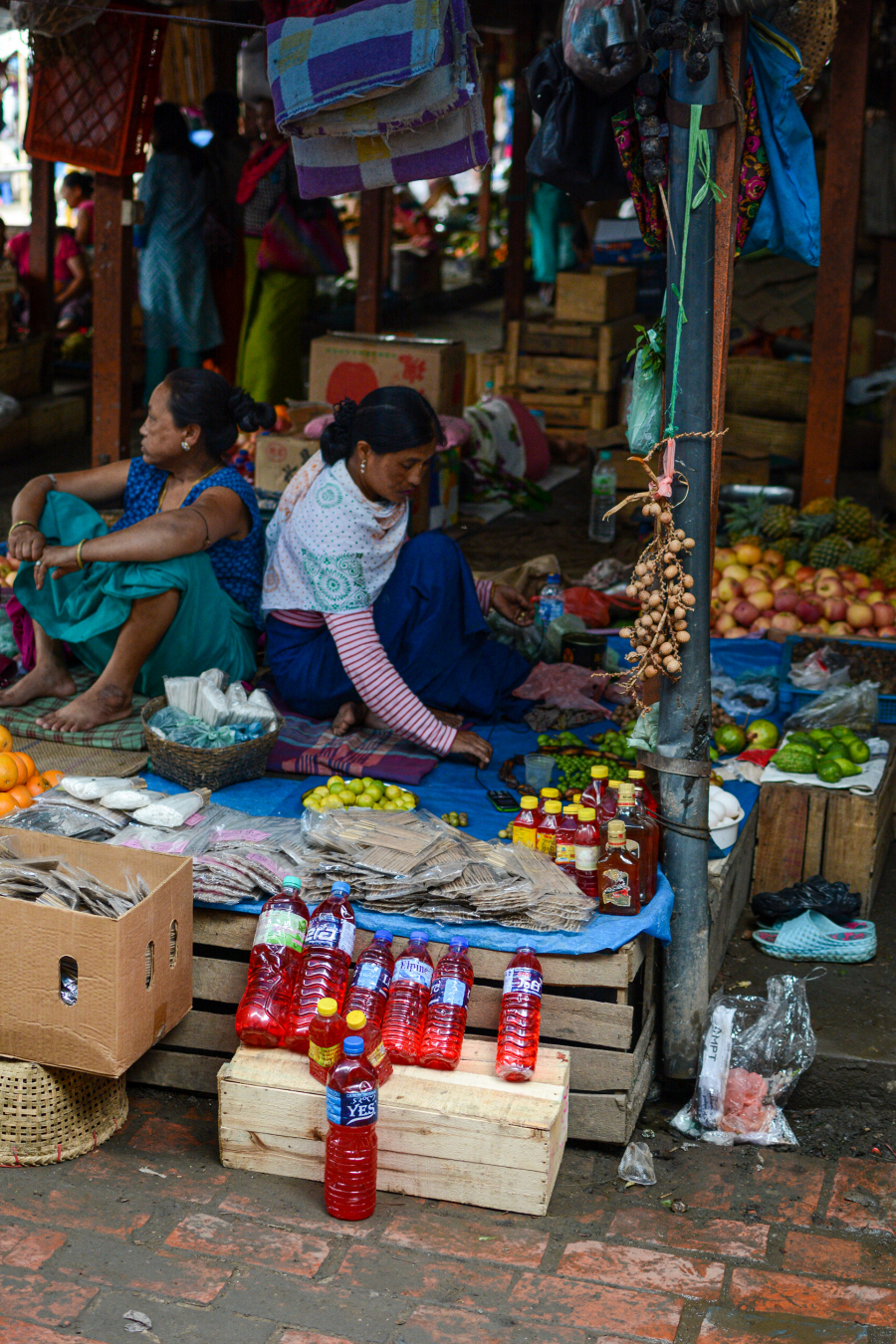
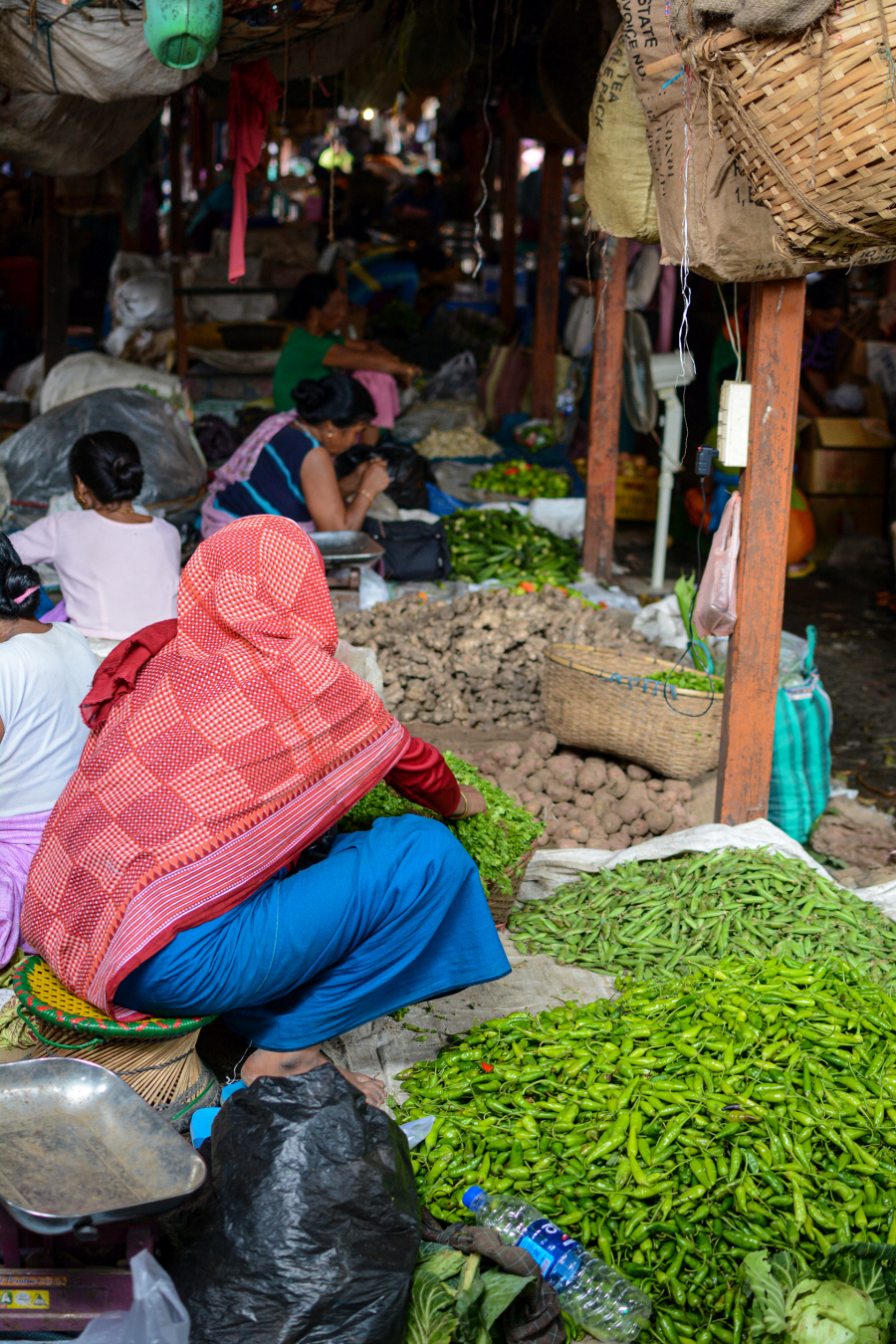
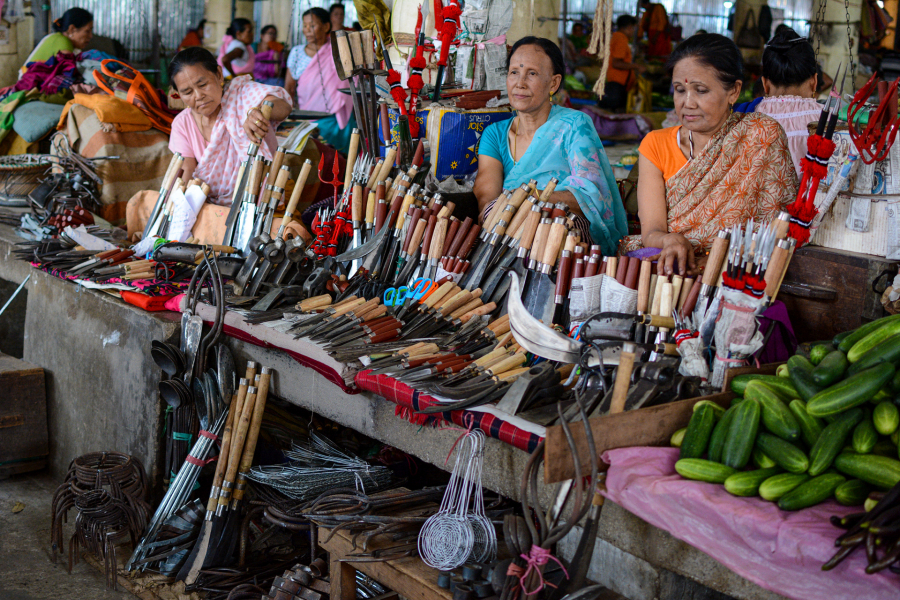
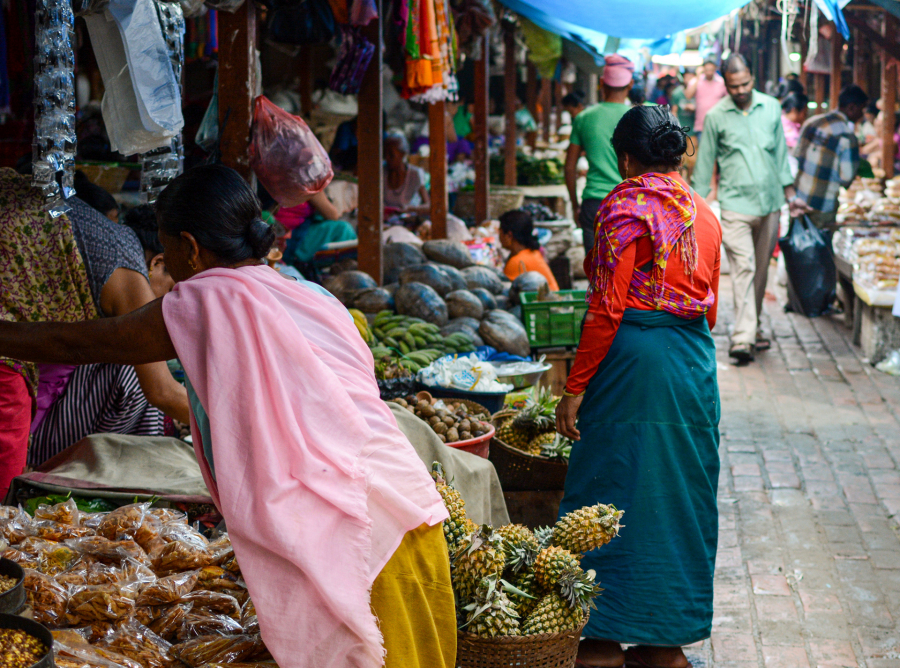
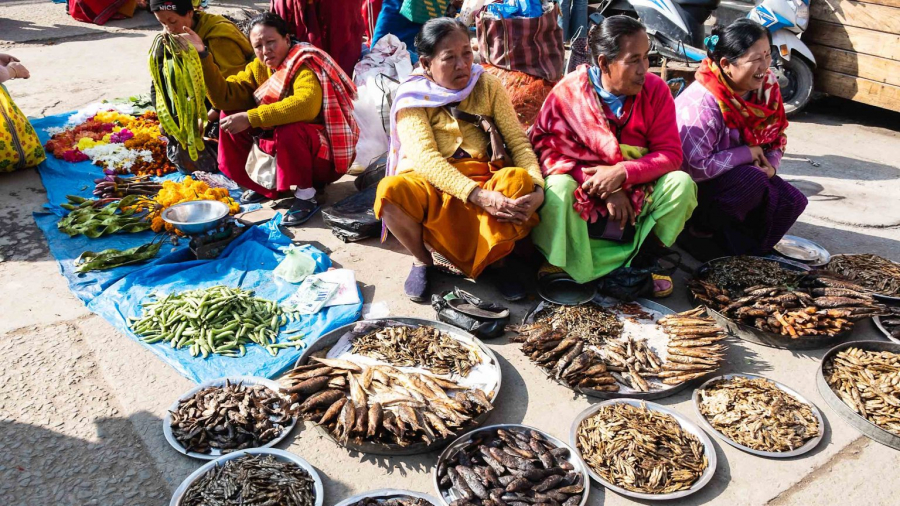
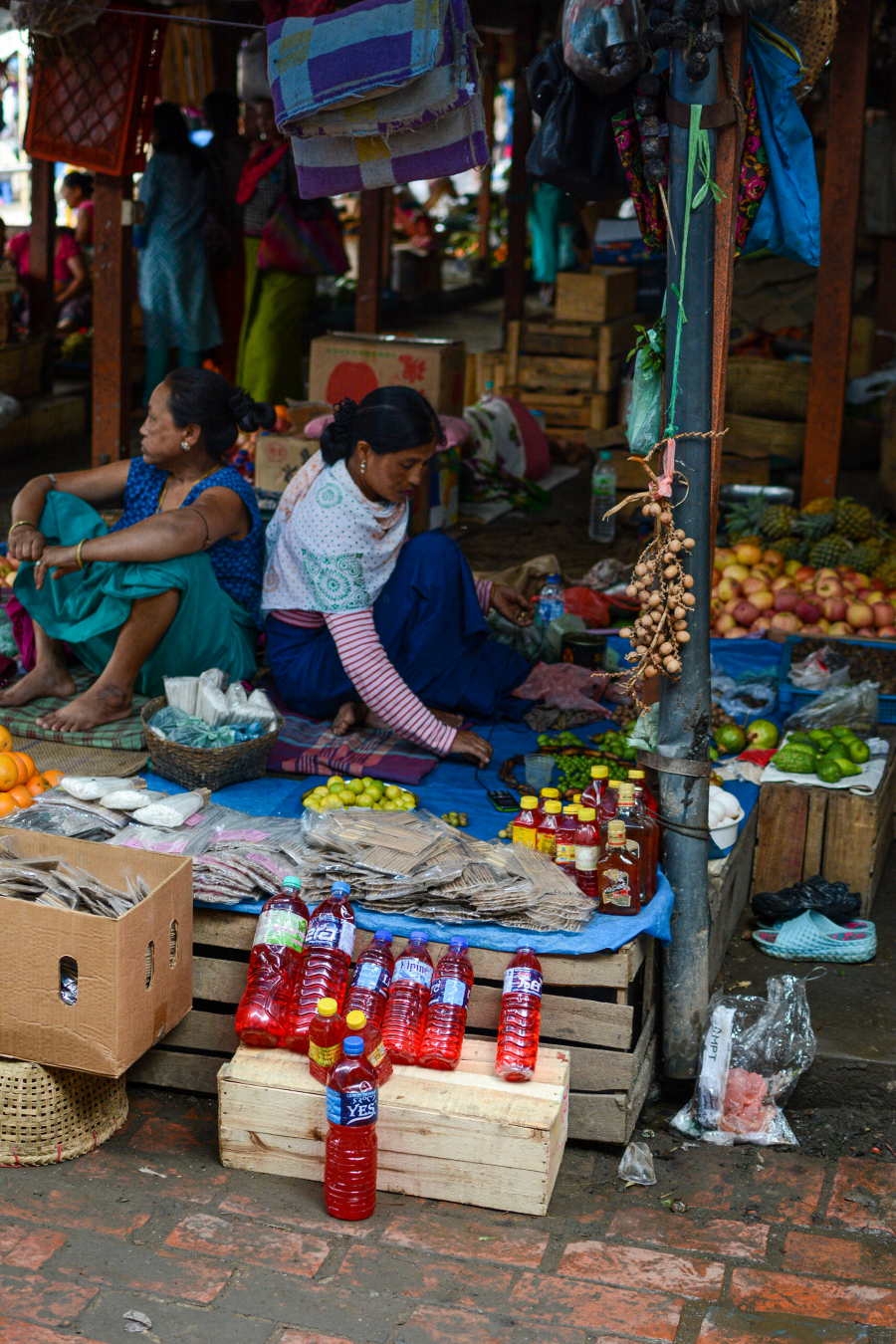
The goods sold at Ima Keithel are abundant and diverse. Many local handicrafts, jewelry, clothing, fabrics, fruits, vegetables, and herbs are available at the market, divided into two main categories: everyday necessities and handicrafts.
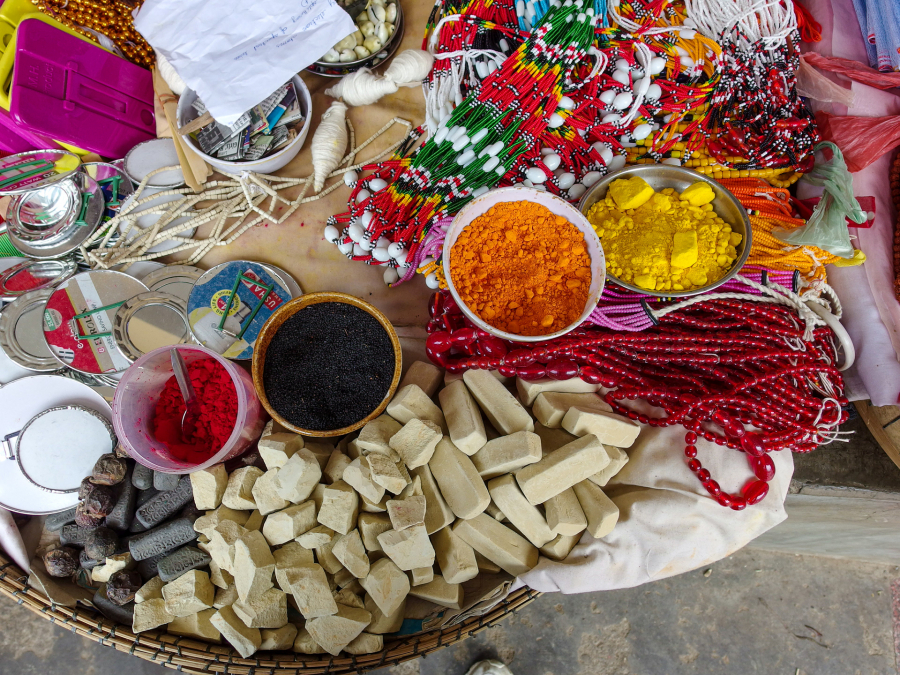
A wide variety of goods are sold in the market.
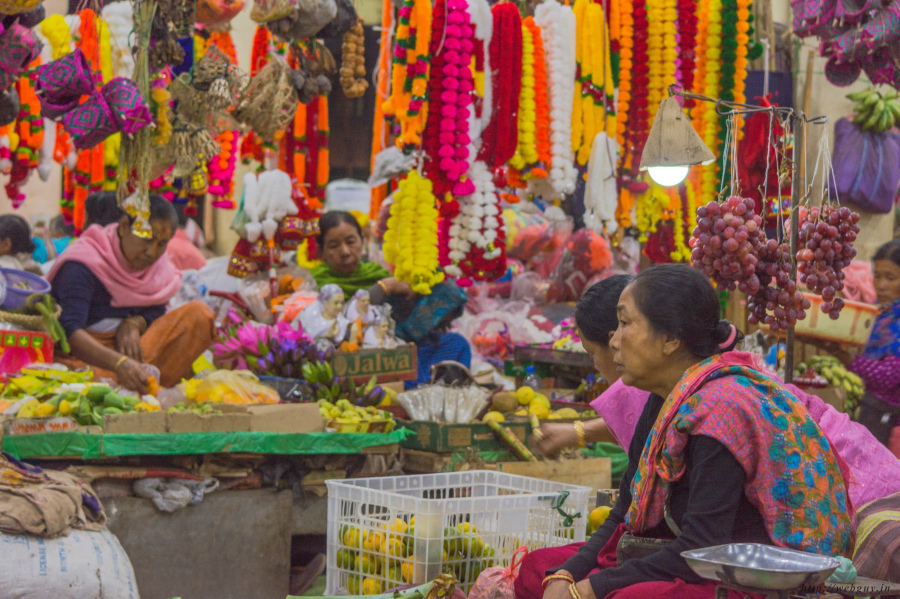
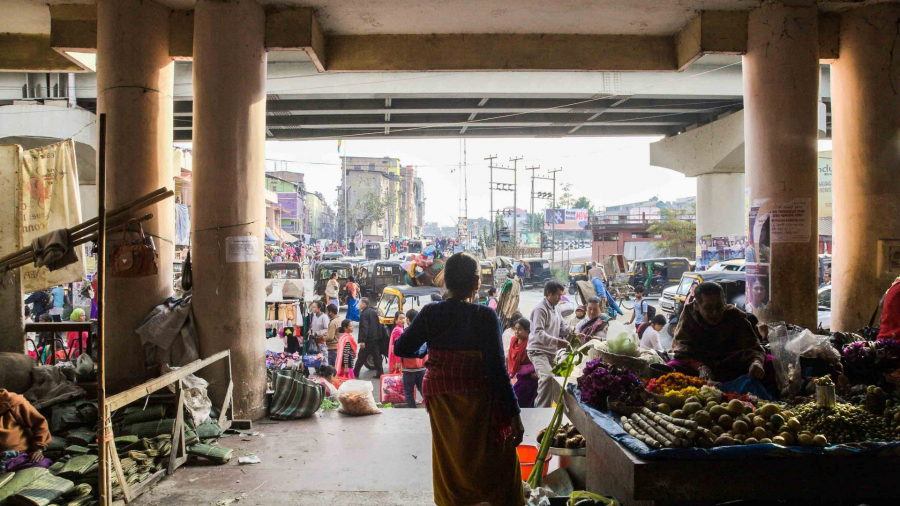
Currently, the Ima Keithel Market is housed in four buildings constructed by the government after suffering severe damage from the 6.8 magnitude earthquake in 2016. Of the four main buildings, one specializes in everyday food items, another in handicrafts and jewelry; and the remaining two sell clothing, cosmetics, religious materials, and even local snacks.

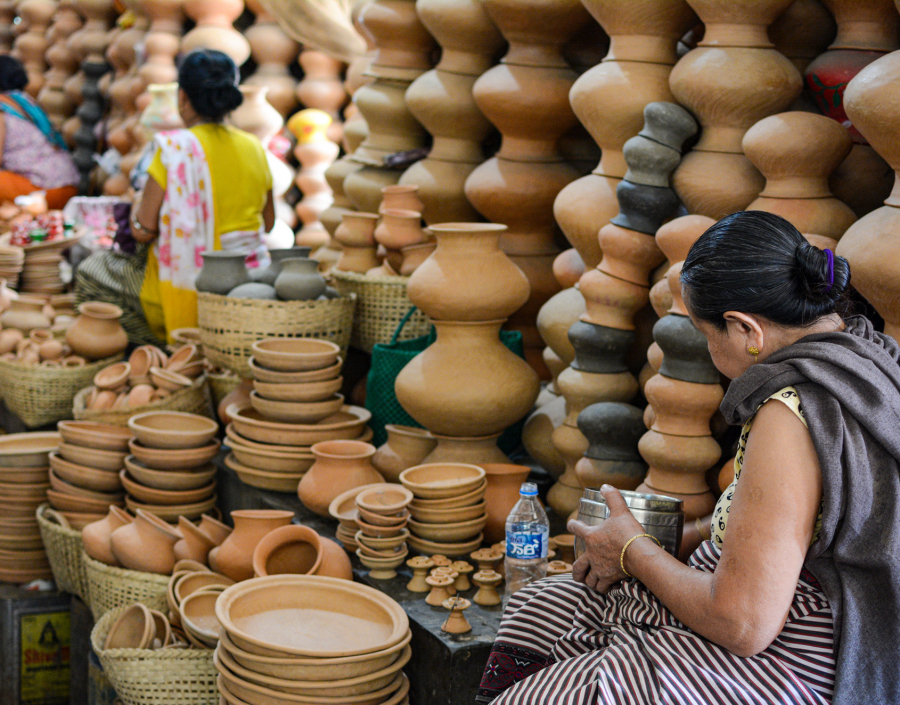
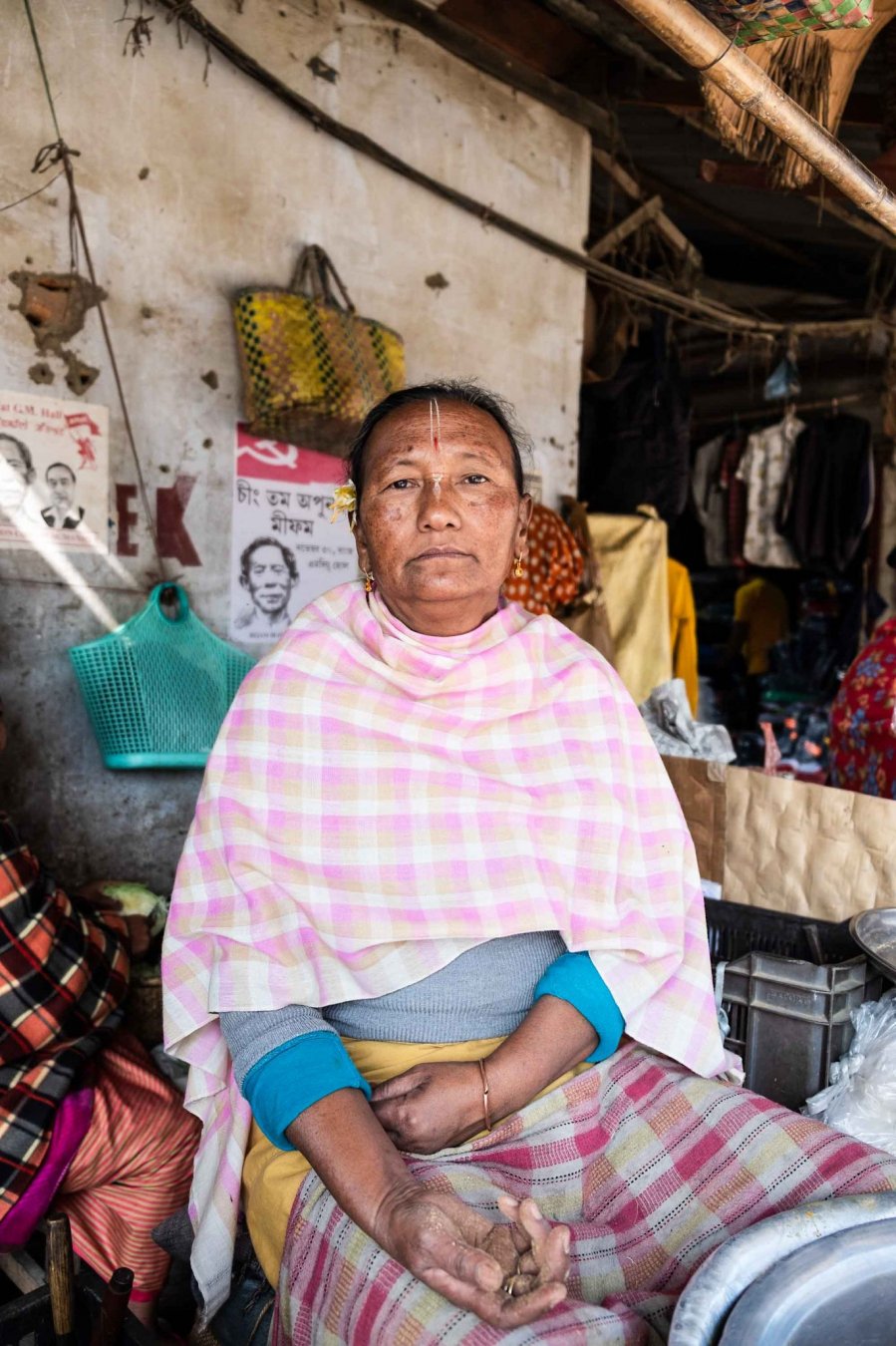
Every day, female vendors wear traditional clothing called phanek (sarong) and innaphi (shawls) to the market, prepare their stalls, and conduct business. This is a gathering place for people of all social classes, ethnicities, religions, and even foreign tourists.
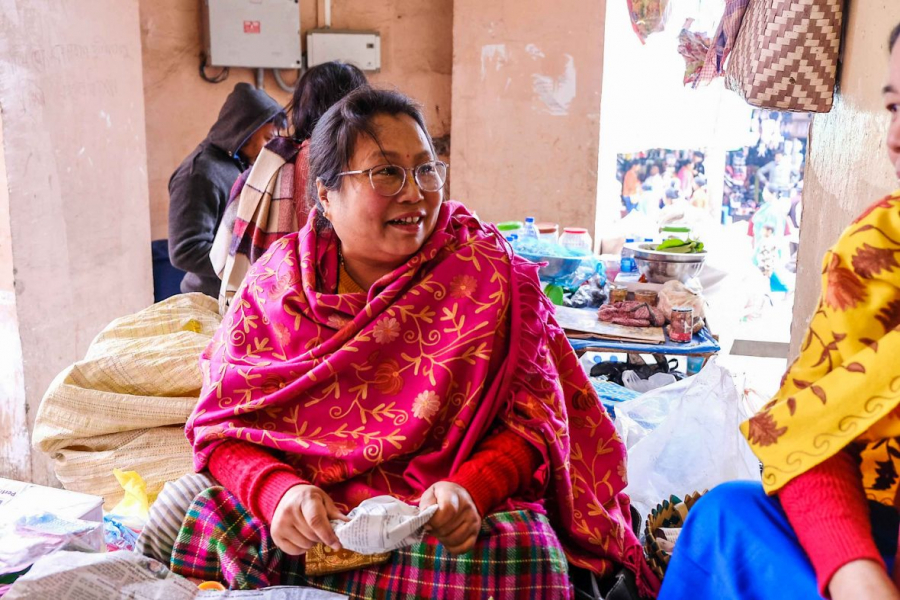
Traditional attire of female vendors at the market.
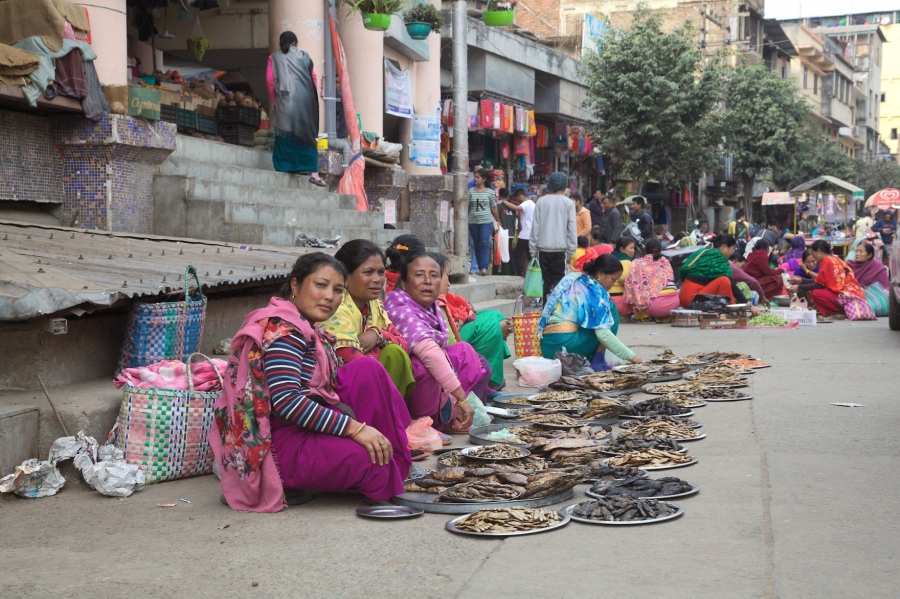
Walking around Ima Keithel, you'll be treated to breathtaking sights from the colorful stalls; the cheerful sounds of laughter and bargaining from women of all ages; and the sweet, intoxicating aroma of fresh local produce and food.
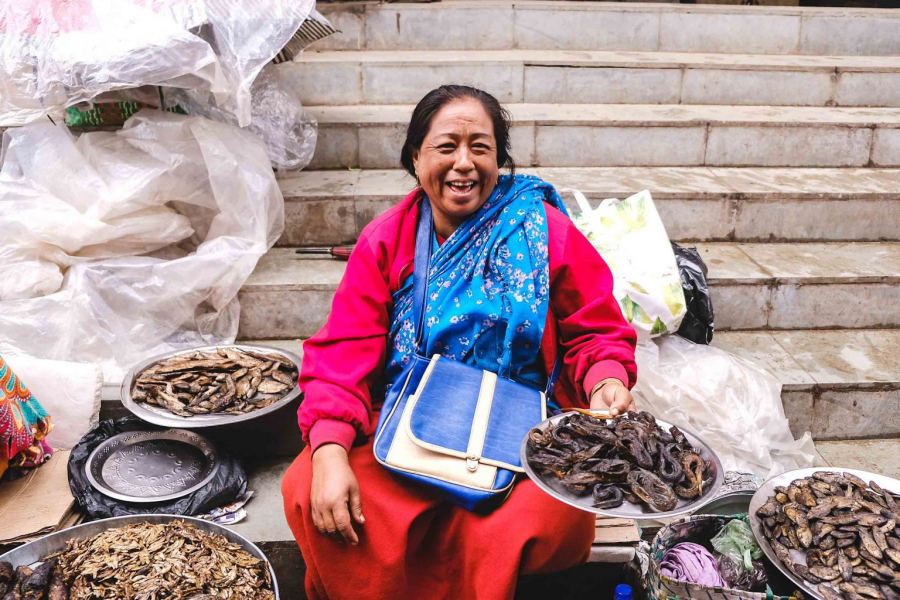
Ima Keithel offers a wide variety of famous Indian specialties and dishes.
More than just a marketplace, Ima Keithel is truly a microcosm of organized society. Beyond being a workplace, Ima Keithel fosters a women's solidarity, where every mother has the right to fight for and demand equality. This is a tradition unmatched by any other market in India.
The market is managed by the Women's Association, and its members have been involved in numerous struggles since India was a British colony. Most notably, the Women's War (Nupi Lan) in the 1930s protested the excessive export of local rice to British battalions in other territories. This struggle has now been commemorated by a monument honoring the uprising of Indian women, exemplified by the women of the Ima Keithel market.
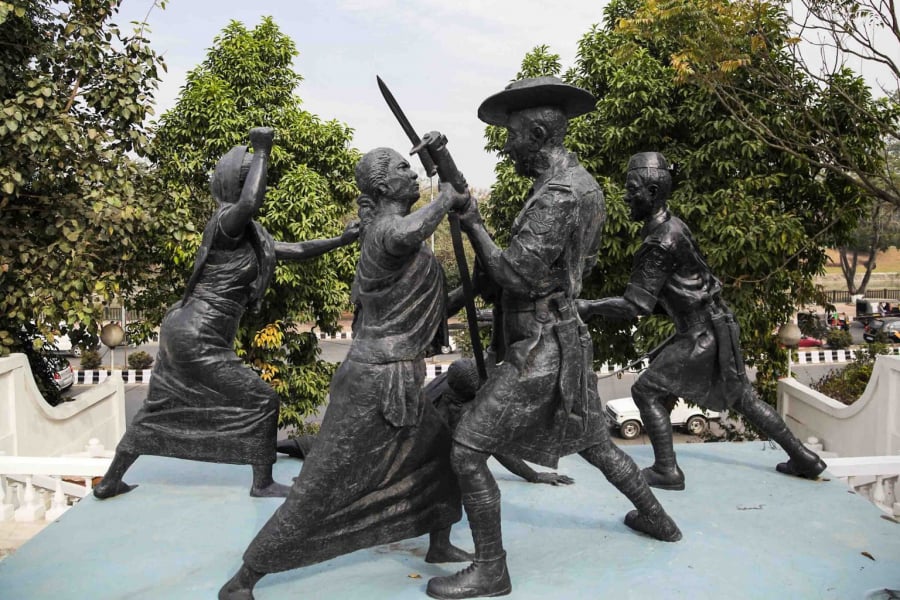
The statue commemorates the Women's War protest in Nupi Lan during the 1930s.
Since then, whenever there are social conflicts, from tax increases and harsh policies to market demolition and discrimination and abuse against women, the women here continue their tradition of fighting back through protests and strikes to demand justice. The most recent major protest was in 2003, when the local government planned to replace the Ima Keithel Market with a modern shopping center. A massive struggle lasted three months, involving thousands of female vendors who went on strike and organized silent sit-ins for 24 consecutive hours, hoping to preserve the market – which they considered their second home – and they succeeded.
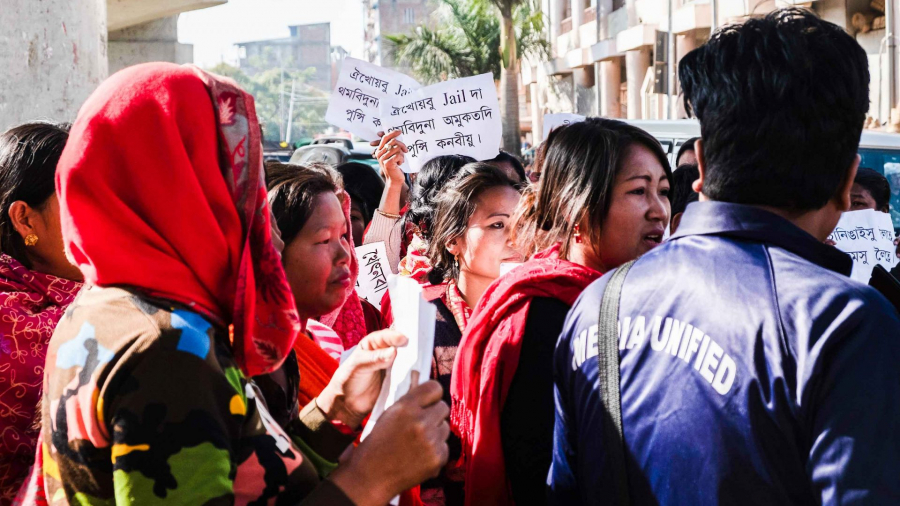
The market is managed by the Women's Association and has been involved in numerous protests and struggles demanding equality for women.
In addition to their strong solidarity in the struggle, the Ima Keithel Market also had a credit system run by the union; where female traders could borrow money to buy goods and repay it gradually after a period of trading. This system worked very effectively and helped the market operate and thrive to this day. As a result, the women there were able to take control of their own lives instead of being dependent on outdated customs.
More than just a market, it is truly a vital social organization and a way of life for thousands of women. Here, news is shared, ideas are debated, protests are shaped, and financial credit is disbursed—all exist within Ima Keithel. The female traders of Ima Keithel are not only pioneers in the business world but also play a significant role in the local economy, culture, and politics. As a result, the Ima Keithel market has flourished for generations and become a symbol of the strength of Manipur women.