VI
VI


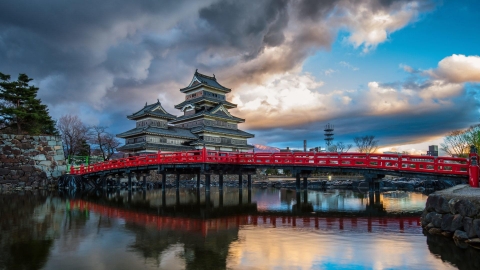
Unlike the bustling cities of Tokyo and Osaka, which welcome hundreds of thousands of tourists each year, Miyagi is quiet and resilient, much like how it weathered the 2011 tsunami. Yet, somewhere within Miyagi lies a hidden beauty that beckons exploration.
Go and experience it.
A friend once told me, "Even if you hear about a place a hundred times or see thousands of pictures, it's not the same as going there and experiencing it yourself." That was so true when I visited Miyagi. Everything from the nature, the people, the lifestyle, the culture, the architecture, and the food left me utterly amazed.
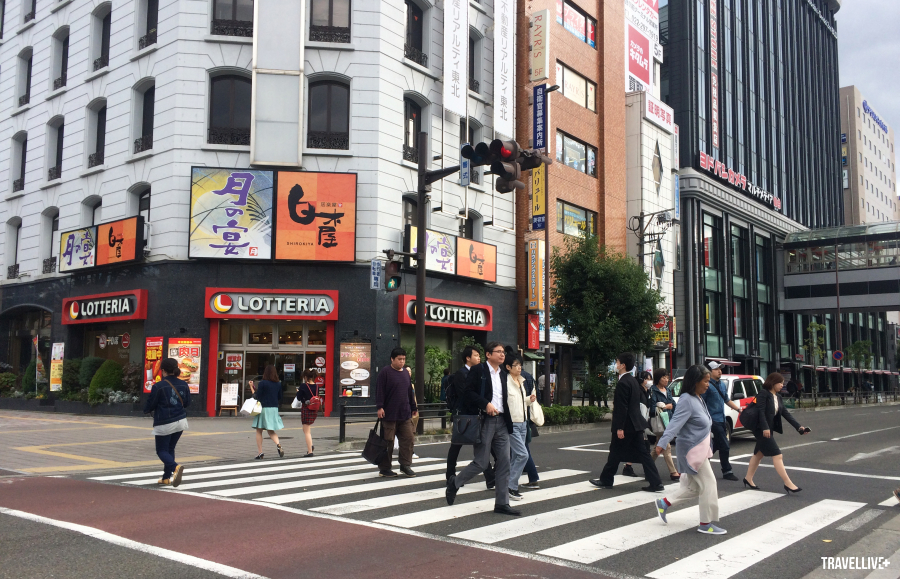
If you're walking down the same street as Japanese people, you'll quickly be left behind, because they walk very fast. This is partly due to their daily walking culture, and partly because they are very focused on their work. For them, even a minute is too late.
Another admirable aspect was the tranquility. Even during my five-day trip around Miyagi's cities, I didn't hear a single car horn or any noisy sounds from restaurants. People usually moved very slowly at intersections without traffic lights, and, as a silent signal, "larger vehicles yield to smaller ones."


Muronoi's fruit garden
The first place I visited after Sendai – the central city of Miyagi – was ZAO Street. Despite being called a "street," it didn't have a bustling atmosphere. It was a peaceful countryside stretching for several tens of kilometers. Through the windows, I saw forests, slender persimmon trees laden with fruit. I saw houses spaced a few dozen meters apart, yet surrounded by lush orchards. If you've ever loved Japanese anime, you'll find a familiar scene in Miyagi.

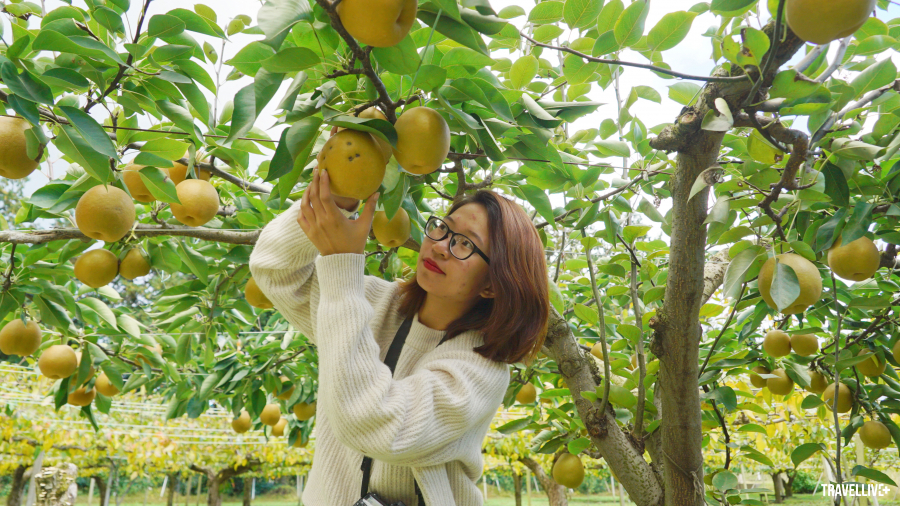
My journey took me to visit the Muronoi pear orchard. The pear trees here are planted quite low; if you're not careful, your head might hit the fruit. However, it's not that the pear trees here are short; they're intentionally shaped to grow at eye level. This makes it easier to select the best fruit and pick them during harvest. This variety of pear tree typically takes 80 years to bear fruit, and when it does, it produces two harvests a year: one in April and May, and another in October and November. Luckily, I visited during harvest season and got to enjoy this delicious fruit right in the orchard.
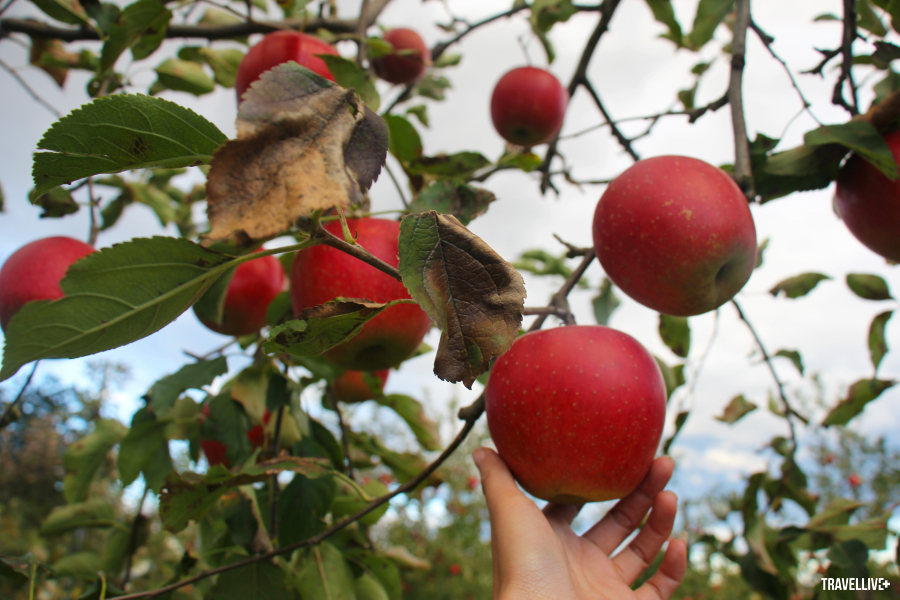
The owner of the orchard was so generous that he even took us on a tour of the vibrant red apple trees across the road. I was surprised that such a small, scrawny tree could produce so many apples. Although he let us pick as many as we liked, I was only allowed to pick and eat them all in the orchard. Surprisingly, he didn't sell the apples I picked myself because they weren't necessarily the best or highest quality. The apples he did sell were all carefully selected and could be left outdoors for about six days without spoiling.


Lost in the Fox Village of ZAO
Another "scene" in the ZAO neighborhood is the fox village. In many countries, foxes are animals you can only see in zoos, and of course, you can't touch them. Japan, however, has dedicated an entire village to raising these adorable animals in a natural habitat.
In Japanese culture, foxes are considered agile, intelligent animals and also symbolize good luck. At the fox village, there's no time limit for your visit, but you'll only have five minutes to hug a fox. The foxes here are very gentle and quite tame. Although you'll be warned to be careful when approaching them, as they might bite and you could end up at Miyagi Hospital... they're much more pleasant than you'd expect. They might even fall asleep in your arms while you hug them, allowing you to fully enjoy their soft, silky fur.
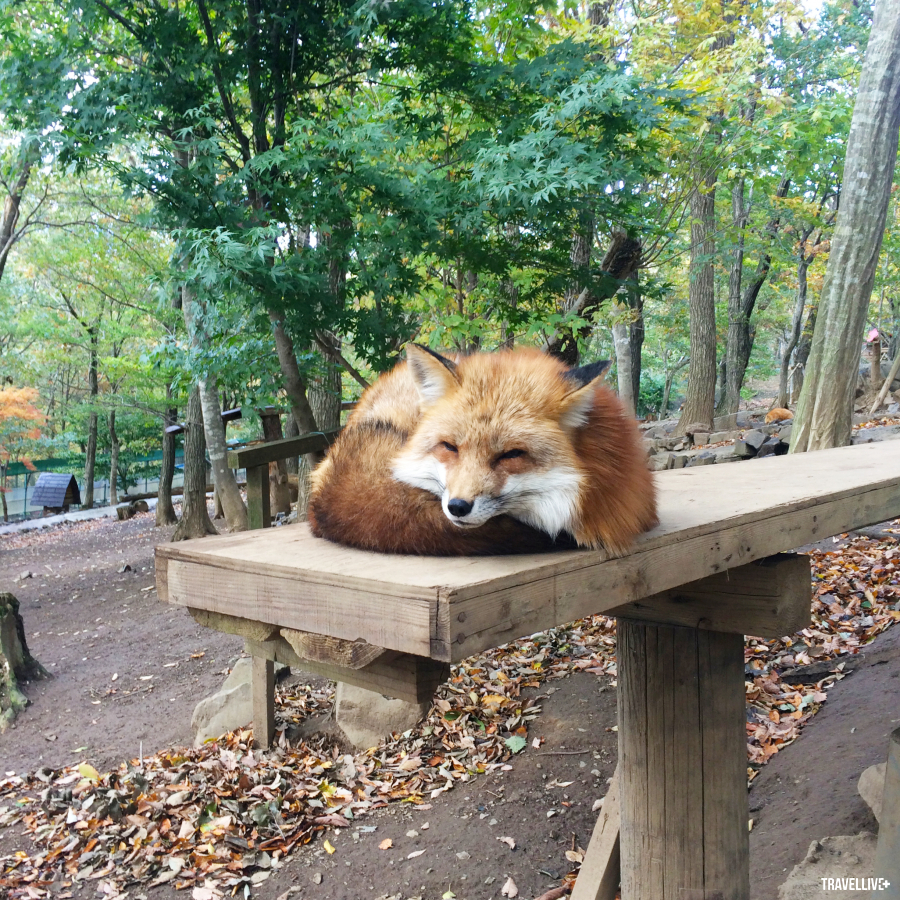
I lined up and waited just to be able to hug them for 5 minutes; the fox I hugged was named Kanto. Interestingly, there are over 100 foxes of 6 different breeds here, but the caretakers remember the name and age of each one. With the weather only 12-13°C during the day and temperatures dropping to 6-7°C at night, being able to hug a fox at this time was pure bliss.
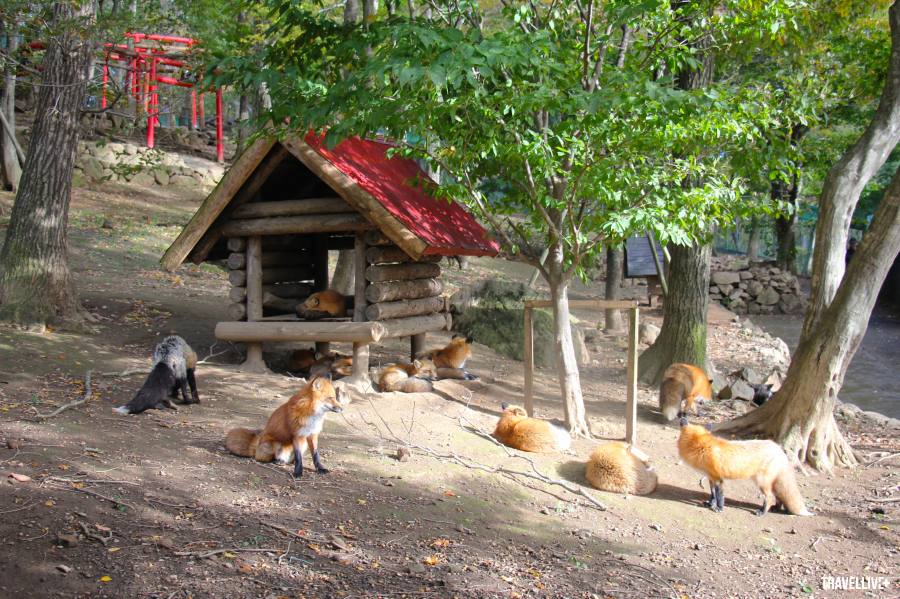
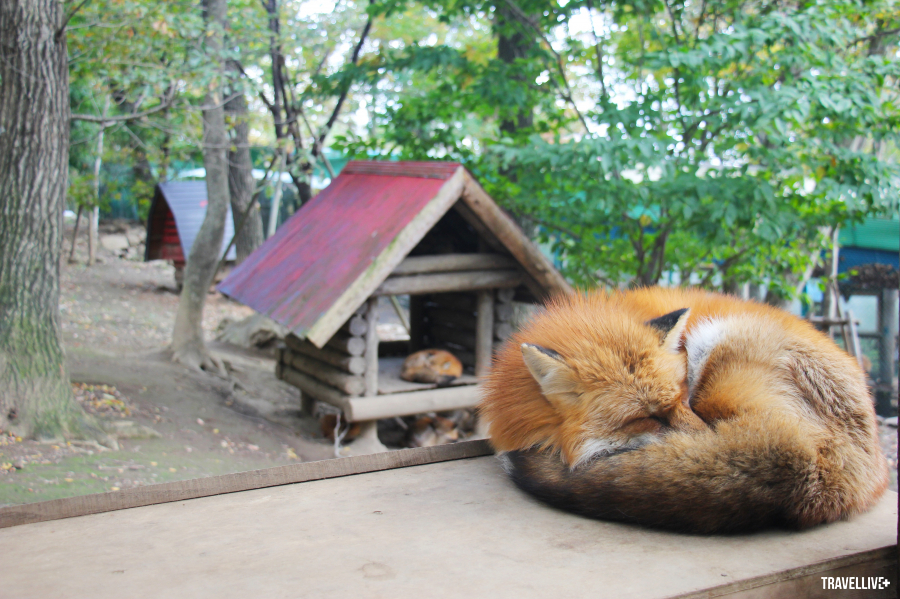
Wooden cages are built everywhere so the foxes can sleep whenever they want. Because the weather is quite cold, they sleep more than usual. You'll rarely see foxes playing or gnawing on your shoes or tugging at your clothes; instead, you'll find countless fluffy "balls" scattered along the pathways. You'll have to be very careful because, while engrossed in taking pictures of one fox, you might accidentally bump into another.
The serene atmosphere of Zuigan-ji Temple
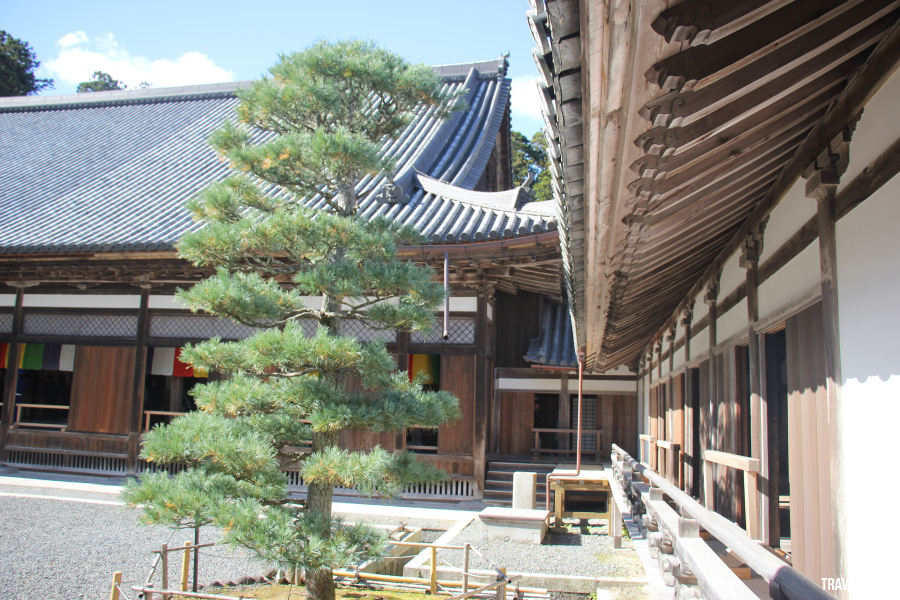
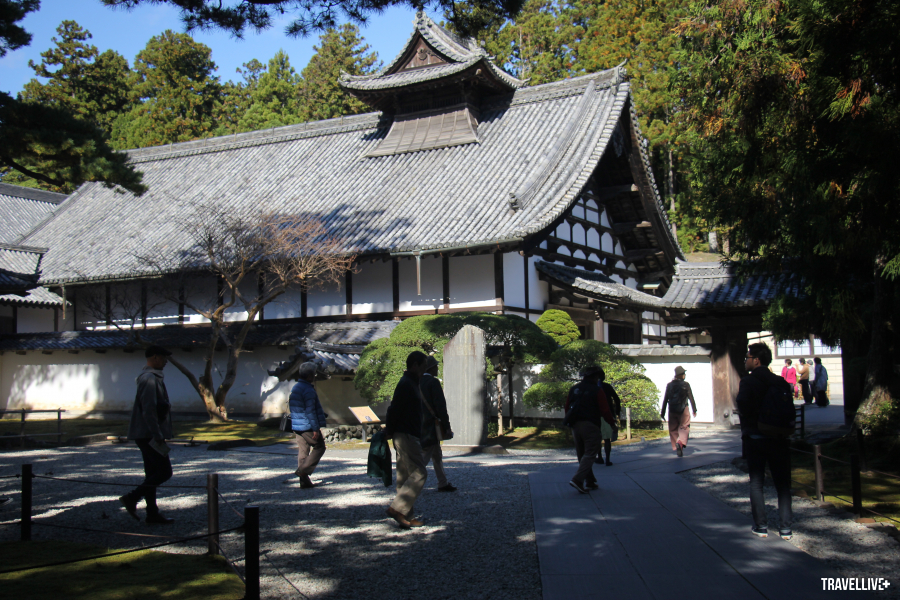
Zuigan-ji Temple, the pride of Matsushima, is a repository of even greater values, embodying the "spirit of Japan." It evokes a sense of tranquility, sacredness, and solemnity. From the entrance, I was captivated by the hundreds of towering cedar trees leading to the main gate. The deeper I went, the more I realized the temple was a mysterious labyrinth, meticulously designed. From the murals on the walls to the relics left by the Meiji Emperor, the Buddha hall, the Onari hall, and more, everything combined to create a "national treasure."
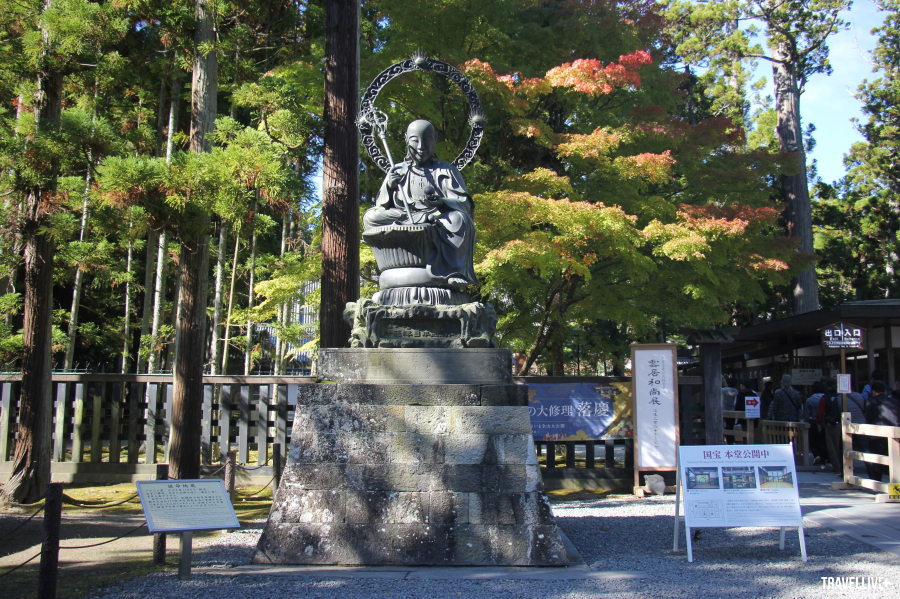
The Japanese highly respect public space, which is why crowded places tend to be quieter. This is especially true in temples. At Zuigan-ji Temple, you'll not only hear historical stories about this over 400-year-old temple, but it's also a place to pray for good fortune, with many areas where you can entrust your wishes. For example, you can put 100 yen into a box and draw a lucky charm. You can keep the auspicious charm and tie the inauspicious ones to wooden frames at the temple. Another way is to buy a wooden doll, write your wish on it, and leave it at the temple, praying for it to come true. Of course, I haven't verified the accuracy of these methods, but it's a fun way to let go of worries and maintain your faith.
Additional information:
- Visa:Submit your application in person at the Japanese Consulate in Vietnam. You will receive your visa after 8-15 days. Currently, Japanese tourist visas limit your stay to 14 days.
- TripThere are direct flights from Vietnam to Japan. Flight times will vary depending on your departure location and the airline you choose.
- Means of transportation:Public transportation in Japan is excellent. You can take trains, buses, or taxis for longer distances, and you can walk around the streets if you just want to sightsee and shop. However, always pay attention to the signs and remember your station so you don't miss your ride.
- Suitable time:Spring, autumn, and winter are all beautiful seasons to visit Japan. Summer is generally not recommended because it is usually quite hot.
- AccommodationIn Sendai, you can choose the Hotel Metropolitan Sendai East, right near Sendai Station. In ZAO, you can stay at Daiwa Resort. In Minami Sanriku, you absolutely must stay at Hotel Kanyo because in the evening you can go to the rooftop to watch the sunset, feed the seagulls, and stargaze at night.
- Cuisine:Premium Miyagi beef, fresh oysters, and grilled beef tongue are a unique culinary experience here. Additionally, don't forget to try a Kaiseki meal – a Japanese sushi set of over nine dishes – or a bowl of authentic ramen at any restaurant in Japan.
- Skin:If you're traveling during this time, you absolutely must pack warm clothes and a thermal bag because Japan is coldest from January to February. Don't forget a good pair of comfortable shoes because you'll be doing a lot of walking.
- Must-visit places when in Miyagi:
+ Sendai city center
+ For onsen bathing, you can bathe at the Togatta hot springs area right on ZAO Street.
Enjoy a tea ceremony and admire the sea view at Kanrantei.
+ Visit two famous temples: Godaido and Zuigan-ji.
- Other notes:
Eating outside or bringing food and drinks from outside into the restaurant is not allowed.
If you are invited to a meal, you must not leave any food uneaten.
You can drink water from public taps. Taps in Japan generally provide clean water of sufficient quality for drinking.